Spare Parts
Spark Plug Replacement Cost: Fake Parts & Real Prices
Spark plug replacement cost in Nigeria: spot fake plugs, know real prices, and avoid overpaying. Get mechanic-level advice and genuine part tips.


You are in Ladipo market, holding a set of spark plugs in a plain cellophane bag. The seller swears they are original NGK iridium. The price is too good. You buy them. Three months later, your car starts misfiring and you are back at your mechanic’s shop, paying for towing and a new coil pack. That is the fake spark plug trap. And it is costing Nigerian drivers far more than the few thousand naira they thought they saved.
GET ORIGINAL SPARK PLUG @ UgoMach AUTO’S in ASPAMDA: Whatsapp contact:08060352676
Spark plug replacement cost is not just the price of the plugs. It is the price of the plugs plus the risk of fakes plus the labor to fix the damage they cause. According to Motor1, the total cost of a spark plug replacement typically ranges from $100 to $250 for most vehicles, though it can exceed $500 for larger engines. But that is US pricing. In Nigeria, the numbers look different, and the fake part problem makes everything worse.
How to Spot a Fake Spark Plug in Nigerian Markets

Fake spark plugs are everywhere: Ladipo, ASPAMDA, and even some roadside shops in Ikeja and Port Harcourt. They look almost identical to the real thing. But there are tells.
First, check the packaging. Genuine NGK, Denso, or Bosch plugs come in a box with a clear part number, a batch code, and a hologram or QR code on newer stock. Fake boxes often have blurry printing, misspelled brand names, or no batch code at all. If the box feels flimsy and the ink smudges, walk away.
Second, look at the plug itself. The metal shell on a genuine plug is smooth and evenly plated. The insulator is clean white or light brown ceramic with no cracks. The electrode tip is precisely shaped. On fakes, you will see rough threads, uneven gaps, and sometimes a loose terminal nut that spins freely. A real iridium plug has a fine wire center electrode. A fake often has a thick, blunt tip that is just copper with a fancy label.
Third, weigh it. Genuine plugs feel solid. Fakes are often lighter because they use cheaper metals. This matters because a lightweight plug will not handle heat and pressure the same way.
Where are they sold? Everywhere. But the highest concentration is in open markets where you buy from a tray or a bucket, not a sealed box. If the seller pulls plugs from a bin and drops them in a bag, you have no way to verify the batch. That is where fakes hide.
The Real Spark Plug Replacement Cost in Nigeria
Let us talk money. According to CarMD, the average cost to address a check engine light climbed to a record $554 in 2025, a 33% increase from the previous year. Labor costs grew 51%, and parts costs rose 23%. That trend hits Nigeria too, because most of our parts are imported.
In Lagos, a set of four genuine copper spark plugs costs between ₦8,000 and ₦15,000 depending on brand. Iridium plugs run ₦25,000 to ₦60,000 for four, sometimes more for premium brands like NGK Laser Iridium. Labor at a good independent workshop in Lagos or Abuja is ₦10,000 to ₦25,000 for a simple four-cylinder engine. So a fair spark plug replacement cost for a Toyota Corolla or Honda Civic is roughly ₦20,000 to ₦40,000 total.
But if you drive a V6 or a turbocharged engine, the labor jumps. On many modern engines, mechanics have to remove the intake plenum or upper cowl just to access the spark plugs. What should be a simple job becomes a multi-hour undertaking. That is when you see quotes of ₦80,000 to ₦150,000 or more.
The fake part problem inflates this. If you buy fake plugs for ₦5,000, you might save ₦10,000 upfront. But when they fail, you pay for diagnosis, towing, new coil packs (₦15,000 to ₦40,000 each), and sometimes catalytic converter damage. That is a spark plug replacement cost you never planned for.
Why Cheap Plugs Cost More: The Turbo Warning
Modern turbo engines are brutal on spark plugs. The 2025 Toyota Tundra with the i-FORCE 3.4L Twin-Turbo V6 requires spark plug replacement every 40,000 miles or 48 months. That is not a suggestion. It is a warranty requirement. The high boost pressures and heat loads erode spark plug electrodes at an accelerated rate. If you ignore it, you risk misfires and coil failures.
Now imagine putting fake plugs in that engine. They will not last 40,000 miles. They might not last 10,000. The gap widens, the coil works harder, and eventually you are looking at a repair bill that makes the original spark plug replacement cost look like pocket change.
A dealership quoted $1,400 for a spark plug and coil pack job on a 2011 Nissan Sentra, according to Motor1. A mobile mechanic did it in under an hour for much less. The lesson: labor rates and parts quality vary wildly. In Nigeria, the same variance exists. Some shops charge dealership prices for fake parts.
How to Buy Genuine Spark Plugs in Nigeria
Buy from a trusted parts dealer, not a roadside hawker. Ask for the box with the part number. Cross-check that number against your car’s manual or an online fitment guide. If the seller cannot show you the box, do not buy.
Check the electrode. A genuine iridium plug has a fine center electrode, often 0.6mm or thinner. A fake has a thick, blunt tip. Run your finger over the threads. They should be smooth and sharp, not rough or flattened.
Look for the batch code. Genuine plugs have a code stamped on the metal shell and on the box. They should match. If the seller refuses to let you inspect, walk away.
Price is a clue. If a set of four iridium plugs is selling for ₦8,000, they are fake. Real iridium costs more. Copper plugs are cheaper, but they last only 20,000 to 30,000 miles. Iridium lasts up to 100,000 miles. Do not pay iridium prices for copper plugs.
One verification habit to adopt: before you pay, take a photo of the box and the plug’s part number. Send it to a trusted mechanic or check it against the manufacturer’s website. It takes two minutes. It can save you a engine.
Do your research. Do not go to the first mechanic shop you see that looks trustworthy. The spark plug replacement cost is not just naira and kobo. It is the cost of doing it right the first time.
Frequently Asked Questions
How much does spark plug replacement cost in Nigeria?
For a simple four-cylinder engine, expect ₦20,000 to ₦40,000 total, including parts and labor. For V6 or turbo engines with difficult access, it can range from ₦80,000 to ₦150,000 or more.
How can I tell if a spark plug is fake?
Check the packaging for blurry printing or missing batch codes. Inspect the plug: genuine iridium has a fine wire electrode, smooth threads, and feels solid. Fakes often have rough threads, blunt tips, and are lighter.
What happens if I use fake spark plugs?
Fake plugs can cause misfires, poor fuel economy, and premature coil failure. They may also damage the catalytic converter, leading to repair bills far higher than the cost of genuine plugs.
Related Articles
- Brandi Carlile: Rock Star in Her Prime, On Tour Now
- WAEC 2026 Timetable: Your Exam Strategy Guide
- Carney Calls U.S. Tariffs a Miscalculation as Canada Retaliates
- Retired US Navy Admiral Robert Harward Sparks Controversy
- How individual awards affect the collective

Spare Parts
2027 Hyundai Elantra Hybrid: A Spare Parts Guide
A spare parts guide to the 2027 Hyundai Elantra Hybrid: OEM vs aftermarket, counterfeit risk, model-year confusion and what Nigeria should check.

The part that decides whether the 2027 Hyundai Elantra Hybrid is cheap or ruinous to own is the electric motor inside its transaxle. Hyundai raised that motor from 32 kilowatts to 45 kW for this generation and mated it to a 1.6-litre four-cylinder and a six-speed dual-clutch automatic. CNET quotes 155 horsepower combined; Road & Track says 154. Hyundai’s own release lists neither figure, which tells you how much of this car’s ownership story is still unwritten.
A second item is unconfirmed, and it matters more in Lagos than in Los Angeles. Pricing. Hyundai unveiled the car at the LA Auto Show in November 2026 and published no sticker, no certified economy numbers and no firm launch date. The gasoline Elantra is a 2027 model year car; the hybrid is a 2028 model year vehicle that follows later. CNET expects the US hybrid in late 2027. No naira price can exist because no dollar price exists.
Why Spare Parts Matter More Than The 2027 Hyundai Elantra Hybrid Spec Sheet
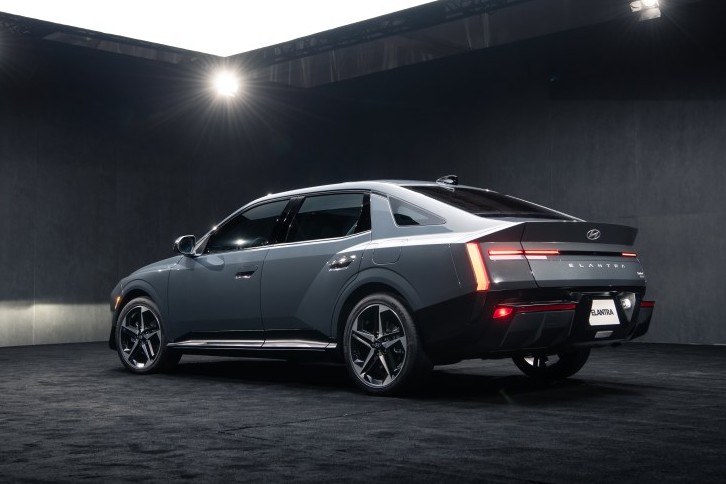
Three categories of part reach a Nigerian buyer, and confusing them is expensive. OEM parts are built to Hyundai’s drawing and sold under a Hyundai part number, usually through a dealer network. Aftermarket parts are made by independent manufacturers to their own interpretation of the same fitment; quality runs from excellent to unsafe with no external way to tell. Counterfeit parts are aftermarket goods dressed in OEM packaging. The box is the product.
The 2027 Hyundai Elantra Hybrid concentrates risk in three assemblies: the drive motor and its power electronics, the six-speed dual-clutch gearbox, and the regenerative braking hardware that Hyundai says now offers an EV-like one-pedal mode at its maximum setting. Each is a precision or high-voltage assembly with no meaningful counterfeit-proofing at the point of sale. A fake brake pad is dangerous. A fake inverter is a different category of problem entirely.
The Hardware That Will Drive Parts Demand
The gearbox deserves attention because it is not a torque-converter automatic. Hyundai pairs the dual-clutch unit with the hybrid system in place of the continuously variable transmission used in the 2.0-litre gasoline car, which produces 146 or 147 horsepower depending on which outlet you read. Two gearbox families in one nameplate means two parts catalogues, two service skill sets and, eventually, two resale stories.
Stay Mode adds a duty cycle the old car never had. Hyundai says the system runs climate control, audio and charging for up to 30 minutes with the engine off. That is useful in a Lagos hold-up, and it is also half an hour of load on electrical hardware that a conventional Elantra never sees.
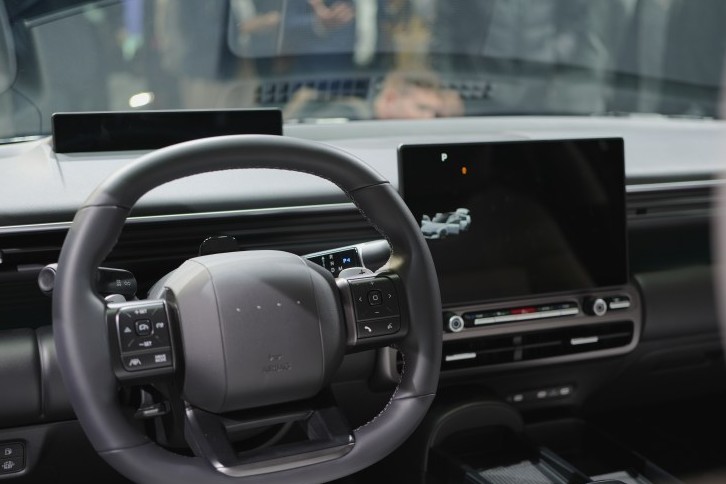
Then there is the cabin. Every Elantra gets the 12.9-inch Pleos Connect display running Android Automotive OS, and Hyundai says the system is over-the-air updatable. A used screen pulled from a breaker yard is not automatically a plug-and-play replacement on a software-defined car, and the company has not published a position on re-pairing. Until it does, treat the electronics as dealer-serviced.
Sourcing Parts For A Car Badged Avante In Korea
In Korea this car is the Avante, and Hyundai’s launch release confirms the badge. That detail has cash value. Korean and global parts channels will list Avante panels and trim for this generation while American catalogues list Elantra. An importer who searches only for Elantra misses half the available supply.
Paint is the other trap. Hyundai names Graphene Green Pearl as the global signature hue, built from a multi-layer pearl process, and restricts Kodiak Blue Matte and Raptor Gray Matte to Korea and markets outside North America. Matte finishes are widely regarded as harder to spot-repair than pearls. A panel that needs repainting costs more than a panel that needs bolting on.
What Nigeria Should Check Before The Hybrid Lands
Nigeria’s parts trade rewards volume models with deep aftermarket support. A hybrid sedan arriving in small numbers will not earn that support quickly, and the body is the first casualty. Hyundai confirms the car grew 85 mm in length, 30 mm in width and 30 mm in wheelbase over the outgoing generation, so previous-generation panels do not fit. That removes the cheapest source of replacement metal a Nigerian owner normally has.
The safety file is equally thin. No independent crash-test rating for this new generation appears anywhere in the material Hyundai published at launch, and the release hedges that safety systems are market- and trim-dependent. Any rating quoted by a dealer before an independent test is published should be treated as sales talk.
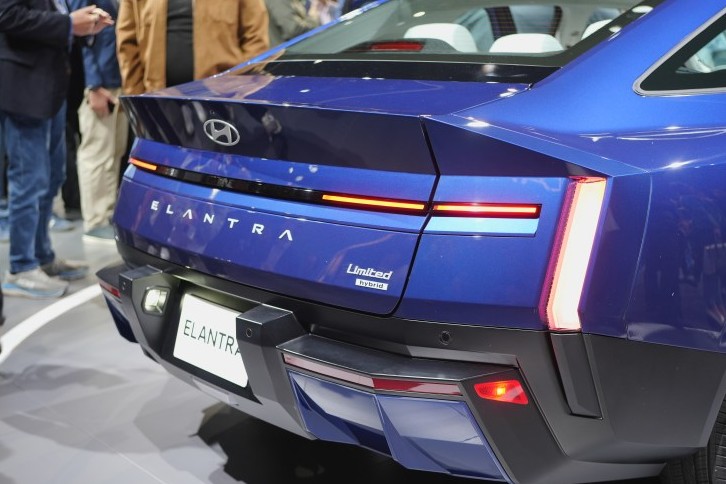
The design itself earns mixed notes. MotorTrend praises the knife-edge front and calls the rear fussy before conceding the exaggerated lip spoiler redeems it. It also flags that entry cars may rely on the centre screen alone for speed and turn signals, without the slim driver’s display. That is a software-and-hardware dependency worth knowing before you buy a used cluster.
Best Value
Best value on the 2027 Hyundai Elantra Hybrid will not come from the cheapest part on the shelf. It will come from OEM consumables bought ahead of need, from a seller who will show a Hyundai part number on the box, and from a workshop that has opened a dual-clutch gearbox before. The 53 mpg target and the 155-horsepower figure are the easy numbers to sell. The hard number is the one nobody has published: what a replacement drive motor costs in naira, and whether it arrives in three weeks or three months. Until Hyundai answers that, the specification sheet is the least useful document in the deal.
Frequently Asked Questions
Is the 2027 Hyundai Elantra Hybrid actually a 2027 model?
No. Hyundai split the nameplate by model year. The gasoline Elantra with the 2.0-litre engine and CVT is the 2027 model year car. The hybrid, with the 1.6-litre engine, 45 kW motor and six-speed dual-clutch, is a 2028 model year vehicle that arrives later. CNET expects the US hybrid in late 2027. This matters for parts because the two cars share a body but not a drivetrain catalogue.
What is the difference between OEM, aftermarket and counterfeit Hyundai parts?
OEM parts are manufactured to Hyundai’s drawing and sold under a Hyundai part number. Aftermarket parts are made by independent firms to their own interpretation of the same fitment, and quality varies widely. Counterfeit parts are aftermarket goods packaged to look like OEM. On hybrid hardware, the drive motor, inverter and dual-clutch gearbox, the counterfeit risk is worse than on cosmetic parts because failure is not cosmetic.
Has Hyundai announced pricing for the Elantra Hybrid in Nigeria?
No. Hyundai published no US pricing at the LA Auto Show unveiling and has not announced Nigerian pricing. Any naira figure circulating before an official announcement is an estimate. Buyers should also confirm whether a unit is the Korean-badged Avante or an Elantra, since parts channels list them under different names.
Should Nigerian buyers worry about parts availability for a hybrid Elantra?
The concern is real but specific. Hyundai confirms the new car is 85 mm longer, 30 mm wider and rides a 30 mm longer wheelbase than the previous generation, so old body panels will not fit. Hybrid-specific components such as the drive motor and power electronics have no established aftermarket supply in Nigeria, which points owners toward dealer channels for the first years of ownership.
 Follow AFRILATEST on Google News
FIRST TIME REACTIONS:
Be the first to leave us a comment – 2027 Hyundai Elantra Hybrid: A Spare Parts Guide, down the comment section.
JOIN US ON OUR SOCIAL MEDIA:

About Paul Nwogo
Paul Nwogo is an engineer, published author, and the Head Manager at AfriLatest. He has written numerous books available on Amazon covering a diverse range of topics, including health, personal finance, relationships, work ethics, and scam survival. With his technical background and passion for writing, Paul now oversees the editorial direction of AfriLatest, delivering practical, accurate, and engaging content on trending news, music, and global lifestyle topics.
View all articles by Paul NwogoSpare Parts
Honda Hybrid 2027: 15 New Models, What Nigerian Buyers Must Know
Honda Hybrid is the new name for Honda’s 2027 system. Learn what it means for Nigerian buyers of Civic, Accord, CR-V and spare parts availability.
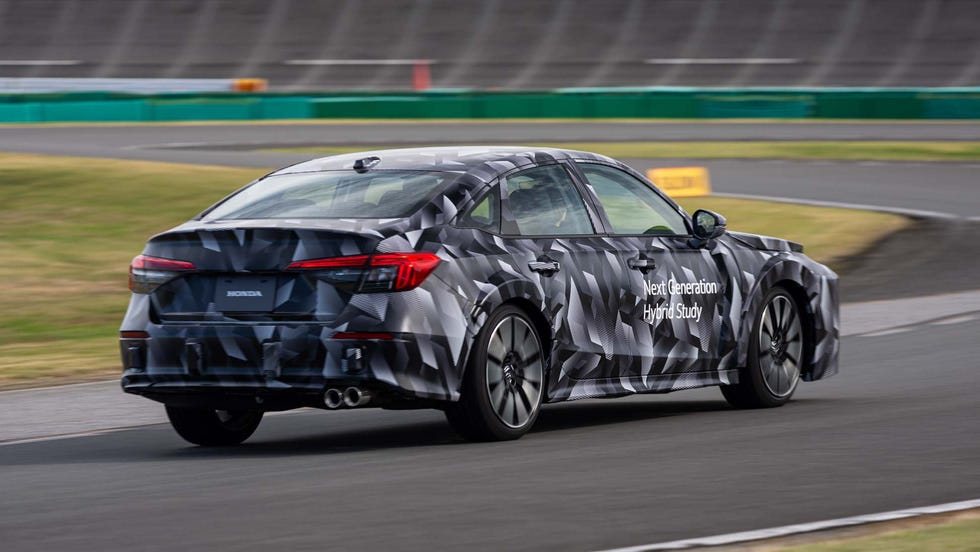
Honda has finally put a name on its next-generation hybrid system: Honda Hybrid. That is the official name, announced October 9, 2026, and it will start appearing in vehicles globally from 2027. If you are a Nigerian buyer looking at a used Civic Hybrid, Accord Hybrid, or CR-V Hybrid today, or planning to import one in the next three years, this matters for your wallet. The name is simple. The parts story behind it is not.
Honda Hybrid is the next-generation system built on the bones of e:HEV, Honda’s original two-motor hybrid setup. Honda says it has expanded the high-efficiency operating range of the engine and downsized the drive unit to impr ove fuel economy. It will support a newly developed electric all-wheel-drive system called e-AWD, plus a Motion Management System for integrated control. By the end of March 2030, Honda plans to launch 15 models with Honda Hybrid, mostly for North America. Acura, Honda’s luxury arm, is also planning an RDX Hybrid.
What This Means For Nigerian Spare Parts Buyers
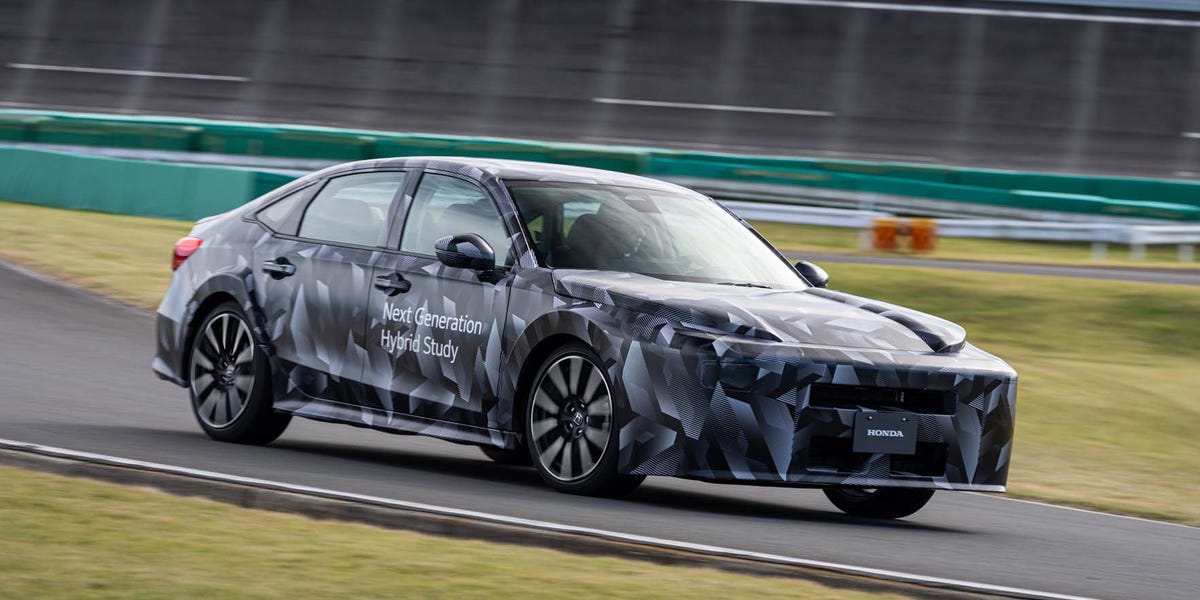
Here is the practical part. When a manufacturer changes a hybrid system, the old parts do not vanish overnight, but they do start a slow price climb. Nigerian mechanics who already servicess e:HEV Civics and Accords know the drill: inverter coolant pumps, hybrid battery modules, and motor-generator stators are the three items that empty a customer’s pocket. If Honda Hybrid rolls out in 2027 and reaches Nigerian ports by 2028 through tokunbo imports, the e:HEV generation will still be the dominant hybrid Honda on our roads for at least another five to seven years.
That is good news for current owners. It means the e:HEV parts pipeline stays alive. But it also means you must know the difference between genuine Honda hybrid components and the fake units flooding Ladipo and ASPAMDA. A genuine Honda hybrid battery module for a 2018 to 2022 Accord Hybrid currently runs between ₦850,000 and ₦1.4 million depending on condition and source. A fake or refurbished unit with no serial trace can go for ₦350,000 and fail inside eight months. That is not a saving. That is a second repair bill.
Engine And Drivetrain: What Honda Hybrid Changes
Honda has not released full engine specs for Honda Hybrid. Based on Car and Driver’s drive of a next-generation Civic Hybrid prototype in 2025, expect a 2.0-liter four-cylinder paired with two electric motors and a new battery. Honda has also discussed a V-6 hybrid for larger vehicles like the Pilot, Passport, and Ridgeline, with a third electric motor on the rear axle for all-wheel drive. That V-6 hybrid would likely reach Nigeria through the Acura MDX Hybrid or a high-spec Pilot, not the mass-market Civic.
For the Nigerian buyer, the four-cylinder Honda Hybrid is the one that will matter. It is the one that will land in tokunbo Civic and Accord shells. It is the one your mechanic will see in 2029.
Fuel Economy And Running Costs In Nigeria
Honda claims improved fuel economy from the expanded engine efficiency range and smaller drive unit. On paper, that is good. On Nigerian roads, the real number depends on your route. A current e:HEV Accord Hybrid does roughly 18 to 22 km per liter in mixed Lagos traffic if the battery is healthy. A tired battery drops that to 13 to 15 km per liter. If Honda Hybrid delivers even a 10 percent improvement, you are looking at meaningful savings at ₦900 to ₦1,100 per liter of petrol.
But here is the warning. Hybrid fuel savings only work if the battery and inverter are healthy. A bad hybrid battery in Nigeria costs more to replace than the fuel you will save in two years. Before you buy any used Honda hybrid, pay a hybrid-trained technician to scan the battery state of health. A scan costs ₦15,000 to ₦30,000. A replacement battery costs ten times that.
Parts Availability And The e:HEV Overlap
Honda says Honda Hybrid is based on techinologies amassed through e:HEV development. That is the key sentence for spare parts. It means some control software, some sensor logic, and some service procedures will carry over. It does not mean e:HEV parts fit Honda Hybrid parts. They will not. The drive unit is downsized. The engine operating range is different. The e-AWD is new.
So do not let any parts dealer tell you a Honda Hybrid inverter is the same as an e:HEV inverter. It is not. Ask for the part number stamped on the unit and verify it against the chassis number. If the dealer cannot show you the donor car or a verifiable part number, walk away.
Resale And The Nigerian Market
Honda hybrid resale in Nigeria is steady but not spectacular. The buyer pool is smaller because many Nigerians still fear hybrid batteries. That fear keeps prices lower than equivalent petrol-only Hondas, which is actually good for a knowledgeable buyer. A 2020 Accord Hybrid with a verified healthy battery can be bought for less than a petrol Accord of the same year, and it will save you fuel money every week.
When Honda Hybrid arrives in 2027 and 2028, expect the first units to be expensive. Early adopters in Nigeria will pay a premium for a car with no local parts history. Wait at least two years after global launch before importing one. Let the parts network catch up. Let the first failures happen in other markets so we know what breaks.
Honda’s India Plans And What They Signal
Honda is also preparing a new sub-4-metre SUV for India to rival the Tata Nexon and Hyundai Venue, and the company plans to introduce its next-generation hybrid technology in India after its global debut in 2027. Honda aims for more than 10 models in India by 2030. That tells you Honda is pushing hybrids into emerging markets, not just North America. Nigeria is not India, but the same parts supply chains that serve Indian Honda hybrids often serve West Africa through Dubai and South Africa. That is your future parts route.
Verdict: Which Honda Hybrid Buyer Are You?
If you are buying a used Honda hybrid today, buy the e:HEV generation with a verified healthy battery. Do not pay for Honda Hybrid hype that has not arrived. The Civic Hybrid, Accord Hybrid, and CR-V Hybrid are proven, and parts exist in Lagos, Abuja, and Port Harcourt. Budget ₦900,000 to ₦1.5 million for a genuine battery replacement when the time comes, and insist on a scan before purchase.
If you are waiting for Honda Hybrid, wait until 2029. By then, the first units will have real-world failure data, and Nigerian parts dealers will have figured out the supply chain. Buying a Honda Hybrid in 2027 or 2028 in Nigeria means paying top naira for a car nobody can fix cheaply yet. That is not a smart buy. That is an experiment with your own money.
Frequently Asked Questions
What is Honda Hybrid?
Honda Hybrid is the official name for Honda’s next-generation hybrid system, announced October 9, 2026. It is based on e:HEV technology and will appear in vehicles globally starting in 2027.
When will Honda Hybrid models reach Nigeria?
Honda has not announced Nigerian launch dates. Based on typical tokunbo import timelines, expect the first Honda Hybrid units to reach Nigerian ports in 2028 or later, with meaningful parts availability by 2029.
Can I use e:HEV parts on a Honda Hybrid car?
No. Honda Hybrid uses a downsized drive unit, a different engine operating range, and a new e-AWD system. Do not accept e:HEV parts as substitutes. Always verify the part number against the chassis number.
Related Articles
- Natanael Cano Postpones Mexico Tour: Refunds & Health Focus
- Quartz Countertops Banned in California: What You Must Know
- Pixel 11 owners still waiting on Android 17 QPR1
- Apple Watch and AirPods Fall Deals: Save $120 Today
- Prime Big Deal Days Fitness Deals: 50% Off Top Gear
FIRST TIME REACTIONS:
Be the first to leave us a comment – Honda Hybrid 2027: 15 New Models, What Nigerian Buyers Must Know, down the comment section.
JOIN US ON OUR SOCIAL MEDIA:
Spare Parts
Spare Parts Price Lagos 2026: What You’ll Pay and Why
Spare parts price Lagos 2026: real market drivers, fake part warnings, and where to buy. Prices in naira. Read before you spend.
Spare Parts Price Lagos 2026: The Real Numbers Behind Every Purchase
If you are buying spare parts in Lagos in 2026, you are not just paying for metal and rubber. You are paying for imported stock, diesel, rent, and a market that is being squeezed from every side. The spare parts price Lagos 2026 reality is simple: costs are up, fake parts are everywhere, and the difference bet ween a good buy and a scam is often one question you forgot to ask.
This guide breaks down what is driving prices, how to spot fakes, and whre to put your money for Nigerian roads.

What Is Actually Driving Spare Parts Price Lagos 2026
The National Bureau of Statistics put Nigeria’s headline inflation at 15.15 per cent in December 2025, with only slight moderation to about 15.1 per cent in January 2026. That is de number LAMATA cited when Governor Babajide Sanwo-Olu approved a 13 per cent increase in BRT and standard bus fares across Lagos, effective Monday, March 2, 2026.
LAMATA’s statement was blunt about why. Bus operators are grappling with rising vehicle maintenance and repairs, imported spare parts, and staff salaries following the new national minimum wage. When the people who move Lagos say spare parts are eating their margins, you know the market is tight.
That same pressure hits you at Alaba, Ladipo, and Oshodi. The naiira buys less imported stock. Shipping and clearing costs stay high. Dealers who used to absorb small increases now pass them straight to you.
According to Vanguard, the fare adjustment was designed to offset severe economic pressures on public transport providers. Spare parts sit at the centre of that pressure.
What You Will Pay in 2026
Here is the honest range for common parts in Lagos as of early 2026. Prices move weekly, so treat these as negotiation anchors, not fixed quotes.
Brake pads for a Toyota Corolla or Camry: N18,000 to N45,000 per axle set. Cheap unbranded sets go for N12,000 but often squeal within 3,000 km.
Shock absorbers for a Honda or Toyota sedan: N25,000 to N60,000 each, depending on brand. OEM-grade units from Winpart by CFAO sit at the higher end.
Alternators for common Japaanese sedans: N45,000 to N120,000. Rebuilt units are cheaper but lifespan is a gamble.
Air filters: N4,000 to N12,000. Engine oil filters: N2,500 to N8,000.
Batteries (70Ah, common for sedans and small SUVs): N85,000 to N150,000. Local production is coming, but imported stock still dominates.
Tyres (195/65 R15, common Corolla size): N55,000 to N95,000 each for known brands.
If those numbers sting, remember that a 13 per cent fare increase on BRT was approved partly because operators could not keep buses running without passing costs on. You are in the same boat.
OEM vs Aftermarket: What the 2026 Market Looks Like
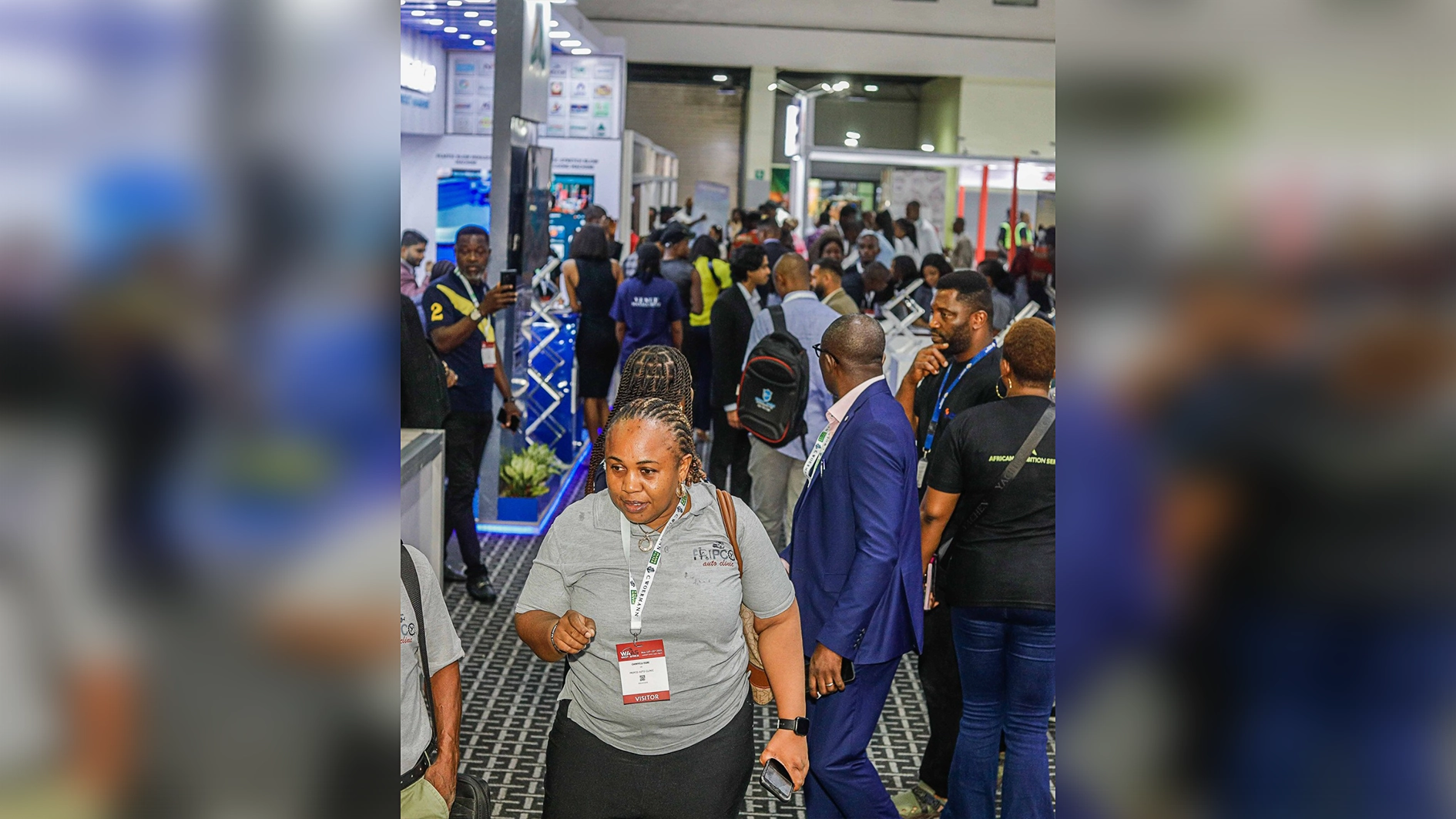
The 2026 West Africa Automotive Show in Lagos brought over 350 exhibitors and expected more than 6,000 visitors. The message from the floor was clear: Nigeria and West Africa remain import-heavy markets, and exhibitors from Europe, UAE, China, and other regions are pushing products that claim to improve safety standards.
Eric Fantoji, General Manager of Winpart by CFAO, made a point that matters to your wallet. He said the company is showing the Nigerian market that quality does not necessarily mean high price, and that Winpart is cheaper than OEM while maintaining better quality than many low-grade products in the market.
That is the tier you should be hunting. True OEM parts are the gold standard but often overpriced for a 2010 Corolla. The bottom-tier unbranded parts are cheap for a reason. The mid dle tier, reputable aftermarket brands with verifiable supply chains, is where Nigerian roads are won.
Ali Kouri, another exhibitor, said it plainly: to sell in this market, you need the correct price point with good quality. That is the balance you are looking for as a buyer.
How to Spot Fake Parts Before You Pay
Fake parts are the biggest scam in the Lagos market. They look right until they fail. Here is how to protect yourself.
Ask for the part number and check it against your vehicle’s VIN. If the seller cannot produce a matching number, walk away.
Inspect packaging for spelling errors, blurry logos, and flimsy cardboard. Genuine manufacturers invest in packaging.
Weigh the part in your hand if possible. Counterfeit brake pads and filters are often noticeably lighter because they use less material.
Buy from dealers with a physical shop and a reputation to protect. The 2026 Abule Egba situation shows why this matters. According to Sahara Reporters, motor spare parts and scrap dealers at Ogunrinde Street received a five-day notice to vacate, and were later told shops at the proposed Amikanle relocation site cost about N5 million each. When traders are under that kind of pressure, fly-by-night sellers multiply.
Avoid roadside sellers who cannot tell you the brand or origin of the part. If they hesitate, they are guessing.
Where to Buy in Lagos
Alaba International Market remains the largest hub, but it is not the only option. Ladipo Market in Mushin is strong for used and new Japanese parts. Oshodi and Ajegunle have pockets of specialists.
The 2026 West Africa Automotive Show, reported by The Guardian, confirmed that importers, distributors, and manufacturers see Nigeria as a major destination. That means more competition, which is good for you if you know your prices.
For lubricants and batteries, watch for local blending and repackaging. WR Carpenters is considering a blending and repackaging factory in Nigeria to reduce costs. Winpart by CFAO is also considering local production of lubricants and batteries. When that happens, prices should ease.
What About CNG and the Push to Cut Costs
Lagos took delivery of 20 additional high-capacity CNG buses in late 2026, bringing the regulated fleet to about 170. The federal government wants measurable reductions in transport costs. But commercial operators in several states resist fare cuts, citing high petrol prices, spare-parts costs, and maintenance.
In Ogun State, a transporter said converting a vehicle to CNG costs about N1.3 million. That is a serious number, and it explains why spare parts for CNG systems will become a new price category in Lagos in 2026 and beyond.
If you run a commercial vehicle, CNG conversion may pay off over time, but only if you can access reliable refuelling. Otherwise, you are adding a new parts category to your maintenance list without saving on fuel.
Best Value Pick for Nigerian Roads
For most Lagos drivers in 2026, the best value is mid-tier aftermarket parts from established distributors. Not OEM, not unbranded. Brands that Winpart by CFAO and similar exhibitors at the West Africa Automotive Show represent: cheaper than OEM, better than the junk.
For brake pads, do not go cheap. For filters and batteries, mid-tier is fine if you change them on schedule. For critical engine components, pay for OEM or verified equivalent.
Before you spend, ask three questions: What is the part number? Who is the manufacturer? What is the return policy? If the seller cannot answer all three, keep your money. The spare parts price Lagos 2026 market rewards buyers who do homework and punishes those who do not.
Frequently Asked Questions
Why are spare parts so expensive in Lagos in 2026?
Inflation, imported stock costs, and the new minimum wage are pushing prices. LAMATA cited these exact pressures when approving a 13 per cent BRT fare increase in March 2026.
How do I know if a spare part is fake?
Check the part number against your VIN, inspect packaging for errors, weigh the part, and buy only from dealers with a physical shop and reputation to protect.
Should I buy OEM or aftermarket parts in Lagos?
For critical components like brake pads, pay for OEM or verified equivalent. For filters and batteries, mid-tier aftermarket from established distributors offers the best value on Nigerian roads.
Related Articles
- Best iPhone 18 Pro Cases: 5 Picks Under $30 Tested
- Nigeria’s Economy Grows Over 4% in 2026: What It Means for You
- Shot on iPhone Duo Campaign: What Apple Isn’t Telling You
- Trump $500 Check Hits Mailboxes: Who Qualifies
- Honda Labour Dispute: What Nigerian Car Owners Must Know
FIRST TIME REACTIONS:
Be the first to leave us a comment – Spare Parts Price Lagos 2026: What You’ll Pay and Why, down the comment section.
JOIN US ON OUR SOCIAL MEDIA:
-

 Car Reviews3 weeks ago
1955 Chevy Bel Air Restomod: What SEMA Really Proves
-
Celebrities4 weeks ago
Celebrity Traitors Final Predictions: Ex-Players On Tactics
-
Celebrities3 weeks ago
Hailey Bieber PMDD Diagnosis Followed Son Jack’s Birth
-
World News3 weeks ago
Céline Dion Air Bass At Metallica’s Sphere: What’s Confirmed
-
Health and Fitness4 weeks ago
Dylan Dreyer Hair Part Change: What’s Real And What’s Hype
-
Nigeria News3 weeks ago
NAJA Names Weststar Chairman Auto Legend For 2026