Trend politics
Trump $500 Check Hits Mailboxes: Who Qualifies
The Trump $500 check is arriving for 950,000 Obamacare enrollees in 30 states. See if you qualify, when it lands, and why experts are skeptical.

The envelope carries a Treasury check for $500 and a letter signed by President Donald Trump. Inside, the president tells the recipient the money was wrongly taken — and that he is giving it back.
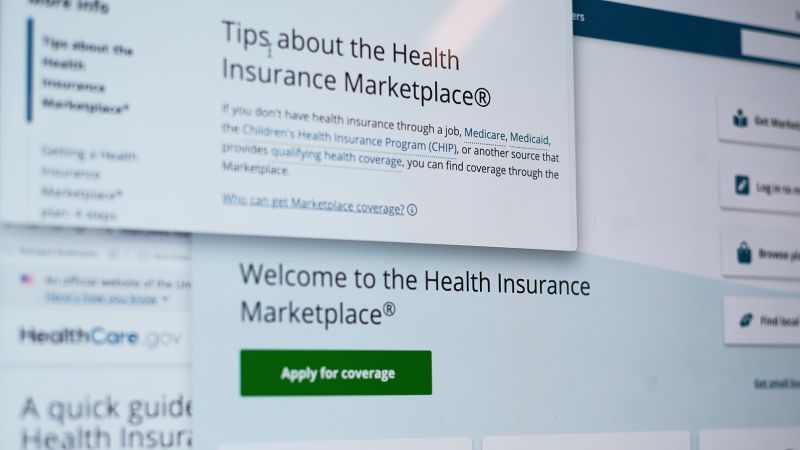
Starting Wednesday, those envelopes began moving through the U.S. mail. They are headed to more than 950,000 people across 30 states, all of them enrolled in Affordable Care Act coverage through the federal exchange, healthcare.gov. The Trump $500 check is real. Whether it lands in your mailbox depends on where you live, what you earn, and whether you took a federal subsidy.
Why the Checks Are Going Out
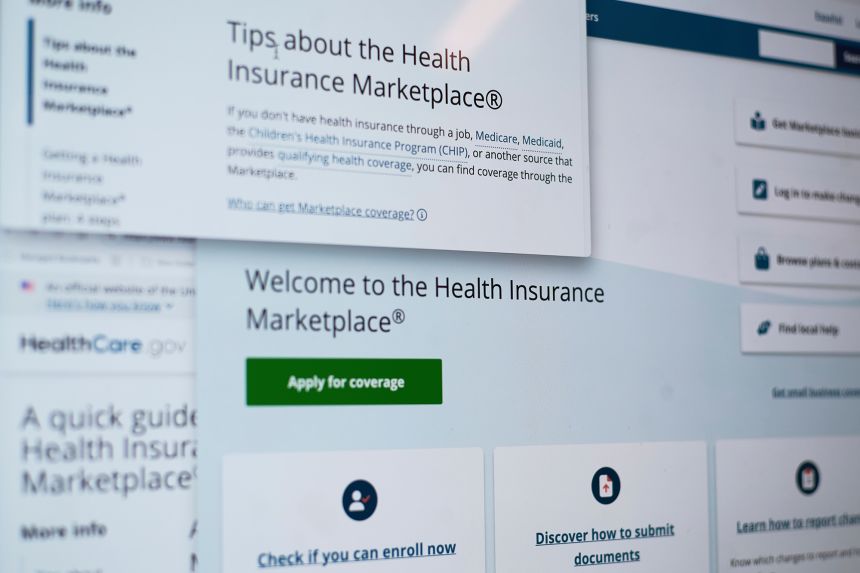
The White House says the Biden administration collected user fees from insurers that were far higher than needed to run the federal exchange. Those fees, the administration argues, were passed on to consumers as higher premiums. Trump has called the enrollees “wrongly overcharged.”
The money comes from roughly $1.2 billion in unspent user fees that piled up before Biden took office in 2021. The first Trump administration had cut spending on enrollment assistance, marketing, the healthcare.gov website, and the federal call center, so the surplus grew. The Biden administration later spent heavily on those operations as enrollment nearly doubled to about 22 million people.
Health policy experts dispute the overcharge claim. Jonathan Oberlander, a professor at the University of North Carolina at Chapel Hill, told CNBC that the fees went up and down across administrations and were at times lower under Biden than under Trump’s first term.
The letter inside the envelope makes the political case directly. “For years, the Biden Administration overcharged you to fund the operation of HealthCare.gov,” Trump writes. “That money belongs to hard-working Americans, not the Government, and now, I am returning it to you.”
Who Qualifies for the Trump $500 Check
Residency in one of the 30 states is not enough. Only enrollees who did not receive federal premium subsidies qualify.
The primary recipients are people earning above 400% of the federal poverty line — roughly $63,000 for an individual and $129,000 for a family of four. Some people earning between 100% and 400% of the poverty line who received no subsidy will also get a check, according to an administration official who spoke to ABC News.
Families with more than one affected person may receive multiple $500 checks, according to CNBC. The payments are issued per person, not per household. The checks are mailed, not deposited electronically, and they arrive with the letter dated Sept. 30.
The 30 states are Alabama, Alaska, Arizona, Arkansas, Delaware, Florida, Hawaii, Indiana, Iowa, Kansas, Louisiana, Michigan, Mississippi, Missouri, Montana, Nebraska, New Hampshire, North Carolina, North Dakota, Ohio, Oklahoma, Oregon, South Carolina, South Dakota, Tennessee, Texas, Utah, West Virginia, Wisconsin and Wyoming.
Residents of the other 20 states will not receive checks. Those states run their own ACA exchanges, so the federal government did not collect user fees from them. Texas and Florida have the largest number of recipients — about 139,000 and 127,900 respectively, according to federal data shared with CNBC.
The Timing and the Politics
The checks land a little more than a month before the midterm elections, with Republicans fighting to hold Congress. Affordability has become a central theme of the cycle as inflation stays high, interest rates rise, and gasoline prices climb amid the Iran war.
The Trump $500 check is separate from a $5,000 dividend Trump promised to all adult Americans if Republicans keep the House and Senate. Whether he can deliver that larger payment remains an open question.
The refunds arrive as millions of households absorb premium spikes after the enhanced ACA subsidies expired at the end of 2025. Congressional Republicans blocked Democratic efforts to extend them. Premiums are set to rise again for 2027, and open enrollment begins Nov. 1 — just before voters go to the polls.
In a video announcing the rebates, Trump said the $500 would cover the premium spike “in many cases.” KFF, a nonpartisan health policy research group, found that some enrollees saw monthly costs rise by far more than $500.
Gerard Anderson, a professor at Johns Hopkins Bloomberg School of Public Health, told ABC News the payment “does not target the people most likely to have been harmed by the policy changes made by the administration, including the end of the tax credits.” He noted the check amount is not tied to a person’s medical condition, which drives premium costs.
Oberlander was blunter. He called the policy “damage control” for the White House and wrote that it is “less about health policy and much more about the 2026 Congressional elections.”
What Comes Next
The administration is also cutting the user fee that funds the exchange — from 2.5% in 2026 to 1.9% for 2027. The White House argues that will lower premiums. Critics counter that a $500 one-time payment does little against annual cost increases that can run into the thousands.
For the roughly 950,000 people now watching their mailboxes, the envelope is a windfall. For the other 18 million-plus Americans on ACA coverage, it is a reminder of how narrowly the relief was drawn. And for Republicans facing voters in November, it is a bet that a check signed by the president — arriving just before the midterms — will be remembered at the ballot box.
The letter ends with a promise. “I will never stop fighting to put the American People FIRST,” Trump writes. Whether the Trump $500 check buys the political goodwill it was designed to deliver will be settled on Election Day.
Related Articles
- OPay Impersonation: Woman Arraigned in Lagos Court
- Digital Postcode: NIPOST’s 11-Character Code to Boost Business
- Honda Restructures Nigeria Operations: What HAWA Merger Means for Parts Buyers
- OPay National Innovation Challenge: Top 10 Teams Share N18m
- Best iPhone 18 Pro Cases: Top Picks for Protection
 Follow AFRILATEST on Google News
FIRST TIME REACTIONS:
Be the first to leave us a comment – Trump $500 Check Hits Mailboxes: Who Qualifies, down the comment section. Click allow to follow this topic and get firsthand daily updates.
JOIN US ON OUR SOCIAL MEDIA:


Trend politics
Jimmy Kimmel Takes Aim at Trump’s New Press Secretary
Jimmy Kimmel takes aim at Trump’s new press secretary Katie Zacharia, calling her 14-minute briefing a disaster. Here’s how to watch the monologue.


Jimmy Kimmel takes aim at Trump’s new press secretary, and the monologue is worth watching in full. On Tuesday night’s Jimmy Kimmel Live, the host went after Katie Zacharia, the latest person to take the White House podium under Trump. Here is how to find the segment, what Kimmel actually said, and why it matters beyond the jokes.
What Happened On Tuesday’s Monologue
Kimmel opened by framing Zacharia’s first briefing as a disaster. “It was the first day of kindergarten for the new White House press secretary, Katie Zacharia,” he said. He noted the briefing ran only 14 minutes, calling it “brief.”
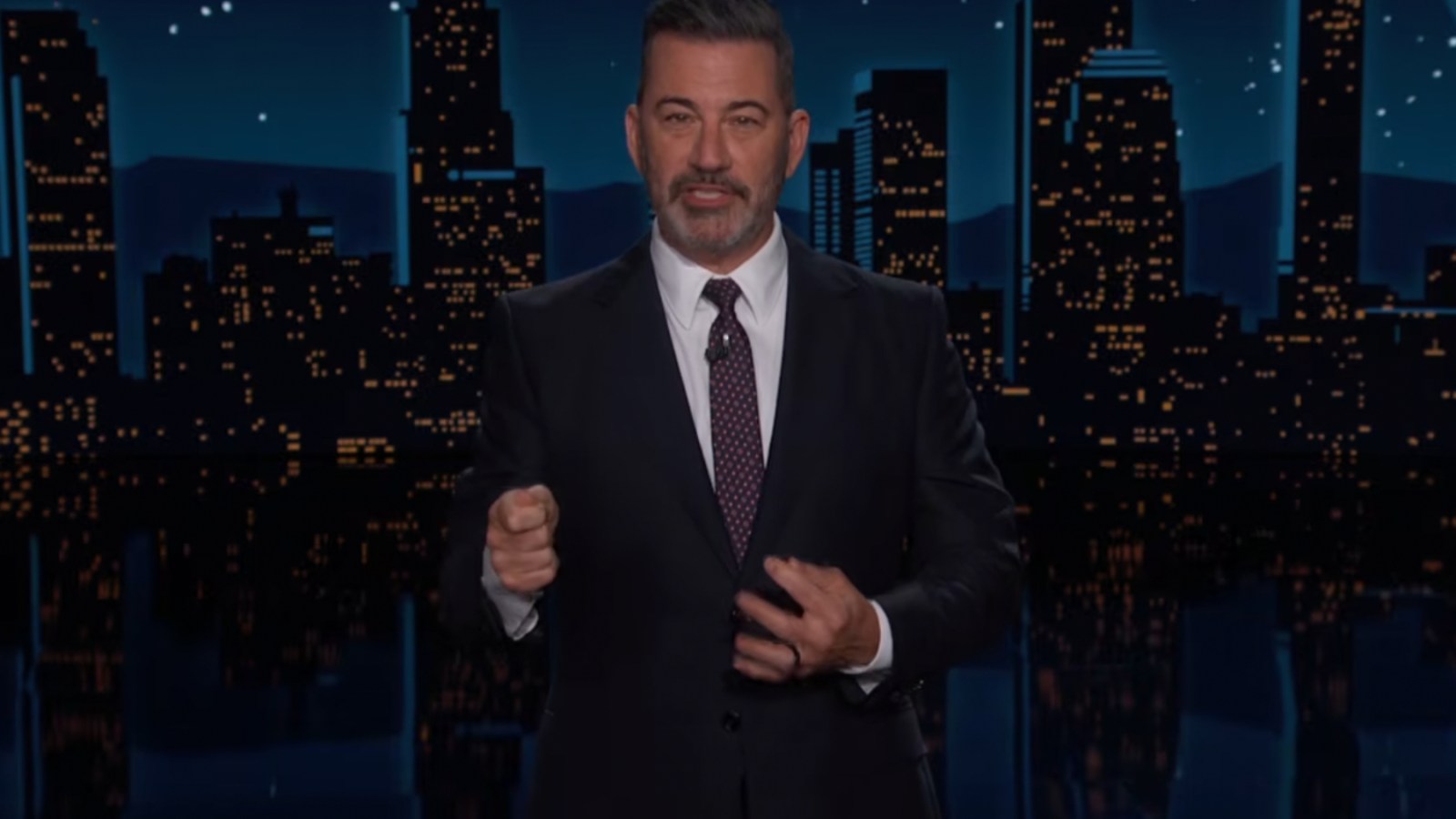
Kimmel’s sharper line: “Her reading is good for an 11 year old. He hired a fourth grader to be press secretary!” He played clips of Zacharia reading slowly from a piece of paper, then moved to her background.
According to Rolling Stone, Kimmel called her a “real piece of work” and cited her social media history, including calling Democrats pedophiles and giving weight to Pizzagate. He also aired a clip of her claiming the “woke movie” The Odyssey would make “no money.” Kimmel countered: “That woke movie went on to make $1.8 billion.”
Zacharia replaced Karoline Leavitt earlier this week, making her the sixth person to hold the White House press podium under Trump.
How To Watch The Full Segment
Step 1: Go to ABC.com or Hulu. Jimmy Kimmel Live airs weeknights at 11:35 p.m. ET. Full episodes post the next morning.
Step 2: Search “Jimmy Kimmel Katie Zacharia” on YouTube. The show’s official channel typically clips monologue segments within 12 hours.
Step 3: Check Rolling Stone’s TV coverage. The outlet published a full writeup with direct quotes and clip descriptions.
Step 4: If you are outside the U.S., use a VPN set to a U.S. server. ABC’s streaming library is geo-restricted. Free options like the show’s YouTube channel often work without one.
Why This Monologue Landed Harder Than Usual
Kimmel’s attack was not just about one bad briefing. It was about the pattern. He joked that Trump brings in “a new fawning blonde dolt to add to the rotation” every six months to keep him interested.
He also tied Zacharia’s performance to a bigger question: how long will she last? “Katie’s first outing was, as her boss might say, a total disaster,” Kimmel said. “I was impressed though: Do you know how hard it is to become Trump’s worst press secretary that quickly?”
That line works because it flips the expected punchline. Instead of just mocking Zacharia, Kimmel mocks the hiring standard itself.
The Broader Kimmel-Trump Feud
This is not an isolated fight. Kimmel and Trump have traded shots for years. Trump called Kimmel a “loser” at a recent rally over a joke about empty seats. Kimmel responded by doubling down: “There were many empty seats at the rally. So many empty seats.”
In 2024, while hosting the Oscars, Kimmel read a Trump Truth Social post live and quipped, “Isn’t it past your jail time?” Trump later called him a “dope” and “one of the dumbest human beings ever.”
Kimmel told Rolling Stone last year that he sees his role differently now. “I see myself more as a place to scream,” he said. That context matters. The Zacharia monologue is not just comedy. It is Kimmel operating in the mode he has publicly described.
What Else Is Happening Around The Show
Rosie O’Donnell guest-hosted Jimmy Kimmel Live this week while Kimmel was on vacation. In her first monologue, she said she moved to Ireland because of “Mango Mussolini” and joked, “Hi, I know you’re watching!”
Her appearance came hours before ABC filed a lawsuit against the FCC, claiming the agency’s investigations are part of a Trump administration “retaliatory campaign” to curb free speech. That is a real legal fight, not a punchline.
Separately, Kimmel has been under fire for a joke calling Melania Trump an “expectant widow.” Trump and Melania both called for him to be fired. The National Religious Broadcasters Association filed an FCC complaint. Disney confirmed the FCC made a “call in” for early license renewal of its owned stations.
Kimmel’s response to Trump’s own age joke during King Charles III’s visit: “Only Donald Trump would demand I be fired for making a joke about his old age and then a day later, go out and make a joke about his old age.”
How To Follow This Story Without Getting Lost
Step 1: Bookmark the Rolling Stone TV news section. They cover Kimmel’s monologues with direct quotes and context.
Step 2: Follow Kimmel’s official YouTube channel. Clips post fast and stay up unless there is a legal takedown.
Step 3: Track FCC filings if you care about the regulatory angle. The ABC lawsuit against the FCC is the bigger story underneath the jokes.
Step 4: Ignore aggregated headlines that strip the quotes. Kimmel’s monologues rely on timing and delivery. A text summary loses the punch.
What To Take Away
Jimmy Kimmel takes aim at Trump’s new press secretary because the briefing gave him easy material. A 14-minute debut, slow reading, and a social media history that includes Pizzagate promotion are all fair game for a late-night host.
But the bigger story is the pressure on ABC. The FCC complaint, the early license renewal call-in, and the ABC lawsuit are not comedy. They are real regulatory moves.
If you want the full picture, watch the monologue first, then read the FCC coverage. The jokes land harder when you know what is actually at stake.
Next step: Pull up the Rolling Stone writeup, then watch the clip on YouTube. If you are outside the U.S., the YouTube clip is your fastest route.
Frequently Asked Questions
What did Jimmy Kimmel say about Katie Zacharia?
Kimmel called her first briefing a disaster, said her reading is ‘good for an 11 year old,’ and joked that Trump ‘hired a fourth grader to be press secretary.’ He also cited her social media history, including Pizzagate promotion.
How long was Katie Zacharia’s first press briefing?
It was 14 minutes long, according to Kimmel’s monologue. He called it ‘brief’ and used the short runtime as part of the joke.
Where can I watch the Jimmy Kimmel monologue about the new press secretary?
Full episodes stream on ABC.com and Hulu the next morning. The show’s official YouTube channel posts monologue clips within about 12 hours. Rolling Stone also published a full writeup with quotes.
Related Articles
- Samsung Galaxy Glasses Leak: 41g, 9-Hour Battery, No Price Yet
- Narnia Trailer: Greta Gerwig’s Netflix Epic First Look
- Dangote Refinery IPO Extended: 4.1 Billion Shares Up for Grabs
- JAMB Warns Candidates Against Accepting Admissions Outside CAPS
- OPay Files for $500M NYSE IPO: What Nigerian Investors Should Do
FIRST TIME REACTIONS:
Be the first to leave us a comment – Jimmy Kimmel Takes Aim at Trump’s New Press Secretary, down the comment section.
JOIN US ON OUR SOCIAL MEDIA:
Latest news today
State Department Visa Crackdown: 250,000 Revoked Under Trump
The State Department visa crackdown under Donald Trump has revoked over 250,000 visas. Learn who is affected and what comes next.
Scene Setter
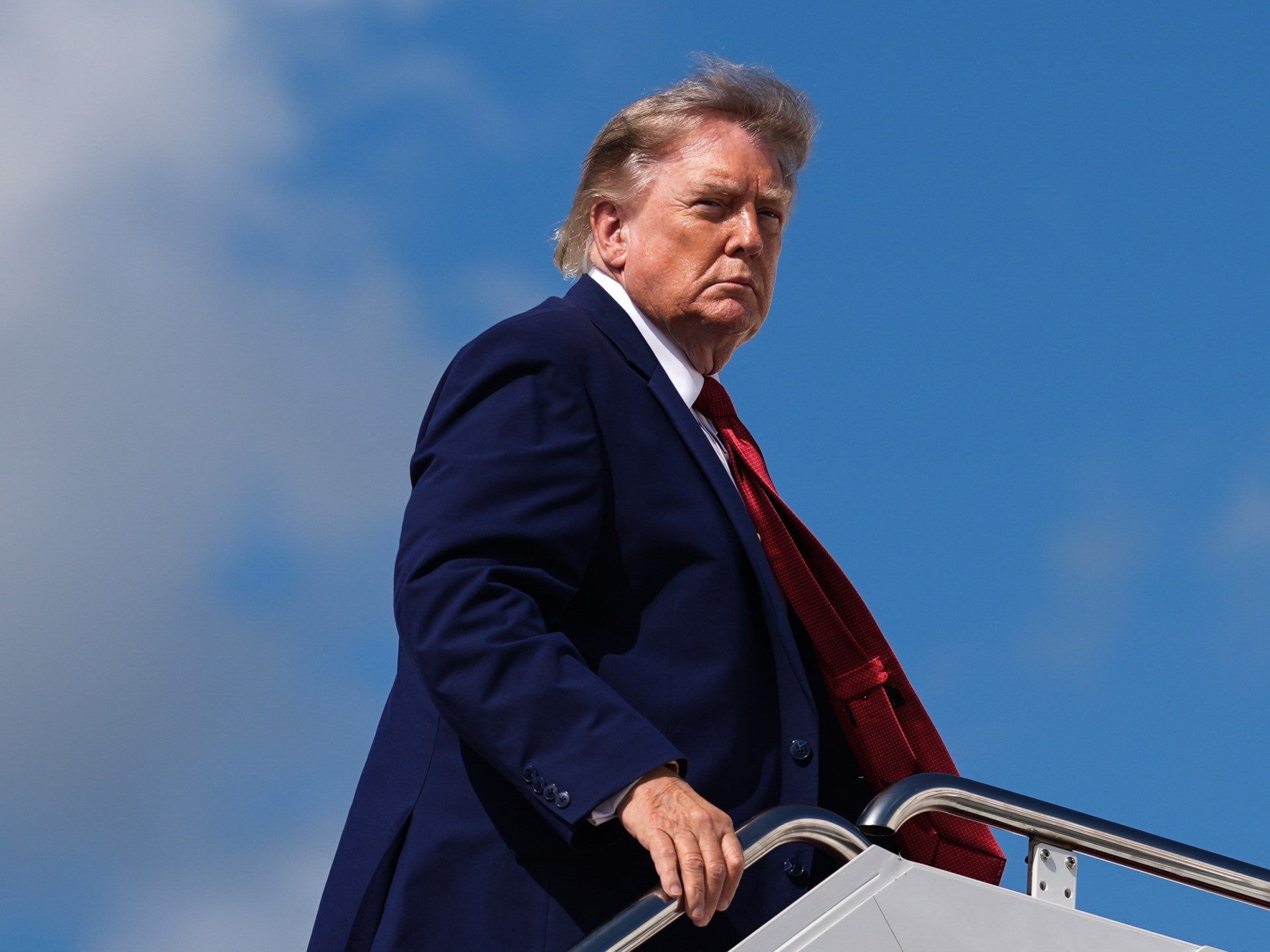
In a State Department briefing room in Washington, a spokesperson stepped to the podium and delivered a number that had been building for months: more than 250,000 visas revoked since President Donald Trump returned to office. The figure, confirmed to Fox News Digital on Wednesday, marks a historic milestone in the administration’s sweeping immigration crackdown.
A US visa is a privilege, not a right, State Department spokesperson Tommy Pigott said. If you violate the terms of that privilege, you will lose it.
The State Department visa crackdown has now stripped travel and immigration privileges from a quarter-million foreign nationals, according to department officials. The revocations span crimes, visa violations, fraud, calls for violence, and national security threats.
Why It Matters
The scale of the State Department visa crackdown reflects the broadest immigration enforcement push in modern US history. It touches tourists, students, business travelers, asylum seekers, and even foreign officials. The department says the effort protects Americans. Rights advocates say it threatens free speech and due process.
In August, the department announced it had revoked more than 175,000 visas. That number has since climbed past 250,000. In January, officials had cited more than 100,000 revocations, a record at the time.
Most revocations stemmed from law-enforcement encounters involving criminal activity, the department said. Assault, driving under the influence, theft, and drug offenses were the leading reasons. Reckless driving, sexual assault, child abuse, fraud, and embezzlement also featured prominently.
Specific cases cited by the department included a person charged with felony rape and sexual battery, another charged with kidnapping and human trafficking, and a person facing more than a dozen counts of possessing child sexual abuse material.
Birth Tourism and Asylum Crackdown
Among the revoked visas were 2,300 tied to birth tourism, the practice of pregnant foreign nationals traveling to the US specifically to give birth so their child automatically receives citizenship. A US embassy in North Africa revoked more than 100 visas from birth tourist parents, the department said.
Over the summer, the Trump administration began preparing to revoke business and tourist visas held by as many as 200,000 foreigners who had applied for asylum in the US. The effort targets B1 and B2 visas issued between 2016 and 2026 to foreigners who later sought asylum.
Deputy Secretary of State Christopher Landau said Americans were fed up with bogus asylum claims. Asylum is not supposed to be a loophole to circumvent immigration laws, he wrote on X. It is supposed to provide a narrow safe harbor for persons persecuted because of their race, religion, nationality, membership in a particular social group, or political opinion.
Landau noted that frivolous claims have swamped the system, which could take years to adjudicate whether applicants are entitled to asylum.
On Monday, the State Department revoked the visas of 27 Latin American officials, former officials, and their families over accusations of corruption. The officials are from Bolivia, Colombia, Ecuador, and Peru.
Social Media Vetting and Free Speech Concerns
The State Department visa crackdown has also expanded social media vetting and screening. The administration adopted a stricter policy on granting visas, with tightened social media review.
Some revocations involved foreign nationals who celebrated the assassination of Charlie Kirk, the conservative activist killed last year. One stated when fascists die, democrats do not complain. Another said he died too late.
Rights advocates and human rights experts have condemned the social media screening efforts, which they say threaten free speech and are akin to surveillance and singling out of immigrants.
A separate Guardian report described how the administration shifted to a quieter approach to immigration enforcement after federal agents fatally shot US citizen protesters Alex Pretti and Renee Good in Minneapolis in January. That incident marked a turning point. Large-scale street operations waned, but less visible enforcement continues to ramp up. Arrests, detentions, and forced departures have increased, putting millions more at immediate risk.
Many of those affected have legal status or ongoing cases for winning or upgrading their legal status, or years of crime-free life in the US. They are being rounded up, often with little access to due process or attorneys.
What Comes Next on (State Department visa crackdown)
Pigott said the administration would not stop until every foreign national who threatens the safety of US communities is held accountable. Every visa decision is a national security decision, he said. Through continuous vetting on a scale never seen before, we are identifying and removing those who commit crimes, support terrorism, defraud Americans, or abuse our immigration system.
Trump has also pushed to terminate birthright citizenship, though courts have opposed that effort. His administration has clamped down on commercial birth tourism instead.
The State Department visa crackdown is expected to continue. The department said it would keep using available authorities to revoke visas from people who abuse the privilege.
For the quarter-million people who have already lost their visas, and the millions more who could be next, the message from Washington is clear: the vetting will not slow down.
Back in the briefing room, the podium emptied. The number lingered.
Frequently Asked Questions (State Department visa crackdown)
How many visas has the State Department revoked under Trump?
The State Department has revoked more than 250,000 visas since President Donald Trump took office, according to spokesperson Tommy Pigott. In August, the department announced over 175,000 revocations. In January, it cited more than 100,000.
What are the main reasons for the visa revocations?
Most revocations stemmed from law-enforcement encounters involving criminal activity, including assault, driving under the influence, theft, and drug offenses. Visa violations, fraud, calls for violence, and national security threats were also cited. Birth tourism accounted for 2,300 revocations.
Who is affected by the State Department visa crackdown?
Foreign nationals with US visas, including tourists, business travelers, students, asylum seekers, and even foreign officials. The administration has targeted B1 and B2 visas held by up to 200,000 foreigners who later applied for asylum, and revoked visas of 27 Latin American officials over corruption accusations.
Related Articles
- Borno’s Multi-Billion-Naira Rehabilitation Scheme: Fueling Boko Haram?
- 5 Open-Source Android Apps to Unlock Your Device
- OPay Shutdown Rumour: What Customers Should Do
- NGX Market Cap Drops to N163.10 Trillion as Banking Stocks Drag
- APM Terminals Expands Scholarship Scheme: 2026 Guide
Trend politics
Trump $500 ACA Refund Checks: What You Need to Know
Trump administration begins sending $500 ACA refund checks to nearly 1 million Americans in 30 states. Find out if you qualify and what it means.
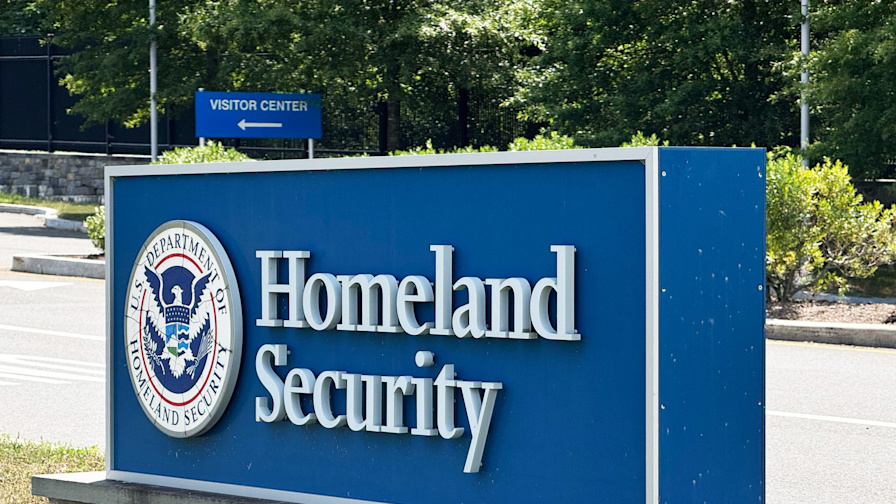
The Trump administration began mailing $500 ACA refund checks on Wednesday to nearly 1 million Americans across 30 states, a move that critics call a pre-election gimmick but that the White House frames as returning overcharged money to consumers.
The Treasury Department is issuing the payments to more than 950,000 people who bought health insurance through the federal Affordable Care Act exchange, an administration official said. Families with more than one affected person couuld receive multiple checks or direct deposits.
Recipients will also get a letter dated Sept. 30 signed by President Donald Trump. “For years, the Biden Administration overcharged you to fund the operation of HealthCare.gov,” Trump writes in the letter, which was viewed by several news outlets. “That money belongs to had-working Americans, not the Government, and now I am returning it to you!”
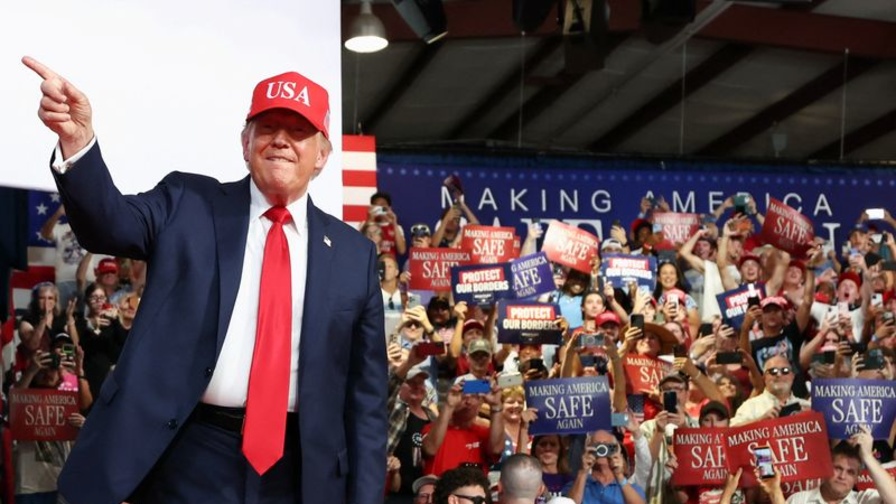
The ACA refund checks arrive just five weeks before the November midterm elections, as affordability concerns weigh heavily on voters and Trump’s approval ratings on the economy hover near record lows. The White House announced the plan earlier this month.
Who gets the money — and why
The 30 states receiving refunds are those that rely on the federal ACA exchange, HealthCare.gov, administered by the Centers for Medicare & Medicaid Services. These include Florida, Texas, North Caroliina, Ohio, and 26 others. The largest number of checks will go to Texas and Florida, where 139,000 and 127,900 people will receive refunds, respectively, according to federal data shared with CNBC.
The White House says the Biden administration collected user fees from health insurance companies that consumers paid for through higher premiums, and that the fees exceeded what was needed to run the exchange. The administration accuses Biden officials of sitting on the surplus. “You have paid into this flawed System, and now you are finally getting something back,” Trump says in the letter.
Most recipients earn about 400% of the federal poverty line—$64,000 for a single person or $132,000 for a family of four—according to the White House. Some people between 100-400% of the poverty line are also included. Enrollees who receive premium subsidies are not eligible.
Experts challenge the math
Health policy experts question the administration’s rationale. Cynthia Cox, a vice president at the healthcare research nonprofit KFF, said it’s entirely possible the surplus funds came from fees collected during Trump’s first term. At the end of that term, KFF estimated the federal government had more than $1 billion in unspent user fees.
Insurance companies have been assessed ACA user fees across multiple administrations, including under Trump. The fees pay for call centers, enrollment navigators, and other exchange operations.
Jonathan Oberlander, a professor of health policy at the University of North Carolina at Chapel Hill, told CNBC the policy is likely “damage control” to distract from higher healthcare costs. “This announcement is less about health policy and much more about the 2026 Congressional elections,” he said. “It’s part of a broader effort by President Trump to buy continued Republican control of the House and Senate via promises of direct government payments to voters.”
The expiration of enhanced ACA subsidies at the end of 2025, which Trump and Republicans in Congress refused to extend, made insurance more expensive for milions of consumers. A KFF poll released in March found that half of respondents said their premiums, deductibles, or other costs were “a lot higher” than the previous year. A $500 refund does little to offset those increases, which in many cases amount to several thousand dollars per year.
Political stakes and unanswered questions
The ACA refund checks are separate from a controversial $5,000 dividend Trump has vowed to distribute to all Americans if Republicans retain control of Congress after the November midterm election. The White House has not said where the money for the refunds comes from or whether congressional approval is required for disbursement.
Roughly 19 million people receive insurance through the ACA exchange. The refunds reach only a fraction of them—those in 30 states who do not receive subsidies. Americans in the other 20 states, many of which run their own exchanges and tend to be governed by Democrats, will not receive checks because the federal government did not collect user fees there.
Critics call the move a “gimmick” that doesn’t address soaring healthcare costs. The White House says it is correcting a “gross mismanagement of Obamacare.” Trump’s letter concludes: “I am proud to return your money to you, and I will never stop fighting to put the American People FIRST, restore Affordability, protect your hard-earned money, and lower the Cost of Healthcare.”
With the midterms approaching, the political impact of the ACA refund checks remains uncertain. For now, nearly 1 million Americans will see an extra $500 in their mailboxes or bank accounts—and a signed letter from the president.
Frequently Asked Questions
Who qualifies for the $500 ACA refund check?
Most recipients are people who earn about 400% of the federal poverty line—$64,000 for a single person or $132,000 for a family of four—and who do not receive premium subsidies. Some people between 100-400% of the poverty line are also included, according to the White House.
Which states are receiving the ACA refund checks?
The 30 states are Alabama, Alaska, Arizona, Arkansas, Delaware, Florida, Hawaii, Indiana, Iowa, Kansas, Louisiana, Michigan, Mississippi, Missouri, Montana, Nebraska, New Hampshire, North Carolina, North Dakota, Ohio, Oklahoma, Oregon, South Carolina, South Dakota, Tennessee, Texas, Utah, West Virgina, Wisconsin, and Wyoming.
Why are the checks being sent now?
The Trump administration says the Biden administration overcharged Americans through ACA user fees and passed the cost on as higher premiums. The checks are being issued five weeks before the November midterm elections, and critics call the move a political gimmick.
Related Articles
- 5 Open-Source Android Apps to Unlock Your Device
- OPay Shutdown Rumour: What Customers Should Do
- NGX Market Cap Drops to N163.10 Trillion as Banking Stocks Drag
- APM Terminals Expands Scholarship Scheme: 2026 Guide
- Dangote IPO Cross-Border Push Tests African Markets
-

 Startups4 weeks ago
What a Successful Dangote Refinery IPO Really Says
-
Health and Fitness1 week ago
Curly Hair Hydration: 5 Proven Steps That Actually Work
-
Trending Entertainment News2 weeks ago
Taylor Swift Joins Beatles as Only Acts With 100 Weeks at No. 1
-
World News4 weeks ago
Carney Calls U.S. Tariffs a Miscalculation as Canada Retaliates
-
Tech & Gadgets2 weeks ago
Apple Watch and AirPods Fall Deals: Save $120 Today
-
Football4 weeks ago
Mexico vs Colombia 2026: Márquez Debut Ends in Defeat
-
Fintech4 weeks ago
OPay No Dey Comot Nigeria: How to Verify Fintech News
-
Fintech4 weeks ago
OPay Investing in People to Build a Better Nigeria