Maintenance Tips
Car Maintenance Tips That Pay Off In Nigeria And Beyond
A practical review of car maintenance tips: which checks owners can do safely, when a mechanic is needed, and what the evidence actually supports.

The subject of this review is not a car but a routine. Every time fuel prices move, the same set of car maintenance tips returns to circulation, promising better economy, fewer roadside failures and a stronger resale price. Some of those claims survive inspection. Others depend entirely on who does the work and whether the parts are genuine.
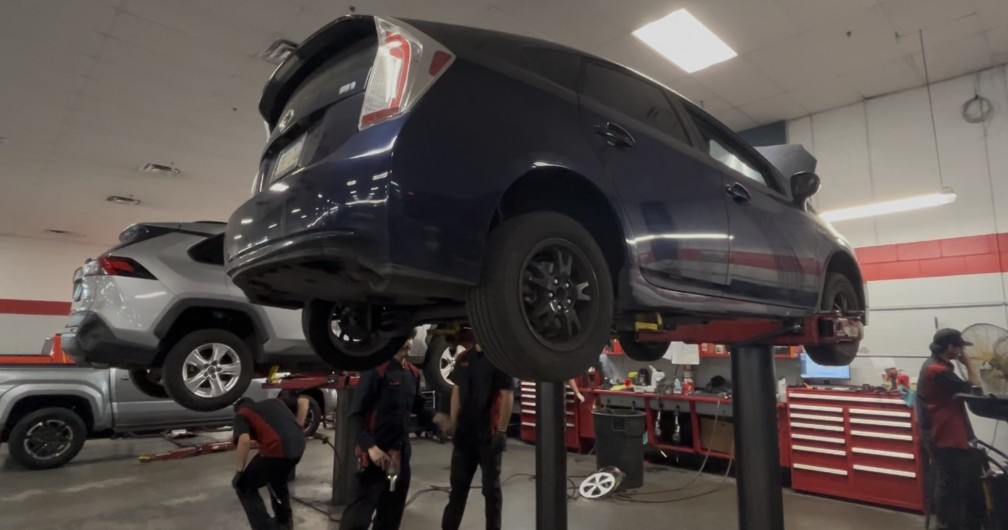
The trigger is price. According to ABC15, the US national average sat near $4 a gallon, up a dollar in a month on AAA figures, and Arizona drivers described cutting back on trips. Scott Johnson, shop foreman at Avondale Toyota, said customers were simply trying to get the best value for their money. That pressure translates to any market where fuel is a weekly line item, Lagos included.
What These Car Maintenance Tips Actually Deliver
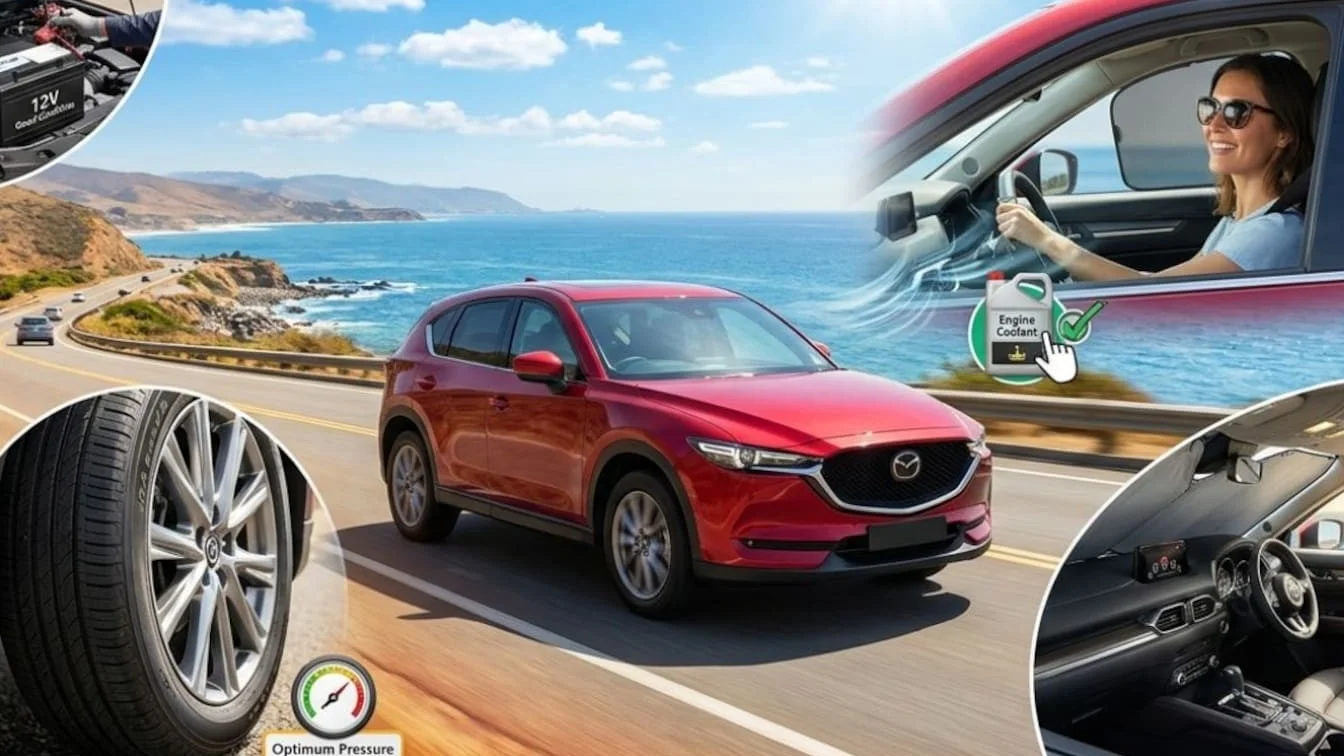
The specification sheet here is short. The RAC organises its winter checks under the acronym FORCES: fuel, oil, rubber, coolant, electrics, screen wash. Everything below sits inside those six categories, and none of it requires a lift.
Oil is first for a reason. RAC patrols check the level on every vehicle they attend and report that one in three are dangerously low, a condition that can end in catastrophic engine damage. The check is free. The failure is not.
Rubber covers tyres and wipers. Johnson told ABC15 that tyre inflation and wheel alignment are central to fuel saving. The RAC sets the legal minimum tread at 1.6mm and advises 3mm in poor conditions, because tyres are the car’s only contact with the road. NDTV adds a heat warning: air expands in high temperatures, raising blowout risk, and the sun accelerates rubber cracking. In a Nigerian dry season, that combination matters.
Coolant and electrics follow. NDTV flags coolant level, hose condition and radiator leaks as overheating risks, while the RAC specifies that coolant be checked with the engine cold and topped up with the mix listed in the handbook. On batteries, a Blain’s Farm & Fleet announcement carried by the Monroe News puts service life at three to five years. The RAC reports handling over 400,000 battery-related faults each winter and suggests testing any battery past four years, along with the charging system.
Visibility closes the list. RACV recommends replacing wiper blades every six to 12 months. The RAC also advises locating the locking wheel nut key before a puncture, not during one.
Where Car Maintenance Tips Stop And A Mechanic Starts
Brakes are the clearest handover point. Squealing, grinding or a change in pedal response means a workshop, not a driveway. Alignment requires equipment no owner has. A/C refrigerant work and coolant leaks inside hoses or the radiator belong to a technician, and the RAC recommends a garage check the charging system and battery drain together rather than testing the battery alone. Windscreen chips should be fixed early; RACV notes that sudden temperature change can spread a small crack quickly.
Parts choice decides whether the routine holds. OEM parts are made to the manufacturer’s specification and sold through the dealer network, usually with a traceable part number. Aftermarket parts are made by third parties to fit the same application; quality varies by brand. Counterfeit parts imitate the branding of either without authorisation, and no verified counterfeit rate appears in these sources. The practical test is traceability through a dealer or known distributor, plus the handbook reference for the correct oil type, coolant mix and tyre pressure.
In Nigeria, the handbook often disappears once a used import changes hands, and servicing is split between franchised dealers, roadside mechanics and parts markets. The sources reviewed carry no naira pricing, so any local quote should be verified against the part number rather than the packaging.
Should You Buy Into Car Maintenance Tips That Cost Nothing?
The verdict is favourable but conditional. The checks cost time, not money: dipstick, pressure gauge, coolant bottle, terminal brush. What they prevent is expensive. Fuel savings come from the same place, since Johnson’s advice to strip out bulky loads, avoid hard acceleration and combine errands costs nothing at all, and his fuel guidance concerns freshness at a busy station rather than any performance claim.
Adopt the routine, skip the upsell, and hand anything touching brakes, alignment, refrigerant or charging systems to a trained mechanic. The best car maintenance tips are the boring ones repeated on schedule, and they remain the cheapest insurance a Nigerian owner can buy against a roadside breakdown.
Frequently Asked Questions
Which car maintenance checks can an owner do safely without a mechanic?
Engine oil level on the dipstick, tyre pressure and tread, coolant level with the engine cold, battery terminal cleanliness, lights, wiper blades and screen wash. The RAC organises these under FORCES: fuel, oil, rubber, coolant, electrics, screen wash. Brakes, alignment, refrigerant and charging-system testing should go to a workshop.
How often should tyres and wipers be replaced?
The RAC sets the legal minimum tread depth at 1.6mm and advises 3mm in poor conditions, so tyres should be measured regularly rather than replaced on a fixed date. RACV recommends replacing wiper blades every six to 12 months, or sooner if they squeak, skip or leave streaks.
Why does the difference between OEM, aftermarket and counterfeit parts matter for maintenance?
OEM parts are built to the manufacturer’s specification and sold through the dealer network with a traceable part number. Aftermarket parts are made by third parties to fit the same application, with quality varying by brand. Counterfeit parts imitate branding without authorisation. These sources give no verified counterfeit rate, so the workable test is buying through a dealer or known distributor and matching the handbook specification.
 Follow AFRILATEST on Google News
FIRST TIME REACTIONS:
Be the first to leave us a comment – Car Maintenance Tips That Pay Off In Nigeria And Beyond, down the comment section.
JOIN US ON OUR SOCIAL MEDIA:

About Paul Nwogo
Paul Nwogo is an engineer, published author, and the Head Manager at AfriLatest. He has written numerous books available on Amazon covering a diverse range of topics, including health, personal finance, relationships, work ethics, and scam survival. With his technical background and passion for writing, Paul now oversees the editorial direction of AfriLatest, delivering practical, accurate, and engaging content on trending news, music, and global lifestyle topics.
View all articles by Paul Nwogo

Maintenance Tips
New Car Insurance? 7 Hidden Costs to Check Before You Buy
New car insurance can cost more than you think. See how data tracking, credit scores, and coverage changes affect your premium before you sign.

You just bought a new car. Now you need new car insurance, and the quote you get in the next 30 minutes will shape what you pay for years. The average annual premium in New York is $3,253, and your actual rate depends on factors most buyers never check.
This is a step-by-step walkthrough. You will see what to pull together before you get quotes, how to read a quote properly, and which traps to avoid. By the end, you will know exactly what to ask and what to refuse.
Step 1: Know What Your State or Province Actually Requires
Before you compare prices, confirm the legal minimum. In New York, drivers must carry personal injury protection, bodily injury and property damage liability, and uninsured motorist coverage. New York is a no-fault state, so you file a claim with your own insurer no matter who caused the accident.
The minimum PIP limit in New York is $50,000. That covers you and your passengers’ medical and rehabilitation expenses, lost wages, a death benefit, and necessary expenses like transport to treatment.
Minimum coverage in New York averages $1,246 a year. Full coverage averages $3,253. That gap is the first decision you make, and it is not always worth taking the cheaper option. If you carry the minimum $10,000 property damage liability and cause a serious accident, repairs to the other driver’s car can exceed that. You pay the difference yourself.
Step 2: Pull Your Driving Record and Credit Score
Insurers price risk. Two numbers drive that pricing more than anything else.
Your driving record first. A clean record keeps premiums down. Tickets, violations, and accidents push them up. In New York, average rates for drivers with a blemish sit well above the statewide average, though the exact penalty varies by insurer.
Your credit-based insurance score second. In New York, the statewide average for drivers with poor credit is $6,788 a year. For drivers with good credit, it is $3,253. That is more than double. New York requires insurers to send you a notice if they use your credit information to set your rate.
Step 3: Check Whether Your Car Is Sending Data to Insurers
This is the step most buyers skip, and it is the one changing fastest.
Modern cars are computers on wheels. They collect precise location data, who is in the car, what is on the radio, whether you buckle your seatbelt, how fast you drive, and how hard you brake. Some gather your weight, age, race, and facial expressions. According to the BBC, most cars have internet connections that ship that data off as you drive.
Insurance companies are among the biggest buyers. One driver told the New York Times that after his insurance costs jumped 21%, an agent told him data held by the broker LexisNexis was a factor. That file reportedly ran 130 pages, detailing every trip he and his wife took over six months.
The US Federal Trade Commission has barred General Motors from selling vehicle data for five years, but GM can resume afterwards with express consent. LexisNexis and other companies still sell vehicle data from other manufacturers and driving apps.
What to do: when you set up your infotainment system, read the data-sharing screens. Decline optional data sharing where the option exists. If you use an insurer’s telematics app for a discount, understand that you are trading driving data for that discount.
Step 4: Get Quotes From at Least Three Insurers
Rates vary wildly by company. In New York, American Family has the lowest average annual rate at $1,824, and Kemper is second at $1,842, according to US News. Both sit far below the $3,253 statewide average.
Get quotes from at least three companies. An independent agent can run several at once. Ask specifically about discounts for a clean accident record, good student status, and customer loyalty.
If you cannot get coverage through private companies, New York offers the New York Automobile Insurance Plan, or NYAIP. Every insurer in the state must participate, so high-risk drivers get assigned to one. Expect to pay more, but a clean record for at least four years may qualify you for a careful driver discount.
Step 5: Understand What You Are Giving Up If You Cut Coverage
Some markets are making coverage optional that used to be standard. Ontario changed its rules on July 1 so drivers can opt out of accident benefits including income replacement, lost educational expenses, death benefits, and funeral expenses. Only medical care, rehabilitation, and attendant care remain mandatory.
Broker Lance Miller told CBC that the average customer saves $100 to $200 a year by taking the most basic coverage. But he points out that opting out of funeral expenses might save $30 to $50 a year, while an actual funeral costs tens of thousands.
There is a second trap. The change only applies to new or updated policies, and only the driver, the driver’s spouse, and dependents are covered under optional benefits. If you lend your car to someone not on your policy, that person is covered only up to the mandatory minimum. Pedestrians and cyclists injured in a crash cannot claim the newly optional benefits tied to the driver’s policy unless specifically stipulated.
Insurance expert Daniel Ivans of rates.ca put it plainly: reducing coverage is usually not the best way to get prices down. Shop first, cut second.
Step 6: Compare Like for Like
When quotes land, line them up on the same coverage levels, the same deductible, and the same optional add-ons. A cheaper quote with lower limits is not cheaper.
If you raise your deductible, confirm you can actually pay it if you file a claim. A higher deductible lowers your premium, but only if the money is there when you need it.
Mileage matters too. In New York, low-mileage drivers averaging 7,000 miles a year pay about $3,031, while high-mileage drivers at 14,000 miles pay around $3,253. If you drive less than you estimated, tell your insurer.
Step 7: Recheck at Every Renewal
Rates are not fixed. Vehicle theft and climate change have pushed auto insurance to new heights over the past decade, according to Ivans. Your premium will move even if nothing about you changes.
At each renewal, rerun quotes from at least three insurers. If your credit score improved or a violation dropped off your record, you may be overpaying on autopilot.
What to Do Next
Today, open your current policy or the quote you were just given. Find the coverage limits, the deductible, and any data-sharing or telematics consent you signed. Then get two more quotes on identical coverage.
If you drive a car built in the last few years, spend ten minutes in your infotainment settings and turn off optional data sharing. That single step costs nothing and limits what insurers and data brokers can learn about how you drive.
Frequently Asked Questions
Does my car really send data to insurance companies?
It can. Modern cars collect location, speed, braking, seatbelt use, and in some cases facial expressions and weight. Insurance companies are among the biggest buyers of that data. Some car companies admit they sell it but do not have to disclose who buys it. You can limit this by declining optional data sharing when you set up your infotainment system.
How much can I save by dropping optional coverage in Ontario?
Broker Lance Miller estimates the average customer saves $100 to $200 a year by choosing the most basic coverage. But individual items save very little. Opting out of funeral expenses might save $30 to $50 a year, while an actual funeral costs tens of thousands of dollars.
What is the cheapest car insurance in New York?
US News research found American Family has the lowest average annual rate at $1,824, followed by Kemper at $1,842. The statewide average is $3,253. Rates vary by driver profile, so get quotes from at least three insurers before deciding.
Related Articles
- Nigeria US Health Compact: 5 Steps to Demand Transparency
- Deli Meat Health Risks: How to Limit It to Once a Week
- The Cold Song: Nordic Noir Gets an Emotional Twist
- AI in Africa: 5 Takeaways From the 11th Nigeria Innovation Summit
- Herbal Remedies: Aishat Alagbo’s Safety Warning for Nigerians
FIRST TIME REACTIONS:
Be the first to leave us a comment – New Car Insurance? 7 Hidden Costs to Check Before You Buy, down the comment section.
JOIN US ON OUR SOCIAL MEDIA:
-

 Car Reviews2 weeks ago
1955 Chevy Bel Air Restomod: What SEMA Really Proves
-
Savings & Investing3 weeks ago
Hidden Medicare Fees Draining Your Retirement Savings
-
Car Reviews4 weeks ago
Ford Bronco ORV Package: $18,995 Ownership Reality Check
-
JAMB & WAEC4 weeks ago
JAMB Admission Process: What Changed And What Is Still Talk
-
Movies & TV4 weeks ago
Silo Season 1 Ending Explained: What the Showrunner Said
-
Movies & TV3 weeks ago
Wizkid Starboy Desire Ft Banky W Shaydee: Fact Or Fan Fiction?