National
Oluremi Tinubu Hails Japan-Nigeria Partnership at Abuja Hub
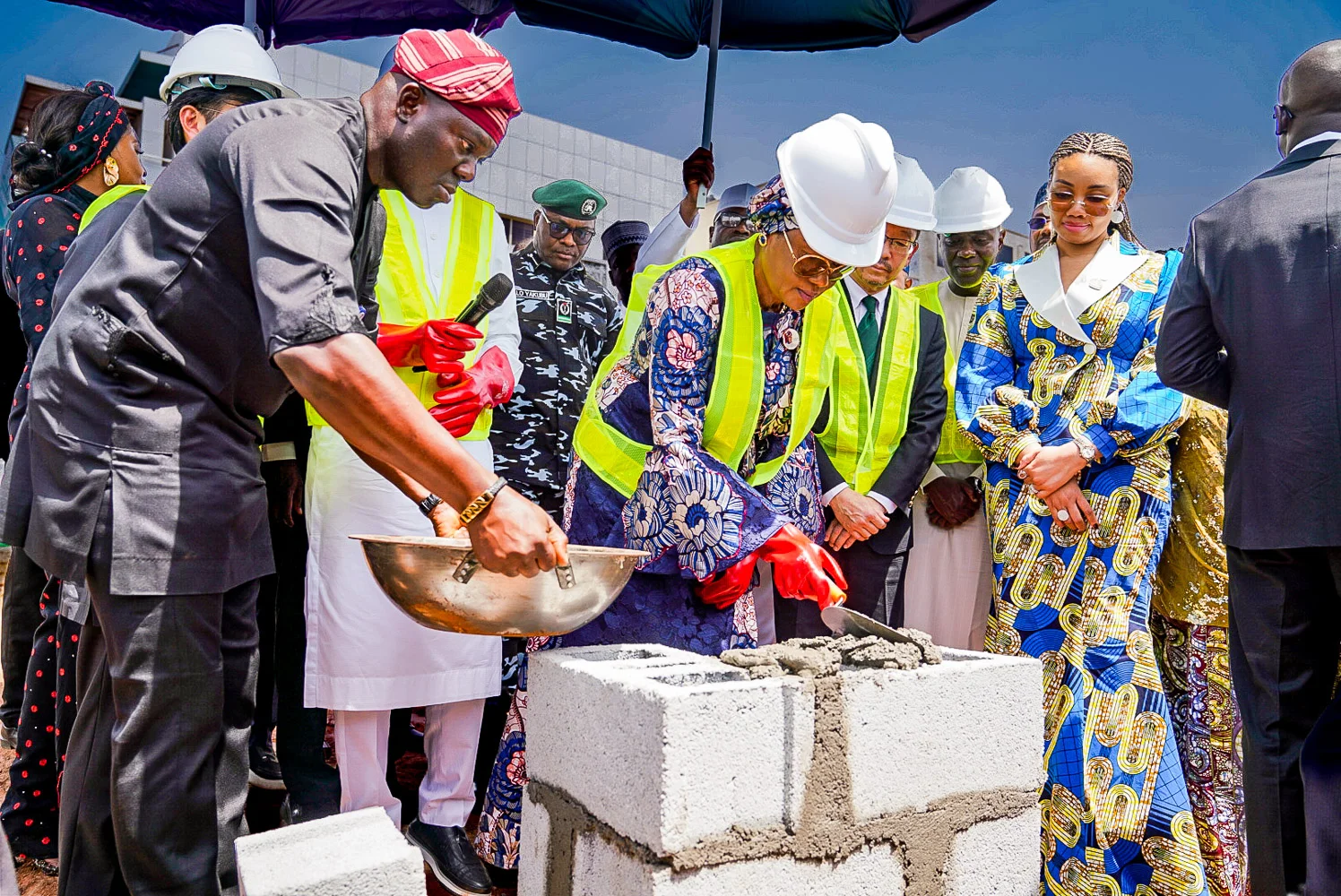
Oluremi Tinubu hails the Japan-Nigeria partnership behind Abuja’s Renewed Hope Startup Hub as NITDA cites a $10.4m JICA grant and a $50m seed fund.


In her telling, the programme was modest: 100 constituents, computer training, a centre at the University of Lagos. Senator Oluremi Tinubu, now Nigeria’s First Lady, recalled it at the foundation-laying of the Renewed Hope Startup Hub in Wuye, Abuja, as one of the most effective empowerment programmes her constituents ever received, and credited the man who ran it, Kashifu Inuwa Abdullahi, now director-general of the National Information Technology Development Agency.
She used that memory to anchor a bigger claim, praising what she described as the Japan-Nigeria partnership behind the new hub, financed by a grant from the Japanese government through the Japan International Cooperation Agency. Speaking to young innovators, she said the facility was theirs: “You can arrive here with a sketch and leave with a working prototype that takes you into the global market space.”
The ceremony produced three different things at once. A signed grant. A building not yet built. A promise of seed money. Reporting that keeps those categories apart is the only kind that tells a Nigerian founder, or a Japanese taxpayer, anything they can act on.
Why Oluremi Tinubu’s Japan-Nigeria Partnership Story Starts in a Lagos Classroom
The First Lady’s account is unusually specific about how the collaboration began. She said Abdullahi offered computer training to 100 members of her constituency while she served in the Senate, at a centre established at the University of Lagos, and that she rated it among the most effective programmes her constituents had received.
She said the partnership continued after she became First Lady, even though, by her own account, the Renewed Hope Initiative does not receive direct government funding. Abdullahi, she said, later partnered with the initiative on ICT training for young Nigerians and on community ICT centres.
That detail matters for how her remarks should be read. She is a convenor and an advocate here, not the budget holder. The money and the implementing authority sit with NITDA and with the Federal Ministry of Budget and Economic Planning, which signed the grant papers. Her endorsement is real; it is not a disbursement.
What the $10.4m JICA Grant Commits, and What It Does Not
According to Blueprint’s report on the grant, Abdullahi announced a $10.4 million commitment from the Japanese government through JICA to expand Nigeria’s innovation hub and strengthen the startup ecosystem.
Japan’s Ambassador to Nigeria, Hideo Suzuki, supplied the one hard date in either account of the event: the grant was signed on behalf of the Federal Government by the Minister of the Federal Ministry of Budget and Economic Planning on 10 April 2025. He said the hub forms part of NITDA’s implementation of the Nigeria Startup Act.
Neither report of the ceremony states the date of the groundbreaking itself, nor a completion date, a disbursement schedule, a procurement plan, or the size of any Nigerian counterpart contribution. Those are the numbers that determine whether the Japan-Nigeria partnership is a building, a programme, or a photograph.
What is confirmed is the scope the hub is meant to cover: incubation, hardware prototyping, research and international business collaboration. NITDA says it established and equipped its own innovation facility in 2021 with fabrication equipment, so the model is not untested inside the agency.
The $50m Seed Fund Is Approved, Not Yet Accessible
Abdullahi said a proposed $50 million seed funding initiative, developed with the Nigeria Sovereign Investment Authority, had been approved and signed off. He also said the money is expected to become accessible to startups once the facility is ready.
That sequencing is the crux. Approval is not availability. A founder in Kaduna or Enugu reading the coverage will want to know the application route, the eligibility test and the first close date. None of those appeared in the reported remarks.
NITDA’s delivery record, as stated by its director-general, offers the more useful benchmark: more than 300 companies trained through digital export acceleration programmes over the past three years, more than 995 startups benefiting from Office for Nigerian Digital Innovation initiatives, roughly 7,596 jobs created, and 1,752 women supported through We Elevate. These are agency-reported figures covering past programmes, not outcomes from a hub whose foundation stone was laid this week’s reporting does not date.
Measuring the Japan-Nigeria Partnership by Completions, Not Ceremonies
The First Lady’s closing line at the ceremony sets the standard her own government should be held to. “You have shown that true friendship between nations is measured by the opportunities it creates for the next generation,” she told Nigeria’s Japanese partners.
Opportunities, not announcements. A hub that opens, a prototype that ships, a seed cheque that clears, a cohort of women who get equipment and mentorship rather than a mention in a speech. Those are the only indicators that separate delivery from diplomacy.
The broader lesson is about how this story gets covered. Coverage of Oluremi Tinubu is useful when it records what her advocacy moved: a grant signed on a specific date, an agency partnership that outlasted her Senate term, a facility with a named site in Wuye. It is less useful when a foundation-laying is reported as though the building already exists.
The Japan-Nigeria partnership now has a signature, a site and a promise of seed capital. What it does not yet have, in any public document cited here, is a completion date. Until that changes, the honest verdict on the Renewed Hope Startup Hub is that the paperwork is real and the prototype is still the young innovator’s sketch.
Frequently Asked Questions
How much is Japan giving Nigeria for the Renewed Hope Startup Hub?
NITDA director-general Kashifu Inuwa Abdullahi announced a $10.4 million commitment from the Japanese government through JICA. Japan’s Ambassador to Nigeria, Hideo Suzuki, said the grant was signed on behalf of the Federal Government by the Minister of the Federal Ministry of Budget and Economic Planning on 10 April 2025.
Can startups access the $50 million seed fund now?
No. Abdullahi said the seed funding initiative, developed with the Nigeria Sovereign Investment Authority, had been approved and signed off, but that funding is expected to become accessible to startups once the hub facility is ready. No application route, eligibility criteria or first close date was announced in the reported remarks.
Where is the Renewed Hope Startup Hub located and what will it do?
It is sited in Wuye, Abuja. According to the First Lady’s remarks, it is intended as a national centre for incubation, hardware prototyping, research and international business collaboration, aimed at helping young Nigerians turn ideas into market-ready products.
 Follow AFRILATEST on Google News
FIRST TIME REACTIONS:
Be the first to leave us a comment – Oluremi Tinubu Hails Japan-Nigeria Partnership at Abuja Hub, down the comment section.
JOIN US ON OUR SOCIAL MEDIA:

About Rosabella Eboh
Rosabella Eboh is an author at AfriLatest. With a passion for writing and a flair for creativity, she contributes original content and unique perspectives to the platform. Rosabella focuses on human-interest stories, cultural trends, and in-depth feature reporting.
View all articles by Rosabella Eboh



National
Ebola Preparedness: FG Assures Nigerians It Can Contain Case
Nigeria’s Ebola preparedness came under scrutiny as the FG confirmed an imported case in Abuja, tracing 44 contacts and activating the NCDC system.

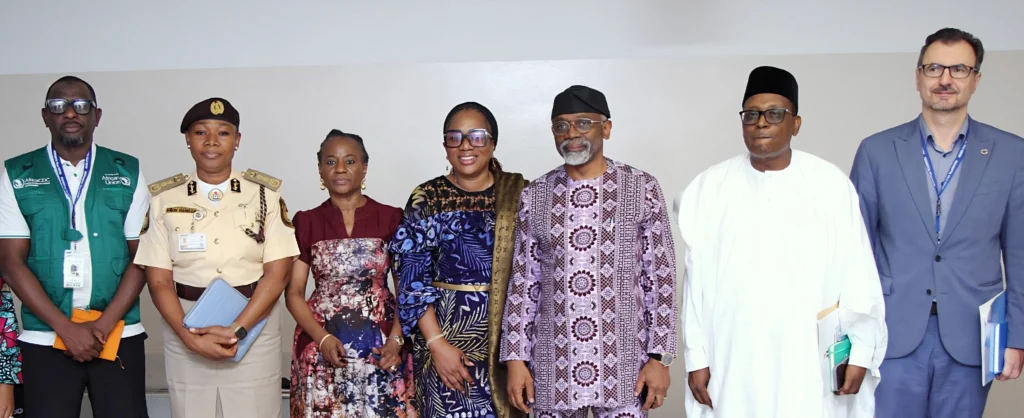
The Federal Government moved on Wednesday to reassure Nigerians that it can contain Ebola Virus Disease, after a laboratory-confirmed imported case put the country’s Ebola preparedness to its first serious test since a presidential task force was set up in June.
Femi Gbajabiamila, Chief of Staff to the President and chairman of the Presidential Task Force on Ebola Preparedness and Emerging Public Health Threats, told State House correspondents in Abuja that the infected traveller was picked up because of protocols already in place.
“The passenger with the disease showed no symptoms, which came four days after the woman got into Abuja, and it was the identification process and the protocols that were put in place that enabled the quick identification,” Gbajabiamila said, according to Punch.
He added that the episode “speaks to the country’s capacity and ability to deal with this disease as best as we can.”
Timeline Of A Case That Landed Without Symptoms
According to Punch’s account of the announcement by Coordinating Minister of Health and Social Welfare Muhammad Pate, the woman had recently returned from Uganda. Her symptoms began on 7 October, she sought care at a private hospital in Abuja on 11 October, and laboratory confirmation came on 20 October. Pate announced the confirmation on Tuesday; the task force met in emergency session the next day.
Gbajabiamila’s main evidence for readiness is volume. He said about 44,000 flights had passed in and out of Nigeria since June, and that the system had produced one detected case from them. “All hands have been on deck,” he said.
That number comes from the government, and the statements released on Wednesday carry no immigration or aviation data behind it. The more useful detail is the detection sequence. The woman was asymptomatic on arrival. Airport screening could not have flagged her. The system caught her four days later, when she presented at a clinic.
That is how Ebola tends to be found in a country with open borders: not at the gate, but in the consulting room. Pate listed private hospital operators alongside immigration, aviation, interior and subnational authorities as part of the response, which reflects where the first contact actually happened.
What Nigeria Ebola Preparedness Actually Consists Of
President Bola Tinubu set up the task force on 9 June and approved ₦10 billion for emergency preparedness, Punch reported. The measures include tougher screening at airports, QR-code health declarations for passengers arriving from high-risk countries, and isolation centres at the Lagos and Abuja airports.
Pate said the incident management system had been activated across “the various pillars” with the World Health Organization, the Africa CDC and the Nigeria Centre for Disease Control. WHO representative Pavel Ursu and Africa CDC special regional representative Aliko Ahmed sat in Wednesday’s meeting, alongside the Comptroller-General of the Nigeria Immigration Service, Kemi Nandap, and Federal Airports Authority of Nigeria Managing Director Bunmi Kuku.
Those names are the government’s strongest argument: aviation, immigration, health and the states are inside one coordination structure, and multilateral partners are inside it rather than reviewing it from outside.
Gbajabiamila said protocols would be strengthened and enforced more rigorously. That was the only concrete adjustment to Ebola preparedness announced on Wednesday. Contact tracing is the harder test. Pate said 44 contacts of the index case are being monitored and isolated, a figure TVC News also reported.
The ₦10bn Question Hanging Over Ebola Preparedness
The assurance is not going uncontested. Federal and state governments, the National Assembly and public health institutions intensified efforts on Wednesday, and Arise Television reported that Atiku Abubakar questioned the ₦10 billion preparedness fund. The report does not set out the substance of his objections, and none of the official statements issued on Wednesday included a spending breakdown for the fund.
Pate anchored his confidence in 2014, when Nigeria contained an imported Ebola case and its health workers contributed to responses in other West African countries. “We have exceptional public health physicians who had successfully tamed this virus in 2014,” he said. That history is the government’s most credible reference point, and it is also why officials keep asking for public trust rather than simply asserting capacity.
Both men returned to misinformation. Pate asked Nigerians to avoid “baseless rumours, which can cause unnecessary panic.” The appeal has an operational purpose. Contact tracing depends on people answering calls and naming their movements.
Nigeria’s exposure runs through the same routes that produced 44,000 flights in five months. A single imported case is a manageable event. A missed contact is not.
Ebola preparedness in Nigeria will now be judged on two measurable outcomes rather than on assurances. The first is whether the 44 monitored contacts complete their observation period without a positive test. The second is whether the isolation capacity promised at Lagos and Abuja airports and the QR-code screening regime operate in practice.
Gbajabiamila framed the burden where it sits: “this is a collaborative effort between the government and the people.” For a disease that announces itself days after arrival, the gap between a government statement and a functioning surveillance system is measured in exactly that space, the days between a symptom appearing and someone reporting it.
West Africa’s benchmark remains 2014. A contained case strengthens Nigeria’s standing with the WHO and the Africa CDC and validates the ₦10 billion committed ahead of time. A second generation of infections traced to a known contact would raise harder questions about whether Ebola preparedness in Nigeria is a task force with a budget or a system that works at the clinic door.
Frequently Asked Questions
What did the Federal Government actually announce about Ebola?
After an emergency meeting of the Presidential Task Force on Ebola Preparedness at the State House in Abuja on Wednesday, Chairman and Chief of Staff Femi Gbajabiamila said the government can contain the disease. He said protocols would be strengthened and enforced more rigorously, and Health Minister Muhammad Pate said the incident management system had been activated with the WHO, Africa CDC and NCDC.
How was Nigeria’s imported Ebola case detected?
According to Punch, citing Voice of Nigeria, the woman had recently returned from Uganda. She showed no symptoms on arrival, her symptoms began on 7 October, she sought care at a private hospital in Abuja on 11 October, and laboratory confirmation came on 20 October.
How many contacts are being monitored and how much was budgeted?
Pate said 44 contacts of the index case are being monitored and isolated. President Bola Tinubu set up the task force on 9 June and approved ₦10 billion for emergency preparedness, according to Punch. Arise Television reported that Atiku Abubakar questioned that fund, though the substance of his objections was not detailed.
FIRST TIME REACTIONS:
Be the first to leave us a comment – Ebola Preparedness: FG Assures Nigerians It Can Contain Case, down the comment section.
JOIN US ON OUR SOCIAL MEDIA:

About Clare Dominic
Clare Dominic is the Editor at AfriLatest. With a background in journalism and a passion for storytelling, she oversees the editorial process to ensure content is accurate, engaging, and relevant. Clare works closely with contributors to maintain the highest standards of journalistic integrity across all news, sports, and lifestyle coverage.
View all articles by Clare DominicNational
Who Is Afraid Of Dissent On Nigerian Campuses?
A Federal High Court ruling, ASUU’s victimisation claims and a UN report on campus protests show who is afraid of dissent on Nigerian campuses.
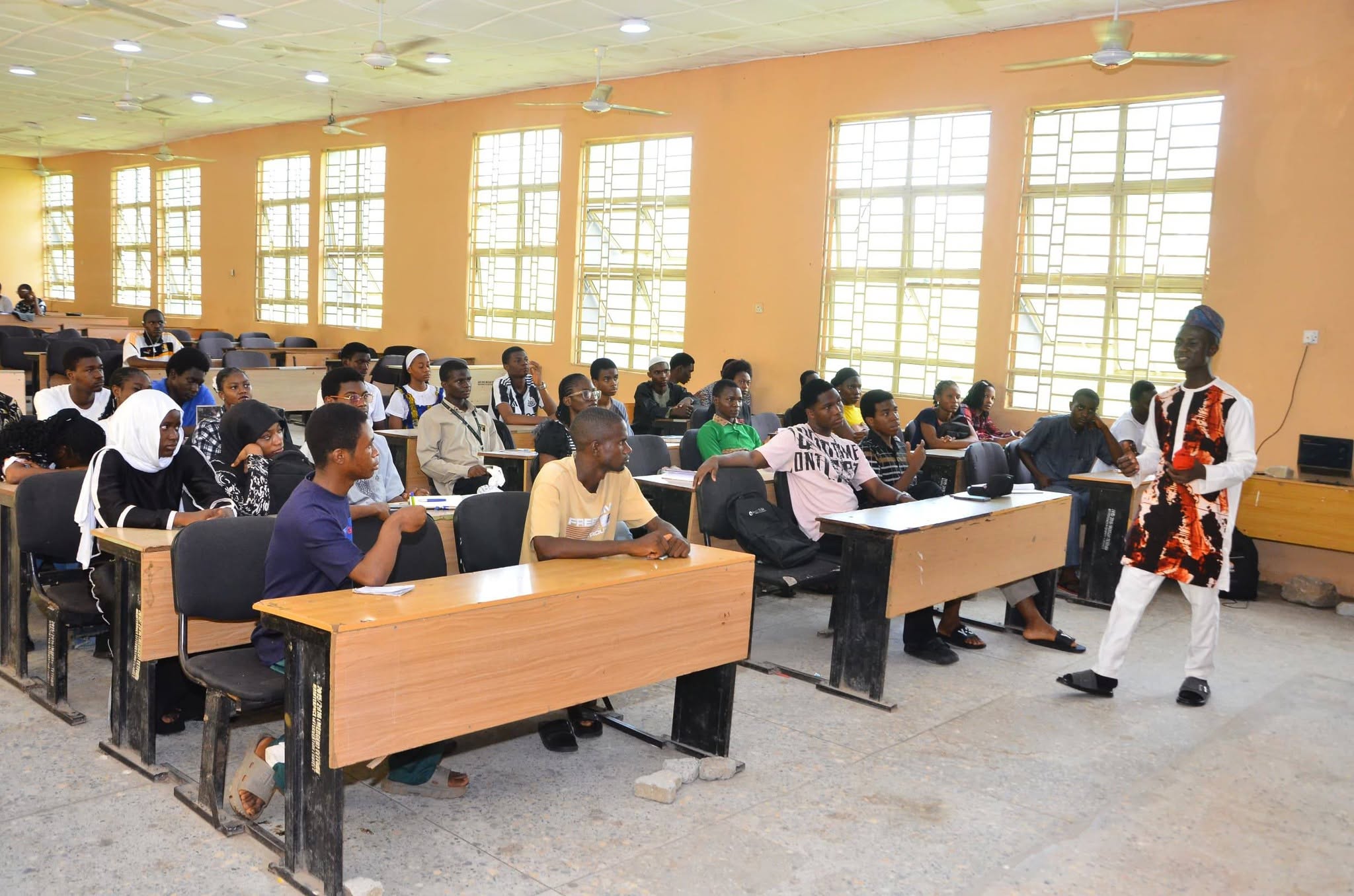
Three University of Ibadan students were rusticated for four semesters after joining a May 2024 protest against a fee increase. In April 2026, the Federal High Court set aside that decision, holding that the disciplinary process was inconsistent with fair hearing and the right to freedom of expression. The judgment settled a case. It did not settle the question underneath it: who is afraid of dissent on Nigerian campuses, and what machinery does that fear now use?
A new essay by Ejuchergahi Angwaomaodoko in TheCable argues the answer has changed form without changing direction. The instruments that once included detention, deportation and proscription have largely given way to contracts, disciplinary panels, withheld salaries and the quiet calculation that a dissenting academic may not be promoted. The essay’s central claim is that Nigerian universities have moved from overt coercion to active containment.
The Historical Record Is Documented, Not Rumoured
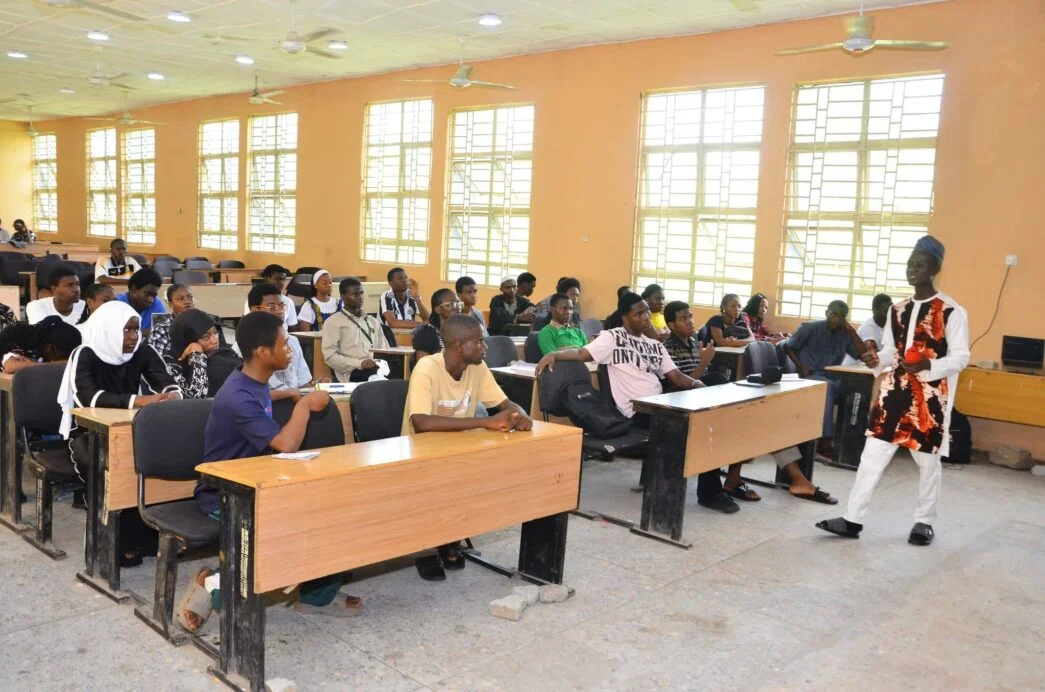
The essay traces academic freedom to the Enlightenment — to Immanuel Kant, a professor of logic, and John Locke, an Oxford don — and to universities such as Leiden, Göttingen and Edinburgh, which in the 17th and 18th centuries shifted from serving elite political interests to hosting inquiry and scepticism. Nigeria’s own version of that tradition is unusually well dated.
Adekunle Adepeju, 21, died during student protests at the University of Ibadan in 1971. The nationwide ‘Ali Must Go’ protests followed in 1978, and the ‘Ango Must Go’ demonstrations at Ahmadu Bello University came in 1986. In 1987, Festus Iyayi was dismissed from the University of Benin after taking part in a seminar on alternatives to the Structural Adjustment Programme, while sociologist Patrick Wilmot was deported after criticising government policy. In 1990, academics Obaro Ikime, Omotoye Olorode and Idowu Awopetu were detained for three months and then forced into retirement. ASUU, founded in 1978, was proscribed in 1988 and again in 1996.
Those are state actions: documented, dated, attributable. They establish the baseline against which everything after 1999 should be measured.
From Military Decree To Managerial Pressure
Civilian rule removed the most visible instruments. What remained, according to the essay, was subtler — the belief that speaking up could affect career progression, trigger disciplinary sanctions, damage reputation, or attract cyber monitoring. The fear attached to military censorship migrated into human resources.
The hardest evidence offered is a statement by the Ibadan Zone of ASUU dated September 15, 2024, alleging that more than 200 of its members had been victimised through unjust termination of appointments and the deliberate withholding of outstanding salaries. The zone accused the Federal University of Technology, Owerri of targeting members who opposed the award of a professorship to Isa Pantami, the former minister of communications and digital economy. These are union allegations, not court findings, and the essay does not record FUTO’s response. They remain, as allegations, specific, dated and checkable — which is more than can be said for most claims in this debate.
What The ASUU Claims Reveal About Dissent On Nigerian Campuses
The Ibadan Zone statement matters less for its headline number than for the mechanism it describes. Employment insecurity and financial pressure, the essay notes, can become the means through which dissent is constrained — without a decree, a censor’s signature, or a single soldier at a gate.
The University of Ibadan case shows the same shift from the student side, and it also shows where the shift stops. The three students — Aduwo Ayodele, Nice Linus and Mide Gbadegesin — were reportedly dragged from the protest venue and handed over to Operation Burst army personnel. That part is physical. But the sanction that followed was administrative: rustication, later reviewed and overturned by a court applying fair-hearing and free-expression standards. The system eventually produced a remedy. It took roughly two years to arrive.
The Comparison Abroad Cuts Both Ways
The essay is careful not to treat Nigeria as an outlier. In 2024, pro-Palestinian protests on United States campuses produced arrests, suspensions and disciplinary measures; at Columbia and Yale, demonstrations met police intervention and heightened surveillance. A report by the UN Special Rapporteur on freedom of expression documented students and academics detained, disciplined and harassed online over their involvement.
The comparison is accurate and it is also a caution. A global pattern does not make a domestic practice acceptable, and citing New Haven does not explain Ibadan. What differs is the accountability route. A Nigerian student punished for protest can, eventually, get a court to declare the process unlawful. Whether an academic whose salary is withheld has the same route is untested in the material available.
Why The Campus Question Is A National Question
The essay places campus restrictions inside a wider erosion of civic rights, arguing that limits justified as maintaining order expose what happens when power inside an institution goes unchecked. There is current national evidence for that climate. The Guardian reported that insecurity triggered rare dissent inside the ruling All Progressives Congress in the House of Representatives, with a lawmaker calling for the shutdown of the National Assembly over the worsening crisis, amid fresh attacks in Kwara and Kano and the seizure of 18 people.
That is not the same phenomenon as a rusticated undergraduate. It is the same reflex: institutions treating internal criticism as a threat to be managed rather than information to be used.
The Bigger Picture
The question in the essay’s title is not rhetorical, and the answer it supplies is institutional rather than personal. No single minister, vice-chancellor or security chief needs to fear student argument for the climate to tighten. It is enough that careers, stipends and admissions are administered by people who prefer silence, and that the cost of breaking that silence lands on the individual rather than on the institution.
The essay’s own list of campuses with genuine traditions of resistance — Ibadan, Obafemi Awolowo University, Ahmadu Bello, Nsukka, Jos, Lagos — is also a list of institutions that have periodically cracked down. Both things are true at once. Dissent on Nigerian campuses has not disappeared. It has been made expensive, and the price is quoted in salaries and semesters rather than in detentions.
The April 2026 ruling is the practical test. If a court can overturn a rustication imposed over a protest, the next question is whether the same standards reach the withheld salary, the stalled promotion and the terminated appointment. Until they do, the honest answer to who is afraid is: the institutions — and the people inside them who have learned to calculate.
Frequently Asked Questions
Who is afraid of dissent on Nigerian campuses, according to the essay?
The essay locates the fear in institutions rather than individuals. It argues that university authorities and, more broadly, the state have shifted from overt coercion — detention, deportation, proscription — to administrative control: withheld salaries, terminated appointments, stalled promotions and disciplinary panels.
What happened to the three University of Ibadan students rusticated in 2024?
Aduwo Ayodele, Nice Linus and Mide Gbadegesin were rusticated for four semesters after a May 2024 protest against a fee increase. They were reportedly dragged from the protest venue and handed to Operation Burst army personnel. In April 2026, the Federal High Court set aside the university’s decision, ruling the process breached fair hearing and freedom of expression.
Is this pattern unique to Nigeria?
No. The essay notes that 2024 pro-Palestinian protests at US universities, including Columbia and Yale, drew police intervention, arrests and suspensions, and that a UN Special Rapporteur report documented detained and disciplined students and academics. The difference it identifies is the availability and speed of legal remedy.
Receive alerts for dissent on Nigerian campuses and more like it.
FIRST TIME REACTIONS:
Be the first to leave us a comment – Who Is Afraid Of Dissent On Nigerian Campuses?, down the comment section.
JOIN US ON OUR SOCIAL MEDIA:
About Rosabella Eboh
Rosabella Eboh is an author at AfriLatest. With a passion for writing and a flair for creativity, she contributes original content and unique perspectives to the platform. Rosabella focuses on human-interest stories, cultural trends, and in-depth feature reporting.
View all articles by Rosabella EbohNational
Tinubu’s 2027 Campaign Flag Off: Kaduna, Claims and Reality
The 2027 campaign flag off in Kaduna tests Bola Tinubu’s record — and the APC’s undocumented claim that PDP, APGA and Accord are with him.
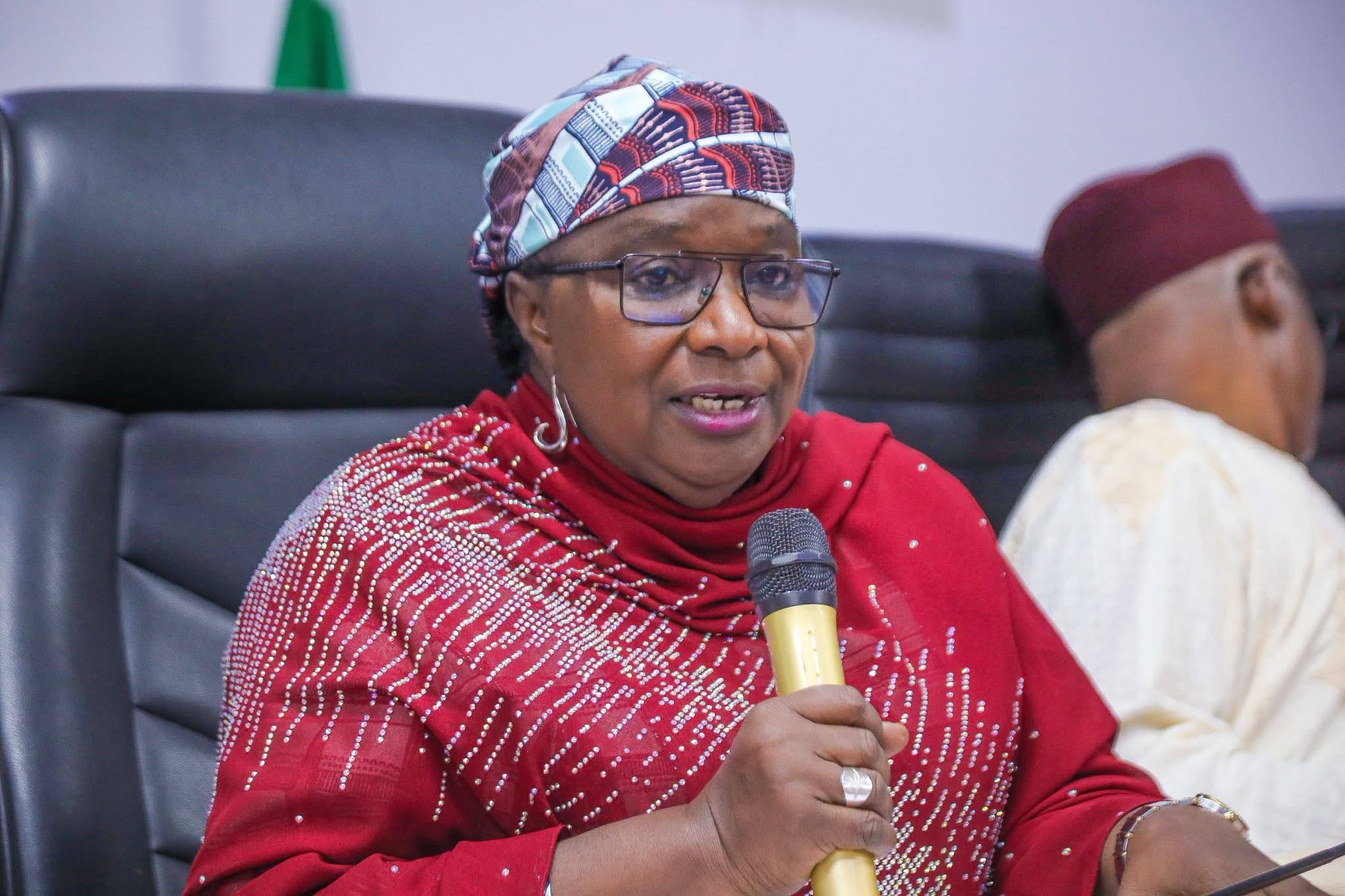
Bola Ahmed Tinubu chairs the All Progressives Congress presidential campaign council, and on Saturday, October 24, that council receives its formal public launch at the Kaduna Township Stadium. The 2027 campaign flag off is the ruling party’s first nationwide set piece before the general elections, and it is being staged in a state the party describes as core territory.
The President’s own role at the event remains undefined in the public record. The briefings reported this week came from party and state officials, not from the campaign council’s communications unit, and none of them disclosed whether Tinubu will address the crowd or how long he will stay.
What The 2027 Campaign Flag Off In Kaduna Has Actually Confirmed
The verifiable timeline is short and specific. Yari announced on October 9, after meeting the President, that Tinubu had approved the campaign timetable, including planned visits to states across the federation. The Presidential Campaign Council was inaugurated on October 14. Tinubu chairs it, Vice President Kashim Shettima and national chairman Professor Nentawe Yilwatda serve as vice chairmen, and Senator Abdulaziz Yari, a former governor of Zamfara State, runs day-to-day coordination as director-general.
Those are internal party steps with dates attached. The stadium side is thinner but checkable in principle: Kaduna’s Deputy Governor, Dr Hadiza Balarabe, who chairs the Local Organising Committee, inspected the venue on Wednesday evening and said the holding area, conveniences and pavilions were ready, with only the markings for the different states outstanding, according to Leadership. She also said attendees would be screened before entry.
Everything else is expectation. Balarabe’s forecast of a large turnout rests on the party’s own assessment of the North-West. Information Commissioner Malam Ahmed Maiyaki’s statement that hotels and service apartments across Kaduna metropolis are fully booked has not been matched by published occupancy figures. Neither claim is implausible; neither is evidence.
The Opposition Claim The Party Has Not Documented
The most consequential assertion of the week came from Yilwatda, who told State House correspondents that the Peoples Democratic Party, the All Progressives Grand Alliance and the Accord Party are aligned with the President’s re-election campaign.
“All political parties that have defeated us in any election are all with us,” he said, in accounts published by Vanguard and The Nation. He offered no letters, communiqués or names of endorsing party chairs, and both reports note that he did not specify whether the support reflects formal national leadership decisions or alliances involving factions and individual members.
That distinction is not semantic. A national party endorsement transfers a structure, a ballot line and a state-level apparatus. A factional alignment transfers a press release. Nigerian electoral history contains both, and the two produce very different outcomes on polling day.
Counter-evidence arrived the same week from the opposite end of the country. In Lagos, Honourable Moshood Adegboke Salvador flagged off his campaign for the Lagos West Senatorial District under the Nigeria Democratic Congress, urging indigenes to reclaim political influence and telling voters to resist financial inducements, the Guardian reported. He also criticised sitting representatives for failing to deliver. One rival flag-off does not disprove a realignment, but it shows the ballot is still contested on the ground the APC says it has cleared.
The Record Yari Says The Campaign Will Run On
Yari has framed the campaign as a documentary exercise. “A responsible campaign, no insults, no calling of names because there’s no name before us, but we have a record before us to show to Nigerians,” he said.
The record as Kaduna officials present it includes the conversion of the Federal College of Education, Zaria, into a university; the conversion of Kaduna Polytechnic into a Federal University of Technology; the award of a contract for the reconstruction of the 122-kilometre Mando-Birnin Gwari Road; and a proposed Kaduna Light Rail Project.
Two cautions apply. A contract award is not a completed road, and no completion date, funding release or progress figure was provided for the 122-kilometre project. The light rail remains proposed. The education conversions are administrative acts whose effects on enrolment and staffing were not addressed.
What the flag off will test is whether a campaign built on enumeration can hold that discipline once opposition candidates begin answering. The candidate-level case against incumbency was already being made in Lagos West days before Kaduna.
Why Kaduna Carries Structural Weight
The North-West is the country’s largest voting bloc and the party treats it as a stronghold, a point Balarabe made directly. Opening a national campaign there is a mobilisation decision, not a neutral venue choice.
It also concentrates risk. A stadium event with screening, federal and state security involvement and an expected influx of delegates puts the party’s organisational competence on display before a single policy argument is made.
Legacy And The Test Ahead
The 2027 campaign flag off will be remembered for what it promised, and judged on what the party can prove. Tinubu enters the cycle with the advantages of incumbency, a campaign council he personally chairs, and a director-general committed to a record-based argument.
Against that sit unverified claims of opposition alignment, unsourced crowd and hotel figures, and a development record presented without completion data. The President’s second-term case now depends on whether the discipline Yari promised survives contact with a contested ballot — and whether the record he intends to show Nigerians withstands being counted line by line.
Frequently Asked Questions (Skechers Kizik patent dispute)
When is the APC 2027 campaign flag off?
The party has scheduled it for Saturday, October 24, at the Kaduna Township Stadium. The date was confirmed by APC national chairman Professor Nentawe Yilwatda and Kaduna State’s Local Organising Committee, after President Tinubu approved the campaign timetable on October 9.
Have the PDP, APGA and Accord Party formally endorsed Tinubu?
That has not been documented. APC chairman Nentawe Yilwatda said the parties are aligned with the President’s re-election campaign, but reports by Vanguard and The Nation note he did not specify whether this reflects formal national leadership endorsements or alliances involving factions and individual members.
What is Bola Tinubu’s role in the 2027 campaign?
Tinubu chairs the All Progressives Congress Presidential Campaign Council. Vice President Kashim Shettima and party chairman Nentawe Yilwatda are vice chairmen, and Senator Abdulaziz Yari serves as director-general handling day-to-day coordination.
FIRST TIME REACTIONS:
Be the first to leave us a comment – Tinubu’s 2027 Campaign Flag Off: Kaduna, Claims and Reality, down the comment section.
JOIN US ON OUR SOCIAL MEDIA:
About Clare Dominic
Clare Dominic is the Editor at AfriLatest. With a background in journalism and a passion for storytelling, she oversees the editorial process to ensure content is accurate, engaging, and relevant. Clare works closely with contributors to maintain the highest standards of journalistic integrity across all news, sports, and lifestyle coverage.
View all articles by Clare Dominic-

 Startups4 weeks ago
What a Successful Dangote Refinery IPO Really Says
-
Health and Fitness1 week ago
Curly Hair Hydration: 5 Proven Steps That Actually Work
-
Trending Entertainment News2 weeks ago
Taylor Swift Joins Beatles as Only Acts With 100 Weeks at No. 1
-
World News4 weeks ago
Carney Calls U.S. Tariffs a Miscalculation as Canada Retaliates
-
Tech & Gadgets2 weeks ago
Apple Watch and AirPods Fall Deals: Save $120 Today
-
Football4 weeks ago
Mexico vs Colombia 2026: Márquez Debut Ends in Defeat
-
University Admissions4 weeks ago
UNILAG 2026/2027 Admission: Direct Entry & Post-UTME Guide
-
Fintech4 weeks ago
OPay No Dey Comot Nigeria: How to Verify Fintech News