Spare Parts
Spark Plug Replacement Cost: Fake Parts & Real Prices
Spark plug replacement cost in Nigeria: spot fake plugs, know real prices, and avoid overpaying. Get mechanic-level advice and genuine part tips.


You are in Ladipo market, holding a set of spark plugs in a plain cellophane bag. The seller swears they are original NGK iridium. The price is too good. You buy them. Three months later, your car starts misfiring and you are back at your mechanic’s shop, paying for towing and a new coil pack. That is the fake spark plug trap. And it is costing Nigerian drivers far more than the few thousand naira they thought they saved.
GET ORIGINAL SPARK PLUG @ UgoMach AUTO’S in ASPAMDA: Whatsapp contact:08060352676
Spark plug replacement cost is not just the price of the plugs. It is the price of the plugs plus the risk of fakes plus the labor to fix the damage they cause. According to Motor1, the total cost of a spark plug replacement typically ranges from $100 to $250 for most vehicles, though it can exceed $500 for larger engines. But that is US pricing. In Nigeria, the numbers look different, and the fake part problem makes everything worse.
How to Spot a Fake Spark Plug in Nigerian Markets

Fake spark plugs are everywhere: Ladipo, ASPAMDA, and even some roadside shops in Ikeja and Port Harcourt. They look almost identical to the real thing. But there are tells.
First, check the packaging. Genuine NGK, Denso, or Bosch plugs come in a box with a clear part number, a batch code, and a hologram or QR code on newer stock. Fake boxes often have blurry printing, misspelled brand names, or no batch code at all. If the box feels flimsy and the ink smudges, walk away.
Second, look at the plug itself. The metal shell on a genuine plug is smooth and evenly plated. The insulator is clean white or light brown ceramic with no cracks. The electrode tip is precisely shaped. On fakes, you will see rough threads, uneven gaps, and sometimes a loose terminal nut that spins freely. A real iridium plug has a fine wire center electrode. A fake often has a thick, blunt tip that is just copper with a fancy label.
Third, weigh it. Genuine plugs feel solid. Fakes are often lighter because they use cheaper metals. This matters because a lightweight plug will not handle heat and pressure the same way.
Where are they sold? Everywhere. But the highest concentration is in open markets where you buy from a tray or a bucket, not a sealed box. If the seller pulls plugs from a bin and drops them in a bag, you have no way to verify the batch. That is where fakes hide.
The Real Spark Plug Replacement Cost in Nigeria
Let us talk money. According to CarMD, the average cost to address a check engine light climbed to a record $554 in 2025, a 33% increase from the previous year. Labor costs grew 51%, and parts costs rose 23%. That trend hits Nigeria too, because most of our parts are imported.
In Lagos, a set of four genuine copper spark plugs costs between ₦8,000 and ₦15,000 depending on brand. Iridium plugs run ₦25,000 to ₦60,000 for four, sometimes more for premium brands like NGK Laser Iridium. Labor at a good independent workshop in Lagos or Abuja is ₦10,000 to ₦25,000 for a simple four-cylinder engine. So a fair spark plug replacement cost for a Toyota Corolla or Honda Civic is roughly ₦20,000 to ₦40,000 total.
But if you drive a V6 or a turbocharged engine, the labor jumps. On many modern engines, mechanics have to remove the intake plenum or upper cowl just to access the spark plugs. What should be a simple job becomes a multi-hour undertaking. That is when you see quotes of ₦80,000 to ₦150,000 or more.
The fake part problem inflates this. If you buy fake plugs for ₦5,000, you might save ₦10,000 upfront. But when they fail, you pay for diagnosis, towing, new coil packs (₦15,000 to ₦40,000 each), and sometimes catalytic converter damage. That is a spark plug replacement cost you never planned for.
Why Cheap Plugs Cost More: The Turbo Warning
Modern turbo engines are brutal on spark plugs. The 2025 Toyota Tundra with the i-FORCE 3.4L Twin-Turbo V6 requires spark plug replacement every 40,000 miles or 48 months. That is not a suggestion. It is a warranty requirement. The high boost pressures and heat loads erode spark plug electrodes at an accelerated rate. If you ignore it, you risk misfires and coil failures.
Now imagine putting fake plugs in that engine. They will not last 40,000 miles. They might not last 10,000. The gap widens, the coil works harder, and eventually you are looking at a repair bill that makes the original spark plug replacement cost look like pocket change.
A dealership quoted $1,400 for a spark plug and coil pack job on a 2011 Nissan Sentra, according to Motor1. A mobile mechanic did it in under an hour for much less. The lesson: labor rates and parts quality vary wildly. In Nigeria, the same variance exists. Some shops charge dealership prices for fake parts.
How to Buy Genuine Spark Plugs in Nigeria
Buy from a trusted parts dealer, not a roadside hawker. Ask for the box with the part number. Cross-check that number against your car’s manual or an online fitment guide. If the seller cannot show you the box, do not buy.
Check the electrode. A genuine iridium plug has a fine center electrode, often 0.6mm or thinner. A fake has a thick, blunt tip. Run your finger over the threads. They should be smooth and sharp, not rough or flattened.
Look for the batch code. Genuine plugs have a code stamped on the metal shell and on the box. They should match. If the seller refuses to let you inspect, walk away.
Price is a clue. If a set of four iridium plugs is selling for ₦8,000, they are fake. Real iridium costs more. Copper plugs are cheaper, but they last only 20,000 to 30,000 miles. Iridium lasts up to 100,000 miles. Do not pay iridium prices for copper plugs.
One verification habit to adopt: before you pay, take a photo of the box and the plug’s part number. Send it to a trusted mechanic or check it against the manufacturer’s website. It takes two minutes. It can save you a engine.
Do your research. Do not go to the first mechanic shop you see that looks trustworthy. The spark plug replacement cost is not just naira and kobo. It is the cost of doing it right the first time.
Frequently Asked Questions
How much does spark plug replacement cost in Nigeria?
For a simple four-cylinder engine, expect ₦20,000 to ₦40,000 total, including parts and labor. For V6 or turbo engines with difficult access, it can range from ₦80,000 to ₦150,000 or more.
How can I tell if a spark plug is fake?
Check the packaging for blurry printing or missing batch codes. Inspect the plug: genuine iridium has a fine wire electrode, smooth threads, and feels solid. Fakes often have rough threads, blunt tips, and are lighter.
What happens if I use fake spark plugs?
Fake plugs can cause misfires, poor fuel economy, and premature coil failure. They may also damage the catalytic converter, leading to repair bills far higher than the cost of genuine plugs.
Related Articles
- Brandi Carlile: Rock Star in Her Prime, On Tour Now
- WAEC 2026 Timetable: Your Exam Strategy Guide
- Carney Calls U.S. Tariffs a Miscalculation as Canada Retaliates
- Retired US Navy Admiral Robert Harward Sparks Controversy
- How individual awards affect the collective

Spare Parts
Honda Hybrid 2027: 15 New Models, What Nigerian Buyers Must Know
Honda Hybrid is the new name for Honda’s 2027 system. Learn what it means for Nigerian buyers of Civic, Accord, CR-V and spare parts availability.

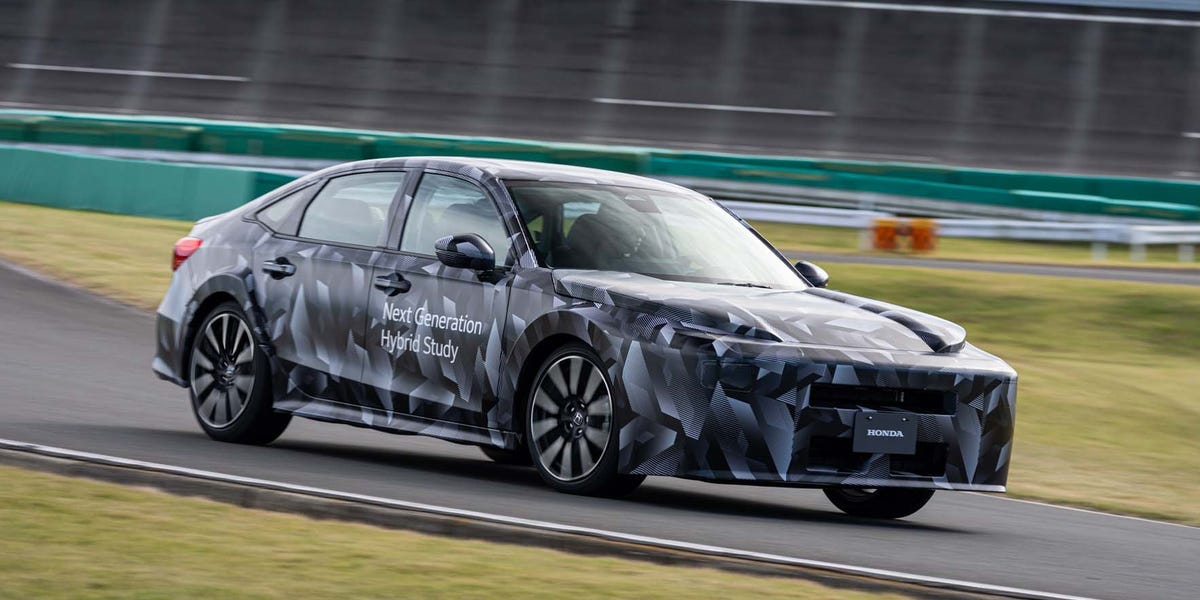
Honda has finally put a name on its next-generation hybrid system: Honda Hybrid. That is the official name, announced October 9, 2026, and it will start appearing in vehicles globally from 2027. If you are a Nigerian buyer looking at a used Civic Hybrid, Accord Hybrid, or CR-V Hybrid today, or planning to import one in the next three years, this matters for your wallet. The name is simple. The parts story behind it is not.
Honda Hybrid is the next-generation system built on the bones of e:HEV, Honda’s original two-motor hybrid setup. Honda says it has expanded the high-efficiency operating range of the engine and downsized the drive unit to impr ove fuel economy. It will support a newly developed electric all-wheel-drive system called e-AWD, plus a Motion Management System for integrated control. By the end of March 2030, Honda plans to launch 15 models with Honda Hybrid, mostly for North America. Acura, Honda’s luxury arm, is also planning an RDX Hybrid.
What This Means For Nigerian Spare Parts Buyers
Here is the practical part. When a manufacturer changes a hybrid system, the old parts do not vanish overnight, but they do start a slow price climb. Nigerian mechanics who already servicess e:HEV Civics and Accords know the drill: inverter coolant pumps, hybrid battery modules, and motor-generator stators are the three items that empty a customer’s pocket. If Honda Hybrid rolls out in 2027 and reaches Nigerian ports by 2028 through tokunbo imports, the e:HEV generation will still be the dominant hybrid Honda on our roads for at least another five to seven years.
That is good news for current owners. It means the e:HEV parts pipeline stays alive. But it also means you must know the difference between genuine Honda hybrid components and the fake units flooding Ladipo and ASPAMDA. A genuine Honda hybrid battery module for a 2018 to 2022 Accord Hybrid currently runs between ₦850,000 and ₦1.4 million depending on condition and source. A fake or refurbished unit with no serial trace can go for ₦350,000 and fail inside eight months. That is not a saving. That is a second repair bill.
Engine And Drivetrain: What Honda Hybrid Changes
Honda has not released full engine specs for Honda Hybrid. Based on Car and Driver’s drive of a next-generation Civic Hybrid prototype in 2025, expect a 2.0-liter four-cylinder paired with two electric motors and a new battery. Honda has also discussed a V-6 hybrid for larger vehicles like the Pilot, Passport, and Ridgeline, with a third electric motor on the rear axle for all-wheel drive. That V-6 hybrid would likely reach Nigeria through the Acura MDX Hybrid or a high-spec Pilot, not the mass-market Civic.
For the Nigerian buyer, the four-cylinder Honda Hybrid is the one that will matter. It is the one that will land in tokunbo Civic and Accord shells. It is the one your mechanic will see in 2029.
Fuel Economy And Running Costs In Nigeria
Honda claims improved fuel economy from the expanded engine efficiency range and smaller drive unit. On paper, that is good. On Nigerian roads, the real number depends on your route. A current e:HEV Accord Hybrid does roughly 18 to 22 km per liter in mixed Lagos traffic if the battery is healthy. A tired battery drops that to 13 to 15 km per liter. If Honda Hybrid delivers even a 10 percent improvement, you are looking at meaningful savings at ₦900 to ₦1,100 per liter of petrol.
But here is the warning. Hybrid fuel savings only work if the battery and inverter are healthy. A bad hybrid battery in Nigeria costs more to replace than the fuel you will save in two years. Before you buy any used Honda hybrid, pay a hybrid-trained technician to scan the battery state of health. A scan costs ₦15,000 to ₦30,000. A replacement battery costs ten times that.
Parts Availability And The e:HEV Overlap
Honda says Honda Hybrid is based on techinologies amassed through e:HEV development. That is the key sentence for spare parts. It means some control software, some sensor logic, and some service procedures will carry over. It does not mean e:HEV parts fit Honda Hybrid parts. They will not. The drive unit is downsized. The engine operating range is different. The e-AWD is new.
So do not let any parts dealer tell you a Honda Hybrid inverter is the same as an e:HEV inverter. It is not. Ask for the part number stamped on the unit and verify it against the chassis number. If the dealer cannot show you the donor car or a verifiable part number, walk away.
Resale And The Nigerian Market
Honda hybrid resale in Nigeria is steady but not spectacular. The buyer pool is smaller because many Nigerians still fear hybrid batteries. That fear keeps prices lower than equivalent petrol-only Hondas, which is actually good for a knowledgeable buyer. A 2020 Accord Hybrid with a verified healthy battery can be bought for less than a petrol Accord of the same year, and it will save you fuel money every week.
When Honda Hybrid arrives in 2027 and 2028, expect the first units to be expensive. Early adopters in Nigeria will pay a premium for a car with no local parts history. Wait at least two years after global launch before importing one. Let the parts network catch up. Let the first failures happen in other markets so we know what breaks.
Honda’s India Plans And What They Signal
Honda is also preparing a new sub-4-metre SUV for India to rival the Tata Nexon and Hyundai Venue, and the company plans to introduce its next-generation hybrid technology in India after its global debut in 2027. Honda aims for more than 10 models in India by 2030. That tells you Honda is pushing hybrids into emerging markets, not just North America. Nigeria is not India, but the same parts supply chains that serve Indian Honda hybrids often serve West Africa through Dubai and South Africa. That is your future parts route.
Verdict: Which Honda Hybrid Buyer Are You?
If you are buying a used Honda hybrid today, buy the e:HEV generation with a verified healthy battery. Do not pay for Honda Hybrid hype that has not arrived. The Civic Hybrid, Accord Hybrid, and CR-V Hybrid are proven, and parts exist in Lagos, Abuja, and Port Harcourt. Budget ₦900,000 to ₦1.5 million for a genuine battery replacement when the time comes, and insist on a scan before purchase.
If you are waiting for Honda Hybrid, wait until 2029. By then, the first units will have real-world failure data, and Nigerian parts dealers will have figured out the supply chain. Buying a Honda Hybrid in 2027 or 2028 in Nigeria means paying top naira for a car nobody can fix cheaply yet. That is not a smart buy. That is an experiment with your own money.
Frequently Asked Questions
What is Honda Hybrid?
Honda Hybrid is the official name for Honda’s next-generation hybrid system, announced October 9, 2026. It is based on e:HEV technology and will appear in vehicles globally starting in 2027.
When will Honda Hybrid models reach Nigeria?
Honda has not announced Nigerian launch dates. Based on typical tokunbo import timelines, expect the first Honda Hybrid units to reach Nigerian ports in 2028 or later, with meaningful parts availability by 2029.
Can I use e:HEV parts on a Honda Hybrid car?
No. Honda Hybrid uses a downsized drive unit, a different engine operating range, and a new e-AWD system. Do not accept e:HEV parts as substitutes. Always verify the part number against the chassis number.
Related Articles
- Natanael Cano Postpones Mexico Tour: Refunds & Health Focus
- Quartz Countertops Banned in California: What You Must Know
- Pixel 11 owners still waiting on Android 17 QPR1
- Apple Watch and AirPods Fall Deals: Save $120 Today
- Prime Big Deal Days Fitness Deals: 50% Off Top Gear
 Follow AFRILATEST on Google News
FIRST TIME REACTIONS:
Be the first to leave us a comment – Honda Hybrid 2027: 15 New Models, What Nigerian Buyers Must Know, down the comment section.
JOIN US ON OUR SOCIAL MEDIA:
Spare Parts
Spare Parts Price Lagos 2026: What You’ll Pay and Why
Spare parts price Lagos 2026: real market drivers, fake part warnings, and where to buy. Prices in naira. Read before you spend.
Spare Parts Price Lagos 2026: The Real Numbers Behind Every Purchase
If you are buying spare parts in Lagos in 2026, you are not just paying for metal and rubber. You are paying for imported stock, diesel, rent, and a market that is being squeezed from every side. The spare parts price Lagos 2026 reality is simple: costs are up, fake parts are everywhere, and the difference bet ween a good buy and a scam is often one question you forgot to ask.
This guide breaks down what is driving prices, how to spot fakes, and whre to put your money for Nigerian roads.

What Is Actually Driving Spare Parts Price Lagos 2026
The National Bureau of Statistics put Nigeria’s headline inflation at 15.15 per cent in December 2025, with only slight moderation to about 15.1 per cent in January 2026. That is de number LAMATA cited when Governor Babajide Sanwo-Olu approved a 13 per cent increase in BRT and standard bus fares across Lagos, effective Monday, March 2, 2026.
LAMATA’s statement was blunt about why. Bus operators are grappling with rising vehicle maintenance and repairs, imported spare parts, and staff salaries following the new national minimum wage. When the people who move Lagos say spare parts are eating their margins, you know the market is tight.
That same pressure hits you at Alaba, Ladipo, and Oshodi. The naiira buys less imported stock. Shipping and clearing costs stay high. Dealers who used to absorb small increases now pass them straight to you.
According to Vanguard, the fare adjustment was designed to offset severe economic pressures on public transport providers. Spare parts sit at the centre of that pressure.
What You Will Pay in 2026
Here is the honest range for common parts in Lagos as of early 2026. Prices move weekly, so treat these as negotiation anchors, not fixed quotes.
Brake pads for a Toyota Corolla or Camry: N18,000 to N45,000 per axle set. Cheap unbranded sets go for N12,000 but often squeal within 3,000 km.
Shock absorbers for a Honda or Toyota sedan: N25,000 to N60,000 each, depending on brand. OEM-grade units from Winpart by CFAO sit at the higher end.
Alternators for common Japaanese sedans: N45,000 to N120,000. Rebuilt units are cheaper but lifespan is a gamble.
Air filters: N4,000 to N12,000. Engine oil filters: N2,500 to N8,000.
Batteries (70Ah, common for sedans and small SUVs): N85,000 to N150,000. Local production is coming, but imported stock still dominates.
Tyres (195/65 R15, common Corolla size): N55,000 to N95,000 each for known brands.
If those numbers sting, remember that a 13 per cent fare increase on BRT was approved partly because operators could not keep buses running without passing costs on. You are in the same boat.
OEM vs Aftermarket: What the 2026 Market Looks Like
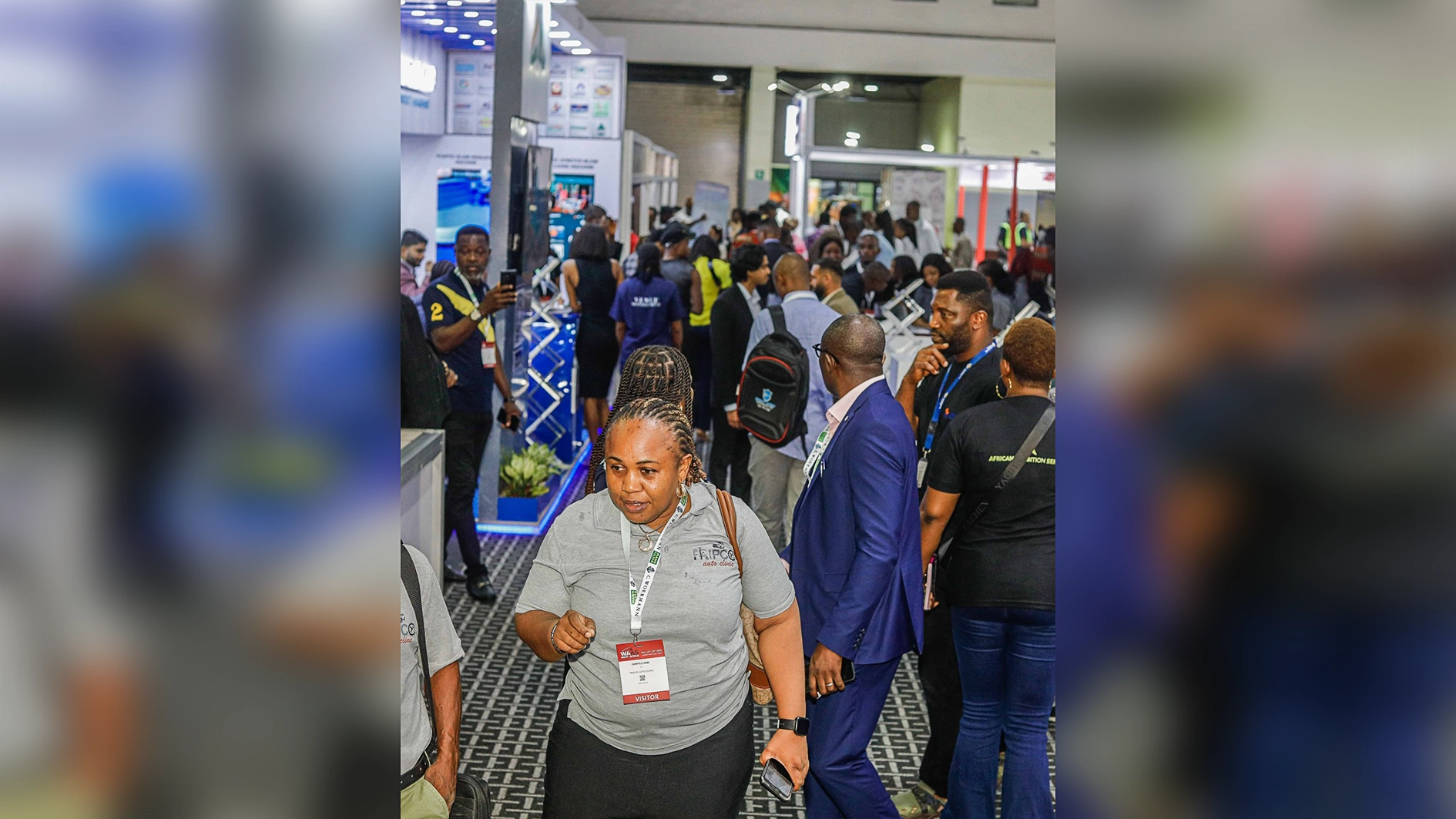
The 2026 West Africa Automotive Show in Lagos brought over 350 exhibitors and expected more than 6,000 visitors. The message from the floor was clear: Nigeria and West Africa remain import-heavy markets, and exhibitors from Europe, UAE, China, and other regions are pushing products that claim to improve safety standards.
Eric Fantoji, General Manager of Winpart by CFAO, made a point that matters to your wallet. He said the company is showing the Nigerian market that quality does not necessarily mean high price, and that Winpart is cheaper than OEM while maintaining better quality than many low-grade products in the market.
That is the tier you should be hunting. True OEM parts are the gold standard but often overpriced for a 2010 Corolla. The bottom-tier unbranded parts are cheap for a reason. The mid dle tier, reputable aftermarket brands with verifiable supply chains, is where Nigerian roads are won.
Ali Kouri, another exhibitor, said it plainly: to sell in this market, you need the correct price point with good quality. That is the balance you are looking for as a buyer.
How to Spot Fake Parts Before You Pay
Fake parts are the biggest scam in the Lagos market. They look right until they fail. Here is how to protect yourself.
Ask for the part number and check it against your vehicle’s VIN. If the seller cannot produce a matching number, walk away.
Inspect packaging for spelling errors, blurry logos, and flimsy cardboard. Genuine manufacturers invest in packaging.
Weigh the part in your hand if possible. Counterfeit brake pads and filters are often noticeably lighter because they use less material.
Buy from dealers with a physical shop and a reputation to protect. The 2026 Abule Egba situation shows why this matters. According to Sahara Reporters, motor spare parts and scrap dealers at Ogunrinde Street received a five-day notice to vacate, and were later told shops at the proposed Amikanle relocation site cost about N5 million each. When traders are under that kind of pressure, fly-by-night sellers multiply.
Avoid roadside sellers who cannot tell you the brand or origin of the part. If they hesitate, they are guessing.
Where to Buy in Lagos
Alaba International Market remains the largest hub, but it is not the only option. Ladipo Market in Mushin is strong for used and new Japanese parts. Oshodi and Ajegunle have pockets of specialists.
The 2026 West Africa Automotive Show, reported by The Guardian, confirmed that importers, distributors, and manufacturers see Nigeria as a major destination. That means more competition, which is good for you if you know your prices.
For lubricants and batteries, watch for local blending and repackaging. WR Carpenters is considering a blending and repackaging factory in Nigeria to reduce costs. Winpart by CFAO is also considering local production of lubricants and batteries. When that happens, prices should ease.
What About CNG and the Push to Cut Costs
Lagos took delivery of 20 additional high-capacity CNG buses in late 2026, bringing the regulated fleet to about 170. The federal government wants measurable reductions in transport costs. But commercial operators in several states resist fare cuts, citing high petrol prices, spare-parts costs, and maintenance.
In Ogun State, a transporter said converting a vehicle to CNG costs about N1.3 million. That is a serious number, and it explains why spare parts for CNG systems will become a new price category in Lagos in 2026 and beyond.
If you run a commercial vehicle, CNG conversion may pay off over time, but only if you can access reliable refuelling. Otherwise, you are adding a new parts category to your maintenance list without saving on fuel.
Best Value Pick for Nigerian Roads
For most Lagos drivers in 2026, the best value is mid-tier aftermarket parts from established distributors. Not OEM, not unbranded. Brands that Winpart by CFAO and similar exhibitors at the West Africa Automotive Show represent: cheaper than OEM, better than the junk.
For brake pads, do not go cheap. For filters and batteries, mid-tier is fine if you change them on schedule. For critical engine components, pay for OEM or verified equivalent.
Before you spend, ask three questions: What is the part number? Who is the manufacturer? What is the return policy? If the seller cannot answer all three, keep your money. The spare parts price Lagos 2026 market rewards buyers who do homework and punishes those who do not.
Frequently Asked Questions
Why are spare parts so expensive in Lagos in 2026?
Inflation, imported stock costs, and the new minimum wage are pushing prices. LAMATA cited these exact pressures when approving a 13 per cent BRT fare increase in March 2026.
How do I know if a spare part is fake?
Check the part number against your VIN, inspect packaging for errors, weigh the part, and buy only from dealers with a physical shop and reputation to protect.
Should I buy OEM or aftermarket parts in Lagos?
For critical components like brake pads, pay for OEM or verified equivalent. For filters and batteries, mid-tier aftermarket from established distributors offers the best value on Nigerian roads.
Related Articles
- Best iPhone 18 Pro Cases: 5 Picks Under $30 Tested
- Nigeria’s Economy Grows Over 4% in 2026: What It Means for You
- Shot on iPhone Duo Campaign: What Apple Isn’t Telling You
- Trump $500 Check Hits Mailboxes: Who Qualifies
- Honda Labour Dispute: What Nigerian Car Owners Must Know
FIRST TIME REACTIONS:
Be the first to leave us a comment – Spare Parts Price Lagos 2026: What You’ll Pay and Why, down the comment section.
JOIN US ON OUR SOCIAL MEDIA:
Spare Parts
Honda Labour Dispute: What Nigerian Car Owners Must Know
Honda labour dispute halts merger, affects spare parts supply. Get real naira prices for Honda parts and avoid fake components in Lagos.

Honda Labour Dispute: What Nigerian Car Owners Must Know
If you drive a Honda in Nigeria, the ongoing Honda labor dispute is about to hit your wallet. The fight between Honda Automobile Western Africa Limited (HAWA) and its workers has moved from boardroom to courtroom, and the ripple effects will reach every spare parts trader in Ladipo, Trade Fair, and Nnewi.
What Is the Honda Laboure Dispute?

The HAWA Autobate Union and the Local Management Team of HAWA have filed Suit No. FHC/L/MISC/262/2026 at the Federal High Court in Lagos. They want to set aside a court-approved merger between Honda Manufacturing (Nigeria) Limited and Honda Automobile Western Africa Limited. Justice Akintayo Aluko had granted an ex part order on May 12, 2026, sanctioning the restructuring.
The workers claim the approval was obtained through material suppression of facts. They say management failed to disclose ongoing labour disputes, stakeholder objections, and unresolved concerns about how the merger affects employees. Letters were sent to management on March 16, March 23, April 6, and April 9, 2026, raising fears over job security. The union argues those letters were never placed before the court.
Justice Aluko has now suspended the merger implementation pending determination of all pending applications. The case returns to court on July 7, 2026.
Separately, 22 current and former HAWA employees have filed two suits at the National Industrial Court of Nigeria. The first, led by Maryann Okwesa, involves 16 current employees seeking protection from unlawful dismissal and security agency harassment. The second, brought by six former employees including Roseline Hill, challenges summary dismissals. Justice Ikechi Gerald Nweneka has fixed October 15 for hearing.
Why This Matters for Your Honda Spare Parts
When a major assembler like HAWA is tangled in litigation, the entire supply chain slows down. Honda lab our dispute uncertainty means fewer new vehicles roll out, fewer genuine parts get imported, and the aftermarket scrambles for alternatives.
Here is what we are seeing in Lagos right now:
Honda Accord (2008-2013) front brake pads: N18,000 to N25,000 for genuine Akebono. Fake Chinese copies sell for N6,000 to N9,000 and last three months.
Honda Civic (2006-2011) shock absorbers: N35,000 to N48,000 per pair for KYB. Locally rebranded ones go for N15,000 and leak within six months.
Honda CR-V (2007-2012) air filter: N8,000 to N12,000 for OEM Denso. The N2,500 versions restrict airflow and increase fuel consumption.
Honda Accord 2003-2007 automatic transmission fluid: N12,000 per 4-litre bottle for genuine Honda ATF-Z1. Counterfeit bottles with recycled fluid sell for N4,500 and will destroy your gearbox.
Honda Pilot timing belt kit: N65,000 to N85,000 for Aisin. The N25,000 kits snap at 20,000km.
The Price Movement
Since the merger suspension hit the news, genuine Honda parts prices have climbed 12 to 18 percent in Lagos. Traders at Ladipo are hoarding stock, anticipating supply disruptions. One parts dealer told me he has not received a container of genuine Honda filters since early May.
Why the Spike?
The Honda labour dispute has frozen corporate decision-making at HAWA. When management is in court defending a merger, purchase orders for spare parts sit unsigned. Importers who normally buy directly from Honda’s regional distribution network are now sourcing from Dubai and South Africa at higher costs.
Add the naira volatility and you get a perfect storm. The same brake pads that sold for N20,000 in January now go for N24,000. Shock absorbers have jumped from N38,000 to N45,000.
What About Fake Parts?
This is where you must be careful. Whenever genuine supply tightens, counterfeits flood the market. I have seen brake pads stamped with Honda logos that are actually compressed cardboard. I have seen oil filters filled with newspaper.
Buy only from established dealers who can show you import documents. If the price is 70 percent below market, it is fake. No exceptions.
Where to Buy
Ladipo Auto Parts Market in Lagos remains the largest Honda parts hub. But you need a trusted mechanic or fellow Honda owner to guide you. Trade Fair Complex in Lagos has fewer fakes but higher prices. Nnewi in Anambra is good for engine components but watch for used parts sold as new.
For genuine Honda parts, authorized dealers like Globe Motors and Honda Place are your safest bet, though you will pay 30 to 40 percent more.
The Mexico Connection
It is worth noting that Honda labour disputes are not unique to Nigeria. In Mexico, the Federal Board of Conciliation and Arbitration number 18 ordered the reinstallation of Jose Luis Solorio Alcala, former leader of the Union of Workers United of Honda de Mexico, who was fired in 2010. The company can still appeal. This shows that Honda’s labour issues are global, and they affect production planning everywhere.
What About USMCA?
Honda Executive Vice President Noriya Kaihara recently said the company may back out of building an eighth assembly plant in North America unless the United States-Mexico-Canada Agreement is extended. “If there is no USMCA agreement in the future, we may have to change our direction,” Kaihara said. This uncertainty means Honda is cautious about capacity investments globally.
For Nigerian buyers, this translates to less aggressive expansion in African markets. Fewer new Honda models mean your current car must last longer, making genuine spare parts even more critical.
What to Do Now
Do not wait for the July 7 court date. If you need Honda parts, buy now before prices climb further. Focus on critical components: brake pads, filters, timing belts, and fluids.
Avoid the temptation of cheap alternatives. A N6,000 brake pad that fails at 80km/h on Third Mainland Bridge is not a bargain. It is a death wish.
Buy from reputable dealers. Ask for warranty. Keep your receipts. And if you are unsure, pay a mechanic you trust to inspect the part before installation.
The Honda labour dispute will eventually resolve. But the supply chain damage will linger. Protect your car now.
Best Time to Buy
Buy within the next two weeks. Prices are rising weekly. Once the July 7 hearing passes, if the merger is permanently suspended, expect another 10 percent jump. If it is approved, prices may stabilize but not drop. Either way, today is cheaper than tomorrow.
Related Articles
- OPay Impersonation: Woman Arraigned in Lagos Court
- Digital Postcode: NIPOST’s 11-Character Code to Boost Business
- Honda Restructures Nigeria Operations: What HAWA Merger Means for Parts Buyers
- OPay National Innovation Challenge: Top 10 Teams Share N18m
- Best iPhone 18 Pro Cases: Top Picks for Protection
FIRST TIME REACTIONS:
Be the first to leave us a comment – Honda Labour Dispute: What Nigerian Car Owners Must Know, down the comment section. Click allow to follow this topic and get firsthand daily updates.
JOIN US ON OUR SOCIAL MEDIA:
-

 Startups3 weeks ago
What a Successful Dangote Refinery IPO Really Says
-
Trending Entertainment News5 days ago
Taylor Swift Joins Beatles as Only Acts With 100 Weeks at No. 1
-
World News3 weeks ago
Carney Calls U.S. Tariffs a Miscalculation as Canada Retaliates
-
Fintech3 weeks ago
OPay No Dey Comot Nigeria: How to Verify Fintech News
-
Football3 weeks ago
Mexico vs Colombia 2026: Márquez Debut Ends in Defeat
-
Nigerian Business3 weeks ago
Moniepoint POS Network: How to Buy Dangote Shares
-
Fintech3 weeks ago
OPay Investing in People to Build a Better Nigeria
-
Black Celebrities3 weeks ago
Brandi Carlile: Rock Star in Her Prime, On Tour Now