Automobiles
Ford Transit Trail Settlement: What Owners Must Know
The Ford Transit Trail settlement pays $6,000 per eligible van. What the tire recall fix means for parts, running costs and resale in Nigeria.


The Ford Transit Trail was sold on a tire. Ford gave the van a 3.5-inch lift, standard all-wheel drive with Slippery and Mud modes, a 3.5-liter EcoBoost V6 and 30.5-inch Goodyear Wrangler Workhorse all-terrain rubber, then charged $12,500 above a standard Transit for the package. The component that undid the promise was not the engine or the drivetrain. It was the clearance between the front tire and the wheel arch liner — and the correction Ford chose now sits at the centre of a Ford Transit Trail settlement worth $6,000 per vehicle.
That distinction matters. Most coverage of this case reads it as a legal story. Owners read it as a parts story, and the parts story is the one that survives after the cheques clear.
What The Ford Transit Trail Settlement Actually Pays
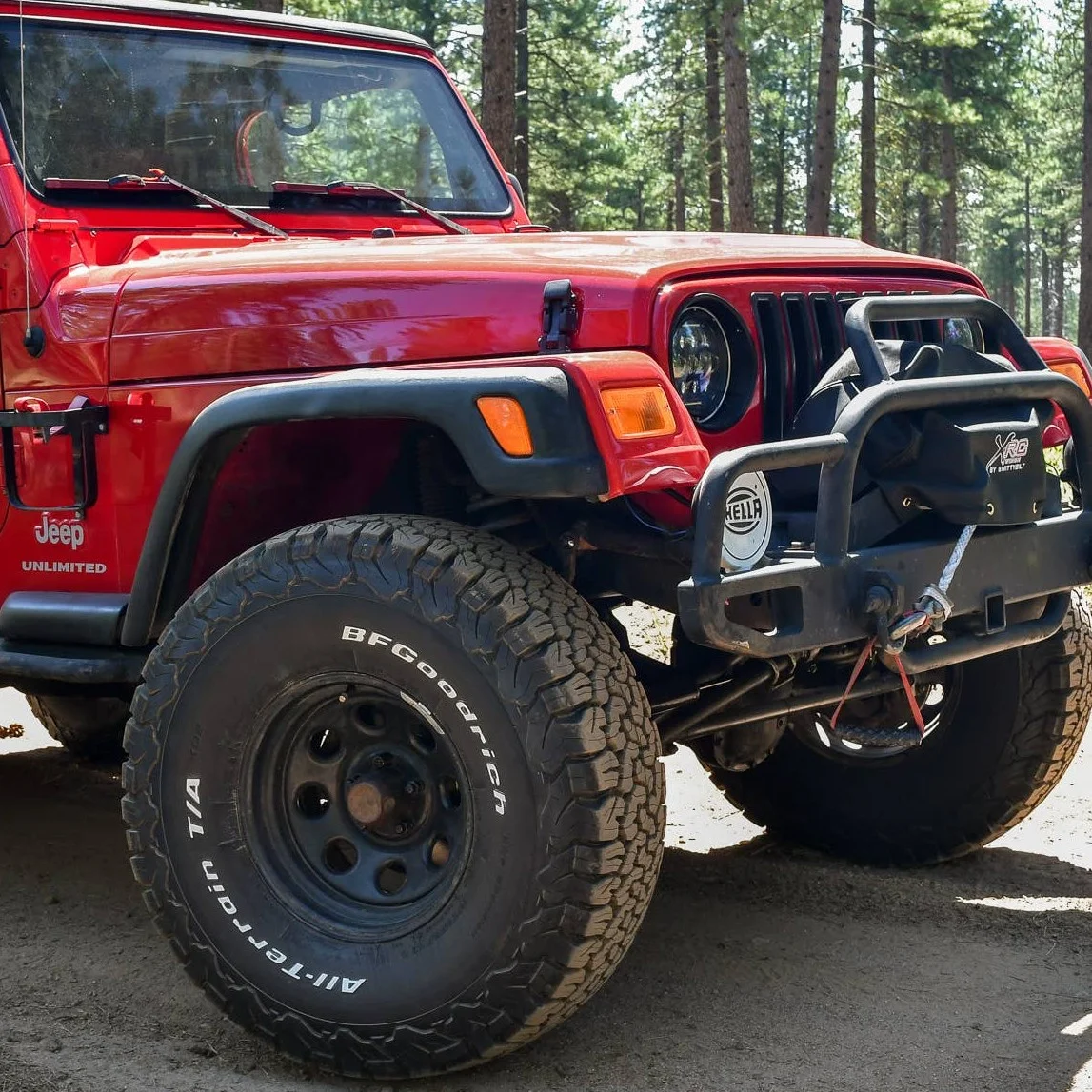
Ford recalled the Transit Trail in March 2024 over what the recall described as insufficient packaging allowance for the front tires, as Autoblog reported. The tires could rub the wheel arch liners at 60% of a full turn while braking, or when the van was loaded at or near the Front Gross Axle Weight Rating. Ford logged five warranty reports and 10 field reports. In some cases, tires went flat.
The remedy was a different Goodyear: 235/65R16C, plus both front wheel arch liners, according to the document published on the NHTSA site. Smaller rubber, and not an off-road fitment.
The money is narrow. Class members are original owners or lessees who bought from an authorised dealer, outfitter, upfitter or other intermediary that acquired the vehicle for resale or conversion, before June 1, 2024. Anyone who bought used is excluded. Anyone who has already sued Ford over the same issue is excluded. Claims run to January 15, 2027, and final approval is scheduled for a hearing on March 16, 2027. About 1,900 vans are affected.
Why A Smaller Tire Is A Spare Parts Question
A recall that substitutes a tire size is not cosmetic. It rewrites the specification the vehicle carries for the rest of its working life, and it decides what a workshop orders at the next replacement.
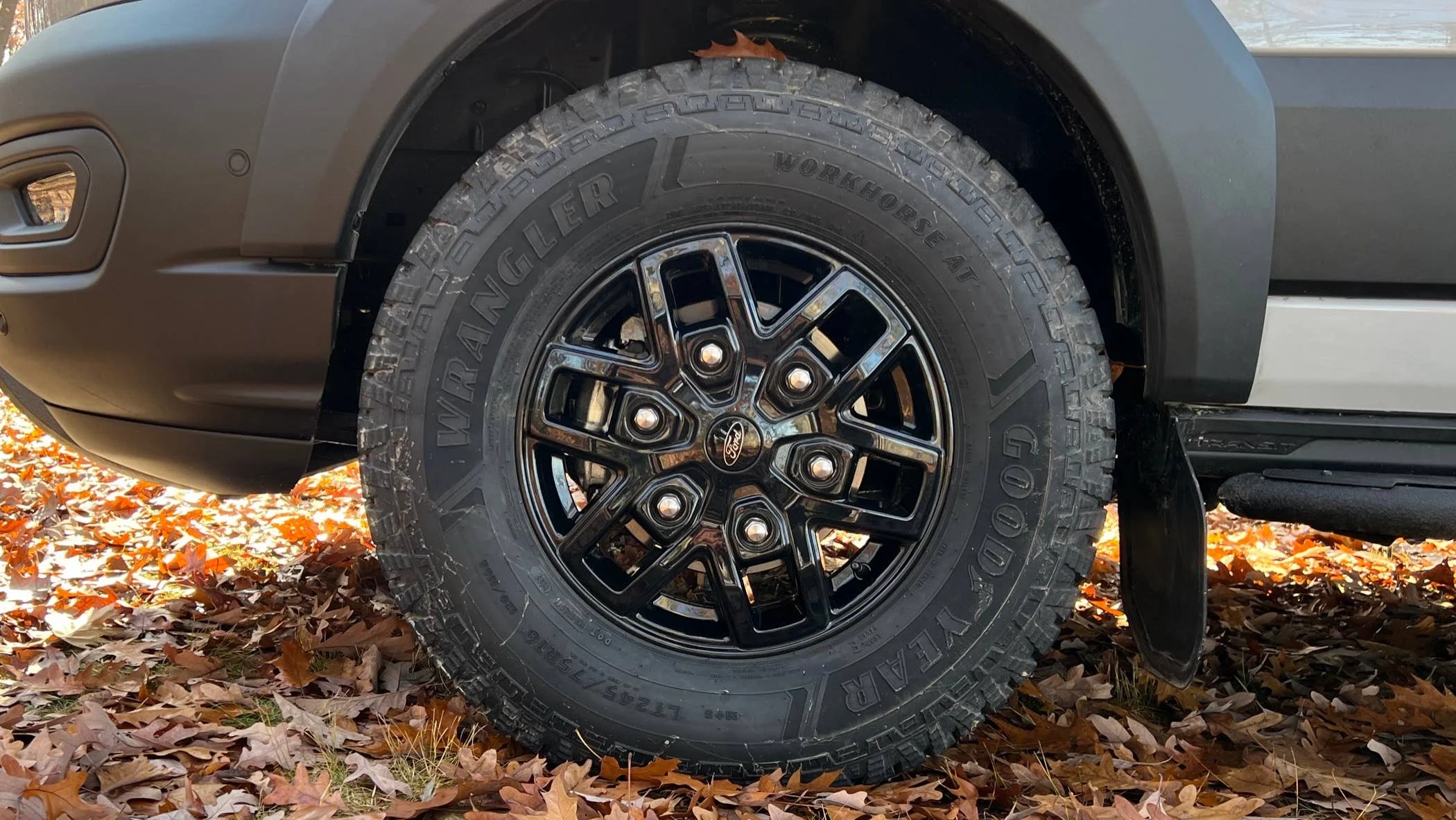
An owner running the recall remedy is buying 235/65R16C — a commercial-van load-rated size — and needs liners that match that fitment. An owner who kept the 30.5-inch all-terrain is running a tire Ford no longer supports on that arch, and inherits the rubbing condition the recall was meant to close. Both groups are sourcing parts against a van whose front end now has two documented states.
The scale of the original claim is on record. A separate suit reported by Autoblog has Joseph Falman III of Connecticut stating he paid $80,000 for his Transit Trail and could not properly turn the vehicle. His filing argues the smaller tires are likely to provide less traction in snow, grass and mud — the surfaces the van was marketed for.
OEM, Aftermarket And The Copies In Between
OEM means the parts Ford specifies in the remedy: the Goodyear 235/65R16C and the front wheel arch liners carrying Ford’s own part number and warranty support. Aftermarket means any other brand of tire in that size, or a liner produced by a third-party supplier to its own tolerances. Counterfeit means a tire or liner sold under a premium brand’s name that the brand never made, or a liner moulded from a copy of the original tooling.
The checks are physical, not verbal. On a tire, read the sidewall: brand moulding, size, load index and speed symbol must match the vehicle placard, and the date code tells you how long it has sat in a warehouse. On a liner, look at fixing points, material thickness and the part number moulded into the piece. A price far below the surrounding quotes is the oldest warning sign in the trade.
On naira pricing, the honest position is that neither Ford nor Goodyear publishes Nigerian retail figures, and the source material does not supply them. The one anchor the case gives is the $12,500 Trail package against the $80,000 purchase price — $6,000 is close to half the value of the package. Because the payment is dollar-denominated, its naira equivalent moves with the exchange rate on the day it clears, if it reaches a Nigerian owner at all.
Running Costs, Road Suitability And Resale
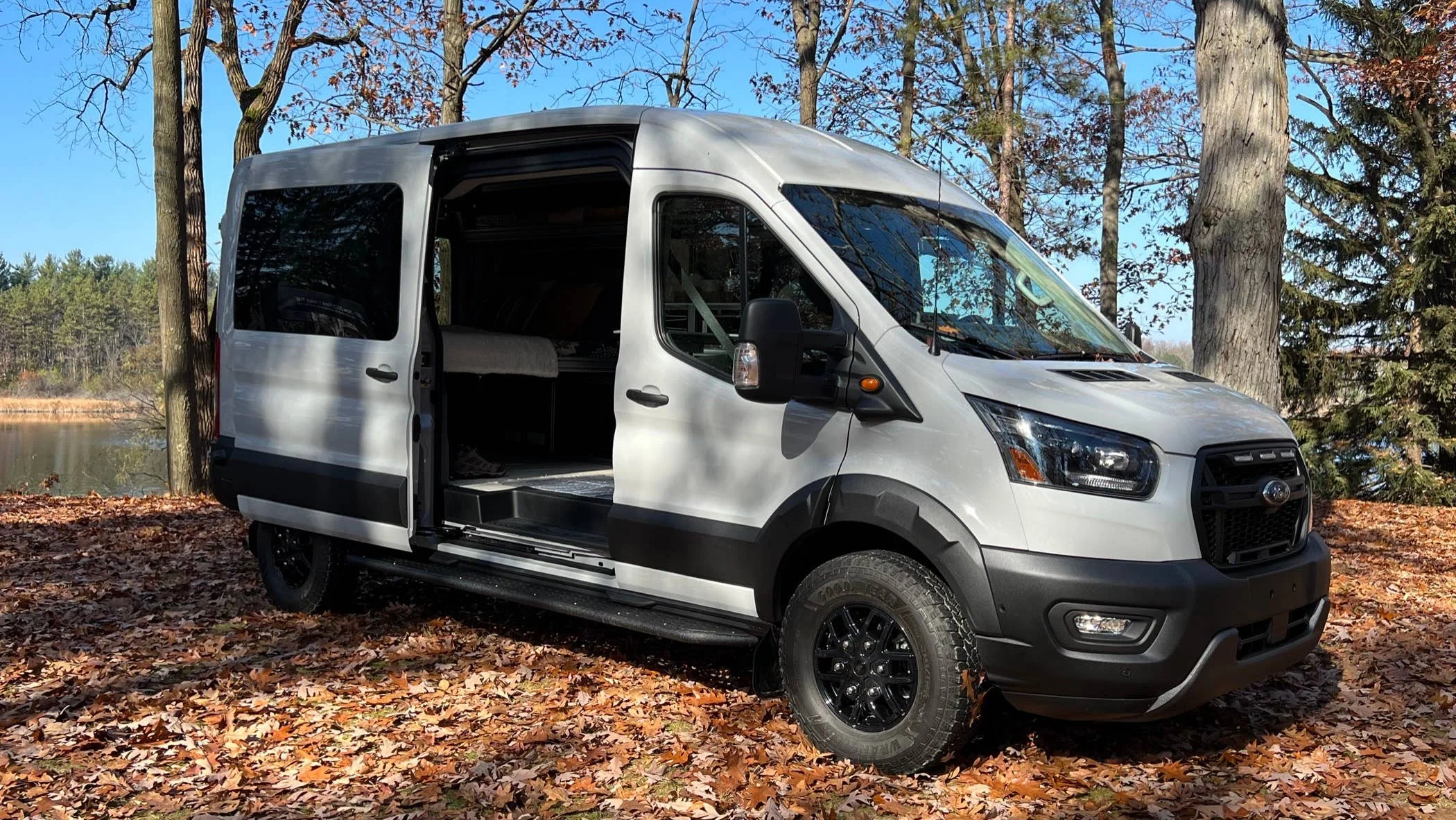
The lift, all-wheel drive, skid plates, tow hooks, cladding and the 2.5-inch wider track remain on the van after the fix. What changes is ground clearance. The reporting notes the larger tires would have provided superior ground clearance and a likely better approach angle, which is precisely the capability an owner buys back when he refits the original 30.5-inch size — and precisely the rubbing risk he accepts with it.
Ford’s own figures do not cover fuel consumption, service intervals or parts pricing for this van, and no responsible cost estimate can be built without them. What the case does establish is volume: roughly 1,900 units. A specialised, low-volume import is a parts-availability problem in any market, and more so where the EcoBoost V6 and its ancillaries are not stocked on every street.
Resale follows the paperwork. A Transit Trail with a documented liner replacement and a consistent, matching set of tires is a straightforward sale. One with mixed fitment front to rear, no recall record and a rubbing complaint in its history is a negotiation. Buyers of adventure vans check the front arches first.
Where The Best Value Sits
The Ford Transit Trail settlement is a legal remedy, not a parts remedy. It returns cash to a defined group of American first owners and leaves everyone else — including the entire used-import channel that supplies Nigerian buyers — holding a van whose front-end specification changed without their consent.
Best value, then, sits in the fitment decision rather than the cheque. Buy the correct 235/65R16C from a supplier who will show you the sidewall and the date code, pair it with liners that carry a traceable part number, and keep the invoice. That paper trail is worth more at resale than any single component on the van.
Frequently Asked Questions
Who qualifies for the $6,000 Ford Transit Trail settlement payment?
Original owners or lessees who bought the van from an authorised dealer, outfitter, upfitter or other intermediary that acquired it for resale or conversion, before June 1, 2024. Used buyers are excluded, and so is anyone who has already sued Ford over the same tire-rub issue.
What tire did Ford fit as the recall fix?
A Goodyear 235/65R16C, along with both front wheel arch liners, according to the remedy document published on the NHTSA site. It is smaller than the 30.5-inch Goodyear Wrangler Workhorse all-terrain the van was launched with, and it is not an off-road fitment.
What is the claim deadline for the settlement?
Claim forms and documentation must be submitted on or before January 15, 2027. A final approval hearing is scheduled for March 16, 2027, and payment follows approval and the resolution of any appeals.
 Follow AFRILATEST on Google News
FIRST TIME REACTIONS:
Be the first to leave us a comment – Ford Transit Trail Settlement: What Owners Must Know, down the comment section.
JOIN US ON OUR SOCIAL MEDIA:

About Paul Nwogo
Paul Nwogo is an engineer, published author, and the Head Manager at AfriLatest. He has written numerous books available on Amazon covering a diverse range of topics, including health, personal finance, relationships, work ethics, and scam survival. With his technical background and passion for writing, Paul now oversees the editorial direction of AfriLatest, delivering practical, accurate, and engaging content on trending news, music, and global lifestyle topics.
View all articles by Paul Nwogo

Maintenance Tips
Car Maintenance Tips That Pay Off In Nigeria And Beyond
A practical review of car maintenance tips: which checks owners can do safely, when a mechanic is needed, and what the evidence actually supports.
The subject of this review is not a car but a routine. Every time fuel prices move, the same set of car maintenance tips returns to circulation, promising better economy, fewer roadside failures and a stronger resale price. Some of those claims survive inspection. Others depend entirely on who does the work and whether the parts are genuine.
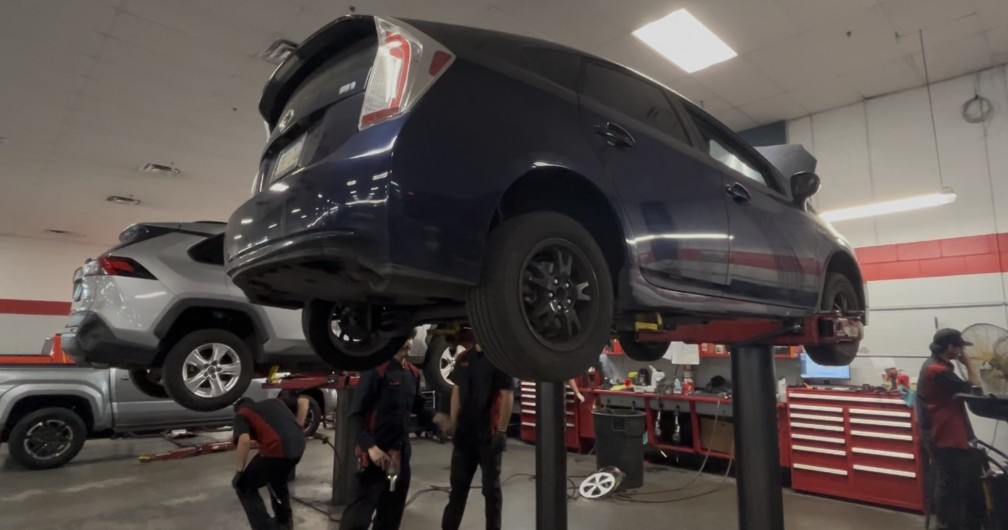
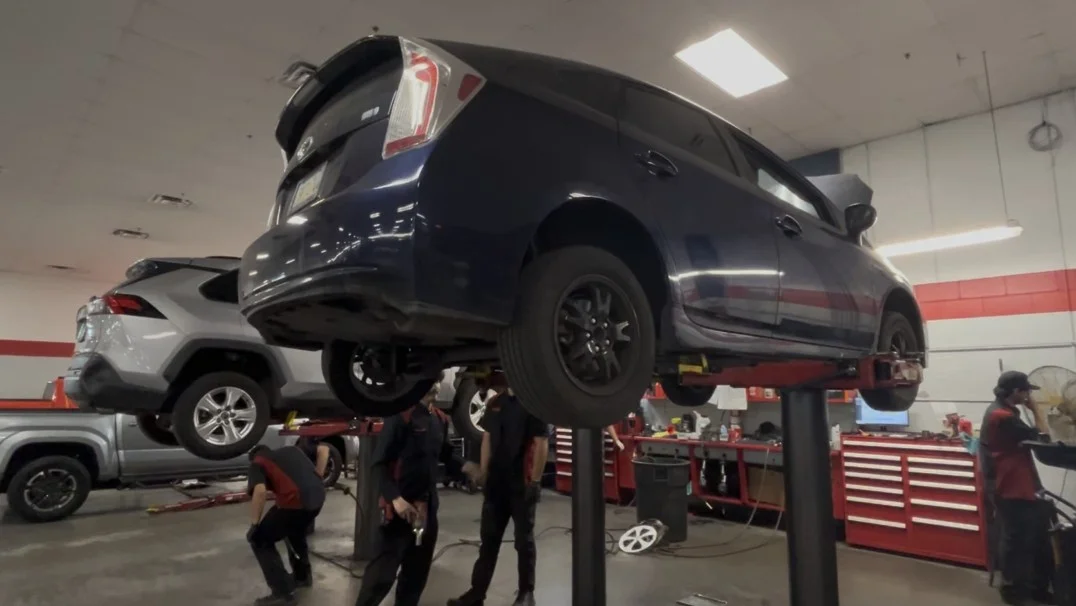
The trigger is price. According to ABC15, the US national average sat near $4 a gallon, up a dollar in a month on AAA figures, and Arizona drivers described cutting back on trips. Scott Johnson, shop foreman at Avondale Toyota, said customers were simply trying to get the best value for their money. That pressure translates to any market where fuel is a weekly line item, Lagos included.
What These Car Maintenance Tips Actually Deliver
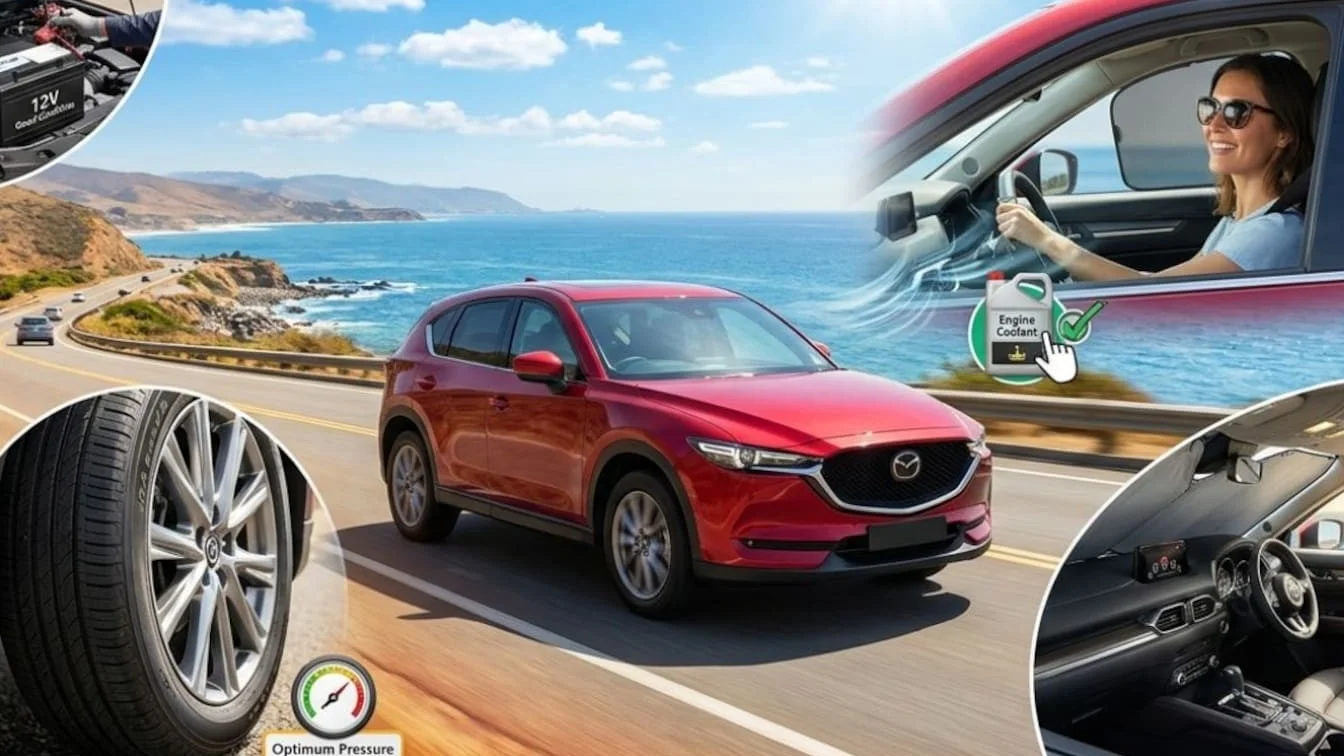
The specification sheet here is short. The RAC organises its winter checks under the acronym FORCES: fuel, oil, rubber, coolant, electrics, screen wash. Everything below sits inside those six categories, and none of it requires a lift.
Oil is first for a reason. RAC patrols check the level on every vehicle they attend and report that one in three are dangerously low, a condition that can end in catastrophic engine damage. The check is free. The failure is not.
Rubber covers tyres and wipers. Johnson told ABC15 that tyre inflation and wheel alignment are central to fuel saving. The RAC sets the legal minimum tread at 1.6mm and advises 3mm in poor conditions, because tyres are the car’s only contact with the road. NDTV adds a heat warning: air expands in high temperatures, raising blowout risk, and the sun accelerates rubber cracking. In a Nigerian dry season, that combination matters.
Coolant and electrics follow. NDTV flags coolant level, hose condition and radiator leaks as overheating risks, while the RAC specifies that coolant be checked with the engine cold and topped up with the mix listed in the handbook. On batteries, a Blain’s Farm & Fleet announcement carried by the Monroe News puts service life at three to five years. The RAC reports handling over 400,000 battery-related faults each winter and suggests testing any battery past four years, along with the charging system.
Visibility closes the list. RACV recommends replacing wiper blades every six to 12 months. The RAC also advises locating the locking wheel nut key before a puncture, not during one.
Where Car Maintenance Tips Stop And A Mechanic Starts
Brakes are the clearest handover point. Squealing, grinding or a change in pedal response means a workshop, not a driveway. Alignment requires equipment no owner has. A/C refrigerant work and coolant leaks inside hoses or the radiator belong to a technician, and the RAC recommends a garage check the charging system and battery drain together rather than testing the battery alone. Windscreen chips should be fixed early; RACV notes that sudden temperature change can spread a small crack quickly.
Parts choice decides whether the routine holds. OEM parts are made to the manufacturer’s specification and sold through the dealer network, usually with a traceable part number. Aftermarket parts are made by third parties to fit the same application; quality varies by brand. Counterfeit parts imitate the branding of either without authorisation, and no verified counterfeit rate appears in these sources. The practical test is traceability through a dealer or known distributor, plus the handbook reference for the correct oil type, coolant mix and tyre pressure.
In Nigeria, the handbook often disappears once a used import changes hands, and servicing is split between franchised dealers, roadside mechanics and parts markets. The sources reviewed carry no naira pricing, so any local quote should be verified against the part number rather than the packaging.
Should You Buy Into Car Maintenance Tips That Cost Nothing?
The verdict is favourable but conditional. The checks cost time, not money: dipstick, pressure gauge, coolant bottle, terminal brush. What they prevent is expensive. Fuel savings come from the same place, since Johnson’s advice to strip out bulky loads, avoid hard acceleration and combine errands costs nothing at all, and his fuel guidance concerns freshness at a busy station rather than any performance claim.
Adopt the routine, skip the upsell, and hand anything touching brakes, alignment, refrigerant or charging systems to a trained mechanic. The best car maintenance tips are the boring ones repeated on schedule, and they remain the cheapest insurance a Nigerian owner can buy against a roadside breakdown.
Frequently Asked Questions
Which car maintenance checks can an owner do safely without a mechanic?
Engine oil level on the dipstick, tyre pressure and tread, coolant level with the engine cold, battery terminal cleanliness, lights, wiper blades and screen wash. The RAC organises these under FORCES: fuel, oil, rubber, coolant, electrics, screen wash. Brakes, alignment, refrigerant and charging-system testing should go to a workshop.
How often should tyres and wipers be replaced?
The RAC sets the legal minimum tread depth at 1.6mm and advises 3mm in poor conditions, so tyres should be measured regularly rather than replaced on a fixed date. RACV recommends replacing wiper blades every six to 12 months, or sooner if they squeak, skip or leave streaks.
Why does the difference between OEM, aftermarket and counterfeit parts matter for maintenance?
OEM parts are built to the manufacturer’s specification and sold through the dealer network with a traceable part number. Aftermarket parts are made by third parties to fit the same application, with quality varying by brand. Counterfeit parts imitate branding without authorisation. These sources give no verified counterfeit rate, so the workable test is buying through a dealer or known distributor and matching the handbook specification.
FIRST TIME REACTIONS:
Be the first to leave us a comment – Car Maintenance Tips That Pay Off In Nigeria And Beyond, down the comment section.
JOIN US ON OUR SOCIAL MEDIA:
About Paul Nwogo
Paul Nwogo is an engineer, published author, and the Head Manager at AfriLatest. He has written numerous books available on Amazon covering a diverse range of topics, including health, personal finance, relationships, work ethics, and scam survival. With his technical background and passion for writing, Paul now oversees the editorial direction of AfriLatest, delivering practical, accurate, and engaging content on trending news, music, and global lifestyle topics.
View all articles by Paul NwogoCar Reviews
Machina’s RoboCraftsman: Car Customization Without Retooling
Machina’s RoboCraftsman promises cheaper car customization. A review of the Lassen Tacoma prototype, and what ownership realities remain unanswered.
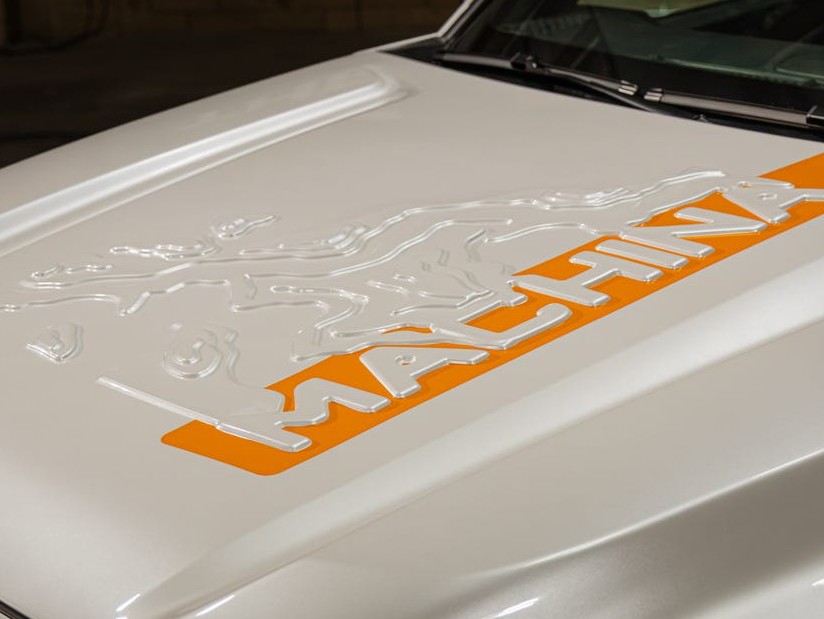
The Lassen is not a car anyone can buy. It is a show truck built on a Toyota Tacoma, wearing a bespoke hood, tailgate and fenders, and it exists to prove one commercial claim: that car customization no longer has to wait on a six-month factory retooling cycle.
The builder is Machina Labs, a California company founded in 2019 that spent its early years serving aerospace and defence clients. Its hardware is the RoboCraftsman platform — two large robotic arms that fold into a pair of shipping containers. Machina pitches the setup as a factory in a box.
The arms run on software. Switching from one panel design to another is a file upload, not a plant rebuild. According to Car and Driver, the Lassen went from sketches to finished panels in two and a half weeks. The same changes through conventional tooling typically take four to six months.
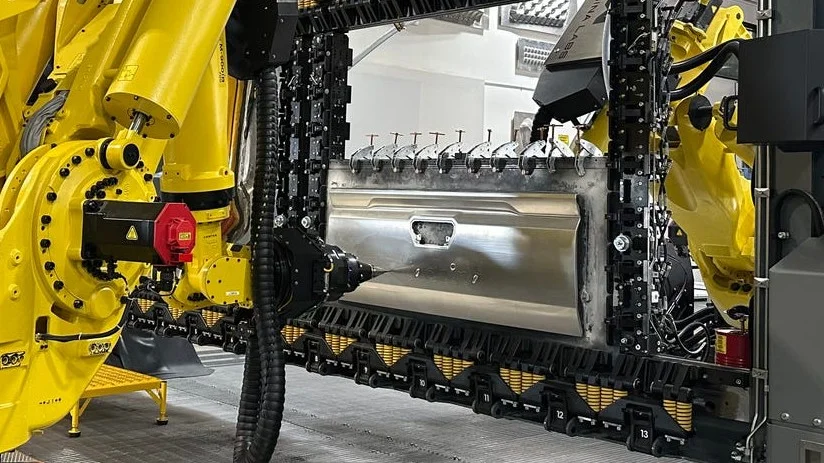
What RoboCraftsman Actually Does To Metal
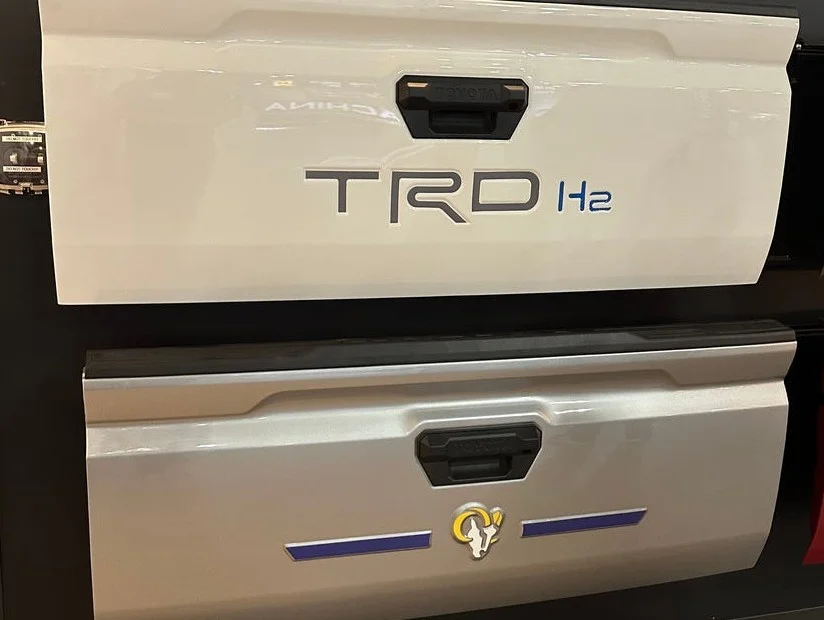
The platform works two ways. The first is re-striking: pressing a fresh design into a panel that has already been stamped, at minutes per piece. The Lassen’s tailgate carries an embossed Machina script, and its hood carries a topographical map of Mount Lassen. Machina also displayed tailgates carrying a retro Toyota graphic and a Los Angeles Rams logo, which shows how fast the design file can be swapped.
The second is full forming, where a panel is built up from flat sheet in aluminium or steel. That runs slower than re-striking, but a finished panel is done within hours. The Lassen’s bulging fenders were made this way. After forming, the system scans the part, trims it, finishes it and heat treats it.
Design credit for the Lassen’s panels goes to Callum, the studio founded by Ian Callum. Machina’s automotive division is named Machina Rebellis. Toyota already holds an investment through its venture arm, Woven Capital, after seeing an earlier Ford F-150 Lightning-based prototype called the Anvil.
Why Robotic Panel Forming Changes Car Customization Economics
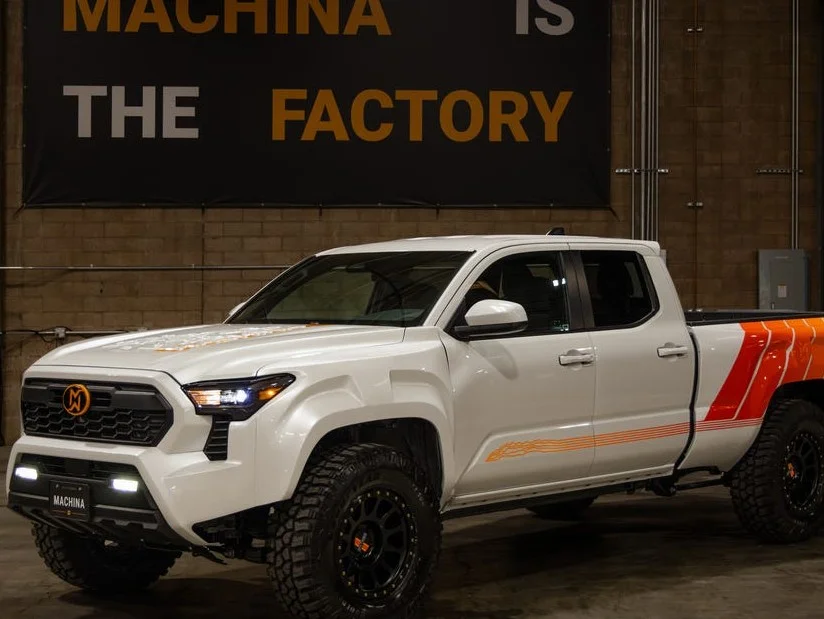
Personalization has been priced for the top of the market for a decade. One-off and limited-run supercars, hand-built to a wealthy buyer’s exact specification, cost accordingly. Tooling is the reason. Retooling a plant to produce a few hundred distinct body panels is not commercially viable.
Machina’s stated sweet spot is production runs in the hundreds and thousands. That covers special editions for large OEMs, body kits built with aftermarket companies, and pre-production panels for development mules — a stage the source describes as typically expensive and slow. Machina also envisages shipping RoboCraftsman units directly to OEM manufacturing sites.
That OEM appetite is real. Seven manufacturers are scheduled to showcase vehicles and customization programmes at the 2026 SEMA Show in Las Vegas, SEMA confirms, which tells you personalization is now a sales channel rather than a niche. Cheaper car customization is a credible pitch on the manufacturing side. The commercial question is what happens after the panel leaves the box.
OEM, Aftermarket And Counterfeit Parts In A Cheaper Market
Three categories matter here. OEM parts are made by or for the vehicle manufacturer to its specification and sold under its part number. Aftermarket parts come from independent producers working to their own specification, with quality ranging from better than OEM to considerably worse. Counterfeit parts are aftermarket items passed off as OEM, usually with no material traceability and no recourse.
A process that makes short-run body panels cheap expands the aftermarket tier of car customization. It does not, on its own, protect buyers in the counterfeit tier. When the value of a custom panel sits in a design file rather than a stamping die, the line between a licensed panel and a copy becomes harder to police and easier to fake.
The source material does not address counterfeit risk, warranty terms, or how Machina would license designs to aftermarket firms. Those remain open.
The Ownership Realities The Lassen Cannot Answer
Reliability is undocumented. The source records no durability testing, no cycle counts, no field data. On the Lassen, the panels are non-structural cosmetic parts; no changes to suspension, drivetrain or crash structure appear in the reporting. Road suitability is therefore unchanged from a standard Tacoma, because nothing mechanical changed.
Maintenance and parts availability are unanswered too. A cheaper car customization chain still leaves the buyer asking what a replacement fender costs in five years, and whether the forming data survives that long. A panel produced in a run of 500 is, by definition, a low-volume part.
Resale value cuts both ways. A distinctive panel lifts appeal for one buyer and shrinks the pool of buyers for everyone else. No resale data exists for any Machina-formed panel.
Naira pricing does not exist. Machina has published no price for RoboCraftsman units, and the Lassen is a show vehicle rather than a product. Any naira figure quoted today would be invented.
Should You Buy It
No — and not because of a flaw. The Lassen is not for sale, RoboCraftsman is industrial equipment aimed at OEMs and aftermarket firms, and no Nigerian retail channel appears in the source material.
What a Nigerian buyer should take from it is narrower. Cosmetic body repair is a routine cost in a market where most vehicles arrive used, not an insurance event. Faster short-run panel production would eventually push car customization down-market: more body kits, more limited editions, more choice, shorter waits for a replacement panel. Whether that arrives as genuine OEM-grade stock or as a thicker layer of convincing fakes depends on enforcement and on licensing, not on robotics.
Machina’s technology solves a manufacturing problem. It does not solve the ownership problem. Car customization gets quicker and cheaper inside the factory; outside it, buyers still wait on parts, pricing and warranty. Watch for a named production partner, published RoboCraftsman pricing and clear terms before treating the Lassen as anything more than a demonstration of what the tooling can do.
Frequently Asked Questions
Can I buy the Machina Lassen truck?
No. The Lassen is a show vehicle built on a Toyota Tacoma to demonstrate Machina’s RoboCraftsman manufacturing process. It was displayed at the Los Angeles auto show and Machina has not announced it as a production product or published a price.
How long does RoboCraftsman take to make a custom panel?
It depends on the method. Re-striking a design into an already-stamped panel takes minutes per piece. Fully forming a new panel from flat aluminium or steel is slower, but the company says a finished panel can be completed within hours. Machina produced the Lassen’s panels from sketches in two and a half weeks, against a typical four to six months using conventional tooling.
Is Machina a car company?
No. Machina Labs was founded in 2019 and built its business serving aerospace and defence clients with robotic metal forming equipment. It has launched an automotive division called Machina Rebellis to sell the RoboCraftsman platform to carmakers and aftermarket firms. Toyota is an investor through Woven Capital.
FIRST TIME REACTIONS:
Be the first to leave us a comment – Machina’s RoboCraftsman: Car Customization Without Retooling, down the comment section.
JOIN US ON OUR SOCIAL MEDIA:
About Paul Nwogo
Paul Nwogo is an engineer, published author, and the Head Manager at AfriLatest. He has written numerous books available on Amazon covering a diverse range of topics, including health, personal finance, relationships, work ethics, and scam survival. With his technical background and passion for writing, Paul now oversees the editorial direction of AfriLatest, delivering practical, accurate, and engaging content on trending news, music, and global lifestyle topics.
View all articles by Paul NwogoCar Reviews
Britain’s Best Driver’s Car And The Parts Bill Behind It
Britain’s best driver’s car is the Alpine A110. Here is what it, the 911 and MX-5 really demand in parts, oil spec and upkeep in Nigeria.

Autocar’s ranking of the best sports cars on sale places the Alpine A110 at the top of the pile, and the verdict rests on feel rather than horsepower. The magazine’s deputy road test editor, Richard Lane, calls it “quick, agile, effusive and ultimately enormous, accessible fun.” On that evidence, the case for naming it Britain’s best driver’s car is settled.
A British road test is one thing. Keeping the same car alive in Lagos, Abuja or Port Harcourt is another. The gap between those two realities is where Nigerian buyers get hurt, and it has almost nothing to do with lap times.
Why The Winning Car Is A Parts Problem First
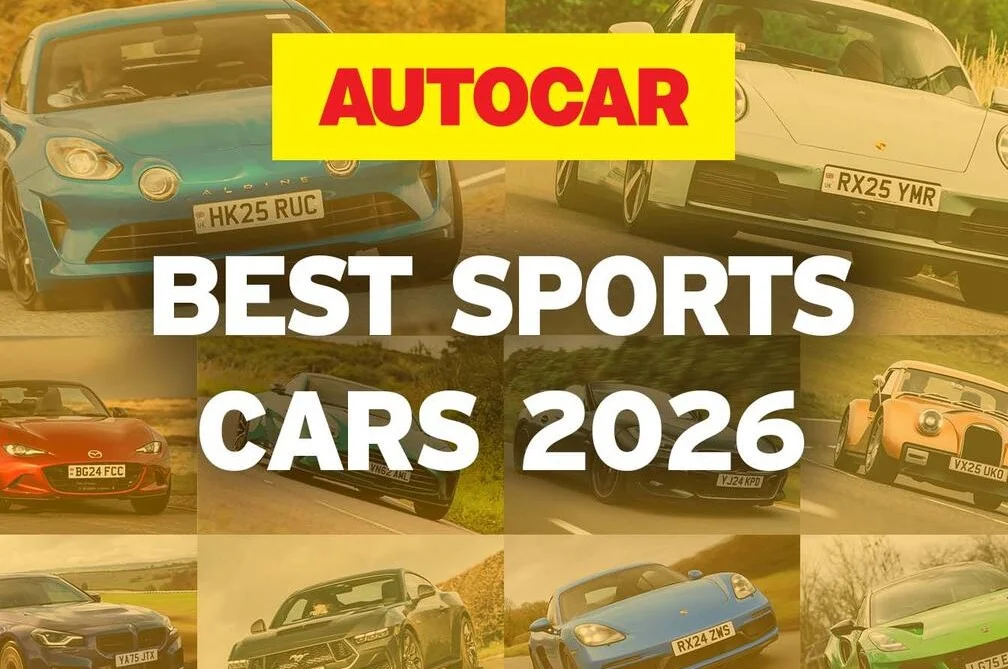
The A110’s hardware explains both its appeal and its upkeep. According to Autocar, it uses a lightweight aluminium body, a mid-mounted engine and double-wishbone suspension — a layout the magazine notes is mostly reserved for the most powerful supercars. The range arrived in 2017 with 248bhp, grew an A110 S with 288bhp, larger brakes and firmer suspension, passed through special editions such as the Légende GT, and now tops out at the A110 R Ultime. A replacement generation is due in 2027.
Every one of those details becomes an ordering problem in a market with no factory behind it. Aluminium panels cost more to repair than steel and demand a workshop that knows how to work them. A mid-mounted turbocharged engine sits where a boot would normally go, so routine access is slower and labour hours climb. Autocar’s advice to British readers — buy one before the 2027 replacement lands — reads very differently once it is translated into naira.
No verified naira parts pricing for the A110 exists in the public domain, and this publication will not invent one. What can be stated is the rule that protects a buyer: insist on a written quote with a part number for every component, and walk away from any invoice that lists a part without one.
OEM, Aftermarket And Counterfeit On Britain’s Best Driver’s Car
An OEM part is built to the manufacturer’s specification, either by the car maker itself or by the tier-one supplier that builds it for the production line. It carries a part number traceable to the model year. For fluids, the OEM route means the oil or coolant that meets the exact specification printed in the handbook.

Aftermarket parts come from independent manufacturers. They are legitimate, usually cheaper, and can meet or exceed the original specification — but only when the buyer reads the specification rather than the marketing on the bottle. A reputable aftermarket filter with the correct part number is not the same object as one that merely fits the thread.
Counterfeit parts are the third category, and the one that ends engines. They mimic OEM packaging, carry copied numbers and offer no traceability. Counterfeit oil is the most damaging example, because the failure surfaces thousands of kilometres later as sludge, worn bearings or a failed turbocharger — long after the seller has moved on.
Which brings the argument to the fluid itself. The best engine oil for Nigerian roads is not settled by ambient temperature, by what a mechanic has always used, or by what a group chat recommends. It is settled by the viscosity grade and specification printed in the owner’s manual for that model year. Manufacturer viscosity and specification requirements govern. Climate alone does not justify ignoring the manual.
Heat changes how oil behaves — that is physics, not folklore — but the answer is the correct specification, disciplined drain intervals and honest cooling system maintenance. Deviating to a random thicker grade moves the engine away from the conditions its designers validated, and no Lagos afternoon justifies that trade.
What The 911 And The MX-5 Offer Instead
The Porsche 911 is the alternative for a buyer who wants one car to cover everything. Autocar describes it as the most versatile sports car on the planet. It runs a 3.0-litre turbocharged flat-six in Carrera, Carrera T, Carrera S and Carrera GTS forms, with a hybrid GTS now in the range, and it comes as a coupé, a cloth-top Cabriolet and a folding fixed-head Targa, with rear- or four-wheel drive, an eight-speed PDK or a seven-speed manual. Turbo, Turbo S, GT3 and GT3 RS sit above.
The Mazda MX-5 is the third option and the one Autocar tags best for affordability. The fourth-generation car is shorter, lighter and more spacious than its predecessors. It gained 23bhp in a 2018 facelift to its 2.0-litre engine along with an adjustable steering column, then took a new limited-slip differential, retuned steering, more lenient stability control and interior updates in 2024. The 1.5-litre 130bhp version remains on sale.

The electric shift has not reached this corner of the market yet. Autocar notes that sports cars still hold to petrol power while other classes electrify, and Top Gear’s rundown of its top 20 electric cars is dominated by family transport — the Kia PV5, Skoda Enyaq, Volvo EX90, Porsche Macan — rather than mid-engined two-seaters. For a Nigerian buyer, that means the petrol parts chain remains the one that matters.
Best Value Comes Down To Consumables
Value in this class is not the sticker price. It is the cost of the parts actually bought — filters, pads, tyres, fluids — multiplied by how easily they can be sourced and how hard they are to fit. The MX-5 wins that arithmetic among the three: it is the affordability pick of Autocar’s group, and its service items sit at the simpler end of the sports car spectrum.
The 911 wins on breadth, because a long-running model line in dozens of variants gives independent workshops more experience and importers more reason to keep consumables on the shelf. The A110 wins on the thing Autocar rewards — the drive — and struggles on the thing Nigeria punishes hardest, which is running a low-volume aluminium sports car far from its supply chain.
Resale follows the same logic. A documented service history, correct specification fluids and traceable part numbers protect value far more than a polish and a fresh set of mats. An engine opened up by the wrong oil is a discount nobody recovers.
None of this overturns the verdict on Britain’s best driver’s car. The A110 still earns its place. The buyer who keeps it running in Nigeria simply has to treat parts and oil specification as part of the driving experience, not an afterthought — and treat the manual, not the climate, as the final authority on the best engine oil for Nigerian roads.
Frequently Asked Questions
Which car does Autocar rate as the best sports car on sale?
Autocar places the Alpine A110 at the top of its best sports cars ranking, praising its handling, its lightweight aluminium body, mid-mounted engine and double-wishbone suspension. The range starts from the 2017 car with 248bhp and runs up to the A110 R Ultime, with a replacement generation due in 2027.
Should Nigerian drivers use a thicker engine oil because of the heat?
No. The viscosity grade and specification printed in the owner’s manual for that model year govern. Heat affects how oil behaves, but the correct response is the specified fluid plus disciplined drain intervals and cooling system maintenance, not a random change to a heavier grade.
How do I tell an OEM part from a counterfeit one?
An OEM part is built to the manufacturer’s specification by the car maker or its tier-one supplier and carries a part number traceable to the model year. Counterfeit parts copy packaging and numbers but offer no traceability. Demand a written quote with a part number for every component and refuse anything that cannot produce one.
FIRST TIME REACTIONS:
Be the first to leave us a comment – Britain’s Best Driver’s Car And The Parts Bill Behind It, down the comment section.
JOIN US ON OUR SOCIAL MEDIA:
About Paul Nwogo
Paul Nwogo is an engineer, published author, and the Head Manager at AfriLatest. He has written numerous books available on Amazon covering a diverse range of topics, including health, personal finance, relationships, work ethics, and scam survival. With his technical background and passion for writing, Paul now oversees the editorial direction of AfriLatest, delivering practical, accurate, and engaging content on trending news, music, and global lifestyle topics.
View all articles by Paul Nwogo-

 Car Reviews2 weeks ago
1955 Chevy Bel Air Restomod: What SEMA Really Proves
-
Savings & Investing3 weeks ago
Hidden Medicare Fees Draining Your Retirement Savings
-
Car Reviews4 weeks ago
Ford Bronco ORV Package: $18,995 Ownership Reality Check
-
JAMB & WAEC4 weeks ago
JAMB Admission Process: What Changed And What Is Still Talk
-
Movies & TV4 weeks ago
Silo Season 1 Ending Explained: What the Showrunner Said
-
Movies & TV3 weeks ago
Wizkid Starboy Desire Ft Banky W Shaydee: Fact Or Fan Fiction?