Africa News
Maida Lifts Africa’s Digital Economy Ambition To $2trn
Aminu Maida wants Africa’s digital economy ambition set at $2trn. Nigeria’s data use rose 47% in a year — here is what is confirmed and what is not.

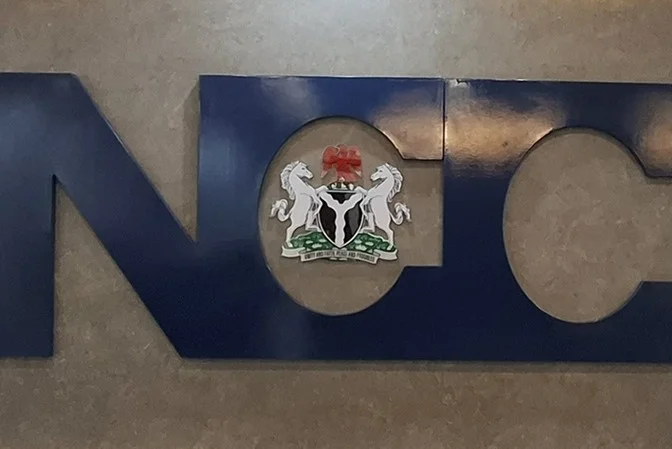
Africa’s digital economy should be pursued as a $2 trillion opportunity rather than a $1 trillion one, the head of Nigeria’s telecoms regulator told a Lagos technology forum — a figure offered without a deadline, a costed plan or a named source of finance.
Dr Aminu Maida, executive vice chairman and chief executive of the Nigerian Communications Commission, made the call in a keynote at the sixth African Tech Alliance Forum, AfriTECH 6.0, held at the Oriental Hotel in Lagos. He was represented by Tunji Jimoh, head of the NCC’s Lagos zonal office, according to a TechEconomy report on the address.
The organisers had themed the event “The Next $1 Trillion Opportunity: Building Africa through Technology.” Maida told them they had undersold the continent. He pointed to President Bola Ahmed Tinubu’s target of a $1 trillion Nigerian economy by 2030 and argued the continental number should sit far above one country’s goal.
“If that is the ambition of one African country, surely the ambition for an entire continent must be considerably greater,” he said. “Africa has the population, the talent, the resources and the entrepreneurial energy to pursue an opportunity worth at least twice that amount.”
That is the ambition. It is not yet a plan, and the distinction matters more than the headline number.
Where Africa’s Digital Economy Ambition Meets Nigeria’s Data Curve
The same official carried a different argument into a different room. At the Nigeria Digital Connectivity Investment Forum in Abuja, organised with Swedfund and Ookla and reported by Punch, Maida arrived with measurements rather than targets.
Nigerians consumed about 1.66 million terabytes of data in July 2026, he said, against 1.13 million terabytes in July 2025 — an increase of almost 47 per cent in twelve months.

“We can see the demand in our figures,” Maida said. Keeping pace will require sustained investment, both to expand networks and to improve the experience of people already connected.
The Lagos audience was founders and operators. The Abuja audience was investors, development finance institutions and government. The pitch shifted accordingly: in Lagos it was ambition, in Abuja it was load. A network carrying 47 per cent more traffic in a year is a network whose investment case is already being tested by users, not by forecasters.
The $240bn Figure That Appeared On Both Stages
Maida cited the GSMA’s Mobile Economy Africa 2026 report: mobile technologies and services contributed $240 billion to Africa’s economy in 2025, equal to 7.8 per cent of continental GDP, with the figure projected to reach $290 billion by 2030.
At the Abuja forum, Minister of Industry, Trade and Investment Dr Jumoke Oduwole used the same $240 billion continental figure — then separated it from Nigeria’s own. She said the telecommunications sector accounted for more than nine per cent of Nigeria’s GDP in the first quarter of 2026, and that the country had more than 25 data centres operational or under construction.
That separation is the useful part. A continental aggregate tells an investor the size of a market. It does not tell a Lagos fabricator whether data is affordable, or a Kaduna clinic whether the connection holds through a working day. Oduwole’s phrasing was explicit: “Nigeria is not approaching digital connectivity simply as a social infrastructure requirement. It is an investable economic opportunity.”
Why Coverage Alone Won’t Lift Africa’s Digital Economy
Maida’s sharpest line was an admission against the industry’s own scoreboard. Citing the same GSMA work, he said nearly one billion people across Africa remain offline.
“A person is not digitally included merely because a signal reaches their community,” he said. “Indeed, true connectivity is measured by the quality of the user’s experience, not just kilometres of cable.”
He set out four areas for sustained attention: foundational and resilient connectivity; meaningful digital inclusion; African innovation and productive technology adoption; and trust and collaboration. On the first, he called broadband essential economic infrastructure and flagged reliable electricity, infrastructure sharing, coordinated right-of-way rules and spectrum management as the constraints that decide whether fibre gets used.
Swedish Ambassador to Nigeria Anna Westerholm did not dispute the ambition but listed what remains: gaps in coverage, quality, affordability and supporting infrastructure. “Data should not be the end point,” she said. “Its real value comes when we use it to make better decisions and turn those decisions into action.”
Minister of Communications, Innovation and Digital Economy Dr Bosun Tijani, represented by Adetunji Adeyemo of the National Frequency Management Council Secretariat, said government cannot fund the build alone and called for public-private partnerships and development finance.
Sorting Confirmed Outcomes From Projections
The record from the two events separates cleanly.
Confirmed and dated: the NCC’s own consumption figures for July 2026 against July 2025; the 2025 tariff adjustment, which the commission says addressed operator financial pressure; the designation of telecom infrastructure as Critical National Information Infrastructure; and continuing engagement with state governments on Right of Way. BusinessDay’s own news index also carried the AfriTECH address under the headline that Maida had raised Africa’s digital economy ambition to $2trn, while questioning a connectivity-first strategy.
Projected: the GSMA’s $290 billion contribution estimate for 2030.
Promised, with no delivery date attached: $2 trillion. At $240 billion in 2025, the mobile economy Maida described would need to grow more than eightfold to reach that figure. No timeline, financing structure or implementing institution was announced at either forum. The tariff adjustment is confirmed as policy; its effect on service quality, which the NCC said it expects, has not been demonstrated in the material published so far.
What To Watch
The next test is not another headline number. It is whether the Abuja forum produces named financing commitments from the development institutions in the room, and whether the NCC publishes usage-gap targets to sit alongside its coverage data — the difference Maida himself drew between a signal arriving and a person being able to use it.
Watch also for whether the 47 per cent demand curve is matched by measurable improvements in experience for subscribers already connected, and whether regulators outside Nigeria adopt the $2 trillion framing or set their own, country-specific benchmarks.
Africa’s digital economy ambition is now on the record at $2 trillion. Whether it survives contact with 1.66 million terabytes, one billion offline users and a network that must be paid for is the question the next twelve months will answer.
Frequently Asked Questions
What exactly did Dr Aminu Maida propose?
At AfriTECH 6.0 in Lagos, the NCC chief executive proposed raising the forum’s theme from “The Next $1 Trillion Opportunity” to “The Next $2 Trillion Opportunity: Building Africa through Technology.” He was represented at the event by Tunji Jimoh, head of the NCC’s Lagos zonal office. No deadline, financing plan or implementing body was announced with the figure.
Is the $2 trillion figure a projection or a target?
It is a stated ambition, not a projection. The only forward-looking number backed by a named report at the events was the GSMA’s estimate in Mobile Economy Africa 2026 that mobile technologies and services would contribute $290 billion to Africa’s economy by 2030, up from $240 billion in 2025. The $2 trillion figure carries no date in the source material.
What hard Nigerian data was presented?
The NCC said Nigerians consumed about 1.66 million terabytes of data in July 2026, compared with 1.13 million terabytes in July 2025 — an increase of almost 47 per cent in twelve months. Separately, Minister of Industry, Trade and Investment Dr Jumoke Oduwole said telecommunications accounted for more than nine per cent of Nigeria’s GDP in the first quarter of 2026.
 Follow AFRILATEST on Google News
FIRST TIME REACTIONS:
Be the first to leave us a comment – Maida Lifts Africa’s Digital Economy Ambition To $2trn, down the comment section.
JOIN US ON OUR SOCIAL MEDIA:

About Rosabella Eboh
Rosabella Eboh is an author at AfriLatest. With a passion for writing and a flair for creativity, she contributes original content and unique perspectives to the platform. Rosabella focuses on human-interest stories, cultural trends, and in-depth feature reporting.
View all articles by Rosabella Eboh



Nigeria News
Bayelsa CP Seeks Joint Action on Gender-Based Violence
Bayelsa’s police commissioner wants agencies, traditional rulers and NGOs to fight gender-based violence together. Here is what the Yenagoa workshop did and did not commit to.

Can one workshop in Yenagoa change how Bayelsa State handles gender-based violence? The state police command put that question to a room of stakeholders on Wednesday, and the honest answer from the available evidence is: not by itself.
The Gender Unit of the Bayelsa State Criminal Investigation Department convened a one-day stakeholders’ workshop at the Command Officers’ Mess in Yenagoa under the theme “Together, We Can Stop Gender-Based Crimes in Bayelsa State,” Punch reported. The Commissioner of Police, Ajao Adewale, used the platform to argue that gender-based violence is a human rights violation that cannot be left to the police alone.
That framing is the substance of the story. A police commissioner in the Niger Delta publicly conceding that his command cannot police its way out of violence against women and girls marks a shift in emphasis for a region whose security conversations are usually dominated by oil theft, militancy and cult violence.
What The Workshop Actually Committed To
Adewale described gender-based violence as “a grave violation of human rights and our collective humanity,” adding that “the abuse or destruction of a woman’s dignity undermines the foundation of our families and society.” He invoked the adage attributed to Dr James Emman Kwegyir Aggrey, “If you educate a woman, you educate a nation,” and argued that “a crime against a woman is a crime against humanity.”
On enforcement, the commissioner reaffirmed the command’s commitment to the prevention, investigation and prosecution of gender-based crimes, and promised that victims and survivors would be treated with “dignity, compassion and professionalism” while perpetrators are brought to justice.
Those are commitments of intent, not implemented policy. The Punch account lists no new unit, no dedicated hotline, no funding line, no survivor support fund and no deadline. Adewale asked participants to “translate the resolutions and recommendations of the workshop into practical measures” — language that implies resolutions existed, though none were published in the report. Whether a communique was issued is not stated in the source material.
Who Was In The Room, And Why It Matters
The attendance list is the most concrete part of the record. Representatives came from the Ministry of Women, Children Affairs and Social Development — including the Director of Women Affairs, Mrs Atotu Yemi Nyinawemi — alongside the National Agency for the Prohibition of Trafficking in Persons, the International Federation of Women Lawyers, civil society organisations, traditional rulers and non-governmental organisations.
Each seat carries a different lever. NAPTIP’s presence connects domestic violence to trafficking. FIDA’s connects it to legal representation and prosecution. Traditional rulers were in the room because Adewale directly urged the public to “reject harmful traditional practices” — a demand that only carries weight if the custodians of custom are part of the enforcement, not the resistance.
The commissioner also urged citizens to break the culture of silence around sexual and gender-based violence and to encourage victims to speak out and seek justice. The workshop itself featured lectures, presentations and deliberations on prevention and response strategies.
How Other Jurisdictions Structure The Same Fight
The comparison is instructive because it shows what a follow-through mechanism looks like. In South Africa, The Witness reported that the Midlands Liquor Traders Association hosted a gender-based violence dialogue and a peaceful picket at Imbali J Unit ahead of the 16 Days of Activism for No Violence Against Women and Children, which runs from November 25 to December 10.
Association treasurer Mazwi Buthelezi framed the liquor industry as bearing direct responsibility for safer communities, with discussions covering responsible alcohol consumption and road safety. A trade body named itself part of the problem and put its own members on the hook.
In Canada, Peninsula News Review reported that the Women’s Empowerment Alliance for Violence Elimination will hold a community walk in Victoria on December 6, 2026, starting at Centennial Square at 4 p.m. and proceeding to the legislature lawn. Organisers are offering 200 flameless remembrance candles to registered participants, first come, first served, with check-in from 3:30 p.m.
The date is not arbitrary. December 6 marks the National Day of Remembrance and Action on Violence Against Women, commemorating the 14 women murdered at École Polytechnique in Montréal on December 6, 1989 — a mass shooting in which the gunman specifically targeted women. The federal government designated the day in 1991.
Set the two against Yenagoa. The South African and Canadian examples attach gender-based violence work to a fixed calendar, a named organiser, a stated budget of candles or a specific venue and time. The Bayelsa workshop produced a theme, a lecture programme and a call for stakeholders to act, but no announced follow-up date in the reporting.
The Wider Contest Over The Word Gender
There is a global dimension worth flagging. While a Nigerian state command builds an operational category called gender-based violence, the United States federal government has moved in the opposite lexical direction.
According to KFF, an executive order directs every federal agency and employee, when administering or enforcing sex-based distinctions, to “use the term ‘sex’ and not ‘gender’” in all applicable policies and documents, defines sex as an immutable biological classification, and rescinds Biden-era orders including the establishment of the White House Gender Policy Council. Parts of the order were paused by court injunctions, and litigation continued into 2026.
That matters for Nigerian and African practitioners who rely on international funding, guidance and data. A category can be operational in Yenagoa and contested in Washington at the same time, and the vocabulary gap has practical consequences for how programmes are funded and how surveys count victims.
The Attribution Problem In The Bayelsa Record
Accountability reporting requires knowing who holds the office. On that, the Nigerian coverage is inconsistent.
A Guardian Nigeria report on a Nigeria Police Trust Fund training programme in the state names the Bayelsa State Police Commissioner as Iyama Daniel, later rendered as CP Iyamah, speaking on behalf of Inspector-General Kayode Egbetokun at an event themed “Integrated Mental Health, Trauma-Informed Care and Emergency Response.” The same report describes the commissioner hosting the Commander of Operation Delta Safe, Rear Admiral OBF Oladipo, and component commanders from the Army, Navy, Air Force, DSS, NSCDC, Correctional Service, Immigration, the Defence Intelligence Agency and the NDLEA.
The Punch report on the gender workshop names Ajao Adewale as commissioner. Neither account explains the discrepancy, which may reflect a change of command or an error in one of the reports. This article does not resolve it, and readers should treat the name of the sitting commissioner as unresolved until the command clarifies.
The same Guardian report adds a relevant operational detail: the police leadership in the state is simultaneously pushing mental health and trauma-informed care training for officers, arguing that officers who are “mentally sound and emotionally balanced” serve the public with professionalism, empathy and restraint. That is directly relevant to how gender-based violence complaints are handled at the counter, and it is arguably more consequential than any workshop theme.
What To Watch
Three markers will show whether Wednesday’s meeting moved beyond talk. First, whether the command publishes the workshop resolutions it asked participants to implement. Second, whether a follow-up session is scheduled before the 16 Days of Activism window opens on November 25. Third, whether the command states how many gender-based violence cases it received, charged or prosecuted in Bayelsa this year — a figure absent from the source material.
Until those appear, the Yenagoa workshop stands as a declaration of intent. The commissioner’s central claim — that gender-based violence is a collective responsibility and not a police matter alone — is correct, and it is also the easiest part of the job to say out loud.
Frequently Asked Questions
What did the Bayelsa police commissioner actually ask for?
Commissioner of Police Ajao Adewale called for stronger collaboration among government agencies, traditional rulers, civil society organisations and other stakeholders to tackle gender-based violence and protect women and girls in Bayelsa State. He spoke at a one-day workshop in Yenagoa organised by the Gender Unit of the State Criminal Investigation Department.
Did the workshop produce new policy or funding?
No new unit, hotline, funding line or deadline was announced in the reporting. The commissioner reaffirmed the command’s commitment to prevention, investigation and prosecution, and asked participants to translate the workshop’s resolutions into practical measures, but the resolutions themselves were not published.
Why is there confusion over who the Bayelsa police commissioner is?
Two Nigerian outlets name different officers. Punch identifies Ajao Adewale as commissioner at the gender workshop, while a Guardian Nigeria report on a separate police training event names Iyama Daniel, later rendered CP Iyamah. Neither report explains the discrepancy, which may reflect a change of command or a reporting error.
Receive alerts for gender-based violence and more like it.
FIRST TIME REACTIONS:
Be the first to leave us a comment – Bayelsa CP Seeks Joint Action on Gender-Based Violence, down the comment section.
JOIN US ON OUR SOCIAL MEDIA:

About Clare Dominic
Clare Dominic is the Editor at AfriLatest. With a background in journalism and a passion for storytelling, she oversees the editorial process to ensure content is accurate, engaging, and relevant. Clare works closely with contributors to maintain the highest standards of journalistic integrity across all news, sports, and lifestyle coverage.
View all articles by Clare DominicNigeria News
NAJA Names Weststar Chairman Auto Legend For 2026
NAJA names Weststar chairman Benson Uwatse a Nigeria Auto Legend for 2026. What the December award confirms, what it leaves open, and why distributors dominate.

The Nigeria Auto Journalists Association has selected Chief Benson Uwatse, chairman of Weststar Associates Limited, as the recipient of its Nigeria Auto Legend Award. The honour is due to be presented at the 19th Nigeria Auto Industry Awards, scheduled for Thursday, December 3, 2026, at the Civic Centre, Victoria Island, Lagos. When NAJA names Weststar chairman a legend that evening, he will be the third industry figure to hold the title.
That much is confirmed by three separate Nigerian publications. The rest — what the award measures, why this recipient, and what it says about the country’s vehicle market — requires separating the announcement from the analysis built on top of it.
What NAJA Has Confirmed, And What It Has Left Open
ThisDay, Independent and New Telegraph all reported the selection, and their accounts share near-identical phrasing: the same description of Weststar’s remit, the same reference to three decades with Mercedes-Benz, the same list of past winners. That pattern is consistent with a circulated announcement rather than three independent investigations.
None of the three reports links to a standalone NAJA statement. None quotes Uwatse. The selection process, the composition of any judging panel and the criteria that separate a legend award from an ordinary industry prize are not disclosed.
Confirmed: the award has two previous recipients. Chief Michael Ade.Ojo, founder of Elizade Nigeria Limited and chairman of Toyota Nigeria Limited, took it first in 2017. Dr Cosmas Maduka, president and chief executive of Coscharis Group, followed. Uwatse is the third — meaning NAJA names Weststar chairman to a list that has so far honoured only distributors of foreign brands.
Why NAJA Names Weststar Chairman For Its Legend Award
The citation rests on longevity and brand stewardship rather than on any published metric. Weststar began operations in February 2008, assuming responsibility for Mercedes-Benz sales and after-sales work in Nigeria. Its remit spans passenger cars, commercial vehicles, trucks and buses, alongside dealer support, marketing, technical training, genuine spare parts supply, warranties and after-sales service.
Uwatse’s own association with the brand runs back more than three decades. Before chairing Weststar, he served as managing director of MB Automobile Services Limited, one of the authorised Mercedes-Benz dealers in the country. The association has said his record reflects the kind of sustained industry commitment the award exists to mark.
Beyond that, the public record is thin. The reports give no age, no education, no earlier career, no ownership stake in Weststar and no figure for vehicles sold or revenue earned under his chairmanship. Any profile that supplies those details is filling gaps, not reporting.
The Roll Call Describes A Distribution Economy, Not A Manufacturing One
Read the three names together and a structural fact appears that none of the individual reports states outright. All three honourees built their businesses on distributing foreign brands. Ade.Ojo’s Elizade grew around Toyota. Maduka’s Coscharis Motors secured franchises for BMW, MINI, Rolls-Royce and Ford. Uwatse’s Weststar holds Mercedes-Benz.
None of the citations rests on a vehicle designed or manufactured in Nigeria. NAJA’s legend list works, in effect, as a map of imported brand power in the domestic market — a record of who controls access to foreign badges rather than who builds cars locally. That is a fact about the industry’s shape. It is not a verdict on the recipients’ commercial skill, which the award is explicitly designed to honour.
New Telegraph reported that the sector continues to contend with changing market conditions, rising vehicle acquisition costs, evolving distribution models and the need to strengthen local automotive development. The award coverage does not say how any of the three honourees has addressed that last item.
The Missing Context Of Who Can Actually Buy
Weststar operates in the premium and luxury segment, a narrow slice of Nigerian demand. The macro picture around it is stark. An International Monetary Fund 2026 Article IV assessment, cited by New Telegraph, estimated that 63 per cent of Nigerians were living below the national poverty line, with about 27 million people facing food insecurity in autumn 2025.
Those figures describe the country in which a luxury vehicle distributor operates. They are background, not an indictment of the award. But they explain why an industry prize for brand-building carries weight inside the trade and little visibility outside it: the business being celebrated serves a small fraction of the population.
No market share, unit sales, employment or tax contribution figures are attached to the Uwatse citation. The award, as reported, rewards tenure and representation. It does not attempt to quantify either.
A Legacy Measured In Franchises, Not Factories
The December ceremony will be the first real test of what the honour means in practice. Two things bear watching: whether the association publishes the criteria behind the legend award, and whether a fourth recipient eventually comes from vehicle assembly rather than vehicle distribution.
For now, the confirmed record is narrow and clear. NAJA names Weststar chairman Benson Uwatse a Nigeria Auto Legend on December 3, 2026, in Lagos, alongside Michael Ade.Ojo and Cosmas Maduka. His three decades with Mercedes-Benz are documented in the trade press and not in dispute. The numbers that would let an outsider weigh that career against the industry’s wider needs are missing. Until they are published, the award stands as a professional community’s judgment on one of its own — significant inside the market, unverified outside it.
Frequently Asked Questions
Who did NAJA name as the 2026 Nigeria Auto Legend?
The Nigeria Auto Journalists Association selected Chief Benson Uwatse, chairman of Weststar Associates Limited, the authorised general distributor of Mercedes-Benz in Nigeria. The award is scheduled to be presented at the 19th Nigeria Auto Industry Awards on Thursday, December 3, 2026, at the Civic Centre, Victoria Island, Lagos.
Who were the previous winners of the Nigeria Auto Legend Award?
Chief Michael Ade.Ojo, founder of Elizade Nigeria Limited and chairman of Toyota Nigeria Limited, was the first recipient in 2017. Dr Cosmas Maduka, president and chief executive of Coscharis Group, was the second. Uwatse is the third recipient.
What does Weststar Associates do in Nigeria?
Weststar commenced operations in February 2008, taking responsibility for Mercedes-Benz sales and after-sales activities in Nigeria. Its remit covers passenger cars, commercial vehicles, trucks and buses, plus dealer support, marketing, technical training, genuine spare parts supply, warranties and after-sales service.
Has Uwatse or NAJA issued a direct public statement?
None of the three published reports reviewed links to a standalone NAJA statement or quotes Uwatse directly. The reports carry near-identical language, which is consistent with a circulated announcement. The selection criteria and judging process have not been disclosed.
FIRST TIME REACTIONS:
Be the first to leave us a comment – NAJA Names Weststar Chairman Auto Legend For 2026, down the comment section.
JOIN US ON OUR SOCIAL MEDIA:
About Rosabella Eboh
Rosabella Eboh is an author at AfriLatest. With a passion for writing and a flair for creativity, she contributes original content and unique perspectives to the platform. Rosabella focuses on human-interest stories, cultural trends, and in-depth feature reporting.
View all articles by Rosabella EbohAfrica News
Fire Destroys Four Containers At Kano’s Gezawa Market
A fire destroys four containers and eight shops at Gezawa Market in Kano, two days after 110 structures burned at Kofar Ruwa.
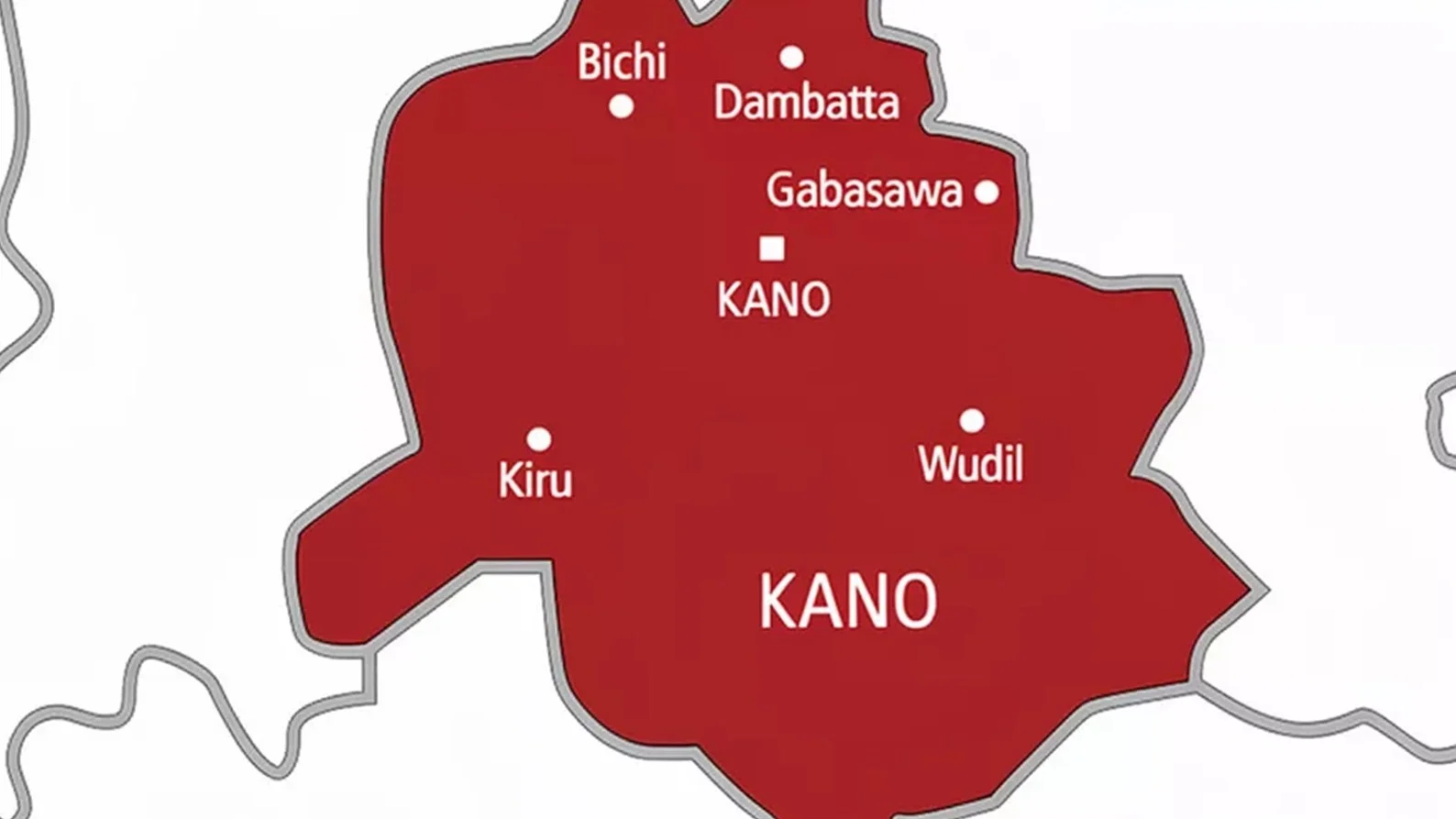
The Kano State Fire Service has confirmed that a fire destroys four containers and seven temporary shops at Gezawa Market in Gezawa Local Government Area, alongside one permanent shop — the arithmetic behind the headline figure of eight shops. The distress call came at about 5:15 am on Monday, 2 November 2026. Properties worth millions of naira were lost.
The record raises a narrower question than blame: what can actually be verified about this fire, and what is still assumption?
What The Kano Fire Service Statement Actually Confirms
The service’s Public Relations Officer, Kabiru Jafaru, confirmed the incident in a statement made available to The PUNCH on Wednesday, two days after the blaze.
The statement is specific on three points. It names the person who raised the alarm: one Ibrahim Sani. It fixes the time of the distress call at about 5:15 am on Monday, 2 November 2026. And it records the operational outcome in the service’s own words: “Upon receiving the distress call, our team promptly mobilised to the scene of the incident and successfully extinguished the fire, preventing it from spreading to other sections of the market.”
On the damage, the statement reads: “One shop was involved, alongside four containers and seven temporary shops, all of which were burnt by the fire.”
The Guardian’s report on the same incident carries the figure of four containers and eight shops. That reconciles with the Fire Service statement once the single permanent shop is added to the seven temporary ones. Two Nigerian outlets, one tally, no substantive contradiction.
Neither report gives a casualty figure. Neither gives a naira valuation beyond “millions”. Neither identifies a cause of ignition.

Two Fires In Three Days And A Harmattan Warning
The Punch report describes the Gezawa blaze as “another early morning fire outbreak” in Kano State. The reference point is close.
On Saturday, 31 October 2026, a fire destroyed no fewer than 110 buildings and structures at Kofar Ruwa Timber Market in Kano metropolis. The state Fire Service counted 75 permanent buildings and 35 temporary structures across different sections of that market.
Roughly 48 hours separate the two incidents. The same agency responded to both. The difference in scale is about ten to one.
That gap is measurable. Its explanation is not. The Fire Service has not published an assessment linking the difference to building materials, access roads, water supply or response times, and no independent damage assessment is in the public record for either site.
What the service did publish was a warning. Its Director urged members of the public to observe all necessary safety precautions, “particularly now that the harmattan season had set in”, to prevent similar incidents. That is a general advisory, not a finding about either fire.
Why A Fire Destroys Four Containers And Eight Shops In Minutes
When a blaze of this kind is reported, the first thing readers want is the cause. In this case it has not been stated. The Fire Service has not said what the containers held, where in the market row the fire began, or how long crews took to reach Gezawa.
Those gaps are not evidence of failure. They are the boundary of what can be asserted, and they should be labelled as such rather than filled in by assumption.
Disclosure practice elsewhere shows how quickly operational detail can be released. After a fire gutted a one-million-square-foot Medline Industries distribution facility in Tracy, California, the South San Joaquin County Fire Authority said the following day that the blaze was believed to have started at the roof, that sprinklers were not operating, and that there was no water pressure at the hydrants on site. Deputy Chief Brian Bagley told KCRA that the building was “fully consumed” within 40 minutes, with about 120 of roughly 900 employees on site at the time.
Kano’s equivalent account has not been published. What exists is a damage count and a safety reminder, issued two days later.
The Structural Point
Kano’s market rows are not uniform. The Fire Service’s own tally for Gezawa lists permanent lock-up shops, temporary stalls and shipping containers standing in the same footprint — three different kinds of structure, three different fire loads, one incident.
That mix is the verifiable pattern. Confirmed: the 2 November Gezawa fire, its 5:15 am timeline, its named caller, and an 11-unit damage list. Not confirmed: ignition source, response interval, water availability, and the value of goods inside those containers. Analysis, clearly labelled as analysis: the publication gap carries weight here precisely because a repeat incident inside one week is when an operational account would be most useful to traders preparing for the dry season.
What Is Confirmed And What Is Not
A caller named Ibrahim Sani reached the Kano State Fire Service at about 5:15 am on 2 November 2026. Crews stopped the blaze from spreading beyond one shop, seven temporary shops and four containers. Properties worth millions of naira were destroyed. Two days later, the service urged the public to take precautions as the harmattan set in.
Everything else is missing from the public record: no cause, no casualty toll, no valuation breakdown, and no comparison drawn by the agency itself between Gezawa and Kofar Ruwa.
A fire destroys four containers, eight shops and a season’s stock in the time it takes to make one phone call. Whether the next one is contained depends on information that has not yet been released.
Frequently Asked Questions
What was destroyed in the Gezawa Market fire in Kano?
The Kano State Fire Service said four containers, one permanent shop and seven temporary shops were burnt — the basis for the headline count of four containers and eight shops. Properties worth millions of naira were lost, according to the service’s statement released to reporters on Wednesday.
When did the Gezawa Market fire start and who reported it?
The Fire Service said its Public Relations Officer, Kabiru Jafaru, confirmed a distress call at about 5:15 am on Monday, 2 November 2026. The caller was named in the statement as one Ibrahim Sani.
Has a cause been established for the Gezawa Market fire?
Neither of the published Nigerian reports states a cause of ignition. The Fire Service statement gives a timeline, a damage count and a safety advisory, but does not identify where the fire began or what the containers held.
FIRST TIME REACTIONS:
Be the first to leave us a comment – Fire Destroys Four Containers At Kano’s Gezawa Market, down the comment section.
JOIN US ON OUR SOCIAL MEDIA:
About Clare Dominic
Clare Dominic is the Editor at AfriLatest. With a background in journalism and a passion for storytelling, she oversees the editorial process to ensure content is accurate, engaging, and relevant. Clare works closely with contributors to maintain the highest standards of journalistic integrity across all news, sports, and lifestyle coverage.
View all articles by Clare Dominic-

 Car Reviews2 weeks ago
1955 Chevy Bel Air Restomod: What SEMA Really Proves
-
Savings & Investing3 weeks ago
Hidden Medicare Fees Draining Your Retirement Savings
-
Car Reviews4 weeks ago
Ford Bronco ORV Package: $18,995 Ownership Reality Check
-
JAMB & WAEC4 weeks ago
JAMB Admission Process: What Changed And What Is Still Talk
-
Movies & TV4 weeks ago
Silo Season 1 Ending Explained: What the Showrunner Said
-
Movies & TV3 weeks ago
Wizkid Starboy Desire Ft Banky W Shaydee: Fact Or Fan Fiction?