Celebrities
Celebrity News This Week: What’s Confirmed, What’s Rumor
Celebrity news this week, reviewed: one High Court judgment with a paper trail, and a feed full of captions. Here’s what’s actually confirmed.


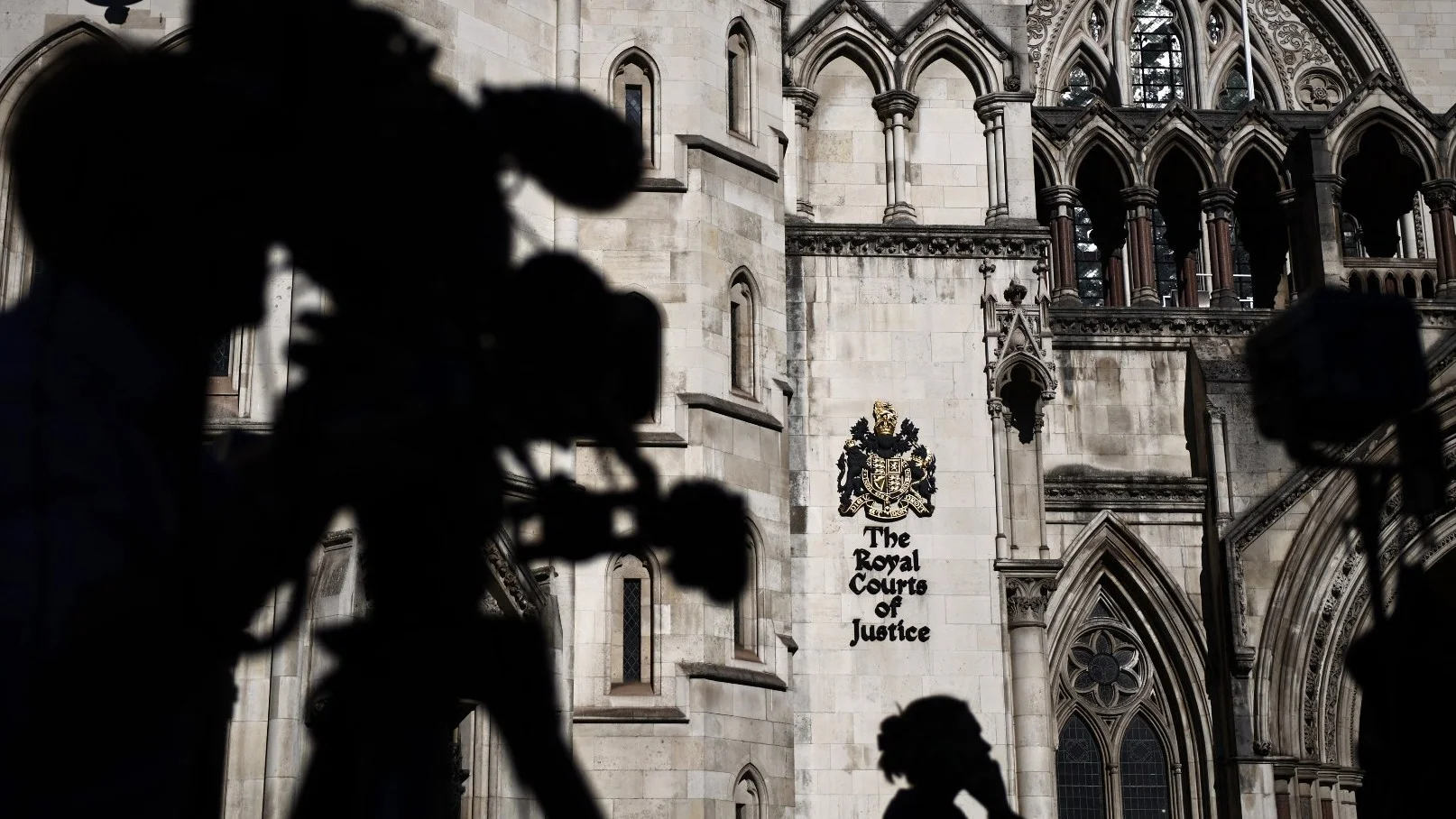
The biggest celebrity story of the week did not arrive with a trailer, a tracklist or a teaser. It arrived as a judgment out of London’s High Court, handed down on a Tuesday, and it is the only item in celebrity news this week with an actual document behind it.
A British celebrity accused of “inappropriate sexual activities with a large number of girls and young women” asked the court to stop ITN and Guardian News and Media from naming him. Justice Nicklin said no. The man can be named. He stays anonymous for now only because an appeal is being lodged.
That is the release. Everything else in the cycle is a photograph, a caption, a book tour, or a quiz.
What Celebrity News This Week Actually Confirmed In Court
The judgment tries to hold two things at once, and that is what makes it worth reading rather than skimming. On one side, the man’s lawyer Sara Mansoori told the court he has attempted suicide twice, was hospitalised for months, was subject to involuntary detention, has been examined by more than ten doctors, and “has no intention of returning to public life.” On the other, lawyers for ITN and the Guardian argued the risk could be mitigated and that there was no basis “to restrain the publication of public interest journalism.”
Nicklin sided with publication. But read his wording closely, because it is the part every aggregation account will drop: “The court did not determine whether the allegations, or any of them, were true, and the dismissal of the claim does not amount to approval of any publication the defendants may decide to make.”
The Hollywood Reporter reported the man denies abusing “his power and position as a celebrity to contact and forge relationships with young women and teenagers to try to have sex with them.” BBC News noted the case raises highly unusual legal questions about whether a court should block publication when a person claims a media investigation would lead them to harm themselves. The British press has been warned not to publish details that could identify him.
So the loudest story of the week is also the one you are least likely to see fully verified in your feed. That is not a flaw in the story. It is the story.
Instagram Captions Are Not Reporting
Now the soft end. Us Weekly rounded up stars being relatable in November 2026: Bella Hadid eating a hot dog at a Colorado Avalanche game, Prince William and Catherine riding the Mumbai Metro from Vidhan Bhavan station, Rita Ora doing skincare in the back seat, Jennifer Lopez posting milk and cookies after a workout. Harmless, charming, and sourced from photo agencies and the stars’ own Instagram accounts.
But a caption is not a confirmation, and the difference matters most when the item is a music item. Michael Bublé tested songs from an “upcoming album” on his daughter Cielo, quipping that “my boss takes quality control very seriously.” There is no title in the material, no release date, no label statement. That is a promotional claim. A verified release has a date, a distributor and a tracklist. This has a caption and a cute kid.
Ciara is expecting her fifth child, announced through her own post. Self-disclosed, so treat it as reliable. Still her feed, still not a second source.
Alastair Campbell’s Australian Tour Is The Cleanest Data Point Of The Week
Away from Hollywood, InDaily covered Alastair Campbell’s appearance with South Australian Premier Peter Malinauskas at the Festival Theatre. Campbell opened with “RIP, not very happy about that” about the collapse of Adelaide Writers’ Week 2026, then never returned to it. Malinauskas drew boos and applause. The tree felling for MotoGP came up, with ten protesters outside and an arrest in the eastern park lands earlier that day. Campbell’s latest book, Persevilience: The Word the World Needs Now, released in October.
Why does this count more than a carousel of celebrity photos? Because it has a venue, a date, a named reporter, a book with a publication month, and quotes on the record. You can check it. You cannot check a stranger’s holiday snap.
Why African Feeds Get The Weakest Version Of This
Verification is expensive, and the bill lands hardest where entertainment desks are thin. Audiences in Lagos, Nairobi and Accra mostly meet celebrity news this week through Instagram carousels, WhatsApp forwards and quiz formats, not court filings. A Fox News Digital quiz, for instance, turned a federal indictment of Virginia state Senator L. Louise Lucas and a political post by actress Natasha Lyonne into trivia. That is engagement, not journalism.
Gamers already solved this problem. Players separate official patch notes from a datamine, and they shout when a studio blurs the two. Apply the same reflex to celebrity reporting and most of the week’s noise dies on arrival.
The Verdict, And What To Read First
As a week of coverage, this one scores low on evidence and high on volume. One story has a judgment, a judicial quote and a live appeal attached. The rest has a photographer’s credit and a friendly tone.
The injunction ruling is the only thing here that will still matter in a month. Read the BBC and Hollywood Reporter accounts in full, and note what Nicklin did not decide as carefully as what he did. So the short verdict on celebrity news this week: start with the judgment, skip the cookies, and treat every “upcoming album” until it has a date as a rumour wearing a nice outfit.
Frequently Asked Questions
Can the British celebrity accused in the High Court case be named?
Yes, legally. Justice Nicklin rejected the injunction request from ITN and Guardian News and Media, so the man can be identified. He remains anonymous only while an appeal is lodged, and the British press has been warned not to publish details that could identify him.
Did the court find that the allegations were true?
No. Justice Nicklin stated that the court did not determine whether the allegations, or any of them, were true, and that dismissing the injunction claim does not amount to approval of anything the outlets may publish. The man denies the allegations.
Is Michael Buble’s new album confirmed?
Not in the source material. He posted about testing songs from an upcoming album on his daughter, but no title, release date or label statement appears. Until a date exists, treat it as a promotional tease rather than a confirmed release.
 Follow AFRILATEST on Google News
FIRST TIME REACTIONS:
Be the first to leave us a comment – Celebrity News This Week: What’s Confirmed, What’s Rumor, down the comment section.
JOIN US ON OUR SOCIAL MEDIA:

About stephen Douglas
Stephen Douglas is a gaming and entertainment author at AfriLatest. With a background in social media management and community building, he covers the latest trends in the gaming industry, esports, and digital culture. Stephen creates engaging content that keeps readers connected and informed about the games and entertainment they love.
View all articles by stephen Douglas

Celebrities
Stefanie Fair Settlement: $70K For A DUI That Never Was
The Stefanie Fair settlement pays the Wild Orchid singer $70,000 after blood work cleared her. What Tennessee’s records confirm — and what they don’t.

The Stefanie Fair settlement closed a two-year argument between a former 1990s pop singer and the state of Tennessee, and it closed with a figure: $70,000. Fair, identified in reporting as a former member of the group Wild Orchid, was arrested on suspicion of DUI in 2024. Blood work later showed she was sober.
That last detail is the whole story. It is also the detail most likely to get buried under the headline.
According to WBRC, the state Board of Claims approved the payout, and a spokesman for the attorney general’s office said the money should arrive within a few weeks. What the settlement does not do — and this matters — is explain itself. There is no admission of wrongdoing in the reporting. There is no statement from the trooper involved. There is a number, an approval, and a stack of court records sitting behind both.
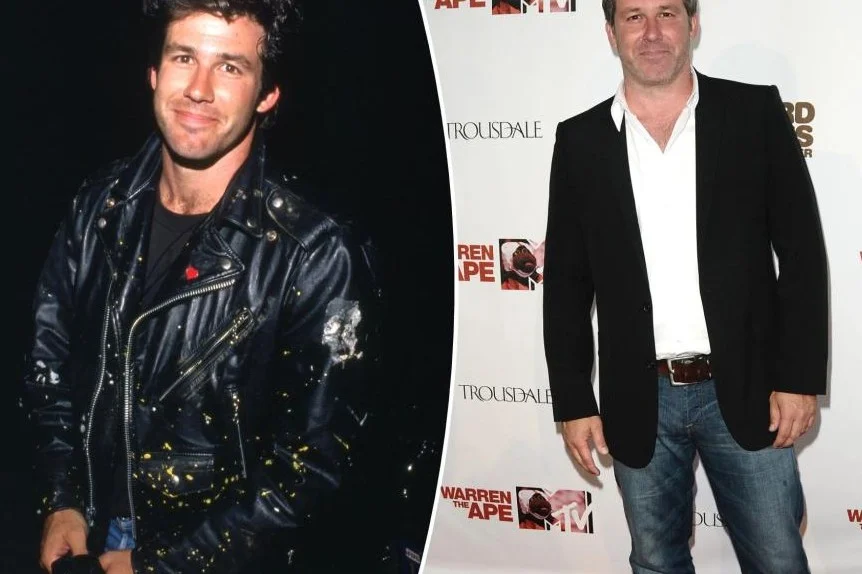
If this were a record, the A-side would be the money. The B-side is the blood test.
There is a feed-friendly version of this story too. Nineties pop star, highway patrol, cash payout. It is punchy, it is shareable, and it skips the line that inverts everything — the state’s own lab work cleared her. That gap between the shareable version and the documented one is where most celebrity legal coverage lives. It is also why the boring paperwork deserves the scroll time.
The Record Behind The Stefanie Fair Settlement
Fair’s arrest was documented in WSMV4 Investigates’ “Sobering Problem” series, which is where the paper trail starts. Trooper Keith Velez said he detected alcohol. “There’s a very distinct odor of alcohol that comes from either the person or inside the vehicle,” he said, per the reporting. Fair’s response was flat: “But on my life, I don’t drink alcohol.”
Video obtained by the station shows Fair eating ice cream before the arrest. That is not proof of anything on its own. It is one piece of evidence that was available at the scene and, judging by the outcome, did not move the trooper.

Fair described the encounter in blunter terms than any press release would. “I was more scared being with that cop alone than I actually was inside the jail,” she said.
Her attorney, Ben Raybin, framed the payout as the state conceding the obvious. “I think that the state has recognized that a lot of these arrests are just completely legally unsupportable and that if they went to a jury trial, a jury would find against them,” he said. That is a lawyer’s read, not a court finding. Keep the distinction.
Nine Sober Drivers, One Trooper, And A Pattern
Here is where the story stops being a celebrity footnote and starts being a system story.
Fair is the second sober driver to settle with the Tennessee Highway Patrol. Thomas Manis was paid $75,000 after troopers arrested him for DUI in East Tennessee — more than Fair received, for whatever that is worth. WSMV4 Investigates has also reported on pending suits from NASA employee Labreesha Batey and former U.S. attorney Jane Bondurant.
Bondurant, per the reporting, was the eighth sober driver arrested by trooper James Zahn. A lawsuit filed this year by a Thompson Station man would make him the ninth. Court records show the Rutherford County Sheriff’s Office and La Vergne police have settled similar claims too.
The structural problem is not subtle. Tennessee offers sober drivers no route to recoup costs after a DUI charge is dismissed, even when the charge was wrong. Raybin’s point is that suing is the only door, and it is an expensive one.

That is a policy failure dressed up as a celebrity item. Pop fans scrolling at 11pm get the $70,000. They do not get the nine.
What The Reporting Does Not Confirm
Plenty, and the gaps matter as much as the facts.
The Stefanie Fair settlement does not, by itself, tell us what prompted the initial stop beyond the alleged odor of alcohol, or whether the patrol has changed any procedures since. It does not say whether Trooper Velez faced internal discipline. It does not confirm whether the agreement carries an admission of liability, and it does not give an exact payment date beyond “the next few weeks.” Anyone posting otherwise is filling in blanks with vibes.
There is also no word on what Fair plans next musically. Wild Orchid’s catalogue and full lineup are not detailed in the settlement reporting, and nothing here confirms a comeback, a single, or a tour. Treat any such chatter as unverified until a release, a label, or the artist says so.
For a global audience — Lagos, Nairobi, Accra, London — the lesson travels. Celebrity legal news from abroad arrives stripped of documents. A figure gets quoted, a mugshot circulates, and the underlying record stays in a Tennessee courthouse. The same discipline applies when African artists get swept into foreign legal stories: numbers travel fast, paperwork travels slow.
Should Fans Listen And Where To Start Reading
The verdict on the Stefanie Fair settlement is not complicated. On verified evidence, the state arrested a sober woman, held the charge long enough for blood work to contradict it, and is now paying $70,000 rather than face a jury. The Board of Claims approval and the attorney general’s office confirmation are the load-bearing facts. The rest is context.
What is missing is accountability at the individual level — which the record simply does not address — and any sign that the underlying arrest pattern has been fixed. Two settlements and a growing docket of lawsuits is a trend, not a correction.
So yes, fans should care, but not for the reason the headlines suggest. Skip the number. Start with the blood work, then the Board of Claims approval, then the nine names. That is the version of the Stefanie Fair settlement that survives a fact-check, and it is the only version worth sharing.
Frequently Asked Questions
How much is the Stefanie Fair settlement worth?
The Tennessee Highway Patrol will pay $70,000 to Stefanie Fair, a former member of the 1990s pop group Wild Orchid, over her 2024 DUI arrest. The state Board of Claims approved the settlement, and a spokesman for the attorney general’s office said the payout should be issued within a few weeks.
Why did Stefanie Fair win the settlement?
Blood work taken after her arrest showed Fair was sober at the time. Her attorney, Ben Raybin, said the state recognized that many of these arrests are legally unsupportable and would likely lose at a jury trial. The reporting does not state whether the settlement includes an admission of liability.
Is Stefanie Fair releasing new music after the settlement?
Nothing in the settlement reporting confirms a new single, album, or tour. Wild Orchid’s catalogue and full lineup are not detailed in the coverage either. Any comeback talk should be treated as unverified until the artist or a label confirms it.
FIRST TIME REACTIONS:
Be the first to leave us a comment – Stefanie Fair Settlement: $70K For A DUI That Never Was, down the comment section.
JOIN US ON OUR SOCIAL MEDIA:
About stephen Douglas
Stephen Douglas is a gaming and entertainment author at AfriLatest. With a background in social media management and community building, he covers the latest trends in the gaming industry, esports, and digital culture. Stephen creates engaging content that keeps readers connected and informed about the games and entertainment they love.
View all articles by stephen DouglasCelebrities
Balmain Resort 2027 Debuts on Anya Taylor-Joy in SoHo
Anya Taylor-Joy wore Balmain Resort 2027 in New York on July 16, 2026. What the sources confirm, what they only claim, and what stays unverified.

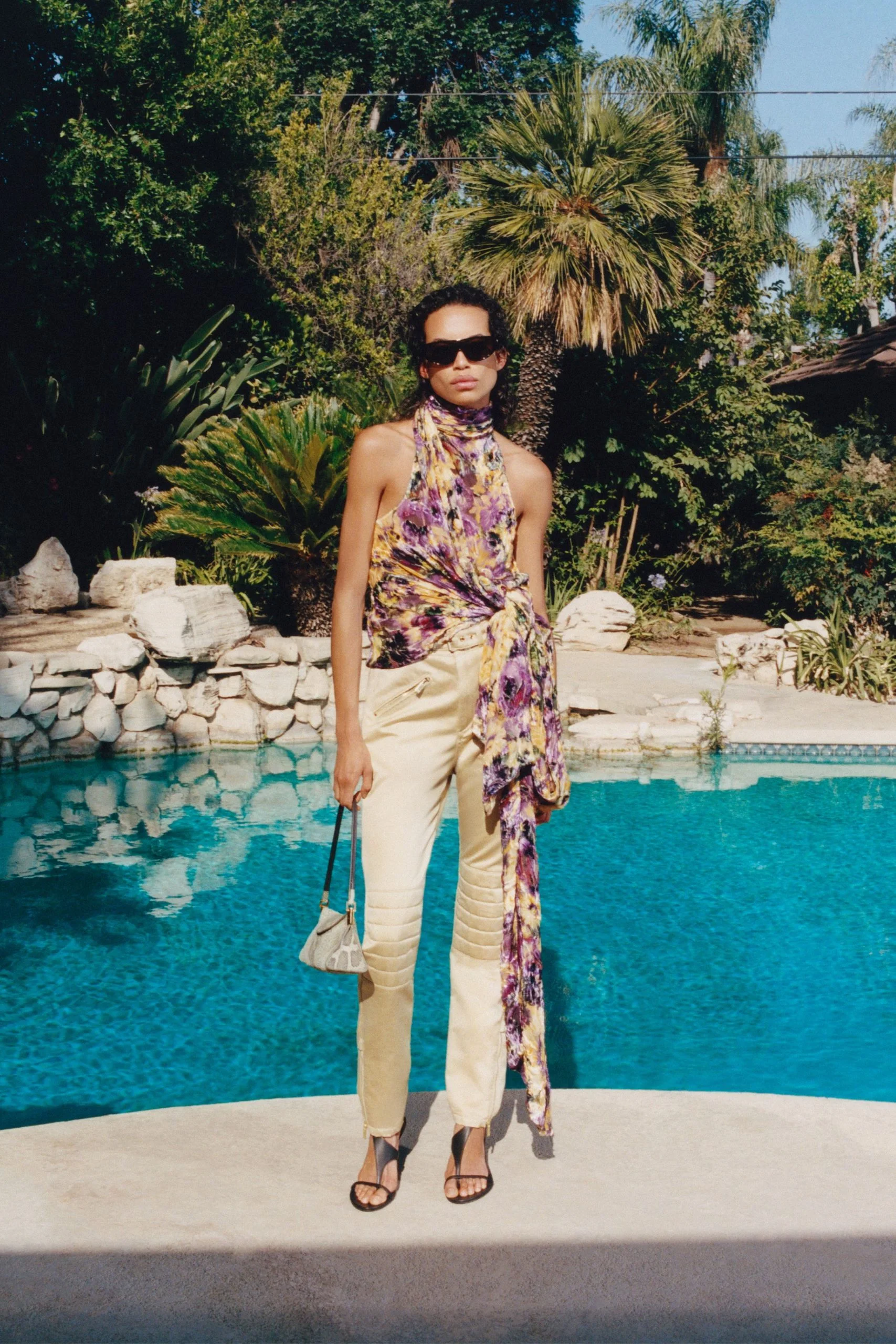
Anya Taylor-Joy walked through SoHo in New York on July 16, 2026 in a purple satin bra, a cropped green cardigan and a floral velvet midi skirt, the earliest public sighting of Balmain Resort 2027, a collection that by one account had not yet reached a runway.
The actress was on a press tour for Lucky, her heist crime-thriller miniseries. According to Harper’s Bazaar, she was the first to wear an ensemble from the forthcoming line, and the outing marked its first public appearance. Yahoo News reported the same look the same day and attributed the debut to Vogue.
The date and the weekday reconcile without strain: July 16, 2026 falls on a Thursday, which is what the coverage says. That is the part everyone agrees on. The rest needs separating.
What The Balmain Resort 2027 Sighting Actually Confirms
Both magazines agree on the architecture of the outfit. A bikini-style bra with ribbed pleating sat under a shrunken, cropped cardigan with chunky gold buttons, worn open. The skirt was a velvet floral jacquard midi with a front slit and a knee-grazing hem. On her feet, yellow open-toe mules. Her hair was straightened and side-parted, her eyelids touched with blue-gray shadow.
They diverge on specifics. Harper’s Bazaar describes a fuchsia satin bra; Yahoo calls it vibrant purple. The cardigan is olive-green in one account and pear-green in the other. Yahoo puts her Tiffany & Co. jewellery at $4,750 and lists a bean necklace and diamond hoop earrings. Harper’s Bazaar describes an Elsa Peretti Bean pendant on a black silk cord, gold hoops and a matching bracelet, and attaches no total.
The disagreement is small but instructive. Colour naming is editorial shorthand. The $4,750 figure is a magazine’s estimate of retail value, not a house-confirmed price, and neither source says who supplied it.
One detail both outlets record and neither develops: on the same day, Taylor-Joy also wore a metallic sleeveless dress from Ferragamo’s Resort 2027 collection, valued by Yahoo at $18,250 in matching Tiffany jewellery. Two Resort 2027 wardrobes from two houses, worn hours apart, during a single promotional push.
Vogue’s Review And The Designer Behind The Line
Vogue’s collection page for Balmain Resort 2027 carries no mention of Taylor-Joy. It is a review of the clothes, and it attributes the pre-spring collections, including the house’s first menswear, to Antonin Tron.
Tron framed the two wardrobes as a single conversation. “For me, the men’s and the women’s, they are kind of like one entity,” Vogue quotes him. “I really want the men and women to be able to talk to each other.” He described pre-collection as room to explore “a bit more the casual side of Balmain.”
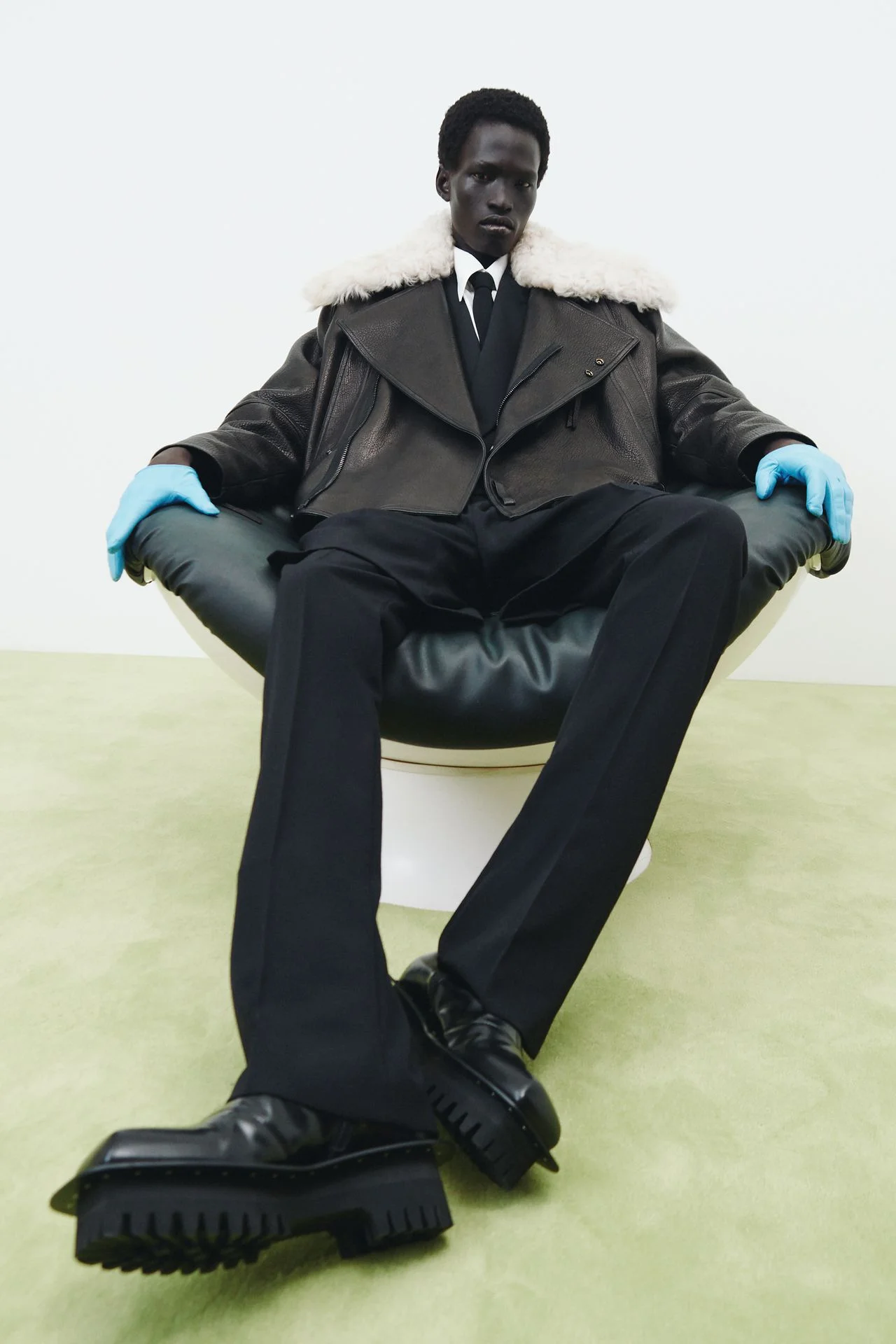
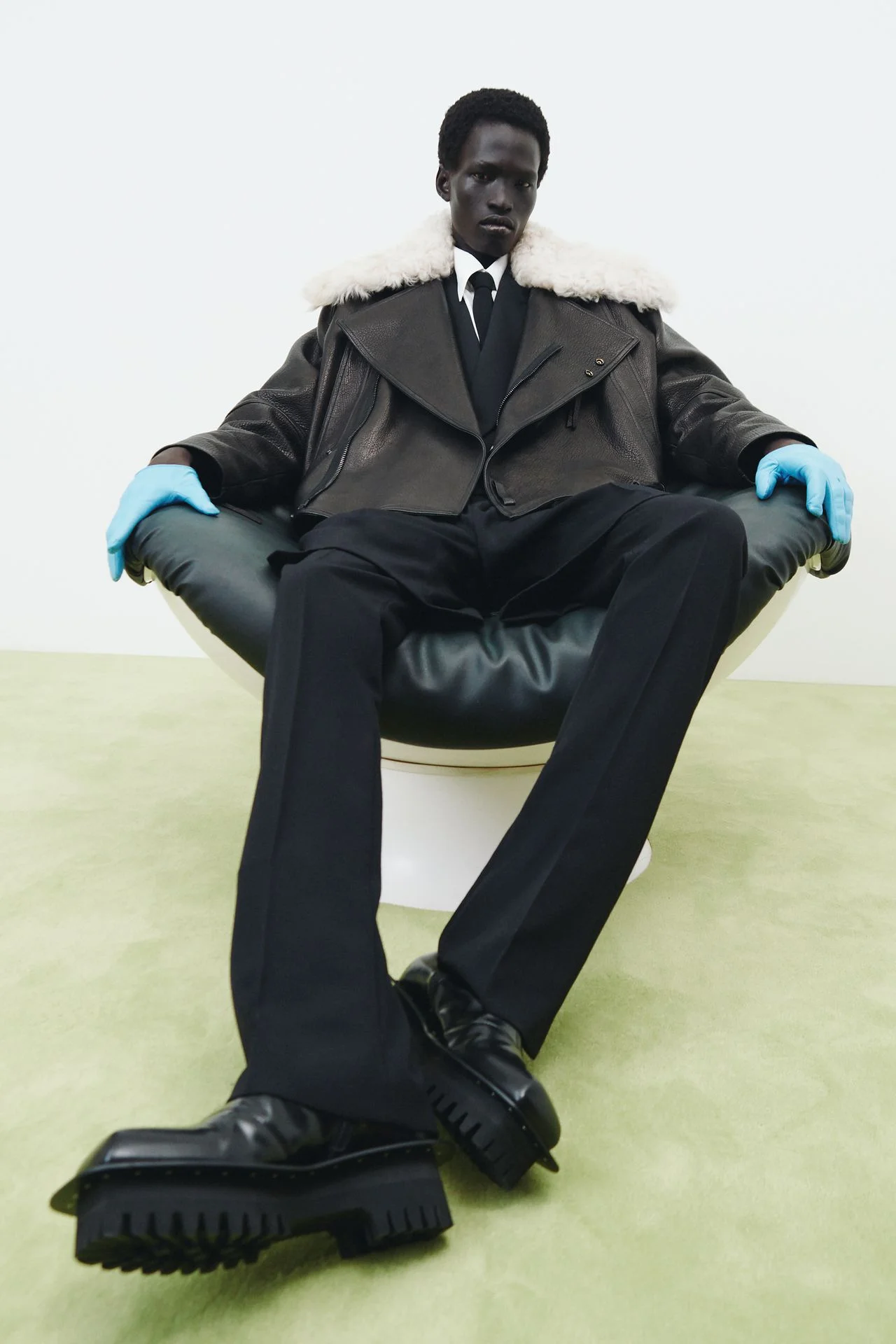
The review lists embroidered surfaces, treated denim and snakeskin jacquards crossing between the men’s and women’s rails, alongside cropped flight jackets, satin tailoring, sheer lurex blouses, washed denim and biker leathers. Tron said the collection was shot in Joshua Tree, carrying over a desert theme from his previous runway show.
He also pushed back on how luxury is policed. “For me, this thing with sexiness is also a class thing,” Vogue quotes him, describing Balmain as a space to articulate sexuality rather than apologise for it. That framing explains the styling on display: micro cardigans over exposed bras, skirts dissolving into asymmetric ruffle, embellished surfaces that read as sun-weathered rather than pristine. The distinction between dressing up and dressing down is deliberately left unresolved.
Notably, the review never confirms that a pre-spring garment appeared on a public street before the collection itself was shown.
Why “First To Wear” Is A Claim, Not A Recorded Fact
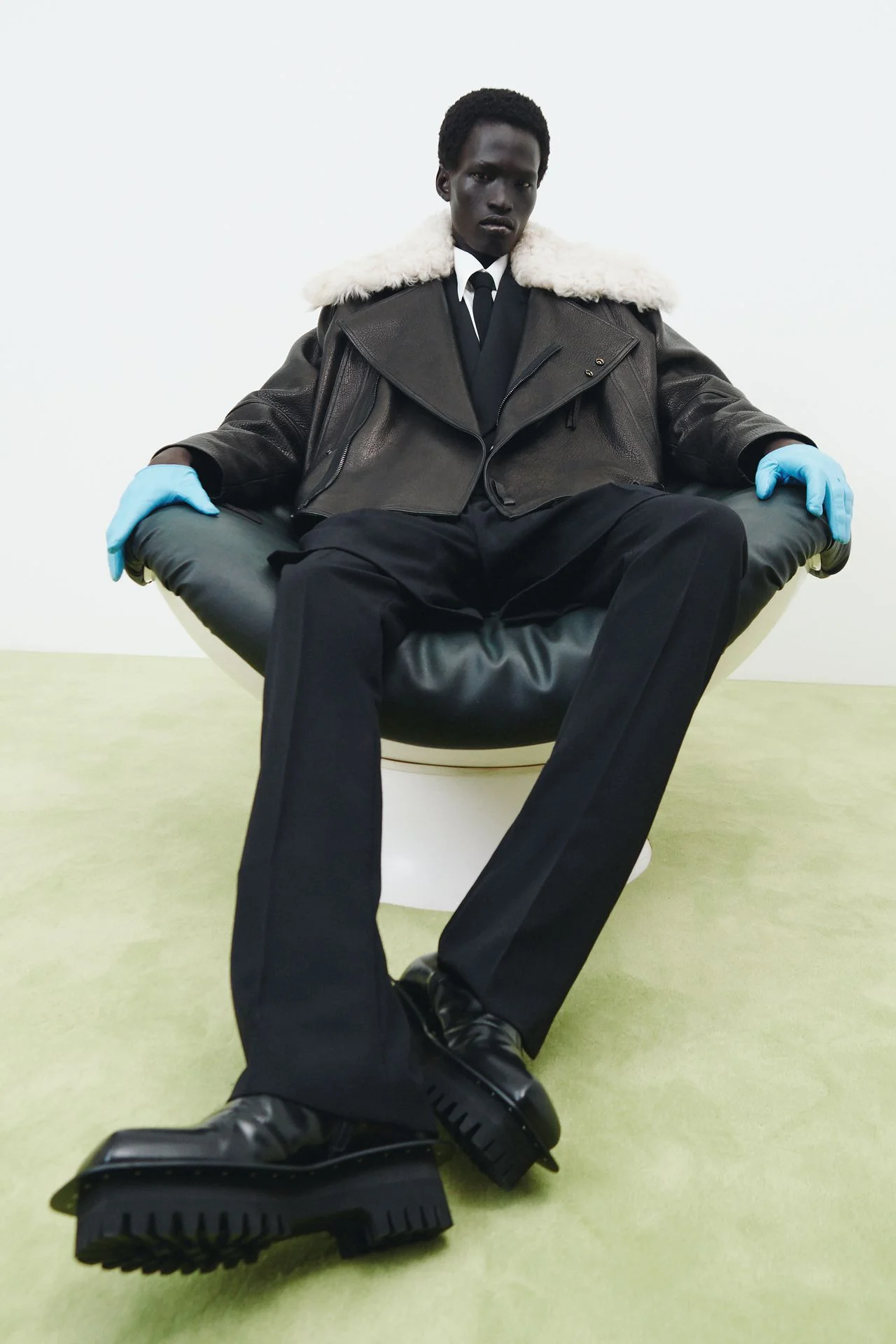
The assertion that Taylor-Joy was first rests on magazine characterisation. Harper’s Bazaar says so directly. Yahoo routes the point through Vogue, but Vogue’s own collection review, as published, does not name her. Neither outlet cites a Balmain statement, a lookbook record, or a house spokesperson.
Naming compounds the confusion. Vogue files the collection as Resort 2027; Harper’s Bazaar files it as Pre-Spring 2027. Both describe the same work. Readers searching one term will miss coverage filed under the other, and archive searches will split the record.
Yahoo’s phrasing adds a timing detail worth isolating. The ensemble, it says, has not even hit the runway yet. Taken at face value, a pre-collection piece reached public view through a street sighting before any presentation of the collection itself. That reverses the usual order of show, then press, then shop floor. It also means the first public image of this line was a paparazzi frame, not a runway photograph.
Context for that sequence is not speculative. Taylor-Joy wore Balmain’s Fall/Winter 2026 collection last April, according to Harper’s Bazaar, which calls the practice something of a tradition for her. A repeat wearer of a house is a reliable early-window outlet for it.
The African Market Gap The Coverage Does Not Address
None of the three sources states where Balmain Resort 2027 will be sold, when it will reach stores, or what it will cost. That silence is not incidental.
For readers in Lagos, Nairobi, Accra or Johannesburg, the published record contains no distribution information at all. No stockist list. No regional launch. No pricing in any currency. Any claim that the collection is available, or coming to, an African market would be unsupported by the material in hand, and should be treated as speculation until a retailer or the house says otherwise.
The only commercial numbers in the coverage are the Tiffany & Co. valuations attached to the jewellery, and the two outlets do not reconcile them.
What To Watch
Three things. First, whether Balmain itself confirms Taylor-Joy as the first person to wear the collection, or whether that remains a magazine’s characterisation. Second, when the house schedules a presentation for the pre-spring line, and whether the menswear debut is shown alongside the womenswear as Tron’s comments suggest. Third, any retail or distribution announcement, the element every source so far has left out.
Until one of those lands, the verified core of the Balmain Resort 2027 story is narrow. One actress. One Thursday in July. One outfit in SoHo. And two magazines that agree on the silhouette but not on the shade.
Frequently Asked Questions
Who designed Balmain Resort 2027?
Vogue’s review attributes the pre-spring collections, including the house’s first menswear, to Antonin Tron, and quotes him describing the men’s and women’s lines as ‘kind of like one entity.’ The review does not give the date the collection will be presented.
When did Anya Taylor-Joy first wear Balmain Resort 2027?
She wore an outfit from the collection in SoHo, New York, on July 16, 2026, a Thursday, while promoting her miniseries Lucky. Harper’s Bazaar reports it was the collection’s first public appearance; that claim has not been confirmed by Balmain in the source material.
Is Balmain Resort 2027 available to buy, including in Africa?
No source examined states pricing, stockists, or a retail date for any region, including Africa. The only commercial figures reported are Tiffany & Co. jewellery valuations attached to the outfit, and the two magazines give different numbers.
FIRST TIME REACTIONS:
Be the first to leave us a comment – Balmain Resort 2027 Debuts on Anya Taylor-Joy in SoHo, down the comment section.
JOIN US ON OUR SOCIAL MEDIA:

About Rose Green
Rose Green is an entertainment and lifestyle author at AfriLatest. With a passion for storytelling, she contributes creative and thought-provoking content, capturing the imagination of readers. Rose specializes in entertainment news, celebrity updates, and lifestyle trends, sparking meaningful conversations across diverse topics.
View all articles by Rose GreenCelebrities
Hailey Bieber PMDD Diagnosis Followed Son Jack’s Birth
Hailey Bieber’s PMDD diagnosis came about six months after son Jack Blues was born. She told WWD the condition lacks research and open conversation.


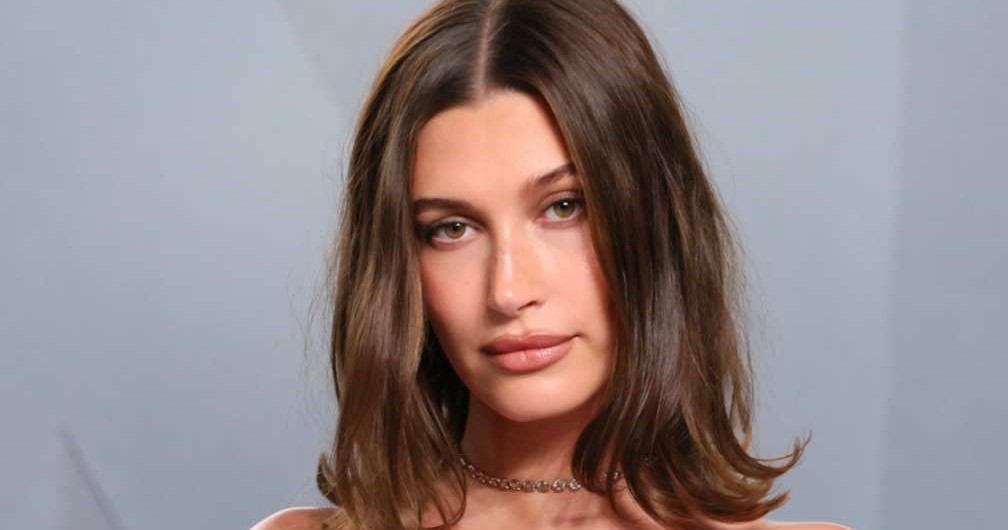
Hailey Bieber was diagnosed with premenstrual dysphoric disorder roughly six months after giving birth to her son, Jack Blues, and says the condition remains thinly researched and rarely discussed in public. The Hailey Bieber PMDD diagnosis was set out in an interview with Women’s Wear Daily published on Oct. 30, and first disclosed months earlier on the SHE MD podcast.
“After I had my son, I struggled with [PMDD] a bit, and there’s just not a lot of conversation or research around it,” Bieber, 29, told WWD.
Jack Blues, her first child with Justin Bieber, was born on Aug. 22, 2024, according to People. Six months after that date falls in early 2025. No outlet has published a precise diagnosis date, and Bieber has not named the clinician who made the diagnosis.
What Is Confirmed And What Is Her Account
Two categories of information sit inside this story, and they do not carry equal weight.
Confirmed: the WWD interview exists and was published Oct. 30. Confirmed: Bieber said on the SHE MD podcast that she was diagnosed about six months postpartum, that the symptoms were more severe than the premenstrual syndrome she had experienced before pregnancy, and that they eased once her period began and improved gradually over time.
Her account, not independently verified: everything about severity. “You’re like, ‘Why does it feel like my whole entire life is gonna end?’” she said on the podcast. “You just have all these swirling thoughts and feelings, and just everything feels like the biggest deal in the world.”
On the same podcast she was blunter than in the WWD interview. “It sucks. It is also dangerous, and it should be taken seriously,” she said, according to Yahoo Entertainment.

The clinical definition is not in dispute. Johns Hopkins Medicine describes PMDD as a chronic condition causing severe emotional, behavioral and physical symptoms in the week or two before menstruation, subsiding once the period starts. The Office on Women’s Health, cited by People, notes symptoms can include intense mood changes, irritability, depression or anxiety.
Secondary reports do not agree on every date. One Yahoo Entertainment account places the SHE MD appearance in March. A separate Yahoo piece says May. The March date appears in more of the coverage, including Us Weekly, which described the WWD interview as coming two years after Jack’s birth. No primary transcript or episode date appears in any of the reports reviewed.
Why The Hailey Bieber PMDD Diagnosis Matters Beyond Hollywood
The sentence carrying the most weight is not about symptoms. It is about the research gap.
“There’s so much that happens when you are pregnant, during childbirth,” she said in the WWD interview. “There’s so many things that happen leading up to having a child.”
Her commercial interest followed the statement. Rhode, the beauty brand she founded, announced a $5 million, three-year partnership with the Foundation for Women’s Health, described by Yahoo as the brand’s largest philanthropic investment to date. The money is directed at medical research, education and care in what the reporting calls historically underfunded areas. It is an announced three-year pledge, not a completed grant, and no recipient institutions have been named.
For readers outside North America and Europe, the coverage leaves an obvious hole. All five reports reviewed for this article anchor their clinical definitions in United States institutions, Johns Hopkins and the Office on Women’s Health. None cites a prevalence figure for sub-Saharan Africa, an African clinician, or a study conducted on the continent. That absence does not prove PMDD is under-diagnosed in Africa. It proves the reporting does not establish the question either way, and that a global audience is being handed a US-framed condition without a global evidence base.

PMDD is diagnosed on cyclical behavioural criteria, which is precisely the kind of presentation that gets missed where menstrual health already carries stigma and consultation time is short. A celebrity disclosure travels faster than a prevalence study. It does not replace one.
Reaction And Prior Health History
The disclosure is not isolated. In 2022 Bieber was hospitalised for what the coverage describes as a stroke or ministroke, and later underwent a patent foramen ovale closure procedure to close a hole in her heart, a defect she said she was born with. She has described that episode as making her “a little bit extra hyper-aware” of her body.
TMZ reported that Bieber also said on the SHE MD podcast that she has a uterine septum, a condition associated with higher miscarriage and infertility risk. That detail does not appear in the WWD interview coverage and has not been corroborated elsewhere in the reports reviewed.
Her own explanation for speaking publicly is modest. “Conversation, for me personally, makes me feel less alone,” she said. “When we can identify with each other and have conversations relating to each other and talking about the things we’re dealing with and struggling with, I do think it makes it feel like less of a lonely journey.”
What To Watch
Three things will decide whether this becomes more than a celebrity health item.
First, whether the Rhode commitment produces named research grants in underfunded regions or stays inside existing US funding channels. The announcement gives a figure and a duration. It does not yet give a destination.
Second, whether clinicians in Africa and other low- and middle-income regions answer with prevalence data. Until someone publishes it, the global version of this story will keep citing Baltimore and Washington for a condition that affects women everywhere.
Third, whether the Hailey Bieber PMDD diagnosis moves other public figures to describe what they experienced rather than only that they experienced it. That is the one claim in the story a reader can actually test.
Frequently Asked Questions
When was Hailey Bieber diagnosed with PMDD?
Bieber said she was diagnosed about six months after giving birth to her son Jack Blues, who was born on Aug. 22, 2024, per People. That places the diagnosis in early 2025. No outlet has published an exact diagnosis date.
Where did Hailey Bieber first discuss her PMDD?
She first disclosed it on the SHE MD podcast, which most reports date to March, though one Yahoo Entertainment account says May. She restated it in a Women’s Wear Daily interview published Oct. 30.
What has Rhode committed to women’s health research?
Rhode announced a $5 million, three-year partnership with the Foundation for Women’s Health covering medical research, education and care in underfunded areas. It is an announced pledge; no recipient institutions have been disclosed.
FIRST TIME REACTIONS:
Be the first to leave us a comment – Hailey Bieber PMDD Diagnosis Followed Son Jack’s Birth, down the comment section.
JOIN US ON OUR SOCIAL MEDIA:

About Xavier Catherine
Xavier Catherine is the Technology Lead at AfriLatest. With a background in computer science and a focus on innovation, he oversees the platform's technology infrastructure. Xavier also contributes reporting on AI, gadgets, and cybersecurity, ensuring AfriLatest remains secure, reliable, and user-friendly.
View all articles by Xavier Catherine-

 Car Reviews2 weeks ago
1955 Chevy Bel Air Restomod: What SEMA Really Proves
-
Savings & Investing3 weeks ago
Hidden Medicare Fees Draining Your Retirement Savings
-
Car Reviews4 weeks ago
Ford Bronco ORV Package: $18,995 Ownership Reality Check
-
JAMB & WAEC4 weeks ago
JAMB Admission Process: What Changed And What Is Still Talk
-
Movies & TV4 weeks ago
Silo Season 1 Ending Explained: What the Showrunner Said
-
World News4 weeks ago
SpaceX’s Starfall Capsule Flies Again, Still No Manifest