Trend politics
Jimmy Kimmel Takes Aim at Trump’s New Press Secretary
Jimmy Kimmel takes aim at Trump’s new press secretary Katie Zacharia, calling her 14-minute briefing a disaster. Here’s how to watch the monologue.


Jimmy Kimmel takes aim at Trump’s new press secretary, and the monologue is worth watching in full. On Tuesday night’s Jimmy Kimmel Live, the host went after Katie Zacharia, the latest person to take the White House podium under Trump. Here is how to find the segment, what Kimmel actually said, and why it matters beyond the jokes.
What Happened On Tuesday’s Monologue
Kimmel opened by framing Zacharia’s first briefing as a disaster. “It was the first day of kindergarten for the new White House press secretary, Katie Zacharia,” he said. He noted the briefing ran only 14 minutes, calling it “brief.”
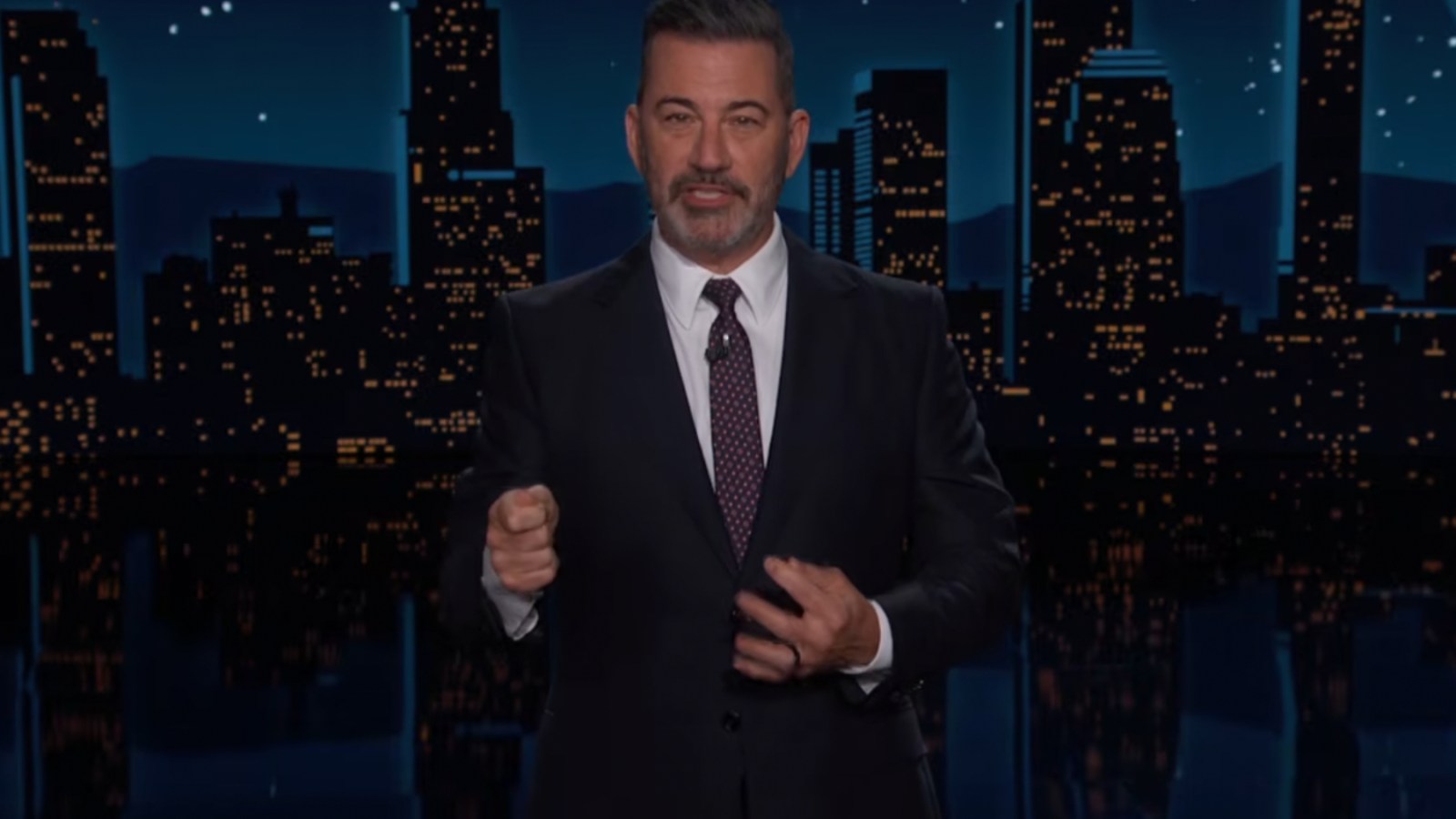
Kimmel’s sharper line: “Her reading is good for an 11 year old. He hired a fourth grader to be press secretary!” He played clips of Zacharia reading slowly from a piece of paper, then moved to her background.
According to Rolling Stone, Kimmel called her a “real piece of work” and cited her social media history, including calling Democrats pedophiles and giving weight to Pizzagate. He also aired a clip of her claiming the “woke movie” The Odyssey would make “no money.” Kimmel countered: “That woke movie went on to make $1.8 billion.”
Zacharia replaced Karoline Leavitt earlier this week, making her the sixth person to hold the White House press podium under Trump.
How To Watch The Full Segment
Step 1: Go to ABC.com or Hulu. Jimmy Kimmel Live airs weeknights at 11:35 p.m. ET. Full episodes post the next morning.
Step 2: Search “Jimmy Kimmel Katie Zacharia” on YouTube. The show’s official channel typically clips monologue segments within 12 hours.
Step 3: Check Rolling Stone’s TV coverage. The outlet published a full writeup with direct quotes and clip descriptions.
Step 4: If you are outside the U.S., use a VPN set to a U.S. server. ABC’s streaming library is geo-restricted. Free options like the show’s YouTube channel often work without one.
Why This Monologue Landed Harder Than Usual
Kimmel’s attack was not just about one bad briefing. It was about the pattern. He joked that Trump brings in “a new fawning blonde dolt to add to the rotation” every six months to keep him interested.
He also tied Zacharia’s performance to a bigger question: how long will she last? “Katie’s first outing was, as her boss might say, a total disaster,” Kimmel said. “I was impressed though: Do you know how hard it is to become Trump’s worst press secretary that quickly?”
That line works because it flips the expected punchline. Instead of just mocking Zacharia, Kimmel mocks the hiring standard itself.
The Broader Kimmel-Trump Feud
This is not an isolated fight. Kimmel and Trump have traded shots for years. Trump called Kimmel a “loser” at a recent rally over a joke about empty seats. Kimmel responded by doubling down: “There were many empty seats at the rally. So many empty seats.”
In 2024, while hosting the Oscars, Kimmel read a Trump Truth Social post live and quipped, “Isn’t it past your jail time?” Trump later called him a “dope” and “one of the dumbest human beings ever.”
Kimmel told Rolling Stone last year that he sees his role differently now. “I see myself more as a place to scream,” he said. That context matters. The Zacharia monologue is not just comedy. It is Kimmel operating in the mode he has publicly described.
What Else Is Happening Around The Show
Rosie O’Donnell guest-hosted Jimmy Kimmel Live this week while Kimmel was on vacation. In her first monologue, she said she moved to Ireland because of “Mango Mussolini” and joked, “Hi, I know you’re watching!”
Her appearance came hours before ABC filed a lawsuit against the FCC, claiming the agency’s investigations are part of a Trump administration “retaliatory campaign” to curb free speech. That is a real legal fight, not a punchline.
Separately, Kimmel has been under fire for a joke calling Melania Trump an “expectant widow.” Trump and Melania both called for him to be fired. The National Religious Broadcasters Association filed an FCC complaint. Disney confirmed the FCC made a “call in” for early license renewal of its owned stations.
Kimmel’s response to Trump’s own age joke during King Charles III’s visit: “Only Donald Trump would demand I be fired for making a joke about his old age and then a day later, go out and make a joke about his old age.”
How To Follow This Story Without Getting Lost
Step 1: Bookmark the Rolling Stone TV news section. They cover Kimmel’s monologues with direct quotes and context.
Step 2: Follow Kimmel’s official YouTube channel. Clips post fast and stay up unless there is a legal takedown.
Step 3: Track FCC filings if you care about the regulatory angle. The ABC lawsuit against the FCC is the bigger story underneath the jokes.
Step 4: Ignore aggregated headlines that strip the quotes. Kimmel’s monologues rely on timing and delivery. A text summary loses the punch.
What To Take Away
Jimmy Kimmel takes aim at Trump’s new press secretary because the briefing gave him easy material. A 14-minute debut, slow reading, and a social media history that includes Pizzagate promotion are all fair game for a late-night host.
But the bigger story is the pressure on ABC. The FCC complaint, the early license renewal call-in, and the ABC lawsuit are not comedy. They are real regulatory moves.
If you want the full picture, watch the monologue first, then read the FCC coverage. The jokes land harder when you know what is actually at stake.
Next step: Pull up the Rolling Stone writeup, then watch the clip on YouTube. If you are outside the U.S., the YouTube clip is your fastest route.
Frequently Asked Questions
What did Jimmy Kimmel say about Katie Zacharia?
Kimmel called her first briefing a disaster, said her reading is ‘good for an 11 year old,’ and joked that Trump ‘hired a fourth grader to be press secretary.’ He also cited her social media history, including Pizzagate promotion.
How long was Katie Zacharia’s first press briefing?
It was 14 minutes long, according to Kimmel’s monologue. He called it ‘brief’ and used the short runtime as part of the joke.
Where can I watch the Jimmy Kimmel monologue about the new press secretary?
Full episodes stream on ABC.com and Hulu the next morning. The show’s official YouTube channel posts monologue clips within about 12 hours. Rolling Stone also published a full writeup with quotes.
Related Articles
- Samsung Galaxy Glasses Leak: 41g, 9-Hour Battery, No Price Yet
- Narnia Trailer: Greta Gerwig’s Netflix Epic First Look
- Dangote Refinery IPO Extended: 4.1 Billion Shares Up for Grabs
- JAMB Warns Candidates Against Accepting Admissions Outside CAPS
- OPay Files for $500M NYSE IPO: What Nigerian Investors Should Do
 Follow AFRILATEST on Google News
FIRST TIME REACTIONS:
Be the first to leave us a comment – Jimmy Kimmel Takes Aim at Trump’s New Press Secretary, down the comment section.
JOIN US ON OUR SOCIAL MEDIA:

Trend politics
How 24-Hour Online Scrutiny Is Running Out Leaders
24-hour online scrutiny is running out leaders from Budapest to New Delhi. Verified timelines show how fast political time now moves.


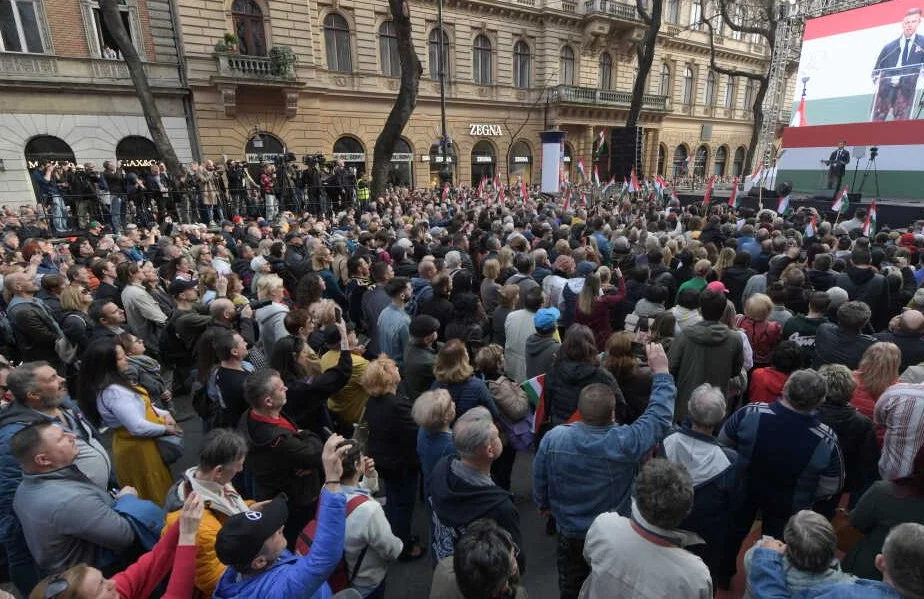
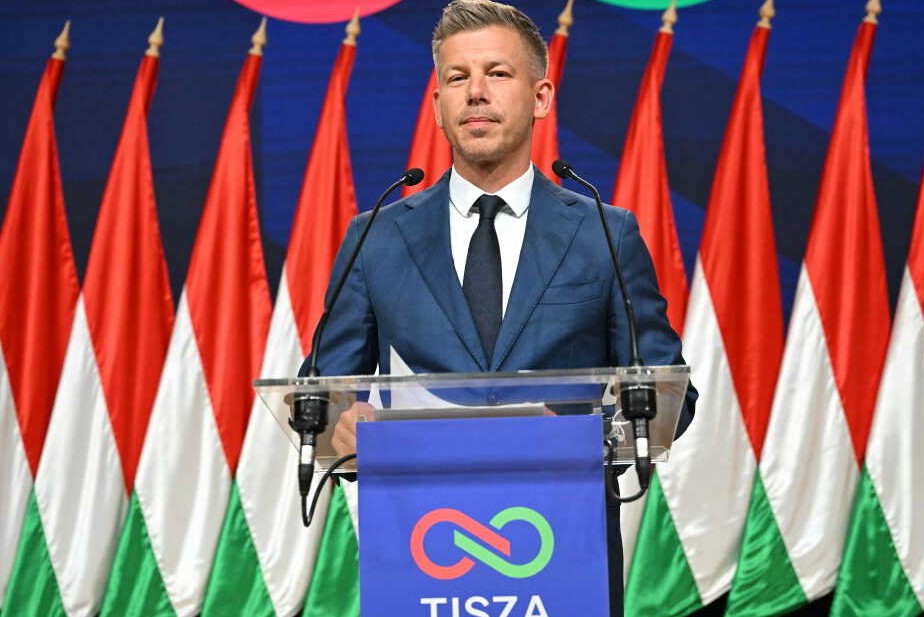
Péter Magyar, Hungary’s prime minister-elect, asked the country’s president on Monday to convene parliament so a new government can be formed as early as May 5, NPR reported. The request landed less than 24 hours after Viktor Orbán conceded, ending 16 years in power and a bid for a fifth consecutive term.
Magyar’s ascent is fast even by the standards of a volatile decade: he entered opposition politics in early 2024 and now controls a two-thirds parliamentary majority. The more transferable lesson, however, is about tempo. 24-hour online scrutiny — continuous, clipped, remixed and monetised — now sets the speed at which leaders are made, unmade and forced to apologise. Most incumbents still plan in cycles they no longer control.
The evidence is unusually concentrated. Within the same stretch of days, a European election was decided, a regional war widened, two Indian institutions were mocked into a mass movement, a footballer lost Chinese endorsements, and a United States justice department moved against the president’s critics. Each outcome was shaped, at least partly, by what circulated online inside a single day.
From Budapest To Beirut In One News Cycle
The military picture moved fastest, and under 24-hour online scrutiny casualty figures shifted within hours. The war that began when the United States and Israel attacked Iran on Saturday expanded on Monday, with Iran and Iranian-backed militias firing missiles at Israel and Arab states. Iran’s Red Crescent Society said at least 555 people had been killed in Iran and more than 130 cities had come under attack; authorities reported 11 dead in Israel.
Israel struck a building housing Al-Manar television studios in Beirut’s southern suburbs after an evacuation warning, saying it targeted Hezbollah command centres and weapons storage. Lebanon’s Health Ministry said strikes on the southern suburbs and southern Lebanon killed at least 52 people and wounded 154 — a toll that moved repeatedly across the day, according to PBS NewsHour’s live coverage.
The U.S. military said Kuwait mistakenly shot down three American F-15E Strike Eagles during a combat mission. Six U.S. Army soldiers from the same logistics unit were killed in Kuwait, and 18 service members were seriously wounded, up from the five initially reported, CENTCOM spokesman Capt. Tim Hawkins said. Defense Secretary Pete Hegseth said an Iranian weapon passed allied air defences and hit a fortified tactical operations centre.
Diplomacy ran on the same clock. The State Department urged Americans in more than a dozen Middle Eastern countries to “DEPART NOW” using commercial transport. Bahrain’s UN ambassador, Jamal Alrowaiei, told the Security Council that Iranian attacks had forced schools to close, and cited UNICEF’s estimate that 30 million children across the Middle East and North Africa are out of school. In Washington, lawmakers left a classified briefing without clarity: Speaker Mike Johnson called the operation defensive, while Senator Mark Warner said there was “no imminent threat to the United States of America by the Iranians.”
Why 24-Hour Online Scrutiny Rewrites Accountability
In India, the mechanism was satire. Chief Justice Surya Kant’s reference to jobless young people who complain about the system as “cockroaches” produced a backlash institutions rarely plan for. Abhijeet Dipke, who completed a master’s in public relations at Boston University last year, asked on X: “What if all the cockroaches come together?” He then built a fictional Cockroach Janta Party — manifesto, visual identity, sign-up form — inside 24 hours using Claude and ChatGPT, he told BU’s College of Communication.
Fifty thousand people signed up in the first day. Five days later the figure passed one million, and the party’s Instagram account exceeded 22 million followers. Dipke credited AI with design and templates but insisted that “when it comes to the messaging of a campaign, you still need a human mind.”
In China, the clock ran the other way. Kylian Mbappé apologised for “ill-judged” comments about Mao Zedong after a clip from a French talk show circulated. Dairy producer Mengniu and drinks group Dongpeng cut ties, state broadcaster CCTV’s news apps dropped his content and Chinese media reported La Liga matches would not be shown. La Liga said it “deeply regrets the offence.” Foreign ministry spokesperson Lin Jian said words that hurt Chinese feelings “will naturally be met with opposition,” the BBC reported.
In Washington the pressure is legal rather than viral, but it travels on the same feeds. Former FBI director James Comey was indicted in North Carolina on April 28 over an Instagram post showing “86 47” in seashells. Former national security adviser John Bolton pleaded guilty in June to one count of illegal retention of national security information and faces sentencing in October. Vice President JD Vance has said the actions are “driven by law and not by politics.
The African Gap In The Evidence
None of the five reports examined here concerns an African government, and that absence is itself worth marking. The compression described above depends on infrastructure: near-universal smartphone use, platform algorithms, advertiser flight, and courts or broadcasters willing to respond within hours. Where any of those is thinner, the clock still runs — it simply runs unevenly, and often without the documentation that makes accountability legible.

For policymakers in Abuja or Nairobi, the temptation is to read Budapest or New Delhi as a template. The structural differences are large. Hungary’s incoming government inherits a two-thirds majority able to amend the constitution. India’s movement is satirical and holds no ballot line. Nigeria’s federal structure disperses authority in ways neither case replicates. What travels is not the outcome but the speed of the demand, and the mismatch between that speed and the slower institutions meant to answer it.
The humanitarian data points the same way. A crisis that trends for one day and a crisis that lasts a decade do not attract resources in proportion to their harm, and the 30 million children cited at the Security Council are the clearest measure of that gap.
Prospects For Peace
The near-term calendar is concrete. Magyar wants parliament convened so a government can form by May 5, with the European Union’s funding — frozen since 2022 over democratic-backsliding concerns — as the lever. Abel Bojar, research director at the polling platform Europion, called the win “truly unprecedented” given the funding and media asymmetry Magyar faced, but warned: “it’s certainly a political risk that he will abuse this opportunity.”
In the Middle East no comparable off-ramp is visible. Casualty counts are rising, evacuation orders are expanding, and Congress has been told to expect a supplemental funding request. Hezbollah has described its rocket fire as “a reaction to the aggression” and a “legitimate right,” a position that forecloses de-escalation in the short term.
The realistic prospect is not that 24-hour online scrutiny will slow. It is that leaders who mistake a quiet feed for consent will keep discovering, usually within a day, that it was only a pause.
Frequently Asked Questions
Who is Hungary’s new prime minister and when could he take office?
Péter Magyar, a 45-year-old lawyer and leader of the centre-right Tisza Party, won a two-thirds parliamentary majority. He asked Hungary’s president on Monday to convene parliament so a new government can be formed as early as May 5.
What does the article mean by 24-hour online scrutiny running out leaders?
It refers to the compression of political time: viral clips, fast-moving casualty figures, advertiser withdrawals and platform outrage now force responses within hours rather than news cycles, as seen in Hungary, India, China and the Middle East coverage examined here.
How many people died in the U.S.-Israeli campaign against Iran?
Iran’s Red Crescent Society said at least 555 people had been killed in Iran and more than 130 cities attacked. Authorities reported 11 killed in Israel, and Lebanon’s Health Ministry later reported at least 52 killed there after strikes on Beirut’s southern suburbs.
Receive alerts for 24-hour online scrutiny and more like it.
FIRST TIME REACTIONS:
Be the first to leave us a comment – How 24-Hour Online Scrutiny Is Running Out Leaders, down the comment section.
JOIN US ON OUR SOCIAL MEDIA:

About Clare Dominic
Clare Dominic is the Editor at AfriLatest. With a background in journalism and a passion for storytelling, she oversees the editorial process to ensure content is accurate, engaging, and relevant. Clare works closely with contributors to maintain the highest standards of journalistic integrity across all news, sports, and lifestyle coverage.
View all articles by Clare DominicTrend politics
Rainbow Coalition: What Nigeria’s 2027 Alliance Really Is
The Rainbow Coalition pairs Nyesom Wike’s PDP faction with the APC for 2027. Here is what is confirmed, what is disputed, and what is still forecast.

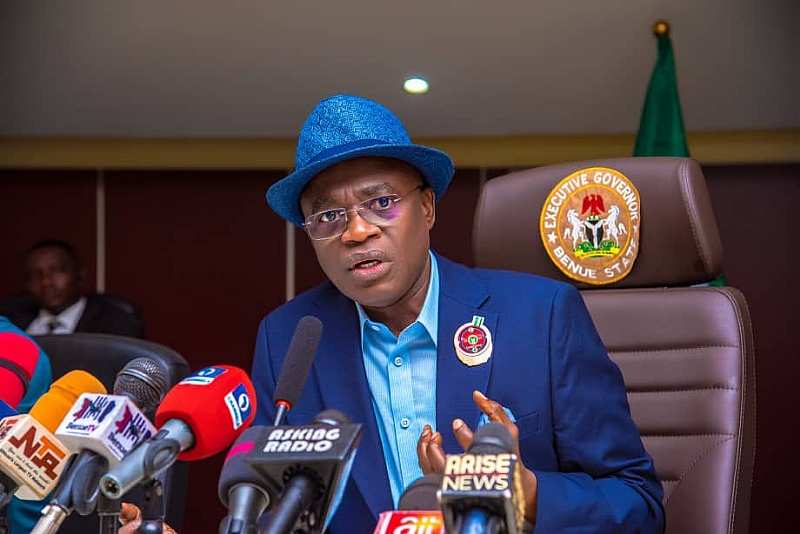
The question circulating in Nigerian political circles ahead of the 2027 general elections is blunt: what is the Rainbow Coalition, and can an alliance that campaigns for one party’s presidential candidate while sponsoring rivals against that same party in state races survive contact with voters?
The public record gives a narrower answer than the name suggests. What exists today is not a registered party, not a merger, and not a formally constituted bloc with a published manifesto. It is a campaign arrangement convened by Nyesom Wike, the Minister of the Federal Capital Territory, whose stated purpose is to keep President Bola Tinubu in office.
That is the confirmed core. Everything beyond it, including claims of national reach, threats issued in the coalition’s name in Benue State, and its capacity to swing 2027, remains contested, unverified, or explicitly disputed by figures inside the same parties it claims to speak for.
What the Rainbow Coalition Is, According to Its Convenor
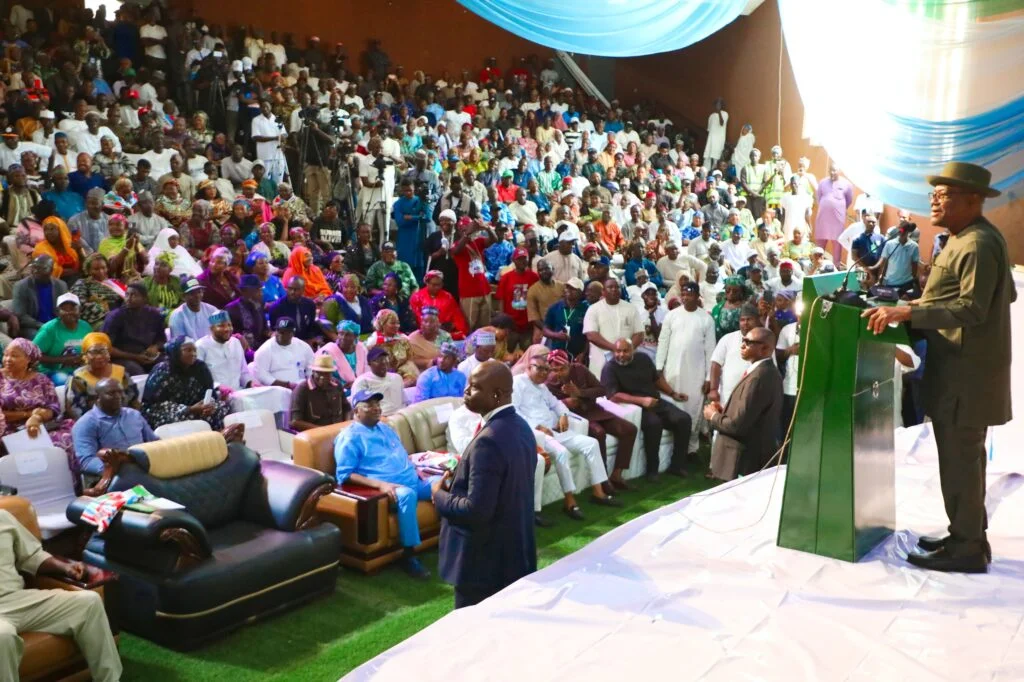
Daily Independent reported that the grouping brings together the PDP faction led by Wike, the All Progressives Congress, a faction of the Action Alliance and a faction of the Labour Party, with its headquarters in Rivers State. Wike’s stated objective is to deliver the presidency to Tinubu, while the participating groups separately decide which candidates they back for governorship, National Assembly and state assembly seats.
None of the reporting reviewed for this article cites a published manifesto, an adopted constitution, or a registration with the Independent National Electoral Commission. That absence matters. It separates the project from Nigeria’s earlier coalitions, which rested on negotiated documents and, in one case, an entirely new registered party.
Wike’s own framing is contradictory, and he says so openly. He argues that backing Tinubu does not oblige him to back APC candidates in the states, and that he remains free to support candidates of his choice, including PDP candidates running against the APC.
That contradiction is not a loose end. It is the design. In 2023 Wike served as Coordinator of the APC Presidential Campaign Council for the FCT and Rivers State while remaining a PDP figure, a cross-party role that produced exactly the split-ticket outcome the arrangement now seeks to formalise.
Why the Governors Rejected the Arrangement
The All Progressives Congress Governors’ Forum, chaired by Imo State Governor Hope Uzodimma, rejected the coalition outright. The governors argued that the dual-party arrangement would cause voter confusion, ticket splitting and parallel party structures, and would undermine official APC candidates in state and National Assembly races. They said their campaign commitment was to APC candidates at every level.
A faction of the PDP went further. Led by former Minister of Special Duties Kabiru Turaki, the faction said through spokesman Ini Ememobong that opposition parties should offer Nigerians an alternative rather than “massage their ego,” and described the Rainbow Coalition as a threat to electoral democracy that could push Nigeria toward an “electoral monarchy,” Premium Times reported.
In Benue State, the coalition’s national secretary, Austin Agada, threatened to teach Governor Hyacinth Alia “a political lesson” in 2027, according to The Nigerian Voice. Agada is also the factional APC chairman in Benue and a loyalist of the Secretary to the Government of the Federation, Senator George Akume.
The governor’s Chief Press Secretary, Kula Tersoo, replied on Wednesday by calling the threat “the ranting of an ant” and pointing to Alia’s three-year record. He also made allegations that have not been tested in any court or party tribunal: that Agada lost his polling unit in 2023, sold his vote to Senator Abba Moro of the PDP, and was later suspended by his ward executives. Those are the governor’s camp’s claims. Agada has not been reported responding to them in the coverage reviewed.
Separately, in Abuja, Wike told Abuja Municipal Area Council community leaders, women’s groups and youth groups that an all-inclusive campaign structure would be inaugurated around the coalition, with APC and PDP figures appearing together, according to a statement from his office. He warned voters against “political gamblers” and said the campaign’s case would rest on commissioned road and security projects.
A History That Cuts Against the Spin
Nigeria has run this experiment before, and the record is instructive. In 1959 the Northern People’s Congress and the National Convention of Nigerian Citizens formed the independence government; the partnership buckled under regional and ideological tension. In 1979 the National Party of Nigeria, short of a legislative majority, reached an accord with the Nigerian People’s Party that collapsed in 1981 over power struggles.
The 2015 case is the one supporters cite. The Action Congress of Nigeria, the Congress for Progressive Change, the All Nigeria Peoples Party, a faction of the All Progressives Grand Alliance and a breakaway PDP bloc merged into a single new party, the APC, published a manifesto, campaigned on it, and defeated an incumbent president seeking re-election.
The structural difference is plain. The 2015 project dissolved its component parties into one. The 2027 arrangement leaves every party intact and asks voters to back different parties on the same ballot. The first produced a governing majority. The second produces an accounting problem on election day.
Where the Evidence Runs Out
Critics inside the APC are not convinced the arrangement travels beyond Abuja and Rivers State. Former House of Representatives member Uchenna Igwesi called it “completely alien” to Nigerian voters and warned of “pandemonium,” while former presidential candidate Chuks Nwachuku said the project was about keeping Wike politically relevant.
Such assessments are opinions, not findings. The same applies to the coalition’s own claims of national reach. What can be checked is narrower and firmer: the composition of the founding group, the stated objective, the formal rejection by the APC governors, the PDP faction’s rebuke, and the Benue exchange. Everything else, including turnout effects, state-level defections, and whether the coalition ever appears as an entity on a ballot paper, is forecast.
The Verdict the Record Supports
The Rainbow Coalition is real as a political vehicle and unproven as an electoral machine. Its novelty is not that parties cooperate, since Nigerian coalitions have done that since independence, but that it asks voters to split their ballots deliberately, in a country where the sources themselves note that grassroots understanding of ballot mechanics is limited. Until the coalition publishes rules, registers structures and faces a vote, its strongest asset is the access of its convenor, and its strongest liability is the arithmetic it asks voters to perform.
Frequently Asked Questions
What is Nigeria’s Rainbow Coalition?
It is a campaign arrangement convened by FCT Minister Nyesom Wike, reported to include his PDP faction, the APC, a faction of the Action Alliance and a faction of the Labour Party, with its headquarters in Rivers State. Its stated aim is to deliver the presidency to President Bola Tinubu in 2027 while member groups back separate candidates for other offices.
Has the Rainbow Coalition been registered as a political party?
None of the reporting reviewed for this article cites a published manifesto, an adopted constitution, or registration with the Independent National Electoral Commission. It is described as a coalition of existing parties and factions, not a new party.
Who has opposed the Rainbow Coalition?
The APC Governors’ Forum chaired by Imo Governor Hope Uzodimma rejected it, citing voter confusion and ticket splitting. A PDP faction led by Kabiru Turaki called it a threat to electoral democracy. In Benue, Governor Hyacinth Alia’s spokesman dismissed threats from the coalition’s national secretary, Austin Agada, as “the ranting of an ant.”
FIRST TIME REACTIONS:
Be the first to leave us a comment – Rainbow Coalition: What Nigeria’s 2027 Alliance Really Is, down the comment section.
JOIN US ON OUR SOCIAL MEDIA:

About Rosabella Eboh
Rosabella Eboh is an author at AfriLatest. With a passion for writing and a flair for creativity, she contributes original content and unique perspectives to the platform. Rosabella focuses on human-interest stories, cultural trends, and in-depth feature reporting.
View all articles by Rosabella EbohTrend politics
Trump $500 Check Hits Mailboxes: Who Qualifies
The Trump $500 check is arriving for 950,000 Obamacare enrollees in 30 states. See if you qualify, when it lands, and why experts are skeptical.

The envelope carries a Treasury check for $500 and a letter signed by President Donald Trump. Inside, the president tells the recipient the money was wrongly taken — and that he is giving it back.
Starting Wednesday, those envelopes began moving through the U.S. mail. They are headed to more than 950,000 people across 30 states, all of them enrolled in Affordable Care Act coverage through the federal exchange, healthcare.gov. The Trump $500 check is real. Whether it lands in your mailbox depends on where you live, what you earn, and whether you took a federal subsidy.
Why the Checks Are Going Out
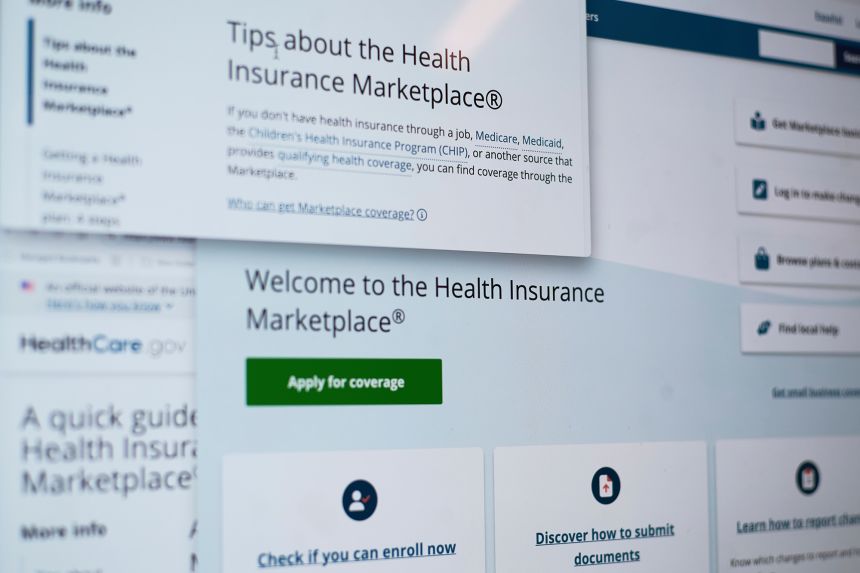
The White House says the Biden administration collected user fees from insurers that were far higher than needed to run the federal exchange. Those fees, the administration argues, were passed on to consumers as higher premiums. Trump has called the enrollees “wrongly overcharged.”
The money comes from roughly $1.2 billion in unspent user fees that piled up before Biden took office in 2021. The first Trump administration had cut spending on enrollment assistance, marketing, the healthcare.gov website, and the federal call center, so the surplus grew. The Biden administration later spent heavily on those operations as enrollment nearly doubled to about 22 million people.
Health policy experts dispute the overcharge claim. Jonathan Oberlander, a professor at the University of North Carolina at Chapel Hill, told CNBC that the fees went up and down across administrations and were at times lower under Biden than under Trump’s first term.
The letter inside the envelope makes the political case directly. “For years, the Biden Administration overcharged you to fund the operation of HealthCare.gov,” Trump writes. “That money belongs to hard-working Americans, not the Government, and now, I am returning it to you.”
Who Qualifies for the Trump $500 Check
Residency in one of the 30 states is not enough. Only enrollees who did not receive federal premium subsidies qualify.
The primary recipients are people earning above 400% of the federal poverty line — roughly $63,000 for an individual and $129,000 for a family of four. Some people earning between 100% and 400% of the poverty line who received no subsidy will also get a check, according to an administration official who spoke to ABC News.
Families with more than one affected person may receive multiple $500 checks, according to CNBC. The payments are issued per person, not per household. The checks are mailed, not deposited electronically, and they arrive with the letter dated Sept. 30.
The 30 states are Alabama, Alaska, Arizona, Arkansas, Delaware, Florida, Hawaii, Indiana, Iowa, Kansas, Louisiana, Michigan, Mississippi, Missouri, Montana, Nebraska, New Hampshire, North Carolina, North Dakota, Ohio, Oklahoma, Oregon, South Carolina, South Dakota, Tennessee, Texas, Utah, West Virginia, Wisconsin and Wyoming.
Residents of the other 20 states will not receive checks. Those states run their own ACA exchanges, so the federal government did not collect user fees from them. Texas and Florida have the largest number of recipients — about 139,000 and 127,900 respectively, according to federal data shared with CNBC.
The Timing and the Politics
The checks land a little more than a month before the midterm elections, with Republicans fighting to hold Congress. Affordability has become a central theme of the cycle as inflation stays high, interest rates rise, and gasoline prices climb amid the Iran war.
The Trump $500 check is separate from a $5,000 dividend Trump promised to all adult Americans if Republicans keep the House and Senate. Whether he can deliver that larger payment remains an open question.
The refunds arrive as millions of households absorb premium spikes after the enhanced ACA subsidies expired at the end of 2025. Congressional Republicans blocked Democratic efforts to extend them. Premiums are set to rise again for 2027, and open enrollment begins Nov. 1 — just before voters go to the polls.
In a video announcing the rebates, Trump said the $500 would cover the premium spike “in many cases.” KFF, a nonpartisan health policy research group, found that some enrollees saw monthly costs rise by far more than $500.
Gerard Anderson, a professor at Johns Hopkins Bloomberg School of Public Health, told ABC News the payment “does not target the people most likely to have been harmed by the policy changes made by the administration, including the end of the tax credits.” He noted the check amount is not tied to a person’s medical condition, which drives premium costs.
Oberlander was blunter. He called the policy “damage control” for the White House and wrote that it is “less about health policy and much more about the 2026 Congressional elections.”
What Comes Next
The administration is also cutting the user fee that funds the exchange — from 2.5% in 2026 to 1.9% for 2027. The White House argues that will lower premiums. Critics counter that a $500 one-time payment does little against annual cost increases that can run into the thousands.
For the roughly 950,000 people now watching their mailboxes, the envelope is a windfall. For the other 18 million-plus Americans on ACA coverage, it is a reminder of how narrowly the relief was drawn. And for Republicans facing voters in November, it is a bet that a check signed by the president — arriving just before the midterms — will be remembered at the ballot box.
The letter ends with a promise. “I will never stop fighting to put the American People FIRST,” Trump writes. Whether the Trump $500 check buys the political goodwill it was designed to deliver will be settled on Election Day.
Related Articles
- OPay Impersonation: Woman Arraigned in Lagos Court
- Digital Postcode: NIPOST’s 11-Character Code to Boost Business
- Honda Restructures Nigeria Operations: What HAWA Merger Means for Parts Buyers
- OPay National Innovation Challenge: Top 10 Teams Share N18m
- Best iPhone 18 Pro Cases: Top Picks for Protection
FIRST TIME REACTIONS:
Be the first to leave us a comment – Trump $500 Check Hits Mailboxes: Who Qualifies, down the comment section. Click allow to follow this topic and get firsthand daily updates.
JOIN US ON OUR SOCIAL MEDIA:
-

 Startups1 month ago
What a Successful Dangote Refinery IPO Really Says
-
Savings & Investing6 days ago
Hidden Medicare Fees Draining Your Retirement Savings
-
Health and Fitness3 weeks ago
Curly Hair Hydration: 5 Proven Steps That Actually Work
-
Tech & Gadgets4 weeks ago
Apple Watch and AirPods Fall Deals: Save $120 Today
-
University Admissions1 month ago
UNILAG 2026/2027 Admission: Direct Entry & Post-UTME Guide
-
Football1 month ago
South Carolina vs Alabama: Tide Roll to 35-10 Halftime Lead
-
Trending Entertainment News3 weeks ago
Taylor Swift Joins Beatles as Only Acts With 100 Weeks at No. 1
-
Football1 month ago
Mexico vs Colombia 2026: Márquez Debut Ends in Defeat