Phone Reviews
iPhone Duo Pre-Order: 5 Steps to Secure Yours
iPhone Duo pre-order starts today at $1,999. Follow these 5 steps to secure launch-day delivery on October 23. Trade-in deals up to $1,200.


The iPhone Duo pre-order window is open right now, and if you want one on launch day, you need to move. Apple’s first foldable iPhone starts at $1,999 for 256GB, and the first units ship October 23. Pre-orders are live on Apple’s website and the Apple Store app in more than 70 countries, including the US, UK, India, China, Japan, Germany, and Brazil. Carriers like Verizon, AT&T, and T-Mobile are also taking orders.
This guide walks you through the exact steps to lock in your iPhone Duo pre-order, avoid the queue headache, and squeeze the most value out of trade-ins and carrier deals. You will need an Apple ID, a payment method, and about 15 minutes.
Step 1: Use Get Ready Before You Order
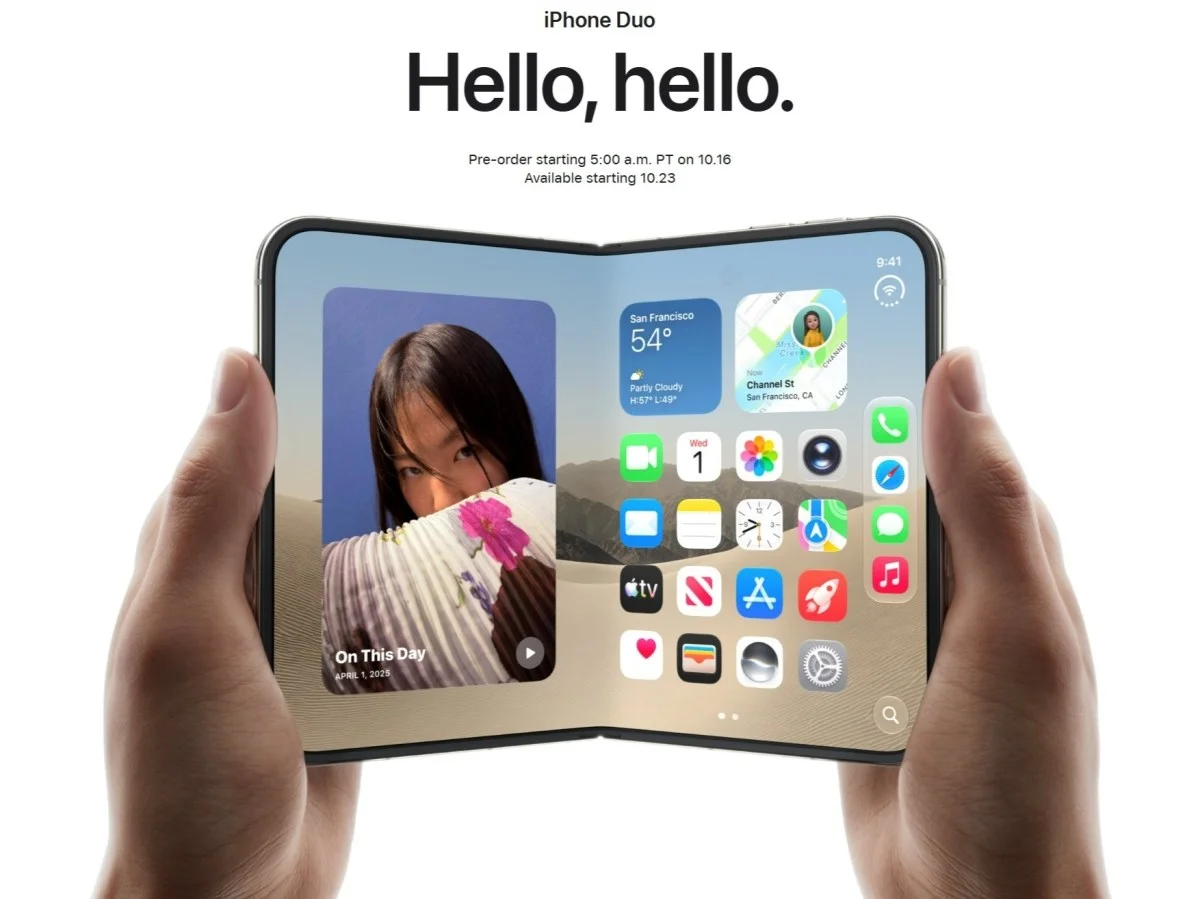
Apple’s Get Ready feature lets you configure your iPhone Duo, pick a color, choose storage, and arrange trade-in details before checkout opens. According to Apple’s newsroom, customers who saved their choices to the shopping bag before 9 p.m. PT on October 15 could check out with a single click once pre-orders went live.
If you missed that deadline, you can still use Get Ready now. The Apple Store app and website let you pre-save shipping, color, storage, and trade-in info. That saves you from fumbling through forms while stock disappears.
Step 2: Decide on Storage and Color
The iPhone Duo comes in two colors: star white and night sky. Storage tiers are 256GB ($1,999), 512GB ($2,199), 1TB ($2,599), and 2TB ($3,199). The 256GB model is the volume seller, so it will likely sell out first. If you shoot a lot of video or plan to use the Duo as a tablet replacement, 512GB is the safer pick.
Step 3: Check Trade-In and Carrier Deals
Apple Trade In gives you an instant credit between $175 and $885 when you trade in an eligible iPhone 13 or newer. That credit lowers your monthly payments through Apple Upgrade, Apple Card Monthly Installments, or a carrier deal.
Carrier offers are aggressive. Verizon bundles the device with an unlimited plan for $72 per month. AT&T offers up to $1,200 off with a trade-in and a new plan. T-Mobile offers up to $1,000 off with a trade-in and a new plan. Read the fine print on all of them, because the maximum discount usually requires a premium unlimited plan.
Step 4: Consider Apple Upgrade Leasing
Apple Upgrade, provided by Klarna, offers 12- and 24-month lease options. A 24-month lease for the iPhone Duo starts at $57.99 per month, excluding taxes and trade-in credit. At the end of the term, you can upgrade to the latest model, buy the device outright, or return it and exit the program. This is the cheapest monthly entry point if you do not want to pay full price upfront.
Step 5: Order Fast and Refresh the Store
Apple is bringing the Apple Store back online in waves. If you do not see the iPhone Duo pre-order option immediately, refresh both the website and the app. MacRumors notes that customers who used Get Ready should be able to check out with a couple of taps. 9to5Mac confirms that the first orders arrive October 23.
If you are stuck in a queue, try switching between the website and the app. Apple’s global content delivery system spins up in data centers at different times, so some buyers see the store before others.
What You Get for the Money
The iPhone Duo has a 5.4-inch outer display that unfolds into a 7.6-inch inner display. It runs on the A20 Pro chip and has a dual-camera system with a 48MP Main and 48MP Ultra Wide. There is a Center Stage front camera and a FaceTime camera under the inner display. It is IP68 water and dust resistant, and at 5.2mm unfolded, it is Apple’s thinnest iPhone ever.
The hinge has more than 100 components and supports multiple angles. The frame is aluminum and titanium with ceramic fiber antenna inserts. It uses Touch ID instead of Face ID, and there is no telephoto lens. iOS 27 adds Split View multitasking, StandBy mode on either display, and Siri AI with onscreen awareness.
Should You Buy AppleCare+
Yes, and this is not optional for most people. Some iPhone Duo repair fees reach $1,499 without a protection plan. AppleCare+ covers drops, spills, and in some regions theft and loss. AppleCare One Individual extends coverage to two more devices at the same monthly price. In the US, AppleCare One Family covers every eligible Apple product in your Family Sharing group.
What to Do If It Sells Out
Rumors suggest iPhone Duo supplies are limited due to production issues. If launch-day delivery slips, you have options. Check carrier inventory, which sometimes moves slower than Apple’s own store. You can also visit an Apple Store in person. Apple retail stores will customize the boot-up of your device with your name, so it says “Hello, Mark” when it turns on. That perk is US only, Duo only, and works in English and Spanish.
If you order online and delivery dates stretch into November, keep your order. Apple often improves shipping estimates as production catches up. Canceling and reordering usually puts you further back in line.
One More Thing to Check
New and qualified returning subscribers who buy an iPhone Duo can get three months of Apple One for free. That bundles Apple TV, Apple Music, up to 2TB of iCloud+ storage, and more. It is a small perk, but it adds up if you were already paying for those services separately.
The iPhone Duo pre-order is live now. The 256GB model at $1,999 is the one most people will want, and it is also the one most likely to disappear first. If you have been waiting for Apple’s first foldable, this is the moment to act. Set a reminder, open the Apple Store app, and finish your iPhone Duo pre-order before the delivery window slides.
Frequently Asked Questions (iPhone Duo pre-order)
When does the iPhone Duo go on sale?
Pre-orders are live now. Shipments and sales begin October 23 in over 70 countries, with 28 more countries starting October 30.
How much does the iPhone Duo cost?
The iPhone Duo starts at $1,999 for 256GB. Storage tiers go up to 2TB at $3,199. Carrier deals can bring the monthly price down to $55 per month with trade-in.
Does the iPhone Duo have Face ID?
No. The iPhone Duo uses Touch ID instead of Face ID, and it has a two-lens camera system without a telephoto lens.
Related Articles
- Ukrainian drones hit Russian data centers: Yandex outages
- Kojima on Joker 2: Why the Divisive Flop Will Age Well
- GBU-43/B MOAB: Why This 21,600-lb Bomb Won’t Crack Iran
- Tems: Writing Music Helps Me Heal, Release Pain
- Big Walk Dev Explains Lack of Xbox: A Masterstroke or Missed Opportunity?
 Follow AFRILATEST on Google News
FIRST TIME REACTIONS:
Be the first to leave us a comment – iPhone Duo Pre-Order: 5 Steps to Secure Yours, down the comment section.
JOIN US ON OUR SOCIAL MEDIA:









Phone Reviews
reMarkable Super Bundle: What Nigeria Buyers Should Know
reMarkable Super Bundle takes $300 off two e-ink tablets, but subscription fees and no Nigerian retail route raise hard questions for African buyers.


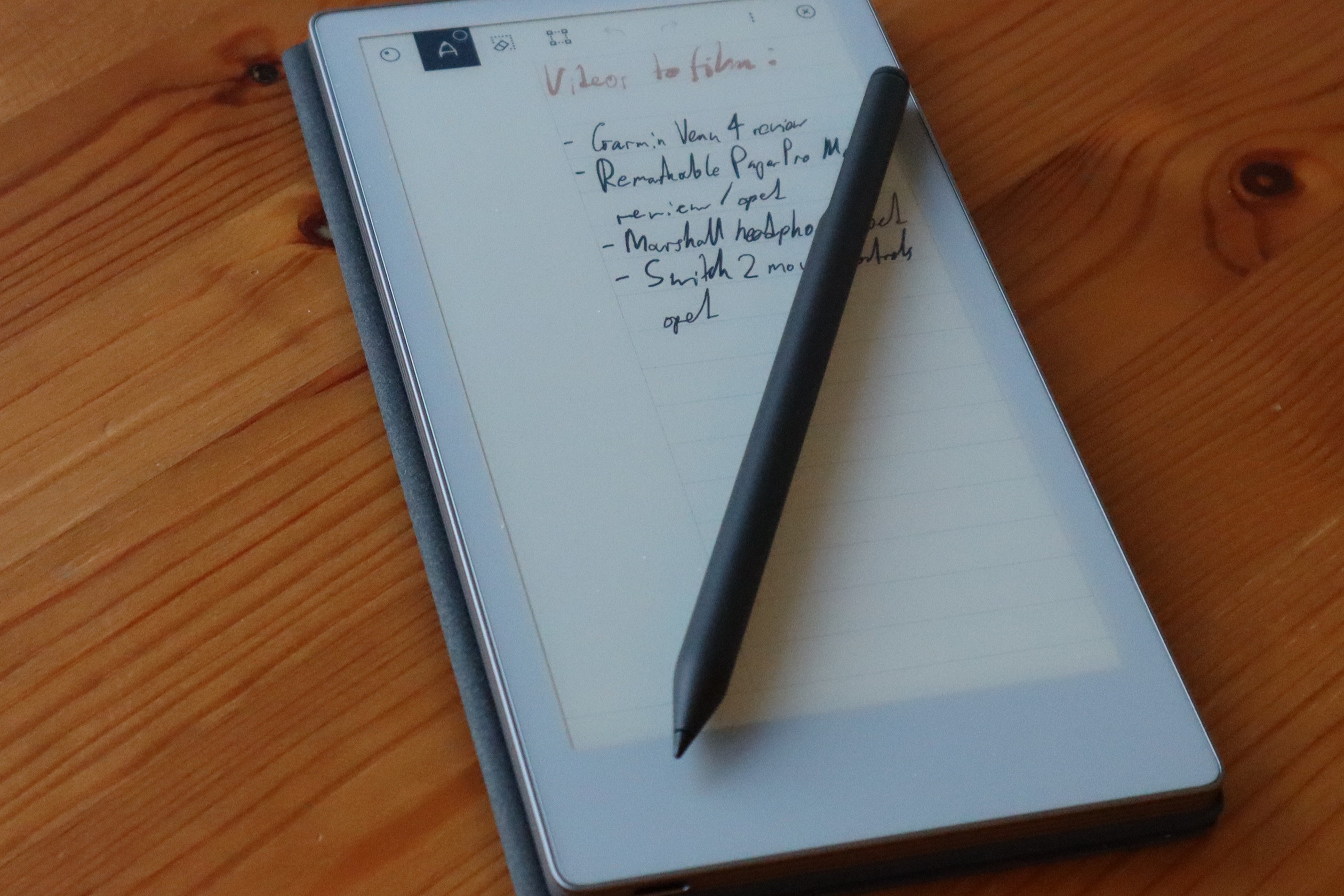
The reMarkable Super Bundle is now on sale: a Paper Pro and a Paper Pro Move, each with a Marker Plus stylus and a leather folio, at $1,098 after $300 off. For Nigerian and African buyers, the discount is not the difficult part. The difficult part is working out what the device costs once it leaves a warehouse in the United States or Europe, and what the subscription adds afterwards.
What The reMarkable Super Bundle Actually Contains
Two tablets, two styluses, two covers. That is the entire offer. It pairs the full-size Paper Pro with the 7.3-inch Paper Pro Move, and reMarkable prices the pairing $300 below list, according to Good e-Reader. It is sold only on reMarkable.com.
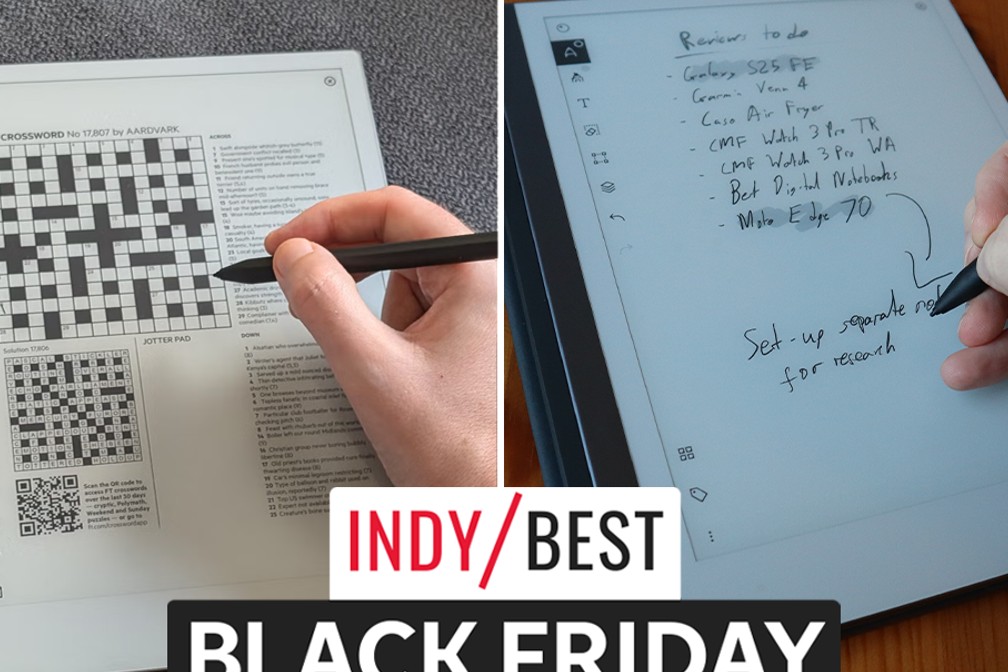
Buyers who want one device instead pay $100 below list on either model. A Paper Pro with Marker Plus and a Mosaic Weave folio is $679, down from $779. The same tablet with a premium leather folio is $699; with a Type Folio, $729. The Move bundle runs $469 with Mosaic Weave and $499 with leather.
The dates differ by region. Offers open 16 November 2026 globally, but 19 November in the United States and Canada, and everything closes on 1 December 2026. The US promotion runs through reMarkable’s own store and major retailers, Best Buy and Amazon.com among them.
Three Things The Sale Excludes
The discount is not universal, and the exclusions say more about reMarkable’s intent than the headline saving does. Standalone tablets, sold without a folio, carry no markdown. The monochrome Paper Pure is excluded. The older reMarkable 2 is also excluded from the official sale, though it survives at third-party retailers and as a $399 refurbished bundle sold directly.
Read the pattern: the money comes off bundles, not devices. Anyone who already owns a folio, or who wants a tablet without a cover, gets nothing. This is a price architecture that pushes customers toward the top of the range and toward accessories, and that decision matters more than the $300 figure.
Sponsored Praise Versus Independent Trade-Offs
The most enthusiastic coverage of this sale is not independent. The IGN article describing the bundle carries an editor’s note stating the piece is sponsored by reMarkable. That does not make its facts wrong, but it does mean the praise, the paper-feel framing and the “standout” language, is marketing placed in a news slot.
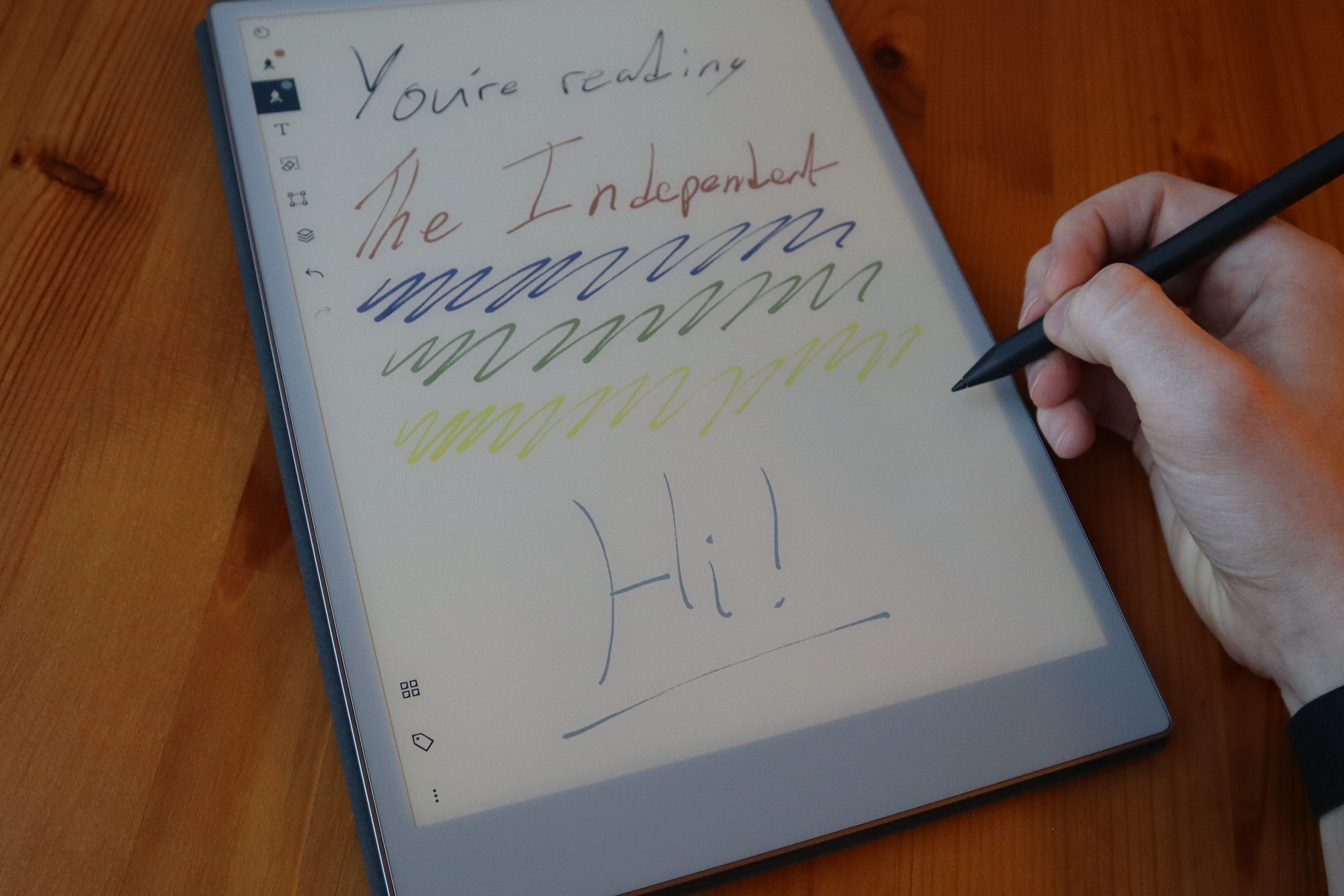
The Independent’s deals coverage sits closer to a shopping guide. It cites its reviewer choosing the Paper Pro as the best premium digital notebook and the Move as the pick for writers, largely on weight. The same guide concedes that the final saving depends on the stylus and folio finish selected, with the Marker Plus adding £40 and the premium leather folio £30 over the Mosaic Weave version. Its own breakdown lists Move bundle savings of £19 or £29 depending on finish, alongside a headline claim of £100 off, a gap the article does not reconcile.
Good e-Reader, which covers the e-ink trade rather than the deal, is blunter. Its reviewers note the Move’s high price, its narrow 16:9 aspect ratio, and its reliance on a paid subscription for full search and cloud features, as detailed in its Black Friday sale breakdown. For the Paper Pro, the listed criticisms are muted screen contrast, added weight, edge wear on the leather folio, and the same subscription requirement.
One Specification Still Unsettled
The two accounts do not agree on the Paper Pro’s screen. The IGN piece describes a 10.3-inch display. Good e-Reader describes an 11.8-inch colour canvas. Both describe the same product in the same sale window, and the conflict cannot be resolved from the published material.
That is not a small detail. Screen area is the deciding factor for buyers who annotate full-size PDFs, which is exactly the customer this bundle targets. Anyone buying before 1 December should check the specification on reMarkable’s own product page rather than rely on any outlet’s summary.
Why This Lands Awkwardly In Nigeria
No Nigerian retailer, naira price, or African distribution channel appears in any of the coverage reviewed. The stated retail footprint is reMarkable.com plus US retailers. A Lagos buyer is therefore importing, and $1,098 is a pre-shipment, pre-duty, pre-clearing number. None of the sources state shipping costs to Africa, import duty treatment, or local warranty terms.
The subscription is the second currency exposure. Good e-Reader’s reviews place full search and cloud features behind a paid plan. That is a recurring dollar charge stacked on a one-off hardware purchase, and it is the part of the cost that does not expire on 1 December. It hits the professionals who most need the device hardest: lawyers, doctors, researchers and journalists who spend their days marking up long documents and would otherwise print them.
Set against that, the case for the bundle rests on the stylus and folio being genuinely wanted. Two tablets at $1,098 is an odd purchase for one person. The bundle makes commercial sense mainly as a shared buy between two users, or as a gift split. reMarkable frames it either way, which is not a recommendation.
What To Watch
Two dates and one document. The 1 December 2026 close will show whether reMarkable extends the promotion or lets it lapse. Any announcement of African distribution or authorised resale would change the landed-cost calculation far more than another $100 off.
The document to watch is the subscription terms for this sale cycle. Until those are published, the true cost of owning a reMarkable Super Bundle outside the US and Europe remains an estimate, not a price.
Frequently Asked Questions
What is included in the reMarkable Super Bundle?
A reMarkable Paper Pro and a reMarkable Paper Pro Move, two Marker Plus styluses and two premium leather folios. The price is $1,098 after a $300 discount, and it is available only on reMarkable.com.
When does the reMarkable Black Friday sale end?
Offers close on 1 December 2026. They open on 16 November 2026 globally, and on 19 November 2026 in the United States and Canada, where they run through reMarkable’s store and US retailers including Best Buy and Amazon.com.
Can you buy a reMarkable tablet in Nigeria?
No Nigerian retailer, naira price or African distribution channel appears in the published coverage. The stated retail footprint is reMarkable.com plus US retailers, so a Nigerian buyer is importing, and shipping, duty and local warranty terms are not stated in the sources.
Does reMarkable require a paid subscription?
Reviewers cited by Good e-Reader say full search and cloud features sit behind a paid subscription on both the Paper Pro and the Paper Pro Move. The hardware discount does not change that recurring cost.
FIRST TIME REACTIONS:
Be the first to leave us a comment – reMarkable Super Bundle: What Nigeria Buyers Should Know, down the comment section.
JOIN US ON OUR SOCIAL MEDIA:

About Paul Nwogo
Paul Nwogo is an engineer, published author, and the Head Manager at AfriLatest. He has written numerous books available on Amazon covering a diverse range of topics, including health, personal finance, relationships, work ethics, and scam survival. With his technical background and passion for writing, Paul now oversees the editorial direction of AfriLatest, delivering practical, accurate, and engaging content on trending news, music, and global lifestyle topics.
View all articles by Paul NwogoPhone Reviews
ServiceNow AI Review: What BNP’s Demand Call Misses
ServiceNow AI demand is rising, says BNP Paribas. A practical review of what the platform actually does, what it costs, and where the evidence is thin.


ServiceNow is an enterprise workflow platform that runs IT help desks, HR casework and security operations, and now sells ServiceNow AI features built to automate that work and oversee other AI agents. BNP Paribas argues demand for those features will push the company into a second growth phase.
That is a business claim. The more useful question for anyone actually buying the software is narrower: which of these ServiceNow AI features demonstrably work, at what cost, and under what conditions?
The Evidence Behind The ServiceNow AI Demand Call
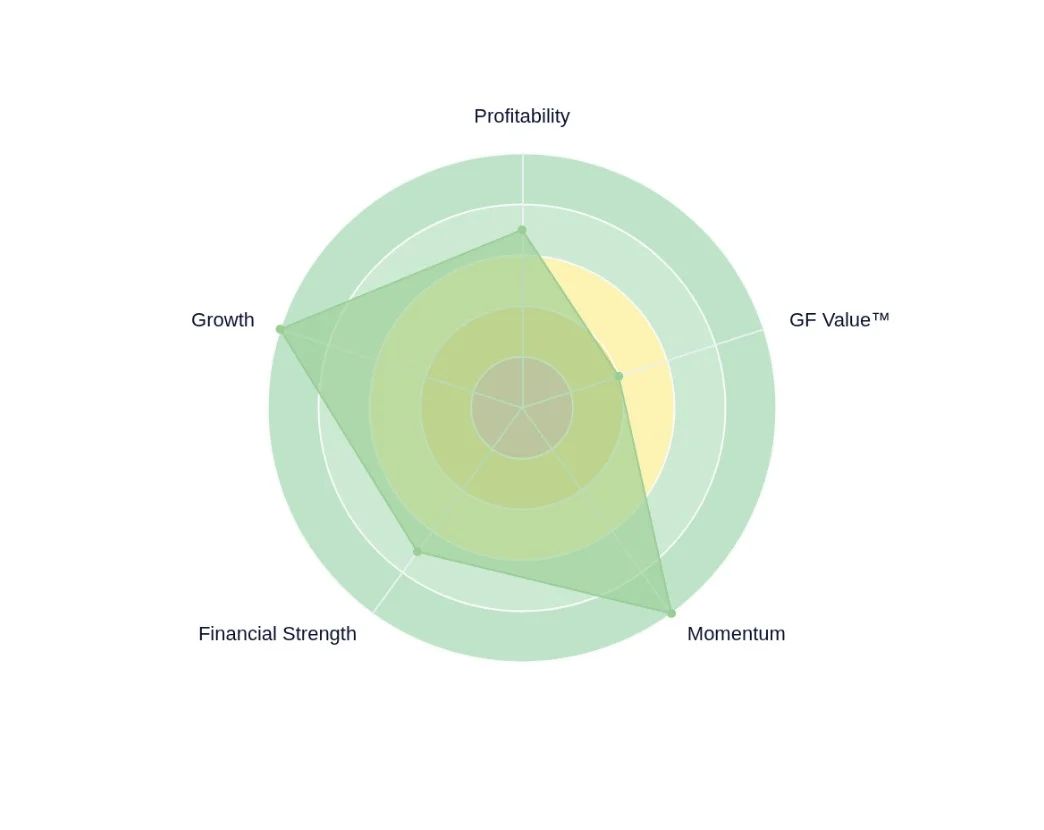
BNP analyst Stefan Slowinski reiterated an Outperform rating and raised his price target to $160 from $140, arguing organic subscription growth holds near 19% through the end of fiscal 2026 and that AI revenue reaches roughly 9% of annual recurring revenue by year-end, according to GuruFocus. He compared the setup to Atlassian’s recent re-rating.
The underlying evidence came from customer and partner conversations at ServiceNow’s World Forum in London. One partner, Slowinski wrote, was saving “30-40% on its IT help desk by using ServiceNOW, allowing it to cut its spending with a BPO supplier.” Partners were hiring aggressively in their ServiceNow practices. One large partner said ServiceNow had become its fourth-largest US practice, behind Microsoft, SAP and Oracle, per Seeking Alpha.
Read that carefully. The 30-40% figure is a single partner’s self-report, relayed second-hand by an analyst, with no baseline disclosed: no headcount, no ticket volume, no statement of whether the saving is gross IT cost or the narrower line item of outsourced BPO spend. It is plausible. It is also not independent testing.
A second analyst team, UBS, spoke to ServiceNow partners too and reached a more guarded read: interest in AI products including AI Control Tower is increasing, but “the impact on actual spending remains limited so far.” UBS lifted its target to $150 from $110 and kept a neutral rating, Yahoo Finance reported. Same method, same quarter, opposite emphasis. Neither note substitutes for a proof of concept on your own data.
How The Platform Is Actually Used

The functions BNP lists are concrete and testable: auto-assigning work, deflecting cases before they reach a human, and rewriting knowledge articles so AI systems can consume them. Inside an IT help desk those translate into hard numbers: tickets deflected per month, mean time to resolution, percentage of article content reused by an assistant.
That is where buyers should aim scrutiny. Ask for a deflection rate on your own ticket taxonomy, not a vendor benchmark. Ask whether auto-assignment changes routing only or actually resolves the case. ServiceNow reports third-quarter results on Wednesday, 28 October, and the stock had gained roughly 6% this year while sitting about 1% lower on the Monday before publication, so the market is not yet pricing the acceleration BNP predicts.
How To Use It Without Overpaying
The April price changes moved customers into Foundation, Advanced and Prime tiers, with AI now included in each. BNP quotes a partner saying there is “no reason not to try it” as a result.
That is bundling logic, not a discount. The tier is the price. The source material does not disclose what any of the three tiers costs, so the honest position for a buyer is to get the delta between your current contract and the tier containing the ServiceNow AI you actually need, in writing, before agreeing to a pilot. Bundled AI is not free AI; it is AI priced into a subscription you can no longer unbundle.
The Costs And Risks The Analyst Notes Skim
Control Tower, the product for overseeing AI agents and their activity, drew high interest but adoption “remained at an early stage,” by BNP’s own account. UBS repeated the point. Governance tooling for AI agents is being sold ahead of the agents it governs. A buyer paying for capacity that cannot yet be used is absorbing roadmap risk.
Growth is also coming mainly from renewals, expansion inside existing accounts, upgrades to premium tiers and usage-based pricing, not from new customers, according to UBS. That is a fine model. It does mean the platform’s reach is not widening as fast as the headline suggests.
Third, the demand picture is geographically narrow. The World Forum was in London, the quoted partner was describing its US practice, and the US federal government is named as a catalyst. Nothing in these notes addresses African deployments, local-currency pricing, data residency or connectivity constraints. For a Nairobi or Lagos enterprise, a US-dollar annual contract on a depreciating local currency is a materially different purchase than it is for a Chicago insurer. The BNP note should not be read as a buying signal in markets the research never covered.
Pros And Cons Of The Current Pitch
Pros: the ServiceNow AI claims about deflection and auto-assignment are specific and measurable; AI now sits in every tier, which lowers the entry decision; renewal-driven growth shows existing customers are renewing and expanding; and security plus governance could add a second engine, with BNP expecting security to approach 10% of revenue in 2027.
Cons: the marquee savings figure is one unverified partner anecdote; measured impact on spending is, by UBS’s read, still limited; Control Tower adoption is early; tier pricing is absent from the source material; and the research base excludes African market conditions entirely.
Alternatives
For mid-market buyers who need ticket deflection rather than a single platform across IT, HR and security, the relevant comparison is to narrower ITSM and help-desk tools, or to the BPO arrangement that partner reduced rather than eliminated. ServiceNow’s pitch is consolidation. If your operation is one help desk and 40 agents, consolidation is not your problem.
Who Should Use It, And Who Should Walk Away
Large enterprises already running ServiceNow, with existing contracts and a defined help desk, should test the ServiceNow AI features as a renewal lever, with deflection rates written into the pilot agreement and a baseline captured before anything is switched on. Organisations evaluating their first workflow platform should start smaller. African buyers without a local reference customer should treat the ServiceNow AI demand story as a vendor-side narrative until they hold their own numbers.
The 28 October earnings call will produce real figures on subscription growth and AI revenue. Until then, the strongest public evidence is one partner’s 30-40% claim. That is a claim, not a test.
Frequently Asked Questions
What does ServiceNow actually do with AI today?
According to BNP Paribas’ partner conversations, the proven uses are auto-assigning work, deflecting cases before they reach a human, and rewriting knowledge articles so AI systems can consume them. A separate product, AI Control Tower, helps companies oversee AI agents, but both BNP and UBS describe its adoption as early stage.
Is ServiceNow AI included in the subscription price?
Following April price changes, customers moved to Foundation, Advanced and Prime tiers with AI included in each. That is bundling, not a discount: the cost is carried in the tier price, and the source material does not disclose what any tier costs.
How reliable is the 30-40% help desk saving figure?
It is one partner’s self-report, relayed second-hand by BNP analyst Stefan Slowinski, with no disclosed baseline, ticket volume, headcount or definition of which costs were cut. It is plausible but not independently verified, and UBS’s separate partner checks found AI spending impact still limited.
FIRST TIME REACTIONS:
Be the first to leave us a comment – ServiceNow AI Review: What BNP’s Demand Call Misses, down the comment section.
JOIN US ON OUR SOCIAL MEDIA:

About Xavier Catherine
Xavier Catherine is the Technology Lead at AfriLatest. With a background in computer science and a focus on innovation, he oversees the platform's technology infrastructure. Xavier also contributes reporting on AI, gadgets, and cybersecurity, ensuring AfriLatest remains secure, reliable, and user-friendly.
View all articles by Xavier CatherinePhone Reviews
Claude Duet Review: What Anthropic’s Agent Actually Changes
Claude Duet is Anthropic’s proactive agent, live in a US-only research preview. What it changes for users, what it costs, and how it stacks up to Muse and Dots.

Claude Duet is Anthropic’s always-on personal agent: a standalone app for iOS, Android and the web that messages you before you message it, works inside your connected apps, and keeps running after you close it.
That is the product in one line. Everything else in the launch material is a claim, and the gap between the two is where a buyer should look. Anthropic announced Claude Duet in late October 2026 as a research preview with a waitlist, restricted to Claude Pro and Max subscribers in the United States. Reporters covering the launch did not even agree on whether the announcement landed on a Tuesday or a Wednesday, which is a small reminder that basic facts are worth checking against Shattered and Business Insider rather than a single post.
The useful question is not whether Anthropic has an agent. It does, and it is the third major US lab to ship a consumer-facing one. The question is what the agent demonstrably changes for a person using it, and what it quietly takes away.

What Claude Duet Actually Does, Per Anthropic’s Own Wording
Anthropic’s product description is unusually specific about behaviour, and specific claims can be tested. The agent surfaces what it judges needs attention, completes tasks a user asks for, continues working on a cloud-based computer while the user is away from the device, and asks before acting.
The approval gate covers four categories: sending a message on the user’s behalf, making a payment, signing a document, and deleting anything. That is a narrow bright line, and it is the most concrete design decision in the whole launch. Lower-stakes work, meaning research, drafting, monitoring and the morning brief across connected apps, runs without a checkpoint.
Anthropic also stated that the preview “can still misjudge what’s urgent.” That admission matters more than any benchmark slide. A triage agent that pings you about the wrong thing has failed at its core job, and no published figure exists for how often that happens.
Memory, skills and connected apps carry over from the existing Claude account, so there is little setup. That continuity is a switching-cost argument dressed as a convenience feature: the more a user has taught Claude, the more expensive it becomes to leave.
Persistence, not conversation, is the actual change. A user who closes the app and returns to find work done has experienced something a chatbot cannot deliver. A user who receives a tidy morning brief has experienced a notification. The two get marketed together. Only the first is new.
What Has Not Been Published
No standalone price. No figure for how much of a plan’s usage allowance a typical session burns, though Anthropic confirms background agent activity counts against existing limits. No task success rates. No confirmation of what happens to access when the preview ends. And no third-party integration count, unlike OpenAI’s Dots, which launched wired into a reported 4,000-plus applications.
Claude Duet Ships Into A Very Narrow Door
Access is the constraint that shapes everything. Pro and Max subscribers in the US, by waitlist, with no Team or Enterprise tier.
That last exclusion is odd given the demo tasks: finding unpaid invoices and drafting reminders, preparing payroll data for a manager’s review, getting contracts ready to send out. Those are small business operations, not personal inbox hobbies. A Lagos consultancy chasing receivables is exactly the user the described features serve, and exactly the user the rollout excludes. No US subscription, no waitlist entry, no agent.
For Nigerian and other non-US users, the practical position today is unchanged. Claude remains a chat and coding assistant billed in dollars on Pro and Max tiers, with no agent layer attached. Anything promising local access to the preview should be treated as unverified until Anthropic says otherwise.
The “no new bill” framing also deserves scrutiny. Access is bundled into existing subscriptions, so there is no new line item, but background agent work draws on the same quota a subscriber would otherwise spend on conversation. Anthropic has not said how much. Heavy users may find the real cost is not money but a plan that runs dry faster.
How Claude Duet Compares With Muse And Dots
Meta shipped Muse on 8 September 2026, pushed it toward smart glasses at Meta Connect, and released Muse Wonder and Muse Wonder Full in October. Apptopia estimated more than 14 million Muse installations by launch week. OpenAI unveiled Dots at DevDay with a persistent cloud computer and a large integration catalogue.
Anthropic arrives last, with the smallest footprint and the most conservative guardrails. It also arrives with one genuine differentiator: Opus 5.5, the model it built the agent around, which Tech Insider reported hit 65.15% on Terminal-Bench 4.0. Spending a flagship reasoning model on background triage is expensive, and it signals Anthropic treats “what needs you” as a reasoning problem rather than a scheduling filter.
Skepticism is warranted elsewhere. That Duet’s product lead, Karan Ahuja, used Duet to build Duet is an anecdote from the person with the strongest incentive to praise it. Meta’s Alexandr Wang answered with a meme about the resemblance to Muse, which is evidence of a rivalry, not of a product. And Anthropic’s reported path toward an IPO at a valuation of up to $2 trillion says nothing about whether the agent works.
Who Should Use Claude Duet, And Who Shouldn’t
US-based Pro and Max subscribers with judgement-heavy administrative work, meaning invoices, scheduling, drafting and inbox monitoring, should join the waitlist. The downside is limited: no new bill, an approval gate on the four riskiest actions, and a preview label that sets expectations honestly.
Everyone else should plan around tools they can actually install. Teams and businesses on Claude should assume no access until the preview is extended. Users outside the US should not rebuild workflows around a waitlist they cannot join, and Nigerian SMEs weighing agents should compare Dots’ and Muse’s broader integration coverage against Claude Duet’s narrower, more cautious design before paying for any tier.
The verdict is narrow because the product is. Claude Duet changes one thing that can be verified, namely that work continues while the app is closed, and asks to be trusted on a dozen others. Judge it on the first, and ignore the valuation headlines until someone publishes a number that a user can check.
Frequently Asked Questions
Is Claude Duet available in Nigeria?
No. Anthropic has restricted the research preview to Claude Pro and Max subscribers in the United States, accessed through a waitlist. Team and Enterprise plans are also excluded for now, and Anthropic has said it plans to broaden availability later without giving a date.
How much does Claude Duet cost?
Anthropic has not published a standalone price. Access is bundled into existing Claude Pro and Max subscriptions, but background agent activity counts against the usage limits tied to that plan. Anthropic has not disclosed how much of an allowance a typical session consumes.
What is the difference between Claude Duet and Meta Muse or OpenAI Dots?
All three are persistent agents that work outside a chat window. Muse leans on Meta’s distribution and passed an estimated 14 million installations by launch week. Dots launched with a persistent cloud computer and a reported 4,000-plus connected apps. Claude Duet arrives last and smallest, but with a narrower approval gate on messaging, payments, signatures and deletions, and a flagship Opus 5.5 model behind its triage decisions.
FIRST TIME REACTIONS:
Be the first to leave us a comment – Claude Duet Review: What Anthropic’s Agent Actually Changes, down the comment section.
JOIN US ON OUR SOCIAL MEDIA:
About Xavier Catherine
Xavier Catherine is the Technology Lead at AfriLatest. With a background in computer science and a focus on innovation, he oversees the platform's technology infrastructure. Xavier also contributes reporting on AI, gadgets, and cybersecurity, ensuring AfriLatest remains secure, reliable, and user-friendly.
View all articles by Xavier Catherine-

 Car Reviews3 weeks ago
1955 Chevy Bel Air Restomod: What SEMA Really Proves
-
Celebrities4 weeks ago
Celebrity Traitors Final Predictions: Ex-Players On Tactics
-
Celebrities3 weeks ago
Hailey Bieber PMDD Diagnosis Followed Son Jack’s Birth
-
World News3 weeks ago
Céline Dion Air Bass At Metallica’s Sphere: What’s Confirmed
-
Health and Fitness4 weeks ago
Dylan Dreyer Hair Part Change: What’s Real And What’s Hype
-
Nigeria News3 weeks ago
NAJA Names Weststar Chairman Auto Legend For 2026