Football
AFCON Two-Year Cycle Restored: What CAF’s U-Turn Means
CAF has restored the AFCON two-year cycle after a unanimous EXCO vote. The money, the calendar gaps, and what it means for Nigeria and Africa.

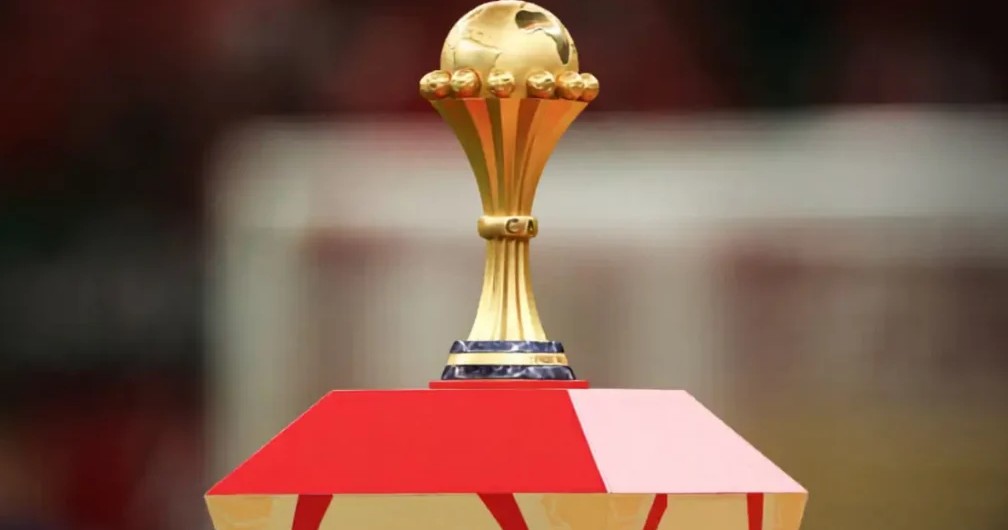
The Confederation of African Football has restored the AFCON two-year cycle, less than a year after announcing it would abandon it. The CAF Executive Committee approved the reversal unanimously, and president Patrice Motsepe confirmed the decision on Thursday, 29 October 2026, after the confederation’s Strategy Conference in Cabo Verde on 7–9 October.
The principals are not two clubs and an agent. They are CAF, its 54 member associations, and — by CAF’s own account — the African players employed by clubs outside the continent. The 2027 TotalEnergies CAF Africa Cup of Nations stays with Kenya, Tanzania and Uganda.
Why CAF Reversed Course On The AFCON Two-Year Cycle
The stated reason is the timing of money, not nostalgia. CAF had planned an Africa Nations League to run every two years and replace AFCON, which it intended to move to a four-year schedule. That plan was announced in December 2025.
By October, CAF’s assessment had changed. The confederation concluded the Nations League would need several years before it could generate the resources to make African football’s competitions globally competitive and financially self-sustaining.
Motsepe’s explanation, published on CAF’s website, put the member associations at the centre: “The decision by the CAF EXCO that the CAF AFCON should take place every Two Years was based on advancing, protecting and promoting the interest of African Football and CAF’s 54 Member Associations, as well as the interest of African players employed by Football Clubs outside Africa.
He added: “We were also concerned by the several years required before the proposed new Africa Nations League Pan-African competition … could make the substantial financial and football development contributions for African Football and CAF competitions to be globally competitive and self-supporting.” The announcement was carried by Punch alongside CAF’s own statement.
The Money Question CAF Would Not Defer
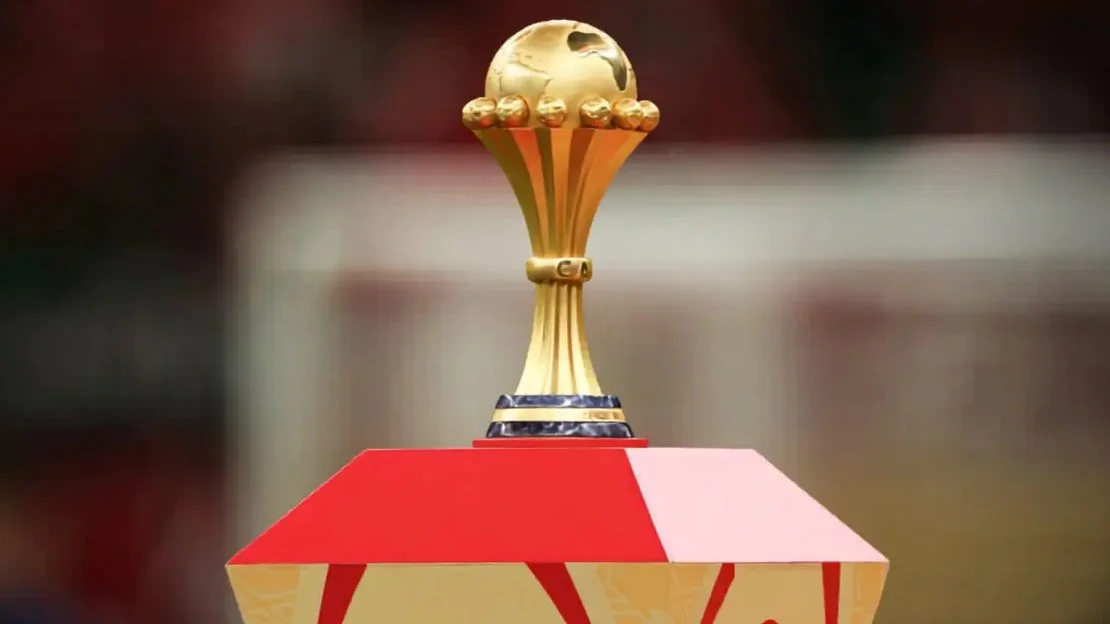
Read plainly, the reversal is a hedging decision. AFCON is a revenue engine that exists now. The Nations League was a bet on revenue that would arrive later. CAF chose to keep the engine running while leaving the bet on the table.
That matters because the four-year plan had high-level backing. FIFA president Gianni Infantino urged CAF to move AFCON to a four-year cycle in early 2020, and in December 2025 Motsepe announced exactly that, as ESPN reported. CAF this week also reaffirmed its support for Infantino despite outcry over botched plans for a FIFA commercial subsidiary managed with private investors. The reversal is therefore a rare case of CAF setting its calendar against the stated preference of the FIFA president.
What The Published Calendar Actually Says
The restored biennial format, as published, does not produce a two-yearly tournament. CAF’s confirmed editions are 2027, 2028, 2031 and 2033. The step from 2028 to 2031 is three years.
CAF’s justification is the World Cup. In line with FIFA tradition, continental national-team finals should not fall in a World Cup year, and the 2030 tournament is the constraint. Morocco World News noted that the announced dates mean some editions will be separated by three years despite the biennial label.
This is the part of the story that changes how the decision should be read. The guarantee CAF has given its members is not a fixed two-year rhythm. It is a fixture list in which the gaps are dictated by FIFA’s calendar.
What It Means For Nigeria And The Super Eagles
For Nigeria, the gain is structural rather than immediate. A flagship continental finals retained on the calendar keeps qualifying windows, broadcast inventory and sponsorship value in place — the assets the Nigeria Football Federation plans around. A four-year AFCON would have thinned all three while the Nations League found its feet.
The 2027 host arrangement is the other variable. Motsepe said he was confident Kenya, Tanzania and Uganda would deliver, while acknowledging problems in venue preparations that he said would be addressed. His reference point was Cameroon, the 2021 host that was widely doubted before the tournament and, in his account, delivered.
The unsigned element is 2028. The bidding process for that edition is underway, according to ESPN’s reporting, which means the second instalment of the restored cycle currently has no host. Nothing about that is complete, and it should not be described as settled.
How Likely Is The AFCON Two-Year Cycle To Hold?
Near-term, close to certain. The vote was unanimous, the announcement is official, and the decision protects CAF’s most bankable asset. Nothing in the current record supports a second reversal before 2028.
Medium-term, less settled. The Nations League has been demoted, not cancelled, and the 2028 host is unresolved. If a future CAF leadership revisits the Nations League as a revenue source, the four-year argument returns with it. That is speculation and should be labelled as such — no source in CAF’s statement points to a renewed review.
Read as a business decision, the AFCON two-year cycle is CAF buying time: keeping the tournament that pays for African football while it waits to see whether a replacement can ever pay for itself. For Nigeria and the other 53 member associations, the practical instruction is to plan qualifying and squad cycles against published dates, not against the word biennial.
Frequently Asked Questions
When is the next Africa Cup of Nations?
The next TotalEnergies CAF Africa Cup of Nations is scheduled for 2027, hosted jointly by Kenya, Tanzania and Uganda. CAF has confirmed subsequent editions for 2028, 2031 and 2033.
Does the two-year cycle mean AFCON is played every two years without exception?
No. The published editions are 2027, 2028, 2031 and 2033. CAF says continental national-team finals should not be staged in a World Cup year, and the 2030 World Cup creates a three-year gap between the 2028 and 2031 tournaments.
Why did CAF reverse its four-year AFCON plan?
CAF said the proposed Africa Nations League, which was meant to run every two years as a replacement, would take several years to generate the money needed to make its competitions globally competitive and financially self-sustaining. The Executive Committee voted unanimously to keep AFCON biennial.
Receive alerts for AFCON two-year cycle and more like it.
 Follow AFRILATEST on Google News
FIRST TIME REACTIONS:
Be the first to leave us a comment – AFCON Two-Year Cycle Restored: What CAF’s U-Turn Means, down the comment section.
JOIN US ON OUR SOCIAL MEDIA:

About James Williams
James Williams is the Content Director at AfriLatest. With a background in journalism and a love for storytelling, he curates compelling content and multimedia that resonates with global readers. James is dedicated to maintaining AfriLatest as a trusted source for daily news, sports updates, and entertainment trends.
View all articles by James Williams


Football
Mykhailo Mudryk Blames Ukraine Set-Up For Doping Ban
Mykhailo Mudryk blames Ukraine’s national team for his meldonium ban. What is confirmed, what is alleged, and why Nigerian sport should take note.


Mykhailo Mudryk is 25, on a season-long loan at Tottenham Hotspur from Chelsea, and back in professional football after a doping ban that erased the better part of two years from his career. The reason his case matters in Lagos and Abuja, not only in London, sits in the detail at the centre of his first full public account: the meldonium that triggered the ban, he says, reached him through a small cup of pills handed out by a nutritionist inside a Ukraine national team camp. That is a chain of custody African athletes and administrators have every reason to inspect closely.
Speaking on the Ukrainian YouTube channel Guest of Gordon, in a two-hour interview with journalist Dmitry Gordon, he was asked who he blamed for his absence. “The environment, the situation in the Ukrainian national team,” he said, according to BBC Sport. “It should never have existed. I probably haven’t said it publicly yet, but I’m saying it now.” Pressed on whether he blamed the national team directly, he answered: “Yes, exactly.”
Why The Mykhailo Mudryk Doping Case Travels To Nigeria
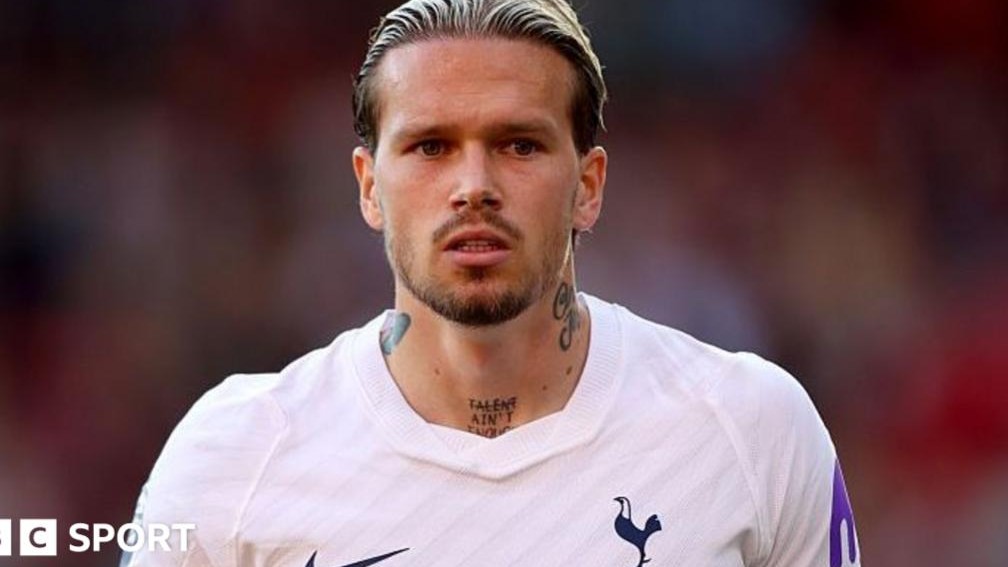
The mechanics of the allegation are the part that crosses borders. Asked how the substance entered his system, he told Gordon that Ukraine’s setup had “absolutely no security system”, unlike clubs where staff monitor hotel floors and team movements. He then described the routine, as reported by the Evening Standard: “In the Ukrainian national team we have a nutritionist who hands us pills every couple of days before games. He brings us a little cup. Everyone has to take the pills that are in that cup.”
The Premier League is Nigeria’s most followed football product, and Chelsea and Tottenham carry two of the largest supporter bases in the country. That alone puts the case in front of Nigerian readers. The harder question sits closer to home. Team-supplied supplements handed to athletes with no documentation, no batch records and no paper trail is a governance failure that has damaged Nigerian athletes at international level before, and it is the failure most likely to turn a routine national camp into a multi-year ban.
The legal counterweight is unforgiving, and it cuts against the player. Sports Illustrated, analysing the case, cites anti-doping rules stating that “it is each player’s personal duty to ensure that no prohibited substance enters their body” and that intent, fault or negligence need not be demonstrated to establish a violation (Sports Illustrated). His own conclusion accepts that reading: “I just would like, for the future, everyone to understand that you can only rely on yourself.”
What The Timeline Confirms, And What Stays Contested
The verified sequence is this. A low concentration of meldonium was found in an out-of-competition sample the Standard dates to October 2024; Mudryk says he learned of the adverse finding in December 2024. BBC Sport records his suspension as running from November 2024 until July 2026. The Football Association initially imposed a four-year ban. He appealed to the Court of Arbitration for Sport, and returned after accepting he had breached anti-doping rules and agreeing to a suspension equivalent to the time he had already served. Sports Illustrated reports the terms were reduced in July following a change in anti-doping regulations specific to meldonium, under an agreement involving the FA and the World Anti-Doping Agency.
One inconsistency deserves flagging rather than smoothing over. BBC Sport’s published suspension window extends to July 2026, yet the same report places his return in the summer of 2025, including a Chelsea pre-season tour of Asia before his deadline-day loan move. The precise legal end date of the sanction should be treated as unresolved until a full written decision is published. His blame claim is likewise allegation, not finding. The Ukrainian Association of Football has been contacted for comment, and a UAF spokesperson said last year that the association was “in close contact with Mudryk’s lawyers” but had not been contacted by the FA about the case.
From Shakhtar To Chelsea, Then A Loan Rebuild At Tottenham
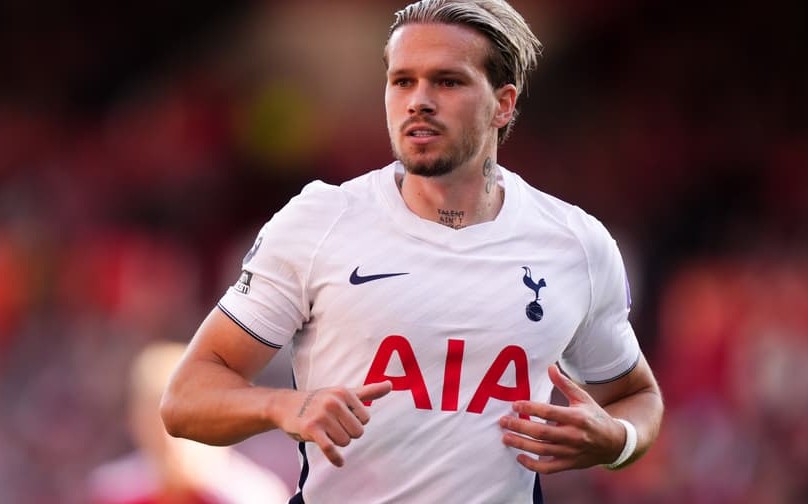
For Mykhailo Mudryk, the career before the ban ran fast. He broke through at Shakhtar Donetsk, drew a bidding fight between Arsenal and Chelsea, and joined Chelsea in January 2023 for an initial £62m that could rise to £89m, per the Standard. Sports Illustrated puts the ceiling closer to €100m. His route back ran through a new manager’s blunt assessment: Xabi Alonso told him to go and play, then return. He signed for Tottenham on deadline day to reunite with Roberto De Zerbi, his former Shakhtar coach. “We met and he says: ‘Are you happy? Come on, we’ve still got a lot of work to do together,’” Mudryk recalled.
The restart has been stop-start. He has made one appearance for Spurs, then picked up an ankle injury in training that De Zerbi called “stupid”, and is expected to be available for the home fixture against Ipswich.
The Cost, The Isolation, And The Federation’s Silence
Mudryk says UAF president Andriy Shevchenko offered little support, blames the association for leaks during the case, and argues its handling delayed his return. “I’ll be honest, it pretended to help,” he said. “But in reality, there was no help.” He says he paid legal fees in the millions of pounds, plus personal trainers, massage therapists, coaching and pitch hire, while Chelsea continued to pay his salary but he could not access club services.
His account of the mental toll is the least disputed part of the interview. “It was a bolt from the blue. I couldn’t believe it was true,” he said. “It was like falling off a skyscraper. In a dream you would hit the ground. In life, I just kept on falling.” He said he cried and drank alcohol after the initial suspension, but never doubted he would return to top-level football.
The legacy question is not whether he was naive. Under strict liability he was, and he has accepted the breach. The question is whether a federation that hands a player an unlabelled cup accepts any share of the consequence when the sample comes back positive. For Nigerian athletes walking into camps run by their own federations, that is the part of the Mykhailo Mudryk case worth keeping: the ban lands on the player alone, and the paperwork that could clear him usually does not exist.
Frequently Asked Questions
What exactly was Mykhailo Mudryk banned for?
A low concentration of meldonium, a banned substance that is understood to improve endurance and recovery, was found in an out-of-competition sample. The Evening Standard dates the sample to October 2024, and Mudryk says he was told of the adverse finding in December 2024.
Has the Ukrainian Association of Football responded to his allegations?
Not publicly on the record in the reporting available. BBC Sport says it contacted the UAF for comment. Last year a UAF spokesperson said the association was in close contact with Mudryk’s lawyers but had not been contacted by the Football Association about the case. His claims remain allegations, not established findings.
Why is this story relevant to Nigerian readers?
The Premier League is Nigeria’s most-watched football league and Chelsea and Tottenham have large Nigerian supporter bases. Beyond fandom, the case turns on team-supplied supplements given to athletes without documentation, a governance risk that has produced long bans for Nigerian athletes competing internationally.
FIRST TIME REACTIONS:
Be the first to leave us a comment – Mykhailo Mudryk Blames Ukraine Set-Up For Doping Ban, down the comment section.
JOIN US ON OUR SOCIAL MEDIA:

About Clare Dominic
Clare Dominic is the Editor at AfriLatest. With a background in journalism and a passion for storytelling, she oversees the editorial process to ensure content is accurate, engaging, and relevant. Clare works closely with contributors to maintain the highest standards of journalistic integrity across all news, sports, and lifestyle coverage.
View all articles by Clare DominicFootball
Mexico vs Jamaica: How Márquez Won His First Game
Mexico vs Jamaica ended 3-3 on aggregate and gave Rafael Márquez his first win via away goals. Inside the tie that saved El Tri’s title defence.

Rafael Márquez is six matches into his tenure as head coach of Mexico’s men’s national team, and his record stands at one win, three defeats and two draws. That single win, a 1-0 second-leg victory over Jamaica at Estadio BBVA in Monterrey, was enough to put El Tri into the Concacaf Nations League semifinals, where the United States awaits in late March. The Mexico vs Jamaica quarterfinal finished 3-3 on aggregate. Mexico advanced on the away-goals tiebreaker. The defending champion survived the series, but the numbers around that survival describe a squad in transition rather than a coach who has fixed it.
What The Mexico Vs Jamaica Series Actually Decided
Jamaica won the first leg 3-2 in Kingston on Saturday, and the manner of it was the story. Jesús Gallardo turned a Ronaldo Webster corner into his own net for the opener. Renaldo Cephas drove in from the left flank for a second. Richard King converted a penalty. Mexico were three goals down before Gilberto Mora and Julián Quiñones, from the spot, pulled two back.
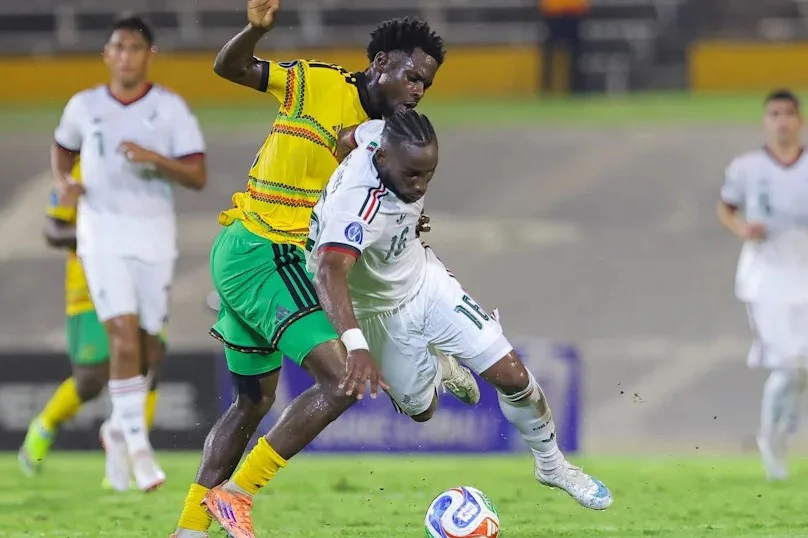
The record is not perfectly consistent on the details. Concacaf’s official match report logs the own goal in the 27th minute; ESPN’s account places it in the 28th. That discrepancy is trivial. The aggregate consequence was not.
Those two away goals decided the tie. Mexico won the return through Jesús “Tecatito” Corona in the 35th minute, and a 3-3 aggregate with two away goals to nil sent them through. Under the away-goals rule, Mexico would also have advanced with a 2-1 win. A 3-2 win would have forced extra time and possibly penalties. A 4-3 win would have eliminated them.
Bolavip’s pre-match scenario breakdown set out all four outcomes before kickoff, and it is worth stating plainly what it means: Mexico did not win this series on superiority. They won it on a technicality written into the competition regulations.
The margins were narrow in personnel too. Corona, 33, was returning to the national team after a four-year absence and scored his first international goal since September 2021, against Panama in qualifying for the 2022 World Cup. Márquez made five changes to the XI that lost in Kingston: Rodrigo Huescas, Mateo Chávez, Jesús Orozco, Álvaro Fidalgo and Corona came in; Luis Romo, Santiago Giménez, Gallardo, César Montes and Johan Vásquez went out. Goalkeeper Raúl Rangel kept a clean sheet behind a back four of Chávez, Orozco, Israel Reyes and Huescas.
From Aguirre’s Assistant To A Winless Start

Márquez’s rise is short and documented. The former Barcelona defender spent two years as Javier Aguirre’s assistant, a spell that ended with Mexico’s Round of 16 exit against England at the 2026 World Cup. He was promoted after that tournament. His first five matches produced no wins, three losses and two draws, a run ESPN, citing reporting from The Associated Press, described as one of the worst managerial starts in the history of the Mexican national team.
The Kingston defeat made the structural problem visible. Nine of the eleven Mexican starters who lost to England started again in Jamaica. Márquez acknowledged the continuity without framing it as an excuse: “It’s almost the same defensive line that played in the World Cup and they were extraordinary back then,” he said. “While the contexts are obviously different, I believe we must demand more of ourselves to ensure we don’t repeat these kinds of errors.”
Jamaica, ranked No. 66 in the world and without a World Cup appearance since France 1998, scored three times against that line. That is a confirmed result, not an interpretation, and it sits awkwardly beside the ranking gap. The claim that Jamaica were the better side across 180 minutes is analysis, not fact; the claim that Mexico conceded three goals to a side 66th in the world is fact.
The Generation Question Márquez Has Not Answered
Mora, a teenager, scored in Kingston and started the second leg alongside Érik Lira and Álvaro Fidalgo in midfield. That is the one clear signal of a generational shift in Márquez’s selections. Whether it becomes a policy, a deliberate phasing out of the World Cup core, remains unconfirmed. Nothing Márquez has said publicly commits him to it, and the five changes in Monterrey were reactive, forced by a defeat rather than planned rotation. Reading them as a rebuild is a forecast, not a report.
What is confirmed is the safety net. The quarterfinal win secures Mexico direct entry to the 2027 Concacaf Gold Cup. Under Concacaf’s qualification format, the four quarterfinal winners receive berths and the four losing teams drop into the Gold Cup Prelims. Jamaica, having lost the series, go to the prelims. The downside of elimination for Mexico was therefore limited, a point largely absent from the coverage of Márquez’s winless run.
Legacy And The March Test
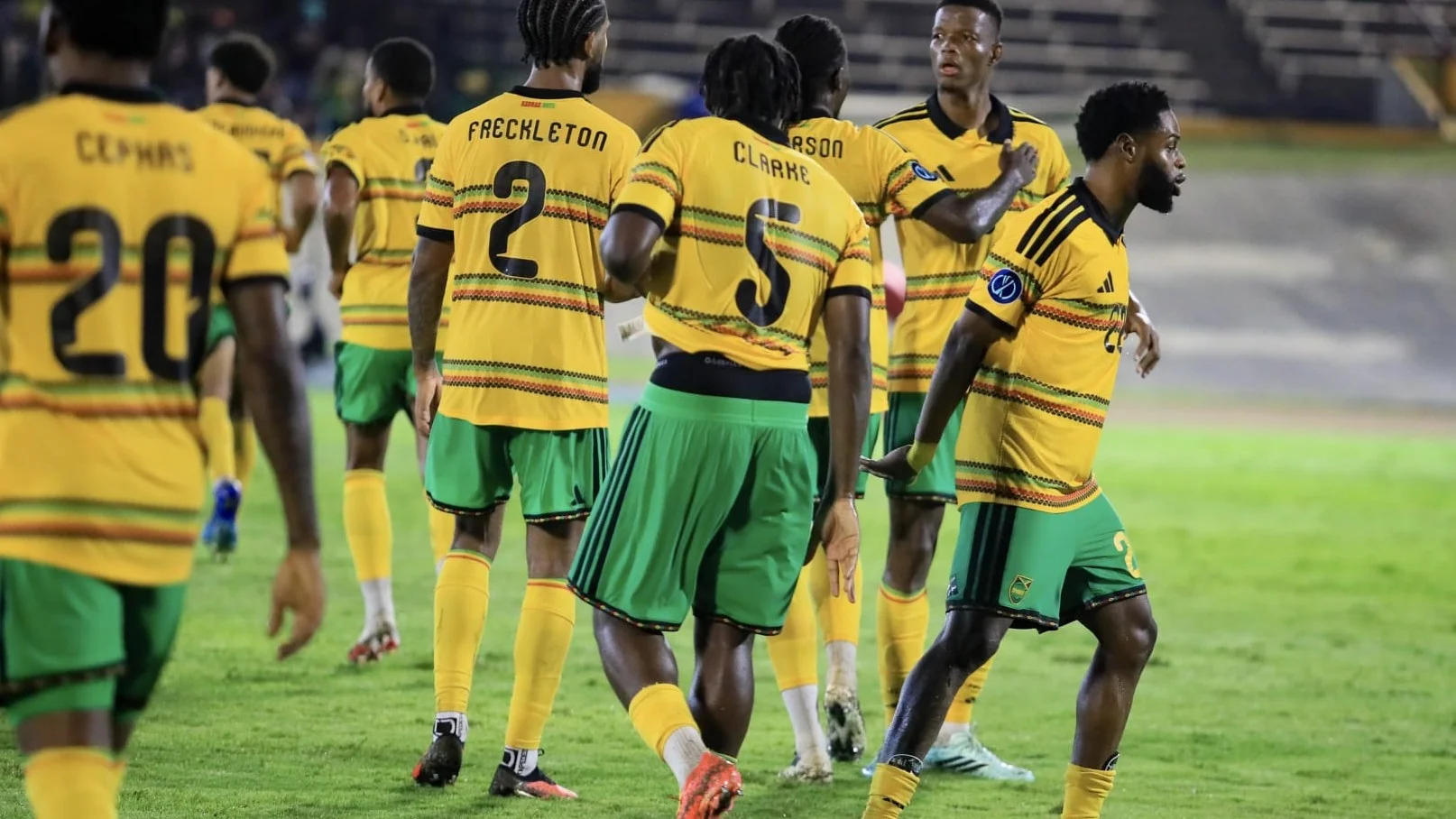
Mexico face the United States at SoFi Stadium in Inglewood, California, in the semifinals, with the Finals scheduled for March 25-28. Panama meet Canada in the other semifinal. “If we want to keep defending our title, we have to face everyone and now, in these semifinals, it’s our turn to take on the United States, so we’ll prepare well,” Márquez said. “We have plenty of time ahead, and as the match approaches, we’ll start getting ready for it. It’s a great opportunity.”
That time is the test. The Mexico vs Jamaica series gave Márquez his first win and kept the title defence alive, but it did so on an away-goals rule after conceding three goals in Kingston to a side ranked 66th. A coach’s legacy is not built on a tiebreaker. It is built on what happens next, and the United States in March is the first fixture that will genuinely measure whether Márquez’s Mexico has changed or merely survived.
Frequently Asked Questions
How did Mexico advance past Jamaica in the Nations League quarterfinal?
The series ended 3-3 on aggregate after Jamaica won the first leg 3-2 in Kingston and Mexico won the second leg 1-0 in Monterrey. Mexico advanced on the away-goals tiebreaker, having scored two away goals to Jamaica’s none.
Was this Rafael Márquez’s first win as Mexico head coach?
Yes. Márquez was 0-3-2 across his first five matches before the 1-0 win over Jamaica. He was promoted after serving two years as Javier Aguirre’s assistant, a spell that ended with a Round of 16 exit to England at the 2026 World Cup.
What did Mexico lose by winning the quarterfinal?
Nothing in qualification terms. The four quarterfinal winners get direct berths in the 2027 Concacaf Gold Cup, while the four losing teams drop into the Gold Cup Prelims. Jamaica now go to the prelims.
FIRST TIME REACTIONS:
Be the first to leave us a comment – Mexico vs Jamaica: How Márquez Won His First Game, down the comment section.
JOIN US ON OUR SOCIAL MEDIA:
About James Williams
James Williams is the Content Director at AfriLatest. With a background in journalism and a love for storytelling, he curates compelling content and multimedia that resonates with global readers. James is dedicated to maintaining AfriLatest as a trusted source for daily news, sports updates, and entertainment trends.
View all articles by James WilliamsFootball
Brandon Aiyuk Reinstated: 49ers Get Two-Game Exemption
Brandon Aiyuk reinstated by the NFL after a year on reserve/left squad, giving the 49ers a two-game roster exemption and a $13M bonus dispute.

The NFL transaction wire did the announcing on Monday. Brandon Aiyuk reinstated, removed from the reserve/left squad list a year after he walked out on the San Francisco 49ers, with the club handed a two-game roster exemption to decide what happens next, per NFL.com. No press conference. No jersey unveiling. No depth-chart adjustment. A line of administrative text, and a dispute that has cost both sides a season.
The temptation is to read this as a football story: a receiver returning to an offense that could use him. The verified record does not yet support that reading. What happened Monday was a procedural unlock, not a selection decision.
What Brandon Aiyuk Reinstated Actually Changes On The 53-Man Roster
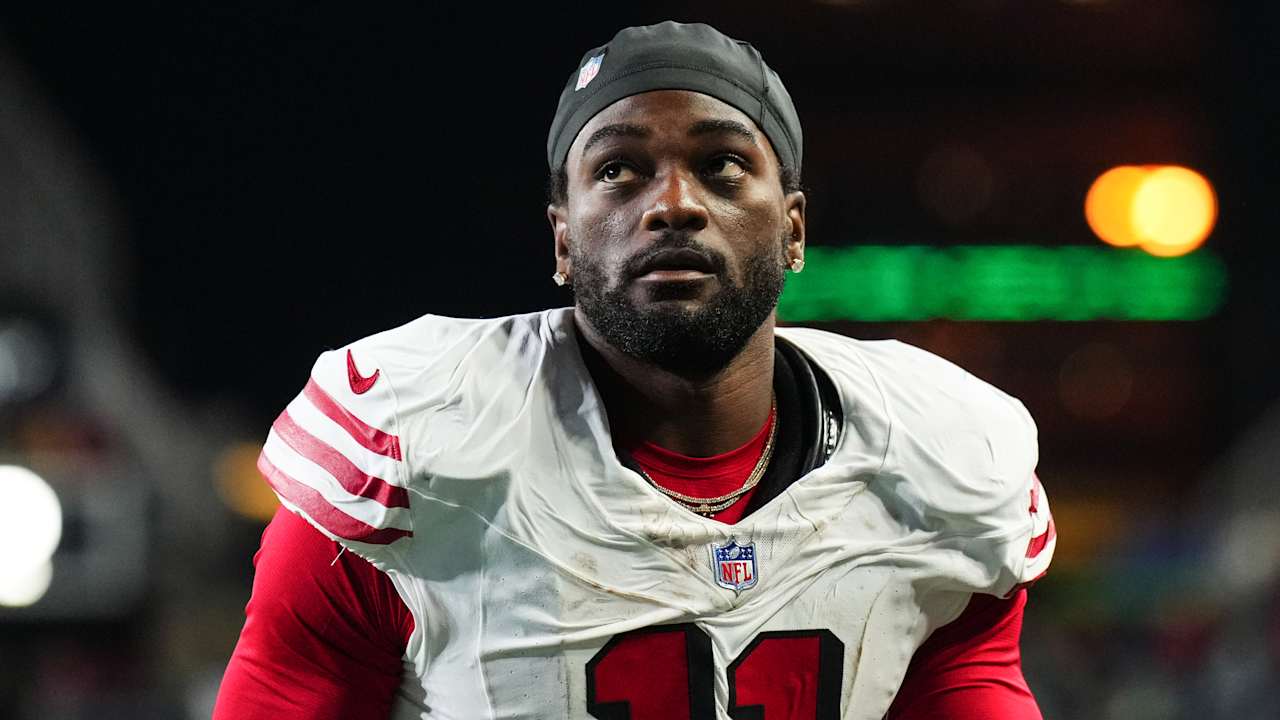
Mechanically, nothing, for two weeks. Per ESPN, the exemption runs until Monday, Nov. 23, which falls after San Francisco’s Week 11 game against the Minnesota Vikings in Mexico City. Until it lapses, the 49ers do not have to touch the 53-man roster. They get a regular-season game with the group they already have, and the front office gets a fortnight of accounting.
Kyle Shanahan’s public position is that none of this is a coaching matter. “It means absolutely nothing to our team,” he said. “I think we got two-week roster exemption and that’s all administrative stuff to me.”
Read the setup that way and the tactical picture becomes clearer. Shanahan’s offense has been assembled, practised and game-planned without Aiyuk since the receiver’s unexcused departure led to his placement on the reserve/left squad list in December 2025. A player re-entering a building does not automatically re-enter a scheme.
Three Options, One Tuesday Deadline, And The $13 Million Question
ESPN lists three paths: release him, trade him, or add him to the 53-man roster. Trading has long been the preferred route and no buyer has surfaced; the deadline is Tuesday at 4 p.m. ET. Releasing him before the exemption expires is the outcome most consistently reported as plausible.
Then there is the money, and this is where sourcing discipline matters. The league sent Aiyuk and the NFL Players Association a letter stating he owes the 49ers about $13 million, based on bonuses paid after he signed a four-year, $120 million extension before the 2024 season. That figure comes from a person with knowledge of the situation who spoke on condition of anonymity because the letter was not released, as reported by NFL.com. Yahoo Sports frames the same sum as a roster bonus the 49ers paid out and believe they are owed. Yahoo Sports also notes the club previously voided $27 million in 2026 guarantees in the contract, a step that sits on the record, unlike the refund claim.
Why The Paperwork Is The Only Verifiable Part Of This Story
Strip the noise and three things are documented. The transaction wire. The voided guarantees. The medical timeline. Aiyuk tore the ACL, MCL and meniscus in his right knee on Oct. 20, 2024, per ESPN. He has not appeared in a game since Week 7 of that season, according to Yahoo Sports. He told reporters before Friday’s meeting that he is “feeling great, feeling healthy” and “back to 100% and looking to get reinstated to the National Football League.”
A player’s own assessment is a claim, not a club-published clearance. No snap count, route run or target exists for Aiyuk in more than two years. Any argument that he would repair or disrupt the 49ers’ passing game rests on evidence that is stale by two seasons and on a scheme that has moved on without him.
The structural contrast with club football is worth spelling out for readers in Africa and elsewhere who follow the global game first. There, a player who stops reporting is pushed toward termination or a transfer window with a fixed closing date; the pressure is external and dated. The NFL’s reserve/left squad list plus a roster exemption does the opposite, creating a 14-day buffer in which nothing must be settled in public. Same instinct, control the clock, different machinery. Yahoo Sports notes Aiyuk could have filed for reinstatement at any point during his absence. The paperwork landed in late October, with the trade deadline set for Tuesday afternoon.
Shanahan’s Takeaway: ‘It’s Been Over For Our Football Team’
The head coach has not shifted. Asked what he wanted from Friday’s meeting, Shanahan said he could not “care less.” “It’s been over for our football team for a long time,” he said. “So, I don’t hear much except questions about him.” The meeting lasted about 75 minutes. Agent Drew Rosenhaus emerged with two words: “To be continued.”
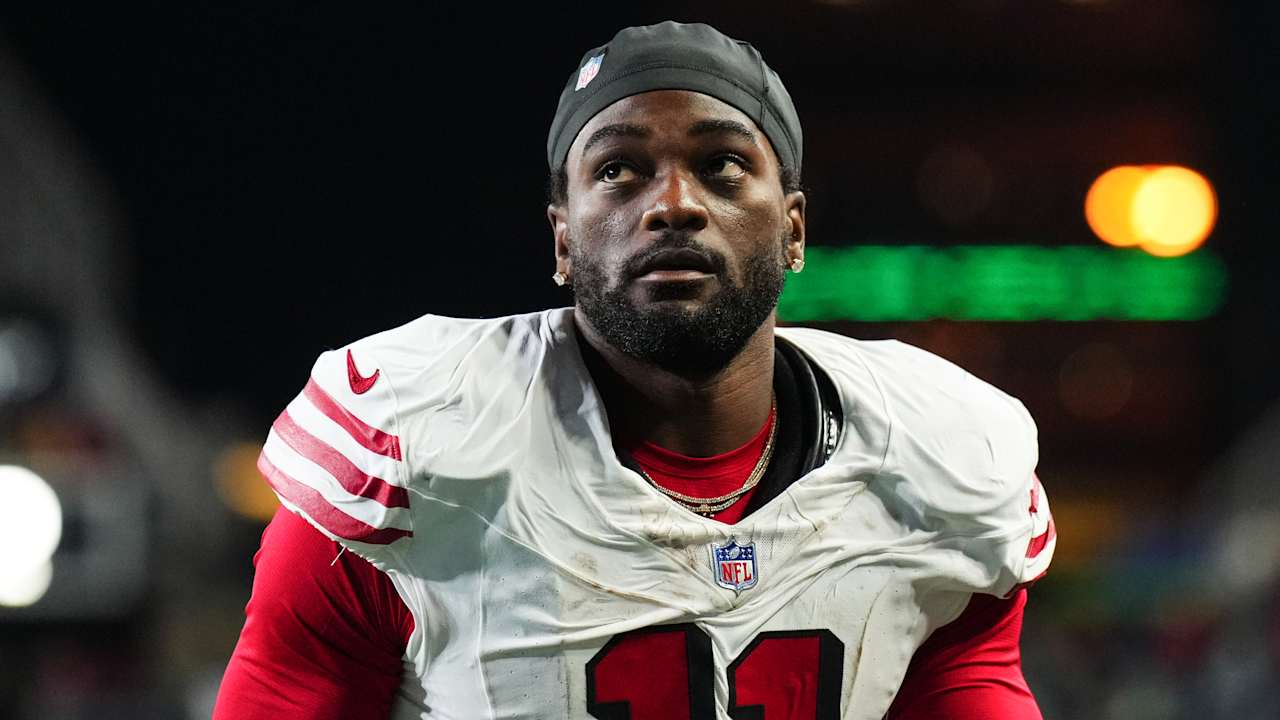
That is the honest reading of the manager’s takeaway. Nothing about Monday’s ruling changes a formation, a protection call or a route tree. It changes a clock.
Brandon Aiyuk reinstated is a headline about a comeback. The record says it is a headline about deadlines: Nov. 23 for the roster, Tuesday at 4 p.m. ET for a trade, and a $13 million claim that remains anonymous sourcing rather than a league finding. Until one of those moves, the 49ers hold two weeks, one exemption, and no obligation to answer a football question at all.
Frequently Asked Questions
What does the two-game roster exemption mean for the 49ers?
It means the 49ers do not have to make a move on their 53-man roster immediately. Per ESPN, the exemption expires Monday, Nov. 23, after San Francisco’s Week 11 game against the Minnesota Vikings in Mexico City. Until then the club can release Aiyuk, trade him or add him to the 53-man roster.
Is the $13 million payment to the 49ers officially confirmed?
No. The figure was reported by NFL.com from a person with knowledge of the situation who spoke on condition of anonymity because the letter was not released. Yahoo Sports separately describes it as a roster bonus the 49ers paid out and believe they are owed. It is a sourced report, not a published league finding.
Has Brandon Aiyuk been traded or released by the 49ers?
Neither, as of the reporting. He has been reinstated from the reserve/left squad list. ESPN reports the 49ers have not found a trade partner ahead of Tuesday’s 4 p.m. ET deadline, and releasing him before the exemption expires is the outcome most consistently described as plausible. Any completed move would have to appear on the transaction wire.
FIRST TIME REACTIONS:
Be the first to leave us a comment – Brandon Aiyuk Reinstated: 49ers Get Two-Game Exemption, down the comment section.
JOIN US ON OUR SOCIAL MEDIA:
About James Williams
James Williams is the Content Director at AfriLatest. With a background in journalism and a love for storytelling, he curates compelling content and multimedia that resonates with global readers. James is dedicated to maintaining AfriLatest as a trusted source for daily news, sports updates, and entertainment trends.
View all articles by James Williams-

 Car Reviews2 weeks ago
1955 Chevy Bel Air Restomod: What SEMA Really Proves
-
Savings & Investing3 weeks ago
Hidden Medicare Fees Draining Your Retirement Savings
-
Car Reviews4 weeks ago
Ford Bronco ORV Package: $18,995 Ownership Reality Check
-
JAMB & WAEC4 weeks ago
JAMB Admission Process: What Changed And What Is Still Talk
-
Movies & TV4 weeks ago
Silo Season 1 Ending Explained: What the Showrunner Said
-
Movies & TV3 weeks ago
Wizkid Starboy Desire Ft Banky W Shaydee: Fact Or Fan Fiction?