
Health and Fitness
9 Best Hair Thickening Shampoos for Men in 2026
Discover the 9 best hair thickening shampoos for men in 2026. Dermatologist-approved picks to reduce shedding, boost volume, and support growth.

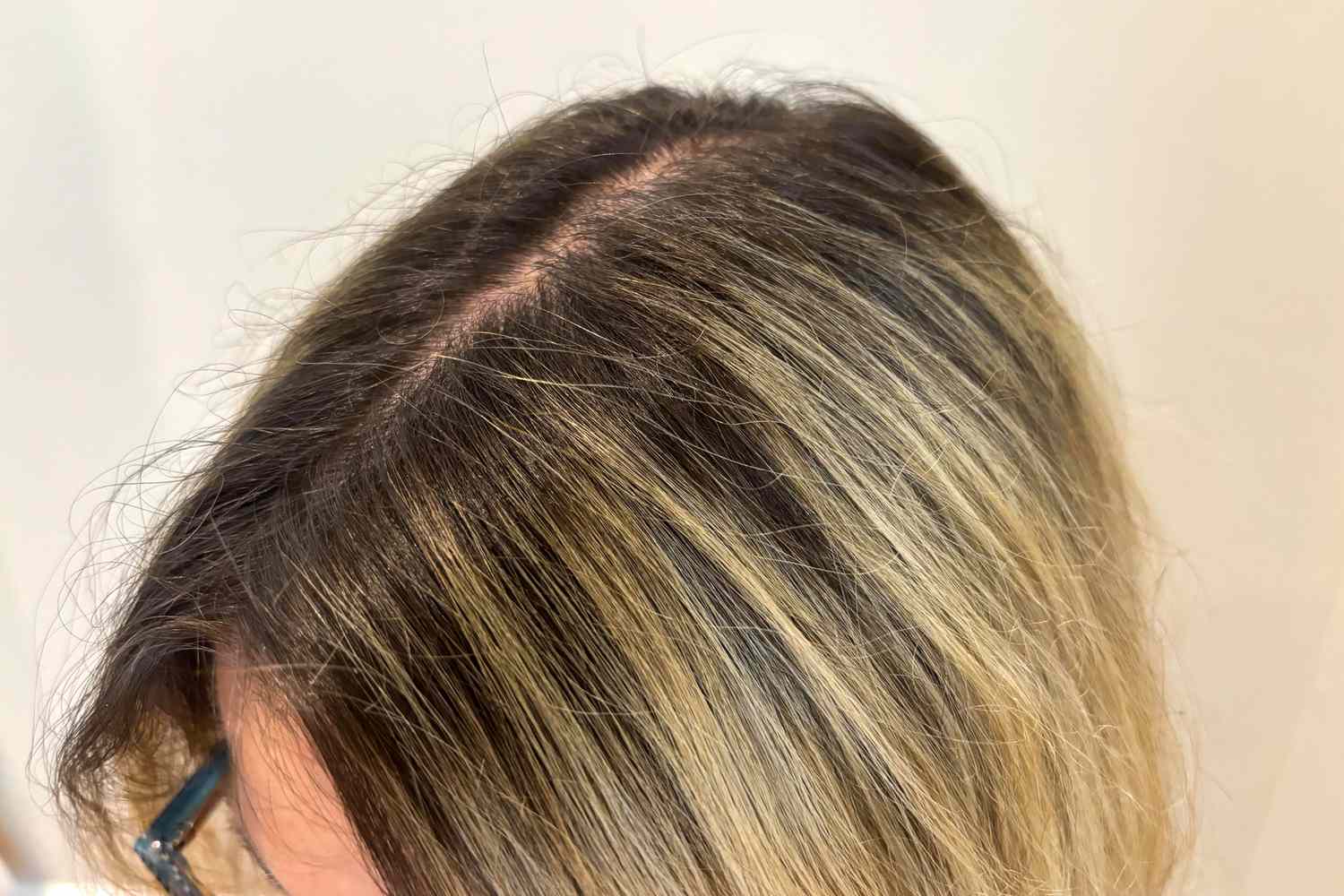
You want a fuller head of hair without a transplant or a prescription. The right hair thickening shampoos for men can help you hold onto what you have, reduce shedding, and make existing strands look denser. But not every bottle on the shelf does the same job. Some target breakage. Others tackle scalp inflammation. A few are designed to work alongside medication. Here is how to choose, based on dermatologist guidance and real-world testing.
Start With the Cause, Not the Bottle
Thinning hair is not one condition. It can come from genetics, stress, poor sleep, or an irritated scalp. According to board-certified dermatologist Dr. Michele Green, topical serums and targeted shampoos may not be enough to thicken hair and curb hair loss completely. Many men need a combination of products, oral medications like minoxidil or finasteride, and in-office treatments. That does not make shampoo useless. It makes it a supporting player, not the whole team.
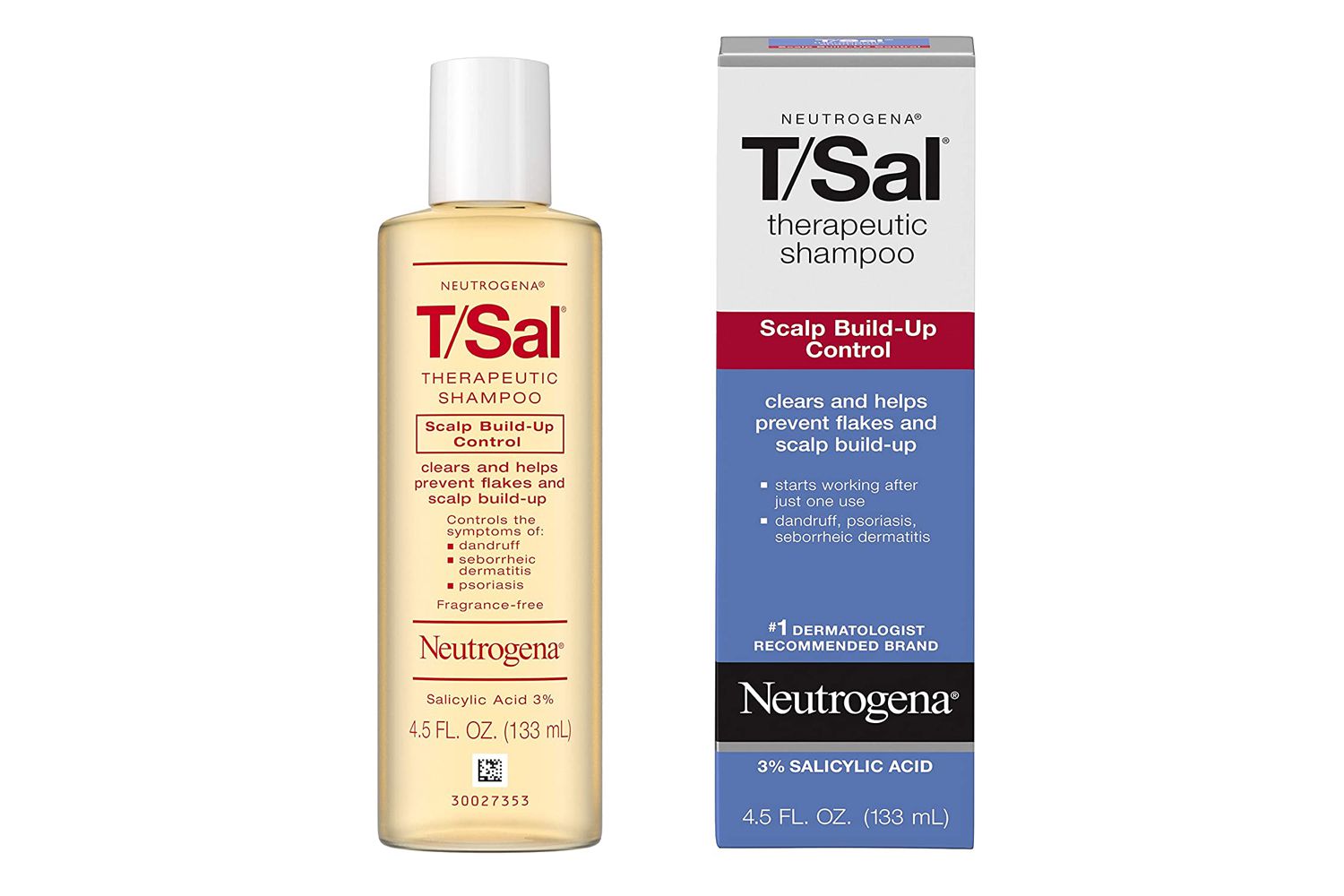
If your hair loss is genetic (male pattern baldness), a shampoo alone will not reverse it. The best you can do is hold onto what you have. Minoxidil is proven to be the most effective treatment for promoting hair growth in men and women, and it is the active ingredient in over-the-counter products like Rogaine. A thickening shampoo can work alongside it, but it will not replace it.
For everyday, reversible thinning, shampoos can make a visible difference. They do this by reducing breakage, soothing the scalp, and creating an environment where hair can grow as strong as possible.
What to Look For in Hair Thickening Shampoos for Men
Ingredients matter more than marketing. Look for biotin, keratin, and peptides to strengthen strands. Niacinamide and caffeine can support scalp health. Argan oil and glycerin hydrate without weighing hair down. If you have an oily scalp, tea tree oil or clarifying formulas help balance oil production. For sensitive or dry scalps, avoid sulfates, parabens, and synthetic fragrance, which can worsen redness and itching.
Application matters too. Most experts recommend using a thickening shampoo three times per week and a regular shampoo on other days. This prevents dryness and irritation. Let the product sit for one to two minutes before rinsing. Consistency is key. Results often take six to eight weeks, sometimes longer.
Our Top 9 Picks for 2026
These picks come from dermatologist recommendations and hands-on testing by editors at Byrdie, NBC Select, and Esquire. We looked at ingredients, cleansing ability, hydration, and real results like less shedding and new growth.
1. Vegamour GRO Revitalizing Shampoo
Best overall. This formula uses biomimetic peptides, caffeine, biotin, and vegan keratin. In a 12-week test, one tester saw new baby hairs around her temples and a fuller hairline. Her hairdresser noticed the difference. It is sulfate-free and cruelty-free. One caveat: it can leave the scalp a bit itchy, so patch test first if you have sensitive skin.
2. Nioxin System Kits
Best overall kit. Nioxin relies on peppermint oil, niacinamide, and biotin. It is a favorite among Dr. Green’s patients. The kits include a therapeutic shampoo, conditioner, and scalp treatment. System 1 targets light thinning; System 2 targets progressed thinning. You can also buy the shampoo separately.
3. Rogaine 5% Minoxidil Foam
Best topical foam. This is not a shampoo, but it is the most proven option for hair regrowth. Dr. Green says Rogaine is one of the few things that is FDA-approved and actually works to help grow hair. Men apply half a capful twice a day to the scalp. Results take about 120 days, and you must keep using it to maintain them.
4. Nutrafol Root Purifier Scalp Shampoo
Best for oily scalps. This sulfate-free shampoo uses vegan protein, prebiotics, and a biosurfactant to deeply cleanse without stripping. A tester with an oily scalp found her scalp felt less oily throughout the day. It also lathered well and had a pleasant scent. It is a bit pricey for the size, but a little goes a long way.
5. Kérastase Densifique Shampoo
Best for shedding. With hyaluronic acid, ceramides, and gluco-peptide, this shampoo slowed shedding and reduced sparse spots in a 12-week test. Hair looked noticeably longer. The lather is creamy and moisturizing. The floral scent may be too strong for some. It contains sulfates, so it is not for everyone.
6. Virtue Flourish Shampoo for Thinning Hair
Best for thinning around the hairline. This sulfate-free formula uses alpha keratin 60ku CLINICAL protein, sodium hyaluronate, red algae extract, and biomimetic signal peptides. A tester saw new growth around her hairline after six weeks. Hair looked shinier and more voluminous. It did not help with shedding, but for hairline thinning, it is a strong pick.
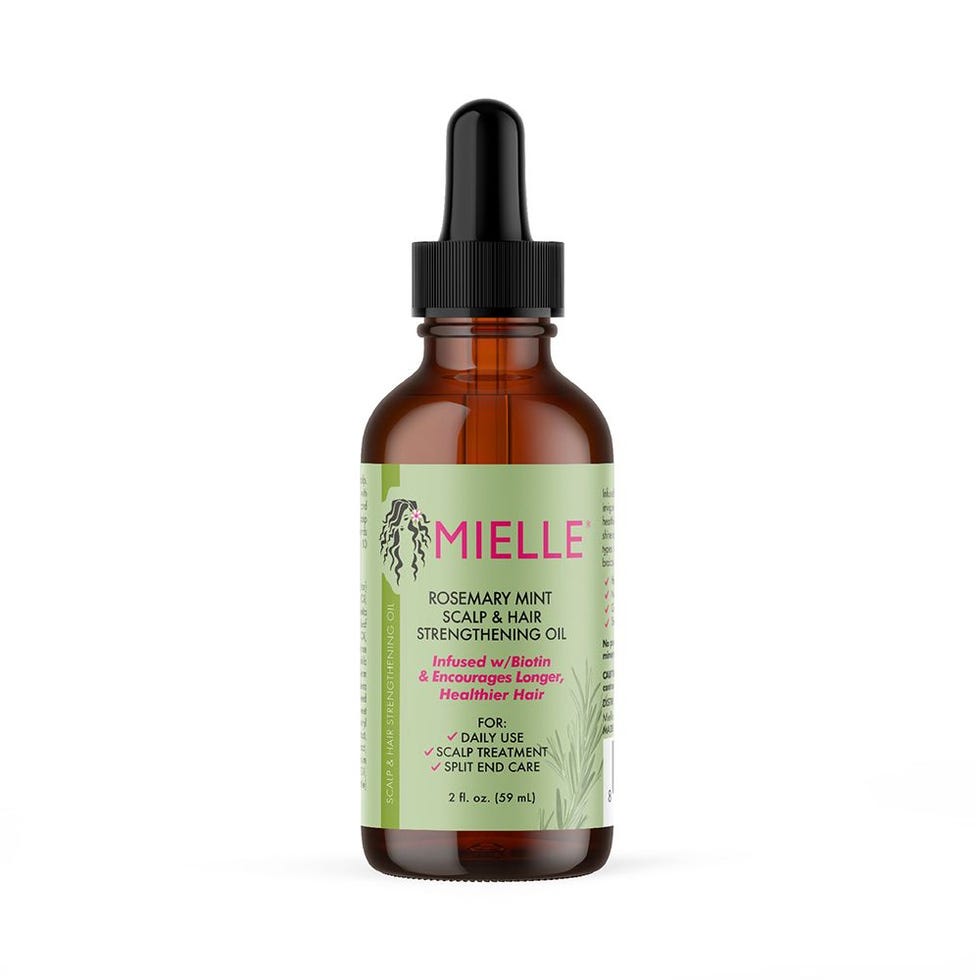
7. Mielle Rosemary Mint Strengthening Shampoo
Best strengthening. Biotin, peppermint oil, rosemary oil, coconut oil, and babassu seed oil make this an affordable favorite. A tester with 4B-4C hair found it strengthened hair and supported new growth. It can be drying, so pair it with a hydrating conditioner or mask. It also did not help with dandruff.
8. Garnier Fructis Grow Strong Shampoo
Best affordable. Under $10, this shampoo contains apple extract and niacinamide. A tester saw new growth after six weeks, less breakage, and more lift. It is hydrating and volumizing, with a classic apple scent. It does contain sulfates, so skip it if you are avoiding them.
9. ArtNaturals Argan Oil & Keratin Shampoo
Best hydrating. Argan oil and betaine make this a gentle, moisturizing option. Dr. Green’s patients love it. It adds volume and helps retain moisture. It does not promote hair growth, but it keeps existing hair healthy and less prone to breakage. It is also very affordable.
How to Use Hair Thickening Shampoos for Men Without Wasting Money
Do not expect overnight results. Give any product at least eight weeks. Take a photo before you start so you can track changes. Alternate with a regular shampoo to avoid dryness. If your scalp becomes red, itchy, or flaky, stop and see a dermatologist. If you have severe or sudden hair loss, see a doctor first. Sudden hair loss can signal an underlying medical condition.
For more on scalp health and ingredient safety, see Health.com’s guide to psoriasis shampoos. For detailed testing notes on hair growth shampoos, Byrdie’s 12-week test is a useful resource. And for a broader look at thinning hair treatments, NBC Select’s expert roundup covers medications and in-office options.
Your First Step Today
Pick one shampoo from this list that matches your main concern. If you are not sure, start with Vegamour or Nioxin. Use it three times a week for eight weeks. Take a photo today. Then take another one in two months. That photo will tell you more than any label ever could. If you see no change, or if your hair loss is getting worse, book an appointment with a dermatologist. Hair thickening shampoos for men can help, but they work best when you know what you are treating.
Frequently Asked Questions
Do hair thickening shampoos for men actually work?
They can reduce breakage, soothe the scalp, and make hair look fuller. For genetic hair loss, they are not a cure. Minoxidil is the most proven treatment. Shampoos work best as part of a broader routine.
How long before I see results?
Most testers saw changes after six to eight weeks. Some saw new growth around the hairline after a month and a half. Give any product at least eight weeks before deciding.
Can I use these shampoos with minoxidil?
Yes. Many experts recommend combining over-the-counter shampoos with topical treatments. Just avoid using harsh formulas that irritate the scalp, as that can make minoxidil less tolerable.
Which shampoo is best for oily scalps?
Nutrafol Root Purifier is a top pick. It deeply cleanses without stripping and balances oil production. Tea tree oil shampoos can also help.
Are sulfate-free shampoos better for thinning hair?
Not necessarily better for growth, but they are gentler. If you have a sensitive or dry scalp, sulfate-free formulas like Vegamour or Virtue are less likely to cause irritation.
Frequently Asked Questions
Do hair thickening shampoos for men actually work?
They can reduce breakage, soothe the scalp, and make hair look fuller. For genetic hair loss, they are not a cure. Minoxidil is the most proven treatment. Shampoos work best as part of a broader routine.
How long before I see results?
Most testers saw changes after six to eight weeks. Some saw new growth around the hairline after a month and a half. Give any product at least eight weeks before deciding.
Can I use these shampoos with minoxidil?
Yes. Many experts recommend combining over-the-counter shampoos with topical treatments. Just avoid using harsh formulas that irritate the scalp, as that can make minoxidil less tolerable.
Related Articles
- Keep curly hair hydrated this winter: 3-step layering
- African Streaming Growth: 2 Nations, 1 Big Money Problem
- Best Documentary 2026: 1972 Cocktail Party Story
- Crystal Lake Ending Explained: 7 Twists That Change Jason
- iPhone Duo Pre-Order: 5 Steps to Secure Yours
 Follow AFRILATEST on Google News
FIRST TIME REACTIONS:
Be the first to leave us a comment – 9 Best Hair Thickening Shampoos for Men in 2026, down the comment section.
JOIN US ON OUR SOCIAL MEDIA:


Health and Fitness
Minoxidil for Hair Loss: 7 Proven Facts You Need
Minoxidil for hair loss: dermatologists explain how it works, who it helps, side effects, and how to use it for real results. Get the facts now.

Minoxidil for hair loss is the one treatment dermatologists keep coming back to, and for good reason: it has decades of research behind it. But does it actually work for you? Two board-certified dermatologists, Supriya Rastogi and Mona Gohara, recently settled the debate in a Prevention interview. Their verdict is clear, with caveats you need to hear.
What Minoxidil Does and How It Works
Minoxidil was originally a blood pressure medication. Researchers noticed patients taking it grew more hair, and the rest is history. Today it is the active ingredient in Rogaine and the only FDA-approved topical treatment for pattern hair loss.
It works by prolonging the growth phase of the hair cycle and increasing blood flow around the follicle. As Dr. Gohara puts it, minoxidil gives follicles more time on the job. It shifts resting hairs into their growing phase and keeps them growing longer. The exact mechanism is not fully understood, but the results are well documented.
Two Forms: Topical and Oral
Topical minoxidil comes as a foam or solution you apply directly to the scalp. It is FDA-approved for certain types of pattern hair loss. The advantage is less systemic exposure, but some people find it inconvenient or develop scalp irritation.
Oral minoxidil is prescribed off-label, meaning it is not FDA-approved for hair loss. It works throughout the body and can be easier to stick with, but it carries more potential for whole-body side effects. Neither form is inherently better; the choice depends on your type of hair loss, medical history, and preferences.
Does Minoxidil for Hair Loss Really Work?
Yes, for the right kind of hair loss. Both dermatologists agree minoxidil is one of the best treatments for androgenetic alopecia, commonly known as male or female pattern hair loss. It can slow hair loss and encourage thicker, fuller hair.
But it is not a cure. You need to use it lifelong, and you can lose the benefits if you stop. Results vary: some people see plenty of new growth, while others only stabilize their hair loss. Patience is key, since it typically takes around six months of consistent use to see real results. Dr. Gohara compares it to building muscle: consistency matters, results take months, and continued use maintains your gains.
Side Effects and Who Should Avoid It
Topical minoxidil is generally well tolerated but can cause scalp dryness, redness, and scaling. Some people develop unwanted facial hair if the medication touches their face. Ironically, you may experience more shedding initially, but that tapers off after three months and can be a sign the medication is working.
One critical warning: topical minoxidil is toxic to pets, especially cats. Even indirect contact, like a cat licking your pillowcase, can cause serious or fatal illness.
Oral minoxidil can cause lightheadedness, dizziness, headaches, swelling of the ankles, increased heart rate, and increased body or facial hair. These side effects are rare at the low doses prescribed for hair loss, but you should discuss them with your doctor.
Minoxidil is not recommended if you are pregnant or breastfeeding. People with certain cardiovascular conditions or low blood pressure should carefully weigh the risks and benefits of oral minoxidil with their doctor.
What Else Can You Do?
Hair loss is a symptom, not a diagnosis. Dr. Gohara stresses that correcting the underlying problem does the heavy lifting. Autoimmune disease, thyroid problems, menopause-related changes, iron or vitamin deficiencies, medications, and genetics are just a few possibilities, each calling for a different approach.
If you have a nutrient deficiency, fixing it through diet or supplements can help. But do not take supplements without confirming a deficiency first, as that can be harmful. Other options include spironolactone for women, finasteride, prescription anti-inflammatory treatments, platelet-rich plasma (PRP), low-level light therapy, and hair transplantation for selected patients.
Natural remedies like rosemary water have some evidence for early thinning, but research is still ongoing and mostly focuses on rosemary oil, not water. According to Byrdie, experts agree minoxidil 5% is generally more effective. Similarly, collagen and biotin supplements have limited evidence for hair growth, as Vogue reports.
A Simple Way to Add Minoxidil to Your Nigerian Routine
If you suspect pattern hair loss, see a dermatologist first. In Nigeria, check with a teaching hospital or a private dermatology clinic. Once prescribed, topical minoxidil is applied twice daily to a dry scalp. Part your hair in rows, apply a few drops or a capful of foam, and massage gently. Wash your hands afterward and keep your pillowcases away from cats.
Consistency is everything. Set a phone reminder for morning and night. Six months of steady use is your first real checkpoint. Take photos at the start so you can track progress objectively.
Minoxidil for hair loss is not magic, but it is the most proven topical option you can buy. The debate is settled: it works for pattern hair loss, it takes time, and it requires commitment. Start with a proper diagnosis, then give it the months it needs. Your follicles are counting on you.
Frequently Asked Questions
How long does minoxidil take to work for hair loss?
It typically takes around six months of consistent use to see real results. Some people notice reduced shedding earlier, but visible regrowth requires patience.
Can I stop using minoxidil once my hair grows back?
No. Minoxidil is not a cure. You need to continue using it lifelong to maintain benefits. If you stop, you can lose the hair you gained.
Is minoxidil safe for everyone?
No. It is not recommended during pregnancy or breastfeeding. People with certain cardiovascular conditions or low blood pressure should consult a doctor before using oral minoxidil.
Related Articles
- Keep curly hair hydrated this winter: 3-step layering
- Modern Warfare 4 Release Times: 3 Early Access Dates
- 9 Best Hair Thickening Shampoos for Men in 2026
- African Streaming Growth: 2 Nations, 1 Big Money Problem
- Best Documentary 2026: 1972 Cocktail Party Story
FIRST TIME REACTIONS:
Be the first to leave us a comment – Minoxidil for Hair Loss: 7 Proven Facts You Need, down the comment section.
JOIN US ON OUR SOCIAL MEDIA:
Health and Fitness
Keep curly hair hydrated this winter: 3-step layering
Keep curly hair hydrated this winter with a simple 3-step moisture layering routine, from leave-in to sealing oil, plus Nigerian-friendly product swaps.
Curly hair hydrated in winter is not about one miracle product. It is about how you layer water, cream, and oil so the moisture stays inside the strand instead of evaporating into dry December air.
Why Curly Hair Dries Out Faster
Curly and coily hair is naturally more porous and structurally drier, simply because the shape of the strand makes it harder for natural oils to travel from root to tip. That is the plain explanation from Emma Simmons, a curly and textured hair specialist at Salon 54. The coil itself blocks the oil’s path.
Winter makes this worse. Indoor heating, cold wind, hot showers, and heavy scarves all pull moisture out of the hair fibre. Humectants like glycerin and panthenol draw moisture in, emollients soften the cuticle, and lightweight oils or polymers seal everything down. Skip a step and you do not get the same result.
So the goal is not to add more product. The goal is to add the right products in the right order.
The Three-Step Moisture Layering Routine
Start in the shower, on soaking wet hair. Water is the first ingredient in any hydration routine, and applying products before you leave the shower reduces moisture loss.
Step one: hydrate. Use a lightweight, water-based product, a hydrating mist or a light leave-in. This opens the hair to absorb the layers that follow. Crown Affair’s Leave-In Conditioner is a water-based formula that one tester used for over a year, needing only a half-pump for pillow-soft hair. Apply to mid-lengths and ends, where dryness shows first.
Step two: define. Work a cream or gel through your curls, depending on the finish you want. Creams give soft, touchable bounce. Gels give more hold and definition. This step sets your pattern without stiffness.
Step three: seal and shine. Diffuse gently, roaming the diffuser around your head rather than scrunching hair into it. Once hair is 80 to 90 percent dry, you can be rougher because the pattern is mostly set. Finish with a lightweight oil to lock in hydration and break the crunchy cast.
What To Look For In A Conditioner
Conditioner is where most of the hydration actually happens. Celebrity hairstylist Kendra Alia says the key is choosing formulas that add moisture, smooth, and soften curls. She also notes that the best ingredients for damaged hair are protein and natural oils.
For dry curls, deep hydration matters most. SheaMoisture’s Manuka Honey and Mafura Oil Intensive Hydration Conditioner is built on manuka honey, shea butter, mafura and baobab oils, plus African rock fig. It is rich and creamy, which is exactly what tight curls want. Fine waves may find it heavy.
If your hair is damaged from colour or heat, K18’s Damage Shield Protective Conditioner uses a biotech-produced polysaccharide and K18PEPTIDE. One tester with 2B/3A curls saw better hydration, shine, and curl definition, plus less breakage at the crown, even in dry winter weather.
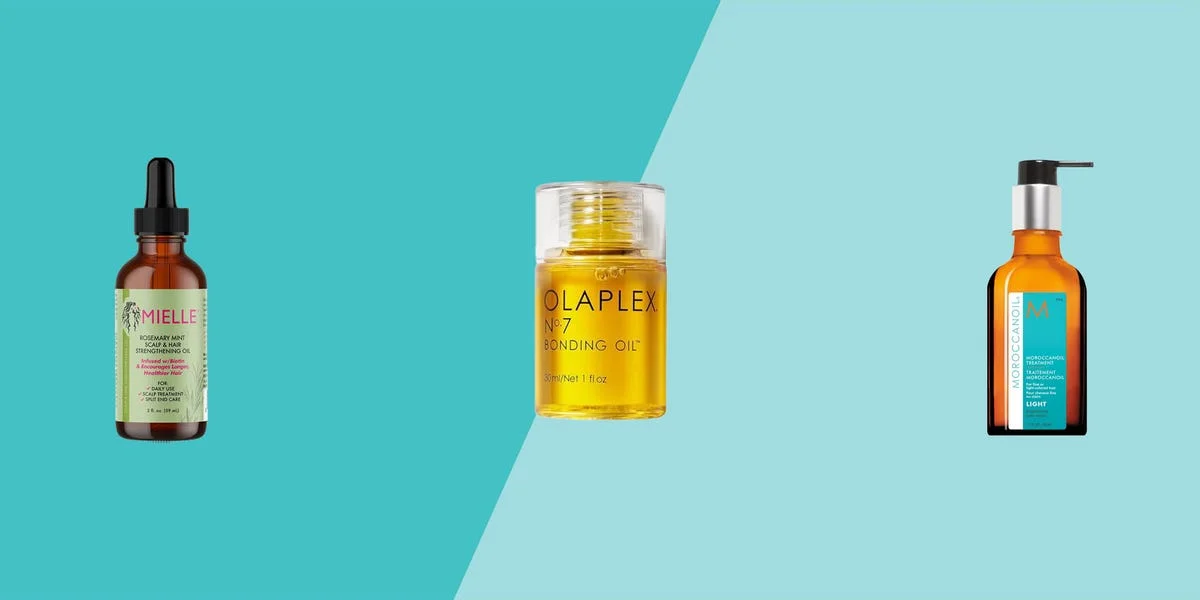
The Oils That Actually Work
Hair oils create a barrier around the hair to lock in moisture, according to celebrity stylist Michelle Cleveland. They can also reduce frizz, prevent breakage, add shine, and some provide heat protection.
For fine hair, choose weightless options. Moroccanoil Treatment Light uses antioxidant-rich argan oil and linseed extract, and it smooths frizz without collapsing volume. For thick or coarse hair, richer blends like Kérastase Elixir Ultime soften the cuticle and control frizz. It claims frizz control for up to 48 hours and heat protection up to 450°F.
Dr. Brendan Camp, a double board-certified dermatologist, recommends Briogeo’s scalp oil for people dealing with both dry hair and a dry, itchy scalp. Hair oils are known for restoring moisture, limiting breakage, and providing nutrients and vitamins.
Nigerian Swaps That Cost Less
You do not need to import everything. Cold-pressed coconut oil and palm kernel oil are widely available in Nigerian markets, and both are proven sealants. Shea butter, sold in large blocks, is the original emollient and works beautifully as the cream step for type 4 hair.
For a leave-in, mix a little shea butter with water and a few drops of glycerin in a spray bottle. Shake hard before each use. This is the same humectant-plus-emollient logic the salon products use, at a fraction of the price.
One caution: glycerin pulls moisture from the air, so in very dry harmattan air it can pull moisture out of your hair instead. If your hair feels dry after using it, switch to a glycerin-free leave-in for the driest weeks.
Night Routine And Washing
Curly hair thrives when it is not overwashed. Between wash days, spritz your curls with water or a curl-refreshing mist and gently scrunch to bring back bounce. A small amount of leave-in conditioner maintains moisture and keeps frizz down.
Sleep on a silk pillowcase or wear a silk bonnet. Both protect the curl pattern overnight. For looser waves, plaiting hair before bed and wearing a bonnet creates soft, natural waves by morning.
When To See A Doctor
Dry, brittle hair is usually a care issue. But if you are also losing hair in patches, have a persistently itchy or scaly scalp, or notice sudden thinning, see a dermatologist. Those can point to conditions that no oil will fix.
Adding It To A Nigerian Meal And Bath Routine
You already eat the building blocks. Eggs, beans, groundnut, and fish give you protein, which hair is made of. Drink water through the day, because a dehydrated body shows up first in your skin and strands.
On wash day, keep a bowl of shea butter and a small bottle of coconut oil in the bathroom. Layer water, then leave-in, then cream, then oil. Ten minutes of care, twice a week, is enough to keep curly hair hydrated through harmattan, and your curls will still be springing back when the rains return.
Frequently Asked Questions
How often should I moisturise curly hair in winter?
Twice a week on wash day is usually enough. Between washes, spritz with water or a curl-refreshing mist and scrunch gently to bring back bounce. A small amount of leave-in helps maintain moisture without weighing curls down.
Can I use shea butter instead of imported hair cream?
Yes. Shea butter is a rich emollient that softens the cuticle and seals in moisture, and it works well as the cream step for type 4 hair. Mix it with water and a few drops of glycerin if you want a lighter leave-in.
Why does my hair feel drier after using glycerin in harmattan?
Glycerin is a humectant, meaning it draws moisture from the air. When the air is extremely dry, it can pull moisture out of your hair instead of into it. Switch to a glycerin-free leave-in during the driest weeks.
Related Articles
- Big Walk Dev Explains Lack of Xbox: A Masterstroke or Missed Opportunity?
- Amazon Bee AI Devices: Frontier vs Eclipse Compared
- Billy Joel Health Update: Hydrocephalus Tests Before Tour
- Grian Chatten Solo Album: Will It Be Festival-Ready?
- Pro Dota 2 Player Claims He Had to Play a Match to Prove Identity
FIRST TIME REACTIONS:
Be the first to leave us a comment – Keep curly hair hydrated this winter: 3-step layering, down the comment section.
JOIN US ON OUR SOCIAL MEDIA:
Health and Fitness
Best Work Backpacks: 7 Editor-Tested Picks for 2026
Best work backpacks tested by Women’s Health editors. 7 picks for comfort, style, and storage. Find your perfect commute bag today.

You want a work backpack that carries your laptop, your lunch, and your gym clothes without wrecking your shoulders. The best work backpacks solve that problem, and Women’s Health editors spent a month and a half testing them to prove it. Eight staffers carried these bags through commutes, office days, and errands. They judged comfort, storage, durability, and style. The result: a short list of backpacks worth your money.
Why Your Tote Is Failing You
A tote bag puts all the weight on one shoulder. That’s why your neck aches by 3 p.m. and why you keep switching arms on the train. A backpack distributes weight across both shoulders and your chest. Padded, adjustable straps do the heavy lifting. Contoured straps are even better because they follow your body’s shape and spread the load more evenly. Look for a cushioned back panel and breathable mesh, too. Those two features keep you from arriving at the office with a sweaty back.
What to Look For in the Best Work Backpacks
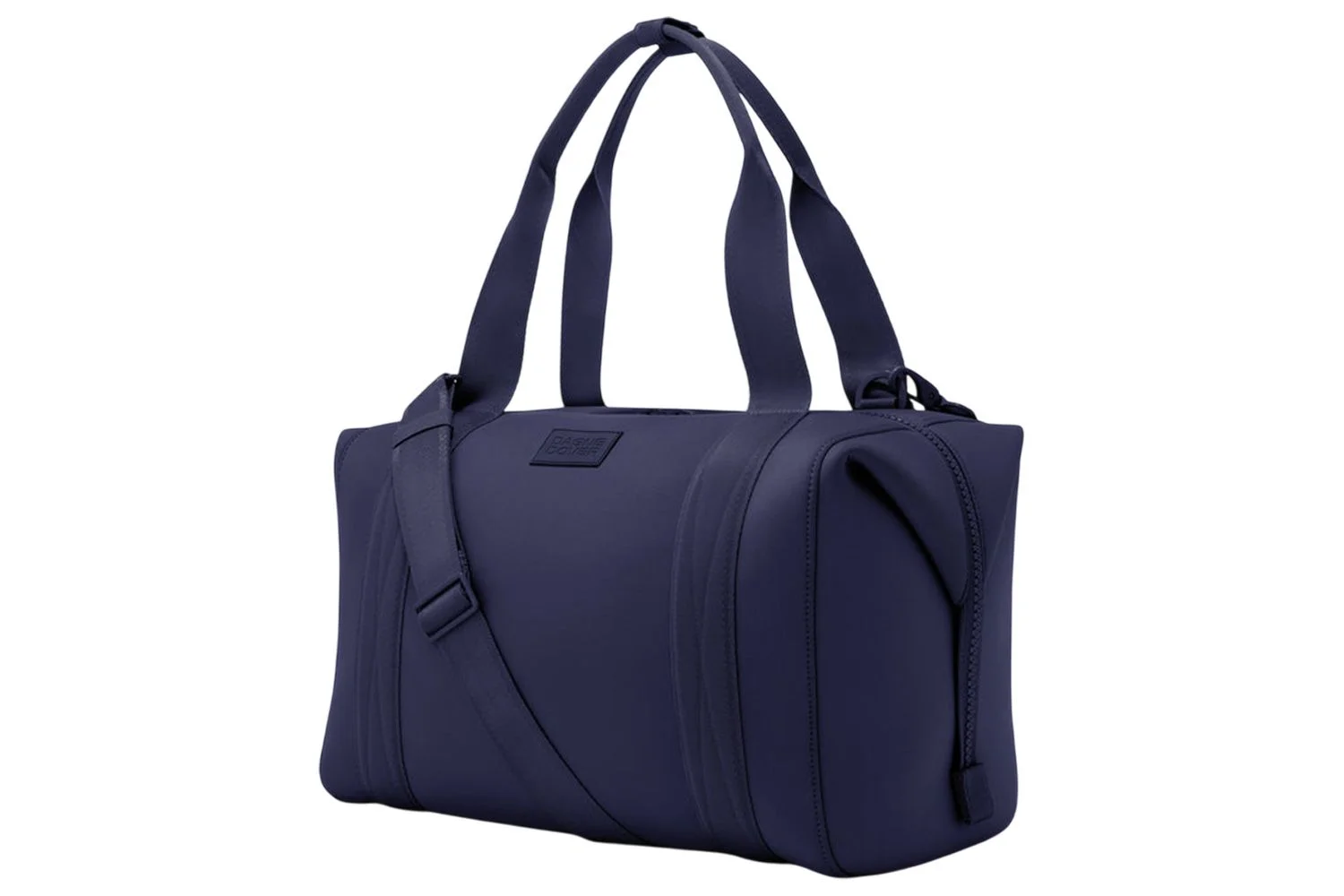
Size matters more than you think. Most testers—women with office jobs who commute—preferred a 20L to 22L bag. If you want a work-and-travel hybrid, go 22L or larger. A dedicated laptop compartment is non-negotiable for most people. Extra pockets for your charger, keys, water bottle, and headphones stop you from digging through one giant abyss. And if you bring gym clothes or lunch, make sure there’s room. Style counts, too. This is a work backpack, not a hiking pack. A streamlined shape and neutral colorway will look right with your office clothes and your casual outfits.
Step 1: Measure Your Daily Load
Before you buy anything, empty your current bag onto a table. What do you actually carry every day? Laptop, charger, notebook, water bottle, snacks, gym shoes, a change of clothes? Write it down. Then match that list to a bag’s capacity. The Women’s Health testers found that 20L to 22L handled most commutes. If you regularly pack shoes and a lunch, lean toward 22L or up. Don’t guess. A bag that’s too small frustrates you daily. One that’s too big tempts you to overpack, and then you’re carrying 15 pounds on your back.
Step 2: Prioritize Comfort Features
Comfort is the whole reason you’re switching from a tote. Check for padded, adjustable shoulder straps first. Contoured straps are a bonus. Next, look for a cushioned back panel and breathable mesh. Those keep the bag from digging into your spine and trapping heat. The Shape team also noted that water-resistant or waterproof materials matter, especially if you commute in unpredictable weather. A bag that soaks through in a downpour will ruin your laptop and your day.
Step 3: Organize Your Essentials
A good work backpack has pockets inside and out. You want a dedicated laptop sleeve, a water bottle holder, and small zippered compartments for keys, wallet, and chargers. Some bags add a shoe compartment or a trolley sleeve for travel. The more pockets, the less time you spend rummaging. But don’t overdo it. Too many tiny pockets can be as annoying as none. Find a balance that matches how you actually pack.
Step 4: Test the Bag in Real Life
Buy from a store with a good return policy. Load the backpack with your actual daily gear. Wear it around the house for 20 minutes. Adjust the straps. Does it dig into your shoulders? Does it slide off? Does the back panel feel breathable? If you can, take it on a short walk. The Women’s Health team tested their picks for six weeks. You don’t need six weeks, but you do need more than a two-minute try-on. If it fails at home, return it.
Mistakes to Avoid
Don’t buy a backpack just because it’s trendy. A viral bag might not fit your laptop or your commute. Don’t ignore the return window. Don’t assume one size fits all—your torso length and shoulder width matter. And don’t overlook the weight of the empty bag itself. A heavy bag adds to your load before you’ve packed a single thing. The best work backpacks feel light even when they’re full.
What the Editors Actually Recommend
The Women’s Health team tested a range of stylish work backpacks. They carried them to the office, on commutes, and through daily errands. After weeks of real-world use, they narrowed it down to the ones they’d actually recommend. The key takeaways: comfort comes from padded, contoured straps and a breathable back panel. Storage comes from thoughtful pockets. Style comes from a clean shape and neutral colors. You don’t need to spend a fortune, but you do need to match the bag to your routine.
For more details on the specific models and testing process, see the full guide from Women’s Health. If you’re also looking for a gym bag that doubles as a work bag, the Shape team’s picks offer similar insights on pockets, materials, and durability. And if you’re investing in skincare devices for your post-work routine, the Women’s Health microcurrent guide covers what dermatologists recommend.
Your First Step Today
Grab your current bag and empty it. List everything you carry. Then measure the total weight and volume. That list is your shopping checklist. The best work backpacks for you will match that list, fit your frame, and feel comfortable after a mile. Start there, and you’ll stop dreading your commute.
Frequently Asked Questions
What size work backpack should I get?
Most women with office jobs who commute prefer a 20L to 22L bag. If you want a work-and-travel hybrid, go 22L or larger. Testers who carry gym clothes or lunch often lean toward 22L and up.
What features make a work backpack comfortable?
Look for padded, adjustable shoulder straps, contoured straps for ergonomic fit, a cushioned back panel, and breathable mesh panels. These distribute weight evenly and prevent shoulder and neck strain.
How long should I test a work backpack before deciding?
Load it with your actual daily gear and wear it around the house for at least 20 minutes. Adjust the straps and check for digging or sliding. If possible, take a short walk. The Women’s Health team tested their picks for six weeks, but you can get a good sense in a day.
Related Articles
- GBU-43/B MOAB: Why This 21,600-lb Bomb Won’t Crack Iran
- Tems: Writing Music Helps Me Heal, Release Pain
- Big Walk Dev Explains Lack of Xbox: A Masterstroke or Missed Opportunity?
- Amazon Bee AI Devices: Frontier vs Eclipse Compared
- Billy Joel Health Update: Hydrocephalus Tests Before Tour
FIRST TIME REACTIONS:
Be the first to leave us a comment – Best Work Backpacks: 7 Editor-Tested Picks for 2026, down the comment section.
JOIN US ON OUR SOCIAL MEDIA:
-

 Startups3 weeks ago
What a Successful Dangote Refinery IPO Really Says
-
Trending Entertainment News6 days ago
Taylor Swift Joins Beatles as Only Acts With 100 Weeks at No. 1
-
World News3 weeks ago
Carney Calls U.S. Tariffs a Miscalculation as Canada Retaliates
-
Fintech3 weeks ago
OPay No Dey Comot Nigeria: How to Verify Fintech News
-
Football3 weeks ago
Mexico vs Colombia 2026: Márquez Debut Ends in Defeat
-
Nigerian Business3 weeks ago
Moniepoint POS Network: How to Buy Dangote Shares
-
Fintech3 weeks ago
OPay Investing in People to Build a Better Nigeria
-
Black Celebrities3 weeks ago
Brandi Carlile: Rock Star in Her Prime, On Tour Now