World News
Pope Leo XIV Lung Cancer: What His Diagnosis Teaches Us
Pope Leo XIV lung cancer diagnosis confirmed after surgery. Learn the early signs, screening steps, and treatment options you can act on today.


You want to understand what a lung cancer diagnosis means for you or someone you love. The news that Pope Leo XIV lung cancer was confirmed after surgery gives us a real-world example of how early detection and quick action can change the story.
On Tuesday, the Vatican announced that the 71-year-old pontiff underwent surgery at Gemelli Hospital in Rome to remove the lower lobe of his right lung. Tissue tests confirmed lung adenocarcinoma, the most common form of lung cancer. The surgery lasted about 90 minutes, was successful, and the pope awoke normally. He is now recovering.
This is not just a Vatican story. It is a health story with lessons you can use today. Here is how to protect your own lungs, spot warning signs early, and understand what happens when a nodule is found.
Know The Early Signs Of Lung Cancer
Lung adenocarcinoma often starts in the outer parts of the lung and grows more slowly than other lung cancers. That means it can be caught earlier. According to the Lung Cancer Foundation of America, it makes up about 40% of all lung cancers in the United States.
Symptoms can be easy to dismiss. Watch for fatigue that does not go away, shortness of breath during normal activities, and pain in your upper back or chest. These are not always cancer, but they are worth a doctor’s visit.
The pope had no known health problems and lives an active life. He plays tennis, swims, and rides horses. Even so, a nodule was found. That is why screening matters more than how you feel.
Step 1: Know Your Risk And Ask About Screening
A lung nodule is usually less than half an inch and is found on a CT scan. Fewer than 5% turn out to be cancer, according to the American Thoracic Society. But when they are cancerous, they often signal early-stage disease.
The pope’s doctors found his nodule during preoperative tests. You may not have that advantage. If you are over 50, have a history of smoking, or have a family history of cancer, talk to your doctor about low-dose CT screening.
The pope never smoked, but his mother died of cancer in 1990 and his older brother Louis is currently being treated for multiple myeloma, a blood cancer. Family history is a real risk factor. Do not ignore it.
Step 2: Understand What Surgery Involves
The pope had a video-assisted technique to remove the lower lobe of his right lung. The goal was a radical resection, meaning the surgeons aimed to remove all visible cancer. The operation took about 90 minutes, though he was in the operating room for roughly three hours.
If you or a loved one faces similar surgery, know this: the typical recommendation is to avoid air travel for about three weeks. The pope was scheduled for a South American trip from Nov. 6 to 17. It is unclear if he will make it. Recovery takes time. Plan for rest.
Step 3: Ask The Right Questions After Diagnosis
After surgery, doctors need more information. Dr. David Jones, chief of thoracic surgery at Memorial Sloan Kettering Cancer Center, told CBS News that the key questions are: Were lymph nodes involved? What does the molecular pathology show? These answers guide whether you need chemotherapy, immunotherapy, radiation, or just monitoring.
The Vatican has not disclosed the stage of the pope’s cancer or whether it has spread. That is common. But for your own care, push for those details. They determine your next steps.
Step 4: Use Lifestyle As Support, Not A Cure
The pope’s active lifestyle likely helped him going into surgery. He works out weekly and stays physically active. That is good practice for anyone facing cancer treatment.
But do not believe that exercise or diet alone can cure lung cancer. They support recovery. They do not replace surgery, chemotherapy, or radiation. Research on lifestyle and cancer outcomes is still ongoing. Stick to proven treatments first.
Mistakes To Avoid
Do not wait for symptoms to get severe. Early lung cancer often has no symptoms. Do not assume a nodule is harmless just because you feel fine. Do not skip follow-up scans if your doctor recommends them.
Also, do not rely on herbal remedies to treat cancer. Some may help with side effects, but they are not a substitute for medical care. Always tell your doctor what you are taking.
What Comes Next
The pope has cleared his public schedule until at least October 20. The Vatican has not announced further treatments. His brother Louis is in a clinical trial for multiple myeloma. The family is leaning on prayer and medical care together.
For you, the first step is simple. If you have risk factors, call your doctor this week and ask about lung cancer screening. If you have a persistent cough, chest pain, or shortness of breath, get it checked. Early detection is not a guarantee, but it is the best tool we have.
The pope’s story shows that even with excellent health, cancer can appear. The response is what matters: act quickly, ask questions, and follow evidence-based care.
Frequently Asked Questions (Pope Leo XIV lung cancer)
What is lung adenocarcinoma?
It is the most common type of lung cancer, forming in glandular cells on the outer parts of the lung. It makes up about 40% of all lung cancers in the United States and often grows more slowly, so it can be caught earlier.
What are the symptoms of lung cancer?
Symptoms can include fatigue, shortness of breath, and upper back or chest pain. Many early cases have no symptoms, which is why screening is important for people with risk factors.
Can lung cancer be cured?
When found at an early stage and removed completely, prognosis can be excellent. Treatment may include surgery, chemotherapy, immunotherapy, and radiation. Always consult your doctor for your specific case.
Related Articles
- Samsung Galaxy Glasses Leak: 41g, 9-Hour Battery, No Price Yet
- Narnia Trailer: Greta Gerwig’s Netflix Epic First Look
- Dangote Refinery IPO Extended: 4.1 Billion Shares Up for Grabs
- JAMB Warns Candidates Against Accepting Admissions Outside CAPS
- OPay Files for $500M NYSE IPO: What Nigerian Investors Should Do
Receive alerts for Pope Leo XIV lung cancer and more like it.
 Follow AFRILATEST on Google News
FIRST TIME REACTIONS:
Be the first to leave us a comment – Pope Leo XIV Lung Cancer: What His Diagnosis Teaches Us, down the comment section.
JOIN US ON OUR SOCIAL MEDIA:

World News
Billionaires React to Midterm Sweep as Musk Jokes on X
Billionaires react to midterm sweep as Elon Musk jokes about space lasers and data centers, while donors and investors split over what Democrats’ wins mean.

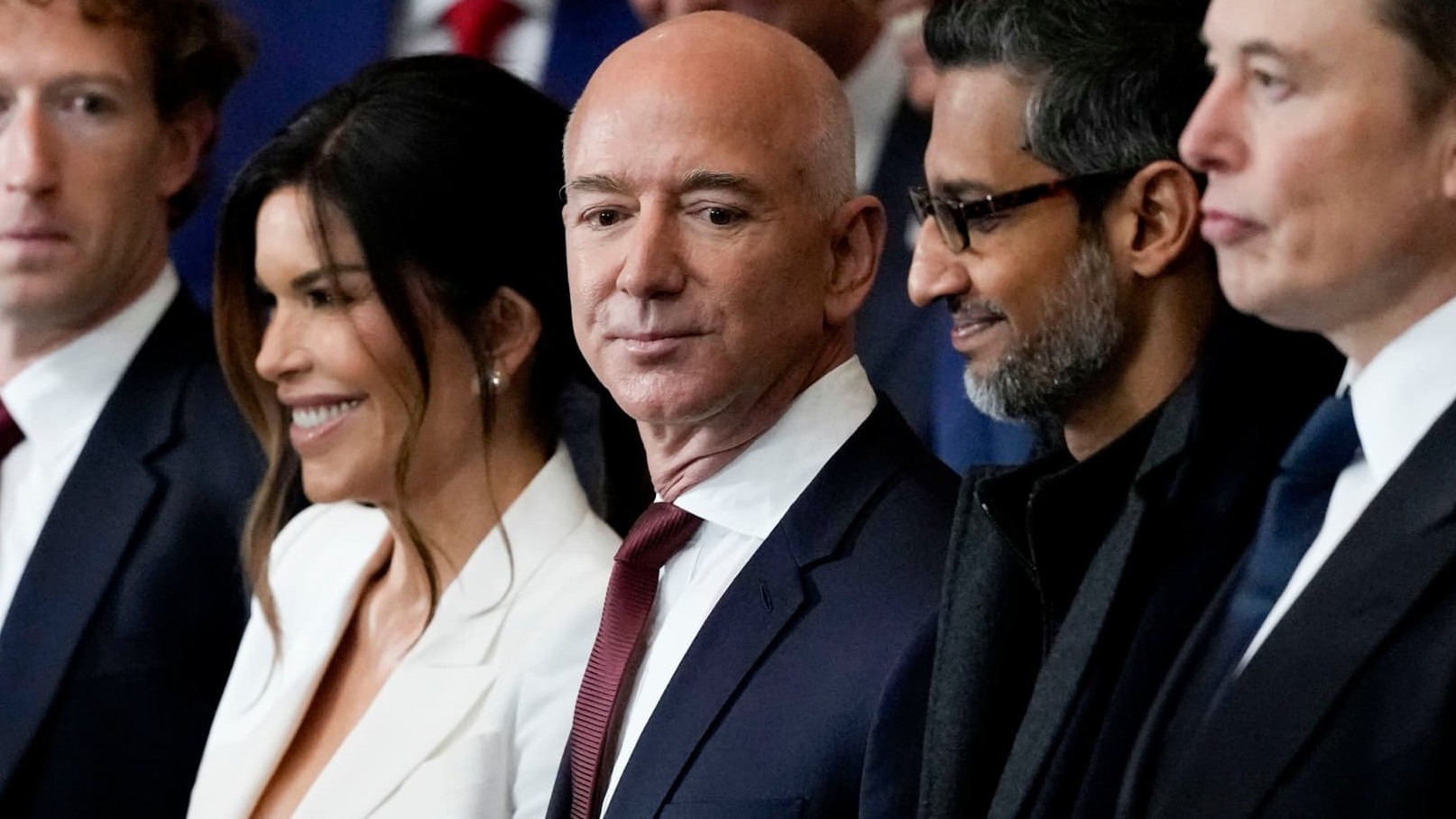
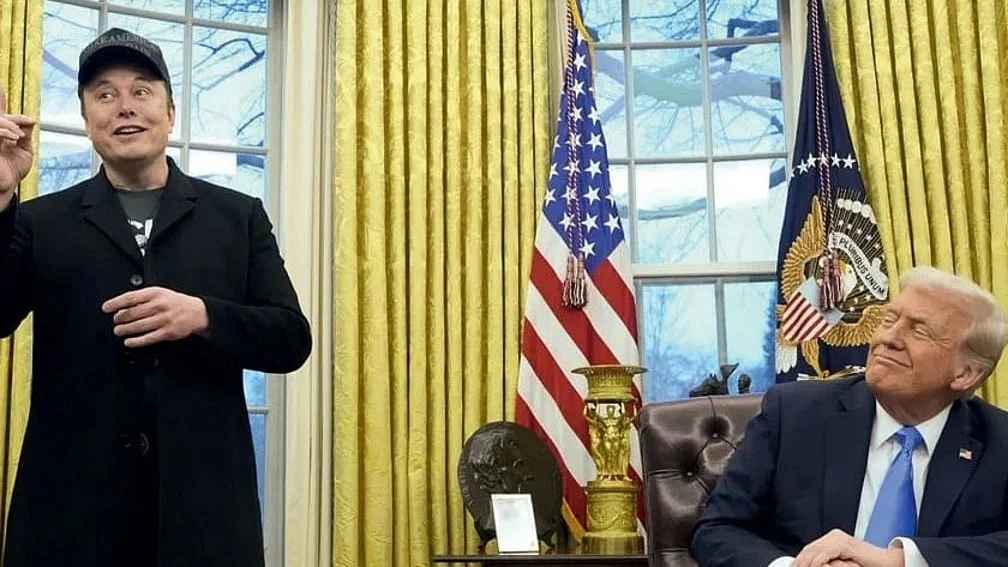
Elon Musk’s answer to the Democratic sweep of Congress came as a pair of posts on X. “Guess my election-interfering space lasers didn’t work this time,” he wrote. In a separate post: “Data centers in space looking pretty appealing right now.”
The first line is a joke aimed at conspiracy claims attached to his name. The second is a statement about where the world’s richest person might prefer to build. Both matter, because the 2026 midterms were partly a referendum on the physical infrastructure of artificial intelligence, and on the money that wanted it built.
Not every billionaire treated the night as comedy. Reid Hoffman, the LinkedIn cofounder and Democratic megadonor, wrote on X that “this night blew the doors off our expectations” and that voters had “rejected the status quo.” As billionaires react to the midterm sweep, the range of responses, from self-mockery to relocation jokes to warnings about construction schedules, describes a donor class recalculating rather than celebrating.
The Confirmed Result Was Arithmetic
Networks projected Democrats would take control of both chambers of Congress, according to CNBC. The individual race calls were specific and, in several cases, unprecedented. In Texas, James Talarico defeated Ken Paxton to become the first Democrat elected to the U.S. Senate from that state in nearly four decades. Gina Hinojosa defeated three-term Governor Greg Abbott, making her the first Democratic governor of Texas since Ann Richards left office in 1995.
Elsewhere, Sherrod Brown defeated Republican Senator Jon Husted in Ohio. Annie Andrews upset Darline Graham in South Carolina, a seat Republicans had expected to hold. Chris Pappas beat former senator John Sununu in New Hampshire. Democrats flipped Senate seats in Iowa and North Carolina.
The backdrop was economic. Many voters blamed Trump’s tariffs and the war with Iran for worsening their finances, CNBC reported, while the cost of living remained a persistent strain. Trump’s mid-decade redistricting push also largely failed: many redrawn districts in Texas, Florida and North Carolina still fell to Democrats.
How Billionaires React to Midterm Sweep: Two Jokes and a Warning
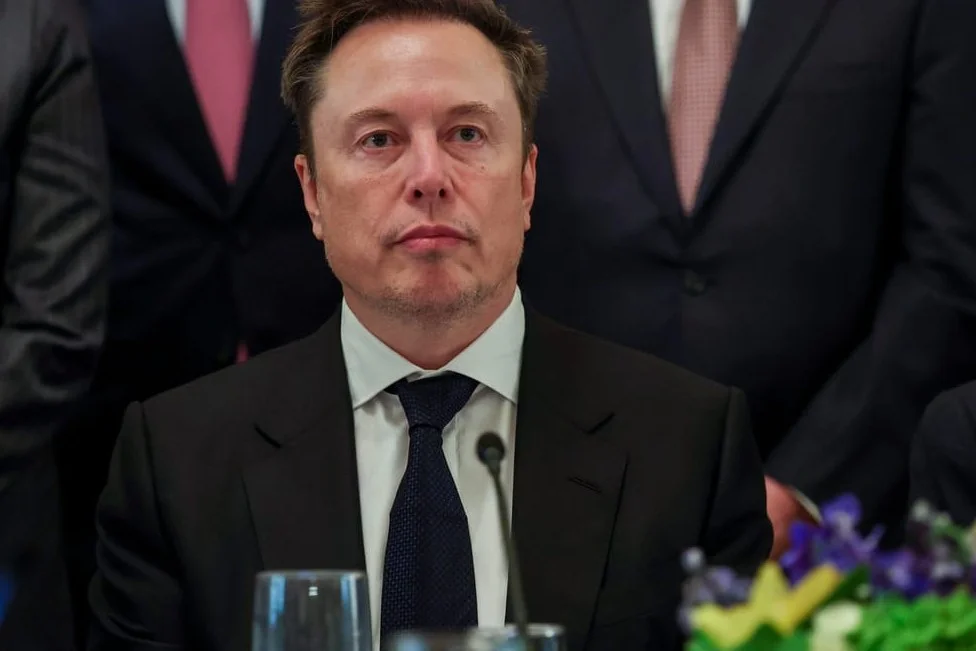
Keith Rabois, managing director at Khosla Ventures, posted “Another reason to move to Miami” as results arrived, shortly after the Associated Press called Florida’s Senate race for Republican incumbent Ashley Moody, according to Business Insider.
Brad Gerstner, chief executive of Altimeter Capital, used an All-In podcast livestream to argue that fears of a “blue tsunami” blocking data center construction are “overblown” — then said the results could slow development anyway, and that Hinojosa could “issue a moratorium on new data centers,” which he called “really challenging for the AI infratrade.”
Dylan Patel, chief executive of SemiAnalysis, posted “I am now bullish space datacenters” alongside a screenshot of early Texas results. That is roughly the position Musk reached, in different words, within hours. Politico timestamps Musk’s posts to Wednesday morning; Business Insider places them late on election night.
The Spending Numbers Do Not Agree, And That Matters
Musk’s outlay is reported at materially different levels. Politico puts it at around $446 million, the most a non-candidate has ever spent on an election, including over $200 million on Texas-related efforts. Open Magazine, citing NBC News, reported approximately $250 million for congressional campaigns. Business Insider said “over $150 million” went to Paxton’s race specifically. CNBC reported more than $200 million from Musk to stop Talarico in Texas.
None of these figures is reconciled in the reporting, and the totals likely measure different buckets of spending. What is not disputed: no individual spent more this cycle, and the candidates he backed lost almost everywhere, including Vivek Ramaswamy in Ohio’s gubernatorial race, per Politico.
Separate from fact is Talarico’s campaign charge that Musk was trying to buy “his very own personal United States Senator.” That is an accusation made on the trail, not a finding by any authority.
What The Data Center Fight Means Beyond Washington
Data centers sat on the ballot in ways the national headline obscures. In a CNBC Voter Poll, 56% of voters said data centers were a crucial or major factor in their decision. Texas is projected to overtake Virginia as the world’s largest data center market by 2030, according to JLL, and Hinojosa campaigned for a pause on new projects until the state adopts tougher rules. The Texas Legislature remains in Republican hands, which limits what a governor can enact alone.
“Amid data center backlash all across the country, Texas was supposed to be an AI oasis,” said Sam Koppelman, publisher of Hunterbrook Media, in comments carried by Politico. “This election totally changed that.”
Money followed the same fault line. A CNBC analysis of Federal Election Commission records found that 14 of the 20 largest donor groups backed Republicans exclusively or nearly so, and that crypto, AI and online gambling interests poured more than $377 million into races. Democratic control of both chambers gives the party subpoena power and oversight in the final two years of Trump’s term. Representative Greg Casar said the House majority must prioritize protecting Americans “from AI billionaires,” adding that “AI company CEOs should be called to testify under oath.” Representative Robert Garcia, the presumptive next chair of the oversight committee, put it in two words: “Lawyer up.”
Markets moved before dawn: Dow futures fell and S&P 500 futures slipped on Tuesday evening. In California, a first-of-its-kind ballot measure imposing a one-time 5% wealth tax on residents with net worth above $1 billion was trailing as of about 7 a.m. ET, Business Insider reported.
What To Watch
The gap between a joke and a forecast is where this story lives. Watch whether House committees actually issue subpoenas to AI executives, whether Hinojosa’s promised moratorium survives a Republican legislature, and whether the capital Musk joked about moving into orbit appears in filings rather than posts.
Watch, too, for a single reconciled figure for the cycle’s largest donor. And note what appears in none of this reporting: no African government, company or investor is quoted on what a more adversarial Washington means for data center and AI financing that reaches the continent. That absence is a gap in coverage, not evidence of calm. As billionaires react to the midterm sweep with jokes and warnings, the policy consequences remain unlegislated, and therefore unconfirmed.
Frequently Asked Questions
What did Elon Musk say after the 2026 midterm results?
Musk posted two short messages on X: ‘Guess my election-interfering space lasers didn’t work this time,’ and ‘Data centers in space looking pretty appealing right now.’ Politico timestamps the posts to Wednesday morning; Business Insider places them late on election night.
How much did Elon Musk spend in the 2026 midterms?
Reports conflict. Politico and Business Insider cite around $446 million in total, the most ever spent by a non-candidate. Open Magazine, citing NBC News, reported roughly $250 million for congressional campaigns. CNBC reported more than $200 million on Texas efforts alone, and Business Insider cited over $150 million for Ken Paxton’s Senate race. No outlet has reconciled the totals.
Did Democrats win control of Congress in the 2026 midterms?
Networks projected Democrats would take both the House and the Senate, according to CNBC. The party also won the Texas Senate and gubernatorial races, with James Talarico and Gina Hinojosa respectively, plus Senate seats in Ohio, Iowa, North Carolina and New Hampshire. Certification and any recounts were not addressed in the source reporting.
FIRST TIME REACTIONS:
Be the first to leave us a comment – Billionaires React to Midterm Sweep as Musk Jokes on X, down the comment section.
JOIN US ON OUR SOCIAL MEDIA:

About Clare Dominic
Clare Dominic is the Editor at AfriLatest. With a background in journalism and a passion for storytelling, she oversees the editorial process to ensure content is accurate, engaging, and relevant. Clare works closely with contributors to maintain the highest standards of journalistic integrity across all news, sports, and lifestyle coverage.
View all articles by Clare DominicWorld News
Delhi Air Quality Hits Severe Zone Ahead Of Diwali
Delhi air quality entered the severe band as GRAP Stage II took effect across the NCR before Diwali, with firecracker rules under scrutiny.

Delhi air quality crossed into the severe band in the first days of November, days before Diwali, with the Central Pollution Control Board network reporting an overall index reading above 400 and individual monitoring stations climbing past 450.
The Commission for Air Quality Management invoked Stage II of the Graded Response Action Plan across the National Capital Region on Monday, with immediate effect, according to The Week. The order binds civic bodies, traffic police and pollution control authorities across Delhi, Haryana, Uttar Pradesh and Rajasthan, four jurisdictions that share a single airshed and, on paper, a single emergency rulebook.
Stage II is the second rung of a ladder that tightens as pollution rises. Under it, agencies have been told to run daily mechanical or vacuum sweeping of roads, increase water sprinkling with dust suppressants before peak traffic hours, and inspect construction and demolition sites and identified hotspots, The Economic Times reported. Delhi Police ran vehicle checks at the Ghazipur border as the curbs took effect.

The BBC reported 20 additional weekday Delhi Metro trips and instructions to stagger government office timings to thin out peak traffic.
What The Delhi Air Quality Index Shows, And What It Does Not
The index runs on a 500-point scale. Figures from 301 to 400 are classed as very poor; anything from 401 to 500 is severe. On the Tuesday morning reading, two national outlets put the citywide figure at 451, while a third reported 452. The one-point gap is meaningless against the scale, but it points to something larger: the capital’s air is measured station by station, and the headline number compresses very different conditions into a single digit.
At 9am, eight of Delhi’s 57 monitoring stations sat in the severe category and 32 were very poor. Jahangirpuri recorded 452, Rohini 429, Punjabi Bagh 424 and Bawana 408. Jawaharlal Nehru University stood at 328, IGI Airport’s Terminal 3 at 287, and IMD Lodhi Road at 226, the last of these still inside the poor band.
Timing matters as much as location. The BBC reported an overall figure of 377, very poor but not severe, on a Wednesday morning, a reading consistent with a week in which the index moved in both directions. Single-day snapshots taken from different outlets on different mornings cannot be compared directly, and treating them as one trend line is a reporting error, not a data point.
How GRAP Escalates From Advisory To Restriction
The background is repetitive by design. Delhi and the surrounding plains choke every winter, and Diwali, celebrated with lamps and fireworks, sits inside the worst window. The deterioration follows a pattern: falling temperatures, weak winds, and smoke carried in from crop-residue burning in Punjab and Haryana. A storm brought rain and stronger winds that scrubbed the air, then the weather settled, northwesterly winds returned, and the smoke came with them.
That sequence followed an unusually clean October, when Delhi logged its lowest average AQI for the month in eight years, according to the BBC. The clean month is the useful baseline. It shows that weather, not policy, sets the pace of the swing.
The arithmetic behind the crisis is where emergency rules run into trouble. India’s Environment Ministry attributes 23% of Delhi’s winter pollution to vehicles, 20% to biomass burning including farm stubble, and about 9% to industry including coal-fired power plants. The largest share, 27%, comes from secondary particles formed in the atmosphere when gases from all of those sources react with one another.
Jacob Koshy, science editor of The Hindu and author of The Nitrogen Bomb, told The Straits Times that fertiliser ammonia is a feedstock for that chemistry: “The sheer quantity of ammonia that is going into the atmosphere creates a base layer for other pollutants to react with.” Secondary particles cannot be swept off a road or parked at a border checkpoint.
The health cost is documented. A 2024 study in The Lancet Planetary Health estimated that 3.8 million deaths in India between 2009 and 2019 were linked to air pollution.
Green Firecrackers, The Supreme Court And The Enforcement Gap
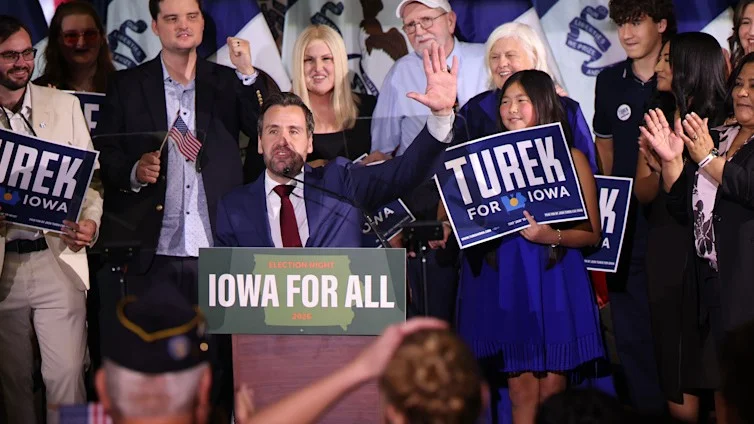
On Monday, India’s Supreme Court allowed the manufacture, sale and use of certified green firecrackers in Delhi and neighbouring areas for a limited period, the BBC reported. They may be set off only between 06:00 and 07:00 and between 20:00 and 22:00 local time on 7 and 8 November, and not within 300 metres of hospitals, care homes, schools and designated silence zones. Certificates carry QR codes so buyers and inspectors can check manufacturer and certification details.
The court also recorded the problem with its own earlier orders: conventional firecrackers have continued to be sold as green alternatives even under a full ban. Police have been directed to patrol sales areas, run random QR-code checks and seize illegal stock. Last year, Delhi woke to a toxic haze the morning after Diwali despite a court directive on low-pollution crackers.
That gap between an order and a street corner is the part of the story most transferable abroad. Cities in Africa and South Asia that share an airshed across state or provincial borders face the same design question the NCR is testing: whether one coordinating commission with enforcement powers across four governments performs better than four separate regulators. The evidence so far is mixed, and the Diwali weekend will produce more of it.
Mumbai offers the control case. India’s financial capital reached an AQI of 322, very poor, on 24 October, blamed on low wind speeds, construction dust, garbage burning and firecracker emissions, then fell to a satisfactory 89 by Wednesday. Coastal winds disperse what the Gangetic plain traps.
What To Watch After Diwali
Confirmed so far: Stage II is in force, the sweepers and sprinklers are deployed, and the stations are publishing. Forecast, not fact: officials say Delhi air quality will stay very poor for several days. Unresolved: whether only certified crackers reach the market, and whether a rule written for 48 hours of celebration can dent a pollution load that is 27% atmospheric chemistry.
The legacy question is not whether the index falls after the fireworks stop. It will, as it does each year. It is whether the enforcement machinery built around Diwali is ever scaled to the sources that operate in February, when the festival is forgotten and the monitoring stations still read above 300.
Frequently Asked Questions
What is Delhi’s air quality index reading ahead of Diwali?
On the Tuesday morning reading reported by national outlets, Delhi’s overall AQI was 451 in two accounts and 452 in a third, placing the city in the severe category on the CPCB’s 500-point scale. Individual stations ranged from 452 at Jahangirpuri to 226 at IMD Lodhi Road.
What does GRAP Stage II actually restrict?
Stage II requires daily mechanical or vacuum road sweeping, increased water sprinkling with dust suppressants before peak traffic hours, stricter inspection of construction and demolition sites and pollution hotspots, higher parking charges, added public transport, and staggered government office timings. It applies across Delhi, Haryana, Uttar Pradesh and Rajasthan.
Are firecrackers banned in Delhi this Diwali?
Not entirely. India’s Supreme Court allowed the manufacture, sale and use of certified green firecrackers for a limited period, restricted to 06:00-07:00 and 20:00-22:00 local time on 7 and 8 November, and banned within 300 metres of hospitals, care homes, schools and designated silence zones. The court acknowledged that conventional crackers have been sold as green alternatives.
What causes Delhi’s winter pollution spike?
India’s Environment Ministry attributes 23% of Delhi’s winter pollution to vehicles, 20% to biomass burning including farm stubble, about 9% to industry including coal-fired power plants, and 27% to secondary particles formed when gases from those sources react in the atmosphere. Falling temperatures and low wind speeds concentrate the load.
FIRST TIME REACTIONS:
Be the first to leave us a comment – Delhi Air Quality Hits Severe Zone Ahead Of Diwali, down the comment section.
JOIN US ON OUR SOCIAL MEDIA:
About Clare Dominic
Clare Dominic is the Editor at AfriLatest. With a background in journalism and a passion for storytelling, she oversees the editorial process to ensure content is accurate, engaging, and relevant. Clare works closely with contributors to maintain the highest standards of journalistic integrity across all news, sports, and lifestyle coverage.
View all articles by Clare DominicWorld News
California Billionaire Tax: Who Pays Under Proposition 40
California billionaire tax: Proposition 40’s one-time 5% levy on roughly 200 billionaires, the $100 billion estimate, and the billionaires who left.
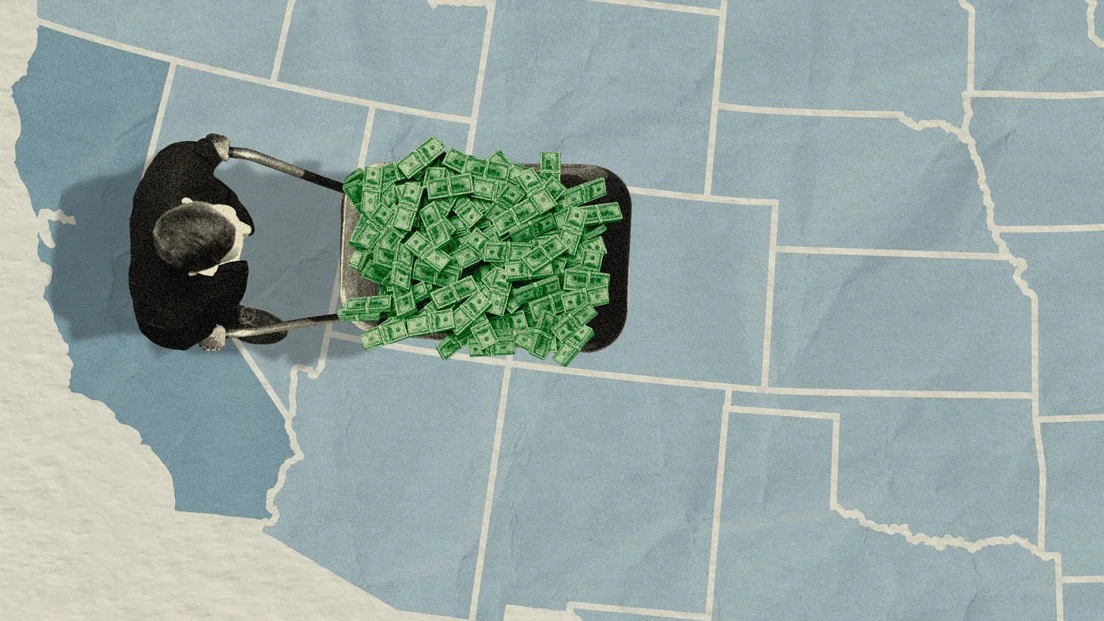
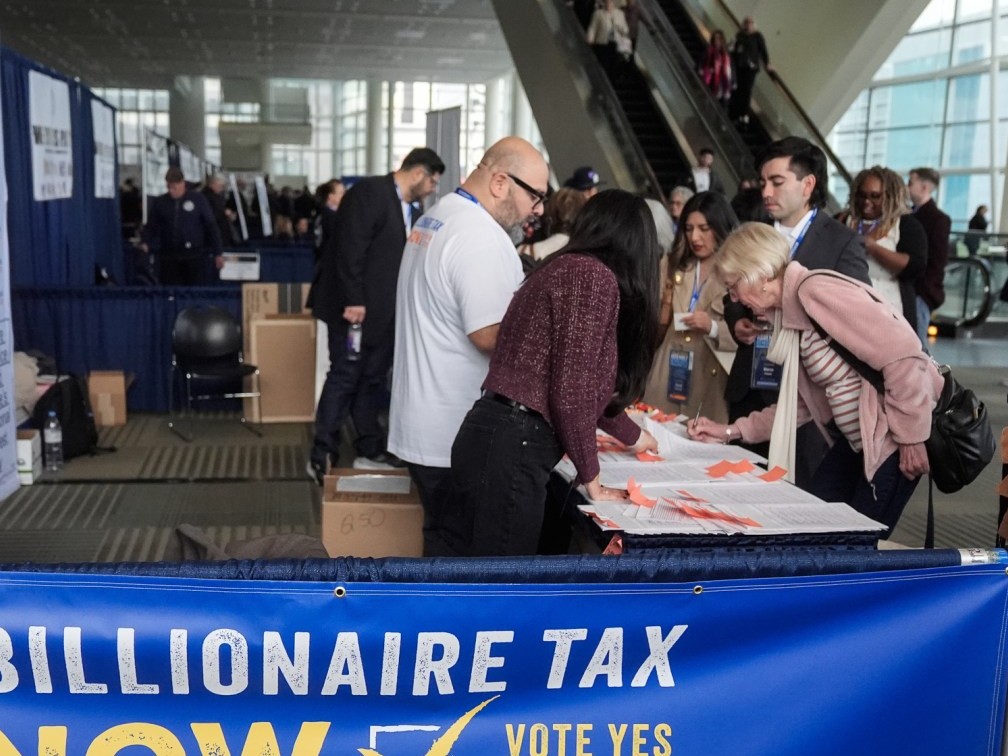
California voters will decide next month whether to impose a one-time 5% tax on the net worth of the state’s roughly 200 billionaires, a levy projected to raise $100 billion over five years and the first wealth tax of its kind to reach a statewide ballot.
The measure, Proposition 40, sits among 14 propositions on the ballot. It was placed there by the Service Employees International Union-United Healthcare Workers West and its president, Dave Regan, who frames it as a five-year bridge rather than a permanent fix. “We’re not trying to pretend that it’s a permanent solution,” Regan told CBS News, “but a five-year solution is better than no solution.”
What The California Billionaire Tax Would Actually Do
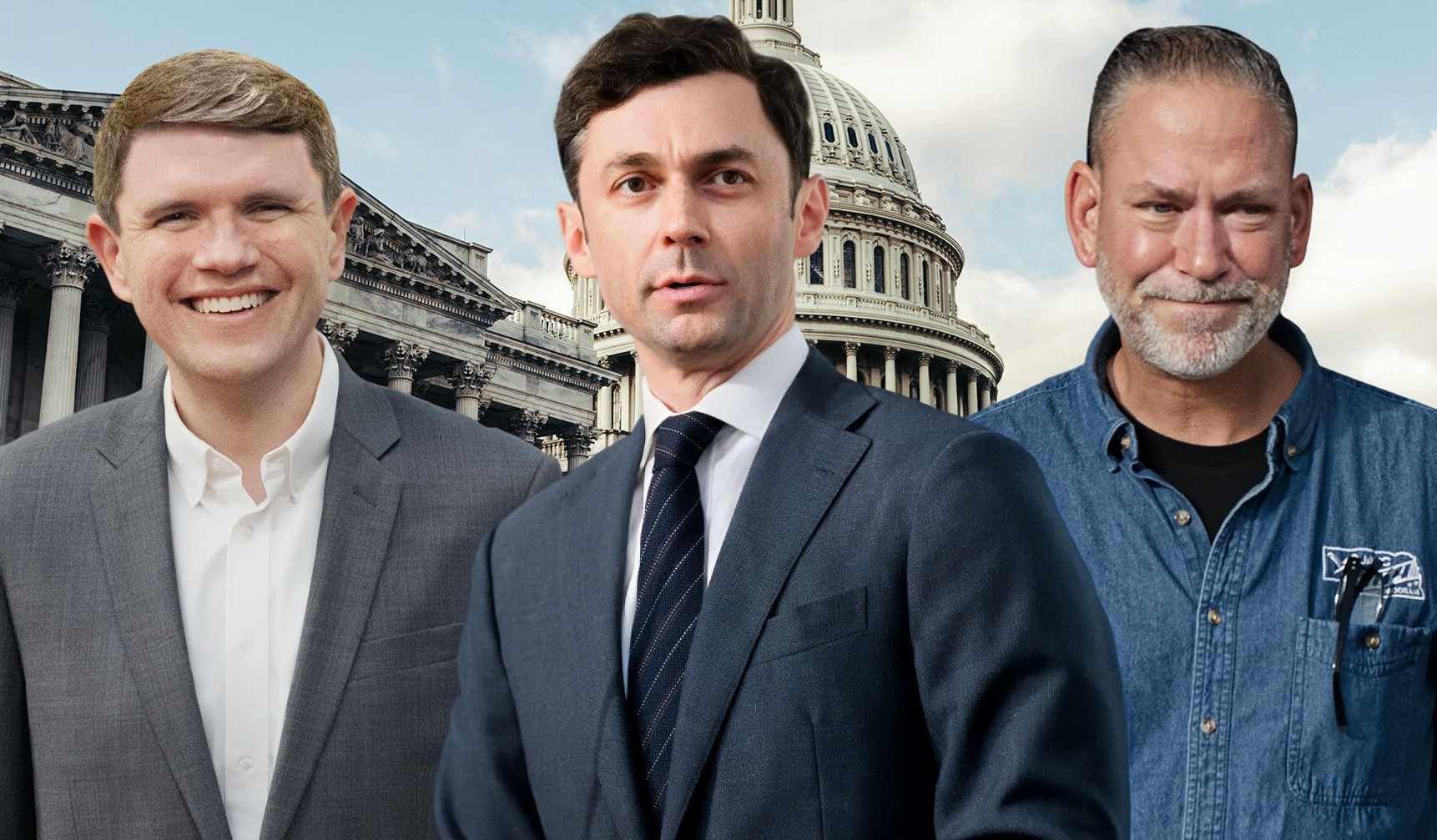
The initiative text confirms three things. It applies to California residents with net worth above $1 billion. It is levied once, at 5%. And it is written into the state Constitution, not merely state law, a detail that governs every argument about what happens after passage.
Ninety percent of revenue would flow into a special state reserve for healthcare, including Medi-Cal. Nearly one in three Californians depend on that program, according to the California Budget and Policy Center, as cited by USC Annenberg Media. The remaining 10% would fund K-14 public education and food assistance such as CalFresh and school nutrition programs.
The stated trigger is a specific federal law, not inequality in the abstract. Congress passed the One Big Beautiful Bill Act in July, cutting more than $1 trillion from federal healthcare spending over a decade. The California Department of Health Care Services expects the state to lose about $30 billion a year, Annenberg reported. Regan says 3.5 million people would lose coverage. That figure is his, and the source material contains no independent verification of it.
The Fight Over What Lawmakers Could Do Later
Opponents have built their campaign on a second-order claim: that the measure is a “Trojan horse” for wealth taxes on ordinary Californians, because it lets the Legislature amend the tax by two-thirds vote so long as changes are “consistent with and furthers the purposes” of the act.
CalMatters rated that claim partially true. California courts have granted lawmakers real authority over ballot initiatives that permit amendment. The Mental Health Services Act, a 1% income tax on millionaires passed in 2004, has been amended 10 times, though never on its rate. Election-law attorney Michael Colantuono told CalMatters that legislators “could probably adjust the structure of the tax in marginal ways,” but that they could not turn it into more than a one-time tax or lower the wealth threshold. Regan’s answer to the ad campaign was flat: “The billionaire tax is a tax on billionaires. Period.” Rob Lapsley, president of the California Business Roundtable, which funded the ad, said the intent was to show “what they could mean for taxpayers and the state’s economy.
Billionaires Who Left, And The One Who Said Yes
On one measurable point, both sides agree: since the California billionaire tax was proposed, some of the state’s richest residents have moved out. CBS News reported that venture capitalist Peter Thiel and Google co-founders Larry Page and Sergey Brin have left California. Brin is spending more than $100 million to oppose the measure.
Opposition is not confined to the wealthy. Governor Gavin Newsom calls Prop 40 “a flawed initiative.” Former congresswoman Katie Porter, who describes herself as a progressive, argues the design defeats its own purpose. “When somebody leaves California, we can no longer tax them,” she told CBS. “That is a permanent problem.”
One billionaire spoke on the record. Nvidia chief executive Jensen Huang, whose Forbes-listed net worth is about $200 billion, said he does not object to paying. Asked about a bill of perhaps $8 billion over five years, he replied: “The fact that I can afford to pay $8 billion in taxes over five years is a privilege.” He added: “I’m not afraid of paying taxes. I’m just afraid of being poor.” He did not say how he intends to vote, and the source material does not indicate whether he has taken a position on the measure.
Why Valuation, Not Politics, May Decide The Outcome
Beyond the campaign, the California billionaire tax creates an administrative problem the state has never faced: assigning a price to assets that are rarely sold, including private companies, art and car collections. Valuing a pre-revenue tech startup is especially difficult.
“The excise tax that’s being proposed here is on potential,” Chris Parker, a principal tax attorney at Baker Tilly, told CalMatters. “The question then is, if we open the door to taxing potential, when does that stop?”
Ray Madoff, a professor at Boston College Law, told CBS the underlying system is “deeply broken” because most billionaire wealth sits in stocks that are not taxed until sold. She compared the arrangement to “the aristocracy of pre-revolutionary France.” She also described Prop 40’s value as largely symbolic, arguing that meaningful change has to happen at the federal level.
What To Watch On November 3
Two competing measures could void the result. Proposition 41 would require pre-election audits of initiatives proposing special taxes once they report 25% of required signatures. Proposition 42 would bar taxes enacted on or after January 1, 2026 on the ownership or control of individually owned assets and personal savings. If either receives more votes than Prop 40, the wealth tax is nullified.
Polls have tightened, according to CBS News, and the outcome is not settled. The structural questions the California billionaire tax raises travel well beyond one state: how to value private wealth, how to keep a taxable base from moving, and whether a five-year sunset survives political pressure. Colantuono noted that temporary taxes have more than once become permanent because of “tremendous political pressure to prevent the sunset.”
Readers in African economies weighing similar levies face the same measurement and mobility problems, and this report draws no statistical comparison because the source material contains no data on African wealth-tax proposals. The comparison here is structural only. Regan is already predicting replication: “California is America’s coming attraction, and this is coming to a state near you after we pass it on November 3.” Whether that forecast holds depends less on the rhetoric than on the count, and on what courts do with the amendment clause if the California billionaire tax passes.
Frequently Asked Questions
What is Proposition 40?
Proposition 40 is a California ballot initiative that would impose a one-time 5% tax on the net worth of state residents worth more than $1 billion. It was placed on the ballot by SEIU United Healthcare Workers West and is projected by supporters to raise about $100 billion over five years, with 90% earmarked for healthcare.
Which billionaires have left California since the tax was proposed?
CBS News reported that venture capitalist Peter Thiel and Google co-founders Larry Page and Sergey Brin have left California since the wealth tax was proposed. Brin is spending more than $100 million to oppose the measure. The source material does not give departure dates or confirm the reasons for each move.
How could Proposition 41 or Proposition 42 block the wealth tax?
Both are competing ballot measures backed by opponents. Proposition 41 would require pre-election audits for initiatives proposing special taxes once they report 25% of required signatures. Proposition 42 would prohibit new taxes on the ownership or control of individually owned assets and personal savings enacted on or after January 1, 2026. If either receives more votes than Prop 40, the wealth tax result is voided.
FIRST TIME REACTIONS:
Be the first to leave us a comment – California Billionaire Tax: Who Pays Under Proposition 40, down the comment section.
JOIN US ON OUR SOCIAL MEDIA:
About Clare Dominic
Clare Dominic is the Editor at AfriLatest. With a background in journalism and a passion for storytelling, she oversees the editorial process to ensure content is accurate, engaging, and relevant. Clare works closely with contributors to maintain the highest standards of journalistic integrity across all news, sports, and lifestyle coverage.
View all articles by Clare Dominic-

 Startups1 month ago
What a Successful Dangote Refinery IPO Really Says
-
Savings & Investing1 week ago
Hidden Medicare Fees Draining Your Retirement Savings
-
Health and Fitness3 weeks ago
Curly Hair Hydration: 5 Proven Steps That Actually Work
-
Tech & Gadgets4 weeks ago
Apple Watch and AirPods Fall Deals: Save $120 Today
-
University Admissions1 month ago
UNILAG 2026/2027 Admission: Direct Entry & Post-UTME Guide
-
Football1 month ago
South Carolina vs Alabama: Tide Roll to 35-10 Halftime Lead
-
World News1 month ago
Carney Calls U.S. Tariffs a Miscalculation as Canada Retaliates
-
Football1 month ago
Mexico vs Colombia 2026: Márquez Debut Ends in Defeat