Health and Fitness
Keep curly hair hydrated this winter: 3-step layering
Keep curly hair hydrated this winter with a simple 3-step moisture layering routine, from leave-in to sealing oil, plus Nigerian-friendly product swaps.

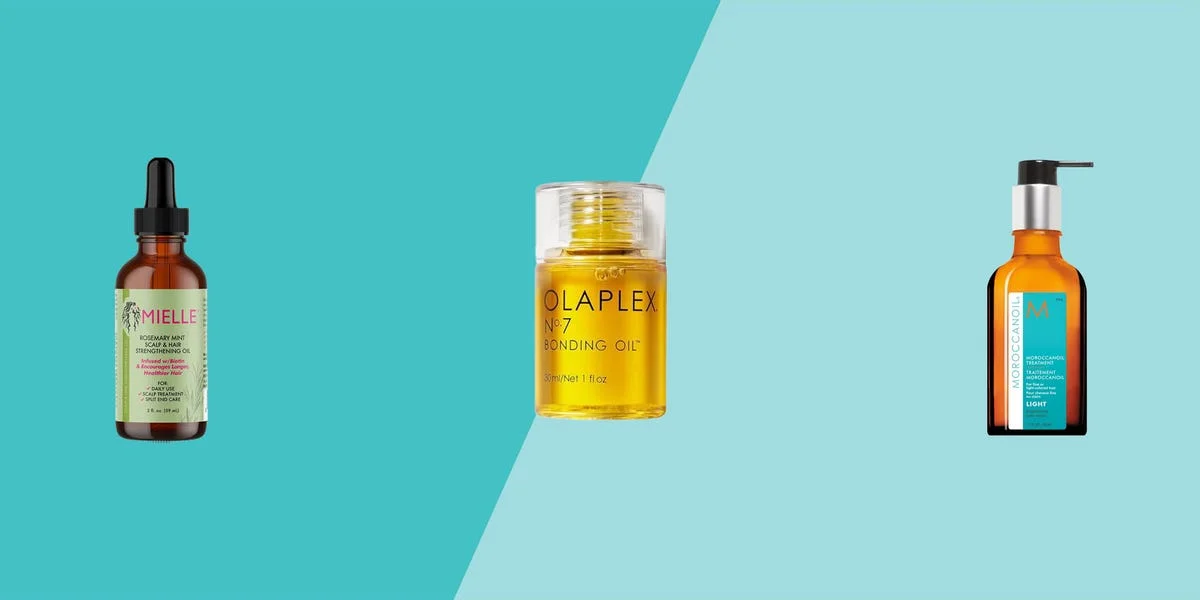
Curly hair hydrated in winter is not about one miracle product. It is about how you layer water, cream, and oil so the moisture stays inside the strand instead of evaporating into dry December air.
Why Curly Hair Dries Out Faster
Curly and coily hair is naturally more porous and structurally drier, simply because the shape of the strand makes it harder for natural oils to travel from root to tip. That is the plain explanation from Emma Simmons, a curly and textured hair specialist at Salon 54. The coil itself blocks the oil’s path.
Winter makes this worse. Indoor heating, cold wind, hot showers, and heavy scarves all pull moisture out of the hair fibre. Humectants like glycerin and panthenol draw moisture in, emollients soften the cuticle, and lightweight oils or polymers seal everything down. Skip a step and you do not get the same result.
So the goal is not to add more product. The goal is to add the right products in the right order.
The Three-Step Moisture Layering Routine
Start in the shower, on soaking wet hair. Water is the first ingredient in any hydration routine, and applying products before you leave the shower reduces moisture loss.
Step one: hydrate. Use a lightweight, water-based product, a hydrating mist or a light leave-in. This opens the hair to absorb the layers that follow. Crown Affair’s Leave-In Conditioner is a water-based formula that one tester used for over a year, needing only a half-pump for pillow-soft hair. Apply to mid-lengths and ends, where dryness shows first.
Step two: define. Work a cream or gel through your curls, depending on the finish you want. Creams give soft, touchable bounce. Gels give more hold and definition. This step sets your pattern without stiffness.
Step three: seal and shine. Diffuse gently, roaming the diffuser around your head rather than scrunching hair into it. Once hair is 80 to 90 percent dry, you can be rougher because the pattern is mostly set. Finish with a lightweight oil to lock in hydration and break the crunchy cast.
What To Look For In A Conditioner
Conditioner is where most of the hydration actually happens. Celebrity hairstylist Kendra Alia says the key is choosing formulas that add moisture, smooth, and soften curls. She also notes that the best ingredients for damaged hair are protein and natural oils.
For dry curls, deep hydration matters most. SheaMoisture’s Manuka Honey and Mafura Oil Intensive Hydration Conditioner is built on manuka honey, shea butter, mafura and baobab oils, plus African rock fig. It is rich and creamy, which is exactly what tight curls want. Fine waves may find it heavy.
If your hair is damaged from colour or heat, K18’s Damage Shield Protective Conditioner uses a biotech-produced polysaccharide and K18PEPTIDE. One tester with 2B/3A curls saw better hydration, shine, and curl definition, plus less breakage at the crown, even in dry winter weather.
The Oils That Actually Work
Hair oils create a barrier around the hair to lock in moisture, according to celebrity stylist Michelle Cleveland. They can also reduce frizz, prevent breakage, add shine, and some provide heat protection.
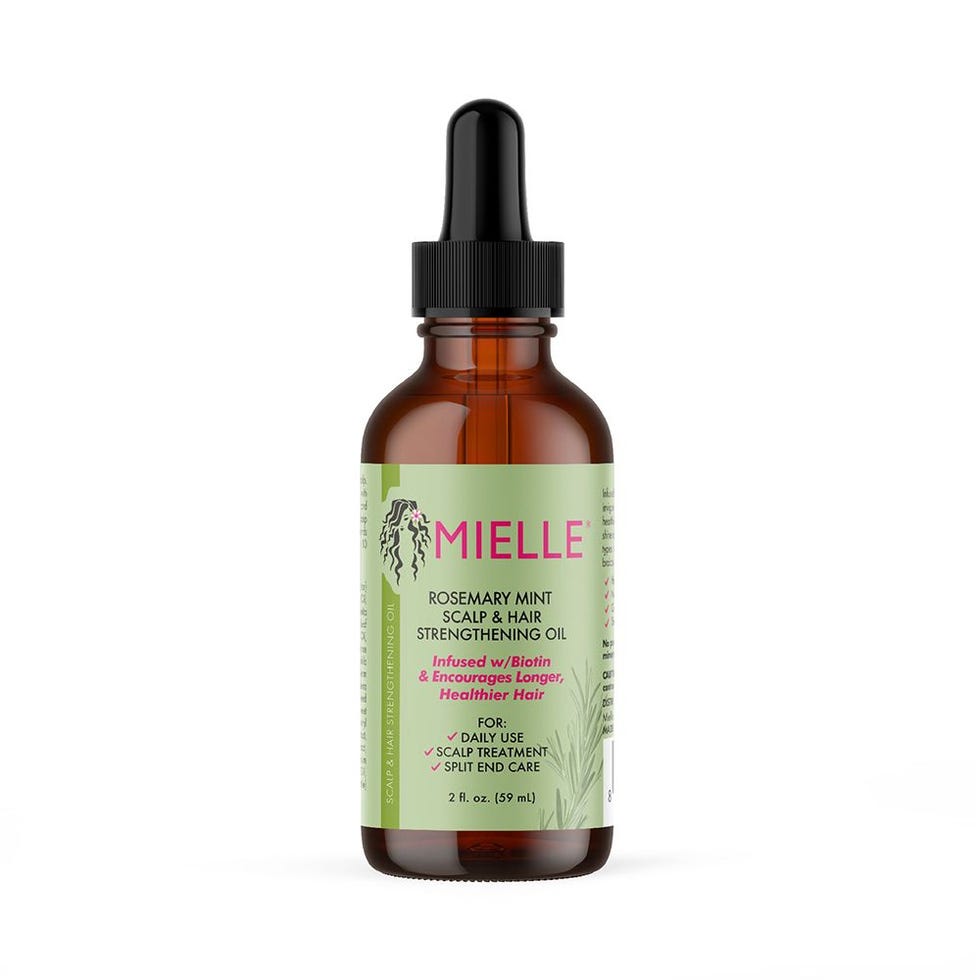
For fine hair, choose weightless options. Moroccanoil Treatment Light uses antioxidant-rich argan oil and linseed extract, and it smooths frizz without collapsing volume. For thick or coarse hair, richer blends like Kérastase Elixir Ultime soften the cuticle and control frizz. It claims frizz control for up to 48 hours and heat protection up to 450°F.
Dr. Brendan Camp, a double board-certified dermatologist, recommends Briogeo’s scalp oil for people dealing with both dry hair and a dry, itchy scalp. Hair oils are known for restoring moisture, limiting breakage, and providing nutrients and vitamins.
Nigerian Swaps That Cost Less
You do not need to import everything. Cold-pressed coconut oil and palm kernel oil are widely available in Nigerian markets, and both are proven sealants. Shea butter, sold in large blocks, is the original emollient and works beautifully as the cream step for type 4 hair.
For a leave-in, mix a little shea butter with water and a few drops of glycerin in a spray bottle. Shake hard before each use. This is the same humectant-plus-emollient logic the salon products use, at a fraction of the price.
One caution: glycerin pulls moisture from the air, so in very dry harmattan air it can pull moisture out of your hair instead. If your hair feels dry after using it, switch to a glycerin-free leave-in for the driest weeks.
Night Routine And Washing
Curly hair thrives when it is not overwashed. Between wash days, spritz your curls with water or a curl-refreshing mist and gently scrunch to bring back bounce. A small amount of leave-in conditioner maintains moisture and keeps frizz down.
Sleep on a silk pillowcase or wear a silk bonnet. Both protect the curl pattern overnight. For looser waves, plaiting hair before bed and wearing a bonnet creates soft, natural waves by morning.
When To See A Doctor
Dry, brittle hair is usually a care issue. But if you are also losing hair in patches, have a persistently itchy or scaly scalp, or notice sudden thinning, see a dermatologist. Those can point to conditions that no oil will fix.
Adding It To A Nigerian Meal And Bath Routine
You already eat the building blocks. Eggs, beans, groundnut, and fish give you protein, which hair is made of. Drink water through the day, because a dehydrated body shows up first in your skin and strands.
On wash day, keep a bowl of shea butter and a small bottle of coconut oil in the bathroom. Layer water, then leave-in, then cream, then oil. Ten minutes of care, twice a week, is enough to keep curly hair hydrated through harmattan, and your curls will still be springing back when the rains return.
Frequently Asked Questions
How often should I moisturise curly hair in winter?
Twice a week on wash day is usually enough. Between washes, spritz with water or a curl-refreshing mist and scrunch gently to bring back bounce. A small amount of leave-in helps maintain moisture without weighing curls down.
Can I use shea butter instead of imported hair cream?
Yes. Shea butter is a rich emollient that softens the cuticle and seals in moisture, and it works well as the cream step for type 4 hair. Mix it with water and a few drops of glycerin if you want a lighter leave-in.
Why does my hair feel drier after using glycerin in harmattan?
Glycerin is a humectant, meaning it draws moisture from the air. When the air is extremely dry, it can pull moisture out of your hair instead of into it. Switch to a glycerin-free leave-in during the driest weeks.
Related Articles
- Big Walk Dev Explains Lack of Xbox: A Masterstroke or Missed Opportunity?
- Amazon Bee AI Devices: Frontier vs Eclipse Compared
- Billy Joel Health Update: Hydrocephalus Tests Before Tour
- Grian Chatten Solo Album: Will It Be Festival-Ready?
- Pro Dota 2 Player Claims He Had to Play a Match to Prove Identity
 Follow AFRILATEST on Google News
FIRST TIME REACTIONS:
Be the first to leave us a comment – Keep curly hair hydrated this winter: 3-step layering, down the comment section.
JOIN US ON OUR SOCIAL MEDIA:


Health and Fitness
US-Nigeria Health Deal: What It Means for Your Care
The US-Nigeria health deal commits $5.1bn to health. Here’s what it means for your clinic, medicines and data—and what to watch.

The US-Nigeria health deal is a five-year Memorandum of Understanding signed on 19 December 2025. It runs from April 2026 to December 2030. The United States commits nearly $2.1 billion in grant funding. Nigeria commits to allocating at least six per cent of executed annual federal and state budgets to health, projected to mobilise nearly $3 billion. Both governments call it a step toward a more self-reliant health system. Critics call it a risk to data sovereignty and long-term independence.
Here is what the deal actually says, what it does not say, and what you can do today.
Warm-Up: Know What Is Actually in the Deal
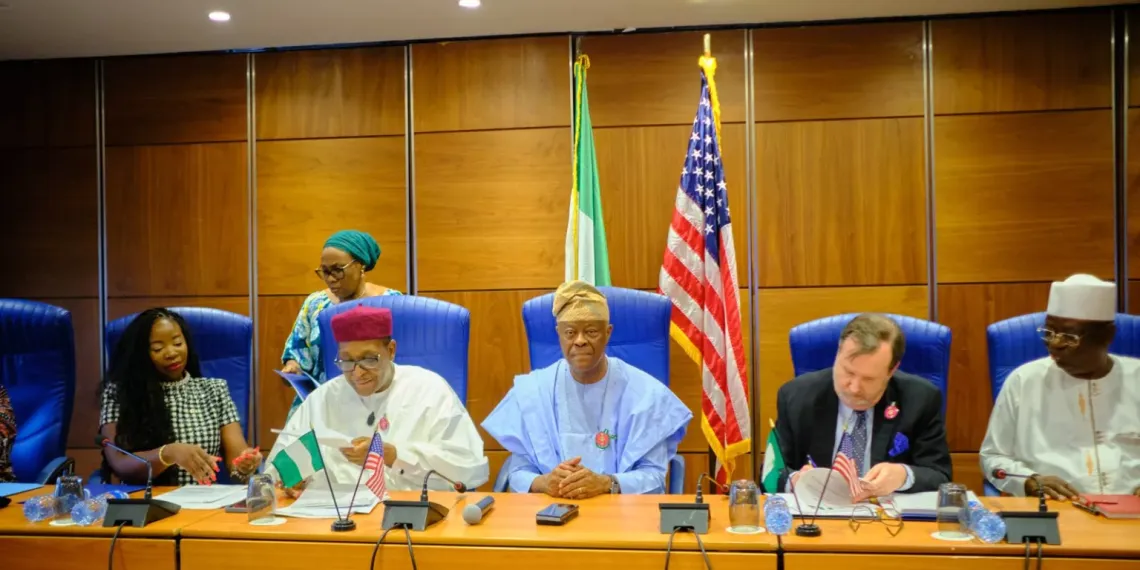
The agreement covers disease surveillance, outbreak response, laboratory systems, support for frontline health workers, health information systems and access to essential medical commodities. Focus areas include HIV/AIDS, tuberculosis, malaria, polio, and maternal and child health.
The US State Department says the deal places strong emphasis on Christian faith-based healthcare providers, with about $200 million in dedicated support. It says Nigeria’s more than 900 Christian faith-based health facilities serve over 30 per cent of the population, often where public facilities are limited. The government of Nigeria says the partnership supports early detection and control of infectious diseases and aligns with the Nigeria Health Sector Renewal Investment Initiative.
Main Routine: What It Means for Your Care
First, expect more attention to primary healthcare and frontline workers. If the commitments are honoured, the deal could expand access to affordable preventive and curative services, especially in underserved areas.
Second, watch the medicines. The US is expected to provide vaccines and medicines valued at approximately $3 billion to support malaria and other life-threatening diseases, while Nigeria contributes a counterpart fund of approximately $2.1 billion. NOSCEF has asked the government to clarify whether NAFDAC retains full authority to test, evaluate, approve and monitor products supplied under the arrangement. If reports of restrictions on NAFDAC are accurate, that is a red flag. If they are not, the government should say so with documents.
Third, your data. Professor Oyewale Tomori, a virologist and former vice-chancellor of Redeemer’s University, warned that sharing health data and pathogen samples without guarantees of equitable benefit sharing could undermine Nigeria’s health security. He said Nigeria could provide valuable health information and biological resources, then later have to buy medicines and reagents developed from them. Human Rights Watch has raised concerns about data access and specimen provisions in several US bilateral agreements. Nigeria’s arrangement requires approval by a data and specimen governance committee on a case-by-case basis, according to that analysis.
Fourth, the money. Tomori questioned whether Nigeria can sustain roughly $600 million annually, citing figures attributed to Health Minister Muhammad Ali Pate showing only N36 million released from the N218 billion health capital budget for 2025. An MoU is a statement of intent, not a legally binding treaty. In the US, funding still requires Congressional appropriation. In Nigeria, co-financing must pass future budgets.
Cool-Down: What to Do This Week
Ask your local government health authority what the deal means for your nearest primary healthcare centre. Ask whether new commodities, laboratory support or worker training are expected in your state.
If you take medicines for HIV, TB or malaria, do not stop or change them because of this news. Continue your treatment and get refills from your usual provider.
Check any product you receive. NAFDAC registration should be visible. If you are offered a medicine or vaccine under any programme and you are unsure, ask the health worker for the product name and approval status. Report suspected substandard products to NAFDAC.
Ignore claims that the vaccines or medicines are designed to harm or reduce the population. NOSCEF itself urged the public not to accept such claims without credible scientific evidence. Demand transparency instead.
Frequency: How Often to Check In
Review developments quarterly. The deal runs until December 2030. Key milestones: the April 2026 start, the first full budget cycle showing the six per cent allocation, and any publication of the full MoU text.
Tips for Holding the Deal Accountable
Demand the full text. NOSCEF, the African Democratic Congress, and Nigeria Health Watch’s Vivianne Ihekweazu have all called for the signed MoU to be published. You can add your voice through professional associations, religious bodies and civil society groups.
Follow the budget. The six per cent commitment is the part Nigeria controls. Track whether state and federal health allocations are actually released, not just approved.
Support local capacity. Tomori urged investment in local research, laboratory infrastructure and Nigerian scientists’ capacity to analyse health data and process pathogen samples within the country. That is the path to retaining value.
Learn from neighbours. Ghana rejected a proposed $109 million deal over data and regulatory concerns. Zimbabwe withdrew from a proposed $367 million agreement. Zambia finalised its deal in October 2026 after contentious data and specimen provisions were removed. Kenya’s High Court froze implementation of its MoU after challenges over patient data privacy and bypassing Parliament.
How to Know It Is Working
By 2028, you should see measurable signs. Fewer stockouts of essential medicines at your local clinic. More health workers trained and posted. Functioning laboratory equipment. Published data on maternal deaths and malaria cases moving in the right direction. And a government that can show Nigerians the full agreement and the receipts.
If none of that happens, the concerns raised by Tomori, NOSCEF and others will have been proven right. The US-Nigeria health deal is not a cure. It is a test of whether Nigeria can take external support without surrendering control of its health data, its medicines and its future.
Frequently Asked Questions
Is the US-Nigeria health deal a legally binding agreement?
No. It is a Memorandum of Understanding, a formal statement of intent. In the US, funding still requires Congressional appropriation. In Nigeria, co-financing commitments must be approved through future budget cycles.
Will NAFDAC still test and approve vaccines and medicines under the deal?
NOSCEF has asked the government to clarify this. Reports allege the agreement restricts NAFDAC from independently reviewing or testing supplied products. The government has not published the full text. If the reports are inaccurate, the government should provide documentary evidence.
How much is Nigeria contributing?
Nigeria has committed to allocating at least six per cent of executed annual federal and state budgets to health, projected to mobilise nearly $3 billion. Professor Oyewale Tomori described this as approximately $600 million annually and questioned whether the government can sustain it.
Related Articles
- Nigeria’s Health Partnership With the US: 5 Key Facts
- Becky G World Mental Health Day: 5 Powerful Lessons
- Meta Removes Scraping Language: 5 Steps to Protect Your
- Nigeria’s Health Partnership With US: 5 Key Steps to Prepare
- FCTA Fitness Walk: 5 Easy Steps to Boost Staff Productivity
FIRST TIME REACTIONS:
Be the first to leave us a comment – US-Nigeria Health Deal: What It Means for Your Care, down the comment section.
JOIN US ON OUR SOCIAL MEDIA:
Health and Fitness
Nigeria’s Health Partnership With the US: 5 Key Facts
Nigeria’s health partnership with the US shifts to domestic financing. Learn what the 2025 MoU means for HIV, malaria, vaccines and your care.
You wake up with a fever and a headache. In the past, you might have waited to see if it passed. Now, with Nigeria’s health partnership with the US entering a new phase, the question of where you get tested and treated is shifting. The partnership is not ending. It is changing shape, and that change will touch your clinic, your pharmacy and your local hospital.
For more than two decades, Nigeria and the United States have worked together on major public-health challenges. Through PEPFAR, the President’s Malaria Initiative, polio eradication, laboratory development and disease surveillance, that cooperation has saved lives and strengthened institutions millions of Nigerians depend on. The next phase, according to Nigeria’s Coordinating Minister of Health and Social Welfare, must serve a clear national purpose: building a system financed increasingly by Nigeria itself.
What Changed In 2025
The health MoU signed by Nigeria and the United States on 19 December 2025 covers April 2026 to December 2030. It provides a managed transition from externally financed implementation toward stronger use of Nigerian institutions, government systems and domestic resources. The MoU is broader than medicines or vaccines. It covers outbreak surveillance and response, laboratory capacity and biosafety, frontline health workers, health commodities, data systems and strategic investments in service delivery. It also supports procurement reform and increased local manufacturing.
Planned US support is nearly $2 billion over five years and declines over the period. Nigeria plans nearly $3 billion in additional domestic health financing. That money does not leave Nigeria. It stays here and is applied to priorities Nigeria sets, including HIV, tuberculosis, malaria, maternal and child health, laboratories, health workers, surveillance, commodities, primary healthcare and health information systems.
Why The Shift Matters For Your Care
The performance framework under Nigeria’s health partnership with the US tracks viral suppression among people living with HIV, tuberculosis outcomes, malaria deaths, maternal and child survival, immunisation rates and the speed with which public-health threats are detected, reported and controlled. These are not abstract numbers. They are the measures that determine whether your neighbour’s child gets vaccinated on time and whether your aunt’s HIV treatment continues without interruption.
Nigeria’s co-investment is measured by actual expenditure: at least 6 per cent of executed annual federal and state budgets for health, not by budget announcements alone. The 2025 federal health budget rose by nearly 60 per cent, increasing health’s share of the national budget to 5.2 per cent from just over 3 per cent. In presenting the 2026 Appropriation Bill, President Tinubu proposed ₦2.48 trillion for health and described health investment as 6 per cent of the budget net of liabilities. The 2026 Appropriation Act was signed with an aggregate expenditure of ₦68.32 trillion.
What The MoU Does Not Do
The MoU is legally non-binding. It recognises the application of Nigerian law and permits either participant to discontinue cooperation under its terms. The Attorney-General of the Federation reviewed and cleared it, confirming it did not undermine Nigeria’s national interest. Any citizen, journalist, researcher or civil-society organisation wishing to examine the instrument can request a copy under the Freedom of Information Act.
NAFDAC continues to exercise its statutory responsibility for medicines, vaccines and diagnostics. The MoU refers to NAFDAC’s existing regulatory-reliance framework, under which the agency may consider assessments by recognised stringent regulatory authorities while retaining responsibility for Nigeria’s own decision. Regulatory reliance reduces unnecessary duplication and accelerates access to quality-assured products. It does not remove NAFDAC’s authority to evaluate applications, inspect products and facilities, undertake risk-based testing, release vaccine lots and conduct post-market surveillance where required.
Approximately ten per cent of planned US support is intended for eligible faith-based health providers. The provision does not designate or confer preference on any religion or denomination. At the signing, the United States Ambassador acknowledged Nigeria’s Christian and Muslim traditions, making clear that eligible providers from both could receive support.
What This Means For Patients
If you are living with HIV, your treatment should continue. The framework explicitly aims to protect continuity of treatment and prevent reversals in HIV, tuberculosis, malaria and other essential services. If you notice any interruption at your clinic, ask your provider which implementing partner is responsible and report the gap to the state health ministry.
If you have a fever, get tested for malaria before you treat it. The partnership’s performance framework includes malaria deaths as a tracked outcome, which means testing and prompt treatment remain central. For children, keep to the immunisation schedule. Immunisation is one of the measures the MoU follows, and gaps in coverage show up quickly in the data.
For anyone considering medical treatment abroad, the picture is also changing. A separate US-Nigeria healthcare partnership, Atunse Healthcare Limited, launched in Lagos with a focus on regenerative medicine and advanced treatment. It aims to reduce Nigeria’s heavy dependence on overseas medical care. Nigeria lost an estimated $2.39 billion in 2024 to citizens seeking healthcare overseas. As BusinessDay reported, the greater cost is borne by those who cannot travel and for whom advanced treatment has never been an option.
Where The Money Goes
Much previous assistance was implemented through non-governmental channels that delivered important results but sometimes limited government’s direct visibility over expenditure. To the maximum extent permitted by United States law, the new arrangement moves financing toward government-to-government and on-budget mechanisms, with audits, performance reviews and tracking of co-investment. This strengthens national oversight and reduces fragmentation.
Nigeria’s health partnership with the US also covers cooperation on health data and pathogens. Nigeria must be able to detect an emerging pathogen, sequence it rapidly and share scientifically useful information when that serves public health. Requests for access remain subject to Nigerian law, data-protection requirements, scientific and ethical review and agreement on benefits arising from collaboration. Building domestic genomic-sequencing capacity, secure data systems and a national genomics repository strengthens sovereignty by enabling Nigeria to participate in global science from a position of competence.
When To See A Doctor
Do not wait for policy to change before you act on a symptom. See a doctor promptly if you have a fever that lasts more than two days, especially with chills or body pain. Seek care if a child has difficulty breathing, cannot drink, or has a convulsion. If you are on HIV treatment and your drugs run out, go to your clinic the same day and ask for a bridging supply; do not stop and restart on your own. Pregnant women should attend antenatal visits even when they feel well, because many complications are silent until late.
For non-emergency questions about the MoU or about specific programmes, ask your local primary healthcare centre which partner supports the service. The Vanguard report on the 250th independence celebration noted that the US remains committed to expanding bilateral trade and cooperation, including in health, through its partnership with Nigeria’s Ministry of Industry, Trade and Investment.
The Road To 2030
By 2030, the proper measure of success will not be how much external assistance Nigeria received, but how much more capable and self-reliant the health system became while that assistance declined. That is the stated goal of Nigeria’s health partnership with the US. For you, it means watching your local clinic, not just the news. Ask whether the drugs are in stock. Ask whether the vaccine fridge is working. Ask whether the laboratory can run the test you need. The answers will tell you more about the partnership than any communiqué.
The next time you collect a prescription, look at the label. If it carries a NAFDAC number, the regulatory chain held. If it does not, the system has a gap that no bilateral agreement can close from Abuja alone.
Frequently Asked Questions
Is Nigeria’s health partnership with the US ending?
No. The partnership is transitioning. The MoU signed on 19 December 2025 covers April 2026 to December 2030 and shifts toward stronger use of Nigerian institutions and domestic financing while preserving essential services.
Will HIV treatment still be free or available?
The framework explicitly aims to protect continuity of treatment and prevent reversals in HIV services. If you experience an interruption, ask your clinic which implementing partner is responsible and report the gap to the state health ministry.
Does the MoU give the US control over Nigerian health data?
The MoU is legally non-binding and recognises Nigerian law. Requests for access to health data and pathogens remain subject to Nigerian law, data-protection requirements, scientific and ethical review, and agreement on benefits. A data and specimen governance committee reviews requests case by case.
Related Articles
- Keep curly hair hydrated this winter: 3-step layering
- Modern Warfare 4 Release Times: 3 Early Access Dates
- 9 Best Hair Thickening Shampoos for Men in 2026
- African Streaming Growth: 2 Nations, 1 Big Money Problem
- Best Documentary 2026: 1972 Cocktail Party Story
FIRST TIME REACTIONS:
Be the first to leave us a comment – Nigeria’s Health Partnership With the US: 5 Key Facts, down the comment section.
JOIN US ON OUR SOCIAL MEDIA:
Health and Fitness
Becky G World Mental Health Day: 5 Powerful Lessons
Becky G World Mental Health Day festival close: 5 practical mental health lessons from her talk on identity, therapy, and being a real model.
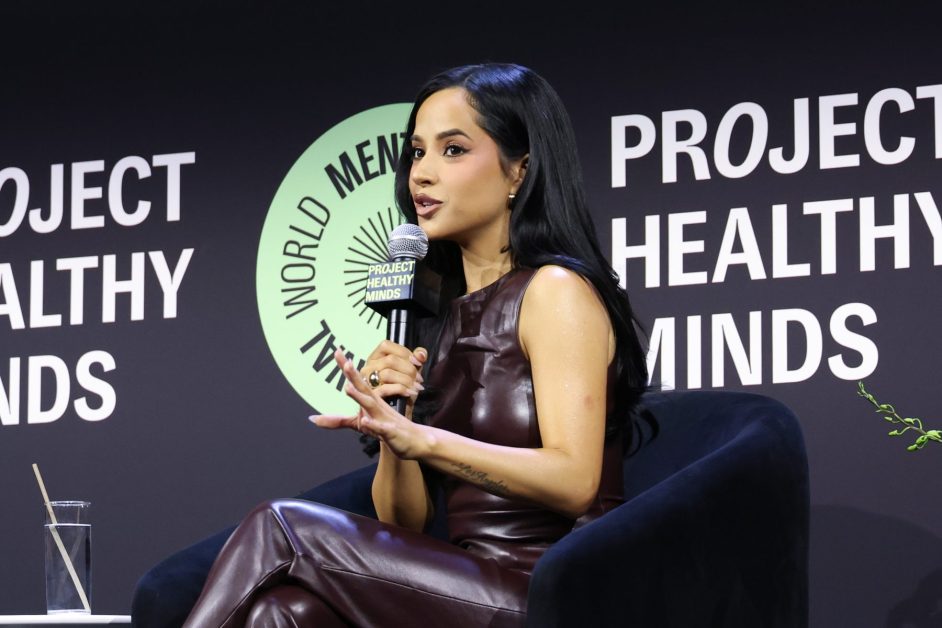
Becky G World Mental Health Day festival closed with a conversation that felt less like a celebrity appearance and more like a friend talking straight. On Saturday, Oct. 10, at Spring Studios in New York, the Mexican American singer sat down with NBC News correspondent Morgan Radford for Project Healthy Minds’ fifth annual event. What she said about identity, therapy, and the pressure to be perfect applies far beyond the stage.
Here are five practical takeaways from that talk, plus how to use them in your own life starting today.
1. Drop The Perfect Role Model Act
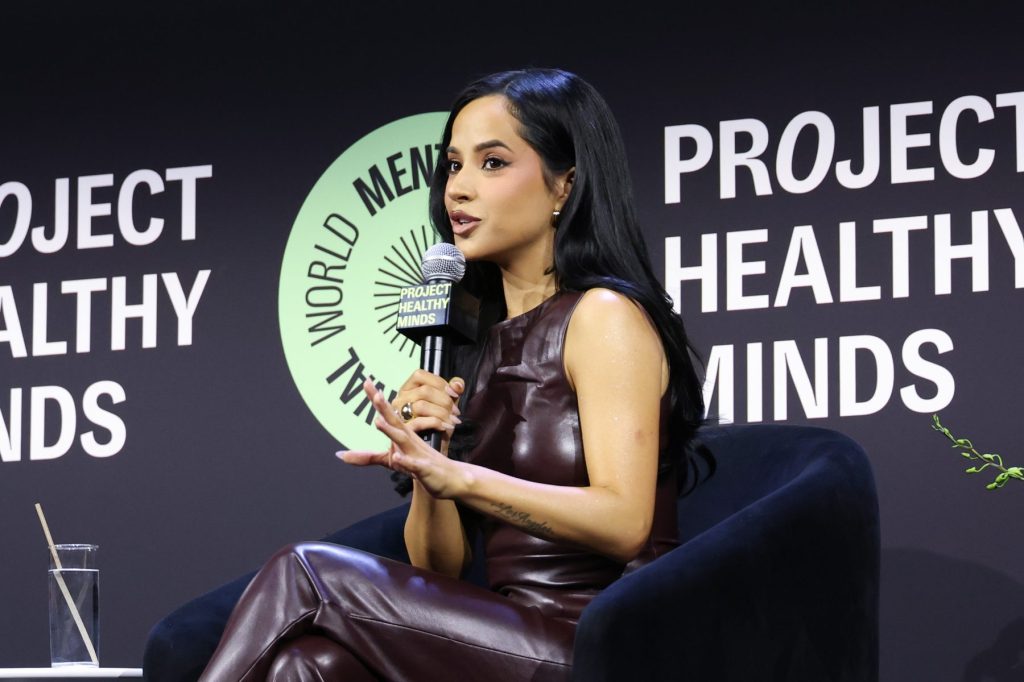
“The whole concept of being a role model is to model this idea of perfection, and I don’t think that is real at all,” Becky G said. She prefers being a “real model” — someone who admits she won’t get it right every time.
That shift matters for anyone carrying impossible standards. You do not have to be flawless to be worthy of respect. You just have to be honest about where you are. Try this: pick one area where you have been faking it — at work, at church, in a group chat — and tell one trusted person the truth this week. Research on self-compassion suggests that cutting yourself some slack reduces anxiety and improves resilience, though studies continue.
2. Therapy Is Part Of The Work, Not A Weakness
Becky G spoke candidly about therapy, family, and her healing journey. She described becoming “the person that I needed most” — and said that is when Becky G came to be.
In Nigeria, stigma still keeps many people from asking for help. But mental health is health. If you have been struggling with low mood, constant worry, or sleep problems for more than two weeks, book an appointment with a doctor or a clinical psychologist. You can start with your general practitioner, who can refer you. The National Institute of Mental Health has free, plain-language guidance on when to seek help.
3. Protect Your Peace Like It Is Your Salary
Becky G talked about growing up in the public eye and learning to protect her peace. You may not have paparazzi, but you have group chats, family expectations, and a phone that never stops buzzing.
Protecting your peace is a skill, not a personality trait. Start with one boundary: a time after which you do not answer work messages, or one conversation you will no longer participate in. Write it down. Tell the people affected. Boundaries feel uncomfortable at first because they are new, not because they are wrong.
4. Tell Your Story On Your Own Terms
One of the most striking parts of the conversation was Becky G’s insistence on telling her story her own way. That is harder than it sounds when family, culture, or social media want a tidier version.
You do not owe anyone the full story of your pain. You can share what you are ready to share, when you are ready. If writing helps, keep a private journal for a month — even five minutes a day. Expressive writing has been linked to better mood in some studies, though results vary.
5. Community Heals, But It Has To Be The Right Community
The event itself — a festival bringing people together around mental health — is a reminder that healing rarely happens alone. Project Healthy Minds runs free resources and events; you can find them at Project Healthy Minds.
In Nigeria, look for a trusted pastor, imam, community health worker, or a licensed therapist. Avoid anyone who promises a cure for depression through prayer alone or herbal mixtures without medical supervision. Faith and medicine can work together; they are not enemies.
What Becky G World Mental Health Day Really Taught Us
The Becky G World Mental Health Day conversation did not offer magic fixes. It offered something more useful: a famous person saying out loud that she does not have all the answers, that she needed therapy, and that she had to become the person she needed. That is a model you can copy without a stage or a spotlight.
If you take one thing from the festival, take this: your mental health is not a performance. It is a practice. Start with one honest conversation this week — with a friend, a doctor, or yourself in a notebook. The rest can follow.
For more on the event and Becky G’s upcoming appearance at Billboard’s Latin Music Week, see the Billboard report.
Frequently Asked Questions
What did Becky G say at the World Mental Health Day festival?
She spoke about identity, creativity, and mental health, saying she prefers being a ‘real model’ over a perfect role model, and discussed therapy and her healing journey.
When and where was the Project Healthy Minds World Mental Health Day Festival?
It took place on Saturday, Oct. 10, 2026, at Spring Studios in New York City.
How can I apply Becky G’s mental health advice in Nigeria?
Start by being honest about where you are, consider talking to a doctor or licensed therapist if you have persistent symptoms, set one clear boundary, and lean on trusted community members who respect medical care.
Related Articles
- Keep curly hair hydrated this winter: 3-step layering
- Modern Warfare 4 Release Times: 3 Early Access Dates
- 9 Best Hair Thickening Shampoos for Men in 2026
- African Streaming Growth: 2 Nations, 1 Big Money Problem
- Best Documentary 2026: 1972 Cocktail Party Story
FIRST TIME REACTIONS:
Be the first to leave us a comment – Becky G World Mental Health Day: 5 Powerful Lessons, down the comment section.
JOIN US ON OUR SOCIAL MEDIA:
-

 Startups3 weeks ago
What a Successful Dangote Refinery IPO Really Says
-
Trending Entertainment News1 week ago
Taylor Swift Joins Beatles as Only Acts With 100 Weeks at No. 1
-
World News3 weeks ago
Carney Calls U.S. Tariffs a Miscalculation as Canada Retaliates
-
Fintech3 weeks ago
OPay No Dey Comot Nigeria: How to Verify Fintech News
-
Football3 weeks ago
Mexico vs Colombia 2026: Márquez Debut Ends in Defeat
-
Nigerian Business3 weeks ago
Moniepoint POS Network: How to Buy Dangote Shares
-
Fintech3 weeks ago
OPay Investing in People to Build a Better Nigeria
-
Spare Parts3 weeks ago
Spark Plug Replacement Cost: Fake Parts & Real Prices