Tech & Gadgets
Meta Removes Scraping Language: 5 Steps to Protect Your
Meta removes language that raised scraping and AI training concerns from its commercial terms. Here are 5 practical steps to protect your site and data.

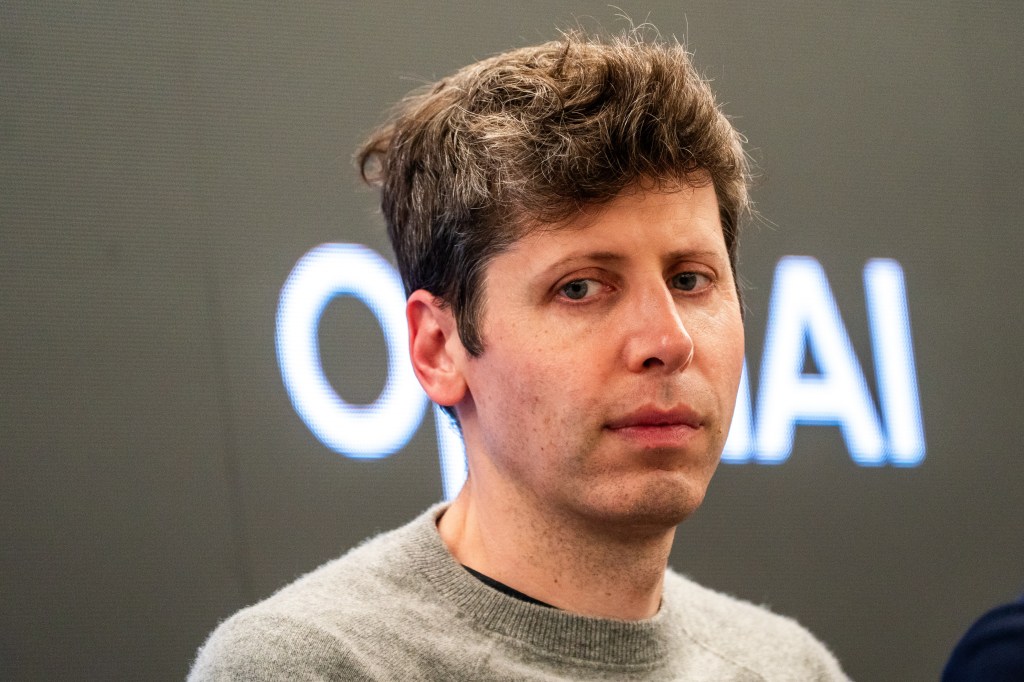
Meta removes language that raised scraping and AI training concerns — and if you run a website with a Meta business account, that change affects what you can safely assume about your own content. The company recently updated its commercial terms of use, then quietly stripped out a provision that legal experts told Nieman Lab looked like permission to scrape any publisher’s site and use the content to train Meta’s AI models. The reversal came after backlash. But Meta insists nothing about its crawling behavior actually changed.
That gap between what the terms said and what Meta says it does is the practical problem. You cannot audit a crawler’s intentions from a terms-of-service page. What you can do is take five concrete steps to document, restrict, and monitor how your content is accessed. Here is the workflow.
Prerequisites: What You Need Before You Start
You need admin access to your domain’s DNS or server configuration, a robots.txt file you control, and a list of every Meta business account tied to your organization. If you use Meta Business Suite for ads or a Facebook Page, you have a business account. Pull that list first — the terms applied to content from your domains, web pages, or URLs, not just your social posts.
You also need a way to read your server logs. Any host with cPanel, Cloudflare, or raw Apache/Nginx access will do. Without logs, you are guessing.
Step 1: Read the Current Commercial Terms Yourself
Do not rely on a summary. Log into Meta’s business terms page and search for the words train, crawl, and domains. According to TechCrunch, the removed provision had declared Meta could use any content from a business account’s domains, web pages, or URLs to provide, develop, improve, research, train, and maintain the integrity of its products. That language is gone. What remains is narrower, according to Meta’s statement that the crawling terms only applied to ads and business products.
Screenshot the current version and date it. Terms pages change without notice, and a timestamped copy is the only evidence you will have if a dispute arises later.
Step 2: Audit Which of Your Sites Are Linked to a Meta Business Account
This is the step most publishers skip. The controversial clause did not require you to post content on Facebook. It referred to domains associated with a business account. If your news site, blog, or client site is listed in Business Manager for pixel tracking or domain verification, it may fall inside the scope of those commercial terms.
Open Business Settings, go to Brand Safety and Domains, and export the verified domain list. Cross-check it against every site you publish. Remove domains you no longer actively advertise on. Fewer linked domains means fewer surfaces covered by terms you did not negotiate.
Step 3: Configure Robots.txt and Server Rules for AI Crawlers
Robots.txt is voluntary, but it establishes intent and is the first thing a court or a licensing negotiator will look at. Add explicit user-agent rules for Meta’s crawlers and for AI training bots generally. A minimal block looks like this:
User-agent: meta-externalagent
Disallow: /
User-agent: FacebookBot
Disallow: /
Then add a Crawl-delay line for any bot you allow partially. On Cloudflare, enable the AI Crawl Control or bot management toggle if your plan includes it. On a self-hosted server, block known crawler IP ranges at the firewall and log the blocks. The point is not to win an unwinnable technical fight — determined scrapers rotate IPs. The point is to create a record showing you objected.
Step 4: Monitor Logs and Document Any Unusual Access
Set a weekly calendar reminder to scan your access logs for crawler user agents hitting pages with no inbound links. If you see thousands of requests to article URLs from a single ASN, that is worth noting. Export the log slice to a CSV and store it.
The TechBuzz analysis of the reversal makes the stakes plain: publishers from news organizations to niche blogs are worried about AI companies treating the open web as a free buffet, and some are already blocking crawlers or demanding compensation. Documentation is what turns a complaint into a claim.
Step 5: Put a Licensing and Consent Line in Your Footer
Add a short, plain sentence to your site footer: content on this site may not be used for AI training without written permission. Link it to a contact page. This costs nothing and does two things. It signals consent terms to anyone scraping at scale, and it gives you a clean reference point if you later negotiate a licensing deal.
If you publish at volume, consider a formal licensing page modeled on what larger publishers use. You do not need a lawyer to write the first draft, but have one review it before you send invoices.
Where the Meta Terms Change Leaves You
The removal of that language is not a victory for publishers. It is a clarification of ambiguity, and Meta has not explained why it removed the clause if nothing changed. That silence is the tell. Treat every platform’s terms as a snapshot, not a contract you can rely on.
The companies competing hardest for training data — Meta, OpenAI, and others — are under pressure to show they have licensed content rather than simply taken it. OpenAI, for its part, is reportedly in talks to raise at least $30 billion at a roughly $1.4 trillion valuation, per Bloomberg reporting via TechCrunch, and its run-rate revenue hit $40 billion in August. Companies at that scale can afford to pay for data. Your job is to make sure they know they have to ask.
Start with the screenshot today. Then export your domain list. The next terms update will arrive without a press release, and you want to be the publisher who can prove what the page said before it changed.
Frequently Asked Questions
Did Meta actually stop scraping websites for AI training?
Meta says the updated terms did not reflect a change in how it crawls the web. The company removed the language but has not said its crawling behavior changed, so publishers should assume the underlying practice is unchanged and rely on technical blocks and documentation.
Does the Meta terms change apply to my personal blog if I never run ads?
The provision referred to content from a business account’s domains, web pages, or URLs. If your blog domain is verified in Meta Business Manager for a pixel or domain verification, it may fall within those commercial terms. Check your verified domain list and remove sites you no longer need linked.
What is the fastest way to block Meta’s crawler from my site?
Add a robots.txt rule disallowing Meta’s crawler user agents, then enable bot management at your CDN or firewall if your plan supports it. Robots.txt is voluntary but establishes intent and creates a record that you objected to the access.
Related Articles
- Keep curly hair hydrated this winter: 3-step layering
- Modern Warfare 4 Release Times: 3 Early Access Dates
- 9 Best Hair Thickening Shampoos for Men in 2026
- African Streaming Growth: 2 Nations, 1 Big Money Problem
- Best Documentary 2026: 1972 Cocktail Party Story
 Follow AFRILATEST on Google News
Receive alerts for Meta removes language that raised scraping and AI training concerns and more like it.
FIRST TIME REACTIONS:
Be the first to leave us a comment – Meta Removes Scraping Language: 5 Steps to Protect Your, down the comment section.
JOIN US ON OUR SOCIAL MEDIA:


Tech & Gadgets
Vampire: The Masquerade Bloodlines Remake: 5 Fast Facts
Vampire: The Masquerade Bloodlines remake rumor: metal band Genitorturers allegedly confirmed it at a Brooklyn show. Get the facts and what it means for fans.

A rumor about a Vampire: The Masquerade Bloodlines remake started at a Genitorturers concert in Brooklyn. The industrial metal band allegedly told the crowd that a remake of the beloved 2004 RPG is happening. That single sentence, shouted from a stage, has set off a small firestorm among fans who have waited two decades for any sign of a return to the World of Darkness.
The story comes from a Reddit user named Few_Interview8222, who posted on the Vampire: The Masquerade – Bloodlines subreddit after attending a Genitorturers show at The Meadows in Brooklyn on October 15. According to the post, partway through the set the band mentioned the remake. No other corroborating accounts have surfaced yet. PC Gamer has reached out to Activision and to the band’s representation for comment, but as of this writing there’s no official confirmation.
So why would an industrial metal band from Orlando, formed in 1986, have inside information about a cult classic RPG? The connection is real. Bloodlines featured licensed tracks from metal bands, used as diegetic music in the nightclubs and bars of its Los Angeles setting. Genitorturers’ song “Lecher Bitch” was the theme of The Last Round, a downtown LA dive bar frequented by the Anarch faction. That placement gave the band a tangential tie to the game’s fanbase, but it doesn’t make them industry insiders.

What The Rumor Actually Says
The claim is simple: a Vampire: The Masquerade Bloodlines remake is in development. That’s it. No platform, no release window, no studio name. The lack of detail is exactly why some fans are skeptical. Multiple commenters on the Reddit thread suggested the band might have been referring to last year’s Vampire: The Masquerade – Bloodlines 2, which is a sequel, not a remake. A concertgoer could have misheard, or the band could have misspoken. It’s the kind of mix-up that happens when an artist has a loose connection to a franchise but isn’t deep in the gaming news cycle.
There’s also the messy reality of who owns what. The rights to Vampire: The Masquerade are split among several parties, and any remake would involve negotiations with multiple stakeholders. A project like that could be started, stopped, shopped around, and restarted again. Someone on the periphery, like a band that once had a song in the original game, might hear outdated information and repeat it as fact.
Why Fans Are Excited Anyway
Bloodlines is one of those games that people never stop talking about. Released in 2004 by Troika Games, it was ambitious, buggy, and unforgettable. It built on the open-ended design of the original Fallout (two of its leads, Leonard Boyarsky and Jason Anderson, were senior talent on Fallout 1) and applied it to a 3D world. The result was a gothic, noir-infused Los Angeles packed with vampires, political intrigue, and memorable characters. It’s often described as a missing link between 2D Fallout and New Vegas.
A remake would face huge challenges. The original’s mood and look were one of a kind, and recreating that without the original team is risky. The recent Shogun 2 remaster and the troubled Deus Ex Remastered show how badly things can go when a classic is handled without care. Many fans argue that only Nightdive Studios, known for its faithful remasters, could do it justice. They also point to Werner “Wesp5” Spahl, the modder behind the unofficial patch that has kept Bloodlines playable for years. A proper remake would ideally build on his work and compensate him.
How To Play Bloodlines Today
If the rumor has you curious, you can play the original right now. Vampire: The Masquerade – Bloodlines is available on GOG and Steam for around $20, though it goes on sale often. Before you start, install the unofficial patch from Wesp5’s site (linked via PC Gamer’s coverage). The patch fixes countless bugs and restores cut content. The game runs on modern Windows with a few compatibility tweaks, and the community on r/vtmb is active and helpful.
For those who want to follow the rumor, keep an eye on official channels. Activision and the band’s representatives have not commented. Until they do, treat the Vampire: The Masquerade Bloodlines remake talk as unconfirmed. But even if it turns out to be nothing, the incident is a neat reminder of how a 22-year-old game can still create a stir.
Who Should Care
If you’re a fan of deep RPGs, Bloodlines is essential playing. The rumor is just a bonus. If you’re a skeptic, wait for official word. Either way, the conversation around a Vampire: The Masquerade Bloodlines remake isn’t going away soon.
Frequently Asked Questions
Is a Vampire: The Masquerade Bloodlines remake actually happening?
It’s unconfirmed. The rumor started when the band Genitorturers allegedly mentioned it at a concert, but neither Activision nor the band’s representatives have commented.
Why would Genitorturers know about a Bloodlines remake?
They have a loose connection: their song ‘Lecher Bitch’ was featured in the original game. That doesn’t mean they have inside information, and they could have been misinformed or misheard.
How can I play the original Bloodlines today?
It’s available on GOG and Steam for about $20. Install the unofficial patch by Wesp5 to fix bugs and restore content.
Related Articles
- Keep curly hair hydrated this winter: 3-step layering
- Modern Warfare 4 Release Times: 3 Early Access Dates
- 9 Best Hair Thickening Shampoos for Men in 2026
- African Streaming Growth: 2 Nations, 1 Big Money Problem
- Best Documentary 2026: 1972 Cocktail Party Story
FIRST TIME REACTIONS:
Be the first to leave us a comment – Vampire: The Masquerade Bloodlines Remake: 5 Fast Facts, down the comment section.
JOIN US ON OUR SOCIAL MEDIA:
Ai News
Battlefield 6 Skins: 5 Pistols, Secuty Typo, AI Uproar
Battlefield 6 skins spark AI accusations over ‘secuty’ typo and five pistols. See DICE’s response and what it means for you.
Battlefield 6 skins are under fire after players spotted a soldier wearing five pistols and a patch that reads ‘secuty’ instead of ‘security.’ The errors have fueled accusations that developer DICE used generative AI to design the cosmetics. Battlefield 6 skins are the latest flashpoint in a growing debate over AI-generated assets in paid games.
What Exactly Is Wrong With The Skins
The most glaring issue is a skin featuring a soldier with a Batman-style mask (minus the ears) and five pistols strapped to his chest. One Reddit poster joked, ‘Because switching to your pistol, secondary pistol, tertiary pistol, quartenary (sic) pistol, and quinary pistol is faster than reloading, soldier!’ The misspelling of ‘quaternary’ in the joke mirrors the actual typo on another skin.
That other skin has a patch that says ‘secuty’ — presumably meant to be ‘security.’ A post on X read, ‘Secuty 😭 It’s AI #Battlefield6.’ Another user wrote, ‘I believe it’s almost impossible to deny anymore that EA/DICE is using AI for the skins in #Battlefield6. At least in the concept phase — and then anything that looks even remotely ‘cool’ just gets rubber-stamped.’
A third skin shows a bomb disposal juggernaut with thick body armor but a completely exposed head. He’s also carrying magazines for small game hunting rifles that don’t exist in Battlefield 6. ‘Fps .22s probably take like 2 full mags to kill someone,’ one X user said. Another joked, ‘Not to mention he’s carrying super finicky mags for a .22 varmint rifle.’
How DICE Responded
IGN has asked EA for comment, but so far there’s been no official statement on the AI accusations. However, Battlefield 6 lead producer David Sirland recently returned from vacation and immediately engaged with the community on X, asking, ‘What irks you with BF6 right now?’ The post drew over half a million views and 2,000 replies in 12 hours. Sirland addressed many issues — maps, recoil, dispersion, and a laser targeting bug — but did not specifically comment on the skin controversy in that thread.
According to PC Gamer, Sirland acknowledged problems with the server browser, hit registration, aim assist, and more, promising fixes in an upcoming patch. The skin issue wasn’t among the topics he addressed.
Why Players Are Crying AI
The errors — a misspelled word, illogical gear placement, and weapons that don’t fit the game’s arsenal — are classic signs of AI-generated content. Generative AI often produces text that looks right at a glance but contains subtle mistakes, and it can combine elements in ways that don’t make sense. In a paid cosmetic item, those mistakes feel like a rip-off.
AI is perhaps the hottest topic in the video game industry right now. Fortnite developer Epic Games has gone all-in on generative AI, and scrutiny is intense. When assets contain clear errors, especially ones you pay for, players are quick to suspect AI. As IGN notes, ‘fans aren’t giving DICE the benefit of the doubt.’
It’s possible these issues are the result of human error. But given the current climate, that benefit of the doubt is in short supply.
What This Means For Battlefield 6 Players
If you’re playing Battlefield 6, you’ve likely already encountered other issues. Cheating has been a problem since the beta, with aimbots and wallhacks appearing despite EA’s Javelin anti-cheat and Secure Boot requirement. Polygon reported that EA banned a player shown cheating in a viral video, but cheat sellers continue to operate.
On the gameplay side, a secret sniper nerf makes sniper rifles randomly miss unless you’re playing the Recon class, according to streamer Stodeh. That’s on top of bloom and dispersion issues that Sirland says will be addressed in the next major patch.
The skin controversy adds to a sense that Battlefield 6 launched with rough edges. For a game that costs money — and sells cosmetic items on top — players expect polish. Spelling errors on paid skins undermine that expectation.
How To Evaluate Skins Before You Buy
If you’re considering buying Battlefield 6 skins, here’s a practical approach:
1. Zoom in on the preview. Check for text, patches, and gear placement. If something looks off, it probably is.
2. Look for consistency with the game’s world. Magazines for weapons that don’t exist in the game are a red flag.
3. Wait for community reviews. Reddit and X are quick to spot errors. A day or two after release, you’ll know if a skin has issues.
4. Consider the value. If a skin has obvious flaws, don’t reward the practice with your money.
DICE hasn’t confirmed whether AI was used, so features weren’t fully confirmed. But the evidence players have gathered is compelling enough to warrant caution.
Alternatives To Paid Skins
If you’re uneasy about the quality of Battlefield 6 skins, you can simply not buy them. The game includes base cosmetics, and you can earn some through gameplay. Alternatively, other shooters like Call of Duty and Fortnite offer extensive cosmetic systems — though Fortnite’s use of AI has also been a topic of debate.
For now, Battlefield 6 skins remain a sore spot. The community’s reaction shows that players are paying attention to detail. If DICE wants to rebuild trust, it needs to address the errors directly — and explain how they happened.
Who Should Buy Battlefield 6 Skins
If you’re a die-hard Battlefield fan who values self-expression in-game and you’re willing to overlook occasional flaws, you might still find skins you like. But if you expect flawless, hand-crafted art for your money, you should hold off until DICE cleans up its act. The ‘secuty’ patch is a small typo with a big message: even virtual gear deserves a proofread.
Frequently Asked Questions
Did DICE use AI to create Battlefield 6 skins?
DICE has not confirmed whether AI was used. Fans suspect it due to spelling errors like ‘secuty’ and illogical gear placement, but it could also be human error.
What is the ‘secuty’ typo?
One Battlefield 6 skin has a patch that reads ‘secuty’ instead of ‘security,’ which players cite as evidence of AI generation.
How many pistols are on the controversial skin?
The skin features five pistols attached to the chest pockets of a tactical vest.
Related Articles
- Keep curly hair hydrated this winter: 3-step layering
- Modern Warfare 4 Release Times: 3 Early Access Dates
- 9 Best Hair Thickening Shampoos for Men in 2026
- African Streaming Growth: 2 Nations, 1 Big Money Problem
- Best Documentary 2026: 1972 Cocktail Party Story
FIRST TIME REACTIONS:
Be the first to leave us a comment – Battlefield 6 Skins: 5 Pistols, Secuty Typo, AI Uproar, down the comment section.
JOIN US ON OUR SOCIAL MEDIA:
Ai News
Terrorists Could Exploit AI Weapons: Nigeria’s 5-Step Warning
Nigeria warns terrorists could exploit AI weapons. Learn 5 steps to counter AI-driven threats, from deepfake detection to regional cooperation.

You want to protect your community from the next wave of digital deception, and Nigeria’s security agencies have just issued a stark warning: terrorists could exploit AI weapons to spread chaos. The Chief of Defence Staff, Gen. Olufemi Oluyede, warned that AI-generated videos, manipulated images, and cloned voices are already being used to mislead the public and endanger troops. This isn’t a distant threat. It’s happening now, and you can take concrete steps to defend against it.
Understand The Threat Landscape
Terrorist groups like ISWAP, Boko Haram, and Jama’at Nusrat al-Islam wal-Muslimin are moving faster than state procedures. According to the African Union Counter-Terrorism Centre, these groups use cheap, accessible technologies to recruit via social media, move funds through mobile money and cryptocurrencies, and fly drones across borders. They also use artificial intelligence to tailor propaganda and evade detection. The warning from Nigeria is clear: terrorists could exploit AI weapons not just in physical attacks but in information warfare that undermines public trust.

MI5 chief Sir Ken McCallum has echoed this, stating that AI could give terrorists access to bioweapons or generate new pathogens if guardrails fail. He noted that AI is already supercharging the cybersecurity contest and that terrorists have been caught seeking to exploit AI to improve reconnaissance and attack methodologies. The threat is real, but it hasn’t fully materialised yet. That gives you a window to act.
Step 1: Verify Before You Share
Your first line of defence is scepticism. Deepfakes and AI-generated videos are designed to trigger panic. Gen. Oluyede urged journalists to verify sensitive operational information with Defence Headquarters before publication. You should do the same: before sharing any shocking video or image, check the source. Look for inconsistencies in lighting, shadows, and audio sync. Use free tools like InVID or Google Reverse Image Search to trace the origin. If it’s from an unverified social media account, treat it as suspect.
Step 2: Strengthen Digital Literacy In Your Circle
The National Counter-Terrorism Centre (NCTC) is training security experts in cyber threat intelligence, open-source intelligence, digital forensics, and blockchain analysis. You can adopt similar practices. Teach your family and colleagues to recognise AI-generated propaganda. The Nigerian military is investing in AI-enabled decision support and joint intelligence fusion, but public awareness is equally critical. A single AI-generated video could undo months of operational gains, as Oluyede warned. Share this knowledge widely.
Step 3: Report Suspicious Content
If you encounter content that appears designed to incite fear or undermine confidence in the Armed Forces, report it. The Defence Correspondents Association of Nigeria (DECAN) conference highlighted the need for collaboration between the media and the military. You can flag suspicious posts to platforms and to local authorities. The AUCTC’s Cybersecurity Capability Programme (A3CP) 2026–2030 emphasises private-sector collaboration because much of the infrastructure exploited by terrorists is privately owned. Your report could disrupt a propaganda campaign.
Step 4: Support Regional Cooperation
The threat doesn’t respect borders. The AUCTC training in Abuja brought together experts from West Africa and the Sahel to share tactics. You can support this by staying informed about regional security initiatives and advocating for better funding. Former Senate President Ahmed Lawan called for defence budgets to be placed on first-line charge to ensure predictable funding. When your community understands the stakes, you can push for policies that close the digital space to violent extremists.
Step 5: Prepare For Bioweapon Misuse
The most serious potential danger, according to McCallum, is AI’s potential to change the stakes on existing or new bioweapons. While this threat hasn’t fully emerged, you can advocate for stronger biosafety measures in your local institutions. The UK’s AI Security Institute is working with MI5, GCHQ, and MI6 to tackle these risks. Nigeria’s warning should spur similar collaboration. Stay informed about biosecurity policies and support efforts to monitor AI’s dual-use potential.
What This Means For You
The warning that terrorists could exploit AI weapons is a call to action, not a reason to panic. By verifying content, educating others, reporting suspicious activity, supporting regional cooperation, and advocating for biosecurity, you become part of the defence. The technology will keep evolving, and so must your vigilance. Start with one step today—verify the next video you see before you hit share. That small habit could prevent a cascade of misinformation and save lives.
For more details on the AUCTC’s findings, read the full report. For MI5’s assessment, see WION’s coverage. And for the Nigerian military’s deepfake warning, visit The Guardian Nigeria.
Frequently Asked Questions
What specific AI threats did Nigeria warn about?
Nigeria’s Chief of Defence Staff warned that AI-generated videos, manipulated images, and cloned voices are being used to mislead the public, incite fear, and endanger troops. The AUCTC also highlighted terrorists’ use of AI for propaganda, recruitment, and drone operations.
How can I tell if a video is AI-generated?
Look for inconsistencies in lighting, shadows, and audio sync. Use tools like InVID or Google Reverse Image Search to trace the source. Verify with official channels before sharing.
What is the AUCTC doing to counter these threats?
The AUCTC is training experts in cyber threat intelligence, open-source intelligence, digital forensics, and blockchain analysis. It also promotes regional cooperation and private-sector collaboration through its Cybersecurity Capability Programme (A3CP) 2026–2030.
Related Articles
- Keep curly hair hydrated this winter: 3-step layering
- Modern Warfare 4 Release Times: 3 Early Access Dates
- 9 Best Hair Thickening Shampoos for Men in 2026
- African Streaming Growth: 2 Nations, 1 Big Money Problem
- Best Documentary 2026: 1972 Cocktail Party Story
FIRST TIME REACTIONS:
Be the first to leave us a comment – Terrorists Could Exploit AI Weapons: Nigeria’s 5-Step Warning, down the comment section.
JOIN US ON OUR SOCIAL MEDIA:
-

 Startups3 weeks ago
What a Successful Dangote Refinery IPO Really Says
-
Trending Entertainment News6 days ago
Taylor Swift Joins Beatles as Only Acts With 100 Weeks at No. 1
-
World News3 weeks ago
Carney Calls U.S. Tariffs a Miscalculation as Canada Retaliates
-
Fintech3 weeks ago
OPay No Dey Comot Nigeria: How to Verify Fintech News
-
Nigerian Business3 weeks ago
Moniepoint POS Network: How to Buy Dangote Shares
-
Football3 weeks ago
Mexico vs Colombia 2026: Márquez Debut Ends in Defeat
-
Fintech3 weeks ago
OPay Investing in People to Build a Better Nigeria
-
Spare Parts3 weeks ago
Spark Plug Replacement Cost: Fake Parts & Real Prices