Health and Fitness
Becky G World Mental Health Day: 5 Powerful Lessons
Becky G World Mental Health Day festival close: 5 practical mental health lessons from her talk on identity, therapy, and being a real model.

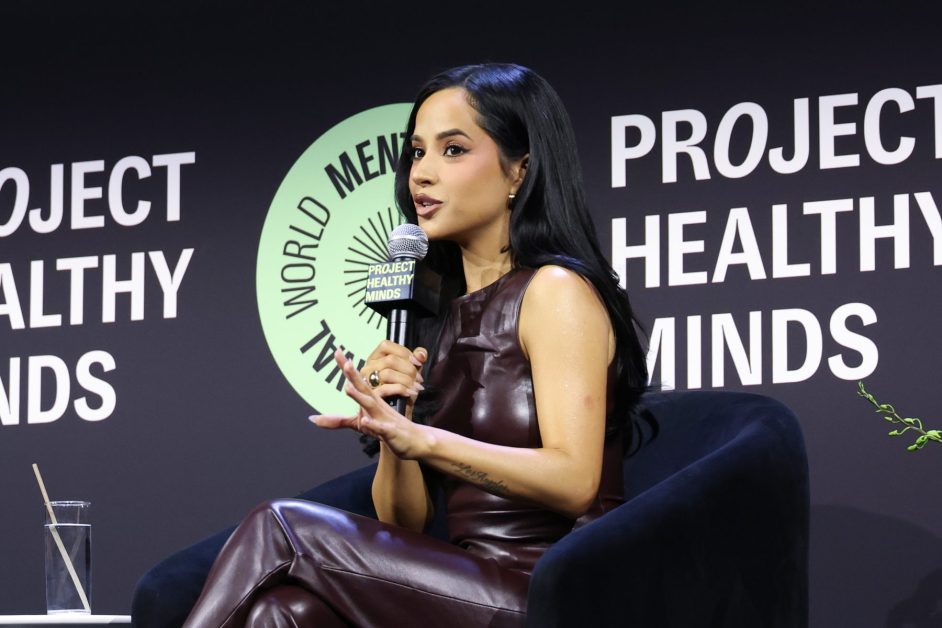
Becky G World Mental Health Day festival closed with a conversation that felt less like a celebrity appearance and more like a friend talking straight. On Saturday, Oct. 10, at Spring Studios in New York, the Mexican American singer sat down with NBC News correspondent Morgan Radford for Project Healthy Minds’ fifth annual event. What she said about identity, therapy, and the pressure to be perfect applies far beyond the stage.
Here are five practical takeaways from that talk, plus how to use them in your own life starting today.
1. Drop The Perfect Role Model Act
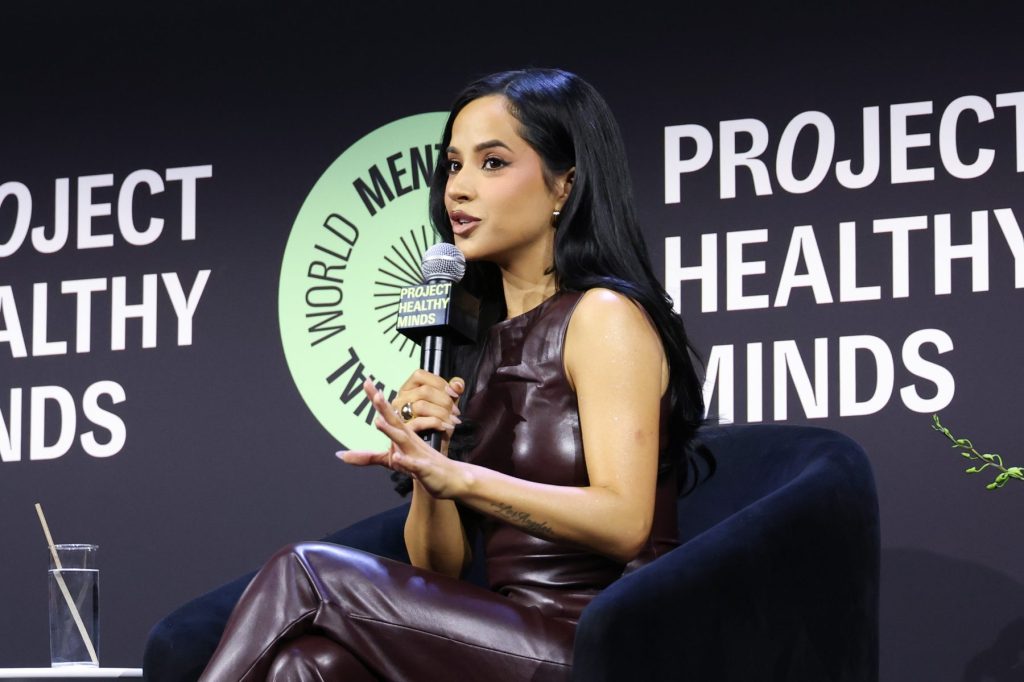
“The whole concept of being a role model is to model this idea of perfection, and I don’t think that is real at all,” Becky G said. She prefers being a “real model” — someone who admits she won’t get it right every time.
That shift matters for anyone carrying impossible standards. You do not have to be flawless to be worthy of respect. You just have to be honest about where you are. Try this: pick one area where you have been faking it — at work, at church, in a group chat — and tell one trusted person the truth this week. Research on self-compassion suggests that cutting yourself some slack reduces anxiety and improves resilience, though studies continue.
2. Therapy Is Part Of The Work, Not A Weakness
Becky G spoke candidly about therapy, family, and her healing journey. She described becoming “the person that I needed most” — and said that is when Becky G came to be.
In Nigeria, stigma still keeps many people from asking for help. But mental health is health. If you have been struggling with low mood, constant worry, or sleep problems for more than two weeks, book an appointment with a doctor or a clinical psychologist. You can start with your general practitioner, who can refer you. The National Institute of Mental Health has free, plain-language guidance on when to seek help.
3. Protect Your Peace Like It Is Your Salary
Becky G talked about growing up in the public eye and learning to protect her peace. You may not have paparazzi, but you have group chats, family expectations, and a phone that never stops buzzing.
Protecting your peace is a skill, not a personality trait. Start with one boundary: a time after which you do not answer work messages, or one conversation you will no longer participate in. Write it down. Tell the people affected. Boundaries feel uncomfortable at first because they are new, not because they are wrong.
4. Tell Your Story On Your Own Terms
One of the most striking parts of the conversation was Becky G’s insistence on telling her story her own way. That is harder than it sounds when family, culture, or social media want a tidier version.
You do not owe anyone the full story of your pain. You can share what you are ready to share, when you are ready. If writing helps, keep a private journal for a month — even five minutes a day. Expressive writing has been linked to better mood in some studies, though results vary.
5. Community Heals, But It Has To Be The Right Community
The event itself — a festival bringing people together around mental health — is a reminder that healing rarely happens alone. Project Healthy Minds runs free resources and events; you can find them at Project Healthy Minds.
In Nigeria, look for a trusted pastor, imam, community health worker, or a licensed therapist. Avoid anyone who promises a cure for depression through prayer alone or herbal mixtures without medical supervision. Faith and medicine can work together; they are not enemies.
What Becky G World Mental Health Day Really Taught Us
The Becky G World Mental Health Day conversation did not offer magic fixes. It offered something more useful: a famous person saying out loud that she does not have all the answers, that she needed therapy, and that she had to become the person she needed. That is a model you can copy without a stage or a spotlight.
If you take one thing from the festival, take this: your mental health is not a performance. It is a practice. Start with one honest conversation this week — with a friend, a doctor, or yourself in a notebook. The rest can follow.
For more on the event and Becky G’s upcoming appearance at Billboard’s Latin Music Week, see the Billboard report.
Frequently Asked Questions
What did Becky G say at the World Mental Health Day festival?
She spoke about identity, creativity, and mental health, saying she prefers being a ‘real model’ over a perfect role model, and discussed therapy and her healing journey.
When and where was the Project Healthy Minds World Mental Health Day Festival?
It took place on Saturday, Oct. 10, 2026, at Spring Studios in New York City.
How can I apply Becky G’s mental health advice in Nigeria?
Start by being honest about where you are, consider talking to a doctor or licensed therapist if you have persistent symptoms, set one clear boundary, and lean on trusted community members who respect medical care.
Related Articles
- Keep curly hair hydrated this winter: 3-step layering
- Modern Warfare 4 Release Times: 3 Early Access Dates
- 9 Best Hair Thickening Shampoos for Men in 2026
- African Streaming Growth: 2 Nations, 1 Big Money Problem
- Best Documentary 2026: 1972 Cocktail Party Story
 Follow AFRILATEST on Google News
Receive alerts for Becky G World Mental Health Day and more like it.
FIRST TIME REACTIONS:
Be the first to leave us a comment – Becky G World Mental Health Day: 5 Powerful Lessons, down the comment section.
JOIN US ON OUR SOCIAL MEDIA:


Health and Fitness
Nigeria’s Health Partnership With US: 5 Key Steps to Prepare
Nigeria’s health partnership with the US brings $2B in aid and $3B in local funding. Learn 5 practical steps to protect your care and hold leaders accountable.
You want to keep receiving your HIV drugs, your malaria test, your child’s vaccines — without wondering whether the money behind them will vanish next year. Nigeria’s health partnership with the US is the framework that now decides much of that. Signed on 19 December 2025, it runs from April 2026 to December 2030. Here is how to understand it, and what you can actually do with that understanding.
Why This Partnership Matters To Your Clinic
For more than two decades, PEPFAR, the President’s Malaria Initiative, polio eradication work and Global Fund contributions have paid for services millions of Nigerians depend on. That era is changing. Under the MoU, planned US support is nearly $2 billion over five years and declines each year. Nigeria plans to mobilise nearly $3 billion in domestic health financing over the same period. The money is not sent to Washington; it stays here and is spent on Nigerian priorities — HIV, TB, malaria, maternal and child health, laboratories, health workers, surveillance, commodities and primary healthcare.
That shift is the whole point. No country of Nigeria’s size can indefinitely finance essential health services through external assistance, as Health Minister Muhammad Ali Pate has argued in BusinessDay. But a transition done badly means stock-outs, interrupted treatment and preventable deaths. Done well, it means stronger labs, better data and a system that survives when donors leave.
Step 1: Know What The Agreement Actually Covers
The MoU is broader than medicines and vaccines. It covers outbreak surveillance and response, laboratory capacity and biosafety, frontline health workers, health commodities, data systems, procurement reform and local manufacturing. Its performance targets include viral suppression among people living with HIV, tuberculosis outcomes, malaria deaths, maternal and child survival, immunisation rates and how fast public-health threats are detected and controlled.
Knowing this helps you ask the right question at your local clinic: not “is aid coming?” but “is my antiretroviral supply continuous, and is the viral load machine working?” Those are the outcomes the agreement itself promises to measure.
Step 2: Understand The Data And Specimen Rules
This is where the debate is sharpest. Ghana’s President John Mahama rejected a similar US proposal worth about $109 million, citing concerns over medical records, pathogen information, funding obligations and inspection of imported medicines. Former Vice President Atiku Abubakar has demanded that Nigeria publish its full agreement so citizens can see whether the same provisions are inside it, as reported by Vanguard.
Nigeria’s government position is that access requests for data and pathogens remain subject to Nigerian law, data-protection requirements, scientific and ethical review, and agreement on benefits. Human Rights Watch has noted that Nigeria’s arrangement includes provisions on pathogen specimens, though approval is required case by case from a data and specimen governance committee. If this concerns you, you are not being paranoid — you are being a citizen. Request the text formally under the Freedom of Information Act.
Step 3: Check That NAFDAC Still Has The Final Say
A persistent rumour is that the deal hands medicine approval to foreign regulators. It does not. NAFDAC keeps its statutory responsibility for medicines, vaccines and diagnostics. The MoU refers to NAFDAC’s existing regulatory-reliance framework, under which the agency may consider assessments by recognised stringent authorities while retaining responsibility for Nigeria’s own decision. Reliance speeds up access to quality-assured products; it does not remove NAFDAC’s power to evaluate applications, inspect facilities, test products, release vaccine lots or conduct post-market surveillance.
So when you buy a drug, the check that matters is still the same: valid NAFDAC number, sealed pack, sensible expiry date, reputable pharmacy.
Step 4: Follow The Money At Federal And State Level
The 2025 federal health budget rose by nearly 60 per cent, lifting health’s share of the national budget to 5.2 per cent from just over 3 per cent. President Tinubu proposed ₦2.48 trillion for health in the 2026 Appropriation Bill, described as 6 per cent of the budget net of liabilities, within an aggregate ₦68.32 trillion Appropriation Act.
Here is the catch. Under the MoU, Nigeria’s co-investment is measured by actual spending — at least 6 per cent of executed annual Federal and State budgets — not by announcements. Atiku has pointed out that only ₦36 million was released from the ₦218 billion appropriated for the Ministry of Health headquarters’ 2025 capital projects. That gap between budget and release is the thing to watch in your state. Ask your state health commissioner what percentage of the health budget was actually cash-backed last quarter.
Step 5: Use Private-Sector Momentum Where You Can
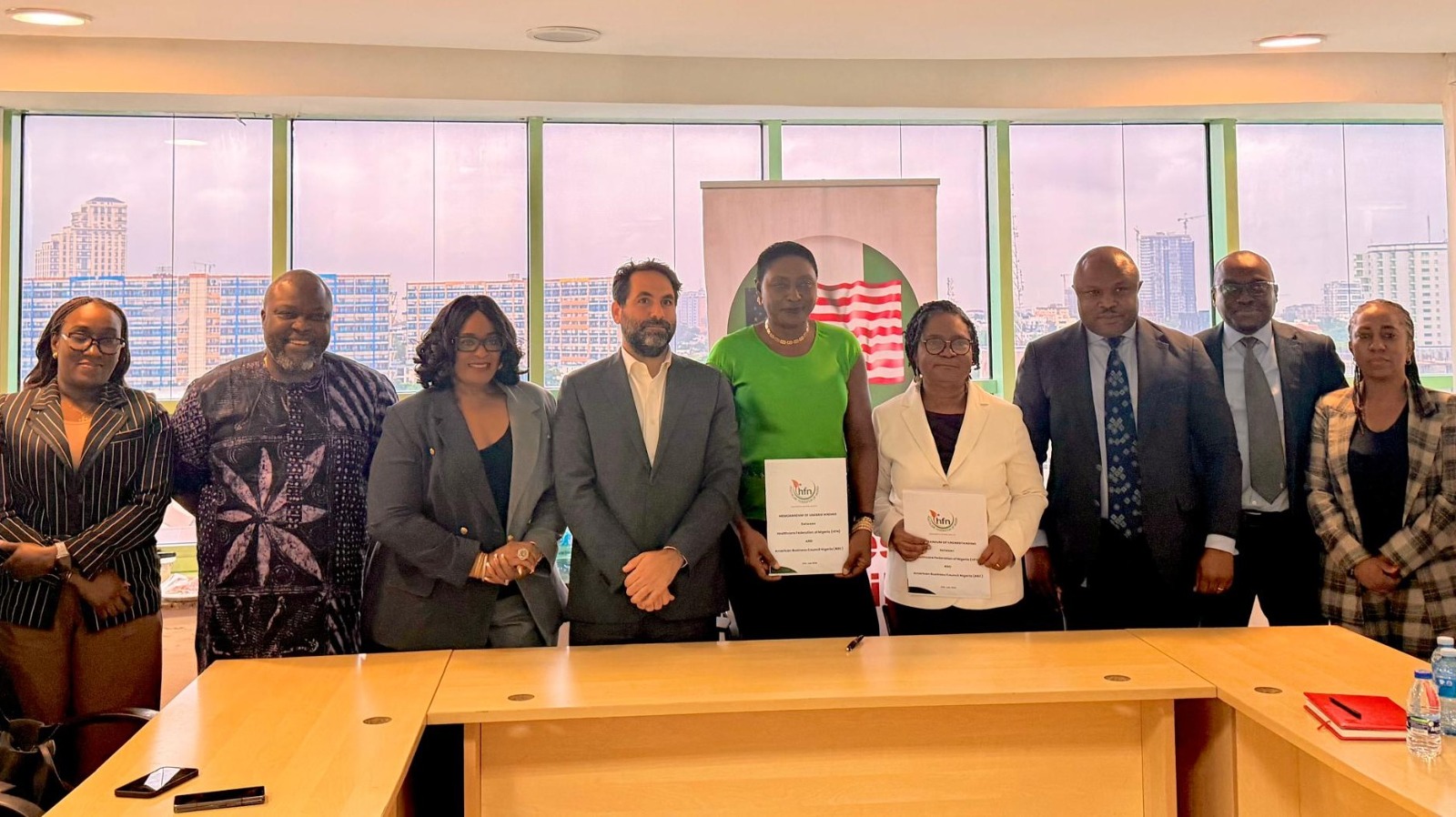
Beyond government, the Healthcare Federation of Nigeria and the American Business Council Nigeria signed an MoU in Lagos to promote private investment, local manufacturing, diagnostics, supply chain development and workforce training, as the Guardian reported. HFN President Njide Ndili said the private sector remains a critical pillar of the system and that collaboration gives stakeholders a stronger collective voice.
For you, this means more diagnostic options and, over time, more locally made products. It does not mean cheaper care tomorrow. Treat private-sector growth as a slow structural gain, not a quick fix for your hospital bill.
Mistakes To Avoid
Do not stop treatment because of headlines about aid declining. The MoU is designed to preserve HIV, TB and malaria services during the transition. Do not assume a signed agreement funds a ward — only released cash does. And do not accept rumour about data sharing or NAFDAC in place of the actual text; the document is legally non-binding, recognises Nigerian law and allows either side to discontinue cooperation.
The Result You Are Working Toward
By 2030, the measure of success will not be how much external assistance arrived, but how much more capable the system became while that assistance fell. Fewer malaria deaths. Faster outbreak detection. Mothers surviving delivery. A laboratory in your state that can sequence a pathogen without waiting for a foreign partner.
Start today with one question at your next clinic visit: is my medicine supply continuous for the next six months, and who is paying for it? Write down the answer. Then ask your representative the same question about the health budget. Nigeria’s health partnership with the US will be judged in wards, not in communiqués — and the people who ask will shape what gets measured.
Frequently Asked Questions
Does Nigeria’s health partnership with the US mean my HIV treatment will stop?
No. The MoU is designed as a managed transition that preserves essential HIV, TB and malaria services while Nigeria takes on a larger share of financing. Planned US support is nearly $2 billion over five years and declines gradually, while Nigeria plans nearly $3 billion in domestic health financing.
Can NAFDAC still inspect and approve medicines under the agreement?
Yes. NAFDAC retains its statutory responsibility for medicines, vaccines and diagnostics. The MoU refers to its existing regulatory-reliance framework, which lets it consider assessments by recognised stringent authorities while keeping final authority to evaluate, inspect, test and release products.
How can I read the full agreement myself?
The government has encouraged citizens, journalists and civil-society organisations to request a copy formally under the Freedom of Information Act. The MoU is legally non-binding, recognises Nigerian law and allows either participant to discontinue cooperation.
Related Articles
- Keep curly hair hydrated this winter: 3-step layering
- Modern Warfare 4 Release Times: 3 Early Access Dates
- 9 Best Hair Thickening Shampoos for Men in 2026
- African Streaming Growth: 2 Nations, 1 Big Money Problem
- Best Documentary 2026: 1972 Cocktail Party Story
FIRST TIME REACTIONS:
Be the first to leave us a comment – Nigeria’s Health Partnership With US: 5 Key Steps to Prepare, down the comment section.
JOIN US ON OUR SOCIAL MEDIA:
Health and Fitness
FCTA Fitness Walk: 5 Easy Steps to Boost Staff Productivity
FCTA fitness walk returns monthly to boost staff health and productivity. Learn the 5 steps to join, get fit, and work better.

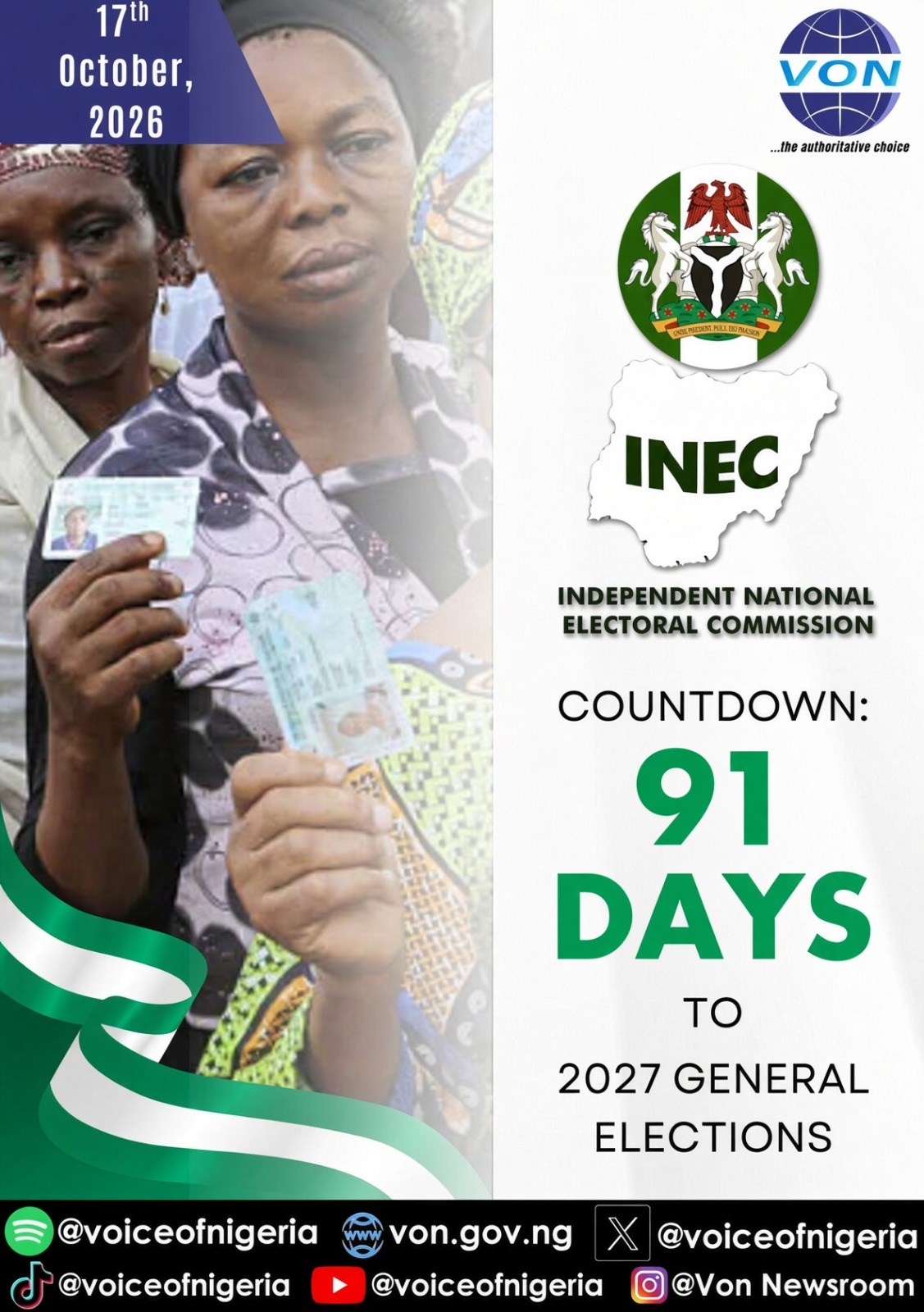
You want to finish your workday with energy left over, not slumped in your chair by 2 p.m. The FCTA fitness walk is one practical way to get there. Launched by the Federal Capital Territory Administration, this monthly programme brings staff together for a brisk walk aimed at improving health, boosting energy, and sharpening productivity. The maiden edition, led by Acting Head of the FCT Civil Service Nancy Sabanti Nathan, drew management officials, labour leaders, and staff from across the territory’s secretariats, departments, and agencies. It is not a one-off photo opportunity. The plan is to make it a monthly habit, with the next edition set for November 2026, hosted by the Education Secretariat.
Why A Monthly Walk Matters For Office Workers
Sitting for long hours is quietly damaging. Engineer Richard Yunana Dauda, Acting Executive Secretary of the Federal Development Authority, described the initiative as a direct response to health challenges linked to prolonged sitting and sedentary office routines. That is the core problem: when you sit for six or seven hours a day, your body slows down, your energy dips, and your focus frays. A monthly walk will not undo all of that on its own, but it breaks the pattern and sets a standard. Dauda put it simply: “When you have a workforce that is healthy, you achieve much more.” The FCTA fitness walk also addresses mental and emotional well-being, which affect how you handle pressure, deadlines, and the daily grind of public service.
Step 1: Show Up For The Next Edition
The November 2026 edition will be hosted by the Education Secretariat. Mark the date and treat it like a meeting you cannot miss. The first walk covered three kilometres. Organisers plan to increase that to five kilometres and beyond in later editions. If you are new to exercise, start with the three-kilometre distance and walk at a pace that lets you hold a conversation. Do not race. The goal is consistency, not speed.
Step 2: Prepare Your Body Before The Day
You do not need special gear. Comfortable shoes, loose clothing, and a water bottle will do. But a little preparation helps. Walk for 20 to 30 minutes two or three times in the week before the event. This gets your legs used to the distance and reduces soreness afterwards. If you have a health condition, check with your doctor first. The FCTA plans to add medical check-ups to future editions, which will help staff monitor blood pressure and other basic indicators. Until then, know your numbers from your own clinic visit.
Step 3: Use The Walk To Build Connections
One of the quiet benefits of the FCTA fitness walk is that it puts people from different secretariats and agencies in the same space. You walk, you talk, you meet colleagues you would otherwise only know as email addresses. Comrade Rifkatu Iortyer, President of the Joint Unions Action Congress of FCTA/FCDA, encouraged union members to participate more actively in future sessions. That is a nudge worth taking. Stronger workplace relationships make it easier to get things done, and they make the office feel less like a grind.
Step 4: Carry The Habit Into Your Week
A monthly walk is a start, not a finish. The real productivity gain comes when you move more on the days in between. Stand up every hour. Take the stairs once a day. Walk during your lunch break, even for 10 minutes. These small moves add up. The FCTA fitness walk is a reminder and a reset, but your body needs movement more often than once a month. Research on workplace wellness is still ongoing, but the link between regular physical activity and better mood, focus, and energy is well established.
Step 5: Pair Fitness With Welfare
The union leaders used the launch to raise pressing welfare concerns, particularly accommodation and transportation. Iortyer called on the administration to complement the health initiative with measures that improve working conditions. That is a fair point. A fitness walk cannot fix a long, stressful commute or unstable housing. But it can sit alongside those demands as part of a broader push for staff well-being. If you are a staff member, participate in the walk and also add your voice to welfare discussions through your union. Both matter.
Mistakes To Avoid
Do not treat the walk as a competition. Walking too fast too soon leads to injury and discouragement. Do not skip water. Abuja heat can be unforgiving, even in the morning. And do not assume one monthly walk is enough. The programme is designed to grow, with aerobics and cultural displays planned for future editions, but your daily habits carry most of the weight.
What Comes Next
The FCTA fitness walk is set to become a regular fixture, with the FCDA and other secretariats already indicating interest in hosting future editions. Organisers aim to expand the distance, add health checks, and make the sessions more engaging. For staff, the message is straightforward: this is a free, structured way to look after your health while building a stronger workplace. The next edition is in November 2026. Put on your shoes, show up, and walk. Your body and your work will thank you.
For more details on the programme, see the Voice of Nigeria report and the Authority NG coverage. For context on FCT leadership and public service, the Independent NG article offers background.
Frequently Asked Questions
What is the FCTA fitness walk?
It is a monthly fitness programme launched by the Federal Capital Territory Administration to improve staff health, promote workplace wellness, and enhance service delivery through organised walks.
When is the next FCTA fitness walk?
The next edition is scheduled for November 2026 and will be hosted by the Education Secretariat.
How far is the walk?
The maiden edition covered three kilometres. Organisers plan to increase the distance to five kilometres and beyond in subsequent editions.
Related Articles
- Keep curly hair hydrated this winter: 3-step layering
- Modern Warfare 4 Release Times: 3 Early Access Dates
- 9 Best Hair Thickening Shampoos for Men in 2026
- African Streaming Growth: 2 Nations, 1 Big Money Problem
- Best Documentary 2026: 1972 Cocktail Party Story
Receive alerts for FCTA fitness walk and more like it.
FIRST TIME REACTIONS:
Be the first to leave us a comment – FCTA Fitness Walk: 5 Easy Steps to Boost Staff Productivity, down the comment section.
JOIN US ON OUR SOCIAL MEDIA:
Health and Fitness
Minoxidil for Hair Loss: 7 Proven Facts You Need
Minoxidil for hair loss: dermatologists explain how it works, who it helps, side effects, and how to use it for real results. Get the facts now.

Minoxidil for hair loss is the one treatment dermatologists keep coming back to, and for good reason: it has decades of research behind it. But does it actually work for you? Two board-certified dermatologists, Supriya Rastogi and Mona Gohara, recently settled the debate in a Prevention interview. Their verdict is clear, with caveats you need to hear.
What Minoxidil Does and How It Works
Minoxidil was originally a blood pressure medication. Researchers noticed patients taking it grew more hair, and the rest is history. Today it is the active ingredient in Rogaine and the only FDA-approved topical treatment for pattern hair loss.
It works by prolonging the growth phase of the hair cycle and increasing blood flow around the follicle. As Dr. Gohara puts it, minoxidil gives follicles more time on the job. It shifts resting hairs into their growing phase and keeps them growing longer. The exact mechanism is not fully understood, but the results are well documented.
Two Forms: Topical and Oral
Topical minoxidil comes as a foam or solution you apply directly to the scalp. It is FDA-approved for certain types of pattern hair loss. The advantage is less systemic exposure, but some people find it inconvenient or develop scalp irritation.
Oral minoxidil is prescribed off-label, meaning it is not FDA-approved for hair loss. It works throughout the body and can be easier to stick with, but it carries more potential for whole-body side effects. Neither form is inherently better; the choice depends on your type of hair loss, medical history, and preferences.
Does Minoxidil for Hair Loss Really Work?
Yes, for the right kind of hair loss. Both dermatologists agree minoxidil is one of the best treatments for androgenetic alopecia, commonly known as male or female pattern hair loss. It can slow hair loss and encourage thicker, fuller hair.
But it is not a cure. You need to use it lifelong, and you can lose the benefits if you stop. Results vary: some people see plenty of new growth, while others only stabilize their hair loss. Patience is key, since it typically takes around six months of consistent use to see real results. Dr. Gohara compares it to building muscle: consistency matters, results take months, and continued use maintains your gains.
Side Effects and Who Should Avoid It
Topical minoxidil is generally well tolerated but can cause scalp dryness, redness, and scaling. Some people develop unwanted facial hair if the medication touches their face. Ironically, you may experience more shedding initially, but that tapers off after three months and can be a sign the medication is working.
One critical warning: topical minoxidil is toxic to pets, especially cats. Even indirect contact, like a cat licking your pillowcase, can cause serious or fatal illness.
Oral minoxidil can cause lightheadedness, dizziness, headaches, swelling of the ankles, increased heart rate, and increased body or facial hair. These side effects are rare at the low doses prescribed for hair loss, but you should discuss them with your doctor.
Minoxidil is not recommended if you are pregnant or breastfeeding. People with certain cardiovascular conditions or low blood pressure should carefully weigh the risks and benefits of oral minoxidil with their doctor.
What Else Can You Do?
Hair loss is a symptom, not a diagnosis. Dr. Gohara stresses that correcting the underlying problem does the heavy lifting. Autoimmune disease, thyroid problems, menopause-related changes, iron or vitamin deficiencies, medications, and genetics are just a few possibilities, each calling for a different approach.
If you have a nutrient deficiency, fixing it through diet or supplements can help. But do not take supplements without confirming a deficiency first, as that can be harmful. Other options include spironolactone for women, finasteride, prescription anti-inflammatory treatments, platelet-rich plasma (PRP), low-level light therapy, and hair transplantation for selected patients.
Natural remedies like rosemary water have some evidence for early thinning, but research is still ongoing and mostly focuses on rosemary oil, not water. According to Byrdie, experts agree minoxidil 5% is generally more effective. Similarly, collagen and biotin supplements have limited evidence for hair growth, as Vogue reports.
A Simple Way to Add Minoxidil to Your Nigerian Routine
If you suspect pattern hair loss, see a dermatologist first. In Nigeria, check with a teaching hospital or a private dermatology clinic. Once prescribed, topical minoxidil is applied twice daily to a dry scalp. Part your hair in rows, apply a few drops or a capful of foam, and massage gently. Wash your hands afterward and keep your pillowcases away from cats.
Consistency is everything. Set a phone reminder for morning and night. Six months of steady use is your first real checkpoint. Take photos at the start so you can track progress objectively.
Minoxidil for hair loss is not magic, but it is the most proven topical option you can buy. The debate is settled: it works for pattern hair loss, it takes time, and it requires commitment. Start with a proper diagnosis, then give it the months it needs. Your follicles are counting on you.
Frequently Asked Questions
How long does minoxidil take to work for hair loss?
It typically takes around six months of consistent use to see real results. Some people notice reduced shedding earlier, but visible regrowth requires patience.
Can I stop using minoxidil once my hair grows back?
No. Minoxidil is not a cure. You need to continue using it lifelong to maintain benefits. If you stop, you can lose the hair you gained.
Is minoxidil safe for everyone?
No. It is not recommended during pregnancy or breastfeeding. People with certain cardiovascular conditions or low blood pressure should consult a doctor before using oral minoxidil.
Related Articles
- Keep curly hair hydrated this winter: 3-step layering
- Modern Warfare 4 Release Times: 3 Early Access Dates
- 9 Best Hair Thickening Shampoos for Men in 2026
- African Streaming Growth: 2 Nations, 1 Big Money Problem
- Best Documentary 2026: 1972 Cocktail Party Story
FIRST TIME REACTIONS:
Be the first to leave us a comment – Minoxidil for Hair Loss: 7 Proven Facts You Need, down the comment section.
JOIN US ON OUR SOCIAL MEDIA:
-

 Startups3 weeks ago
What a Successful Dangote Refinery IPO Really Says
-
Trending Entertainment News6 days ago
Taylor Swift Joins Beatles as Only Acts With 100 Weeks at No. 1
-
World News3 weeks ago
Carney Calls U.S. Tariffs a Miscalculation as Canada Retaliates
-
Fintech3 weeks ago
OPay No Dey Comot Nigeria: How to Verify Fintech News
-
Nigerian Business3 weeks ago
Moniepoint POS Network: How to Buy Dangote Shares
-
Football3 weeks ago
Mexico vs Colombia 2026: Márquez Debut Ends in Defeat
-
Fintech3 weeks ago
OPay Investing in People to Build a Better Nigeria
-
Spare Parts3 weeks ago
Spark Plug Replacement Cost: Fake Parts & Real Prices