Auto & Cars
Spot Fake Car Parts Nigeria: 95% Imported Parts Fail
Fake car parts Nigeria: learn to spot counterfeits, avoid brake pad scams, and buy genuine spares. SON says 95% of imported parts fail standards.

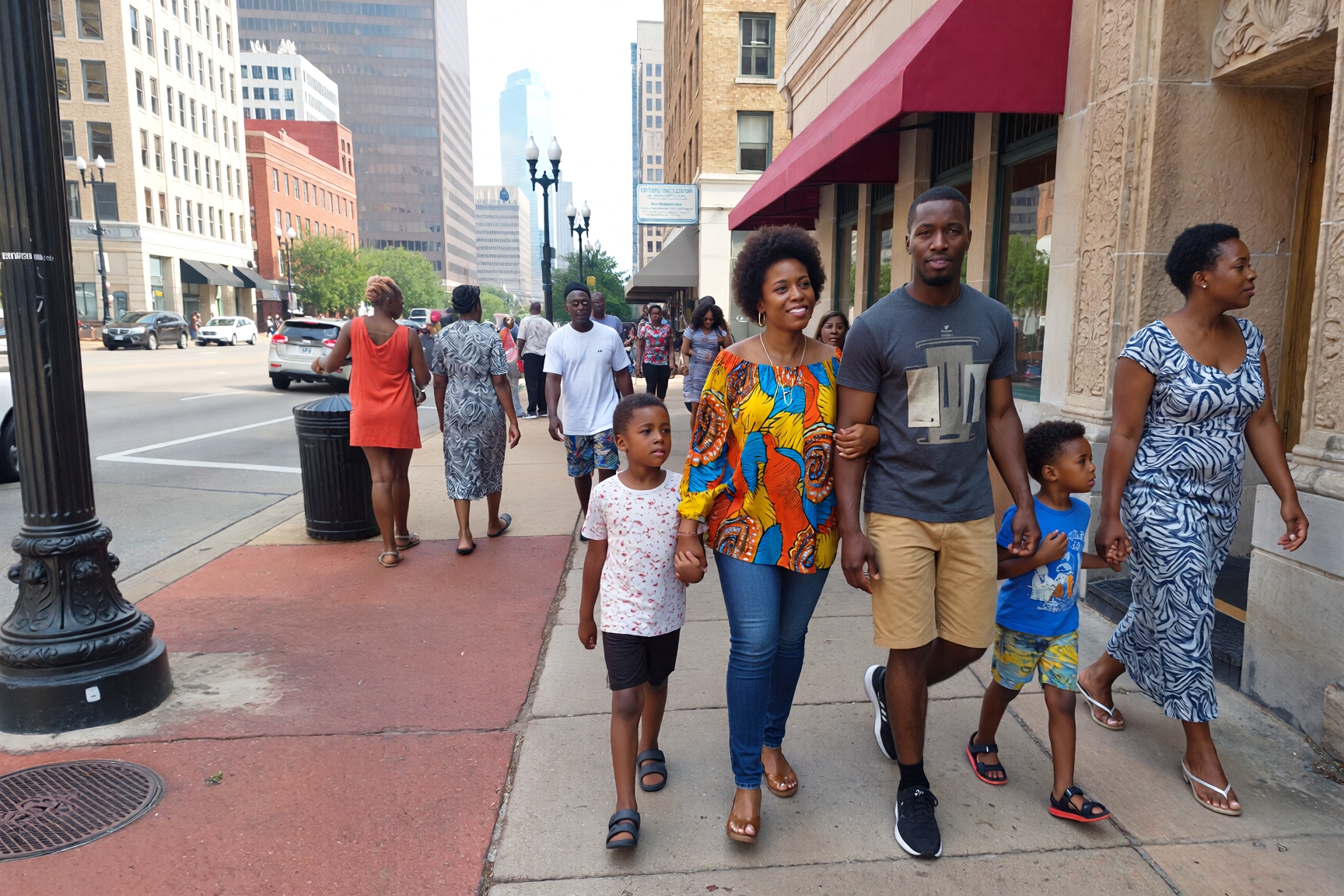
Fake car parts Nigeria is not a small problem you can ignore until payday. The Federal Road Safety Corps recorded 10,446 road traffic crashes and 5,289 deaths nationwide in 2025, with 33,400 people injured. Total crashes rose 9.2 per cent from 9,570 in 2024. While speeding and bad roads cause many of these, vehicle condition is a critical factor, and that puts every replacement part you buy under scrutiny.
A brake pad, tyre, suspension arm or engine oil bought at a bargain price can be the difference between arriving safely and a fatal crash. The Standards Organisation of Nigeria (SON) has previously said 95 per cent of imported auto spare parts failed to meet minimum acceptable standards. That figure covers substandard parts, but it tells you the market is flooded.
This guide is for the motorist about to spend money. No dealer hype. Just what to check, what to pay, and where to buy.

Why Fake Car Parts Nigeria Thrives
Over 80 per cent of Africa’s vehicles are imported, mostly second-hand cars aged 7 to 15 years, according to industry analysis. Nigeria’s ageing fleet needs frequent, affordable repairs. That demand creates fertile ground for counterfeiters.
Price sensitivity is the strongest driver. A consumer earning US$150 to US$300 monthly will be tempted by a brake pad selling at one-third the genuine price. Small workshops with tight margins buy cheap parts to stay competitive. Some garage owners are deceived; many knowingly mix fake and genuine components.
Weak enforcement and porous borders make it worse. Mozambique and Benin serve as transshipment hubs where shipments are falsely labelled, divided, and distributed across the continent. In some African nations, up to 40 per cent of the auto parts market was estimated to be counterfeit by 2024.
A Lagos motorist told Independent Nigeria how cheap brake pads fitted by a mechanic produced strange noises within a short time, forcing replacement. A commercial driver on the Ikotun-Oshodi corridor said packaging can look almost exactly the same, so without a trusted dealer or knowledgeable person, you easily buy the wrong thing.
Signs You Are Looking At A Fake Part
First, price. If a brake pad, tyre or shock absorber costs one-third of what a reputable dealer quotes, walk away. Safety-critical components are exactly what counterfeiters target: brake pads, suspension arms, tyres, ignition coils and airbag modules.
Second, packaging. Counterfeiters copy boxes and labels closely, but check for misspellings, blurry print, flimsy cardboard, and part numbers that do not match the vehicle. Tamper-proof seals that are already broken or resealed are a red flag.
Third, weight and finish. Genuine brake pads have consistent friction material and backing plates that fit precisely. Fake pads often feel lighter, have rough edges, or the shim does not sit flush. Suspension arms with porous welds or uneven paint are suspect.
Fourth, authentication marks. SON’s Product Authentication Mark includes security features and QR codes intended to improve traceability. SONCAP is a pre-shipment conformity assessment system requiring regulated imports to undergo verification and testing before shipment to Nigeria. Ask the seller to show these. If they cannot, treat the part as unverified.
Fifth, the seller’s story. A dealer who cannot name the manufacturer, the country of origin, or the distributor is not a dealer. He is a middleman moving boxes.
What Safety-Critical Parts Cost In Nigeria
Prices move with the exchange rate, so treat these as ranges. A genuine front brake pad set for a common Toyota or Honda typically runs between N25,000 and N60,000 depending on brand and model. Cheap counterfeits sell for N8,000 to N15,000. That gap is the scam.
A genuine shock absorber for a mid-size saloon runs N35,000 to N80,000 per unit. Counterfeits go for N12,000 to N20,000 and often leak within months. Engine oil is another danger: SON identifies engine oil and tyres as potentially life-endangering when they fail quality standards. A 5-litre pack of genuine fully synthetic oil costs N35,000 to N55,000. Anything under N20,000 for a known brand should raise suspicion.
Tyres are the most counterfeited item after brake pads. A genuine 195/65 R15 tyre from a reputable brand runs N55,000 to N90,000. Fake tyres with false DOT codes sell for N25,000 to N40,000. Check the DOT code: it should be a four-digit number showing week and year of manufacture. If the code is missing or looks stamped over, reject it.
OEM vs Aftermarket: What Actually Matters
OEM parts come from the vehicle manufacturer or its licensed supplier. They fit and last, but they cost more. Aftermarket parts from reputable brands like Bosch, Toyota’s own service line, or established filter makers can be just as good for many applications.
The problem is not aftermarket versus OEM. The problem is counterfeit versus genuine. A fake part marketed as OEM-grade is the worst outcome because you pay OEM-adjacent money for something that fails.
For safety-critical items, stick to OEM or a trusted aftermarket brand with verifiable authentication. For non-critical items like wiper blades or cabin filters, a decent aftermarket part is fine.
Where To Buy Genuine Parts In Nigeria
Authorised dealerships and their spare parts divisions are the safest route. Stallion Motors, for instance, offers a five-year warranty on its MG, Hyundai and Honda vehicles, and Kia offers five years on internal combustion models and eight years on EVs. Those warranties depend on genuine parts being used.
Carloha Nigeria’s CarlohaCare 6-6-7 programme for Chery owners includes a six-year vehicle warranty, six years of scheduled servicing covering parts and labour, and a seven-day repair commitment. That kind of programme only works if the parts are genuine.
For open-market buying, SON maintains desk offices in major Lagos commercial centres including ASPAMDA. Buying near a SON desk gives you a place to verify. The National Automotive Design and Development Council (NADDC) said in July 2026 it was working with stakeholders and Chinese partners on a proposed National Auto Parts Digital Platform, a centralised database of manufacturers and suppliers to help combat counterfeit spare parts. Until that platform is live, your best tools are authentication marks, trusted dealers, and price sanity.
One more warning: stolen parts enter Nigeria through international chop-shop networks. UK police data shows parts were shipped to countries including Nigeria, the UAE, Democratic Republic of Congo and Cyprus. A used part with no history and a suspiciously low price may be stolen. No receipt, no traceability, no comeback.
Your Best Value Pick For Nigerian Roads
For safety-critical parts, buy from an authorised dealer or a verified distributor with SON authentication marks. Pay the genuine price. A N60,000 brake pad set that stops your car is cheaper than a N15,000 set that kills you.
For non-critical parts, a reputable aftermarket brand is acceptable if you can verify the source. Never buy safety-critical components from roadside hawkers, and never accept a part because the packaging looks right. Check the QR code, check the weight, check the price against the market, and check the seller’s knowledge.
The Nigerian aftermarket is set for significant expansion toward 2030, but the counterfeit trade is a silent emergency undermining road safety and draining over US$2 billion annually in lost economic activity and revenue, according to industry associations. Until enforcement tightens, your eyes and your wallet are the first line of defence against fake car parts Nigeria.
Frequently Asked Questions
How can I tell if a car part is fake in Nigeria?
Check the price first. If a brake pad or tyre costs one-third of a reputable dealer’s price, it is likely fake. Then check packaging for misspellings, flimsy cardboard, and broken seals. Look for SON’s Product Authentication Mark with QR codes. Weigh the part in your hand: genuine brake pads feel heavier and fit precisely. Finally, ask the seller to name the manufacturer and country of origin. If they cannot, walk away.
What does SONCAP mean and does it guarantee genuine parts?
SONCAP is a pre-shipment conformity assessment system requiring regulated imports to undergo verification and testing before shipment to Nigeria. It is designed to stop substandard products at the border. However, SON has said substandard products still enter through smuggling and deliberate sourcing below approved specifications. So SONCAP is a useful check, but not a guarantee. Combine it with authentication marks and a trusted dealer.
Which car parts are most dangerous if counterfeit?
Brake pads, tyres, suspension arms, ignition coils and airbag modules are the most frequently counterfeited and the most dangerous. A defective brake component compromises stopping ability. Poor-quality tyres increase blowout risk. Substandard suspension parts affect stability, especially on Nigerian highways. Fake engine oil is also life-endangering because it damages the engine and can cause sudden failure.
Related Articles
- 113 Million Nigerians Deprived of Health: What You Can Do
- Herbal Remedies: Aishat Alagbo’s Safe Use Guide
- 29MB AI Model Runs on a $10 Chip: Here’s How
- Health Workers to Sue 20 Varsities Over Unpaid Allowance
- Taylor Swift Joins Beatles as Only Acts With 100 Weeks at No. 1
 Follow AFRILATEST on Google News
FIRST TIME REACTIONS:
Be the first to leave us a comment – Spot Fake Car Parts Nigeria: 95% Imported Parts Fail, down the comment section.
JOIN US ON OUR SOCIAL MEDIA:

Auto & Cars
Ford Transit Trail Settlement: What Owners Must Know
The Ford Transit Trail settlement pays $6,000 per eligible van. What the tire recall fix means for parts, running costs and resale in Nigeria.

The Ford Transit Trail was sold on a tire. Ford gave the van a 3.5-inch lift, standard all-wheel drive with Slippery and Mud modes, a 3.5-liter EcoBoost V6 and 30.5-inch Goodyear Wrangler Workhorse all-terrain rubber, then charged $12,500 above a standard Transit for the package. The component that undid the promise was not the engine or the drivetrain. It was the clearance between the front tire and the wheel arch liner — and the correction Ford chose now sits at the centre of a Ford Transit Trail settlement worth $6,000 per vehicle.
That distinction matters. Most coverage of this case reads it as a legal story. Owners read it as a parts story, and the parts story is the one that survives after the cheques clear.
What The Ford Transit Trail Settlement Actually Pays
Ford recalled the Transit Trail in March 2024 over what the recall described as insufficient packaging allowance for the front tires, as Autoblog reported. The tires could rub the wheel arch liners at 60% of a full turn while braking, or when the van was loaded at or near the Front Gross Axle Weight Rating. Ford logged five warranty reports and 10 field reports. In some cases, tires went flat.
The remedy was a different Goodyear: 235/65R16C, plus both front wheel arch liners, according to the document published on the NHTSA site. Smaller rubber, and not an off-road fitment.
The money is narrow. Class members are original owners or lessees who bought from an authorised dealer, outfitter, upfitter or other intermediary that acquired the vehicle for resale or conversion, before June 1, 2024. Anyone who bought used is excluded. Anyone who has already sued Ford over the same issue is excluded. Claims run to January 15, 2027, and final approval is scheduled for a hearing on March 16, 2027. About 1,900 vans are affected.
Why A Smaller Tire Is A Spare Parts Question
A recall that substitutes a tire size is not cosmetic. It rewrites the specification the vehicle carries for the rest of its working life, and it decides what a workshop orders at the next replacement.
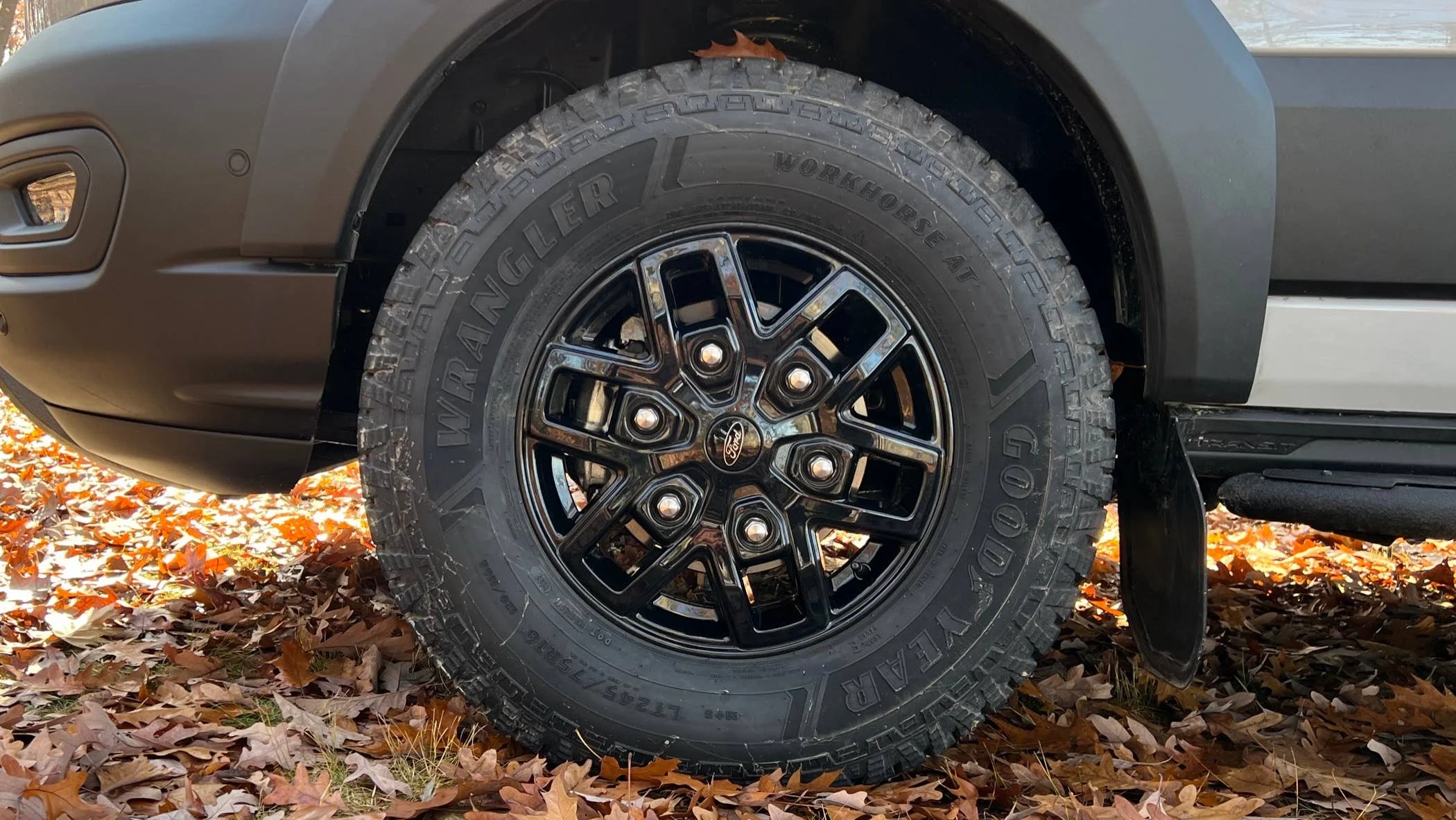
An owner running the recall remedy is buying 235/65R16C — a commercial-van load-rated size — and needs liners that match that fitment. An owner who kept the 30.5-inch all-terrain is running a tire Ford no longer supports on that arch, and inherits the rubbing condition the recall was meant to close. Both groups are sourcing parts against a van whose front end now has two documented states.
The scale of the original claim is on record. A separate suit reported by Autoblog has Joseph Falman III of Connecticut stating he paid $80,000 for his Transit Trail and could not properly turn the vehicle. His filing argues the smaller tires are likely to provide less traction in snow, grass and mud — the surfaces the van was marketed for.
OEM, Aftermarket And The Copies In Between
OEM means the parts Ford specifies in the remedy: the Goodyear 235/65R16C and the front wheel arch liners carrying Ford’s own part number and warranty support. Aftermarket means any other brand of tire in that size, or a liner produced by a third-party supplier to its own tolerances. Counterfeit means a tire or liner sold under a premium brand’s name that the brand never made, or a liner moulded from a copy of the original tooling.
The checks are physical, not verbal. On a tire, read the sidewall: brand moulding, size, load index and speed symbol must match the vehicle placard, and the date code tells you how long it has sat in a warehouse. On a liner, look at fixing points, material thickness and the part number moulded into the piece. A price far below the surrounding quotes is the oldest warning sign in the trade.
On naira pricing, the honest position is that neither Ford nor Goodyear publishes Nigerian retail figures, and the source material does not supply them. The one anchor the case gives is the $12,500 Trail package against the $80,000 purchase price — $6,000 is close to half the value of the package. Because the payment is dollar-denominated, its naira equivalent moves with the exchange rate on the day it clears, if it reaches a Nigerian owner at all.
Running Costs, Road Suitability And Resale
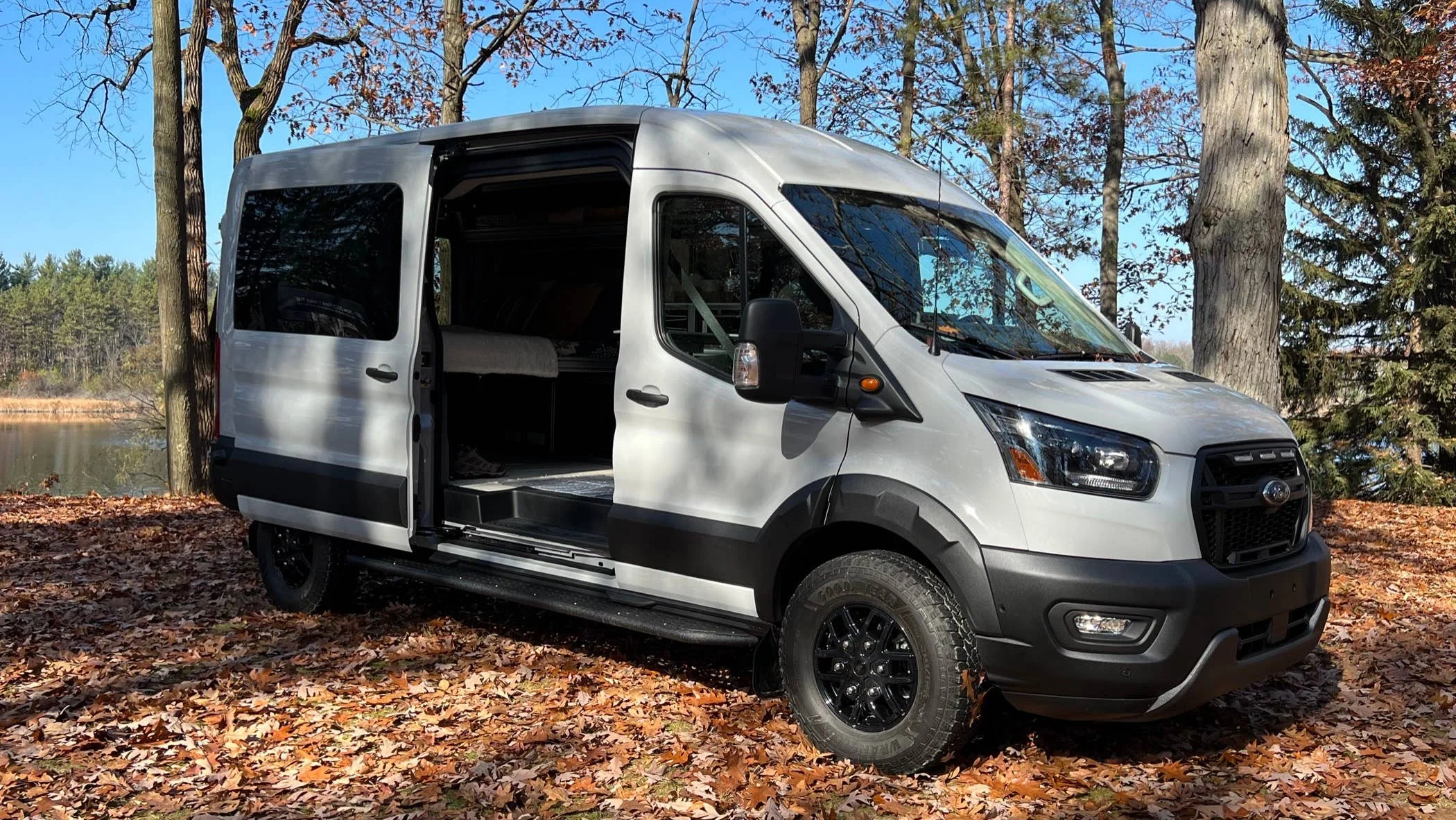
The lift, all-wheel drive, skid plates, tow hooks, cladding and the 2.5-inch wider track remain on the van after the fix. What changes is ground clearance. The reporting notes the larger tires would have provided superior ground clearance and a likely better approach angle, which is precisely the capability an owner buys back when he refits the original 30.5-inch size — and precisely the rubbing risk he accepts with it.
Ford’s own figures do not cover fuel consumption, service intervals or parts pricing for this van, and no responsible cost estimate can be built without them. What the case does establish is volume: roughly 1,900 units. A specialised, low-volume import is a parts-availability problem in any market, and more so where the EcoBoost V6 and its ancillaries are not stocked on every street.
Resale follows the paperwork. A Transit Trail with a documented liner replacement and a consistent, matching set of tires is a straightforward sale. One with mixed fitment front to rear, no recall record and a rubbing complaint in its history is a negotiation. Buyers of adventure vans check the front arches first.
Where The Best Value Sits
The Ford Transit Trail settlement is a legal remedy, not a parts remedy. It returns cash to a defined group of American first owners and leaves everyone else — including the entire used-import channel that supplies Nigerian buyers — holding a van whose front-end specification changed without their consent.
Best value, then, sits in the fitment decision rather than the cheque. Buy the correct 235/65R16C from a supplier who will show you the sidewall and the date code, pair it with liners that carry a traceable part number, and keep the invoice. That paper trail is worth more at resale than any single component on the van.
Frequently Asked Questions
Who qualifies for the $6,000 Ford Transit Trail settlement payment?
Original owners or lessees who bought the van from an authorised dealer, outfitter, upfitter or other intermediary that acquired it for resale or conversion, before June 1, 2024. Used buyers are excluded, and so is anyone who has already sued Ford over the same tire-rub issue.
What tire did Ford fit as the recall fix?
A Goodyear 235/65R16C, along with both front wheel arch liners, according to the remedy document published on the NHTSA site. It is smaller than the 30.5-inch Goodyear Wrangler Workhorse all-terrain the van was launched with, and it is not an off-road fitment.
What is the claim deadline for the settlement?
Claim forms and documentation must be submitted on or before January 15, 2027. A final approval hearing is scheduled for March 16, 2027, and payment follows approval and the resolution of any appeals.
FIRST TIME REACTIONS:
Be the first to leave us a comment – Ford Transit Trail Settlement: What Owners Must Know, down the comment section.
JOIN US ON OUR SOCIAL MEDIA:

About Paul Nwogo
Paul Nwogo is an engineer, published author, and the Head Manager at AfriLatest. He has written numerous books available on Amazon covering a diverse range of topics, including health, personal finance, relationships, work ethics, and scam survival. With his technical background and passion for writing, Paul now oversees the editorial direction of AfriLatest, delivering practical, accurate, and engaging content on trending news, music, and global lifestyle topics.
View all articles by Paul NwogoCar Reviews
Why Naming Cars Is So Hard: The Jimmy And The Flex
Why naming cars is so hard: the GMC Jimmy revival, the Ford Flex resale problem, and what a badge costs Nigerian owners at the parts counter.
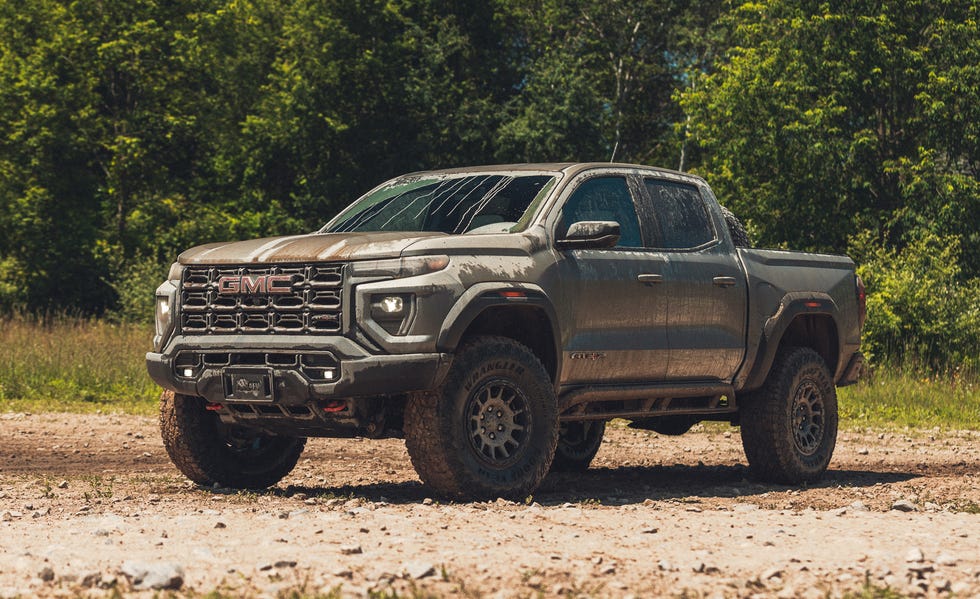
The vehicle at the centre of the newest argument about car naming is not a Ford, and it does not exist yet.
Explaining why naming cars is so hard does not need a manufacturer quote. It needs the resale column. A badge is a promise about structure, and buyers price that promise into what they will pay used.
According to Car and Driver, citing a report from GM Authority, GMC is developing a body-on-frame SUV that would revive the Jimmy nameplate. It would sit between the Terrain and the Acadia, share its platform with the Canyon and Colorado pickups, and fight the Toyota 4Runner, Ford Bronco and Jeep Wrangler. A turbocharged 2.7-litre four-cylinder is the likely engine, rated at 310 horsepower and 430 pound-feet in current pickup applications. A V-8 is reportedly under consideration.
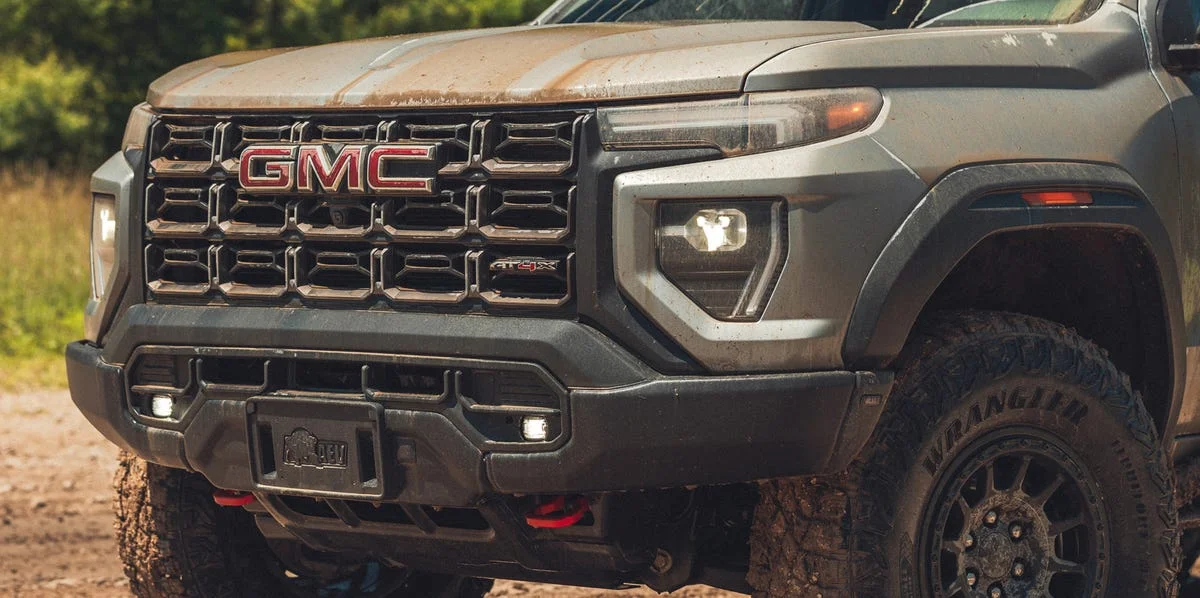
That is the specification story, and specifications are the easy part. The hard part is the badge.
No public Ford commentary on the difficulty of car naming appears in the source material available for this article, and none is invented here. The useful evidence sits in the product record instead.
The GMC Jimmy Revival Shows Why Naming Cars Is So Hard
The Jimmy’s history is exact, and it constrains what the new car is allowed to be. It was a large body-on-frame SUV sold in the 1970s and 1980s as a twin to the Chevrolet Blazer, then a smaller body-on-frame SUV sold from 1983 to 2005 in two- and four-door forms.
Car and Driver reports that enthusiasts remain wary because Chevrolet revived the Blazer badge on a unibody crossover. That wariness is rational. A name that once specified a ladder frame now specifies a family crossover, and the older name’s resale premium goes with the definition.
GMC’s reported decision to keep body-on-frame construction is therefore not a chassis choice. It is a naming decision with a price attached.
What The Ford Flex Reveals About A Badge That Has To Explain Itself
The Flex is the cleanest available case study in naming trouble, and it never involved a bad word or a bad joke. As Motor1 puts it in a used buying guide, the Flex wasn’t quite an SUV, wasn’t quite a station wagon and certainly wasn’t a minivan, at least that’s what Ford wanted buyers to believe. The same guide calls it an underappreciated oddball.
Underappreciated is a polite word for a resale problem. A name that needs an explanatory sentence fails the search-bar test. A used-car buyer in Lagos or Manchester types “seven-seat SUV” or “estate” or “people carrier” into a marketplace. Nobody types “Flex,” because the name does not describe a category the buyer already holds in mind. Volume falls, the aftermarket thins out, and the badge carries a discount for the rest of its life.
Where A Badge Decides What You Can Actually Fix
Parts availability is a naming outcome, and the OEM, aftermarket and counterfeit distinction explains how it happens.
OEM parts are manufactured to the vehicle maker’s specification and sold under its part number. Aftermarket parts are made by independent companies to their own interpretation of that specification. Counterfeit parts carry a brand’s markings and packaging without the engineering behind them. They copy the label, not the tolerance.
The depth of OEM and legitimate aftermarket supply depends on how many units of a given name were sold and how easily that name is searched. A high-volume, unambiguous badge attracts tooling from several aftermarket suppliers and a competitive price. A confusing or short-lived badge attracts neither, and counterfeit parts fill the space. That is the worst outcome for a Nigerian owner running a grey import.
TopGear’s list of the coolest car names shows the same mechanism from another direction. Mitsubishi sold the Pajero as the Montero in Spanish-speaking markets because the original word is vulgar there, a regional rename that splits the parts catalogue and the search traffic in two. Dacia’s Bigster is, by TopGear’s own reading, big plus Duster, which is literal and effective. Ferrari’s 812 Superfast is more literal still, and it works because the number backs the adjective.
Motor1’s round-up of the weirdest car names ever reaches the same conclusion through ridicule. The Renault LeCar was, at minimum, an accurate name. The Volkswagen Thing described an oddball honestly. Neither badge stopped the car being identified, which is the first job a name has to do.
Bad names are not the problem. Names that promise something the car does not deliver are the problem.
Is The Jimmy Worth Waiting For In Nigeria
There is no launch date, no production confirmation and no price in any currency, so there is no naira figure to quote here. Anyone offering one is guessing.
Nigeria’s new-vehicle market is thin, and body-on-frame SUVs at this size arrive mostly through the used-import route. Landed cost will depend on duty, freight and the exchange rate at the time of import, none of which can be modelled from the information currently available. The watch items are narrower: whether GMC holds body-on-frame construction through to production, whether the V-8 option survives, and whether the badge reaches showrooms at all. GM has put $888 million into its Buffalo, New York engine plant to build a next-generation small-block V-8, which supports the second point but does not confirm it.
For a Nigerian buyer, the practical question is not whether the Jimmy beats a 4Runner on paper. It is whether a revived name with a twenty-year gap in its history can build the parts depth a 4Runner already has.
That gap is the whole argument. Explaining why naming cars is so hard is really explaining why the badge is the longest-lasting component on the vehicle. It sets what the car is worth used, what a mechanic can source, and whether a buyer scrolling a marketplace ever sees it.
Ford has not published its reasoning in the material reviewed for this piece, and the Jimmy has not been confirmed for production. But the pattern is documented on both sides of the Atlantic, and it is not sentimental. It is arithmetic.
Frequently Asked Questions (why naming cars is so hard)
Will the GMC Jimmy be sold in Nigeria?
No announcement covers Nigerian availability. The reporting reviewed here describes a rumoured body-on-frame SUV based on the Canyon platform, with no launch date, no production confirmation and no price in any market. Any naira figure circulating now is speculation.
Why does a car’s name affect its resale value?
A name is a category signal. The Ford Flex sat between SUV, wagon and minivan, so used buyers searching for a defined body style never found it, and the guide describing it as an underappreciated oddball points to the same result. Names that specify structure clearly hold value better, which is why the Chevrolet Blazer’s move to a unibody platform unsettled the Jimmy’s expected buyers.
Do car names really affect parts availability?
Yes, indirectly. OEM parts are built to the manufacturer’s specification, aftermarket parts are built by third parties to their own interpretation, and counterfeit parts copy markings without the engineering. The number of units sold under a clear, searchable name determines how much genuine OEM and aftermarket supply exists. Thin supply is where counterfeit parts gain ground.
FIRST TIME REACTIONS:
Be the first to leave us a comment – Why Naming Cars Is So Hard: The Jimmy And The Flex, down the comment section.
JOIN US ON OUR SOCIAL MEDIA:
About Paul Nwogo
Paul Nwogo is an engineer, published author, and the Head Manager at AfriLatest. He has written numerous books available on Amazon covering a diverse range of topics, including health, personal finance, relationships, work ethics, and scam survival. With his technical background and passion for writing, Paul now oversees the editorial direction of AfriLatest, delivering practical, accurate, and engaging content on trending news, music, and global lifestyle topics.
View all articles by Paul NwogoCar Reviews
Ford Bronco ORV Package: $18,995 Ownership Reality Check
Ford’s Bronco ORV package adds Fox suspension and Raptor skid plates for $18,995. What it means for running costs, parts and Nigerian buyers.
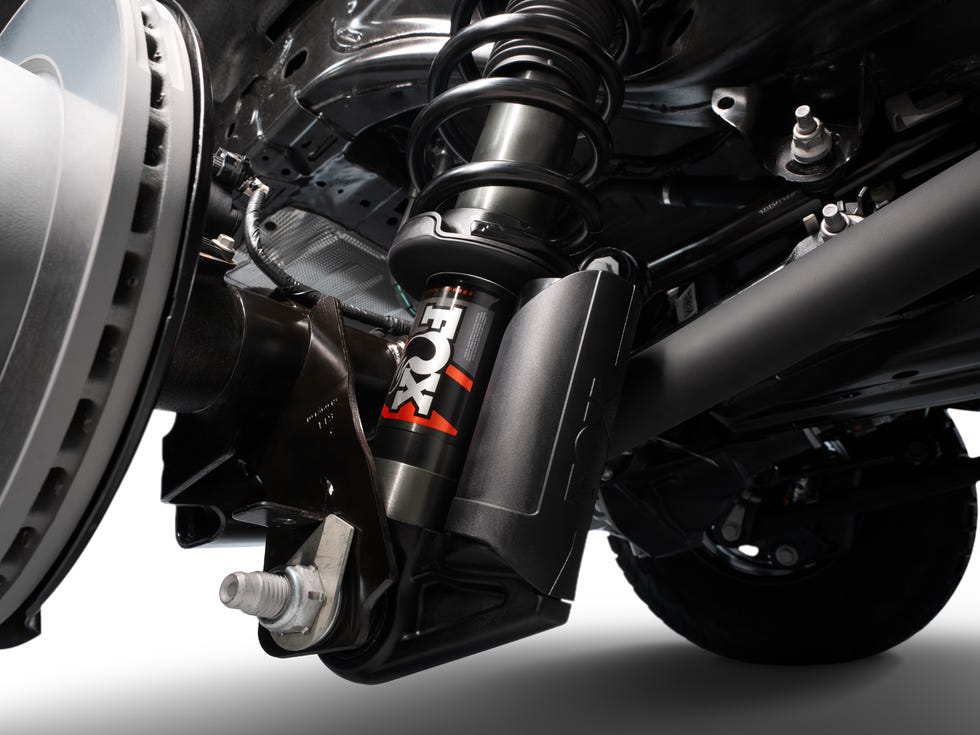
Ford has expanded the Bronco’s special-edition catalogue again, and this time the hardware is aimed squarely at dirt. The Ford Bronco ORV package, sold through Ford’s Custom Garage programme, adds a Fox off-road suspension kit, a skid plate and fuel tank plate lifted from the Bronco Raptor, Rigid LED auxiliary lights and a Ford Performance ProCal calibration tool. It fits 2025 and 2026 model-year Broncos.
The price is $18,995 on top of the vehicle, ordered through Ford dealers.
Ford’s motivation is not mysterious. The Bronco returned in 2021 as a direct rival to the Jeep Wrangler and sold 146,007 units last year. A model shifting in those volumes supports a long tail of variants, from the two-tone Heritage Edition to the desert-focused Stroppe Edition and the Free Wheeling trim. As Car and Driver reported, the Custom Garage programme is where those ideas now gestate.
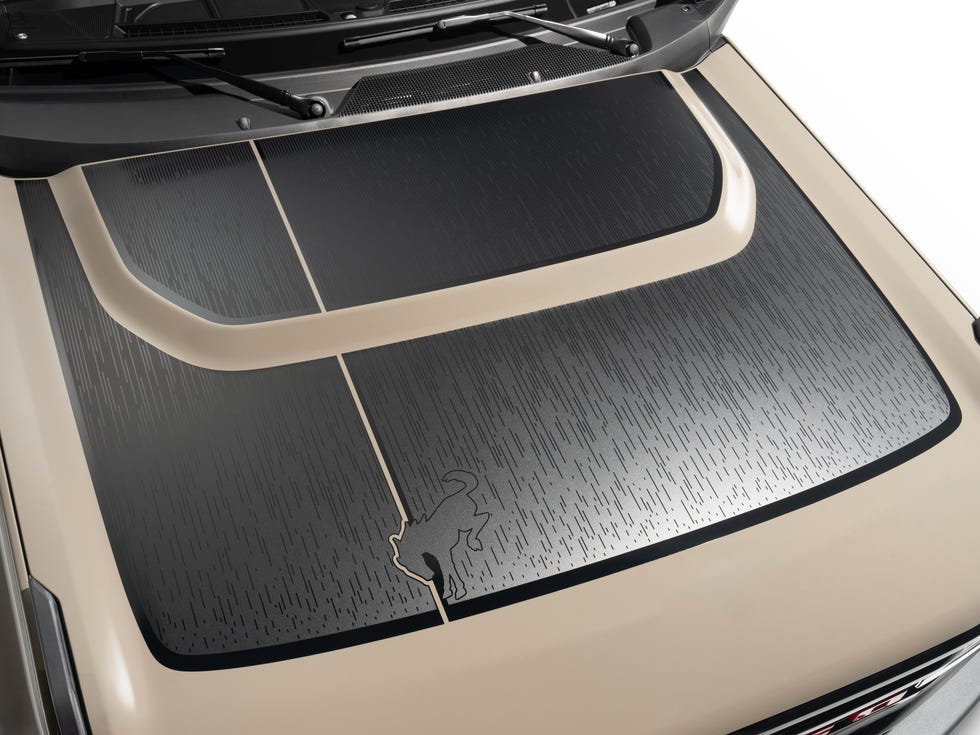
What The Ford Bronco ORV Package Actually Adds
The package fits the base Bronco, the Outer Banks and the Big Bend, with or without the Sasquatch package.
The visual kit is substantial: 17-inch black Weld wheels, more pronounced fender flares, red Bronco badging matched to red tow hooks, a Stealth matte black hood decal intended to cut sun glare, a smoked rear Ford badge and a triangular ORV logo on the fender. Optional sill plates carry Ford Performance branding.
The functional list is longer than the styling list. Beyond the Fox suspension and the Raptor-sourced underbody plates, buyers can add two lights on the hood, a roof-mounted light bar, a high-clearance Borla exhaust, a heavy-duty rear differential cover, a hydraulic hood lift kit and an ARB air compressor stowed under the bonnet.
The ProCal device is standard. Ford describes it as a calibration tool for data logging and diagnostics. The source material does not present it as a power upgrade, and buyers should treat any dealer claim of extra output from the ProCal alone with suspicion.
Ford calls the ORV a limited edition but has not said how many will be built. That silence matters at resale time.
Why $18,995 Changes The Ownership Maths
A sticker figure is not a cost. Almost everything in the ORV package is a wear item or a consumable.
Fox off-road dampers are serviceable components with defined rebuild intervals. Rigid LED lamps can be destroyed by a stone strike. A Borla exhaust is stainless steel but still a serviceable part. The wheels take the same punishment as any other wheel on Nigerian roads. The ARB compressor has seals. The Raptor skid plates exist precisely because the underside of an off-roader gets hit.
None of that is a criticism of the package. It is a warning about budgeting the $18,995 as an entry fee rather than a total.
The warranty terms soften the argument considerably. Ford attaches a supplemental three-year/36,000-mile warranty running from the new-vehicle in-service date, and fitting the package does not void the standard Bronco warranty. For a buyer paying close to a fifth of a base Bronco’s price again in accessories, that clause is the most valuable line in the announcement.
Fitting The Ford Bronco ORV Package Into Nigerian Buying
The Bronco is not mainstream dealer stock in Nigeria. Most units arrive as imports, and that reframes the arithmetic entirely.
A Nigerian buyer is not paying $18,995. The landed cost includes the vehicle, freight, clearing and duty, and the naira equivalent moves with the exchange rate at the time of import. Quoting a fixed naira price for this package would be dishonest. What can be stated plainly is that the package alone costs more than many complete used SUVs change hands for in Lagos, and it bolts onto a vehicle that already carries import costs.
Parts availability is the harder problem. Fox, Rigid, Weld, Borla and ARB are specialist American brands. In Nigeria, sourcing runs through parallel importers and specialist workshops, and lead times are measured in weeks rather than days. A damaged Rigid light bar or a leaking Fox damper is not a Monday-morning fix.
This is where the OEM, aftermarket and counterfeit distinction earns its keep.
The ORV hardware is OEM: engineered or validated by Ford, sold through Ford dealers, and covered by the supplemental warranty. An aftermarket Fox damper bought separately may be a genuine Fox product, but it is not the Ford-validated specification and carries no Ford coverage. A counterfeit shock absorber wearing a Fox sticker carries nothing at all, no specification, no traceability, no recourse. On a vehicle where suspension failure happens at speed on bad ground, that difference is not cosmetic.
The ProCal tool is the clearest example. A genuine unit is an OEM diagnostic device tied to Ford’s calibration data. A cloned tool of uncertain origin can brick control modules. Nigerian buyers importing US-spec trucks should insist on the boxed ProCal and its documentation.
Warranty administration deserves a written answer before money changes hands. Coverage is tied to a US in-service date and administered through Ford’s dealer network. Buyers importing privately should confirm, in writing, how and where a claim would be handled.
Road suitability is a mixed verdict. The 17-inch wheels leave meaningful sidewall, a genuine advantage on broken tarmac, because a smaller rim with more rubber survives potholes better than a large rim with a thin band. The Raptor skid plates are useful insurance against road debris. The off-road suspension, however, is tuned for trail work, and Ford publishes no on-road ride data for this build in the source material. Test drive before paying.
Running costs will not be modest. Ford does not publish fuel economy figures for the ORV build, and the added mass of skid plates, an air compressor and a roof light bar works against efficiency regardless of engine.
Resale value splits by market. Globally, a documented limited-edition Bronco with a factory warranty trail holds value better than a modified truck. In Nigeria, the pool of buyers for a special-edition off-roader is small, and a matte hood decal and red badging do not universally read as premium. The ORV badge helps with enthusiasts. It does little for everyone else.
Is It Worth Waiting For The Ford Bronco ORV Package
For a buyer in a market where Ford dealers stock the Bronco, service Fox dampers and honour the supplemental warranty, the Ford Bronco ORV package is coherent value: factory-validated hardware, a Raptor-derived underbody, and coverage that survives the modification.
For a Nigerian buyer importing privately, the calculation is narrower. The package is worth waiting for only if the importer can document OEM provenance, secure a service path for Fox and Rigid components, and get warranty administration in writing. Without those three, the $18,995 buys appearance and capability the owner cannot maintain, and a limited-edition badge is poor compensation for a truck parked waiting on parts.
Frequently Asked Questions
How much does the Ford Bronco ORV package cost?
The package costs an additional $18,995 on top of the price of the vehicle. It is ordered through Ford dealers and fits 2025 and 2026 model-year Broncos. Ford has described it as a limited edition without specifying the build number.
Which Bronco trims can be fitted with the ORV package?
The ORV package is available on the base Bronco, the Outer Banks and the Big Bend, with or without the Sasquatch package.
Does the Ford Bronco ORV package void the factory warranty?
No. Ford says installation does not void the standard Bronco warranty, and the package brings a supplemental three-year/36,000-mile warranty running from the new-vehicle in-service date. Buyers importing privately should confirm in writing how a claim would be administered locally.
FIRST TIME REACTIONS:
Be the first to leave us a comment – Ford Bronco ORV Package: $18,995 Ownership Reality Check, down the comment section.
JOIN US ON OUR SOCIAL MEDIA:
About Paul Nwogo
Paul Nwogo is an engineer, published author, and the Head Manager at AfriLatest. He has written numerous books available on Amazon covering a diverse range of topics, including health, personal finance, relationships, work ethics, and scam survival. With his technical background and passion for writing, Paul now oversees the editorial direction of AfriLatest, delivering practical, accurate, and engaging content on trending news, music, and global lifestyle topics.
View all articles by Paul Nwogo-

 Startups1 month ago
What a Successful Dangote Refinery IPO Really Says
-
Savings & Investing5 days ago
Hidden Medicare Fees Draining Your Retirement Savings
-
Health and Fitness3 weeks ago
Curly Hair Hydration: 5 Proven Steps That Actually Work
-
Tech & Gadgets4 weeks ago
Apple Watch and AirPods Fall Deals: Save $120 Today
-
University Admissions1 month ago
UNILAG 2026/2027 Admission: Direct Entry & Post-UTME Guide
-
Football1 month ago
South Carolina vs Alabama: Tide Roll to 35-10 Halftime Lead
-
World News1 month ago
Carney Calls U.S. Tariffs a Miscalculation as Canada Retaliates
-
Trending Entertainment News3 weeks ago
Taylor Swift Joins Beatles as Only Acts With 100 Weeks at No. 1