
Entertainment TV & Film
Crystal Lake Ending Explained: 7 Twists That Change Jason
Crystal Lake ending explained: the Peacock prequel reveals Jason’s true origin, Project Argonaut, and why he can’t die. Here’s every twist.


Crystal Lake is Peacock’s eight-episode Friday the 13th prequel, and its finale rewrites everything you thought you knew about Jason Voorhees.
The show premiered October 15, with all eight episodes dropping at once. Set in the early 1970s, it follows Pamela Voorhees (Linda Cardellini) as she grieves the drowning of her son Jason (Callum Vinson) at Camp Crystal Lake. What looks like a straightforward slasher prequel turns into something stranger by the final two episodes. The Crystal Lake ending explained here is not a ghost story, and it is not a curse. It is corporate science gone wrong, and it changes how the entire film franchise reads.
Jason Voorhees Has a Father, and a Secret

Episode 6 introduces Elias Wittering, played by Hamish Linklater. Fans who caught the name in the closing credits knew immediately who he was: Jason’s father. The character was written for 1986’s Friday the 13th Part VI: Jason Lives but never filmed, and his name later surfaced in Jason Goes to Hell and various comics and games.
Elias is not a Voorhees. Pamela only took that surname after going on the run with Jason. In 1959 New York, she was Pamela Scott, a nightclub singer, pregnant by her boyfriend Elias, a salesman for Bellflower Chemical. After what looked like a miscarriage, Elias brought her to a Bellflower facility in Houston. The company said the baby could be saved. They married. She became Mrs. Wittering.
Then the treatments started, and the show’s seventh episode lays out exactly what they were for.
Project Argonaut and the Real Reason Jason Cannot Die
Bellflower was running Project Argonaut, an experiment designed to make human bodies survive nuclear war. Elias says the team replicated the cellular process of cockroaches so people could withstand radioactive fallout. Pregnant women in the trial were given procedures. Most of the babies were deformed, many died, and almost none could live normally.
Except Jason. He is the first successful product. As Elias puts it, trauma actually makes him stronger, and could spur accelerated physical growth. That single line accounts for his appearance, his increasing size across the films, and every wound he walks away from.
The show also explains Pamela’s instability. Bellflower gave her experimental mood stabilizers that altered her brain chemistry, and she stopped taking them after she learned the truth and fled with Jason to Crystal Lake. Her madness has a chemical source.
This is the most debated reveal in the series, and it turns a supernatural slasher into science fiction. The IGN breakdown of the finale notes that the franchise already went this direction once: 2002’s Jason X opens in 2008 with Jason held at a Crystal Lake Research Facility, where Dr. Wimmer, played by David Cronenberg, argues that his ability to regenerate damaged tissue cries out for more research. Bellflower is the answer Dr. Wimmer never got.
Who Killed Barry and Claudette
Episode 5 recreates the opening of the 1980 film almost shot for shot. Counselors Barry and Claudette sneak off together, and a POV shot shows the killer attacking them. Then the show keeps going. Pamela walks in on a murder already in progress.
The killer is Grace, played by Gwendolyn Sundstrom. She is 13, she was Jason’s only real friend, and she had just lost her mother, killed by Pamela without Grace knowing. She had also been spending time with an older group of hippie kids. That is a fourth killer in the franchise’s history, alongside Pamela, Jason, and Part 5’s Roy.
The Finale: 1971, Elias, and the Setup for 1980
In the present timeline, Pamela finally finds Jason, now fully grown with a bag over his head. He murders Elias, then attacks Pamela, and stops at the last second. A local shoots Jason, and he survives, because we now know he is essentially impervious to damage. A delirious Pamela says her son is strong, stronger than anyone gave him credit for.
That leaves the story exactly where the original movie begins: Pamela seeking revenge for a son who is not actually dead, while Jason lurks in the woods. The Inverse explanation of the ending makes the same point, that the show was meant to set up the first film’s twist and instead became a full sci-fi thriller.
Is It Worth Watching
The case against the show is real. IndieWire’s review argues that the penultimate flashback answers every question and the finale mostly sums up, effectively making a two-hour story stretched over eight. If you want the reveals without the padding, watch Episode 7 and Episode 8.
Cardellini is the reason to stay. She plays the forlorn recluse and the voracious hedonist with equal conviction, and Will Catlett’s police chief Levon Brooks is a genuine highlight. The kills are creative. The pacing is not.
One small note worth knowing: the snake Pamela frees from the camp pantry in Episode 1 is a deliberate nod to a real bull snake killed during the filming of the 1980 movie. Creator Brad Caleb Kane told Deadline no animals were harmed this time.
Who Should Watch Crystal Lake
If you have watched every Friday the 13th film and want the lore gaps filled, this is for you, and you can skip straight to Episode 7. If you want a lean slasher with tight pacing, the eight-hour runtime will test you. If you have never seen a Friday the 13th movie, start with the 1980 original, then come back. The Crystal Lake ending explained above only lands if you know what Pamela becomes.
The show has already done the hardest thing a prequel can do. It made a 45-year-old drowning scene mean something new.
Frequently Asked Questions (Crystal Lake ending explained)
Does Jason actually drown in Crystal Lake?
No. Jason survives his drowning at Camp Crystal Lake because of the Bellflower Chemical treatments he received as a baby through Project Argonaut. The show reveals he is essentially impervious to damage, which also explains his survival in later films.
Who is Jason’s father in Crystal Lake?
Elias Wittering, played by Hamish Linklater. He worked for Bellflower Chemical and oversaw Project Argonaut. The character was written for Friday the 13th Part VI: Jason Lives but the scene was cut and never filmed.
Why is Pamela Voorhees insane in Crystal Lake?
The show ties her instability to Bellflower. The company gave her experimental mood stabilizers that altered her brain chemistry, and she stopped taking them after learning the truth about the experiments and fleeing with Jason.
Related Articles
- Ukrainian drones hit Russian data centers: Yandex outages
- Kojima on Joker 2: Why the Divisive Flop Will Age Well
- GBU-43/B MOAB: Why This 21,600-lb Bomb Won’t Crack Iran
- Love Afrobeats? Score a 4LP Fela Kuti Box Set
- Tems: Writing Music Helps Me Heal, Release Pain
 Follow AFRILATEST on Google News
FIRST TIME REACTIONS:
Be the first to leave us a comment – Crystal Lake Ending Explained: 7 Twists That Change Jason, down the comment section.
JOIN US ON OUR SOCIAL MEDIA:


Entertainment TV & Film
Best Documentary 2026: 1972 Cocktail Party Story
Discover how a 1972 cocktail party became the best documentary 2026. Learn the story behind Once Upon a Time in Harlem and its journey to the screen.
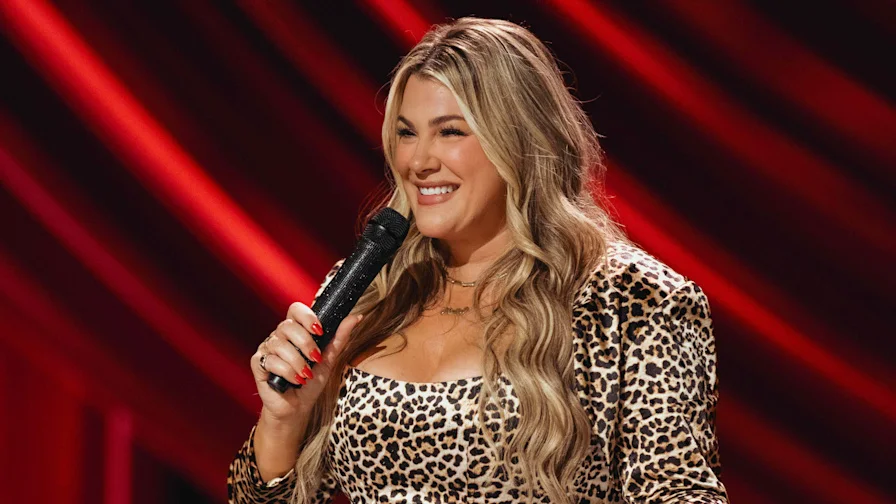
You want to see the best documentary 2026 has to offer, and it started with a simple cocktail party in 1972. Filmmaker William Greaves invited the surviving luminaries of the Harlem Renaissance to Duke Ellington’s uptown apartment. He kept the cameras rolling for four hours. The result, Once Upon a Time in Harlem, premiered at Sundance in January 2026 and is now in theaters. Here’s how that party became a masterpiece, and how you can experience it.
What You Need to Know Before You Watch
First, understand the context. The Harlem Renaissance was a cultural movement that began roughly in the 1920s. It produced poets, painters, musicians, and thinkers who changed American art. By 1972, many of its stars were still alive. Greaves, a pioneering Black filmmaker, wanted to capture their stories. He borrowed Ellington’s apartment and invited everyone he could find. According to Deadline, he worked with librarians at the Schomburg Center to track down contacts. Some guests hadn’t seen each other in over 50 years.
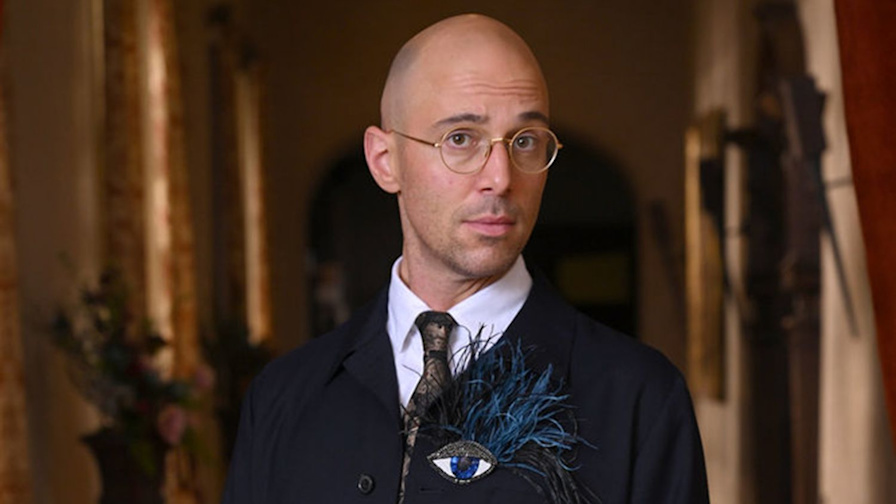
The party was not just a reunion. It was an oral history. Greaves filmed with four cameramen and two sound people. His son David was one of the cameramen. “His basic advice was just shoot everything,” David told Deadline. And they did. The footage captured legends like Eubie Blake, Aaron Douglas, Richard Bruce Nugent, and James Van Der Zee. They laughed, drank, and argued. They debated when the Renaissance began and whether it ever ended. One guest called it “an awakening.” Another insisted it peaked in 1921. The cameras caught it all.
Why It Took 50 Years to Finish
Greaves originally planned to combine the party footage with archival stills for a film called From These Roots. But the stills didn’t work with the live action. So he released From These Roots in 1974 using only archival materials. It won over 20 film festival awards. The party footage was shelved. For decades, Greaves and his wife Louise tried to finish it. They couldn’t find the right structure. Greaves died in 2014. Louise secured a grant from the Ford Foundation to restore the 16mm reels. She died in 2023. Then David and his daughter Liani took over.
The restoration was massive. According to AOL, the film had over 60,000 feet of 16mm footage. Bill Brand handled the preservation, which took about two and a half years. Editors Lynn True and Anne De Mare shaped the material. David is credited as director, Liani as producer. The film premiered at Sundance on January 25, 2026. It later screened at Cannes, where it earned a documentary award nomination. NEON acquired U.S. distribution rights. It hits theaters on October 16, 2026.
How to Watch and What to Look For
You can see the best documentary 2026 in theaters starting October 16. Before that, it screens at the Toronto International Film Festival and the New York Film Festival. The film has a 100% critics’ score on Rotten Tomatoes. New Yorker critic Richard Brody called it “one of the greatest talking pictures” he’s ever seen. When you watch, pay attention to the arguments. The guests don’t always agree. Ida Mae Cullen, widow of poet Countee Cullen, repeatedly asks why her husband isn’t treated as a major figure. Eubie Blake laughs off a claim about his interactions with white people. Aaron Douglas is celebrated simply as an “artist, period.” These moments are the heart of the film.
The documentary also includes a montage of James Van Der Zee’s photographs. According to Yahoo, the montage “will leave your mouth watering.” The film weaves in music, poetry, and reportage from the era. It reminds you why the work mattered. And it shows the people behind the work as complex, funny, and sometimes petty. That’s what makes it feel alive.
Tips for Getting the Most Out of It
Do a little homework first. Learn a few names: Arna Bontemps, Regina Andrews, Romare Bearden. It will help you follow the conversations. Watch for the moment when someone says, “The Harlem Renaissance isn’t dead because it lives with everybody.” That line closes the trailer and sums up the film’s message. Also, note the absence of Duke Ellington. David Greaves told Deadline that Ellington was ill and couldn’t attend. His apartment hosted the party, but he wasn’t there.
After you watch, think about the legacy. The film is not just a time capsule. It’s a reclaiming of history. As the Yahoo review puts it, the film is “urgent, and contemporary, and timeless.” It shows that the best documentary 2026 isn’t just about the past. It’s about how we remember and debate the past. And it’s about the power of a simple gathering to capture a movement.
The Next Step
Once Upon a Time in Harlem is more than a film. It’s a reminder that history is made of arguments, laughter, and cocktails. The best documentary 2026 will make you feel like you were in the room. So mark your calendar for October 16, 2026. See it in a theater if you can. Then tell someone about it. The conversation doesn’t end when the credits roll.
Frequently Asked Questions
When does Once Upon a Time in Harlem come out in theaters?
The film arrives in theaters on October 16, 2026, distributed by NEON.
What is Once Upon a Time in Harlem about?
It is a documentary about a 1972 cocktail party hosted by William Greaves at Duke Ellington’s apartment, featuring surviving members of the Harlem Renaissance discussing their legacy.
Who directed Once Upon a Time in Harlem?
The film is directed by William Greaves and David Greaves. William shot the original footage in 1972, and David completed it after his father’s death.
Related Articles
- Ukrainian drones hit Russian data centers: Yandex outages
- Kojima on Joker 2: Why the Divisive Flop Will Age Well
- GBU-43/B MOAB: Why This 21,600-lb Bomb Won’t Crack Iran
- Love Afrobeats? Score a 4LP Fela Kuti Box Set
- Tems: Writing Music Helps Me Heal, Release Pain
FIRST TIME REACTIONS:
Be the first to leave us a comment – Best Documentary 2026: 1972 Cocktail Party Story, down the comment section.
JOIN US ON OUR SOCIAL MEDIA:
Entertainment TV & Film
James McAvoy reveals which film paid him bonkers residuals
James McAvoy reveals which film paid him bonkers residuals. The actor opens up about his most lucrative paycheck and the role that keeps paying.

James McAvoy reveals which film paid him bonkers residuals, and the answer might surprise you. The actor recently sat down for an interview where he opened up about the wildest paycheck of his career. It wasn’t a blockbuster superhero flick or a prestige drama. It was a movie that, by his own admission, didn’t exactly light the box office on fire. But the residuals? Bonkers. McAvoy didn’t hold back when describing just how much money kept rolling in from one particular project. He called the residual checks “bonkers,” a word that feels almost too casual for what he was describing. For an actor who’s been in everything from X-Men to Split, that’s saying something.
So Which Film Was It
The film in question is none other than 2006’s Starter for 10, a coming-of-age comedy set in the 1980s about a working-class kid trying to make it onto a university quiz team. It starred McAvoy alongside Rebecca Hall, Alice Eve, and Benedict Cumberbatch. The movie was based on the novel by David Nicholls and directed by Tom Vaughan. It didn’t set the world on fire theatrically. It made a modest splash, got decent reviews, and then largely disappeared from the conversation. But here’s the thing about residuals: they’re not about box office. They’re about how often something gets watched, rented, streamed, or broadcast. And Starter for 10 apparently became a quiet, persistent favorite. McAvoy explained that the film kept getting played on television in the UK, year after year, and every time it aired, he got paid. Not a little. A lot. “Bonkers” amounts.
Why Residuals Work That Way
Residuals are the payments actors, writers, and directors receive when their work is reused, whether that’s a TV rerun, a DVD sale, a streaming play, or an international broadcast. For a film like Starter for 10, which had a small budget and a niche audience, the residual structure was likely more favorable to the actors than a massive tentpole would be. Big movies often have actors negotiate huge upfront fees, which can mean smaller residual percentages. Smaller films sometimes offer back-end points or better residual terms because the upfront pay is lower. McAvoy’s experience isn’t unique, but it’s a sharp reminder that the movie that pays your rent for decades isn’t always the one that made the most noise. It’s the one that keeps finding new eyeballs.
What This Means For Fans And Actors
For fans, this is a fun peek behind the curtain. It also raises a question: if Starter for 10 was such a residual goldmine, what other cult favorites are quietly making their casts rich? The answer is probably more than you’d think. For actors, the lesson is about longevity. A flop can become a staple. A small role can become a pension. And a movie you almost forgot about can end up being the best financial decision of your career. McAvoy’s story isn’t just a fun anecdote. It’s a window into how the entertainment industry actually sustains its talent, often in ways that have nothing to do with opening weekend.
A Quick Note On Other Hollywood Paydays
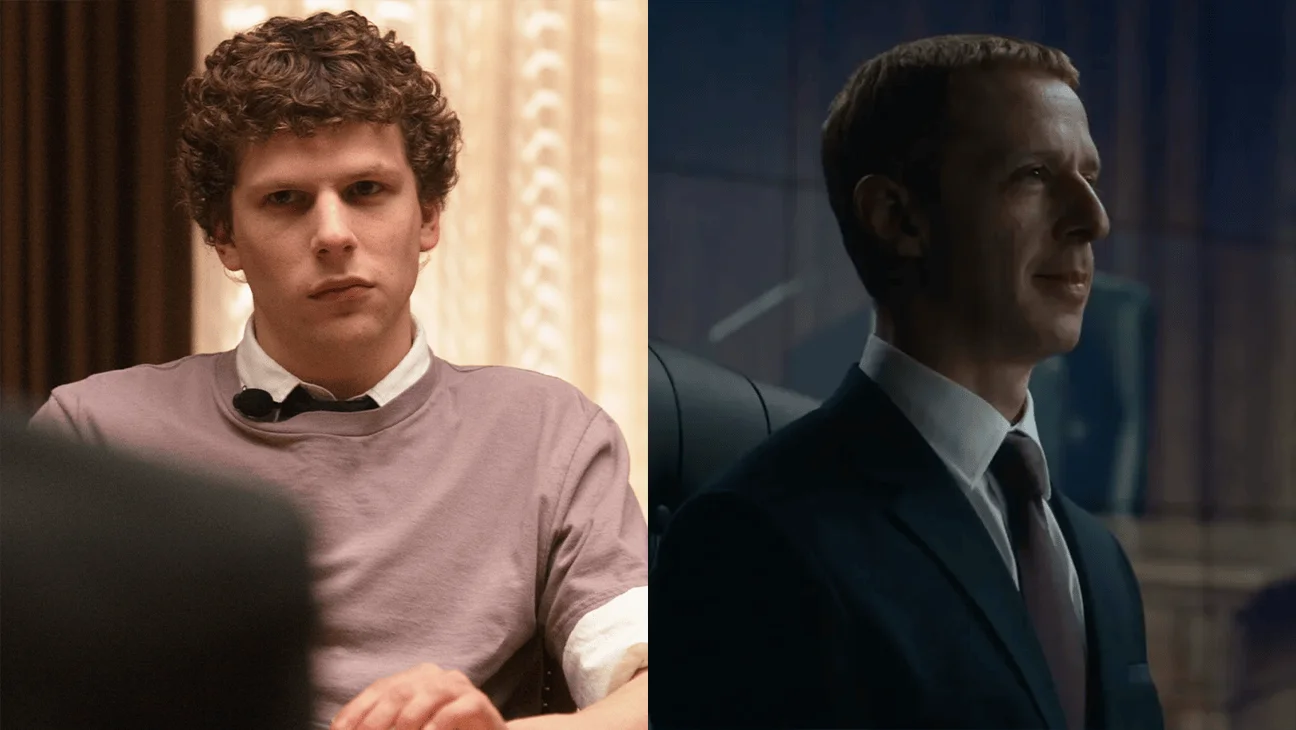
McAvoy isn’t the only actor with a surprising residual story. Jodie Foster recently recalled a terrifying on-set incident while filming Napoleon and Samantha, but she’s also spoken about the strange ways Hollywood money works. Meanwhile, Aaron Sorkin revealed why Jesse Eisenberg refused to return for The Social Reckoning, partly because he didn’t want to be forever tied to Mark Zuckerberg. Different actors, different choices, but all of them navigating a system where a single role can define your bank account for years. For McAvoy, that role is a quiz-team comedy that most people probably haven’t thought about in a decade. For him, it’s a gift that keeps on giving.
The Verdict: Should You Watch Starter for 10?
If you’re a McAvoy fan, absolutely. It’s a charming, low-key film with a great cast and a script that’s sharper than its reputation suggests. If you’re here for the residual drama, it’s worth a watch just to see the movie that made him “bonkers” money. But don’t go in expecting a masterpiece. It’s a solid, likable British comedy that happens to have become a financial unicorn for its lead actor. And that’s a story worth telling.
Who Should Buy It (Or Stream It)
Buy or stream Starter for 10 if you like coming-of-age stories, British humor, or early McAvoy. Skip it if you need explosions, superheroes, or high-stakes drama. But even if you skip it, remember this: the next time you see a random movie playing on TV at 2 a.m., someone might be getting paid. And if that someone is James McAvoy, he’s probably smiling.
James McAvoy reveals which film paid him bonkers residuals, and it’s a reminder that in Hollywood, the quiet ones sometimes pay the loudest.
Frequently Asked Questions
Which film paid James McAvoy bonkers residuals?
James McAvoy said the 2006 film Starter for 10 paid him ‘bonkers’ residuals, thanks to its frequent TV airings in the UK.
Why did Starter for 10 generate so much in residuals?
The film became a persistent favorite on British television, and each broadcast triggered residual payments to the actors.
What are residuals in the film industry?
Residuals are payments made to actors, writers, and directors when their work is reused, such as TV reruns, DVD sales, or streaming plays.
Related Articles
- Big Walk Dev Explains Lack of Xbox: A Masterstroke or Missed Opportunity?
- Amazon Bee AI Devices: Frontier vs Eclipse Compared
- Billy Joel Health Update: Hydrocephalus Tests Before Tour
- Grian Chatten Solo Album: Will It Be Festival-Ready?
- Pro Dota 2 Player Claims He Had to Play a Match to Prove Identity
FIRST TIME REACTIONS:
Be the first to leave us a comment – James McAvoy reveals which film paid him bonkers residuals, down the comment section.
JOIN US ON OUR SOCIAL MEDIA:
Entertainment TV & Film
Desperados and Young Jonn Blend Latin Music and Afrobeats
Desperados and Young Jonn blend Latin music and Afrobeats on ‘Let It Go.’ Here’s why the Yung Willis-produced track works and where it stumbles.

Desperados and Young Jonn have a new song called “Let It Go,” and it is exactly what happens when a beer brand with Latin roots decides to crash a Lagos night out. The track is built on a sample of “Guao Guao,” the reggaeton cut Desperados made with Venezuelan artist Micro TDH and Colombian producer Ovy On The Drums. Young Jonn took that foundation and rebuilt it as an Afrobeats record. Yung Willis, the Grammy-nominated producer behind work for Wizkid, Davido, Kizz Daniel, Falz, BNXN, Zlatan, Patoranking, and Ice Prince, handled the boards.
The result is not a remix. It is a translation.
Where Latin Music Meets Afrobeats
The smartest thing about “Let It Go” is what Young Jonn does not do. He does not try to sing reggaeton. He does not stack Spanish phrases over the beat to prove the crossover is real. Instead, he takes the melodic DNA of “Guao Guao” and lets it breathe inside a Nigerian rhythm structure. The percussion sits differently. The groove moves differently. If you know the original, you will recognize the ghost of it. If you do not, you will just hear a Young Jonn song that happens to have an unusual warmth underneath it.
That is the point. Desperados has been pushing its Latin heritage into Nigerian culture for a minute now, and “Let It Go” is the most deliberate version of that strategy yet. The brand is not selling a beer here. It is selling a feeling: the spontaneous night out, the link-up that turns into something you talk about for weeks, the moment when the DJ drops something and nobody checks the time.
Yung Willis deserves credit for the mix. His resume includes some of the biggest names in African music, and you can hear why. The low end is clean without being thin. The vocal sits forward enough to carry the melody but never fights the percussion. Nothing sounds like it was bolted on after the fact, which is rare for brand-backed music.
What Works and What Does Not
Young Jonn’s strength has always been his ability to sound effortless. He does not oversing. He does not oversell. On “Let It Go,” that restraint serves the song well because the production already has a lot going on. His delivery gives the Latin sample room to do its job without turning the track into a patchwork.
The weakness is that the song plays it safe. “Let It Go” is pleasant, well-made, and easy to move to. It is not the kind of record that will make you pull over your car. The lyrics lean on the same living-in-the-moment themes that every brand campaign reaches for, and while they fit the brief, they do not linger. You will remember the groove. You might not remember a single line.
That is a fair trade for what this song is trying to do. It is not trying to be a Young Jonn album cut. It is trying to be a bridge, and bridges are not supposed to be the destination.
The Broader Play
Desperados is not the first brand to use music as a cultural entry point, and it will not be the last. What makes this one worth noting is the specificity. The brand did not just hire a popular Nigerian artist and call it a day. It brought its own Latin record, handed it to a producer with real credits, and let the artist reinterpret it rather than copy it. That is a more respectful approach than most brand-artist collaborations manage.
Fans are already being invited to engage beyond streaming. The campaign includes dance recreations and lifestyle content, which is the standard playbook for a release like this. Whether that turns into actual cultural traction or just a few weeks of sponsored posts depends on whether the song earns a life of its own outside the campaign.
Young Jonn’s willingness to reinterpret rather than recreate is what gives “Let It Go” a chance. He has spent years building a catalog that moves between Afrobeats, R&B, and street-level Nigerian sounds. This track fits that range. It does not stretch him. It just puts him in a room with a different set of influences and lets him work.
Should You Press Play?
Yes, but go in with the right expectations. “Let It Go” is a vibe record, not a statement record. It is built for the pre-game, the drive to the party, the moment when someone hands you the aux and you need something that will not kill the energy. If you are looking for Young Jonn at his most emotionally raw, this is not that song. If you want to hear what happens when a Latin sample gets filtered through Lagos nightlife, this is exactly that.
Start with the first thirty seconds. If the percussion grabs you, stay. If it does not, skip to the bridge and see if the melody changes your mind.
The bigger question is whether Desperados and Young Jonn have actually built something that outlives the campaign. Brand songs usually do not. They get a push, a few playlist placements, and then they fade. “Let It Go” has the production quality to beat that odds. Whether it does depends on the dance floors, not the marketing budget.
Listen to the track, watch the video, and decide for yourself. Then check the comments and see if anyone else heard the same thing you did. That is where the real review happens anyway.
Frequently Asked Questions
Who produced ‘Let It Go’ by Desperados and Young Jonn?
The track was produced by Yung Willis, a Grammy-nominated producer known for work with Wizkid, Davido, Kizz Daniel, and others.
What song does ‘Let It Go’ sample?
‘Let It Go’ is built around a sample of ‘Guao Guao,’ a reggaeton track Desperados created with Venezuelan artist Micro TDH and Colombian producer Ovy On The Drums.
Is ‘Let It Go’ an Afrobeats song or a Latin song?
It is an Afrobeats song that draws on Latin music influences. Young Jonn reinterpreted the original reggaeton sample through a Nigerian rhythm structure.
Related Articles
- Big Walk Dev Explains Lack of Xbox: A Masterstroke or Missed Opportunity?
- Amazon Bee AI Devices: Frontier vs Eclipse Compared
- Billy Joel Health Update: Hydrocephalus Tests Before Tour
- Grian Chatten Solo Album: Will It Be Festival-Ready?
- Pro Dota 2 Player Claims He Had to Play a Match to Prove Identity
FIRST TIME REACTIONS:
Be the first to leave us a comment – Desperados and Young Jonn Blend Latin Music and Afrobeats, down the comment section.
JOIN US ON OUR SOCIAL MEDIA:
-

 Startups3 weeks ago
What a Successful Dangote Refinery IPO Really Says
-
Trending Entertainment News5 days ago
Taylor Swift Joins Beatles as Only Acts With 100 Weeks at No. 1
-
World News3 weeks ago
Carney Calls U.S. Tariffs a Miscalculation as Canada Retaliates
-
Fintech3 weeks ago
OPay No Dey Comot Nigeria: How to Verify Fintech News
-
Nigerian Business3 weeks ago
Moniepoint POS Network: How to Buy Dangote Shares
-
Fintech3 weeks ago
OPay Investing in People to Build a Better Nigeria
-
Football3 weeks ago
Mexico vs Colombia 2026: Márquez Debut Ends in Defeat
-
Black Celebrities3 weeks ago
Brandi Carlile: Rock Star in Her Prime, On Tour Now