Fashion
Fashion Week Highlights: Paris SS27 And The Context Gap
Fashion week highlights from Paris SS27 and Keiona Cook’s New York debut show why African design needs specific context, not broad labels.


Keiona Cook’s New York Fashion Week collection was built to “celebrate the strength of ties,” and one skirt in it — cut from silk ties, pieced and finished — took her 16 hours to make. That single garment explains more about how fashion week highlights are actually produced than most of the season’s front-row footage does.
Cook teaches sewing to children from North Minneapolis and Edina, CBS News Minnesota reports. She had declined invitations to show in New York for seven years because of the entry fee. This season she accepted, then sewed and fundraised, sleeping a few hours a night on a 4 a.m. schedule for a month. Her mentor Elizabeth died of cancer in March; Elizabeth’s husband handed her a $5,000 check at the last minute.
“Ties represent strength,” Cook said. “Ties represent the working class.” When she came off stage, she said, people were pulling at her, wanting interviews. The audience, by her account, clapped and shouted “bravo.”
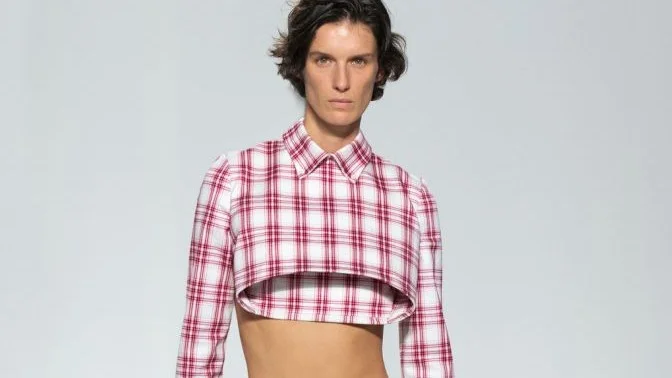
That is the granular version of a fashion week story. Now the continental version, and why it fails.
Why Fashion Week Highlights Resist A Single African Story
Paris Fashion Week ran nine days and produced the usual avalanche of coverage. CNN Style and RUSSH between them name roughly two dozen designers on the Spring-Summer 2027 schedule. Neither wrap-up names an Africa-based designer among the headline shows. That absence is a fact about how this particular season was reported, not evidence that African labels are not working.
The same coverage shows what specificity looks like when editors grant it. CNN frames Rei Kawakubo’s gowns as deformed mockeries of eighteenth-century panniers and bustles, cut in cotton and denim, on a runway so narrow that models had to turn sideways and negotiate past one another. It describes Satoshi Kondo, Issey Miyake’s womenswear designer since 2019, asking whether clothing can use the air around a body — and answering with two jackets and a skirt in nylon yarn whose drawstring hem traps the breeze.
Two Japanese designers, two distinct propositions, each described by mechanism and reference. African fashion rarely receives that treatment. Too often the continent arrives as a mood, a print story, a single aesthetic. Reading it that way erases the difference between a Lagos tailoring house and a Marrakech atelier as thoroughly as collapsing Kawakubo and Kondo into “Japanese minimalism” would erase both.
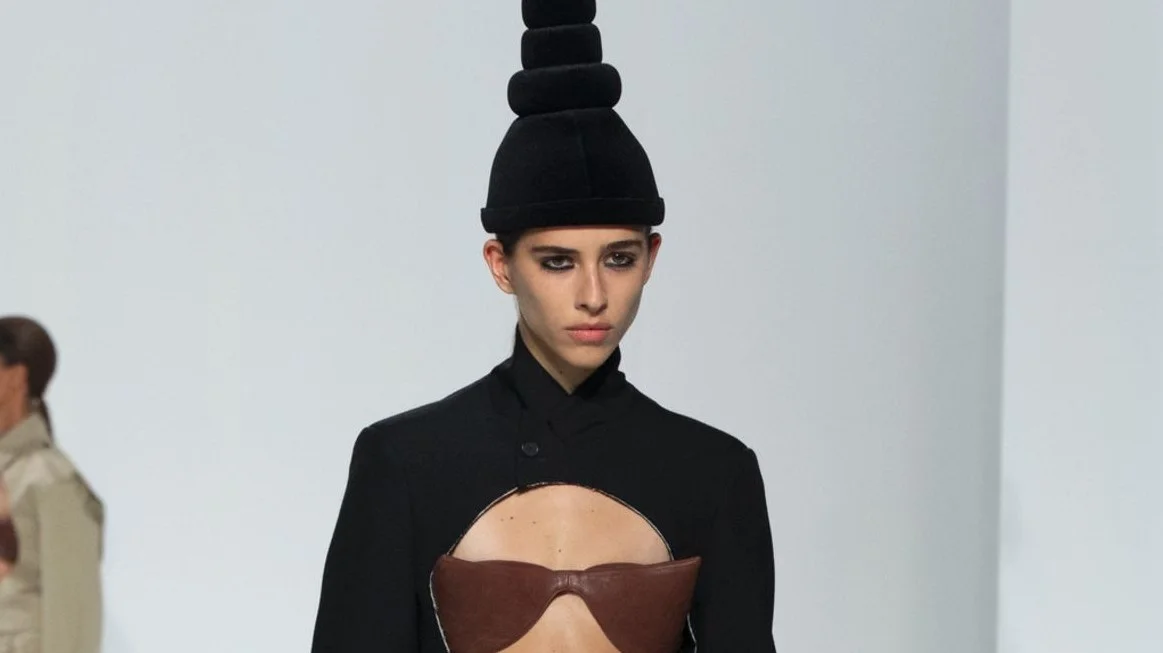
Paris Key Looks: Gold, Air, And Vinyl
The fashion week highlights that travel fastest are the ones with a describable mechanism rather than a vibe. Anthony Vaccarello’s Saint Laurent, staged under oversized gold chandeliers with the Eiffel Tower glowing behind a black runway, opened in gold lamé and intricate golden embroidery that glanced at Yves Saint Laurent’s safari jackets, trenches and wrap skirts, then slid into inky black and softer, diaphanous silhouettes. Charlotte Gainsbourg performed. Vaccarello’s show note read: “A light shines all the more brightly because we know it cannot be held.”
At Maison Margiela, Glenn Martens set toeless knee-high boots under sculpted blazers and shirts left open and gaping at the chest, with clashing florals played against a wall of dried flowers. Duran Lantik, showing at Jean Paul Gaultier, built halter straps that looped across a collarbone like rollercoaster track and sent out a cropped flannel worn like a bib, its opening purely decorative; Gaultier hugged him after the finale.
Chemena Kamali reworked Karl Lagerfeld’s 1972 “Noel” suit at Chloé over frilly lingerie harnesses, then produced transparent pink and smoky grey vinyl macs with undulating Inverness capes, plus scarlet and yellow slickers with sou’wester hats. Daniel Roseberry built a jazz club in the Louvre basement — velvet curtains, chandeliers, bistro tables — for Schiaparelli, closing with high-collared beaded velvet jackets. Jonathan Anderson’s Dior invitation arrived with a pair of walnuts, a nod to the Chinese wénwán practice of rolling them to a patina; uneven hemlines, raw edges and mismatched earrings followed.
Elsewhere, Pierpaolo Piccioli sent acid-bright City Bags and oversized cummerbunds at Balenciaga, just over a year into the job. Jonny Johansson’s Acne Studios walked a brick floor over a melting carpet artwork by Faig Ahmed to a soundtrack including Adam and the Ants. Stella McCartney drew on the ocean with recycled materials; Andreas Kronthaler titled Vivienne Westwood’s collection “Body & Soul.”
Celebrity Attendees And The Attention Economy
Every fashion week highlights reel is also a budget document. Rihanna was spotted in Paris, and RUSSH placed her in the front row at Matières Fécales, the label designed by Hannah and Steven, whose “Ninety Nine Percent” show took Place de la République with an all-POC cast of 99 models and was dedicated to immigrants and outsiders. Rick Owens sat nearby.
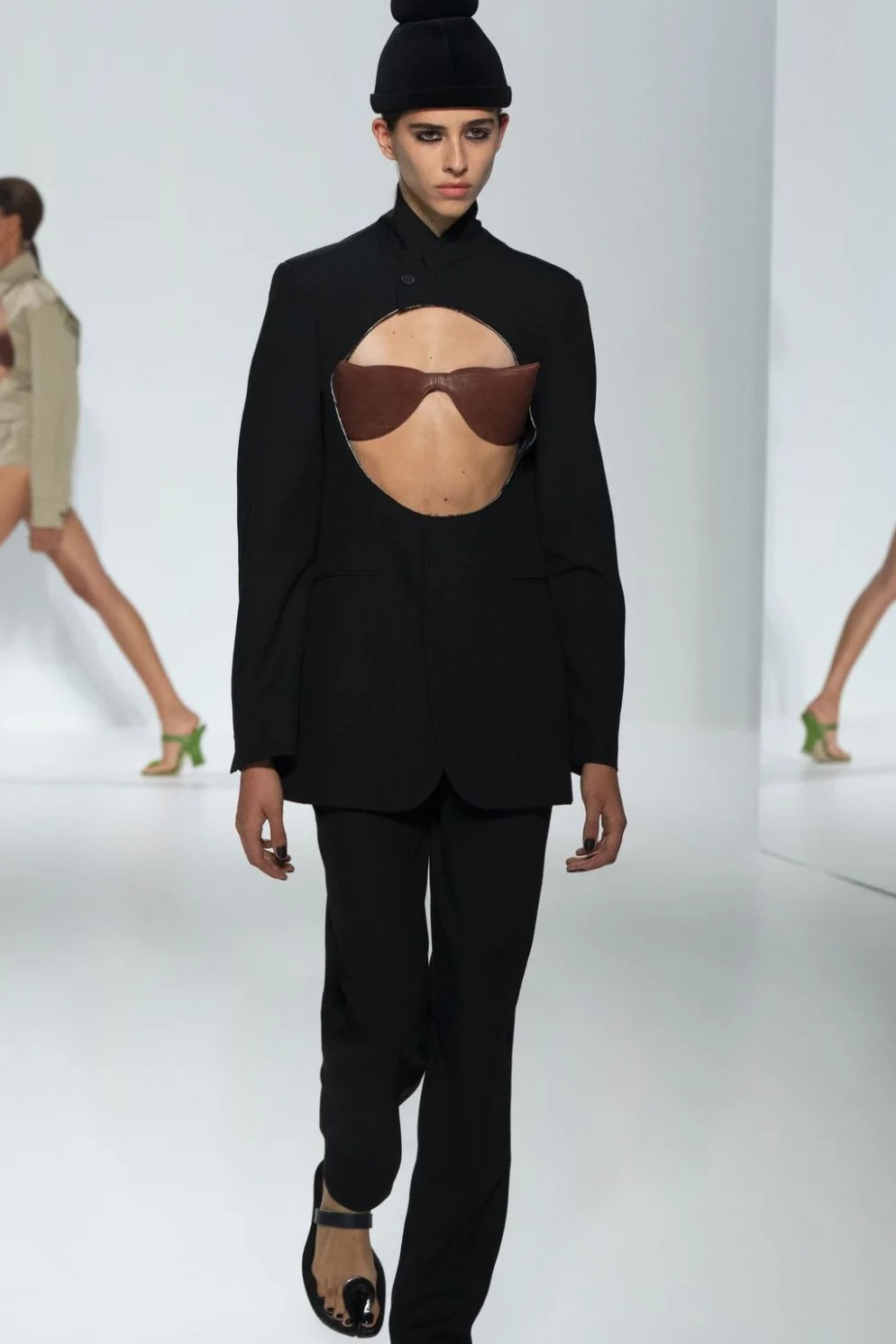
Miu Miu’s casting machine produced Olivia Colman this season, following Kristin Scott Thomas, who walked her first runway at 63 two years ago, plus Miranda July, Willem Dafoe and Sarah Paulson in recent seasons. Jamie Bell, Noah Jupe and Ella Bleu also appeared. Attention runs on a schedule, and the schedule is priced.
Will The Trend Trickle Down?
Trickle-down is the industry’s favourite promise and its least audited one. Gold lamé, air-trapping nylon and vinyl rain macs with sou’wester hats will be copied quickly, because copying is cheap. Whether the underlying ideas travel depends on who can finance sampling, production and a show slot.
Which returns the argument to Cook. A month of 4 a.m. starts and a single $5,000 check are the honest unit of measurement for how fashion week highlights get made. Any account of African fashion that skips that arithmetic, or that treats a continent of distinct designers as one interchangeable aesthetic, is not reporting. It is branding.
Frequently Asked Questions
Who is Keiona Cook and what did she present at New York Fashion Week?
Cook is a designer who teaches sewing to children from North Minneapolis and Edina. She showed a collection built to celebrate the strength of ties, including a skirt made from silk ties that took 16 hours to construct. She had declined New York invitations for seven years because of the entry fee before accepting this season.
Which designers were named in Paris Fashion Week SS27 coverage?
CNN Style and RUSSH between them named Matthieu Blazy at Chanel, Anthony Vaccarello at Saint Laurent, Glenn Martens at Maison Margiela, Duran Lantik at Jean Paul Gaultier, Chemena Kamali at Chloé, Daniel Roseberry at Schiaparelli, Jonathan Anderson at Dior, Pierpaolo Piccioli at Balenciaga, Satoshi Kondo at Issey Miyake, Rei Kawakubo, Stella McCartney, Andreas Kronthaler at Vivienne Westwood, Jonny Johansson at Acne Studios, Dries Van Noten, and the emerging labels Matières Fécales, Hodakova and Julie Kegels.
Did the Paris Fashion Week wrap-ups include African designers?
Neither the CNN Style nor the RUSSH highlights named an Africa-based designer among the season’s headline shows. That is a documented gap in the coverage, not proof that African labels are inactive — and it is the reason continental generalisations about African fashion tend to go unchallenged.
 Follow AFRILATEST on Google News
FIRST TIME REACTIONS:
Be the first to leave us a comment – Fashion Week Highlights: Paris SS27 And The Context Gap, down the comment section.
JOIN US ON OUR SOCIAL MEDIA:

About Rose Green
Rose Green is an entertainment and lifestyle author at AfriLatest. With a passion for storytelling, she contributes creative and thought-provoking content, capturing the imagination of readers. Rose specializes in entertainment news, celebrity updates, and lifestyle trends, sparking meaningful conversations across diverse topics.
View all articles by Rose Green

Fashion
African Fashion Trends 2026: Inside Hertunba’s Lagos Atelier
African fashion trends 2026 look different inside a Lagos atelier. Hertunba’s Florentina Agu builds craft-first design, and the numbers make the case.
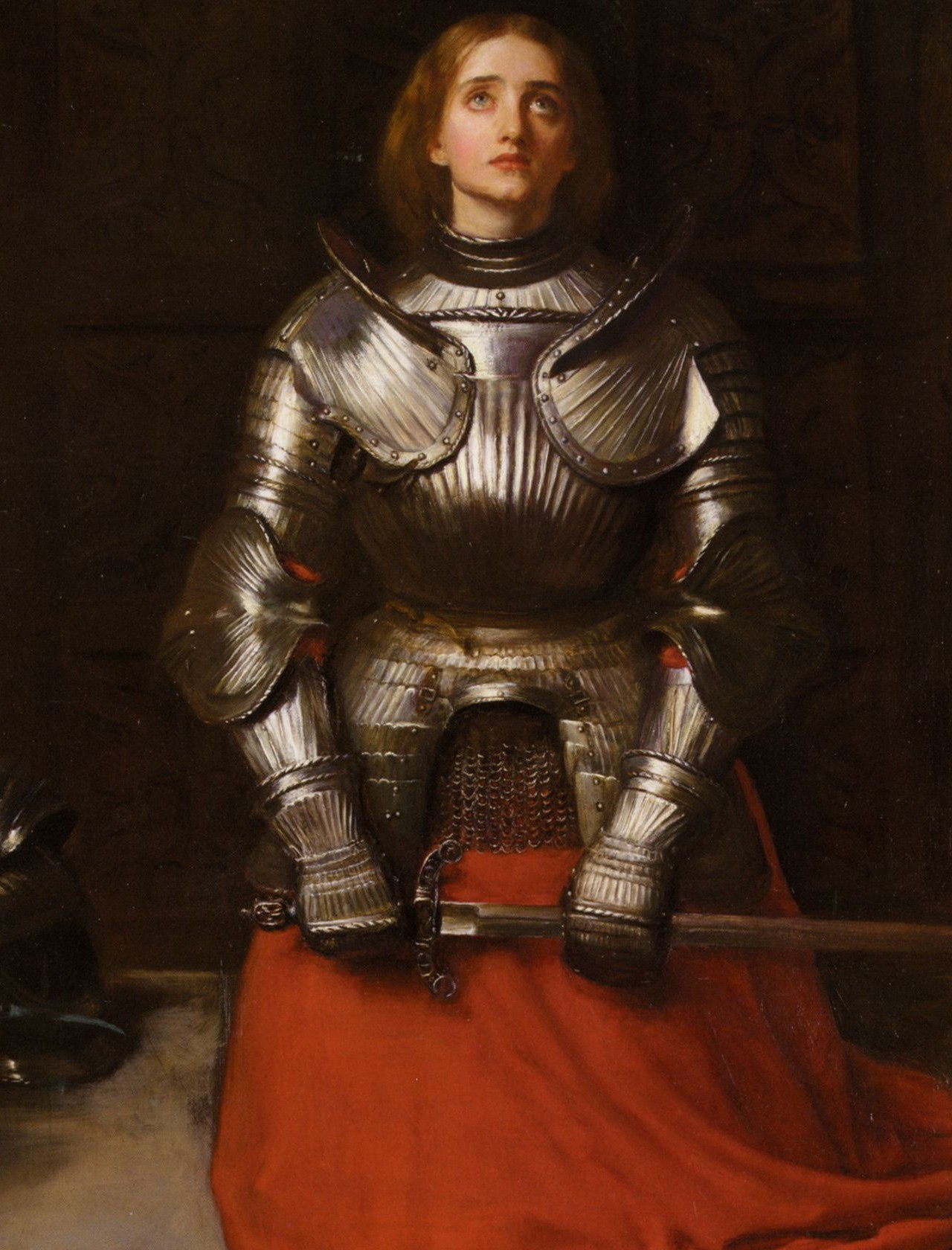
African fashion trends 2026 are usually described in adjectives: sculptural, maximalist, heritage-driven, red-carpet-ready. The more useful description coming out of Lagos this season is a number. Hertunba, the label Florentina Agu founded in 2020, repurposes 90 percent of its excess material into handcrafted interior décor such as rugs and throw pillows, or pieces the remnants back together into new, wearable garments, according to Elle’s recap of Lagos Fashion Week.
That figure is the house’s real signature. Not a print, not a shoulder line. Hertunba works in African craft and experimental, sculptural silhouettes, and the production line behind those silhouettes employs and trains local women to sew and weave. Agu began taking dressmaking classes at 13. She started the line formally in 2020, which makes it younger than most of the hype cycles now describing it.
What African Fashion Trends 2026 Look Like Inside One Lagos Atelier
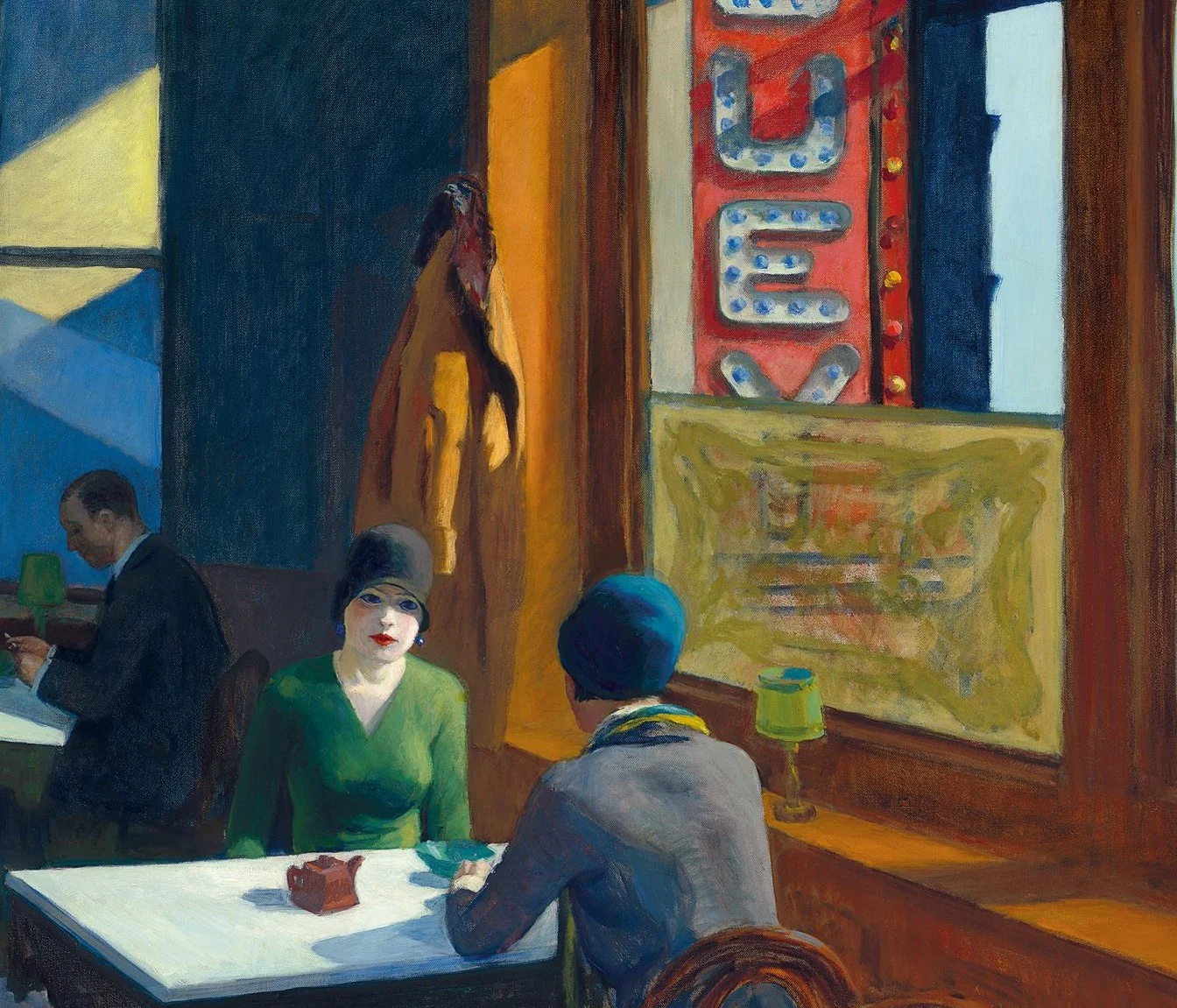
The 16th edition of Lagos Fashion Week ran over a single weekend in the city, after the spring/summer 2027 shows had closed in the major fashion capitals. Orange Culture, which has shown at New York and London Fashion Weeks, kicked off the local season. What followed was less a unified aesthetic than a set of distinct businesses with distinct cost structures.
On day one, Christie Brown’s Aisha Ayensu described the operating logic during a panel discussion: “It is necessary to build a sustainable relationship with African artisans, because the success of any African fashion brand relies on the craft people.” That sentence is a hiring and sourcing policy. It is not a mood.
The roster bears her out. Segun Aladejana’s Sevon Dejana, founded in 2015, builds high-drama eveningwear with gowns covered in explosive florals and feathers, cut on modernist versions of traditional haute couture shapes. Adedamola Adebayo’s Bornstar Nigeria, a sustainable gender-neutral line, makes most of its pieces from fabric manufactured locally in Nigeria and accents streamlined tailoring with beadwork, crochet and tassels. Adedayo Ilori, who founded Dimeji Ilori in 2021, upcycles old garments — collaged, cut, bleached — into new tactile pieces, including dresses fully embellished with cowrie shells.
PiiLLz and PoiZn sits somewhere else again. Ifeoma Umenyiora designs between Lagos and London, applies a slow-fashion approach to maximalism built on stripes, sequins and feathers with colour as the focal point, and keeps bespoke tailoring on site in a Lagos atelier. Five labels, five different supply chains, five different price architectures. None of them is interchangeable with the others, and none of them stands in for the rest.
The Bread Dress Shows A Separate Economy At Work
A single headline elsewhere in Lagos can drown out all of that production logic. At the 12th Africa Magic Viewers’ Choice Awards at the Eko Hotel and Suites, reality television star Queen Mercy Atang arrived in a dress made from more than 500 loaves of bread, designed by Toyin Lawani of Tiannah’s Empire, the BBC reported.
Atang told the BBC the look was marketing for her bread-baking business: “What other place is better to advertise my business than the AMVCA?” Lawani posted on Instagram that she was starting a trend of “everyone wear your business”. Ghanaian star Nana Akua Addo wore a silver architectural dress inspired by Cologne Cathedral, with hand-painted window-like details and cathedral-shaped extensions carried by assistants.
Both looks are real fashion events. Neither is a garment in the sense Hertunba means. The AMVCA carpet runs on spectacle and attention; the Lagos runway runs on cut, cloth and repeat production. Reporting that folds them into one “African fashion moment” erases the only distinction worth measuring.
Why The Global Attention Story Needs Stricter Sourcing
Africanews argues that African fashion has moved from ceremony wear into luxury culture and export industry, naming Thebe Magugu, Maki Oh, Veekee James and Abbaswoman as designers now in global conversations. The named roster is verifiable. The supporting evidence is thinner: the piece cites “research” and “studies and industry reports” without identifying any of them.
The gap matters for African fashion trends 2026, a year in which the phrase “African fashion” is doing enormous commercial work. The specific facts are available — a 90 percent diversion rate, a defined hiring practice, a city-by-city split between two ateliers — and those are the ones a buyer, a stockist or an editor can actually check.
The same discipline applies to the historical record. In Vogue’s survey tied to the Costume Institute’s spring 2026 exhibition “Costume Art”, gallerist Hannah Traore names the Malian photographer Malick Sidibé, whose 1960s and 1970s studio portraits in Bamako recorded patterns, sunglasses, props and posture among subjects living in newly independent Mali. Sidibé worked out of his studio until his death in 2016, at 80. Traore reads the portraits as a manifesto of style and freedom. They are not a pattern library, and pulling them as generic texture for a 2026 collection would be a sourcing failure of the same kind as an unnamed study.
Where Hertunba Goes Next
The next collection is the test. Hertunba presented new work on the Lagos runway for the new season, and the brand’s stated method — train the women who sew and weave, divert the offcuts — is a promise about capacity rather than about a look. Scaling it is harder than repeating it, and nothing in the available reporting says how far the label intends to push either commitment.
Read that way, African fashion trends 2026 are best tracked through production decisions: who is employed, where fabric is milled, what share of waste is recovered, how a label divides its atelier between two cities. Those details resist the adjective. They are also the only ones a designer can be held to.
Frequently Asked Questions
Who is Florentina Agu, and what is Hertunba known for?
Florentina Agu founded Hertunba in 2020 after starting dressmaking classes at 13. The Lagos label works in African craft and experimental, sculptural silhouettes, employs and trains local women to sew and weave, and repurposes 90 percent of its excess materials into interior décor or new wearable pieces, per Elle’s Lagos Fashion Week recap.
Which designers showed at Lagos Fashion Week 2026?
The 16th edition opened with Orange Culture, which has shown at New York and London Fashion Weeks. The lineup included Sevon Dejana by Segun Aladejana, Hertunba by Florentina Agu, PiiLLz and PoiZn by Ifeoma Umenyiora, Bornstar Nigeria by Adedamola Adebayo and Dimeji Ilori by Adedayo Ilori.
Why did the bread dress at the AMVCA draw criticism?
Reality television star Queen Mercy Atang wore a dress made from more than 500 loaves of bread, designed by Toyin Lawani of Tiannah’s Empire. She told the BBC it promoted her bread-baking business. Some social media users called it a waste of food; Atang rejected that characterization and said the appearance was intentional marketing.
FIRST TIME REACTIONS:
Be the first to leave us a comment – African Fashion Trends 2026: Inside Hertunba’s Lagos Atelier, down the comment section.
JOIN US ON OUR SOCIAL MEDIA:
About Rose Green
Rose Green is an entertainment and lifestyle author at AfriLatest. With a passion for storytelling, she contributes creative and thought-provoking content, capturing the imagination of readers. Rose specializes in entertainment news, celebrity updates, and lifestyle trends, sparking meaningful conversations across diverse topics.
View all articles by Rose GreenFashion
Esque/By Ready-To-Wear: A Fit Test For Global Tailoring
Esque/By ready-to-wear debuts in New York, betting bespoke fit can scale. What the $250-$1,495 line means for tailoring markets, Nigeria included.

Esque/By ready-to-wear is now a product line rather than a promise. The New York bespoke house founded by Jennifer “JJ” Lee has released its first collection, priced from US$250 to US$1,495, sold through the brand’s own e-commerce and shipped internationally. in a market where tailoring is the default route to a garment that fits, the question of whether craftsmanship can be scaled without being flattened is not academic. It is a commercial question Nigerian tailors already answer every day, and now a New York label is selling its version of that answer abroad.
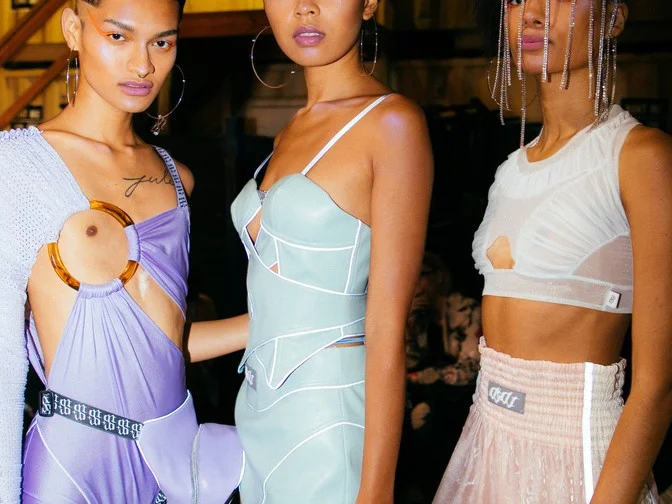
The collection, first detailed by WWD, includes a slightly elongated white tuxedo dress pitched at civil ceremonies, a strapless corset top with a matching suit, and a fitted blazer paired with a drop-waist belted skirt. Fabrics are Italian poplin, Japanese tailoring wool and Italian wool. Every piece is cut and sewn in New York’s Garment District.
The Detail That Decides The Outcome Is Two Inches Of Seam
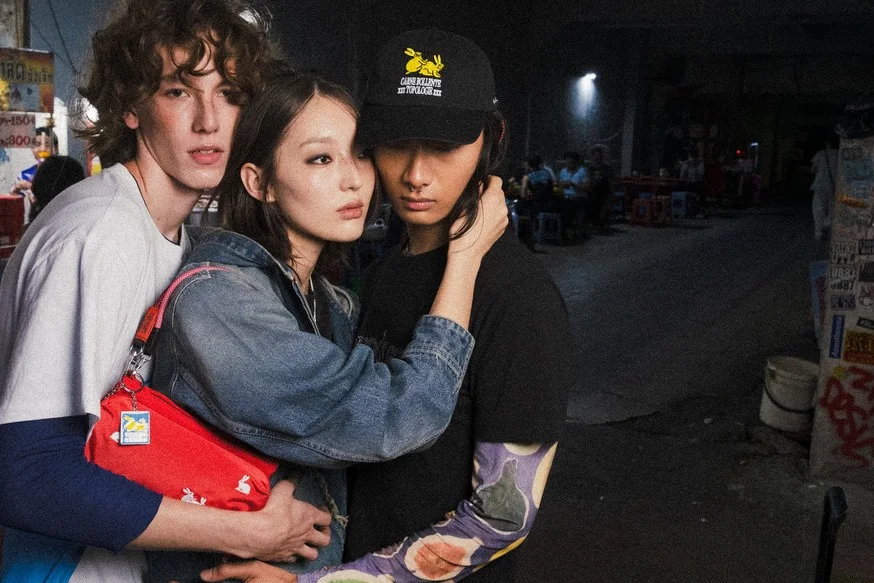
The decisive choice inside Esque/By ready-to-wear is not the silhouette. It is the extra seam allowance, roughly two inches built into each garment, plus deeper hems, so a piece can be taken in or let out as a body changes. Lee told TheIndustry.fashion that “bodies aren’t static” and that clothes should not be designed as though they were.
That is a manufacturing decision with a bill attached. More fabric per unit. More complex pattern blocks. A production line that must tolerate alteration rather than pretend it will never be needed. It is also the only mechanism by which a bespoke studio’s knowledge travels onto a ready-to-wear rail: what the customer buys is not just a cut, but room to move.
The signature piece follows the same logic. The Three Piece reworks the menswear suit by swapping the waistcoat for a corset. Custom embroidery is offered, alongside custom red buttonholes the brand treats as its calling card.
Why The Esque/By Ready-To-Wear Launch Is A Test Of Method, Not Taste
Lee’s route into fashion is unusual and relevant to how the brand argues. She studied computational and systems biology at UCLA, spent years in product innovation at L’Oréal across Lancôme, Clarisonic, Nyx Professional Makeup and SkinCeuticals, and learned tailoring through her family’s links to Hong Kong tailors. She founded Esque/By in 2025 as a bespoke studio in the Garment District. Lauren Matina, previously at Net-a-porter, Moda Operandi and Michael Kors, joined as creative director for collection development and visual identity.
The origin story repeated to every outlet is Lee’s mother, Lily, and the difficulty of dressing after a breast cancer mastectomy. That is verifiable only as the founder’s account, published by Vogue and Office Magazine. No independent record of the wardrobe problem exists to check. What can be checked is how the story is used: as the stated justification for a sizing philosophy, restated in nearly every interview.
The commercial result is so far unknown. The brand has not published sales figures, stockist lists or production volumes, and WWD reports the Esque/By ready-to-wear collection is available through the brand’s e-commerce only. A trunk show at Hôtel Barrière Fouquet’s New York on Nov. 19 placed the clothes in front of Nara Smith, Nicky Hilton Rothschild and Olympia of Greece. That is a marketing event, not a sales number. The sources also do not agree on a single launch month, with WWD saying “this month” and TheIndustry.fashion saying November.
For Lagos And Aba, The Exportable Part Is The Method
Nigeria’s garment economy runs on a different logic to a Manhattan atelier: small workshops, family apprenticeship, and alteration priced into the relationship rather than marketed as a feature. The proposition behind this collection, that fit can be engineered in advance and adjusted afterwards, is not foreign to that market. It is closer to the market’s ordinary practice, now formalised, documented and priced between US$250 and US$1,495.
What travels is the argument Lee made in a CFDA industry note: that domestic production is infrastructure, not nostalgia. She cites McKinsey’s State of Fashion 2024 survey finding 73 per cent of fashion executives rank supply chain volatility and margin pressure among top concerns, and Narvar’s 2023 consumer returns data showing apparel return rates above 25 per cent, with fit the leading cause. Her claim is that proximity to patternmakers resolves fit problems before they multiply across thousands of units.
That reasoning is portable. Lagos and Aba hold dense clusters of tailors, pattern cutters and garment makers within short distances of each other. What such clusters often lack, compared with the Garment District, is the technical documentation layer, graded blocks and production-ready tech packs, that lets a workshop repeat a fit rather than re-invent it per client. Lee’s studio sells exactly that layer in New York, and says technology accelerates the conversation without replacing the craft.
What To Watch
Three signals. First, whether the brand publishes any sell-through or restock data, the earliest honest test of whether bespoke-derived sizing sells at scale. Second, whether the alteration-forward construction survives a second production run, since extra seam allowance is the first cost a growing label trims. Third, whether international shipping converts into measurable diaspora demand, the most direct route by which a New York tailoring experiment reaches a Nigerian customer.
Until one of those moves, the Esque/By ready-to-wear line remains what it was on launch day: a well-documented bet that the half-inch Lee says matters for women’s curves can be turned into a business model, and a reminder that the fit problem the brand is selling against is one Nigerian tailors were never allowed to forget.
Frequently Asked Questions
What is Esque/By and who founded it?
Esque/By is a New York-based women’s bespoke tailoring brand founded by Jennifer “JJ” Lee, who studied computational and systems biology at UCLA and previously worked in product innovation at L’Oréal. The brand began as a bespoke studio in the Garment District in 2025.
How much does the Esque/By ready-to-wear collection cost?
According to WWD, the debut collection is priced from US$250 to US$1,495 and is sold through the brand’s own e-commerce site. The brand has not published sales figures or a list of stockists.
Why does a New York tailoring launch matter to Nigerian readers?
The brand ships internationally, so Nigerian buyers are within reach of the product. More significantly, the collection’s core idea, garments engineered with extra seam allowance so they can be altered as the body changes, is standard practice in Nigeria’s tailoring clusters. The launch is a test of whether that practice can be formalised, documented and priced for a global market.
FIRST TIME REACTIONS:
Be the first to leave us a comment – Esque/By Ready-To-Wear: A Fit Test For Global Tailoring, down the comment section.
JOIN US ON OUR SOCIAL MEDIA:
About Rose Green
Rose Green is an entertainment and lifestyle author at AfriLatest. With a passion for storytelling, she contributes creative and thought-provoking content, capturing the imagination of readers. Rose specializes in entertainment news, celebrity updates, and lifestyle trends, sparking meaningful conversations across diverse topics.
View all articles by Rose GreenFashion
Ankara Styles 2026: What Ade Bakare’s Collection Reveals
Ankara styles 2026, read closely: Ade Bakare’s London collection shows why tailoring, fabric choice and design context beat ‘African print’ labels.

Ankara styles 2026 carry a contradiction worth naming out loud: the designer behind one of the season’s most visible celebrations of the cloth says his house almost never uses it.
Ade Bakare, the London-based designer behind Ade Bakare Couture, has unveiled a Summer 2026 Ankara range, reported by The Sun Nigeria. The pieces are specific rather than atmospheric. Long dresses with sculptural bell sleeves. Wrap dresses built on soft pleats. Tailored Ankara suits combined with delicate lace. Jumpsuits with rope straps and ringlet details, pitched as garments that move from the office into evening.
‘In this collection, particular emphasis has been placed on craftsmanship and detail, incorporating pleats, gathers, bell sleeves, and graceful frills to create timeless yet modern silhouettes,’ Bakare said.
That is a tailoring brief, not a mood board. And the more useful information sits in what he says around it.
‘At Ade Bakare Couture, we rarely use Ankara, preferring indigenous fabrics because we believe strongly in promoting and preserving Africa’s original textile heritage. However, every five years we create a special Ankara collection to celebrate the fabric’s remarkable journey and enduring influence on African fashion.’
The Ankara Styles 2026 Conversation Starts With A Designer’s Exception
That five-year cycle is the most consequential detail in the release, and it is the one most trend coverage will skip. Ankara functions globally as shorthand for African fashion. Inside at least one established house, it is a periodic, deliberate exception, ranked below hand-woven and locally sourced textiles in the design hierarchy. Bakare states the reason himself: he prefers indigenous fabrics for the sake of Africa’s original textile heritage.
Read that as stated design strategy rather than a verdict on the cloth. It still contradicts the flattening that most Ankara coverage performs, where a single print is asked to stand in for an entire continent’s textile production.
What the source does not provide is equally telling. There are no fabric weights, no print provenance, no unit counts, no retail prices. Judge the collection on construction, because specification is not on the record.
Fabric Quality And Tailoring Decide Whether Ankara Reads As Cloth Or Costume
Every flourish in the range is a construction decision with a comfort cost attached. Sculptural bell sleeves need cloth with enough body to hold the arc without locking the arm at the wrist. Soft pleats survive a working day only if the fabric takes and keeps a press. Lace set beside a printed wax cloth puts two different weights in one seam, which is precisely where a garment either balances or pulls across the chest.
This is where the category breaks down, and where ankara styles 2026 resist a single verdict. Wax print is not one material. Weight, finish and print quality shift by mill and by batch, and a tailored suit with lace demands a different cloth from a fluid rope-strapped jumpsuit. With no stated fabric spec, the honest reading is that the detailing is the evidence: pleats, gathers, frills and ringlet hardware tell you what the designer expected the cloth to do.
On origins, Bakare’s phrasing is careful and worth repeating: ‘its fascinating history, remarkable adoption by Africa.’ The wording separates the cloth’s industrial history from its West African adoption, a split tracked in general textile references such as the Wikipedia entry on Ankara cloth but not detailed in the source article. Treating wax print as one undifferentiated traditional textile with a single origin story is not supported here. The distinction is commercial as much as cultural: it separates the printer, the designer and the market into three different actors.
How To Wear Ankara Styles 2026 Without Flattening Them
Let one element carry the look. If the sleeve is sculptural, keep the neckline and hem quiet. If the silhouette is a plain wrap, let the pleats do the talking and skip the frills. Two strong gestures in one outfit read as costume; one reads as tailoring.
The tailored Ankara suit with lace is the most transferable piece in the range. Lace softens a printed cloth at the collar and cuff without competing with the pattern, which makes it viable in offices where a full print suit would read as weekend wear. Keep the accessories plain and let the print carry the colour story.
The jumpsuit with rope straps and ringlet details is an evening proposition dressed up as a day one. The office-to-evening claim is a design intention, not a tested promise. Sit in it, raise your arms in it, and check the shoulder strap under a bag before trusting the marketing.
Verdict: ankara styles 2026 are best judged the way this collection was built, piece by piece. To make them yours, start with one garment whose construction you can verify, ask what cloth it is cut from, and wear it for a day before deciding whether the sleeve, the pleat or the print deserves to be the loudest thing in the room.
Frequently Asked Questions
What is actually in Ade Bakare’s Summer 2026 Ankara collection?
Long dresses with sculptural bell sleeves, wrap dresses with soft pleats, tailored Ankara suits combined with delicate lace, and jumpsuits with rope straps and ringlet details. Bakare described the collection as emphasising craftsmanship and detail through pleats, gathers, bell sleeves and frills.
Does Ade Bakare design with Ankara regularly?
No. He stated that Ade Bakare Couture rarely uses Ankara, preferring indigenous fabrics to promote and preserve Africa’s original textile heritage, and that the house creates a special Ankara collection every five years.
What is missing from the reporting on this collection?
Fabric weights, print provenance, production quantities and retail prices are not disclosed, so quality claims have to be argued from the tailoring details rather than from specification.
FIRST TIME REACTIONS:
Be the first to leave us a comment – Ankara Styles 2026: What Ade Bakare’s Collection Reveals, down the comment section.
JOIN US ON OUR SOCIAL MEDIA:
About Rose Green
Rose Green is an entertainment and lifestyle author at AfriLatest. With a passion for storytelling, she contributes creative and thought-provoking content, capturing the imagination of readers. Rose specializes in entertainment news, celebrity updates, and lifestyle trends, sparking meaningful conversations across diverse topics.
View all articles by Rose Green-

 Car Reviews3 weeks ago
1955 Chevy Bel Air Restomod: What SEMA Really Proves
-
Celebrities4 weeks ago
Celebrity Traitors Final Predictions: Ex-Players On Tactics
-
Celebrities3 weeks ago
Hailey Bieber PMDD Diagnosis Followed Son Jack’s Birth
-
World News3 weeks ago
Céline Dion Air Bass At Metallica’s Sphere: What’s Confirmed
-
Nigeria News3 weeks ago
NAJA Names Weststar Chairman Auto Legend For 2026
-
Africa News4 weeks ago
Stablecoins In African Trade Gain Ground, Costs Bite