Sports
Fred Lorenzen CTE: Brain Health Study Habits That Work
Fred Lorenzen’s stage 3 CTE diagnosis shows why brain health study habits must start with the sample, not the headline number.

Most brain health study habits fail at the same point, and it is not concentration. It is the moment a statistic leaves its sample.
A candidate revising comprehension for a national exam reads that 93.2 per cent of former NFL players whose brains were examined had CTE, copies the figure into an answer, and loses the mark. The number is accurate. The sentence built around it is not, because it drops the word donated.
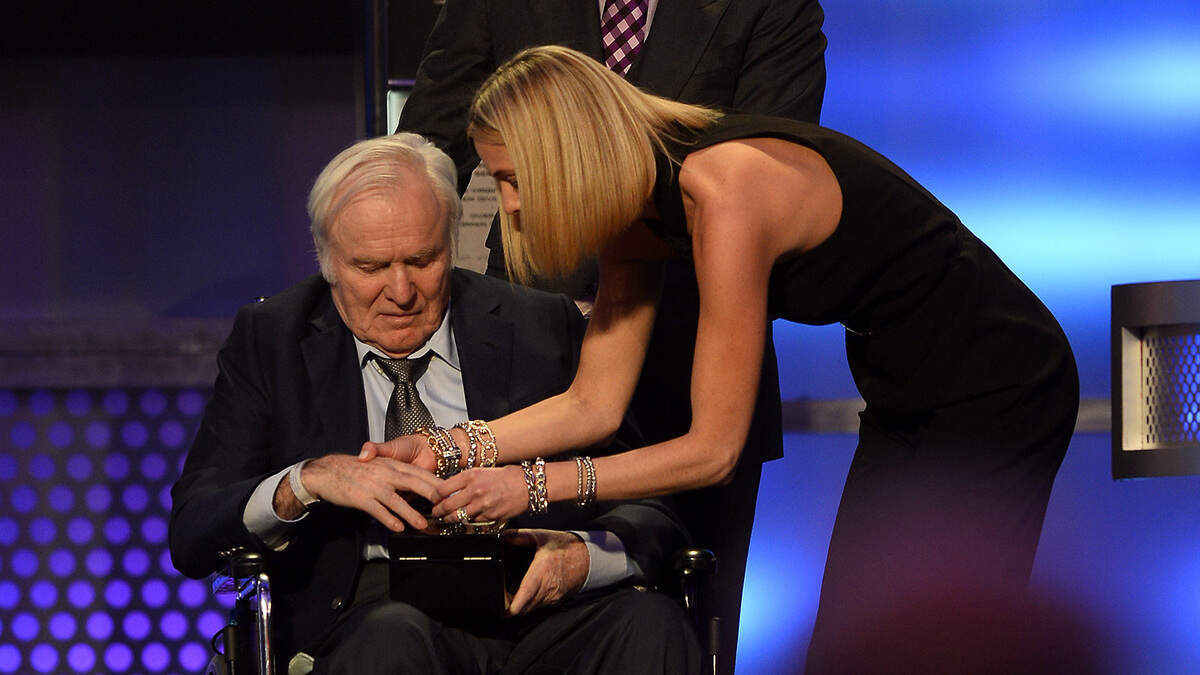
The same slip shaped coverage of Fred Lorenzen this week. His family released the results of his post-mortem brain tissue analysis, and the finding is narrow, specific and verified. Much of the reaction treated it as a verdict on an entire sport.

What The Lorenzen Analysis Actually Found
Researchers at the Boston University CTE Center diagnosed Lorenzen with stage 3 chronic traumatic encephalopathy, the second-most severe of four stages, according to the Charlotte Observer. He died on December 18, 2024, at 89, after living with dementia for about two decades. He is the first known NASCAR driver with a CTE diagnosis, the Concussion and CTE Foundation said, and he pledged his brain for research in 2016.
Two further items are equally verified. His children, Chris Lorenzen and Amanda Lorenzen Gardstrom, gave $1 million to the foundation to create the Fred Lorenzen Memorial HelpLine for drivers and families seeking care. And after the family opened talks with NASCAR leadership in January, NASCAR declined to join the initiative.
“We had hoped NASCAR would join us in this effort, and while we’re disappointed that hasn’t happened, we remain hopeful there will be opportunities to work together to support the drivers who helped build the sport,” Chris Lorenzen said in the statement carried by Jayski.
The gap between a documented diagnosis and an adopted policy is the part students should be trained to see. A confirmed result is not a programme. A pledge is not a service. Of the four verified items, only the HelpLine is an intervention that exists, and it exists because a family paid for it.
Two Numbers That Only Look Contradictory
Two figures circulated this week and appear to disagree.
A study published in the British Medical Journal in August examined 338 brains of NFL players who died between 2008 and 2021. Of those, 315, or 93.2 per cent, had CTE. A separate study released in August and led by Boston University and Harvard Medical School researchers found that roughly one in four former NFL players who died between 2016 and 2021 had CTE, USA TODAY Sports reported.
Both are attributable. Both describe different denominators. The first is a rate among donated brains. A donated brain is not a random brain, and a rate built on donation is not a rate for a population. The second is a rate across a defined set of deaths. Neither figure is a rate for players who are still alive. Read as one number, they mislead. Read as two, they teach.
Motorsport has nothing comparable. The evidence base for CTE in racing is thinner than in football, and no equivalent study of drivers exists in the material published this week. The Lorenzen result lands less than a month after the family of Darrell Waltrip said he would step away from public life following a diagnosis of frontotemporal degeneration that could be complicated by possible CTE. Chris Lorenzen said the news did not surprise him, and asked whether injured drivers can be reached earlier: “Because our dad didn’t have any help.
Brain Health Study Habits That Fix This
The repair is a three-pass read, and it takes about four minutes per news story.
Pass one: what was measured? Write it as a phrase. Brain tissue, examined after death.
Pass two: who was in the sample? Donated brains, all recorded deaths, or living players. These are three different populations and they support three different sentences.
Pass three: what claim does the number carry? A claim about donors, a claim about a defined group, or a claim about everyone. Nearly every error happens when pass three jumps past pass two.
Run it on Lorenzen. Pass one: post-mortem tissue, stage 3 of 4. Pass two: one driver. Pass three: the finding supports a claim about that driver and strengthens the case for research in his sport. It cannot tell you the CTE rate among racing drivers, because nobody has measured that.
Then close the page and say the three passes aloud from memory. That is active recall, and it is the step students skip. Highlighting a passage feels like learning because the page looks familiar. Recall exposes the gap in seconds, before an examiner does.
Add a timer. Give yourself 90 seconds to state the denominator of a statistic in a comprehension passage. Speed matters because the original error is made under pressure, and a slow correction does not transfer to exam conditions.
Then keep an error log with three columns: dropped qualifier, wrong denominator, causal leap. When a practice answer goes wrong, write the actual mistake into one column. The log converts a vague sense of weakness into a list a teacher can act on.
What The Error Costs
In Nigeria and elsewhere in Africa, the price of a confident wrong answer is not abstract. A candidate who repeats a school-leaving or entrance examination pays another registration fee, arranges transport, and loses a year that could have gone to a polytechnic, a university or a job. Where household money is tight, the second attempt competes with food, data and the school fees of siblings.
Data costs shape method too. Where a bundle is rationed, every past paper has to earn its place, so one passage read properly beats ten skimmed.
Educators carry a share of the responsibility. A marker who ticks a correct figure written beside a wrong claim teaches the wrong lesson. Checking the qualifier — donated, one driver, after death — costs a teacher nothing and changes what a class accepts as evidence.
Try It Today
Take one story about a brain study, including the Lorenzen case, and run the three passes on paper: what was measured, who was in the sample, what the number can support. Shut the page. Write the sentence from memory. Compare it to the original.
Do it once today and once tomorrow. The brain health study habits worth keeping are the ones that survive a second day.
Frequently Asked Questions
What did the Fred Lorenzen brain study find?
Researchers at the Boston University CTE Center diagnosed Lorenzen with stage 3 chronic traumatic encephalopathy, the second-most severe of four stages, after a post-mortem examination of his brain tissue. He died on December 18, 2024, at 89, after living with dementia for about 20 years. He is the first known NASCAR driver with a CTE diagnosis, according to the Concussion and CTE Foundation.
Why do the NFL CTE figures of 93.2 per cent and one in four disagree?
They describe different denominators. The 93.2 per cent figure comes from 315 of 338 donated brains in a British Medical Journal study of players who died between 2008 and 2021. The one-in-four figure comes from a Boston University and Harvard Medical School study of former players who died between 2016 and 2021. A rate built on donated brains is not a rate for all players, and neither figure describes living players.
What can students learn from how this story was reported?
Check the sample before repeating a number. State what was measured, who was in the sample, and what claim the figure can support. A post-mortem diagnosis of one driver does not establish a CTE rate for all racing drivers, and a donation that creates a help line is not the same as a sport-wide policy.
{“@context”: “https://schema.org”, “@type”: “FAQPage”, “mainEntity”: [{“@type”: “Question”, “name”: “What did the Fred Lorenzen brain study find?”, “acceptedAnswer”: {“@type”: “Answer”, “text”: “Researchers at the Boston University CTE Center diagnosed Lorenzen with stage 3 chronic traumatic encephalopathy, the second-most severe of four stages, after a post-mortem examination of his brain tissue. He died on December 18, 2024, at 89, after living with dementia for about 20 years. He is the first known NASCAR driver with a CTE diagnosis, according to the Concussion and CTE Foundation.”}}, {“@type”: “Question”, “name”: “Why do the NFL CTE figures of 93.2 per cent and one in four disagree?”, “acceptedAnswer”: {“@type”: “Answer”, “text”: “They describe different denominators. The 93.2 per cent figure comes from 315 of 338 donated brains in a British Medical Journal study of players who died between 2008 and 2021. The one-in-four figure comes from a Boston University and Harvard Medical School study of former players who died between 2016 and 2021. A rate built on donated brains is not a rate for all players, and neither figure describes living players.”}}, {“@type”: “Question”, “name”: “What can students learn from how this story was reported?”, “acceptedAnswer”: {“@type”: “Answer”, “text”: “Check the sample before repeating a number. State what was measured, who was in the sample, and what claim the figure can support. A post-mortem diagnosis of one driver does not establish a CTE rate for all racing drivers, and a donation that creates a help line is not the same as a sport-wide policy.”}}]}
Receive alerts for brain health study habits and more like it.
 Follow AFRILATEST on Google News
FIRST TIME REACTIONS:
Be the first to leave us a comment – Fred Lorenzen CTE: Brain Health Study Habits That Work, down the comment section.
JOIN US ON OUR SOCIAL MEDIA:

            About James Williams
            James Williams is the Content Director at AfriLatest. With a background in journalism and a love for storytelling, he curates compelling content and multimedia that resonates with global readers. James is dedicated to maintaining AfriLatest as a trusted source for daily news, sports updates, and entertainment trends.
            View all articles by James Williams

Football
Brandon Aiyuk Reinstated: 49ers Get Two-Game Exemption
Brandon Aiyuk reinstated by the NFL after a year on reserve/left squad, giving the 49ers a two-game roster exemption and a $13M bonus dispute.

The NFL transaction wire did the announcing on Monday. Brandon Aiyuk reinstated, removed from the reserve/left squad list a year after he walked out on the San Francisco 49ers, with the club handed a two-game roster exemption to decide what happens next, per NFL.com. No press conference. No jersey unveiling. No depth-chart adjustment. A line of administrative text, and a dispute that has cost both sides a season.
The temptation is to read this as a football story: a receiver returning to an offense that could use him. The verified record does not yet support that reading. What happened Monday was a procedural unlock, not a selection decision.
What Brandon Aiyuk Reinstated Actually Changes On The 53-Man Roster
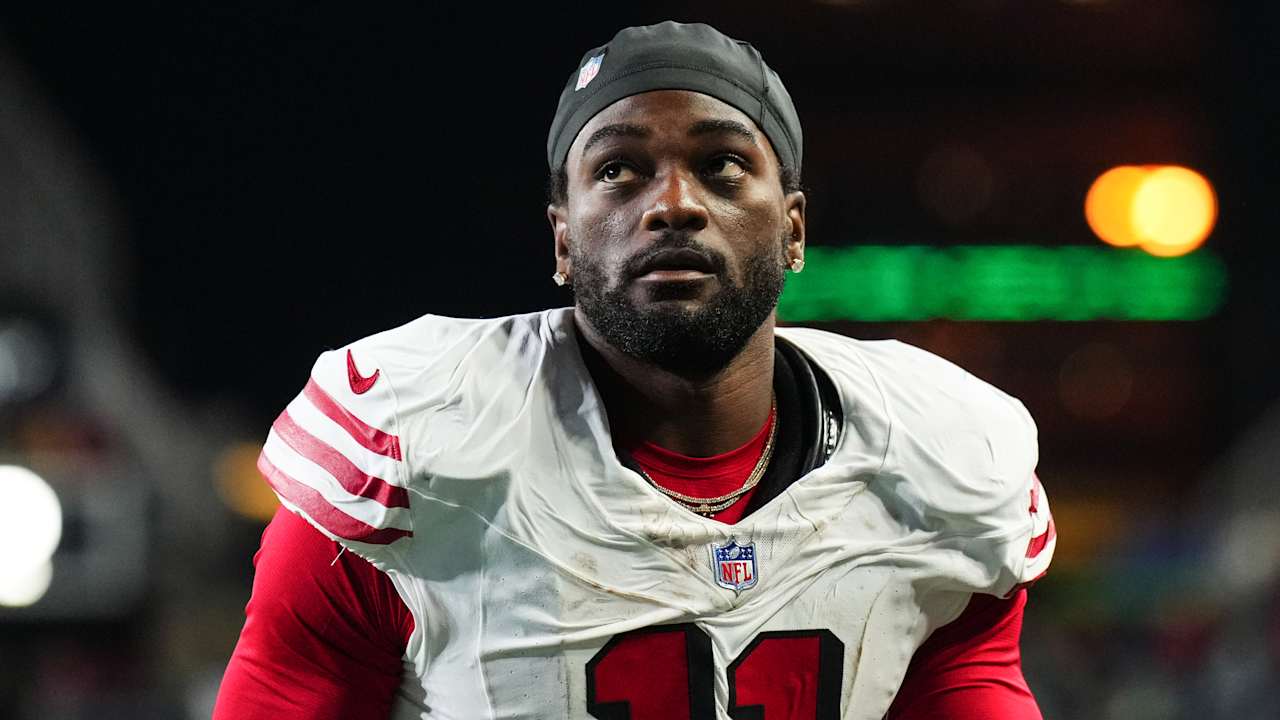
Mechanically, nothing, for two weeks. Per ESPN, the exemption runs until Monday, Nov. 23, which falls after San Francisco’s Week 11 game against the Minnesota Vikings in Mexico City. Until it lapses, the 49ers do not have to touch the 53-man roster. They get a regular-season game with the group they already have, and the front office gets a fortnight of accounting.
Kyle Shanahan’s public position is that none of this is a coaching matter. “It means absolutely nothing to our team,” he said. “I think we got two-week roster exemption and that’s all administrative stuff to me.”
Read the setup that way and the tactical picture becomes clearer. Shanahan’s offense has been assembled, practised and game-planned without Aiyuk since the receiver’s unexcused departure led to his placement on the reserve/left squad list in December 2025. A player re-entering a building does not automatically re-enter a scheme.
Three Options, One Tuesday Deadline, And The $13 Million Question
ESPN lists three paths: release him, trade him, or add him to the 53-man roster. Trading has long been the preferred route and no buyer has surfaced; the deadline is Tuesday at 4 p.m. ET. Releasing him before the exemption expires is the outcome most consistently reported as plausible.
Then there is the money, and this is where sourcing discipline matters. The league sent Aiyuk and the NFL Players Association a letter stating he owes the 49ers about $13 million, based on bonuses paid after he signed a four-year, $120 million extension before the 2024 season. That figure comes from a person with knowledge of the situation who spoke on condition of anonymity because the letter was not released, as reported by NFL.com. Yahoo Sports frames the same sum as a roster bonus the 49ers paid out and believe they are owed. Yahoo Sports also notes the club previously voided $27 million in 2026 guarantees in the contract, a step that sits on the record, unlike the refund claim.
Why The Paperwork Is The Only Verifiable Part Of This Story
Strip the noise and three things are documented. The transaction wire. The voided guarantees. The medical timeline. Aiyuk tore the ACL, MCL and meniscus in his right knee on Oct. 20, 2024, per ESPN. He has not appeared in a game since Week 7 of that season, according to Yahoo Sports. He told reporters before Friday’s meeting that he is “feeling great, feeling healthy” and “back to 100% and looking to get reinstated to the National Football League.”
A player’s own assessment is a claim, not a club-published clearance. No snap count, route run or target exists for Aiyuk in more than two years. Any argument that he would repair or disrupt the 49ers’ passing game rests on evidence that is stale by two seasons and on a scheme that has moved on without him.
The structural contrast with club football is worth spelling out for readers in Africa and elsewhere who follow the global game first. There, a player who stops reporting is pushed toward termination or a transfer window with a fixed closing date; the pressure is external and dated. The NFL’s reserve/left squad list plus a roster exemption does the opposite, creating a 14-day buffer in which nothing must be settled in public. Same instinct, control the clock, different machinery. Yahoo Sports notes Aiyuk could have filed for reinstatement at any point during his absence. The paperwork landed in late October, with the trade deadline set for Tuesday afternoon.
Shanahan’s Takeaway: ‘It’s Been Over For Our Football Team’
The head coach has not shifted. Asked what he wanted from Friday’s meeting, Shanahan said he could not “care less.” “It’s been over for our football team for a long time,” he said. “So, I don’t hear much except questions about him.” The meeting lasted about 75 minutes. Agent Drew Rosenhaus emerged with two words: “To be continued.”
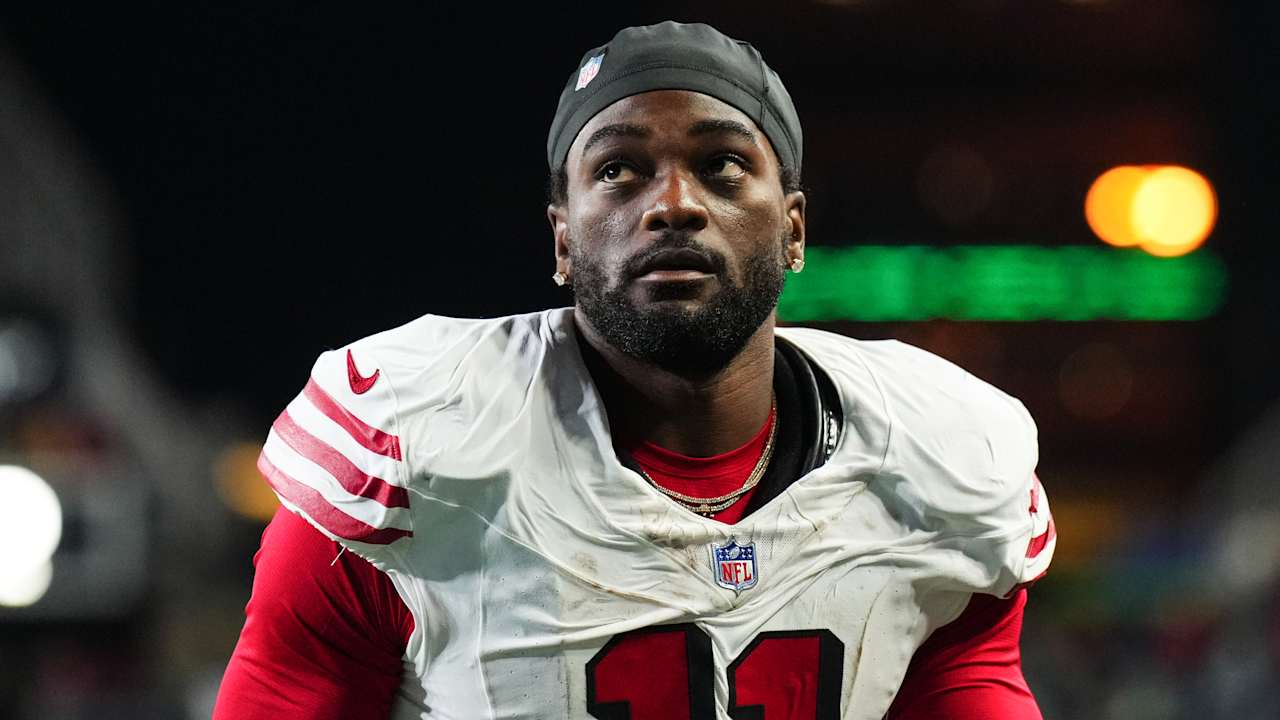
That is the honest reading of the manager’s takeaway. Nothing about Monday’s ruling changes a formation, a protection call or a route tree. It changes a clock.
Brandon Aiyuk reinstated is a headline about a comeback. The record says it is a headline about deadlines: Nov. 23 for the roster, Tuesday at 4 p.m. ET for a trade, and a $13 million claim that remains anonymous sourcing rather than a league finding. Until one of those moves, the 49ers hold two weeks, one exemption, and no obligation to answer a football question at all.
Frequently Asked Questions
What does the two-game roster exemption mean for the 49ers?
It means the 49ers do not have to make a move on their 53-man roster immediately. Per ESPN, the exemption expires Monday, Nov. 23, after San Francisco’s Week 11 game against the Minnesota Vikings in Mexico City. Until then the club can release Aiyuk, trade him or add him to the 53-man roster.
Is the $13 million payment to the 49ers officially confirmed?
No. The figure was reported by NFL.com from a person with knowledge of the situation who spoke on condition of anonymity because the letter was not released. Yahoo Sports separately describes it as a roster bonus the 49ers paid out and believe they are owed. It is a sourced report, not a published league finding.
Has Brandon Aiyuk been traded or released by the 49ers?
Neither, as of the reporting. He has been reinstated from the reserve/left squad list. ESPN reports the 49ers have not found a trade partner ahead of Tuesday’s 4 p.m. ET deadline, and releasing him before the exemption expires is the outcome most consistently described as plausible. Any completed move would have to appear on the transaction wire.
FIRST TIME REACTIONS:
Be the first to leave us a comment – Brandon Aiyuk Reinstated: 49ers Get Two-Game Exemption, down the comment section.
JOIN US ON OUR SOCIAL MEDIA:

About James Williams
James Williams is the Content Director at AfriLatest. With a background in journalism and a love for storytelling, he curates compelling content and multimedia that resonates with global readers. James is dedicated to maintaining AfriLatest as a trusted source for daily news, sports updates, and entertainment trends.
View all articles by James WilliamsSports
Jordan Davis Trade: Eagles Picks, Jaguars Risk
The Jordan Davis trade sends the Eagles a 2027 first and a 2029 second. Verified numbers, unfinished cap math and why Jacksonville’s B- grade is provisional.

The Jordan Davis trade is complete, and the terms are exact. Philadelphia sent the defensive tackle to Jacksonville on Monday for a 2027 first-round pick and a 2029 second-round pick, on the eve of the NFL’s 2026 trade deadline. Bleacher Report published Davis’ first reaction the same day. “I’m a little disappointed, but, you know, I understand that they’re in the rebuilding process,” he said. “For the picks, first-round, second-round picks, obviously, it helps the team.”
Davis leaves with a record that can be counted rather than described. The 13th overall pick in 2022 out of Georgia, he played 73 games for Philadelphia and produced 193 tackles, 9.5 sacks, 15 quarterback hits and 11 passes defensed, according to CBS Sports. He started on the team that won the 2024 championship and played in two Super Bowls.
The Eagles’ own account, carried by NBC Sports, said the “Jaguars made an offer that executive vice president/general manager Howie Roseman simply could not refuse.” The club then called Davis “a key contributor to our team culture and on-field success.”

Remove the adjectives and a narrower question survives. Was this a football decision, a balance-sheet decision, or both? The published record points to both. It also leaves several numbers unresolved, and those gaps matter more than the headlines.
What the Jordan Davis Trade Actually Returns to Philadelphia
The return is draft inventory, not production. CBS Sports reported that Philadelphia now holds 10 picks in the first two rounds across the next three drafts. In 2027 the Eagles own their own first-rounder plus Jacksonville’s. In 2028 they hold their own first and second, a first acquired from New England in the A.J. Brown trade and a second from Baltimore in the Cam Jurgens trade. In 2029 they hold their own first, their own second and Jacksonville’s second.
That is a real asset base. It is also entirely unrealized. None of those selections has been made, and a pick is only worth what a front office does with it. Davis used the word “rebuilding” himself, which is a striking term for a franchise that reached two Super Bowls and won one in the 2024 season.
The Cap Math Behind the Move Stays Unfinished

Davis is not a rental. He signed a three-year, $78 million extension with Philadelphia this past offseason, per CBS Sports, which is why Jacksonville inherits a settled contract instead of a negotiation. That is the cleanest part of the deal.
Philadelphia’s side is murkier. Yahoo Sports reported that moving Davis reduces future payment obligations but also creates dead-money charges, improving the Eagles’ ability to structure a different long-term plan without producing cap savings in every season. The specific dead-money figure and the per-season savings do not appear in the reporting reviewed here. Any precise number circulating beyond that is ahead of the public record.
The on-field redistribution is easier to measure. Yahoo Sports reported Moro Ojomo played 42 of Philadelphia’s 67 defensive snaps against the Giants, a 63% share, and that Davis’ 38 snaps now leave the rotation. Adam Schefter reported the Eagles have told teams they will not trade Ojomo, who is in the final year of his contract. Keeping a player and extending him are different decisions, and the reporting establishes only the first. Jalen Carter, Byron Young and Ty Robinson remain available, and Philadelphia has eight games left after its bye to sort the combinations.
Why Jacksonville Paid Now, and Why Its Grade Is Provisional
CBS Sports graded Jacksonville’s side a B-. The context for the grade is a compressed push: on the same day, the Jaguars parted with a 2027 first, a 2027 second, a 2028 fifth, a 2028 sixth and a 2029 second to land Davis, Atlanta Falcons safety Jessie Bates III and New Orleans Saints defensive tackle Davon Godchaux.
CBS framed the urgency around an AFC where contenders carry visible flaws, citing Buffalo’s pass defense allowing 254.7 yards per game, the third-most in the league, and Denver quarterback Bo Nix averaging 5.6 air yards per attempt, the second-worst figure among 31 qualified passers. Those are measurable weaknesses, not predictions.
What cannot be measured yet is the price. A 2027 first-round pick has no fixed value in November 2026; its slot depends on how Jacksonville finishes. The grade attached to the deal is therefore a judgment about process, not a settled outcome.

Who Won the Jordan Davis Trade, and What Remains Unknown
Philadelphia won the process. The Eagles converted an already-paid veteran into two future picks and long-term flexibility, and they kept the rotational tackle they had told the market to leave alone. Jacksonville won the player, and it won only if its AFC window is real rather than assumed.
One small verification note is worth keeping. The Eagles’ statement said the team drafted Davis “five years ago,” while Bleacher Report dated his tenure at four and a half years and CBS Sports placed him in the 2022 class. The discrepancy is minor, but it is a reminder that club statements are framing documents.
Until Jacksonville’s 2027 season is played, the Jordan Davis trade remains a deal with one settled half and one open half. Philadelphia banked certainty in the form of picks. Jacksonville banked on a season. The accounting will not close for years, and anyone claiming a winner today is guessing at a draft slot that does not exist yet.
Frequently Asked Questions
What did the Eagles receive in the Jordan Davis trade?
Philadelphia received a 2027 first-round pick and a 2029 second-round pick from Jacksonville, per Bleacher Report and CBS Sports. The Eagles now hold 10 picks in the first two rounds across the next three drafts.
Does Jordan Davis need a new contract with the Jaguars?
No immediate negotiation is required. Philadelphia signed Davis to a three-year, $78 million extension this past offseason, so Jacksonville inherits that deal. The published reporting reviewed does not specify the remaining guaranteed money.
What grade did the Jordan Davis trade receive?
CBS Sports graded Jacksonville’s side a B-. The Eagles’ grade is a matter of process rather than settled value, because the 2027 first-round pick’s slot depends on how Jacksonville finishes the season.
FIRST TIME REACTIONS:
Be the first to leave us a comment – Jordan Davis Trade: Eagles Picks, Jaguars Risk, down the comment section.
JOIN US ON OUR SOCIAL MEDIA:
About James Williams
James Williams is the Content Director at AfriLatest. With a background in journalism and a love for storytelling, he curates compelling content and multimedia that resonates with global readers. James is dedicated to maintaining AfriLatest as a trusted source for daily news, sports updates, and entertainment trends.
View all articles by James WilliamsSports
Bronny James NBA Future: Lakers Roster Math Turns Tight
Bronny James’ NBA future is now a roster-math question in Los Angeles, not a development one. What the G League move confirms, and what remains rumor.

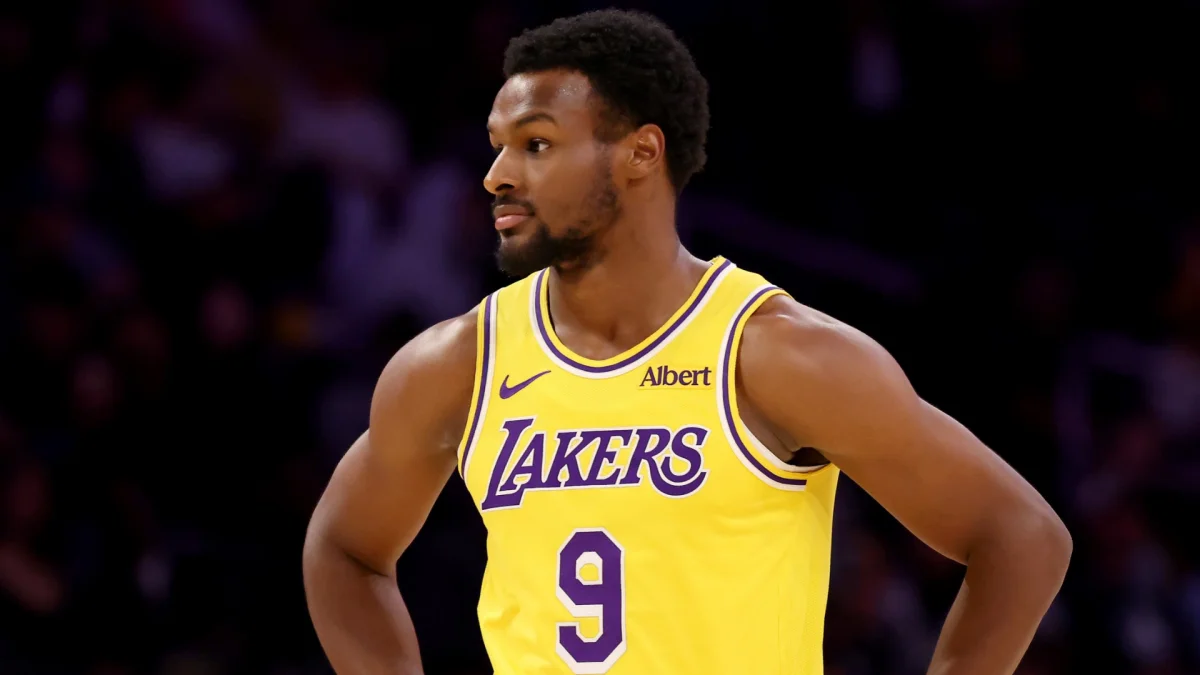
The scouting report has not changed in three years. Bronny James is a 6-foot-2, 210-pound guard whose calling card is defense, and CBS Sports states it plainly: he “has always been a defense-first player.”
That label is the entire case for keeping him. It is also, quietly, the case against him lasting. A defensive specialist who cannot guard up a position needs an offense that survives without him and a coaching staff willing to spend real minutes on development. In Los Angeles this season, neither condition holds. That, more than any single performance, is why the Bronny James NBA future is now a live question rather than background noise.
The confirmed fact is narrow. On Thursday, Nov. 5, the Lakers assigned James and rookie Cameron Carr to the Coachella Valley Lakers, their relocated G League affiliate. James appeared on the injury report as “out” for Friday’s NBA Cup game against Portland despite carrying no injury designation; his listed status is G League assignment. That is official team business, not speculation.
Why The Bronny James NBA Future Is A Roster-Math Problem
Separate the noise from the structure. LeBron James is now with the Philadelphia 76ers, who own the league’s best record at 8-1. The Lakers sit at 7-2. Both teams are fine. The separation that once gave the younger James a reason to be on the roster has been fully unwound, and the team did not collapse without it.
That matters because development minutes are a currency contenders hoard. Coach JJ Redick spent his after serving a warning on Nov. 1, when Los Angeles led Toronto 124-109 with 1:24 left and nearly lost the cushion. Toronto’s pressure forced the regulars back in with 43.7 seconds remaining. EssentiallySports reports James was among the reserves caught in that sequence, with an inbounds turnover among the errors.
Redick’s response was collective, not personal: “I won’t make that mistake again. I’ll leave the guys in. You got to play to the final buzzer, and if guys are not ready to play, then I just won’t put them in.” Read correctly, that is a rotation policy statement. It ends the era of emptying the bench early. For a player whose minutes came almost exclusively in decided games, the practical effect is severe.
The G League Numbers That Cut Both Ways
James has produced at that level. Across 25 games in his first two seasons with the affiliate formerly known as the South Bay Lakers, he averaged 18.4 points on 49.6% shooting, including 41.3% from three, plus 4.4 assists and 4.0 rebounds. The team now plays home games at Acrisure Arena in Palm Desert rather than at the Lakers’ practice facility in El Segundo.
Those numbers are real and they are also a measurement of something the NBA does not need from him. Volume on-ball scoring in the G League does not convert into a 2.4-minute end-of-bench role. The NBA sample this season is five appearances, 0.8 points, 0.2 blocks, and zero assists or rebounds. His career line across 74 games is 2.5 points, 0.6 rebounds, one assist and 0.4 steals in 7.7 minutes on 37.8/34.4/81 splits.
Preseason offered the clearest read. James shot 4 of 16 from the field. Redick, in October: “I thought he had a really nice September and a good summer with us, but I don’t think he’s played well in the four preseason games.”
Contract, Trade Rumors And The Line Between Them
The financial picture is documented. James is on $2.3 million this season with a $2.5 million team option for next year, per Yahoo Sports and HEAVY. CBS frames the same deal as guaranteed through this season and not beyond. The two descriptions agree in substance; the option language is the more precise version.
Everything past that is rumor and should be labeled as such. James has been mentioned as a trade candidate and as a waive candidate if the Lakers add help in free agency or the buyout market. Team reporter Jovan Buha, discussing the need for a backup center, said: “So Bronny is the one who’s only making a couple million that they could potentially waive.” Reports that Los Angeles wants a roster upgrade are unconfirmed in detail. No trade has been agreed. No waiver has been filed.
The Knecht comparison circulating online deserves a caveat. Dalton Knecht was waived to reach 15 players, then signed a two-way deal with New York and scored 10 points in 16 minutes against Chicago. James has four points in 12 minutes across five games. The gap is stark, but it compares a player in a live rotation role to one in garbage time, and small samples mislead.
One detail worth flagging for accuracy: People lists James as the 55th pick in 2024, while HEAVY and Yahoo list 54th. Basic facts in this story get repeated without checking, which is a reason to treat the louder claims about his career with equal caution.
What Comes Next For A 22-Year-Old With A Team Option
The Coachella Valley Lakers open Friday, Nov. 6, against the Salt Lake City Stars in Palm Desert, at the same hour the Lakers tip against Portland at 7 pm PST on Amazon Prime Video. That is a 4 am start in Lagos, and for Nigerian and international audiences who follow players more than rosters, the split screen is the story: the father’s former team chasing a Cup win, the son chasing minutes two hours east.
Coachella Valley also plays Monday and Tuesday. Whether James stays down or returns is undetermined, and the team has not said. A strong G League stretch buys time; it does not buy a rotation spot. The Christmas Day meeting between the 76ers and Lakers will pull the family narrative back into focus regardless of where he is playing.
The honest read is that the Bronny James NBA future now hinges on whether he can add an NBA skill that survives contact with a real rotation, not on whether he can score 20 in the G League. The defense-first identity that got him here is not enough at 6-foot-2. Until that changes, the roster math in Los Angeles will keep pointing the same direction.
Frequently Asked Questions
Is Bronny James playing for the Lakers against the Trail Blazers?
No. He was assigned to the Coachella Valley Lakers on Thursday, Nov. 5, and is listed as out on the injury report with a G League assignment designation rather than an injury.
What are the terms of Bronny James’ Lakers contract?
He is on $2.3 million this season with a $2.5 million team option for next year, according to Yahoo Sports and HEAVY. CBS Sports describes the deal as guaranteed through this season and not guaranteed afterward.
Has Bronny James been traded or waived?
No. He has been mentioned as a possible trade or waive candidate by reporters discussing the Lakers’ roster needs, but no transaction has been completed or announced.
FIRST TIME REACTIONS:
Be the first to leave us a comment – Bronny James NBA Future: Lakers Roster Math Turns Tight, down the comment section.
JOIN US ON OUR SOCIAL MEDIA:
About James Williams
James Williams is the Content Director at AfriLatest. With a background in journalism and a love for storytelling, he curates compelling content and multimedia that resonates with global readers. James is dedicated to maintaining AfriLatest as a trusted source for daily news, sports updates, and entertainment trends.
View all articles by James Williams-
 Car Reviews6 days ago
1955 Chevy Bel Air Restomod: What SEMA Really Proves
-
Startups2 months ago
What a Successful Dangote Refinery IPO Really Says
-
Health and Fitness4 weeks ago
Curly Hair Hydration: 5 Proven Steps That Actually Work
-
Savings & Investing2 weeks ago
Hidden Medicare Fees Draining Your Retirement Savings
-
Tech & Gadgets1 month ago
Apple Watch and AirPods Fall Deals: Save $120 Today
-
Health and Fitness4 weeks ago
9 Best Hair Thickening Shampoos for Men in 2026
-
University Admissions2 months ago
UNILAG 2026/2027 Admission: Direct Entry & Post-UTME Guide
-
Football2 months ago
South Carolina vs Alabama: Tide Roll to 35-10 Halftime Lead