Phone Reviews
iPhone 18 Pro Max Review: Price, Specs, Verdict
iPhone 18 Pro Max review: A20 Pro chip, bigger vapour chamber, variable aperture camera, six extra hours battery. Is it worth upgrading?

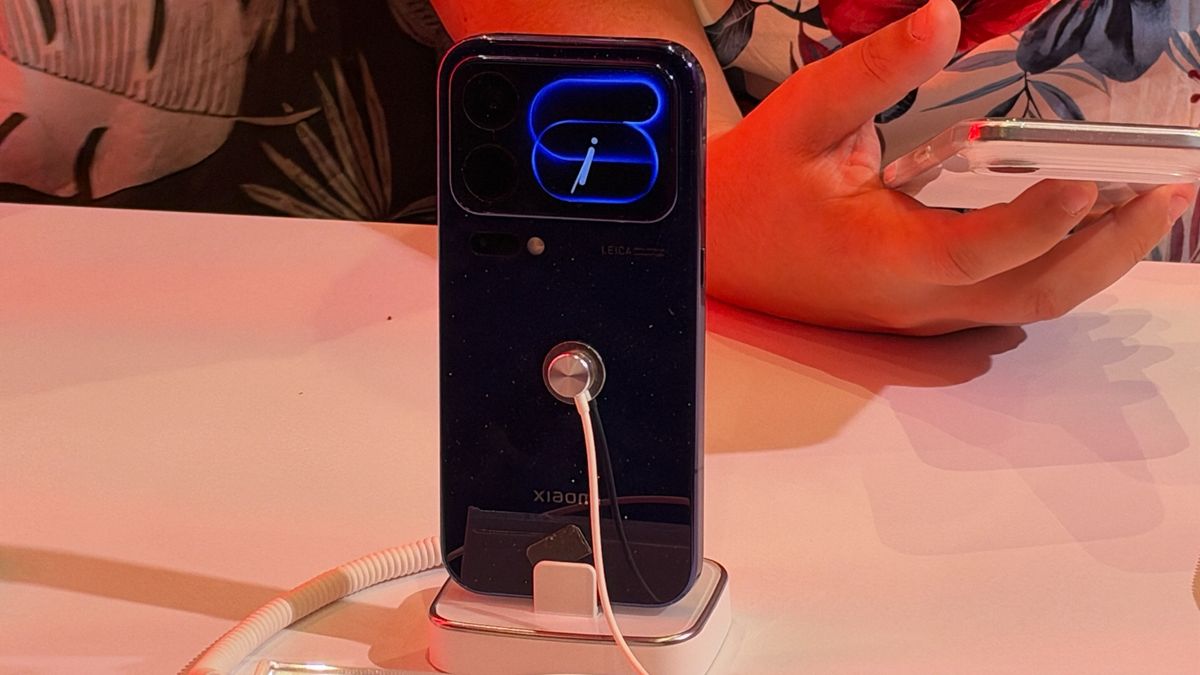
The iPhone 18 Pro Max is Apple’s most complete workhorse phone, but it is not a revolution — and at £1,199 (roughly ₦2.4m before Nigerian import duties) for the 256GB iPhone 18 Pro, this is a marginal yet meaningful upgrade you should only buy if you shoot a lot of photos or video. That is the short version of this iPhone 18 Pro Max review. Below is the long version, with the specs that matter and the ones that do not.
Apple has not confirmed Nigerian pricing for the iPhone 18 Pro Max. UK pricing starts at £1,199 for the 256GBT iPhone 18 Pro, a £100 hike over last year’s £1,099 iPhone 17 Pro. Expect Nigerian retailers to price the Pro Max well above that once import costs land.
What you actually get
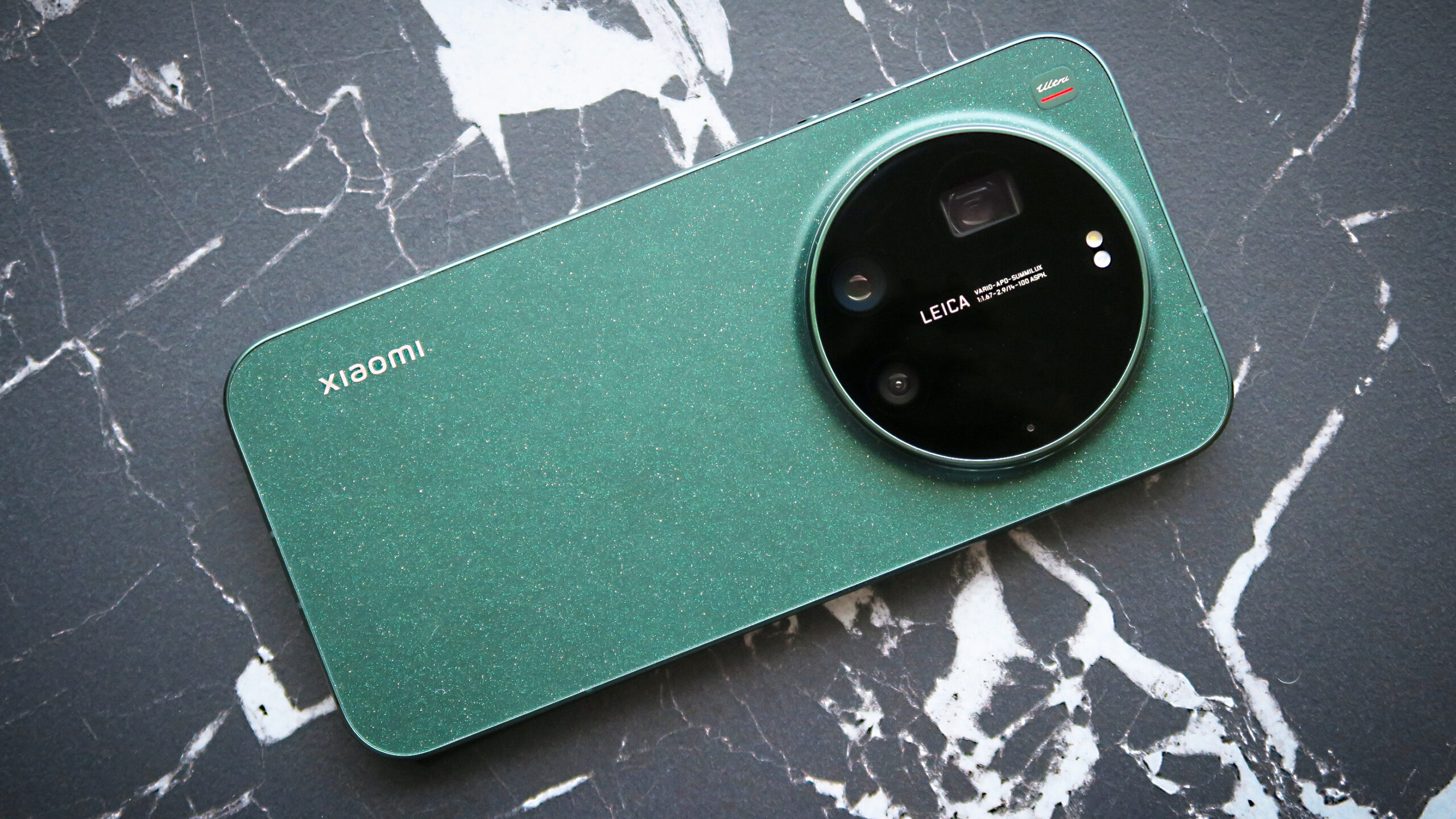
According to GSMArena’s iPhone 18 Pro review, the phone runs Apple’s A20 Pro chip on a 2nm process, paired with 12GB RAM and storage options of 256GB, 512GB, 1TB and 2TB. The display is a 6.3-inch LTPO Super Retina XDR OLED at 120Hz, 3000 nits peak brightness, and an anti-reflective coating. The Pro Max gets the larger 6.9-inch panel.
Around the back You get three 48MP cameras: a main sensor with variable aperture from f/1.5 to f/4.0, a 48MP telephoto with 4x optical zoom, and a 48MP ultrawide. The selfie camera is 18MP. Battery is 4,056mAh on the physical-SIM model and 4,288mAh on the eSIM-only version, with 25W MagSafe wireless charging.
The iPhone 18 Pro Max specifically adds six extra hours of video playback over its predecessor, according to Apple’s claim cited by The Hindu’s iPhone 18 Pro Max review. It also gets a redesigned vapour chamber with three times the surface area of the iPhone 17 Pro Max’s unit.
The upgrades that actually matter
Three things stand out. First, the variable aperture. This is the first iPhone with a physically adjustable aperture, and Apple gives you four manual settings: f/1.48, f/1.8, f/2.8 and f/4.0. Apple says f/1.48 delivers 50 percent better low-light performance. For anyone who has wished the iPhone would stop over-processing photos, this is the feature to care about.
Second, thermals. The bigger vapour chamber means the A20 Pro throttles less under sustained load. That matters for 4K video shoots, long photo editing sessions, and on-device AI. Apple claims up to 40 percent better sustained performance than the iPhone 17 Pro.
Third, battery. The Hindu reports the Pro Max lasts six hours longer in video playback than the iPhone 17 Pro Max, credited to chip efficiency rather than a bigger cell. In five days of testing, the reviewer charged It only a couple of times despite heavy AI, Siri and camera use.
What has not changed now
The design is nearly identical to the iPhone 17 Pro. Same aluminium unibody, same camera plateau, same dimensions at 150mm x 71.9mm x 8.75mm. The iPhone 18 Pro is slightly heavier at 211g versus 204g. The Dynamic Island is smaller for the first time since 2022, and it now shows three Live Activities at once instead of two.
Colours are new: burgundy, glacier blue, silver and black. The cosmic orange from the 17 Pro is gone. The Independent’s comparison notes the burgundy is a fingerprint magnet, in keeping with iPhone tradition.
Siri is better, but not dramatically. The Hindu says early use cases — finding and playing a specific album, sending a WhatsApp reply, invoking apps and running tasks inside them — work fine. But the reviewer could not distinguish Siri’s performance between last year’s and this year’s Pro iPhones.
iPhone 18 Pro Max vs the alternatives
If you are in Nigeria, the honest comparison is not against the Galaxy S26 Ultra. It is against the iPhone 17 Pro Max you can now buy discounted, and against the iPhone 18 Pro if you want a smaller phone. The 17 Pro Max launched at £1,099 and now sells for around £999 at third-party retailers, per The Independent. That is a £200 saving for a phone that is 90 percent the same experience.
Ars Technica’s review makes the case that Apple is saving its flashier design ideas for the iPhone Duo and iPhone Air, leaving the Pro line as the everything-and-the-kitchen-sink workhorse. That is a fair read. If you want the cool phone, this is not it.
If you want the phone that does the most work without overheating, this is it.
Verdict: who should buy the iPhone 18 Pro Max
Buy it if you own an iPhone 15 Pro Max or older. You get the redesign, the new thermals, the variable aperture camera, and the battery gains in one purchase. Buy it if you shoot a lot of photos or video professionally — the manual aperture, shutter speed and white balance controls are a real photographic tool, not a software trick.
Skip it if you own an iPhone 17 Pro Max. The Hindu’s verdict is blunt: upgrade only if you shoot a lot. Otherwise you are not missing much. Skip it if you want the exciting iPhone this year — that is the iPhone Duo.
For everyone else weighing an iPhone 18 Pro Max review against a discounted 17 Pro Max, the math is simple. Save the money unless the camera is your job.
one more thing: Apple has not confirmed Nigerian availability or pricing. Treat any naira figure you see online as a grey-market estimate, not an official price.
Frequently Asked Questions
How much does the iPhone 18 Pro Max cost in Nigeria?
Apple has not confirmed Nigerian pricing. UK pricing starts at £1,199 for the 256GB iPhone 18 Pro, a £100 increase over the iPhone 17 Pro. Expect Nigerian retailer prices to be higher once import duties and grey-market markups are added.
Is the iPhone 18 Pro Max worth upgrading from an iPhone 17 Pro Max?
Only if you shoot a lot of photos or video. The variable aperture camera, manual controls and larger vapour chamber are real upgrades, but the design is nearly identical and most users will not feel the A20 Pro speed difference in daily use.
What is the biggest upgrade on the iPhone 18 Pro Max?
The variable aperture main camera is the headline feature — the first on any iPhone. It offers four manual settings (f/1.48, f/1.8, f/2.8, f/4.0) and Apple claims 50 percent better low-light performance at f/1.48. The redesigned vapour chamber and six extra hours of video playback are close behind.
New Articles
- Mexico vs Colombia: Márquez Debut Ends in Friendly
- Mexico vs Colombia 2026: Márquez Debut Ends in Defeat
- Spark Plug Replacement Cost: Fake Parts & Real Prices
- OPay Investing in People to Build a Better Nigeria
- Hyundai Elantra Parts: Maintenance Tips for N Models

Phone Reviews
reMarkable Super Bundle: What Nigeria Buyers Should Know
reMarkable Super Bundle takes $300 off two e-ink tablets, but subscription fees and no Nigerian retail route raise hard questions for African buyers.


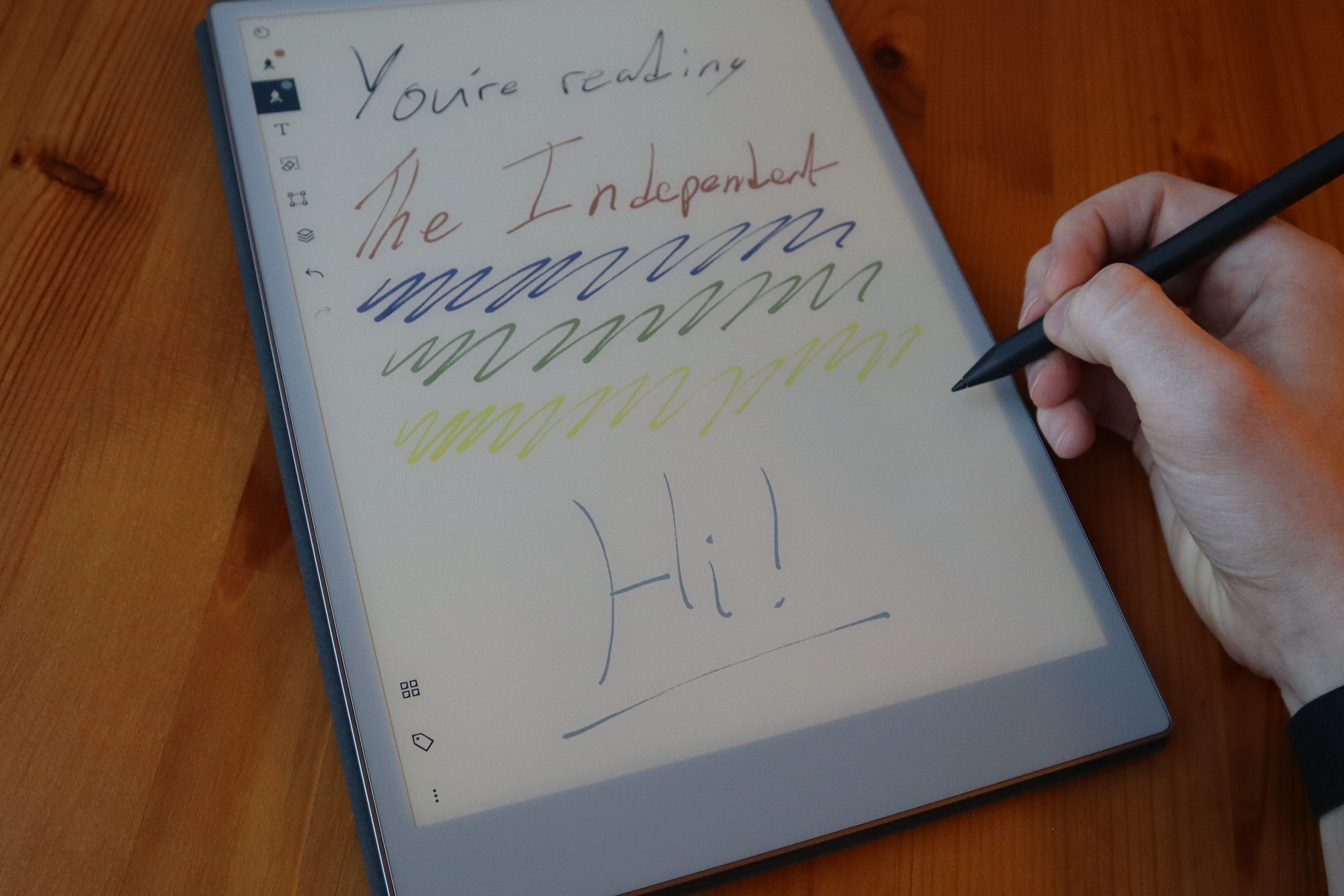
The reMarkable Super Bundle is now on sale: a Paper Pro and a Paper Pro Move, each with a Marker Plus stylus and a leather folio, at $1,098 after $300 off. For Nigerian and African buyers, the discount is not the difficult part. The difficult part is working out what the device costs once it leaves a warehouse in the United States or Europe, and what the subscription adds afterwards.
What The reMarkable Super Bundle Actually Contains
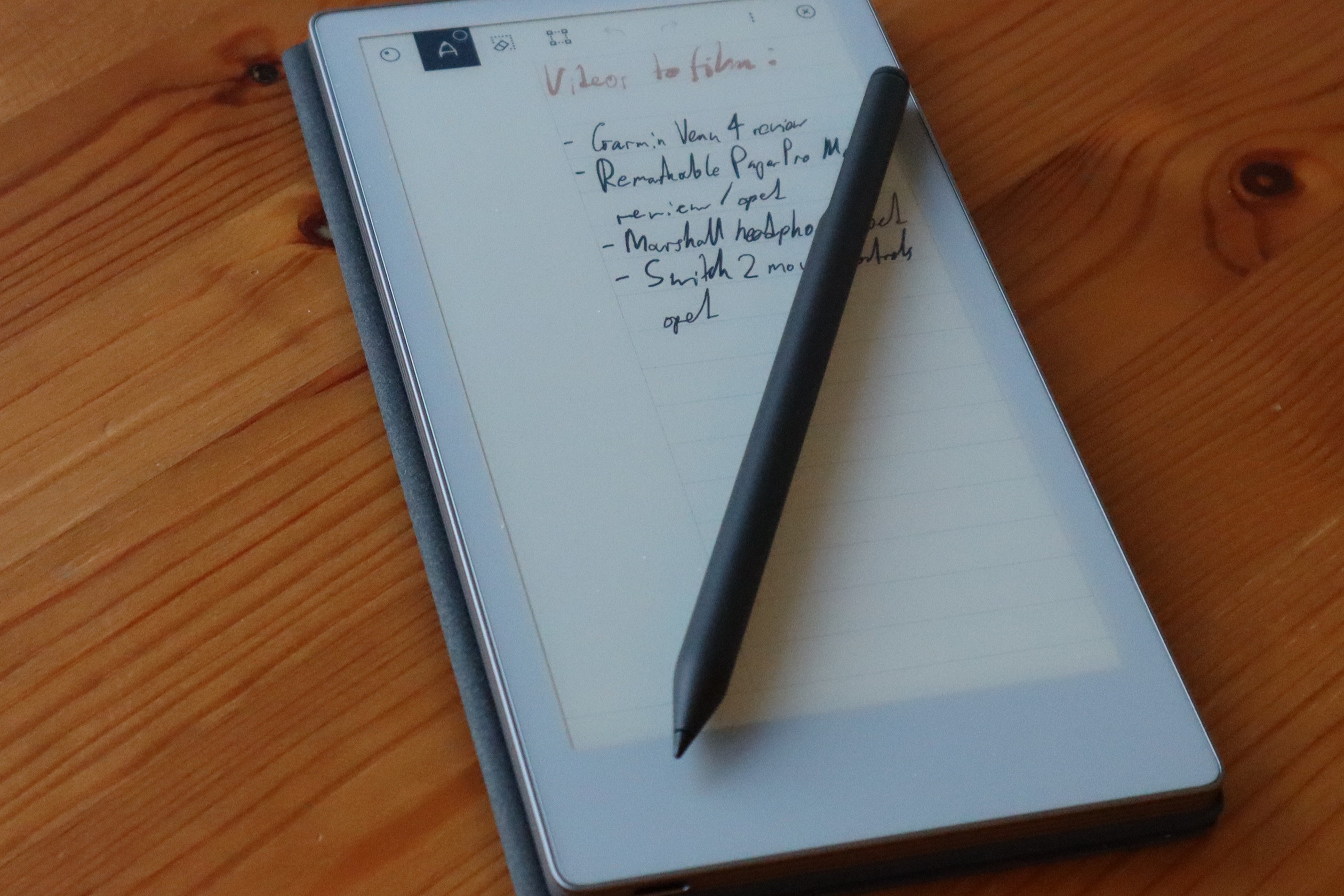
Two tablets, two styluses, two covers. That is the entire offer. It pairs the full-size Paper Pro with the 7.3-inch Paper Pro Move, and reMarkable prices the pairing $300 below list, according to Good e-Reader. It is sold only on reMarkable.com.
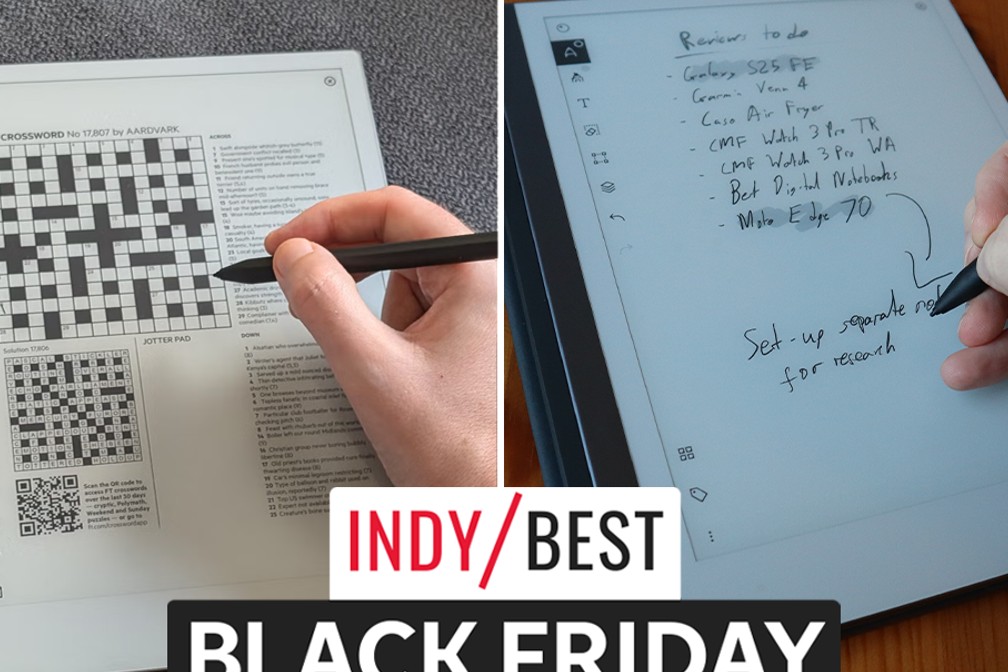
Buyers who want one device instead pay $100 below list on either model. A Paper Pro with Marker Plus and a Mosaic Weave folio is $679, down from $779. The same tablet with a premium leather folio is $699; with a Type Folio, $729. The Move bundle runs $469 with Mosaic Weave and $499 with leather.
The dates differ by region. Offers open 16 November 2026 globally, but 19 November in the United States and Canada, and everything closes on 1 December 2026. The US promotion runs through reMarkable’s own store and major retailers, Best Buy and Amazon.com among them.
Three Things The Sale Excludes
The discount is not universal, and the exclusions say more about reMarkable’s intent than the headline saving does. Standalone tablets, sold without a folio, carry no markdown. The monochrome Paper Pure is excluded. The older reMarkable 2 is also excluded from the official sale, though it survives at third-party retailers and as a $399 refurbished bundle sold directly.
Read the pattern: the money comes off bundles, not devices. Anyone who already owns a folio, or who wants a tablet without a cover, gets nothing. This is a price architecture that pushes customers toward the top of the range and toward accessories, and that decision matters more than the $300 figure.
Sponsored Praise Versus Independent Trade-Offs
The most enthusiastic coverage of this sale is not independent. The IGN article describing the bundle carries an editor’s note stating the piece is sponsored by reMarkable. That does not make its facts wrong, but it does mean the praise, the paper-feel framing and the “standout” language, is marketing placed in a news slot.
The Independent’s deals coverage sits closer to a shopping guide. It cites its reviewer choosing the Paper Pro as the best premium digital notebook and the Move as the pick for writers, largely on weight. The same guide concedes that the final saving depends on the stylus and folio finish selected, with the Marker Plus adding £40 and the premium leather folio £30 over the Mosaic Weave version. Its own breakdown lists Move bundle savings of £19 or £29 depending on finish, alongside a headline claim of £100 off, a gap the article does not reconcile.
Good e-Reader, which covers the e-ink trade rather than the deal, is blunter. Its reviewers note the Move’s high price, its narrow 16:9 aspect ratio, and its reliance on a paid subscription for full search and cloud features, as detailed in its Black Friday sale breakdown. For the Paper Pro, the listed criticisms are muted screen contrast, added weight, edge wear on the leather folio, and the same subscription requirement.
One Specification Still Unsettled
The two accounts do not agree on the Paper Pro’s screen. The IGN piece describes a 10.3-inch display. Good e-Reader describes an 11.8-inch colour canvas. Both describe the same product in the same sale window, and the conflict cannot be resolved from the published material.
That is not a small detail. Screen area is the deciding factor for buyers who annotate full-size PDFs, which is exactly the customer this bundle targets. Anyone buying before 1 December should check the specification on reMarkable’s own product page rather than rely on any outlet’s summary.
Why This Lands Awkwardly In Nigeria
No Nigerian retailer, naira price, or African distribution channel appears in any of the coverage reviewed. The stated retail footprint is reMarkable.com plus US retailers. A Lagos buyer is therefore importing, and $1,098 is a pre-shipment, pre-duty, pre-clearing number. None of the sources state shipping costs to Africa, import duty treatment, or local warranty terms.
The subscription is the second currency exposure. Good e-Reader’s reviews place full search and cloud features behind a paid plan. That is a recurring dollar charge stacked on a one-off hardware purchase, and it is the part of the cost that does not expire on 1 December. It hits the professionals who most need the device hardest: lawyers, doctors, researchers and journalists who spend their days marking up long documents and would otherwise print them.
Set against that, the case for the bundle rests on the stylus and folio being genuinely wanted. Two tablets at $1,098 is an odd purchase for one person. The bundle makes commercial sense mainly as a shared buy between two users, or as a gift split. reMarkable frames it either way, which is not a recommendation.
What To Watch
Two dates and one document. The 1 December 2026 close will show whether reMarkable extends the promotion or lets it lapse. Any announcement of African distribution or authorised resale would change the landed-cost calculation far more than another $100 off.
The document to watch is the subscription terms for this sale cycle. Until those are published, the true cost of owning a reMarkable Super Bundle outside the US and Europe remains an estimate, not a price.
Frequently Asked Questions
What is included in the reMarkable Super Bundle?
A reMarkable Paper Pro and a reMarkable Paper Pro Move, two Marker Plus styluses and two premium leather folios. The price is $1,098 after a $300 discount, and it is available only on reMarkable.com.
When does the reMarkable Black Friday sale end?
Offers close on 1 December 2026. They open on 16 November 2026 globally, and on 19 November 2026 in the United States and Canada, where they run through reMarkable’s store and US retailers including Best Buy and Amazon.com.
Can you buy a reMarkable tablet in Nigeria?
No Nigerian retailer, naira price or African distribution channel appears in the published coverage. The stated retail footprint is reMarkable.com plus US retailers, so a Nigerian buyer is importing, and shipping, duty and local warranty terms are not stated in the sources.
Does reMarkable require a paid subscription?
Reviewers cited by Good e-Reader say full search and cloud features sit behind a paid subscription on both the Paper Pro and the Paper Pro Move. The hardware discount does not change that recurring cost.
 Follow AFRILATEST on Google News
FIRST TIME REACTIONS:
Be the first to leave us a comment – reMarkable Super Bundle: What Nigeria Buyers Should Know, down the comment section.
JOIN US ON OUR SOCIAL MEDIA:

About Paul Nwogo
Paul Nwogo is an engineer, published author, and the Head Manager at AfriLatest. He has written numerous books available on Amazon covering a diverse range of topics, including health, personal finance, relationships, work ethics, and scam survival. With his technical background and passion for writing, Paul now oversees the editorial direction of AfriLatest, delivering practical, accurate, and engaging content on trending news, music, and global lifestyle topics.
View all articles by Paul NwogoPhone Reviews
ServiceNow AI Review: What BNP’s Demand Call Misses
ServiceNow AI demand is rising, says BNP Paribas. A practical review of what the platform actually does, what it costs, and where the evidence is thin.


ServiceNow is an enterprise workflow platform that runs IT help desks, HR casework and security operations, and now sells ServiceNow AI features built to automate that work and oversee other AI agents. BNP Paribas argues demand for those features will push the company into a second growth phase.
That is a business claim. The more useful question for anyone actually buying the software is narrower: which of these ServiceNow AI features demonstrably work, at what cost, and under what conditions?
The Evidence Behind The ServiceNow AI Demand Call
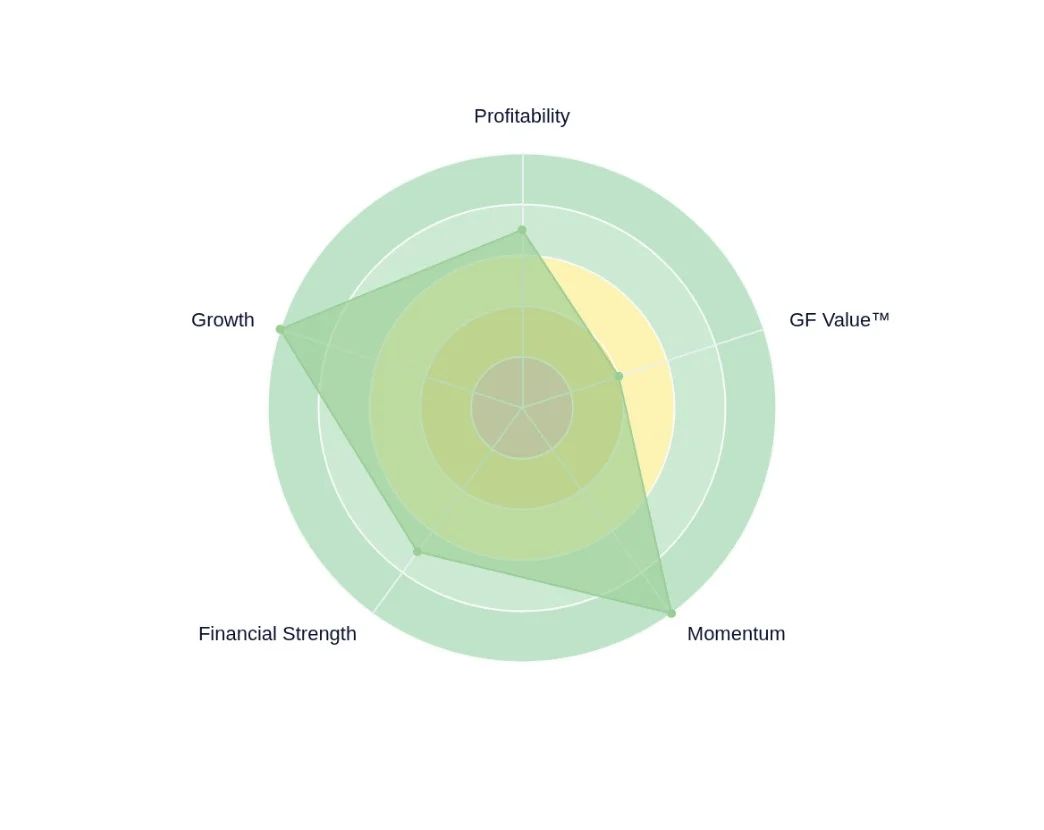
BNP analyst Stefan Slowinski reiterated an Outperform rating and raised his price target to $160 from $140, arguing organic subscription growth holds near 19% through the end of fiscal 2026 and that AI revenue reaches roughly 9% of annual recurring revenue by year-end, according to GuruFocus. He compared the setup to Atlassian’s recent re-rating.
The underlying evidence came from customer and partner conversations at ServiceNow’s World Forum in London. One partner, Slowinski wrote, was saving “30-40% on its IT help desk by using ServiceNOW, allowing it to cut its spending with a BPO supplier.” Partners were hiring aggressively in their ServiceNow practices. One large partner said ServiceNow had become its fourth-largest US practice, behind Microsoft, SAP and Oracle, per Seeking Alpha.
Read that carefully. The 30-40% figure is a single partner’s self-report, relayed second-hand by an analyst, with no baseline disclosed: no headcount, no ticket volume, no statement of whether the saving is gross IT cost or the narrower line item of outsourced BPO spend. It is plausible. It is also not independent testing.
A second analyst team, UBS, spoke to ServiceNow partners too and reached a more guarded read: interest in AI products including AI Control Tower is increasing, but “the impact on actual spending remains limited so far.” UBS lifted its target to $150 from $110 and kept a neutral rating, Yahoo Finance reported. Same method, same quarter, opposite emphasis. Neither note substitutes for a proof of concept on your own data.
How The Platform Is Actually Used

The functions BNP lists are concrete and testable: auto-assigning work, deflecting cases before they reach a human, and rewriting knowledge articles so AI systems can consume them. Inside an IT help desk those translate into hard numbers: tickets deflected per month, mean time to resolution, percentage of article content reused by an assistant.
That is where buyers should aim scrutiny. Ask for a deflection rate on your own ticket taxonomy, not a vendor benchmark. Ask whether auto-assignment changes routing only or actually resolves the case. ServiceNow reports third-quarter results on Wednesday, 28 October, and the stock had gained roughly 6% this year while sitting about 1% lower on the Monday before publication, so the market is not yet pricing the acceleration BNP predicts.
How To Use It Without Overpaying
The April price changes moved customers into Foundation, Advanced and Prime tiers, with AI now included in each. BNP quotes a partner saying there is “no reason not to try it” as a result.
That is bundling logic, not a discount. The tier is the price. The source material does not disclose what any of the three tiers costs, so the honest position for a buyer is to get the delta between your current contract and the tier containing the ServiceNow AI you actually need, in writing, before agreeing to a pilot. Bundled AI is not free AI; it is AI priced into a subscription you can no longer unbundle.
The Costs And Risks The Analyst Notes Skim
Control Tower, the product for overseeing AI agents and their activity, drew high interest but adoption “remained at an early stage,” by BNP’s own account. UBS repeated the point. Governance tooling for AI agents is being sold ahead of the agents it governs. A buyer paying for capacity that cannot yet be used is absorbing roadmap risk.
Growth is also coming mainly from renewals, expansion inside existing accounts, upgrades to premium tiers and usage-based pricing, not from new customers, according to UBS. That is a fine model. It does mean the platform’s reach is not widening as fast as the headline suggests.
Third, the demand picture is geographically narrow. The World Forum was in London, the quoted partner was describing its US practice, and the US federal government is named as a catalyst. Nothing in these notes addresses African deployments, local-currency pricing, data residency or connectivity constraints. For a Nairobi or Lagos enterprise, a US-dollar annual contract on a depreciating local currency is a materially different purchase than it is for a Chicago insurer. The BNP note should not be read as a buying signal in markets the research never covered.
Pros And Cons Of The Current Pitch
Pros: the ServiceNow AI claims about deflection and auto-assignment are specific and measurable; AI now sits in every tier, which lowers the entry decision; renewal-driven growth shows existing customers are renewing and expanding; and security plus governance could add a second engine, with BNP expecting security to approach 10% of revenue in 2027.
Cons: the marquee savings figure is one unverified partner anecdote; measured impact on spending is, by UBS’s read, still limited; Control Tower adoption is early; tier pricing is absent from the source material; and the research base excludes African market conditions entirely.
Alternatives
For mid-market buyers who need ticket deflection rather than a single platform across IT, HR and security, the relevant comparison is to narrower ITSM and help-desk tools, or to the BPO arrangement that partner reduced rather than eliminated. ServiceNow’s pitch is consolidation. If your operation is one help desk and 40 agents, consolidation is not your problem.
Who Should Use It, And Who Should Walk Away
Large enterprises already running ServiceNow, with existing contracts and a defined help desk, should test the ServiceNow AI features as a renewal lever, with deflection rates written into the pilot agreement and a baseline captured before anything is switched on. Organisations evaluating their first workflow platform should start smaller. African buyers without a local reference customer should treat the ServiceNow AI demand story as a vendor-side narrative until they hold their own numbers.
The 28 October earnings call will produce real figures on subscription growth and AI revenue. Until then, the strongest public evidence is one partner’s 30-40% claim. That is a claim, not a test.
Frequently Asked Questions
What does ServiceNow actually do with AI today?
According to BNP Paribas’ partner conversations, the proven uses are auto-assigning work, deflecting cases before they reach a human, and rewriting knowledge articles so AI systems can consume them. A separate product, AI Control Tower, helps companies oversee AI agents, but both BNP and UBS describe its adoption as early stage.
Is ServiceNow AI included in the subscription price?
Following April price changes, customers moved to Foundation, Advanced and Prime tiers with AI included in each. That is bundling, not a discount: the cost is carried in the tier price, and the source material does not disclose what any tier costs.
How reliable is the 30-40% help desk saving figure?
It is one partner’s self-report, relayed second-hand by BNP analyst Stefan Slowinski, with no disclosed baseline, ticket volume, headcount or definition of which costs were cut. It is plausible but not independently verified, and UBS’s separate partner checks found AI spending impact still limited.
FIRST TIME REACTIONS:
Be the first to leave us a comment – ServiceNow AI Review: What BNP’s Demand Call Misses, down the comment section.
JOIN US ON OUR SOCIAL MEDIA:

About Xavier Catherine
Xavier Catherine is the Technology Lead at AfriLatest. With a background in computer science and a focus on innovation, he oversees the platform's technology infrastructure. Xavier also contributes reporting on AI, gadgets, and cybersecurity, ensuring AfriLatest remains secure, reliable, and user-friendly.
View all articles by Xavier CatherinePhone Reviews
Claude Duet Review: What Anthropic’s Agent Actually Changes
Claude Duet is Anthropic’s proactive agent, live in a US-only research preview. What it changes for users, what it costs, and how it stacks up to Muse and Dots.

Claude Duet is Anthropic’s always-on personal agent: a standalone app for iOS, Android and the web that messages you before you message it, works inside your connected apps, and keeps running after you close it.
That is the product in one line. Everything else in the launch material is a claim, and the gap between the two is where a buyer should look. Anthropic announced Claude Duet in late October 2026 as a research preview with a waitlist, restricted to Claude Pro and Max subscribers in the United States. Reporters covering the launch did not even agree on whether the announcement landed on a Tuesday or a Wednesday, which is a small reminder that basic facts are worth checking against Shattered and Business Insider rather than a single post.
The useful question is not whether Anthropic has an agent. It does, and it is the third major US lab to ship a consumer-facing one. The question is what the agent demonstrably changes for a person using it, and what it quietly takes away.

What Claude Duet Actually Does, Per Anthropic’s Own Wording
Anthropic’s product description is unusually specific about behaviour, and specific claims can be tested. The agent surfaces what it judges needs attention, completes tasks a user asks for, continues working on a cloud-based computer while the user is away from the device, and asks before acting.
The approval gate covers four categories: sending a message on the user’s behalf, making a payment, signing a document, and deleting anything. That is a narrow bright line, and it is the most concrete design decision in the whole launch. Lower-stakes work, meaning research, drafting, monitoring and the morning brief across connected apps, runs without a checkpoint.
Anthropic also stated that the preview “can still misjudge what’s urgent.” That admission matters more than any benchmark slide. A triage agent that pings you about the wrong thing has failed at its core job, and no published figure exists for how often that happens.
Memory, skills and connected apps carry over from the existing Claude account, so there is little setup. That continuity is a switching-cost argument dressed as a convenience feature: the more a user has taught Claude, the more expensive it becomes to leave.
Persistence, not conversation, is the actual change. A user who closes the app and returns to find work done has experienced something a chatbot cannot deliver. A user who receives a tidy morning brief has experienced a notification. The two get marketed together. Only the first is new.
What Has Not Been Published
No standalone price. No figure for how much of a plan’s usage allowance a typical session burns, though Anthropic confirms background agent activity counts against existing limits. No task success rates. No confirmation of what happens to access when the preview ends. And no third-party integration count, unlike OpenAI’s Dots, which launched wired into a reported 4,000-plus applications.
Claude Duet Ships Into A Very Narrow Door
Access is the constraint that shapes everything. Pro and Max subscribers in the US, by waitlist, with no Team or Enterprise tier.
That last exclusion is odd given the demo tasks: finding unpaid invoices and drafting reminders, preparing payroll data for a manager’s review, getting contracts ready to send out. Those are small business operations, not personal inbox hobbies. A Lagos consultancy chasing receivables is exactly the user the described features serve, and exactly the user the rollout excludes. No US subscription, no waitlist entry, no agent.
For Nigerian and other non-US users, the practical position today is unchanged. Claude remains a chat and coding assistant billed in dollars on Pro and Max tiers, with no agent layer attached. Anything promising local access to the preview should be treated as unverified until Anthropic says otherwise.
The “no new bill” framing also deserves scrutiny. Access is bundled into existing subscriptions, so there is no new line item, but background agent work draws on the same quota a subscriber would otherwise spend on conversation. Anthropic has not said how much. Heavy users may find the real cost is not money but a plan that runs dry faster.
How Claude Duet Compares With Muse And Dots
Meta shipped Muse on 8 September 2026, pushed it toward smart glasses at Meta Connect, and released Muse Wonder and Muse Wonder Full in October. Apptopia estimated more than 14 million Muse installations by launch week. OpenAI unveiled Dots at DevDay with a persistent cloud computer and a large integration catalogue.
Anthropic arrives last, with the smallest footprint and the most conservative guardrails. It also arrives with one genuine differentiator: Opus 5.5, the model it built the agent around, which Tech Insider reported hit 65.15% on Terminal-Bench 4.0. Spending a flagship reasoning model on background triage is expensive, and it signals Anthropic treats “what needs you” as a reasoning problem rather than a scheduling filter.
Skepticism is warranted elsewhere. That Duet’s product lead, Karan Ahuja, used Duet to build Duet is an anecdote from the person with the strongest incentive to praise it. Meta’s Alexandr Wang answered with a meme about the resemblance to Muse, which is evidence of a rivalry, not of a product. And Anthropic’s reported path toward an IPO at a valuation of up to $2 trillion says nothing about whether the agent works.
Who Should Use Claude Duet, And Who Shouldn’t
US-based Pro and Max subscribers with judgement-heavy administrative work, meaning invoices, scheduling, drafting and inbox monitoring, should join the waitlist. The downside is limited: no new bill, an approval gate on the four riskiest actions, and a preview label that sets expectations honestly.
Everyone else should plan around tools they can actually install. Teams and businesses on Claude should assume no access until the preview is extended. Users outside the US should not rebuild workflows around a waitlist they cannot join, and Nigerian SMEs weighing agents should compare Dots’ and Muse’s broader integration coverage against Claude Duet’s narrower, more cautious design before paying for any tier.
The verdict is narrow because the product is. Claude Duet changes one thing that can be verified, namely that work continues while the app is closed, and asks to be trusted on a dozen others. Judge it on the first, and ignore the valuation headlines until someone publishes a number that a user can check.
Frequently Asked Questions
Is Claude Duet available in Nigeria?
No. Anthropic has restricted the research preview to Claude Pro and Max subscribers in the United States, accessed through a waitlist. Team and Enterprise plans are also excluded for now, and Anthropic has said it plans to broaden availability later without giving a date.
How much does Claude Duet cost?
Anthropic has not published a standalone price. Access is bundled into existing Claude Pro and Max subscriptions, but background agent activity counts against the usage limits tied to that plan. Anthropic has not disclosed how much of an allowance a typical session consumes.
What is the difference between Claude Duet and Meta Muse or OpenAI Dots?
All three are persistent agents that work outside a chat window. Muse leans on Meta’s distribution and passed an estimated 14 million installations by launch week. Dots launched with a persistent cloud computer and a reported 4,000-plus connected apps. Claude Duet arrives last and smallest, but with a narrower approval gate on messaging, payments, signatures and deletions, and a flagship Opus 5.5 model behind its triage decisions.
FIRST TIME REACTIONS:
Be the first to leave us a comment – Claude Duet Review: What Anthropic’s Agent Actually Changes, down the comment section.
JOIN US ON OUR SOCIAL MEDIA:
About Xavier Catherine
Xavier Catherine is the Technology Lead at AfriLatest. With a background in computer science and a focus on innovation, he oversees the platform's technology infrastructure. Xavier also contributes reporting on AI, gadgets, and cybersecurity, ensuring AfriLatest remains secure, reliable, and user-friendly.
View all articles by Xavier Catherine-

 Car Reviews3 weeks ago
1955 Chevy Bel Air Restomod: What SEMA Really Proves
-
Celebrities4 weeks ago
Celebrity Traitors Final Predictions: Ex-Players On Tactics
-
Celebrities3 weeks ago
Hailey Bieber PMDD Diagnosis Followed Son Jack’s Birth
-
Nigeria News3 weeks ago
NAJA Names Weststar Chairman Auto Legend For 2026
-
World News3 weeks ago
Céline Dion Air Bass At Metallica’s Sphere: What’s Confirmed
-
Health and Fitness4 weeks ago
Dylan Dreyer Hair Part Change: What’s Real And What’s Hype