World News
U.S. Air Force Pushes Into Orbit And Drones: Nigeria’s Stake
The U.S. Air Force is moving into orbit and cheap uncrewed mass. Hormuz tolls, drone prices and fuel costs tie it directly to Nigeria.


The United States has confirmed for the first time that it has an offensive weapon in orbit, a disclosure that measures how far the U.S. Air Force and its space-faring sibling have travelled from the service that was once the Pentagon’s newest branch.
The Nigerian stake is practical, not theoretical. The same defence apparatus writing doctrine for orbital conflict also sets the terms for armed drone exports, and the Iran war that preceded this admission has already lifted fuel prices worldwide — a cost that reaches Nigerian pump prices, haulage rates and food bills.
What Washington Confirmed, And What It Did Not
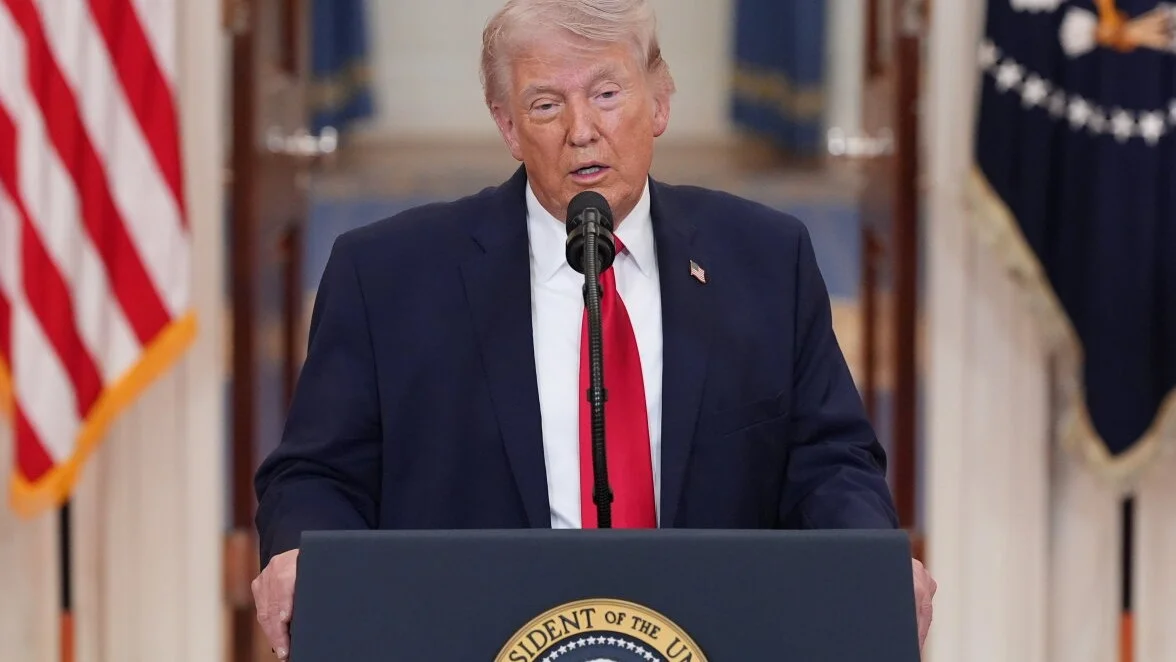
US Secretary of the Air Force Troy Meink said the “on orbit” weapon was necessary to safeguard US forces against hostile enemy action. Speaking at the Air, Space and Cyber Conference on Monday, Meink said Washington was ready for “evolving threats” but did not elaborate on the weapon’s capabilities or when it was put into orbit, the BBC reported.
A US Space Force spokesperson described the wider mission in language broad enough to cover almost any system: “Space control encapsulates the mission areas required to contest and control the space domain — employing kinetic and non-kinetic means to affect adversary capabilities through disruption, degradation and even destruction, if necessary.”
China’s foreign ministry warned against an arms race in space. “We urge the US side to stop expanding its military capabilities and preparing for war in outer space,” a spokesman said, according to AFP.
Independent assessment of the hardware remains thin. Dr Bleddyn Bowen of the Royal United Services Institute told the BBC that “precious little” is publicly known, and that the system could be electronic warfare or radio jamming, or a kinetic kill vehicle meant to ram a satellite — the latter less likely because of the debris it would create. That is the line between confirmed fact and informed guess, and it should be held firmly.
The legal backdrop is older than the technology. A 1967 treaty banned weapons of mass destruction in orbit; the US, Russia and China have since explored capabilities outside that treaty, including satellite targeting. In early February it emerged that two Russian satellites had likely intercepted the communications of at least a dozen European satellites since 2022.
Why The U.S. Air Force Orbit Shift Matters In Abuja
The Space Force is the first new branch of the US military in more than 70 years, launched in 2019 — which means the U.S. Air Force carried the “newest service” title for seven decades. Washington is now rebuilding institutions around domains rather than around history, and the same logic is being applied to the Gulf.
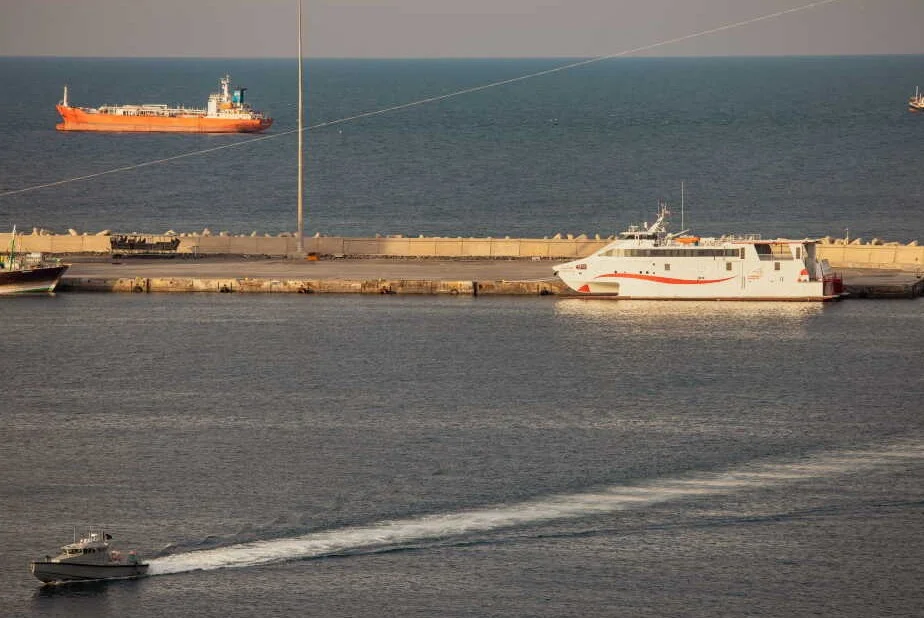
That is where Nigerian exposure begins. NPR reported that Iran retains control of the Strait of Hormuz under the ceasefire brokered by Pakistan, having charged tolls of up to $2 million on some tankers, refused most and allowed only “friendly” shipping through. About 2,000 vessels were waiting to transit, and the closure has pushed gas prices higher across the world.
The picture is contested at the edges. Iranian state media said the strait was being closed again in response to Israeli attacks on Lebanon; the White House called the reports false and pointed to an uptick in traffic on Wednesday. Both claims sit in the public record. Neither is independently settled.
Nigeria sits on both sides of the oil ledger. Higher crude benchmarks lift export receipts and federation revenue, while petrol prices, still substantially tied to imported refined product, absorb the same shock at the pump. Add freight and diesel, and a waterway in the Gulf becomes a household question in Kano and Port Harcourt.
What The U.S. Air Force Now Wants From Uncrewed Airpower
The larger shift may be in the air rather than above it. The U.S. Air Force is reworking requirements for its next generation of uncrewed systems, according to an official service release, with emphasis on flexibility, affordability and rapid production scaling through a partnership with the Defense Innovation Unit. The work will inform the future of the MQ-9 Reaper fleet.
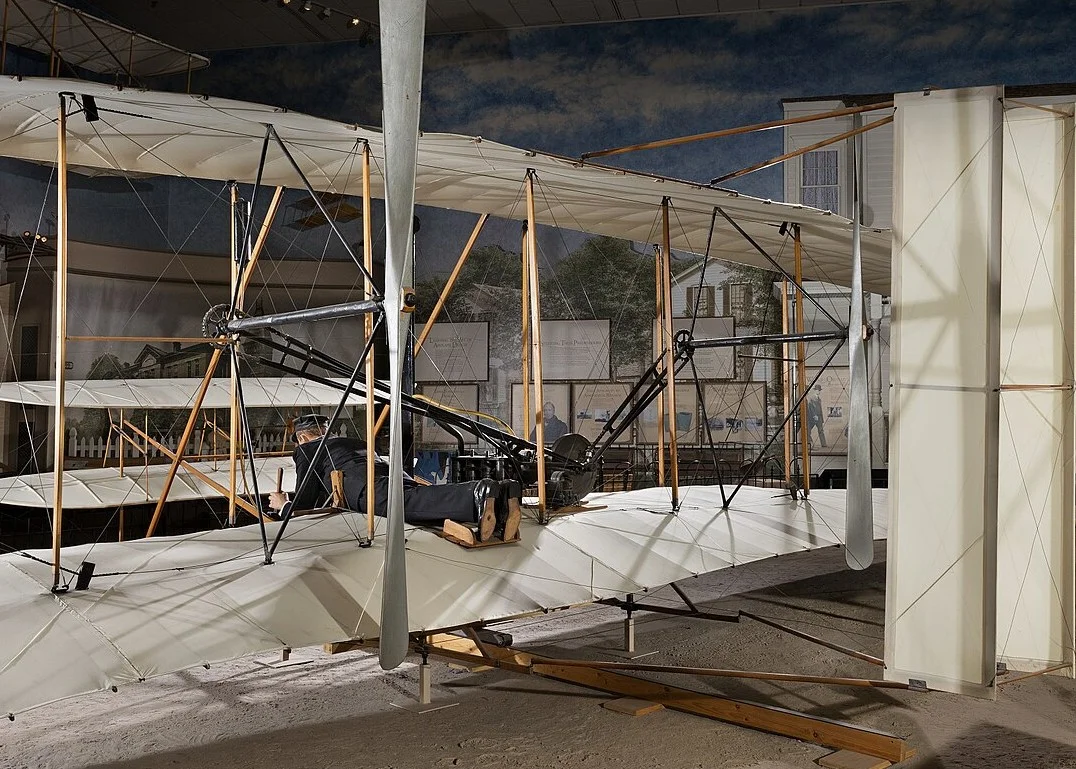
Lt. Gen. Chris Niemi framed the rationale plainly: “Future conflicts will demand greater mass, faster adaptation and the ability to absorb operational losses while continuing to generate combat effects.”
That is a doctrine of attrition and cost, not of showcase platforms. For air forces running long counter-insurgency campaigns on fixed budgets, the arithmetic of cost per flight hour is the entire argument. Whether Nigeria’s own procurement follows that logic is a policy choice still to be made, not a forecast.
A Promotion Fix That Reveals A Manning Problem
The third signal is administrative and easy to miss. Chief Master Sgt. of the Air Force David R. Wolfe said 59 Senior Master Sergeants selected for Chief Master Sergeant declined promotion over four years — allocations that previously went unfilled for the cycle. A memorandum signed on 13 October by Richard L. Anderson, Assistant Secretary of the Air Force for Manpower and Reserve Affairs, authorised a Supplemental Order of Merit Listing so a declined allocation can pass to the next qualified airman on the board’s order of merit.
The service is explicit that placement on that list “does not constitute selection for promotion and creates no entitlement to promotion”. The authority covers the 26E9 cycle only and expires with it or with a rewrite of the promotions instruction. In the 25E9 cycle, 640 of 2,445 eligible Senior Master Sergeants were selected — a 26.18 percent rate, per the Air Force release.
What To Watch
Watch the Hormuz tolls first, because a passage fee that survives a ceasefire becomes a standing tax on every barrel leaving the Gulf. Watch whether Washington publishes anything verifiable about the orbital weapon beyond a mission statement broad enough to mean anything at all. And watch the U.S. Air Force’s uncrewed requirements, because the price, production model and export posture it settles on will shape what smaller air forces — Nigeria’s included — are offered, and can afford, in the next decade.
Frequently Asked Questions
Did the US confirm it has a weapon in space?
Yes. Secretary of the Air Force Troy Meink said an “on orbit” weapon was deployed to safeguard US forces, but officials did not disclose its capabilities or the date it reached orbit. A Space Force spokesperson described space control as using kinetic and non-kinetic means for disruption, degradation or destruction if necessary.
Why does the Strait of Hormuz matter to Nigerian fuel prices?
NPR reported that Iran retains control of the strait under the ceasefire, has charged tolls of up to $2 million on some tankers and has refused most shipping. The closure has raised gas prices worldwide. Nigeria sells crude but still prices much of its petrol off imported refined product, so higher benchmarks cut both ways for government revenue and for consumers.
What is the U.S. Air Force changing about uncrewed aircraft?
It is rewriting requirements for future uncrewed systems around flexibility, affordability and rapid production scaling, working with the Defense Innovation Unit. The findings will inform the future of the MQ-9 Reaper fleet, with Lt. Gen. Chris Niemi arguing future conflicts will demand greater mass and tolerance for operational losses.
 Follow AFRILATEST on Google News
FIRST TIME REACTIONS:
Be the first to leave us a comment – U.S. Air Force Pushes Into Orbit And Drones: Nigeria’s Stake, down the comment section.
JOIN US ON OUR SOCIAL MEDIA:

About Clare Dominic
Clare Dominic is the Editor at AfriLatest. With a background in journalism and a passion for storytelling, she oversees the editorial process to ensure content is accurate, engaging, and relevant. Clare works closely with contributors to maintain the highest standards of journalistic integrity across all news, sports, and lifestyle coverage.
View all articles by Clare Dominic

International News
Amtrak USA Rail Pass: 4 Purchases, What $499 Really Buys
A claimed four-time Amtrak USA Rail Pass buyer, checked against verified rules: 10 coach segments, 30 days, $499, and what the fare actually covers.

Amtrak sells the USA Rail Pass for $499: ten coach segments, 30 days, more than 500 destinations. Those are terms of sale, published by the railroad and repeated in every traveler account reviewed here. Almost everything else circulating about the pass is testimony, and testimony varies by rider.
That distinction matters for the claim behind this piece, four separate purchases of the pass. No published first-person account reviewed here documents four. One traveler writing for Business Insider states she has bought it three times. Another, published through Yahoo, describes buying it once and covering 11 states in a single month. The four-purchase figure is unverified. The pass rules are not.
What The USA Rail Pass Costs Per Segment, By The Numbers
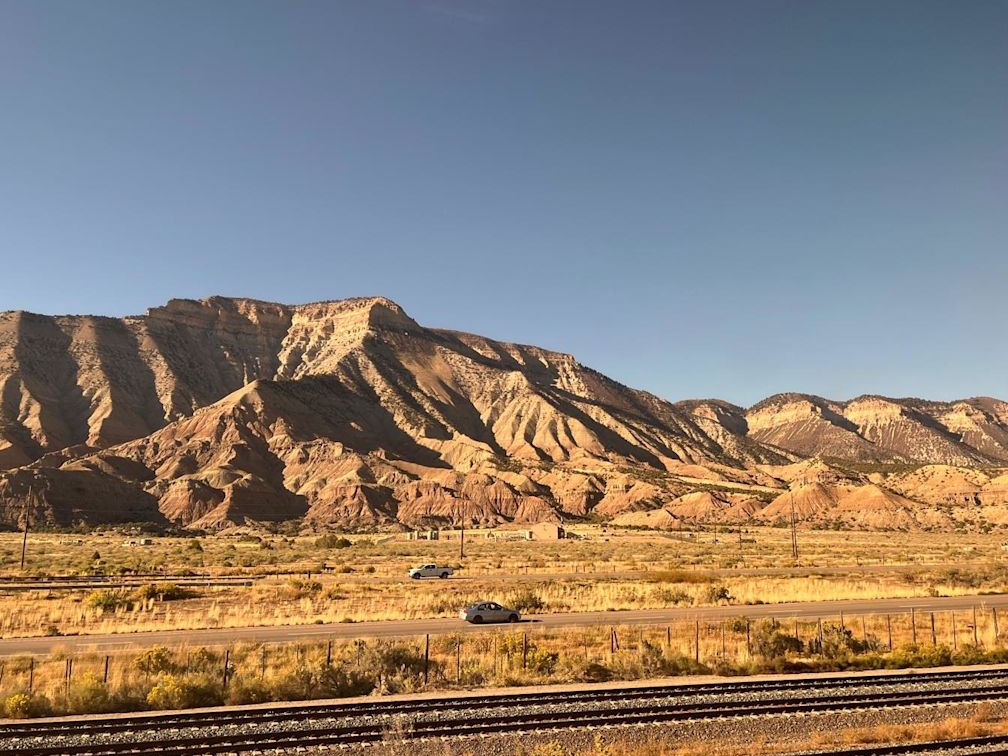
$499 divided by ten segments works out to under $50 a ride. A segment is one boarding and one disembarkation, whatever the distance. A New York-to-Philadelphia hop and a two-night Chicago-to-Los Angeles run consume the same segment. Transfers count as two, so the most direct routing stretches the pass furthest.
The comparison that decides value is the cash fare. Business Insider reports that a long-haul round trip such as Washington to New Orleans can exceed $500 on its own, the full price of the pass. CN Traveler notes the pass is sometimes discounted during sales and that high-speed Acela service is excluded from it.
Availability is the constraint the pitch usually skips. Some long-distance routes run only a few times a week, and summer reservations fill early. A USA Rail Pass holder who cannot get a seat owns ten segments on paper and a scheduling problem in practice.
Coach-Only Terms Riders Keep Discovering Mid-Trip
The pass is coach class, full stop. No sleeper upgrade exists at any price on any segment. Coach seats measure roughly 23 inches across, recline, and offer legroom; they do not lie flat. The Belgian traveler profiled by People found them comfortable enough for overnight travel but reported back pain after several consecutive nights.
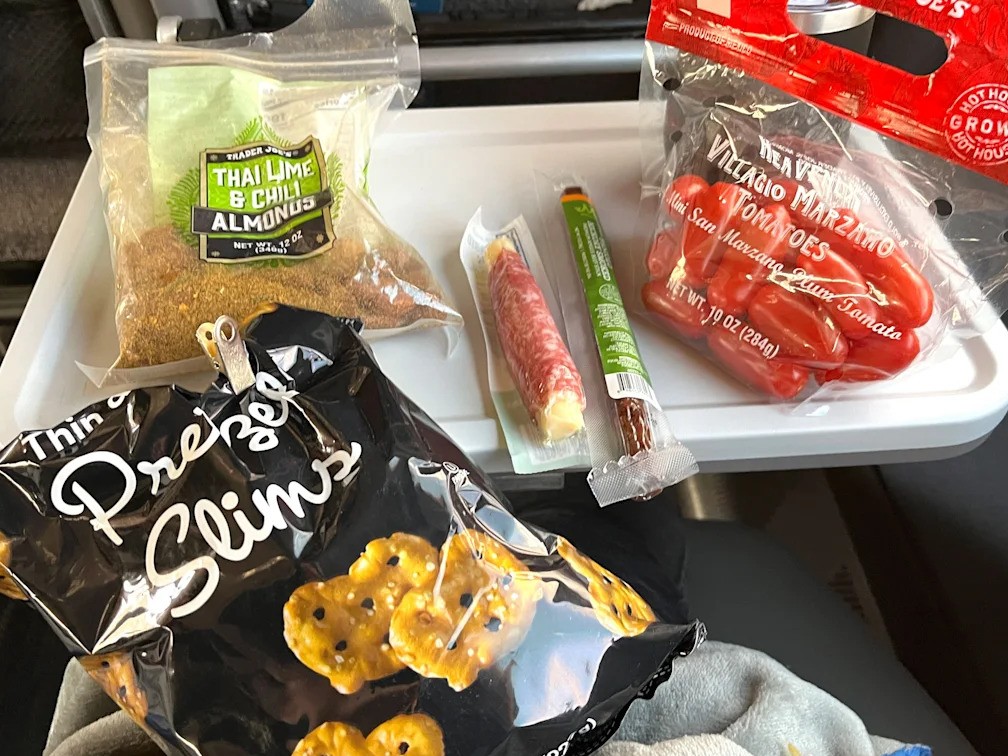
Dining-car meals are included for roomette and sleeper passengers, not for pass holders. Coach riders can request a dining reservation if space allows, first come, first served. The café car sells coffee, snacks, sodas, salads and reheated items such as breakfast sandwiches. Crews will not refrigerate or reheat passenger food, though the Yahoo-published account reports hot water is sometimes available on request.
Wi-Fi is unreliable on long-distance routes and no paid upgrade is offered. Two carry-ons and a personal item are permitted per passenger, the same allowance as any ticket class. Certain trains carry a Sightseer Lounge with large windows, which riders consistently name as the best seat on board and which requires no reservation.
How Documented Riders Actually Spent Their Segments
The three-pass rider at Business Insider describes desert stretches around Albuquerque, the approach into Colorado, and the Coast Starlight running the Pacific Northwest. The Yahoo-published account recommends booking long hauls over short regional hops and building hotel breaks between overnight legs rather than stacking them back to back.
CN Traveler’s correspondent crossed the country three times in 30 days aboard the Coast Starlight, California Zephyr and Sunset Limited, and logged a five-hour delay caused by a freight derailment plus a collision with a 14-foot alligator outside New Orleans. Those two incidents belong to that writer’s reporting, not to railroad statistics.
People’s subject, 25-year-old Luna Buttiens, planned her itinerary two days before departure and reached nine cities, among them Miami, Washington, Chicago, Denver, San Francisco, Los Angeles, San Diego and New Orleans.
What The USA Rail Pass Means For The Ledger, Not The Brochure
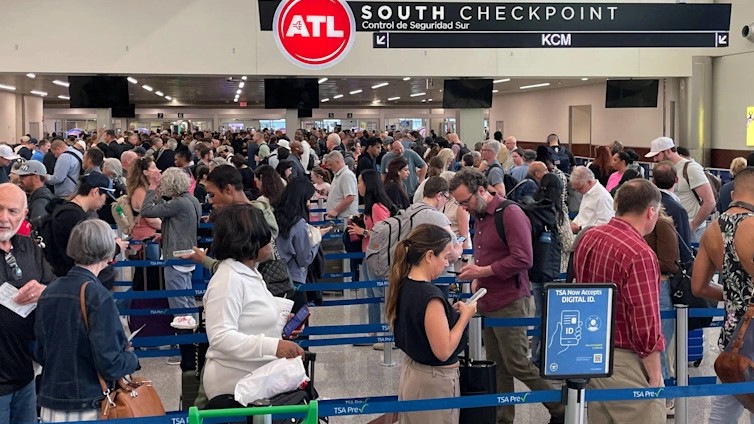
Judge the pass the way a standings table judges a team: by results that can be checked. Ten segments for $499. Coach only. 30 days from first boarding. No Acela. No sleeper. No included dining-car meals. A traveler who books long hauls on direct routes clears $50 a ride without effort. A traveler who books short hops and buys café car food does not, and the arithmetic turns against the ticket.
The one number in this story no source confirms is the four-purchase claim. Three purchases are documented. Ten segments are contractual. The distance between those two categories is exactly where travel advice stops being fact and starts being preference.
Frequently Asked Questions
How many segments does the Amtrak USA Rail Pass include?
Ten segments of coach-class travel within 30 days of the first ride, for $499, valid to more than 500 destinations. Each boarding counts as one segment regardless of distance, and a transfer counts as two.
Can you upgrade to a sleeper car with the USA Rail Pass?
No. Pass holders are placed in coach for every segment with no sleeper upgrade option, which also means dining-car meals are not included. Coach seats are about 23 inches wide, recline, and do not lie flat.
Is the Amtrak USA Rail Pass a good deal?
It depends on routing. Business Insider reports a single long-haul round trip such as Washington to New Orleans can cost more than $500, matching the full pass price. Travelers who book long, direct routes get the most value; short hops and paid café car food erode it.
Receive alerts for USA Rail Pass and more like it.
FIRST TIME REACTIONS:
Be the first to leave us a comment – Amtrak USA Rail Pass: 4 Purchases, What $499 Really Buys, down the comment section.
JOIN US ON OUR SOCIAL MEDIA:
About Clare Dominic
Clare Dominic is the Editor at AfriLatest. With a background in journalism and a passion for storytelling, she oversees the editorial process to ensure content is accurate, engaging, and relevant. Clare works closely with contributors to maintain the highest standards of journalistic integrity across all news, sports, and lifestyle coverage.
View all articles by Clare DominicFootball
Melo Calls Out Humphrey: Baltimore Remark Timeline And Fallout
Melo calls out Humphrey over his ‘best at making criminals’ Baltimore line, as the mayor demands more than an apology and the Ravens bench him.

Baltimore Ravens cornerback Marlon Humphrey will miss Sunday’s game against the Carolina Panthers after saying on his own podcast that Baltimore is “best at making criminals” — a remark that drew a direct public challenge on Friday from Basketball Hall of Famer Carmelo Anthony, who moved to West Baltimore at the age of eight.
The useful part of this story is not the football. It is the sequence. A player spoke on Wednesday, apologized the same day, was sent home from the team facility on Thursday, and was answered by a Hall of Famer and a mayor by Friday. Every link in that chain is dated and attributable, which makes it a working case study in how fast a casual line about a community becomes a team problem, a political problem and a commercial one. Nigerians in the diaspora know the underlying dynamic — a place and a people reduced to a single headline, usually by someone holding a microphone and an audience.
From Podcast Line To One-Game Ban: The Confirmed Timeline

Humphrey made the remark on an episode of “The Marlon Humphrey Show” released on Wednesday. Asked what Baltimore is best at making, he named “The Star-Spangled Banner” and National Bohemian beer, then answered: “They’re best at making criminals.” According to ESPN, he also joked that the line would be cut in editing. It was not. The episode has since been deleted from his YouTube page.
After Wednesday’s practice, Humphrey apologised to reporters. “I do know the effect that words have,” he said. “I’d just like to apologize for those comments.” He stressed his ties to the city: “I’ve been here my whole career. I’ve spent lots of offseasons here, welcomed a son here. I’m an investor in the city, investor in various parts of the state.”
The team’s response came on Thursday. Coach Jesse Minter said Humphrey had been sent home from the facility and would be inactive for one game only, a decision Minter attributed to himself and “the leadership of the organization.” “He’s very remorseful,” Minter said. “I think he understands that words mean a lot, especially to people in this city.”
Humphrey, a four-time Pro Bowl selection, is in his 10th season with Baltimore — the only franchise he has played for. He has recorded 40 tackles and nine passes defended in 10 games this season.
Why Melo Calls Out Humphrey Over A City That Raised Him
Anthony’s rebuttal ran to a long Instagram post on Friday. Reports differ on its format — USA Today describes a six-page Instagram gallery, while the New York Post calls it an Instagram Story — but the quoted text is consistent across ESPN, The Banner and USA Today. That agreement matters, because the primary document is a social media post rather than a press conference or a filed statement.
The Banner quoted him writing: “You don’t get to rep Baltimore on Sundays and talk about it like an outsider on Wednesday.” The post rejects the apology as an endpoint rather than a first step. “I’ve been sitting with this one for a couple of days, because Baltimore isn’t a talking point to me. It’s my blood,” Anthony wrote. “I lost friends to the streets, and I watched people I loved get swallowed by a system that was built to swallow them.”
He then addressed Humphrey by name. “Marlon, I see the apology. I’ll take it, man to man. But Baltimore has been apologized to its whole life. Apologies don’t build anything. Presence does.” He ended: “Baltimore doesn’t make criminals. Baltimore makes the ones who make it out. And the ones who come back.”
Anthony, a 10-time All-Star across 19 NBA seasons who attended Towson Catholic before a Hall of Fame career, remains involved in the city through programming including the Sanctuary Collective. In the same post he named boxer Gervonta “Tank” Davis as another product of Baltimore, according to USA Today.
This is the context in which Melo calls out Humphrey: not a free-speech argument, but a claim about who is entitled to carry a city’s name. Anthony accepted the apology and still disputed the framing. Those are two separate acts, and most of the reaction to this story has collapsed them into one.
What Mayor Brandon Scott Wants That An Apology Cannot Deliver
Baltimore Mayor Brandon Scott said on Wednesday that a “verbal apology is not enough,” describing the remark as especially damaging in “a city full of young Black boys who look to the Ravens as a beacon of light in their lives.” He invited Humphrey to sit down with him and residents “who have re-entered into our community and are now preventing others from making the mistakes they made.”
On Thursday, Scott indicated he had been in touch with the cornerback. He did not disclose what was discussed or whether a meeting had been agreed. Anthony backed the invitation and offered to attend: “The Mayor opened a door. Walk through it. And when you do, call me. I’ll meet you there.”
Reaction inside the locker room was not silence. Veteran defensive tackle Calais Campbell told reporters: “I think he was trying to say it in a joking manner. But it’s not a joking matter. That’s not cool. I think he knows that.”
What falls under confirmed fact and what does not is worth separating. Confirmed: the podcast line, the apology, the deleted episode, the one-game deactivation, the mayor’s statement and Anthony’s post. Not confirmed: whether Humphrey has accepted the mayor’s invitation, whether the Ravens will attach anything to the ban beyond Sunday, and whether the club has spoken to the community figures Scott named.
What To Watch
Minter said Humphrey is expected to rejoin the team on Monday in Owings Mills, which frames the deactivation as a one-game measure rather than a change of policy. Whether the meeting Scott proposed actually happens — and whether Anthony is in the room — is the only test that separates this from the apologies Anthony argued the city has heard all its life.
For Nigerian followers of the league, and for diaspora communities that live with compressed descriptions of where they come from, the point of tracking how Melo calls out Humphrey is not the feud. It is whether a documented backlash produces something durable after the news cycle moves on.
Frequently Asked Questions
What did Marlon Humphrey actually say about Baltimore?
On an episode of his podcast released on Wednesday, asked what Baltimore is best at making, Humphrey named ‘The Star-Spangled Banner’ and National Bohemian beer before saying the city is ‘best at making criminals.’ He also joked the line would be cut in editing. The episode has since been deleted from his YouTube page.
Did the Ravens suspend Marlon Humphrey?
The Ravens sent him home from the team facility on Thursday and made him inactive for one game, Sunday’s fixture against the Carolina Panthers. Coach Jesse Minter said the decision was his and the organisation’s leadership, that the measure covers one game only, and that Humphrey was expected back on Monday.
What did Carmelo Anthony say in response?
Anthony, who moved to West Baltimore at age eight, said he accepted Humphrey’s apology ‘man to man’ but argued that ‘apologies don’t build anything. Presence does.’ He urged Humphrey to accept Mayor Brandon Scott’s invitation to meet Baltimore residents and offered to attend the meeting himself.
FIRST TIME REACTIONS:
Be the first to leave us a comment – Melo Calls Out Humphrey: Baltimore Remark Timeline And Fallout, down the comment section.
JOIN US ON OUR SOCIAL MEDIA:
About Clare Dominic
Clare Dominic is the Editor at AfriLatest. With a background in journalism and a passion for storytelling, she oversees the editorial process to ensure content is accurate, engaging, and relevant. Clare works closely with contributors to maintain the highest standards of journalistic integrity across all news, sports, and lifestyle coverage.
View all articles by Clare DominicWorld News
Crimean Bridge Strikes: Why Zelensky’s ‘Fair Response’ Matters
Zelensky defends Crimean Bridge strikes as a ‘fair response’ to 109 Russian attacks, and explains why the escalation reaches Nigerian fuel and food prices.

Volodymyr Zelensky’s most consequential decision this week was not the order to hit the Crimean Bridge. It was the choice to defend the operation publicly, repeatedly, and in interviews aimed at Western audiences, as a rule-bound act of reciprocity. That framing is what turns one military operation into a doctrine, and doctrines travel far beyond the water they were written on.
Nigerian readers have a direct stake in where that doctrine lands. Within hours of the strikes, Vladimir Putin said the attacks had foreclosed any agreement on halting strikes at sea and on energy facilities, the one partial truce that would have eased freight, insurance and fuel costs for import-dependent economies like Nigeria. That is the concrete consequence buried under the bridge footage.
Why Zelensky Calls The Crimean Bridge Strikes A Fair Response
Speaking to the BBC in Kyiv, Zelensky said the intensified Russian bombardment that followed the operation was “only a signal that Vladimir Putin does not want to stop. He wants a reason to escalate.” He put the number of Russian attacks on Ukrainian bridges at 109 and concluded: “That’s why it’s an absolutely fair response.”
He also attacked the factual basis of Moscow’s position. Putin has described the 19-kilometre crossing, opened in 2018 after Russia’s 2014 annexation of Crimea, as “exclusively civilian” in use. Zelensky rejected that flatly: “There are facts, not just the words of Putin. We can see.” He pointed to publicly circulating video of Russian tanks, armoured vehicles and artillery moving across the span. “It’s not secret. It’s not from intelligence. It’s from ordinary people,” he said.
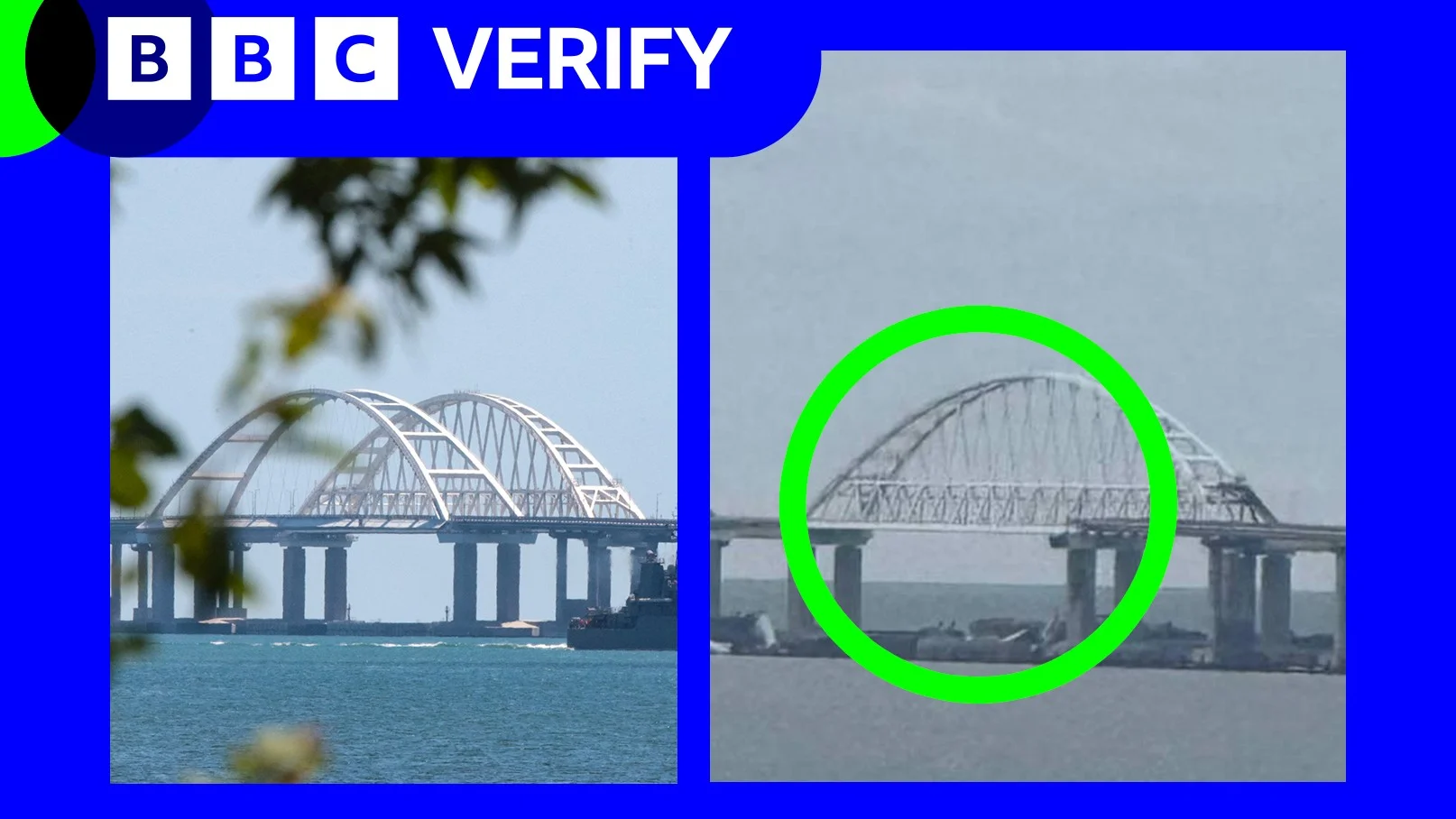
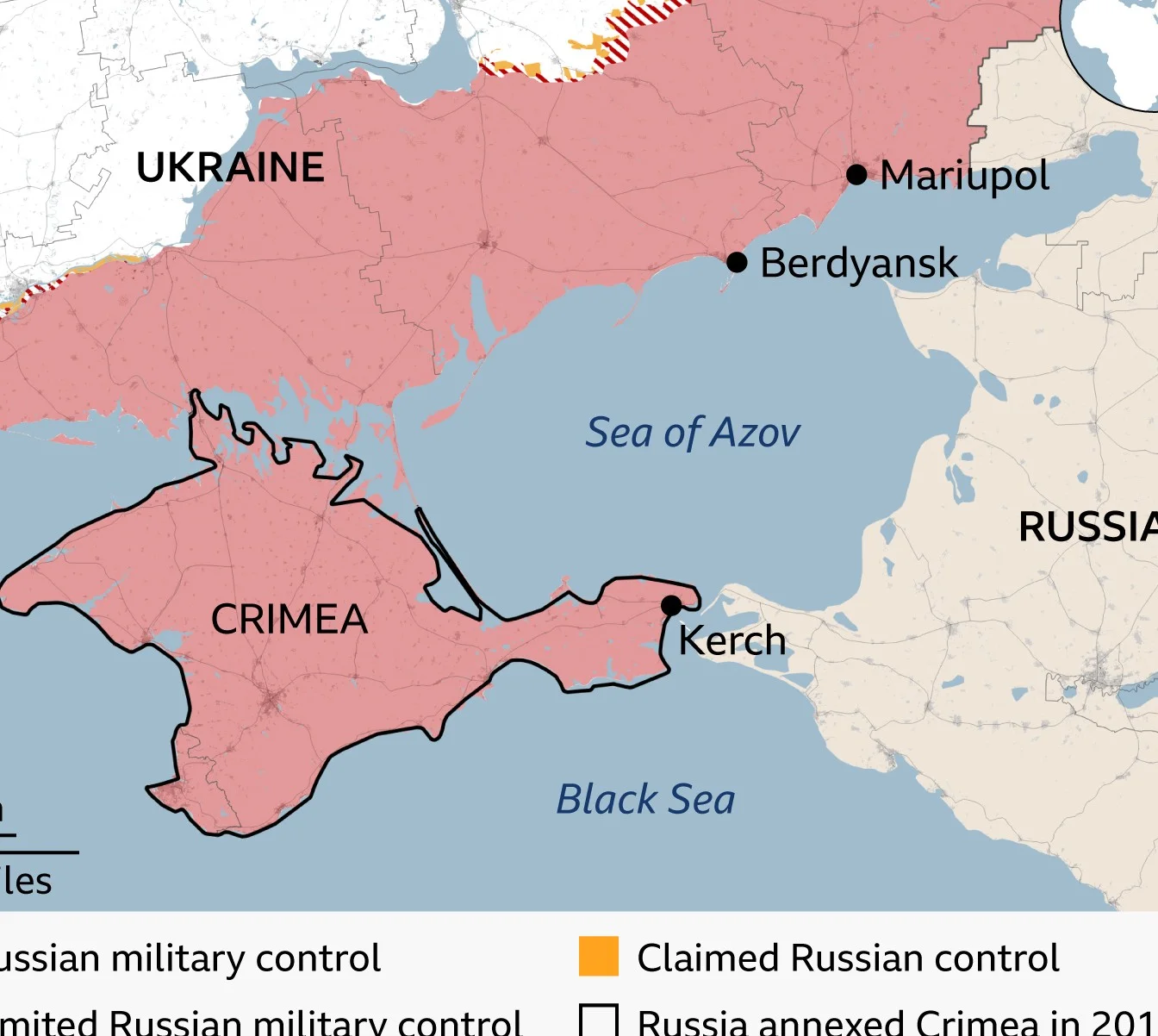
Ukraine’s own account of the operation is specific. According to Ukrainska Pravda, Palianytsia drones struck the road section on 17 November, while Neptune missiles, Ruta and FP-1 drones and a Flamingo missile hit the railway. Part of the roadway and one of the bridge’s two supporting arches fell into the Kerch Strait. Defence Minister Yevhenii Khmara, briefing alongside visiting British Defence Secretary Wes Streeting, said the wreckage is obstructing vessels passing beneath the span and that clearing the collapsed section could take “several months to a year”, as reported by the Kyiv Independent.
The Damage, The Count, And What Remains Unproven
Two things must be separated. The physical damage is corroborated by both sides: Russian officials have acknowledged serious damage to the road section, rail traffic was halted, and Putin has promised to restore the bridge. The figure of 109 Russian bridge attacks is Ukraine’s count, stated by Zelensky in interviews. The available source material contains no independent audit of it. It is a claim, not a confirmed tally, and should be reported as such.
Casualty reporting from Russia’s retaliation is also unsettled. The BBC reports 58 people injured in Kryvyi Rih, Zelensky’s hometown, where a seven-year-old boy was killed in a playground and a 20-year-old female medic also died. The Kyiv Independent reported 42 injured in the same city. Both are initial official figures of the kind that usually move; the gap should be treated as unresolved, not as proof that either side is inflating numbers.
Zelensky has separately accused Moscow of expanding “double-tap” and now “triple-tap” strikes, hitting a site and then hitting the rescuers who arrive. Oleksandr Vilkul, head of the Kryvyi Rih defence council, said follow-up drone strikes deliberately targeted rescuers, medics and utility workers. Intent is not independently verifiable from the published material.
What A Longer War Costs Nigeria
The Crimean Bridge strikes did not create Nigeria’s fuel or food inflation, but they removed a mechanism that might have softened it. Putin told reporters, after trilateral talks with Donald Trump and Xi Jinping in Shenzhen, that he had asked his Security Council to consider a halt to attacks at sea and on energy facilities, then added: “But after the strikes on the Crimean Bridge, there will be no agreements.” He also warned that Russia’s response would be “far more painful” than what Kyiv did to the bridge.
That matters in Abuja for three reasons. Food first: Nigeria’s wheat and fertiliser supply chains reprice on Black Sea risk, and a wider war keeps that premium alive. Fuel second: Nigeria imports refined products, so war-risk insurance and freight rates pass straight through to pump prices. Diplomacy third: Abuja has not joined Western sanctions on Moscow, which leaves it with influence only as a voice for restraint, and restraint is harder to sell when both capitals have publicly committed to escalation.
There is a doctrinal risk too. A principle that any bridge carrying military logistics is a legitimate target, and that retaliation is “fair” once the other side has struck 109 times, is a principle that will be quoted in other conflicts. African governments that insist territorial claims cannot be settled by force will accept the first half of Zelensky’s argument and be uneasy about the second, in which the legality of a strike is calibrated by the adversary’s conduct rather than by a fixed rule.
The Negotiating File Behind The Explosions
Zelensky’s own account of the diplomacy is instructive. He travelled to Berlin for talks with more than 40 partners, including Trump’s adviser Jared Kushner and US special envoy Steve Witkoff, and explicitly rejected suggestions that Trump threatened European leaders at a 19 November meeting. “I did not hear him threaten anyone. Absolutely not,” he said, arguing that Washington understands it cannot pressure Europe today.
But he also said, responding to the Kyiv Independent, that Ukraine still needs clarity on what proposed “Article 5-like” security commitments would actually entail. That is the real bottleneck. Damaging a bridge creates leverage; it does not create a guarantee, and Zelensky has not claimed otherwise in public.
The Big Picture
Zelensky’s wager is that visible escalation by Ukraine speeds a settlement rather than postponing one. Putin’s counter-wager, delivered from an APEC summit stage, is that pain will be returned in greater measure. Neither proposition has been tested, and the casualty figures rising in Kryvyi Rih and Kharkiv are the cost of running the experiment.
Until one claim is proven, the Crimean Bridge strikes remain what they are: a militarily confirmed operation wrapped in a politically unproven theory. For Nigerians, the practical question is narrower than Crimea. Every month this war runs without a maritime and energy carve-out is a month of freight, fertiliser and fuel risk that lands on households which never voted on the status of a peninsula.
Frequently Asked Questions
What did Zelensky actually say about the Crimean Bridge strikes?
In interviews with the BBC in Kyiv and with NBC News, Zelensky described the strikes as an ‘absolutely fair response’ to 109 Russian attacks on bridges inside Ukraine. He rejected Putin’s claim that the bridge is exclusively civilian, citing publicly available video of Russian military hardware crossing it.
How badly damaged is the Crimean Bridge?
Part of the road span and one of the bridge’s two supporting arches collapsed into the Kerch Strait after the 17 November operation, and the railway section was also damaged. Ukraine’s Defence Minister Yevhenii Khmara said the wreckage is obstructing ships passing beneath the span and that clearing it could take several months to a year.
Why does this matter for Nigeria?
Putin said the bridge strikes ended any prospect of agreement on halting attacks at sea and on energy facilities. Without such an arrangement, war-risk insurance and freight costs stay elevated, and those costs feed into what Nigeria pays for imported refined fuel, wheat and fertiliser.
FIRST TIME REACTIONS:
Be the first to leave us a comment – Crimean Bridge Strikes: Why Zelensky’s ‘Fair Response’ Matters, down the comment section.
JOIN US ON OUR SOCIAL MEDIA:
About Clare Dominic
Clare Dominic is the Editor at AfriLatest. With a background in journalism and a passion for storytelling, she oversees the editorial process to ensure content is accurate, engaging, and relevant. Clare works closely with contributors to maintain the highest standards of journalistic integrity across all news, sports, and lifestyle coverage.
View all articles by Clare Dominic-

 Car Reviews3 weeks ago
1955 Chevy Bel Air Restomod: What SEMA Really Proves
-
Savings & Investing4 weeks ago
Hidden Medicare Fees Draining Your Retirement Savings
-
World News4 weeks ago
Sheinbaum No Proof Maduro: Mexico’s Test of US Evidence
-
Movies & TV4 weeks ago
Wizkid Starboy Desire Ft Banky W Shaydee: Fact Or Fan Fiction?
-
Trend politics4 weeks ago
How 24-Hour Online Scrutiny Is Running Out Leaders
-
Health and Fitness4 weeks ago
Premature Ejaculation Treatment: Exercise vs Dapoxetine