
Africa News
ECOWAS Parliament Seeks Tougher Child Trafficking Measures
ECOWAS Parliament pressed member states on child trafficking at an Abuja workshop, but conviction and protection data show how thin enforcement still is.


The ECOWAS Parliament has called on member states to convert existing child protection laws into enforcement, funding and prosecutions, closing a regional workshop in Abuja on Saturday with a demand the same body made at a comparable meeting in May 2023.
Speaker Memounatou Ibrahima told the parliamentary workshop on child trafficking and child labour, held during the Parliament’s 2026 Ordinary Session, that the region’s problem is no longer legal text but delivery. Implementation remained weak, she said, citing inadequate funding, poor enforcement of sanctions and ineffective institutional coordination between the agencies meant to protect children.
When a child is a victim of trafficking or subjected to labour that undermines his health, schooling or development, this means that its most basic human rights are being undermined,” Ibrahima said.

What The Abuja Workshop Actually Changed
On the record, little that is binding. Participants issued recommendations: joint parliamentary missions to vulnerable communities, stronger border monitoring, closer cooperation between the ECOWAS Commission, the International Labour Organisation and national institutions, and follow-up mechanisms with named responsibilities. No regional instrument was adopted. No funding was pledged. A parliamentary workshop can recommend; only national assemblies can legislate and appropriate.
For a family in Cotonou or Kano, Saturday’s outcome changes nothing yet. The mechanisms that would touch them are national, not regional: a funded shelter, a working social registry, a border post that stops and checks unaccompanied minors, a court that convicts a trafficker. The ECOWAS Parliament can set standards, summon officials and publish findings. It cannot arrest anyone.
Ibrahima set a harder test than the closing communique. She asked lawmakers to assess the actual impact of past interventions and establish how many children had been rescued, protected and successfully reintegrated. The proceedings, as reported by the News Agency of Nigeria through Punch, do not record an answer being supplied from the floor. The region has now held at least two parliamentary workshops on the same subject in under three years, and the second opened by asking whether the first had worked.
Why Child Trafficking Convictions Rose While Protection Stayed Thin
ECOWAS Commissioner for Human Development and Social Affairs, Prof. Nassirou Bako, supplied the numbers the workshop did have. Trafficking victims in the region rose 31 per cent between 2019 and 2022. Children made up 47.9 per cent of the 12,959 unidentified persons in the statistics presented. Those figures are acknowledged to be incomplete: several member states had not submitted their data at all.
Two national breakdowns were tabled. Benin recorded 4,015 identified trafficking victims in 2025, with young women accounting for 84.7 per cent. Nigeria recorded 1,684 cases, 46.7 per cent of them involving children.
Convictions for trafficking-related offences across the 12 ECOWAS member states cited in the data rose from 388 in 2024 to 515 in 2025, a 33 per cent increase. Set against a 31 per cent rise in identified victims over three years, that averages roughly 43 convictions per country per year. As a signal of judicial response, it is progress. As deterrence against a trade that moves children across borders, it is small.
Bako named the drivers: insecurity, terrorism, displacement and political instability. About 8,450 schools have been affected and 4.1 million people displaced, disrupting education and weakening the family protection systems that normally shield children. Out-of-school children, children separated from their families and children in poverty face elevated risk. He also flagged recruitment by armed groups including Boko Haram, and exploitation conducted under the guise of education and religious instruction.
The Social Protection Gap Behind The Child Trafficking Numbers
The structural explanation Bako offered is the one most easily lost in a communique. Only about 10 per cent of West Africa’s population benefits from some form of social protection, against 18.5 per cent across Africa and roughly 50 per cent globally. Households without a safety net are the recruiting ground for traffickers. He asked parliamentarians to back national social registries, victim support funds at national and regional level, and heavier investment in rehabilitation and vocational training.
Akiyo Afouda, Senior Programme Officer at the Inter-Parliamentary Union, representing the IPU Secretary-General, put the global scale at nearly 138 million children in child labour, including 46.6 million in sub-Saharan Africa, citing 2025 estimates from the ILO and UNICEF.
“The true measure of your commitment does not lie in the number of resolutions adopted, but in the number of children effectively protected,” Afouda said.
His argument to lawmakers was about spending power rather than sentiment. National parliaments approve budgets, and child protection competes inside them with everything else. Trafficking is cross-border, so the response has to be coordinated, which in turn requires regional bodies to hold both a mandate and money. Afouda called for measurable indicators, defined responsibilities and the involvement of civil society, social partners and local communities.
What To Watch After The ECOWAS Parliament Session
Three markers over the next 12 months. First, whether national assemblies publish the budget lines for rehabilitation and reintegration that Bako requested, in Benin and Nigeria above all, since those two countries supplied the workshop’s most detailed figures. Second, whether social registries materialise, because the data gaps described in Abuja are the same gaps that make child trafficking policy impossible to audit: without registries, no government can state how many children it rescued. Third, whether the May 2023 recommendations are tracked at all, or whether a third workshop convenes to ask the same question again.
The ECOWAS Parliament holds oversight powers, not legislative ones. It can summon, question and publish. Whether it does, and whether member states accept joint missions into the border communities where children are moved, will decide if Saturday’s session was a step or a repetition. On the evidence tabled in Abuja, the enforcement record on child trafficking is improving from a very low base. The protection record is still unmeasured.
Frequently Asked Questions
What did the ECOWAS Parliament actually decide on child trafficking?
It issued recommendations, not binding decisions. Participants called for joint parliamentary missions to vulnerable communities, stronger border monitoring and closer cooperation with the ILO and national institutions. No regional instrument was adopted and no funding was pledged; only national assemblies can legislate and appropriate.
How many trafficking victims were recorded in West Africa?
ECOWAS Commissioner Prof. Nassirou Bako said victims in the region rose 31 per cent between 2019 and 2022. Children were 47.9 per cent of the 12,959 unidentified persons in the statistics presented. The data is incomplete because several member states had not submitted figures.
Did prosecutions increase?
Yes. Convictions for trafficking-related offences across the 12 ECOWAS countries cited rose from 388 in 2024 to 515 in 2025. Bako described this as progress in judicial responses but said interventions remained inadequate given the scale of the crisis.
 Follow AFRILATEST on Google News
Receive alerts for child trafficking and more like it.
FIRST TIME REACTIONS:
Be the first to leave us a comment – ECOWAS Parliament Seeks Tougher Child Trafficking Measures, down the comment section.
JOIN US ON OUR SOCIAL MEDIA:

About Rosabella Eboh
Rosabella Eboh is an author at AfriLatest. With a passion for writing and a flair for creativity, she contributes original content and unique perspectives to the platform. Rosabella focuses on human-interest stories, cultural trends, and in-depth feature reporting.
View all articles by Rosabella Eboh

Africa News
Dubai Is Coming To Lagos: What EkoDubai Actually Changes
Dubai is coming to Lagos via EkoDubai’s November 2025 launch. What actually changed for Nigerian investors, travellers and the city’s forgotten communities.

Gabriel Melki is chairman of EkoDubai, a real estate company unveiled at an official launch in Lagos on 30 November 2025. The Guardian Nigeria report published at 4:45am WAT on 1 December 2025 dates the event by describing it as happening “yesterday”. Dubai is coming to Lagos, on that evidence, and it arrived with a ribbon, a virtual reality headset and a guest list.
The ribbon was cut by Tayo Ayinde, Chief of Staff to the Lagos State Governor, standing in for the governor, alongside Abdullah Al Kahtani of the UAE Consulate and Melki himself. Investors, developers and business leaders filled the room.
The product on offer is brokerage, not construction. EkoDubai connects Nigerian buyers to Dubai developers it names as partners: DAMAC Properties, Binghatti and BNW. Guests walked through villas, waterfront apartments, high-rise towers and off-plan projects on high-definition screens before speaking with consultants about payment plans and returns.
Gabriel Melki’s Position, And The Record Behind It
Melki’s framing at the event was broad. “This company is not just about selling properties; it is about opening doors to new opportunities, strengthening economic ties, and giving Nigerians the confidence to invest globally,” he said, according to the Guardian Nigeria account.
That is a quote, not a disclosure. The same report does not state where EkoDubai is registered, which regulator supervises it in Nigeria or the UAE, how buyer funds are held, or whether the firm intends to develop anything inside Lagos. A profile that waves those gaps away would be useless to the person actually deciding whether to wire a deposit.
The record does establish something narrower and more usable. The three partner developers are named. The launch drew consular and state representation. The sales pitch rests on flexible payment plans and developer-backed guarantees, described on the day by consultants but not verified in any document the report quotes.
Dubai Is Coming To Lagos Through A Ribbon, Not A Rule Change
This distinction carries more weight than the event itself. A state official attending a private company’s launch is not a policy decision. Nothing in the reporting shows Lagos State altering land registration, consent procedures or agency licensing on 30 November. No household in Alausa, Ikeja or Epe had a file move because a Chief of Staff cut a ribbon.
Land administration in Lagos is a state function. Foreign exchange rules are federal. The two get routinely blurred in coverage of events like this, and the blur costs readers the one thing they need: knowing which document to check, with which authority, before money leaves the country.
Contrast the launch with a change that genuinely landed. Emirates resumed its Dubai–Lagos service on a Friday after a week-long suspension tied to Middle East tensions, Arise News reported. Flight EK 783 touched down at Murtala Muhammed International Airport at about 4:30 p.m. Passengers named in the report, including Sunil Bansa, Anyim Anthony and Ayotunde Balogun, described relief at the resumption. The report gives the flight number and the arrival time but not the calendar date, which is precisely the kind of gap a traveller needs closed before rebooking.
One event reset a timetable. The other reset a brochure. Bundling both under the same headline leaves households unable to tell which one reaches them.
What Actually Changed, And What Is Still A Promise
The Dubai comparison has a long paper trail in Lagos, and it cuts two ways. Time Out’s 2024 ranking placed Lagos 19th among the world’s best cities to visit, drawing on a survey of more than 20,000 city dwellers and citing a 96 percent local happiness figure, as Ripples Nigeria reported. Weeks earlier, the Economist Intelligence Unit had ranked Lagos the fourth worst city to live in worldwide. Both findings describe Lagos. Neither describes the same Lagos.
A Guardian investigation published on 4 February 2025 put flesh on that gap. On Refuge Island, in a lagoon on the city’s eastern fringe, roughly 2,000 residents live without electricity or tarred roads. The health centre has been shut for years. Classroom roofs at the only school began caving in. “There is nothing here, we are as you see now,” community leader Yinka Banjo told the paper.
Architect and opposition politician Gbadebo Rhodes-Vivour drew the line directly. “The vision is to look like Dubai,” he said, before adding: “But you have a 70% poverty rate. Most of people cannot afford to live in Dubai-like conditions … development needs to be a lot more even.” Taibat Lawanson, professor of urban planning at the universities of Liverpool and Lagos, told the same investigation that some communities are excluded from projects amid claims about their ancestry.
For an EkoDubai customer, the practical questions are narrow. Ask for the developer’s registration, the escrow arrangement holding instalments, and the currency and remittance route for each payment. None of that appears in the launch coverage. For a Lagos resident who will never buy a Dubai apartment, the question is different again: does the firm intend to build, lend or employ here at all? The report stays silent.
Melki’s legacy will be settled by documents, not attendance. If EkoDubai publishes verifiable developer registrations, names the regulator it answers to, and explains how a salary earner in Ikeja completes a purchase end to end, the launch will have changed something measurable. If the record stays at the level of VR walkthroughs and a chairman’s quote, then Dubai is coming to Lagos only as a slideshow, and the coverage that matters is the coverage honest enough to say so.
Frequently Asked Questions
Is EkoDubai a Lagos State government project?
No. EkoDubai is a private real estate company launched in Lagos. The Lagos State Governor’s Chief of Staff, Tayo Ayinde, attended and cut a ribbon on the governor’s behalf, according to Guardian Nigeria’s 1 December 2025 report. No state policy, statute or licensing change is recorded.
Did Emirates resume Dubai–Lagos flights?
Yes. Arise News reported that flight EK 783 landed at Murtala Muhammed International Airport at about 4:30 p.m. after a week-long suspension linked to Middle East tensions. The report names the flight number and arrival time but does not give the calendar date.
What should a Nigerian buyer verify before joining a Dubai payment plan?
The launch report does not disclose EkoDubai’s registration, the regulator supervising it, or how buyer funds are held. Buyers should obtain developer registration, escrow details and the remittance route directly in writing rather than relying on event coverage.
FIRST TIME REACTIONS:
Be the first to leave us a comment – Dubai Is Coming To Lagos: What EkoDubai Actually Changes, down the comment section.
JOIN US ON OUR SOCIAL MEDIA:
About Rosabella Eboh
Rosabella Eboh is an author at AfriLatest. With a passion for writing and a flair for creativity, she contributes original content and unique perspectives to the platform. Rosabella focuses on human-interest stories, cultural trends, and in-depth feature reporting.
View all articles by Rosabella EbohNigeria News
IG suspends wanted declaration against Obaigbena
Nigeria’s IG suspends wanted declaration against Nduka Obaigbena and eight others, moving the FirstBank threat probe to FID Abuja.

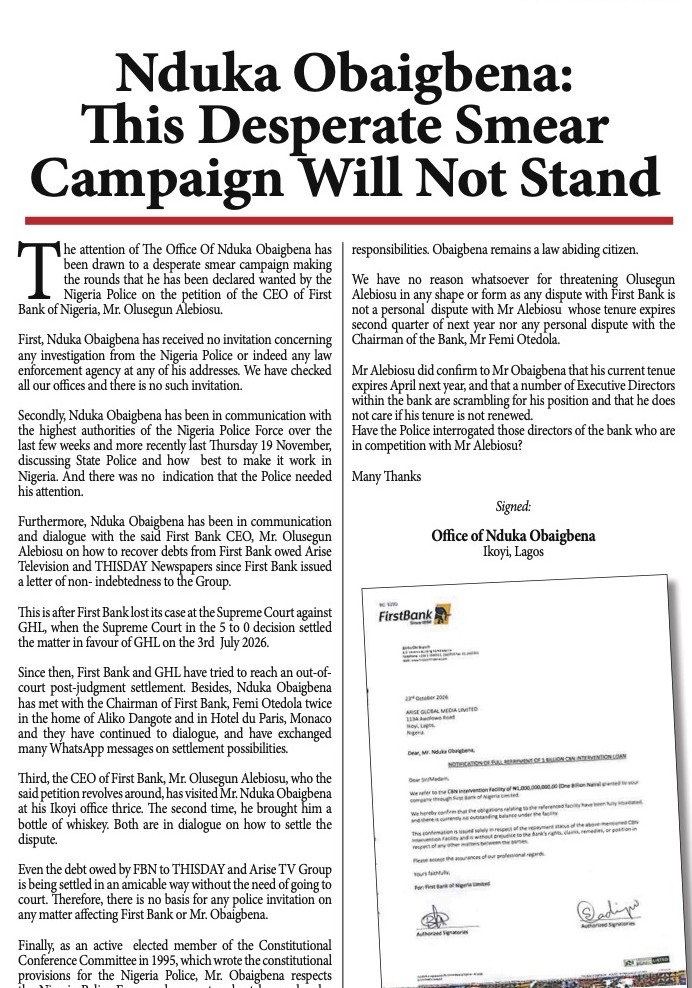
The Inspector-General of Police, Olatunji Disu, on Wednesday suspended the wanted declaration issued against nine business figures, among them THISDAY and ARISE News founder Nduka Obaigbena, less than a day after a subordinate commander announced it. That the IG suspends wanted declaration against Obaigbena and eight others at all is the substance of the story, not the list of names. It matters to Nigerian bank customers, borrowers and media owners because the case sits directly on top of a commercial debt dispute that briefly became a national manhunt.
The Force Public Relations Officer, CSP Ani Iniedu, said in a statement that Disu ordered the file moved from the Zone 2 Command to the Force Intelligence Department at the Nigeria Police Force Headquarters in Abuja, for what the police called a thorough and impartial investigation. All parties were directed to report at the FID between November 26 and 30, 2026. According to Leadership, the statement also directed that the wanted declaration be vitiated pending the final outcome of the investigation.
The nine named in the directive are Henry Kayode Ojogho of Broron Limited; Emmanuel Iheagwazi of Necit Nigeria Limited; Eze David of Energy Shield Petrochemical Limited; Tope Shonubi of Sahara Group; Ernest Azudialu-Obiejesi and Nnenna Azudialu-Obiejesi of Nestoil; Emmanuel Orim and Victoria Orim of Luzen Plaza; and Obaigbena of General Hydrocarbon Limited. The mix is notable. It runs from a media proprietor to the leadership of Nestoil, one of Nigeria’s largest indigenous engineering and energy contractors, and Sahara Group, a energy conglomerate with operations across West Africa.
The trigger, as PUNCH reported, was a parcel containing two rounds of 7.62mm live ammunition delivered to the Lagos residence of FirstBank Managing Director Olusegun Alebiosu. The parcel, presented as a fashion-design gift and carried by a dispatch rider whose identity was not established, was reported to the police on May 7, 2026, and opened the following morning. The ammunition is the type used in rifles including the AK-47.
The Assistant Inspector-General of Police in charge of Zone 2, Olohundare Jimoh, announced the wanted declaration on Tuesday at the Zone 2 headquarters in Onikan, Lagos. He said ten people were invited on November 5 to appear for questioning on November 12, and that only one honoured the invitation. Jimoh said preliminary findings suggested the threat could be connected to FirstBank’s loan recovery activity involving customers who allegedly owed the bank billions of naira.
How The IG Suspends Wanted Declaration Against Obaigbena, And Why The Reversal Counts
Two police formations published contradictory positions within roughly 24 hours. Zone 2 declared nine people wanted; Force headquarters said the declaration carries no legal force for now and moved the file to Abuja. THISDAY reported the IGP’s action as an overrule of the AIG’s decision.
What the police have not published is the specific alleged role of each of the nine. The public record establishes that invitations were issued and not honoured, as Jimoh stated, but it does not establish what any individual is accused of doing beyond that. Critics of the original declaration raised exactly this point, and the transfer to the FID is, in effect, an acknowledgement that the file needed a different handler.
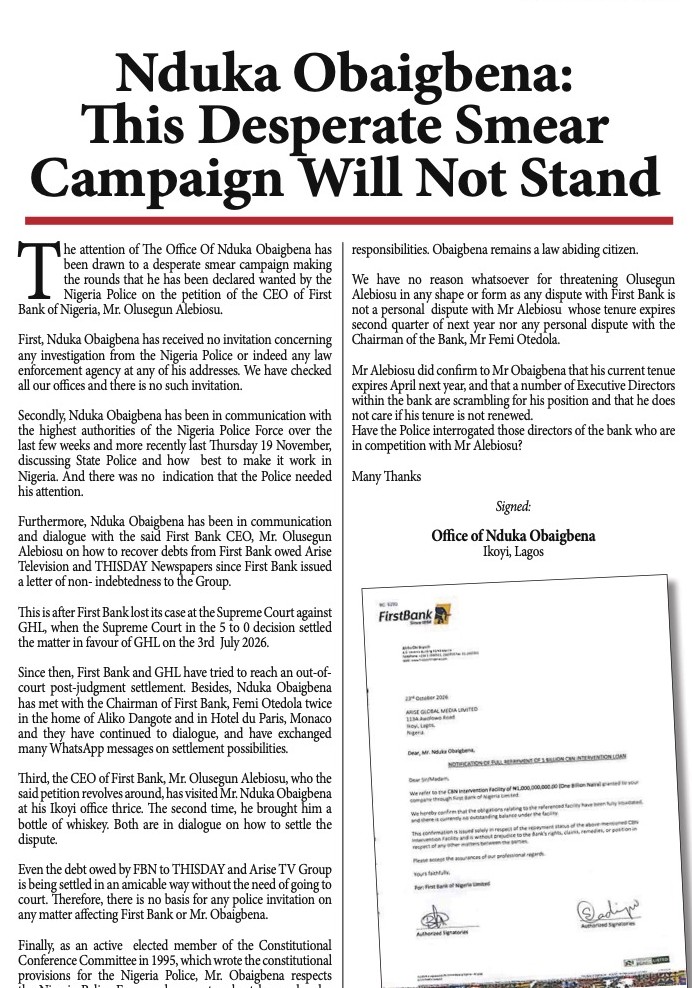
Obaigbena rejected the declaration outright. In a statement issued through his office in Ikoyi, he described it as a desperate smear campaign and said he had received no invitation from the police or any other law enforcement agency. He said he had spoken with senior police officials as recently as November 19 about proposals for state police, and nothing in those conversations suggested he was wanted for questioning.
He linked the controversy to financial disagreements involving FirstBank, General Hydrocarbons Limited, THISDAY and ARISE Television. His account, which the police have not corroborated publicly, states that FirstBank issued a letter of non-indebtedness to the media group, that the Supreme Court ruled 5-0 in favour of GHL on July 3, 2026, and that settlement talks were under way. He said he met FirstBank Chairman Femi Otedola twice in the presence of Aliko Dangote, at Dangote’s residence and at the Hotel du Paris in Monaco, and that Alebiosu visited his Ikoyi office three times.
What The Ammunition Parcel Investigation Actually Establishes
Confirmed facts are narrow. A parcel containing two rounds of 7.62mm ammunition reached the FirstBank managing director’s residence. It was reported on May 7, 2026. Detectives, ballistic experts and forensic investigators were assigned. Invitations went out in November. A wanted declaration was issued and then suspended.
Not established: who sent the parcel, why it was sent, and whether any of the nine had a role. The police have asserted a possible loan-recovery motive without publishing evidence for it, and Obaigbena has asserted a smear campaign without publishing the police correspondence he says does not exist.
The paperwork also shows a gap. PM News reported that the one person who honoured the November 12 invitation was Eze Obiefule Emmanuel of Energy Shield Petrochemical Limited, while the IGP’s list of those directed to report to the FID includes Eze David of the same company. Either the same firm has two executives in the file, or the names were not reconciled between commands. Neither possibility strengthens public confidence in a case this politically charged.
For Nigerian Businesses, The Precedent Outlasts The Headlines
Nigeria’s banks are carrying large volumes of disputed corporate debt, and lenders have repeatedly turned to police complaints in recovery fights. When a commercial disagreement can produce a wanted notice within a week of a missed appointment, the risk lands on every borrower, contractor and publisher who negotiates with a lender. The FID transfer does not remove that risk; it only relocates the decision.
The African angle is not abstract. Nestoil and Sahara Group operate across the energy value chain in West Africa, and their executives sit on files that counterparties and financiers abroad will read. A jurisdiction where a Zone 2 commander and the Inspector-General can issue opposite instructions on the same day complicates the due-diligence case for anyone lending into Nigerian projects.
There is also the press-freedom strand. Obaigbena owns two national platforms, and the declaration was issued against him while his companies were in a financial negotiation with the bank named as the complainant. The police have not suggested a link between the coverage and the complaint, and no evidence of one has been published. But the perception costs something in a country where the same police force is routinely accused of being drawn into civil disputes.
The measurable test now sits between November 26 and 30, when all nine are expected at the FID in Abuja. If the appearances happen and the investigation produces an evidenced account of who sent live ammunition to a bank chief executive, the system will have corrected itself. If the file instead settles quietly alongside a debt negotiation, the public will conclude that the IG suspends wanted declaration against Obaigbena and others only when the political cost becomes too high, which is a far weaker outcome for Nigerian institutions.
Frequently Asked Questions
Did the police withdraw the wanted declaration against Nduka Obaigbena?
The Inspector-General of Police, Olatunji Disu, directed that the wanted declaration be vitiated pending the final outcome of the investigation, and transferred the case from Zone 2 to the Force Intelligence Department in Abuja. The declaration was suspended, not finally resolved.
What led to the wanted declaration in the first place?
It followed an investigation into a parcel containing two rounds of 7.62mm live ammunition delivered to the Lagos residence of FirstBank Managing Director Olusegun Alebiosu and reported to the police on May 7, 2026. Ten people were invited on November 5 for questioning on November 12; police said only one appeared.
What happens next for the nine named individuals?
The police directed all parties to report to the Force Intelligence Department at the Nigeria Police Force Headquarters, Abuja, between November 26 and 30, 2026. The outcome of that investigation will determine whether any charge follows.
FIRST TIME REACTIONS:
Be the first to leave us a comment – IG suspends wanted declaration against Obaigbena, down the comment section.
JOIN US ON OUR SOCIAL MEDIA:

About Clare Dominic
Clare Dominic is the Editor at AfriLatest. With a background in journalism and a passion for storytelling, she oversees the editorial process to ensure content is accurate, engaging, and relevant. Clare works closely with contributors to maintain the highest standards of journalistic integrity across all news, sports, and lifestyle coverage.
View all articles by Clare DominicNigeria News
INEC Chairman Raises Alarm Over Daily Threats to Officials
INEC chairman raises alarm over daily threat messages and political violence ahead of 2027, as a nationwide mock accreditation is set for November 28.
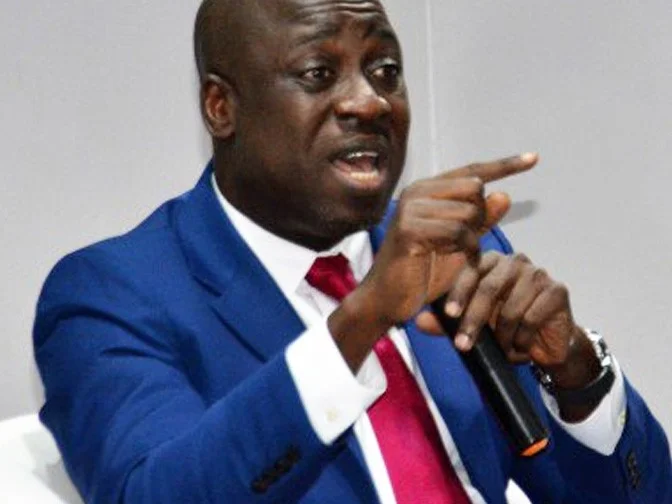
Nigeria’s chief electoral officer told his own field commanders this week that he is threatened almost every day, and that disclosure carries a direct cost for anyone who plans to vote in 2027. The officials being intimidated are the same ones who will configure accreditation devices, supervise temporary staff and certify results in a general election built on a register of more than 100 million voters.
Professor Joash Amupitan, chairman of the Independent National Electoral Commission, made the admission in Abuja on Wednesday while addressing Resident Electoral Commissioners from the 36 states and the Federal Capital Territory. The INEC chairman raises alarm at a point in the electoral calendar where, by his own account, the commission has no room to absorb error.
What Amupitan Said, And What Remains Unverified
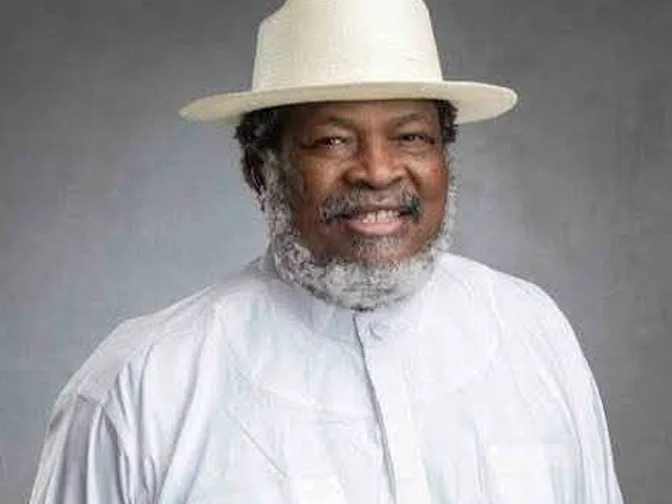
“On a daily basis, I receive threat messages, and sometimes, you just feel like whether those distractions are necessary,” Amupitan said, according to a report by ARISE News. He described the role in blunt terms: “Working for the commission is like a thankless job. No matter what you do, you are under serious scrutiny and sometimes even abused.”
He extended the warning to the commissioners in the room, saying some of them had been receiving similar messages from groups “trying to intimidate and harass us.” His framing was institutional rather than personal: “If you think you are destroying INEC, you are only destroying democracy in Nigeria.”
The distinction between confirmed and unconfirmed matters here. Confirmed: the chairman said these words at a consultative meeting, and the commission has publicly acknowledged sustained pressure on its officials. Not confirmed in the public record: who is sending the messages, how many have been documented, and whether any formal complaint has been filed with the police or the Department of State Services. No arrest, case file or investigation was disclosed in the remarks.
Daily Threats That Explain Why The INEC Chairman Raises Alarm
The intimidation is not confined to staff inside the commission. On Monday, a campaign team belonging to former Deputy Senate President Ovie Omo-Agege was reportedly attacked during a visit to Uduere in Ughelli North Local Government Area of Delta State, with reports of six deaths. The account came from his sister, Mrs Regina Omo-Agege, a former INEC director of political party monitoring and liaison, in a statement issued in Abuja on Tuesday and reported by Apex News Exclusive.
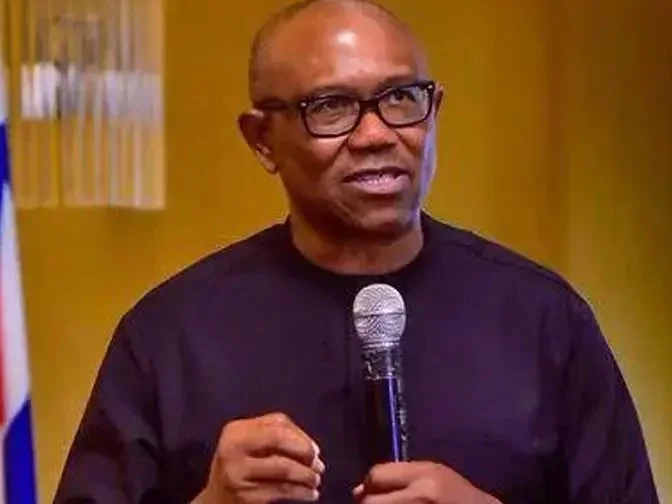
She said firearms were reportedly present and used at the gathering, and appealed to President Bola Tinubu to guarantee her brother’s safety. She also called on the Inspector-General of Police and the DSS to investigate and prosecute sponsors. The death toll and the circumstances of the attack have not been independently confirmed by police in the statement, and should be treated as an allegation until security agencies publish findings.
INEC has been running a parallel track. At a security meeting with the Inspector-General of Police and party leaders at Force headquarters in Abuja, Amupitan warned that parties were breaching campaign rules and that political competition was being turned into a battlefield, Leadership reported. He cited his August 18, 2026 engagement with party leaders and the National Peace Committee, and pointed to Section 95(4) of the Electoral Act 2026 on rally venues and schedules. The commission is activating local government and ward-level structures of the Inter-Agency Consultative Committee on Election Security to map flashpoints.
A Register Of 100 Million Voters And A Zero Margin
The operational arithmetic explains the anxiety. Presidential and National Assembly elections are scheduled for January 16, 2027, with governorship and state House of Assembly contests on February 6. INEC plans a nationwide mock accreditation and result transmission exercise on Saturday, November 28, in two polling units per ward across the 36 states and the FCT, with technical reports due at headquarters by Monday, November 30.
The scale described by Amupitan: a verified register exceeding 100 million voters, 57,000 newly procured Bimodal Voter Accreditation System devices, and more than 1.41 million ad hoc personnel drawn from the National Youth Service Corps, university academics and the civil service. The commission has cut the BVAS deployment threshold from 1,250 to 850 registered voters per machine to reduce accreditation queues, and has built climate-controlled storage to protect device batteries.
“In an exercise of that scale, even minor administrative lapses in one state can trigger national headlines and cast doubt on otherwise solid work elsewhere. Margin for error simply does not exist,” he said. The commission’s recent experience covers off-cycle governorship elections in Anambra, Ekiti and Osun, the FCT Area Council elections and 16 legislative bye-elections over 13 months.
Money, Machines And Synthetic Media
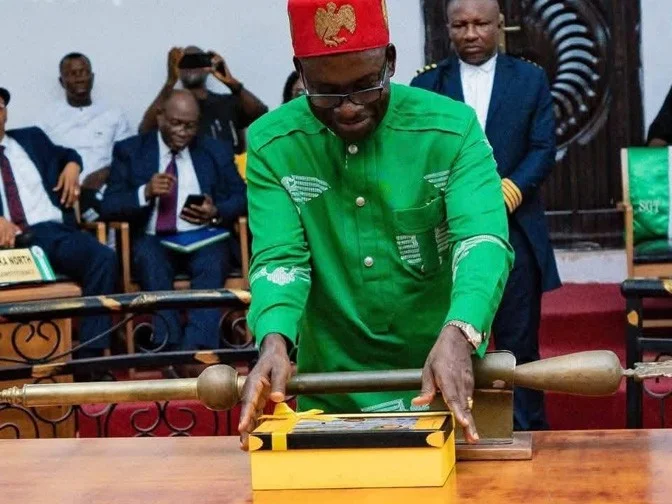
Two further constraints sit outside the chairman’s control. Speaking through National Commissioner Sani Adam at the 13th Annual International Conference of the Association of Communication Scholars and Professionals of Nigeria, Amupitan said INEC has proposed a substantial budget with allocations for technology and replacement of devices lost or damaged in the last cycle, but that “full release of these funds is still being awaited,” according to The Sun.
He also conceded the reputational damage of 2023, when the INEC Result Viewing Portal buckled under load. “2023 also taught us, painfully and publicly, that the same portal whose purpose was to build trust can, when it falters under load or when uploads are delayed, become the very evidence cited to question that trust,” he said. The commission is auditing its systems for redundancy, penetration testing and disaster recovery, and has added automated arithmetic consistency and over-voting checks on Form EC8A before results upload.
He flagged AI-driven disinformation and coordinated false narratives as separate threats, warning that slow official communication creates the space they need. Officials found to have compromised neutrality, he said, will not be shielded under Sections 96, 97 and 148 of the Electoral Act 2026.
What To Watch
The November 28 simulation is the first real test: whether BVAS units hold charge, whether networks hold in riverine and insurgency-affected areas, and whether the November 30 reports document dead zones honestly rather than diplomatically. Watch, too, for the release of the technology budget, for any police statement on the Delta campaign attack, and for whether the threats against electoral officials are ever formally investigated rather than merely disclosed. The INEC chairman raises alarm in public; the test of 2027 is whether any institution answers it before the ballots are printed.
Frequently Asked Questions
What exactly did the INEC chairman say about threats?
Professor Joash Amupitan said he receives threat messages on a daily basis and that working for the commission is a thankless job. He spoke in Abuja on Wednesday at a strategic consultative meeting with Resident Electoral Commissioners from the 36 states and the FCT, and said some commissioners had received similar messages from groups trying to intimidate them.
When are the 2027 Nigerian general elections?
INEC has scheduled presidential and National Assembly elections for January 16, 2027, with governorship and state House of Assembly elections on February 6, 2027. A nationwide mock accreditation and result transmission exercise is planned for Saturday, November 28.
Has anyone been arrested over the threats or the Delta campaign attack?
No arrest, case file or investigation has been publicly disclosed in either matter. The threat messages described by Amupitan remain undisclosed in detail, and the reported deaths during the visit to Uduere in Ughelli North Local Government Area rest on a statement from the family, which called for a police and DSS investigation.
FIRST TIME REACTIONS:
Be the first to leave us a comment – INEC Chairman Raises Alarm Over Daily Threats to Officials, down the comment section.
JOIN US ON OUR SOCIAL MEDIA:
About Clare Dominic
Clare Dominic is the Editor at AfriLatest. With a background in journalism and a passion for storytelling, she oversees the editorial process to ensure content is accurate, engaging, and relevant. Clare works closely with contributors to maintain the highest standards of journalistic integrity across all news, sports, and lifestyle coverage.
View all articles by Clare Dominic-

 Car Reviews3 weeks ago
1955 Chevy Bel Air Restomod: What SEMA Really Proves
-
Celebrities3 weeks ago
Hailey Bieber PMDD Diagnosis Followed Son Jack’s Birth
-
World News3 weeks ago
Céline Dion Air Bass At Metallica’s Sphere: What’s Confirmed
-
Nigeria News3 weeks ago
NAJA Names Weststar Chairman Auto Legend For 2026
-
Africa News4 weeks ago
Stablecoins In African Trade Gain Ground, Costs Bite
-
Sports3 weeks ago
Bronny James NBA Future: Lakers Roster Math Turns Tight