
Health and Fitness
Billy Joel Health Update: Hydrocephalus Tests Before Tour
Billy Joel health update: hydrocephalus, brain shunt surgery, and why doctors say shows feel like concussions. What his story teaches about brain health.

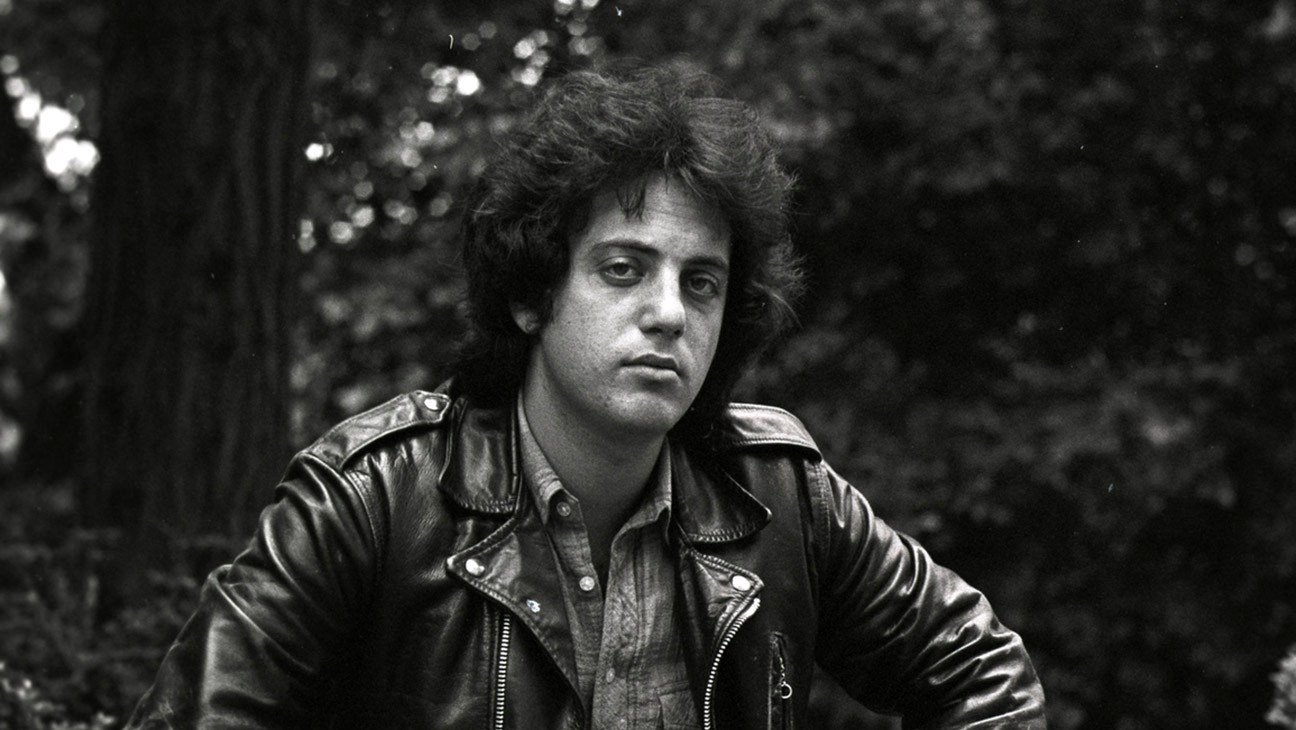
Billy Joel health update: the 77-year-old singer says his balance is off, his hearing has slipped, and he still can’t drive. But he wants fans to stop worrying. “I’m okay,” he said on SiriusXM’s The Billy Joel Channel. “I want people to not have to worry about me.”
Joel has normal pressure hydrocephalus (NPH), a brain condition he announced in May 2025. He has since had a shunt implanted in his brain. He is also selling more than 70 motorcycles from his personal collection, partly because of the condition and partly because he is in his 70s. The auction runs Nov. 20-21 at Gooding Christie’s Rétro mobile New York at the Javits Center.
This is not a story about a rock star. It is a story about a brain condition that many older adults have never heard of, and the practical steps that helped one man manage it.
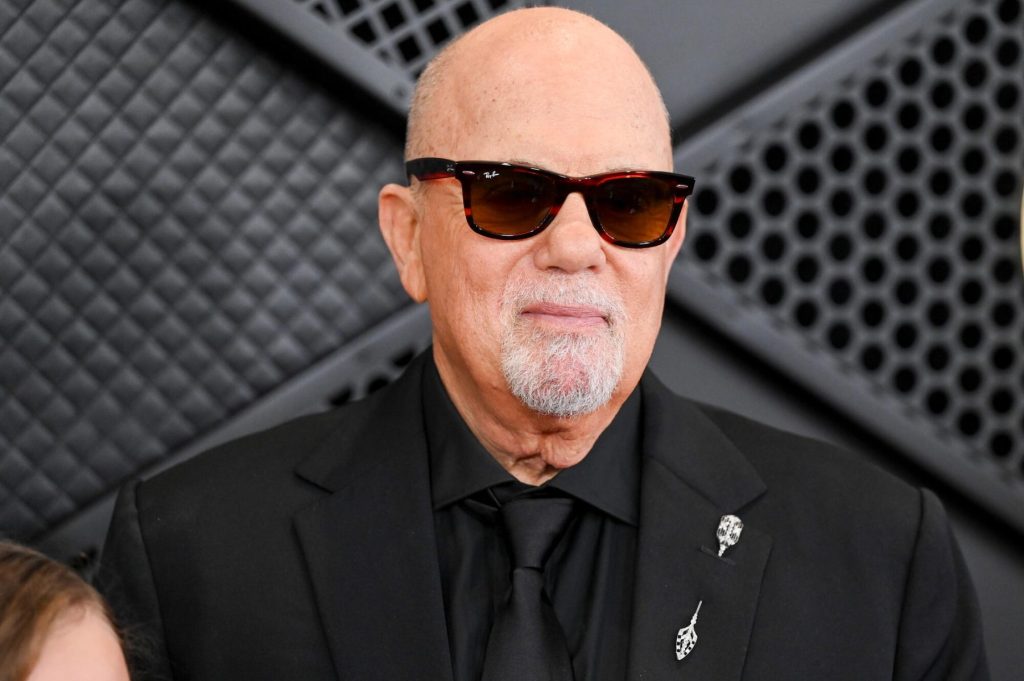
What Is Normal Pressure Hydrocephalus
NPH happens when cerebrospinal fluid builds up inside the skull and presses on the brain. The Cleveland Clinic describes it as a brain disorder that affects thinking, concentrating, memory, and movement.
The classic symptoms are three: trouble walking, memory problems, and loss of bladder control. Joel described the feeling as being on a boat. “I had this sense of being on a boat, like this rocking motion,” he said. “I wasn’t steady on my feet.”
NPH is often missed. Its symptoms look like Parkinson’s disease, Alzheimer’s disease, or just plain aging. That is why it is worth knowing the name.
Joel’s doctors told him something unusual. Every time he performed, it was like getting a concussion. Thee volume, lighting, stress, and crowd energy were the problem. “Rock ‘n’ roll is loud, man,” he said. “Rock ‘n’ roll made me deaf already.”
He added that continuing to perform could mean losing more brain cells. That is why he stopped and why further tests will decide if he can return.
The Shunt Decision
Joel first refused the shunt. A shunt is a thin tube that drains extra cerebrospinal fluid from the brain to another part of the body, usually the abdomen.
He changed his mind after reading about it. “I didn’t want to do that, but then I read up on it and I realized it can help improve your balance and can help your memory,” he said. “You know, I don’t want to lose my marbles.”
After surgery, he reported real improvements. His memory got better. His balance got a little better. His ability to function improved.
That matches what NPH treatment often looks like. Shunt surgery is the main proven treatment. It does not cure everyone, and it carries risks like infection or blockage. But for some patients, it makes a visible difference.
What You Can Do Today
If you or someone you love has trouble walking, memory slips, and bladder changes, do not assume it is just age. Ask a doctor for an evaluation. NPH is one of the few dementia-like conditions that can improve with treatment.
Keep a simple symptom diary. Note when balance problems happen, how often memory lapses occur, and whether walking has changed. Bring it to your appointment.
Ask specifically about NPH. Not every doctor checks for it. a neurologist can order imaging and, if needed, a spinal tap test to see if draining fluid helps.
If a shunt is recommended, ask about the risks and the expected benefits. Joel’s experience shows that the decision is not always easy, and that researching it helped him choose.
Support recovery with basics. Joel’s daughter Alexa Ray Joel said he does physical therapy regularly, has lost weight on a diet, and is committed to being healthy. “He’s such a trooper, so resilient and committed to being healthy and proactive,” she said. “He’s a fighter.”
That combination, medical treatment plus physical therapy plus weight management, is what doctors usually recommend for brain and balance conditions.
What the Evidence Says
NPH is real and treatable. The shunt is the standard surgical option. Research on how much it helps, and for how long, is still ongoing.
What is not proven: any supplement, herbal tea, or device that claims to cure hydrocephalus. Do not replace medical care with those. If you want to try complementary approaches for general brain health, like regular exercise or a heart-healthy diet, that is reasonable. Just tell your doctor.
Hearing loss is another piece of Joel’s story. He says rock and roll made him deaf. Age and loud noise both damage hearing over time. If you have ringing in your ears or trouble following conversations, get a hearing test. Hearing aids are proven to help.
Why He Is Selling the Motorcycles
Joel told The Hollywood Reporter he had over a hundred motorcycles. “You can only ride one at a time,” he said. “I’m into my 70s now, and I realized I can’t ride as much as I used to. I don’t want to die like a bug on a windshield.”
One bike in the auction is a custom 1978 Triumph Bonneville T140 given to him by Madison Square Garden for his 150th sold-out show there. Proceeds will support the Joel Foundation.
He pushed back on the idea that he was a collector. “I was not a collector,” he said. “I was actually a rider.”
Is It Worth Trying
The natural remedy here is not a pill or a tea. It is paying attention. NPH is a condition where the right diagnosis and the right surgery can change daily life. Joel’s story is a reminder that balance problems, memory changes, and hearing loss are not always just aging.
If you notice these signs in yourself or a parent, book the appointment. Ask about NPH by name. Ask about a shunt if it is offered. Do the physical therapy. Manage your weight. Protect your hearing.
And if you are a Billy Joel fan waiting for a tour, the honest answer is that he does not know yet. “I have to take a series of tests before I know,” he said. “I can’t drive right now. I’m not allowed to drive.”
He wants to return. Whether he can is still an open queestion. For now, the Billy Joel health update is this: he is okay, he is recovering, and he is following his doctors’ advice.
Frequently Asked Questions (Billy Joel health update)
What is normal pressure hydrocephalus (NPH)?
NPH is a brain disorder where cerebrospinal fluid builds up inside the skull and presses on the brain. It affects thinking, memory, movement, balance, and sometimes bladder control. It is often mistaken for Parkinson’s or Alzheimer’s.
What surgery did Billy Joel have for his brain condition?
Billy Joel had a shunt implanted in his brain. A shunt is a tube that drains excess cerebrospinal fluid from the brain to another part of the body, usually the abdomen. He said it improved his memory, balance, and ability to function.
Why did Billy Joel stop performing?
His neurologist told him that every show was like getting a concussion because of the loud volume, lighting, stress, and crowd energy. Doctors advised him to stop performing for now while he undergoes further tests.
Related Articles
- Silver Rail Elementary: Verify Breaking News Fast
- Curly Hair Hydration: 5 Proven Steps That Actually Work
- Celebrity Traitors UK Season 2 Not on US Streaming
- Nigeria US Health Compact: 5 Steps to Demand Transparency
- OPay Earns More From Lending Than Payments: What It Means for You
 Follow AFRILATEST on Google News
FIRST TIME REACTIONS:
Be the first to leave us a comment – Billy Joel Health Update: Hydrocephalus Tests Before Tour, down the comment section.
JOIN US ON OUR SOCIAL MEDIA:

Health and Fitness
9 Best Hair Thickening Shampoos for Men That Actually Work
We tested the 9 best hair thickening shampoos for men. See which ones reduce shedding, add volume, and boost growth, plus what to know before you buy.

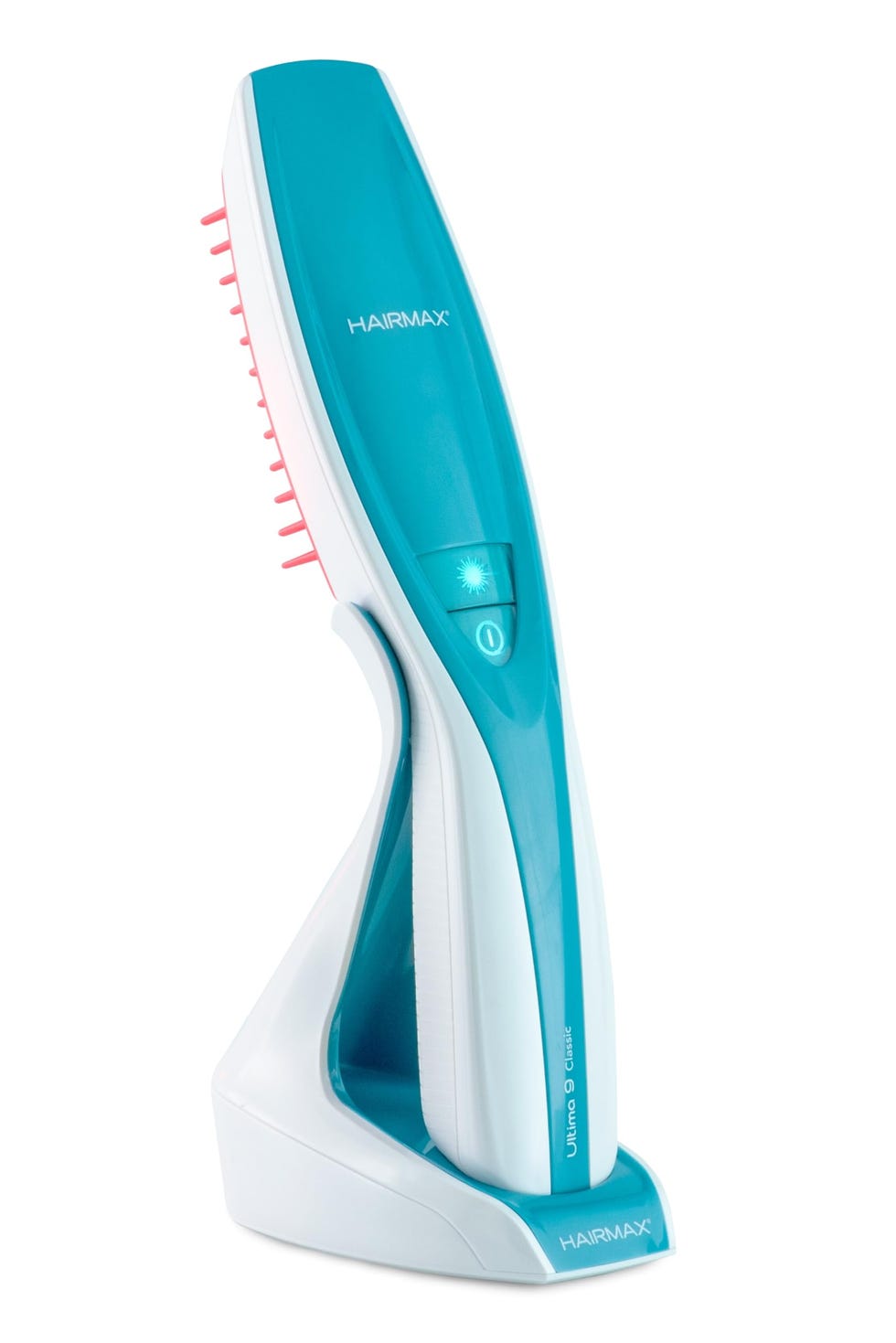
Hair thickening shampoos for men can reduce shedding, add volume, and support a healthier scalp, but they are not a cure for male pattern baldness. If you are losing hair, the first step is to understand what a shampoo can and cannot do.
What Shampoos Can and Cannot Do
No shampoo will give you the volume you had in your teens. According to Esquire, if you have genetic hair loss, you need something stronger than a thickening shampoo. Male pattern baldness is a one-way street, and without a hair transplant, the best you can do is hold onto what you still have.
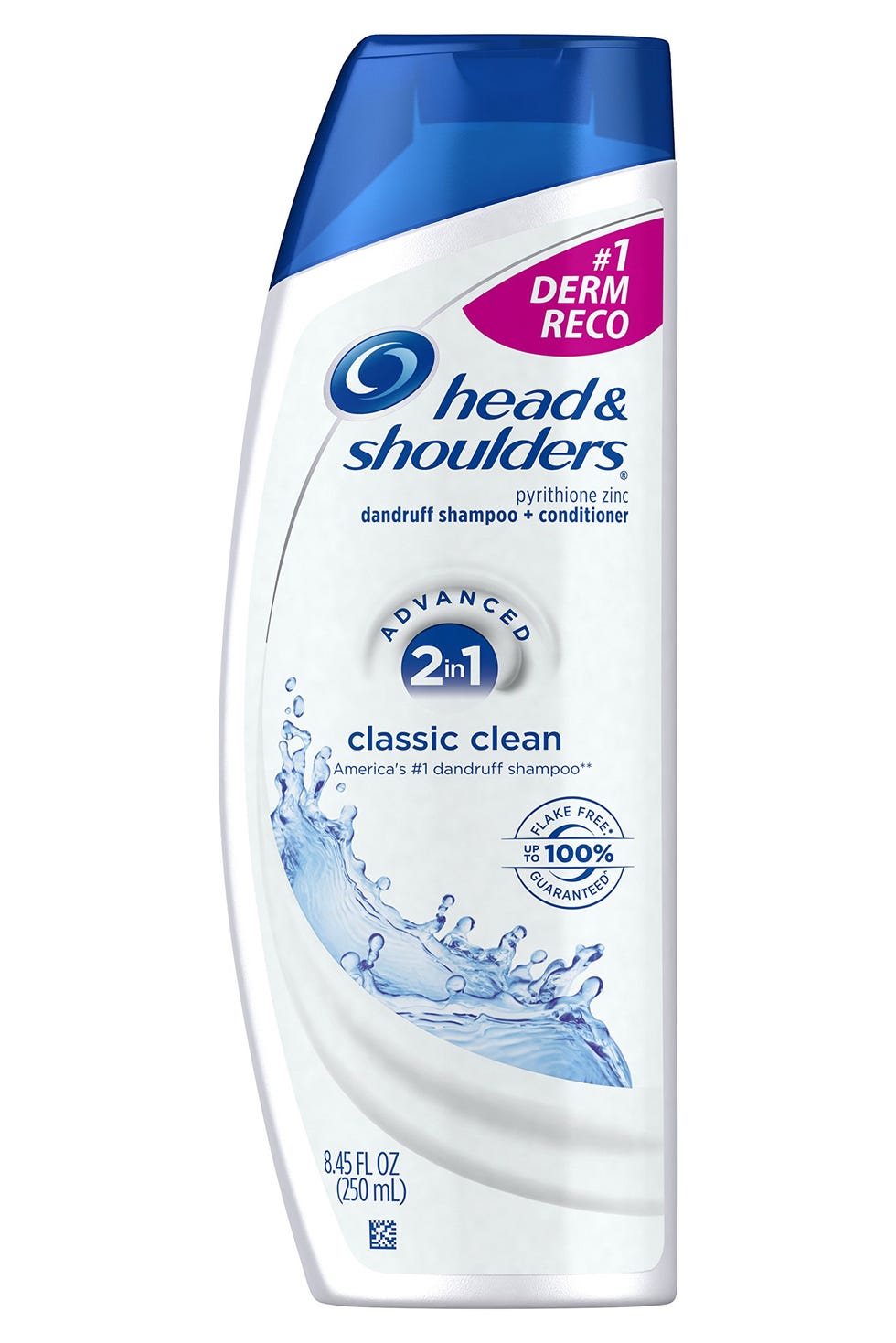
The shampoos on this list are for everyday, reversible hair loss issues like breakage, thinning, and scalp problems. They create a healthy environment to encourage strands to grow as strong as possible. For medical or hereditary conditions like alopecia, see a doctor.
How We Chose These Shampoos
Testers lathered up multiple times a week, sometimes daily, for up to 12 weeks. They judged hair type compatibility, ingredients, cleansing ability, scent, and results like more growth and less shedding. In the lab, experts used a HairMetrix machine to measure impact on hair thickness and density.
The 9 Best Hair Thickening Shampoos for Men
1. Vegamour GRO Revitalizing Shampoo
Best overall. This formula uses biomimetic peptides, caffeine, biotin, and Karmatin (vegan keratin). One tester with a natural widow’s peak saw new baby hairs around her temples after 12 weeks. Her hairdresser noticed too. Caveat: it can leave the scalp itchy, so patch test first. Use about twice a week, letting it sit for one minute before rinsing. Sulfate-free. Around $48.
2. Garnier Fructis Grow Strong Shampoo
Best affordable. At under $10 for 22 ounces, this is the most accessible pick. Key ingredients are apple extract and niacinamide. A tester saw new growth after about six weeks, plus less breakage and more lift. It contains sulfates, so skip it if you avoid sulfates. It can leave the scalp itchy or flaky for some.
3. Kérastase Densifique Shampoo
Best for shedding. With hyaluronic acid, ceramides, and gluco-peptide, this shampoo slowed shedding and thinning in testers. One tester noticed less hair loss while brushing and washing, and fewer sparse spots after 12 weeks. The floral scent may be too strong for some. It contains sulfates. Around $48.
4. Virtue Flourish Shampoo for Thinning Hair
Best for thinning around the hairline. This sulfate-free formula contains alpha keratin 60ku CLINICAL protein, sodium hyaluronate, red algae extract, and biomimetic signal peptides. A tester saw a fuller hairline with new growth after about six weeks. It did not help with shedding. Around $46.
5. Mielle Rosemary Mint Strengthening Shampoo
Best strengthening. This affordable pick (about $9) contains biotin, peppermint oil, rosemary oil, coconut oil, and babassu seed oil. A tester with breakage and thinning found it strengthened hair and supported growth. It can leave hair feeling dry, so pair it with a hydrating mask. Sulfate-free.
6. Nutrafol Root Purifier Scalp Shampoo for Thinning Hair
Best for oily scalps. This sulfate-free formula uses vegan protein, prebiotics, and biosurfactant to deeply cleanse roots and balance oil without stripping hair. A tester with an oily scalp found her scalp felt less oily throughout the day. It may be too drying for non-oily scalps. Around $44 for 8.1 ounces.
7. Ingreendients Daily Shampoo
Best all-natural. This plant-based shampoo is led by tea tree oil, apple cider vinegar, and aloe vera. It is 100 percent biodegradable, cruelty-free, and packaged in 100 percent recycled plastic. A tester found it left hair hydrated, smooth, and easy to style. Around $24.
8. California Naturals Coconut Daily Shampoo
Best for all hair types. With at least 99 percent organic ingredients, coconut and avocado oil, this shampoo is safe for color-treated hair and comes in a 100 percent post-consumer recycled bottle. It has a refreshing coconut and sandalwood scent. Lather is average. Around $12.
9. Nioxin Scalp + Hair Thickening System 1
Best dermatologist-recommended. This system includes a cleanser, conditioner, and post-wash foaming treatment. Key ingredients are biotin and caffeine. According to Byrdie, 9 out of 10 people report thicker hair when using the full Nioxin treatment system. It contains sulfates. Around $10 to $30 depending on size.
What to Know Before You Buy
Check the ingredients. Look for biotin, niacinamide, caffeine, rosemary oil, peppermint oil, and peptides. These are the most common actives in hair thickening shampoos for men.
Match your scalp type. If you have an oily scalp, choose a purifying formula like Nutrafol. If you have a dry or sensitive scalp, avoid harsh sulfates and patch test first.
Be patient. Most testers saw results in six to 12 weeks. Shampoos are not overnight fixes.
See a doctor if you have sudden or severe hair loss, patches of missing hair, or a family history of early baldness. Prescription treatments like minoxidil and finasteride are proven for male pattern hair loss, though they have side effects. New treatments like PP405 and extended-release oral minoxidil are in trials, according to Men’s Health, but may not be available for a year or more.
A Simple Way to Add This to Your Routine
Pick one shampoo from this list based on your main concern, whether that is shedding, thinning, or an oily scalp. Use it two to three times a week, letting it sit for one to two minutes before rinsing. Pair it with a gentle conditioner if your hair feels dry. Give it at least eight weeks before judging results. If you see no change, or if your hair loss is getting worse, see a dermatologist. Hair thickening shampoos for men can help, but they work best as part of a broader plan that includes a healthy diet, stress management, and medical advice when needed.
Frequently Asked Questions
Can hair thickening shampoos for men regrow hair?
No shampoo will give you the volume you had in your teens. They can help create a healthy environment to encourage strands to grow as strong as possible. If you have genetic hair loss, you need something stronger than a thickening shampoo, such as minoxidil or finasteride, which are proven but have side effects.
How long before I see results from a hair thickening shampoo?
Most testers in our panel saw results in six to 12 weeks. Some saw new growth in about six weeks, while others needed three months. Be patient and use the product consistently.
Should I see a doctor for hair loss?
Yes, if you have sudden or severe hair loss, patches of missing hair, or a family history of early baldness. Prescription treatments are proven for male pattern hair loss, and new treatments are in trials. A dermatologist can help you choose the right option.
Related Articles
- Silver Rail Elementary: Verify Breaking News Fast
- Curly Hair Hydration: 5 Proven Steps That Actually Work
- Celebrity Traitors UK Season 2 Not on US Streaming
- Nigeria US Health Compact: 5 Steps to Demand Transparency
- OPay Earns More From Lending Than Payments: What It Means for You
FIRST TIME REACTIONS:
Be the first to leave us a comment – 9 Best Hair Thickening Shampoos for Men That Actually Work, down the comment section.
JOIN US ON OUR SOCIAL MEDIA:
Health and Fitness
Keep Curly Hair Healthy and Hydrated: 7 Steps That Work
Learn how to keep curly hair healthy and hydrated with proven steps: wash frequency, deep conditioning, steam, and gentle detangling.

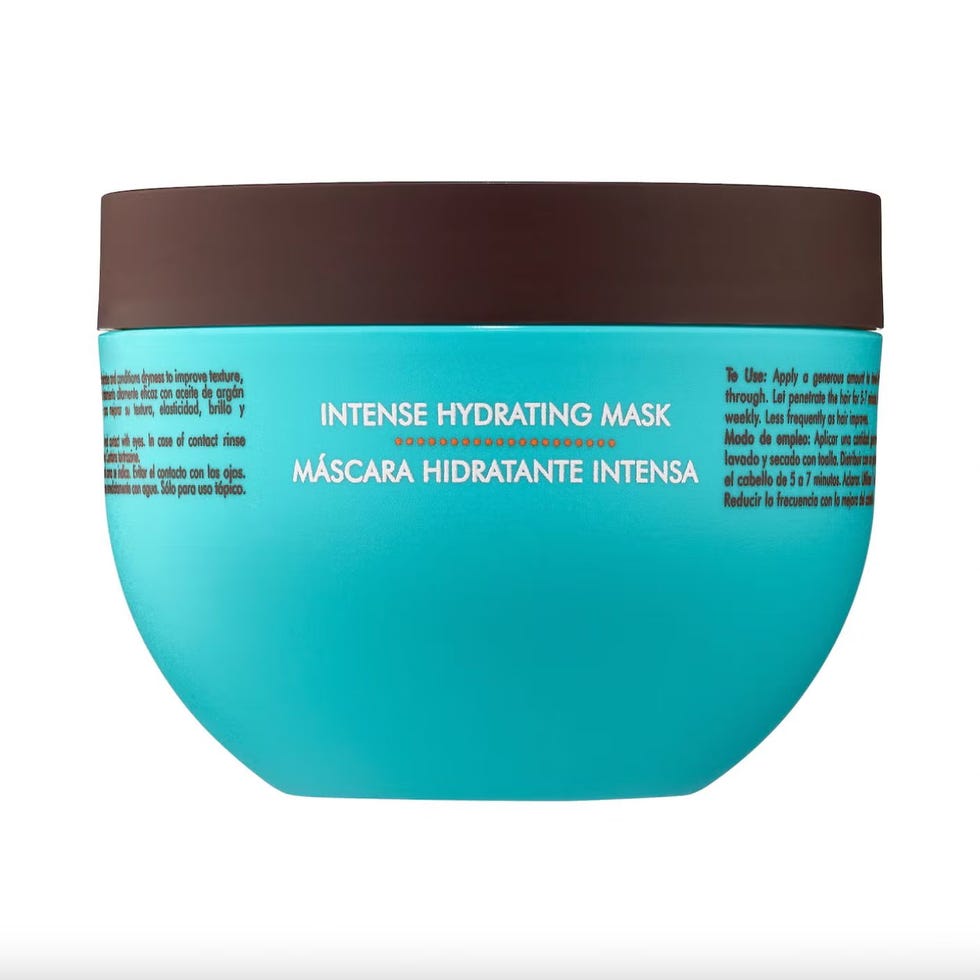
You want curls that feel soft, spring back when you pull them, and don’t frizz up the moment you step outside. That goal is reachable. It comes down to a simple routine: clean your scalp without stripping it, put moisture back into the strands, and handle wet hair gently.
Here is how to keep curly hair healthy and hydrated, step by step.
Why Curly Hair Dries Out Faster
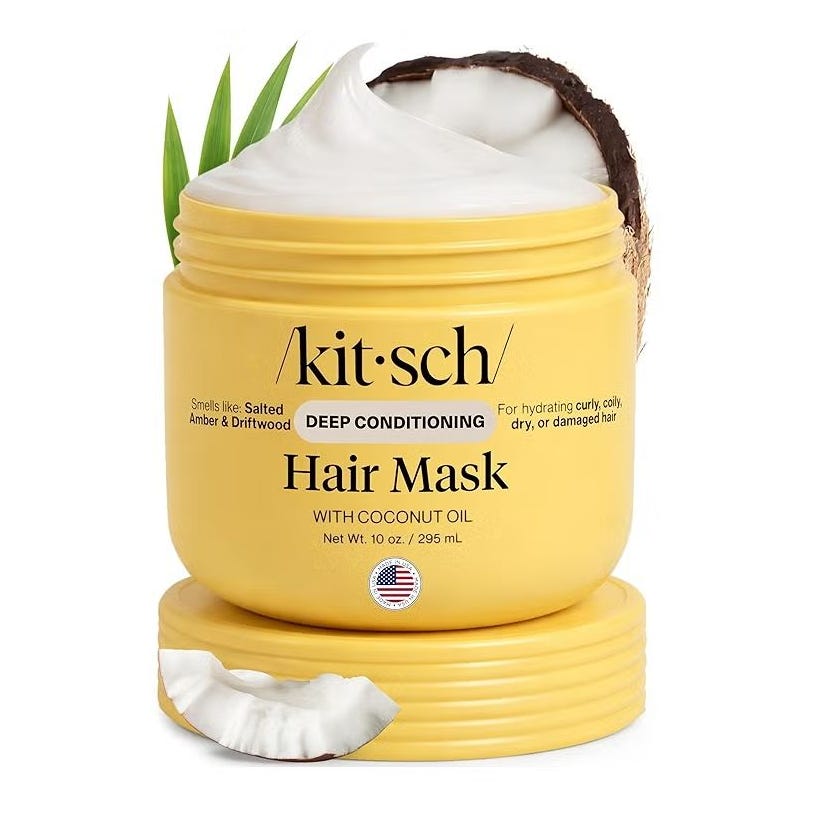
Curly hair is structurally different from straight hair. Its twists and turns make it hard for your scalp’s natural oils to travel down the hair shaft, according to Men’s Health. Without help, your hair loses elasticity, turns dull, and becomes frizzy and hard to manage.
Curly hair is also more porous, so moisture escapes easily. That is why a dedicated conditioner is not optional. It is the foundation your curls need to lock in moisture and fight humidity.
Step 1: Wash Your Scalp, Not Just Your Hair
Healthy hair starts with a healthy scalp. Dr. Kseniya Kobets, director of cosmetic dermatology at Montefiore Einstein Advanced Care, told TIME that if your scalp is calm and balanced, your hair is much more likely to behave.
Most people should wash every two to four days. For dry or curly hair, that can stretch to once a week or every two weeks. Use a sulfate-free shampoo, which is gentler and does not strip away oils. Use about a quarter-sized amount, massage it into your scalp gently, and let the lather clean the lengths as it rinses.
If your scalp is dry, look for hydrating shampoos with glycerin or ceramides. If you have dandruff, choose a shampoo with ketoconazole, zinc pyrithione, or selenium sulfide.
Step 2: Condition Every Wash
Conditioner restores the oils that washing removes. Apply it to the mid-lengths and ends, not the roots, unless your scalp is very dry. The American Academy of Dermatology recommends applying conditioner to the entire length for curly or dry hair.
Rinse it out thoroughly. Leaving residue behind can weigh curls down.
Step 3: Deep Condition Weekly
If you use heat tools or color your hair, a weekly hair mask is essential, not optional. Apply it to damp hair after shampooing. Squeeze out excess water first, then focus on mid-lengths to ends. There is usually no need to apply it to your scalp, especially if you want to keep volume.
Use a wide-tooth comb in the shower to spread the product evenly. For fine or straight hair, five minutes is enough. Thicker, curly, or coily hair can stay longer.
Step 4: Add Steam or Heat
Heat helps the mask penetrate deeper. Dr. Luke told Prevention that using a portable steamer or a heated conditioning cap allows better penetration of water and conditioning ingredients. A simple shower cap or a warm towel works too.
Step 5: Detangle With Care
Wet hair stretches and can break. Dr. Downie advises using a wide-tooth comb and plenty of patience. Never yank or pull. This applies to all hair types, but curly and coily hair need extra caution.
Step 6: Seal in Moisture
After washing, use a leave-in conditioner or curl cream on damp hair. Look for water and glycerin as top ingredients, plus lighter seed oils like jojoba or argan. Thicker oils like coconut and castor are better for sealing moisture in tight curls.
A good curl cream delivers slip, hydration, definition, and frizz control. Apply it to clean, wet hair and distribute evenly. For extra shine, a small amount of hair oil on your ends can help.
Step 7: Protect Your Curls Between Washes
Avoid touching your hair too much during the day. At night, use a satin bonnet or pillowcase to reduce friction. If your curls need a refresh, spritz with water and a little leave-in conditioner.
Mistakes to Avoid
Do not overwash. Overwashing causes dryness, brittleness, and breakage. Do not use hot water, which strips oils and irritates the scalp. Do not skip conditioner. Do not scrub your scalp harshly. Do not use heavy products if you have fine curls, and do not use lightweight volumizing products if your hair is coarse and dry.
When to See a Doctor
See a dermatologist if you notice persistent rashes, pimples, redness, itching, bald patches, or sudden hair shedding. A doctor can check your thyroid, iron, and vitamin D levels, or do a biopsy if needed.
The Result
With consistent care, your curls will feel softer, look shinier, and break less. You will notice better definition and less frizz. It takes a few weeks, but the change is real.
Your First Step Today
Start by washing your hair less often and adding a weekly deep conditioning mask. That single change can make a difference. To keep curly hair healthy and hydrated long-term, stick with a simple routine: gentle cleansing, deep moisture, and careful handling.
Frequently Asked Questions (hair thickening shampoos for men)
How often should I wash curly hair?
Most people should wash every two to four days. For dry or curly hair, once a week or every two weeks is often enough. Wash based on how oily or dirty your scalp gets.
Can I use regular conditioner as a deep conditioner?
No. A deep conditioning mask is thicker and stays on longer. Use a regular conditioner after every wash and a mask once a week for extra moisture.
What ingredients should I look for in curly hair products?
Look for water and glycerin as top ingredients, plus lighter seed oils like jojoba or argan. For sealing moisture, thicker oils like coconut and castor work well. Proteins like keratin or rice protein can help prevent breakage.
Related Articles
- Silver Rail Elementary: Verify Breaking News Fast
- Curly Hair Hydration: 5 Proven Steps That Actually Work
- Celebrity Traitors UK Season 2 Not on US Streaming
- Nigeria US Health Compact: 5 Steps to Demand Transparency
- OPay Earns More From Lending Than Payments: What It Means for You
Receive alerts for keep curly hair healthy and hydrated and more like it.
FIRST TIME REACTIONS:
Be the first to leave us a comment – Keep Curly Hair Healthy and Hydrated: 7 Steps That Work, down the comment section.
JOIN US ON OUR SOCIAL MEDIA:
Health and Fitness
9 Best Hair Thickening Shampoos for Men: Real Results
Find the 9 best hair thickening shampoos for men. We explain what works, what doesn’t, and how to use them for visible results.
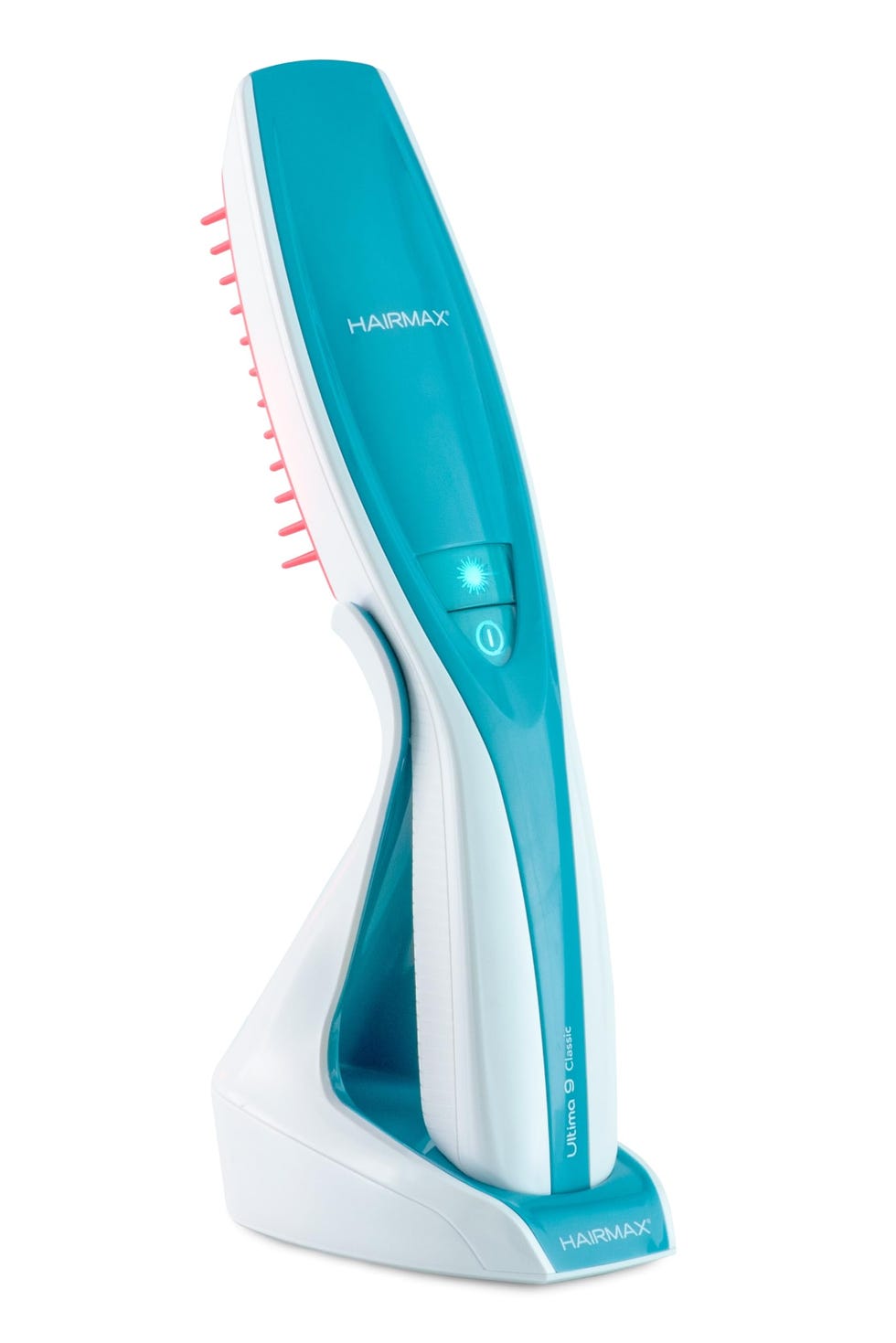
You want thicker hair. You’re not alone. Male pattern hair loss affects 30 to 50 percent of men by age 50, according to research. But before you panic, know this: the right hair thickening shampoos for men can help with everyday shedding and breakage. They won’t regrow a receding hairline, but they can make the hair you have look fuller and healthier.
This guide gives you a clear plan. You’ll learn which shampoos work, how to use them, and when to see a doctor.
First, Understand What Shampoos Can And Can’t Do
No shampoo will give you the volume you had in your teens. That’s the honest truth from Esquire. If you have genetic hair loss (male pattern baldness), shampoos won’t reverse it. You need minoxidil, finasteride, or a hair transplant.
But for reversible hair loss—breakage, thinning from stress, or scalp issues—shampoos can help. They create a healthy scalp environment. They strengthen strands. They reduce shedding. That’s the goal.
Step 1: Pick The Right Ingredients
Look for these proven ingredients:
Biotin: Strengthens hair and supports growth. Found in Mielle Organics and Nioxin.
Caffeine: Stimulates hair follicles. In Vegamour and Nioxin.
Niacinamide: Improves scalp health. In Garnier Fructis and Vegamour.
Rosemary oil: May block DHT, a culprit in hair loss. In Mielle Organics.
Pumpkin seed oil: Also helps block DHT. In Maple Holistics.
Avoid harsh sulfates if you have a sensitive scalp. But note: sulfates aren’t evil. They just clean better. If you have dandruff or oily scalp, sulfates are fine.
Step 2: Choose From The 9 Best Hair Thickening Shampoos For Men
We tested dozens. These nine made the cut based on real results from testers.
1. Vegamour GRO Revitalizing Shampoo
Best for: Hairline thinning and new growth. Key ingredients: Biomimetic peptides, caffeine, biotin. Sulfate-free. Our tester saw new baby hairs around her temples after 12 weeks. Her hairdresser noticed. Caveat: Can leave scalp itchy. Patch test first. Price: Around $40 for 8 oz.
2. Garnier Fructis Grow Strong Shampoo
Best for: Affordable thickening. Key ingredients: Apple extract, niacinamide. Contains sulfates. Our tester saw new growth after six weeks. Less breakage. More volume. Under $10 for 22 oz. A steal.
3. Kérastase Genesis Bain Hydra-Fortifiant Shampoo
Best for: Thinning and shedding. Key ingredients: Hyaluronic acid, ceramides, gluco-peptide. Our tester noticed less shedding and fewer sparse spots after 12 weeks. Great lather. Price: Around $40. Worth it if you can afford it.
4. Virtue Flourish Shampoo
Best for: Hairline growth. Key ingredients: Alpha keratin 60ku CLINICAL protein, sodium hyaluronate, red algae extract. Sulfate-free. Our tester saw fuller hairline after six weeks. Didn’t help with shedding. Price: Around $40.
5. Mielle Organics Rosemary Mint Strengthening Shampoo
Best for: Strengthening and growth. Key ingredients: Biotin, peppermint oil, rosemary oil, coconut oil. Sulfate-free. Our tester with 4B-4C hair saw less breakage and new growth. Caveat: Drying. Pair with a hydrating conditioner. Price: Around $12 for 12 oz.
6. Nutrafol Root Purifier Shampoo
Best for: Oily scalps. Key ingredients: Vegan protein, prebiotics, biosurfactant. Sulfate-free. Our tester with oily scalp saw less oil and new hairs around hairline after two months. Price: Around $40 for 8.1 oz.
7. Nioxin Scalp + Hair Thickening System 1
Best for: General thinning. Key ingredients: Biotin, caffeine. Contains sulfates. 9 out of 10 people report thicker hair when using the full system. Our tester lost less hair after two weeks. Price: Around $30 for the system.
8. Maple Holistics Biotin Hair Shampoo
Best for: Dry, thinning hair. Key ingredients: Jojoba seed oil, tea tree oil, rosemary oil, niacinamide, argan oil, biotin, coconut oil. Sulfate-free. Amazon bestseller. A reviewer said after a few months, hair was thick and full. Price: Around $12 for 8 oz.
9. Redken Extreme Length Shampoo
Best for: Damaged, brittle hair. Key ingredients: Biotin. Contains sulfates. Viral for reducing breakage. A reviewer said hair grew a lot. Price: Around $25 for 10.1 oz.
Step 3: Use It Correctly
Shampoos won’t work if you use them wrong. Follow these rules:
Wet your hair thoroughly. Apply a quarter-sized amount. Massage into scalp for 60 seconds. Leave it on for 1-2 minutes. Rinse well. Use 2-3 times per week. More isn’t better.
Be consistent. Hair grows in cycles. You won’t see results for at least six weeks. Some men need three months. Take photos every month to track progress.
Step 4: Avoid These Mistakes
Mistake 1: Expecting miracles. Shampoos are not minoxidil. They won’t regrow dead follicles. If your hairline is receding, see a dermatologist.
Mistake 2: Using too many products. Pick one shampoo. Stick with it for three months. Then evaluate.
Mistake 3: Ignoring scalp health. Dandruff and inflammation block growth. Use a shampoo with tea tree oil or ketoconazole if you have flakes.
Mistake 4: Not treating underlying causes. Stress, poor diet, and thyroid issues cause shedding. Fix those first. Eat protein, iron, and zinc.
Step 5: Know When To See A Doctor
If you have sudden hair loss, patchy bald spots, or a receding hairline, see a dermatologist. You may need prescription treatments. Minoxidil and finasteride are proven but have side effects. Finasteride can cause erectile dysfunction in some men. Minoxidil takes six months to work. New treatments like PP405 and extended-release minoxidil are in trials. They may be available in a year or more. For now, ask your doctor what’s right for you.
The Bottom Line
The best hair thickening shampoos for men can help with breakage and mild thinning. They won’t cure male pattern baldness. Use them consistently for three months. Track your progress. If you don’t see results, see a doctor. Your first step today: pick one shampoo from this list, order it, and start washing. That’s it. Small action, real results.
Frequently Asked Questions (hair thickening shampoos for men)
Can hair thickening shampoos regrow hair?
No shampoo can regrow hair lost to male pattern baldness. They can help with breakage, mild thinning, and scalp health. For genetic hair loss, you need minoxidil, finasteride, or a transplant.
How long until I see results from a hair thickening shampoo?
Give it at least six weeks. Some men need three months. Hair grows in cycles, so consistency is key. Take monthly photos to track progress.
Are sulfate-free shampoos better for thinning hair?
Not necessarily. Sulfates clean better but can be harsh on sensitive scalps. If you have dandruff or oily scalp, sulfates are fine. If your scalp is dry or itchy, try sulfate-free.
Related Articles
- Curly Hair Hydration: 5 Proven Steps That Actually Work
- Celebrity Traitors UK Season 2 Not on US Streaming
- Nigeria US Health Compact: 5 Steps to Demand Transparency
- OPay Earns More From Lending Than Payments: What It Means for You
- Deli Meat Health Risks: How to Limit It to Once a Week
Receive alerts for hair thickening shampoos for men and more like it.
FIRST TIME REACTIONS:
Be the first to leave us a comment – 9 Best Hair Thickening Shampoos for Men: Real Results, down the comment section.
JOIN US ON OUR SOCIAL MEDIA:
-

 Startups3 weeks ago
What a Successful Dangote Refinery IPO Really Says
-
Trending Entertainment News4 days ago
Taylor Swift Joins Beatles as Only Acts With 100 Weeks at No. 1
-
World News3 weeks ago
Carney Calls U.S. Tariffs a Miscalculation as Canada Retaliates
-
Fintech3 weeks ago
OPay No Dey Comot Nigeria: How to Verify Fintech News
-
Nigerian Business2 weeks ago
Moniepoint POS Network: How to Buy Dangote Shares
-
Fintech3 weeks ago
OPay Investing in People to Build a Better Nigeria
-
Football3 weeks ago
Mexico vs Colombia 2026: Márquez Debut Ends in Defeat
-
Black Celebrities3 weeks ago
Brandi Carlile: Rock Star in Her Prime, On Tour Now