Trending Entertainment News
Summer Walker Claims LVRN Hid YouTube Cash
Summer Walker claims LVRN fraudulently hid YouTube and Amazon revenue. Inside her lawsuit to void her contract and the $50M Interscope fight.


Summer Walker claims LVRN ran a YouTube page in her name without telling her, then deleted the history before handing over the keys. That is the headline from a 10-page fraud lawsuit she filed against Love Renaissance Records on Aug. 28.
The complaint, first obtained by Rolling Stone, accuses the Atlanta label and management company of locking her into an oppressive contract, diverting money from her budgets, and hiding revenue from Amazon and YouTube pages that used her name and likeness. LVRN had not publicly responded when the lawsuit surfaced.
The Setup

Walker signed with LVRN on Sept. 15, 2017, when she was 19. Weeks later, on Nov. 1, she signed with Interscope. That two-step deal structure is at the center of everything. LVRN discovered and managed her. Interscope released the music. Both contracts are now under attack.
The new complaint says the LVRN Agreement granted particularly oppressive and extensive rights to the defendant, and controlling influence over Walker. It alleges breach of fiduciary duty, breach of contract, and fraudulent concealment. She wants the court to declare the 2017 deal void and unenforceable, plus compensatory and punitive damages.
Her lawyer, Keith Moten, did not mince words. Summer is in a new phase of her life, he told Rolling Stone. She’s been through a lot in her life, personally and professionally. She’s a mother now, and she doesn’t trust blindly anymore. She’s ready to fight for herself, her freedom and her peace.
The Money Trail
The specific allegations are ugly. Walker claims LVRN sold merchandise with her name and likeness on Amazon and other retail sites without paying her a cut. She also claims the company operated a YouTube page in her name without her knowledge, deleted its historical data before transferring control to her, and never turned over the revenue that page generated.
She also accuses LVRN of improperly diverting money from her touring, recording, marketing, and merchandising budgets while charging excessive company expenses to those accounts in bad faith.
According to Rolling Stone, Moten said Walker had trusted LVRN to treat her fairly as a young artist but now believes the company betrayed that trust. Summer has given LVRN iconic music, and some of the best years of her life, he said. In return, LVRN has breached Summer’s trust in them and has failed Summer in numerous ways.
The Interscope Counterattack
This is not a one-front war. Last week, Interscope and its parent company UMG sued Walker in Los Angeles County Superior Court. They claim her notice to exit under California’s seven-year rule would entitle UMG to damages upwards of $50 million.
Walker sent Interscope a letter in August saying she would stop working under the agreement effective Aug. 27, 2026. Interscope’s lawsuit argues her failure to deliver all required recordings leaves her liable. The label says her 2017 deal and amendments obligated her to deliver five studio albums, with Last Day of Summer and CLEAR classified as pre-album projects that did not count toward that total.
An Interscope spokesperson told Rolling Stone the company remains hopeful for an amicable resolution but filed suit to preserve the terms of its contract. We have great respect for Summer and her music and would welcome the opportunity to continue our successful partnership, the statement said.
Moten said he and his client were disappointed that Interscope chose litigation. He said Walker plans to countersue and remains open to a constructive resolution.
Why This Matters For Fans
Walker’s fight is not just about her. It is a window into how young artists get signed, managed, and monetized before they have leverage. She was 19. The industry experts who spoke to Rolling Stone called her contract terms brutal in retrospect.
The YouTube allegation is the one that should make every artist check their own backend. A label or management company running a channel in your name, deleting the analytics history, then handing you an empty account is the kind of thing that only surfaces when someone finally audits the books.
According to HotNewHipHop, the lawsuit targets the Sept. 15, 2017 agreement specifically and asks the court to void it. Moten added that Walker’s priority is ending the relationship. Most importantly, we also have very strong legal grounds for the court to order Summer’s release from her deal with LVRN as well, he said.
What Happens Next
LVRN has not filed a public response yet. Interscope’s $50 million claim is moving through Los Angeles County Superior Court. Walker’s fraud suit is separate and seeks a court order to kill the LVRN contract outright.
If the court voids the 2017 agreement, the entire foundation of her Interscope deal could shift. That is why both cases are being watched closely by artists, managers, and lawyers across R&B.
Walker remains focused on her music, her artistry, her children, and her fans, according to Moten. But make no mistake: Summer Walker claims LVRN crossed a line that cannot be uncrossed, and she is asking a judge to make that official.
The Verdict
Who should care about this one? Any fan who streams Summer Walker on YouTube or buys her merch. Any young artist about to sign a management deal. Anybody who thinks a seven-year rule is a clean escape hatch. It is not. It is a legal fight, and it is expensive.
Who should wait? People looking for a quick resolution. This is going to take months, maybe years. The only thing confirmed right now is that Walker wants out, Interscope wants $50 million, and LVRN has yet to answer in public. The rest is up to the court.
Frequently Asked Questions
What exactly does Summer Walker claim LVRN did with her YouTube page?
The lawsuit alleges LVRN operated a YouTube page in her name without her knowledge, deleted its historical data before transferring control to her, and never paid her the revenue that page had generated.
How much money is Interscope suing Summer Walker for?
Interscope and UMG are seeking damages upwards of $50 million, claiming Walker failed to deliver all the recordings required under her 2017 contract.
Is the LVRN contract the same as the Interscope contract?
No. Walker signed with LVRN on Sept. 15, 2017, and with Interscope on Nov. 1, 2017. Her fraud lawsuit targets the LVRN agreement and asks the court to declare it void and unenforceable.
Related Articles
- Dangote Refinery IPO Extended: 4.1 Billion Shares Up for Grabs
- JAMB Warns Candidates Against Accepting Admissions Outside CAPS
- OPay Files for $500M NYSE IPO: What Nigerian Investors Should Do
- Spot Fake Car Parts Nigeria: 95% Imported Parts Fail
- Mel Ismail Shark Encounter: How He Survived
 Follow AFRILATEST on Google News
FIRST TIME REACTIONS: (Summer Walker claims LVRN)
Be the first to leave us a comment – Summer Walker Claims LVRN Hid YouTube Cash, down the comment section.
JOIN US ON OUR SOCIAL MEDIA:

Trending Entertainment News
Burna Boy Begged Davido: What Skales’ Jet Story Really Shows
Skales says Burna Boy begged Davido for a seat on his jet to Yola. What the Burna Boy begged Davido claim actually proves — and what stays unconfirmed.


The story arrived the way most Afrobeats lore arrives now: a clip from an interview, cut short, reposted until it stops reading as one man’s memory and starts reading as record. Skales, born John Njeng-Ngeng, sat down and recalled a flight to Yola. In his telling, Burna Boy begged Davido for a seat on his private jet. Three Nigerian outlets ran it. Not one of them carried a line from Burna Boy or Davido.
Taken as oral history rather than news, the clip does something a press release never could. It puts two of the biggest names in Nigerian music inside the same small cabin at a moment when their careers sat on very different floors. That is the value. The verification is the problem.
What Skales Actually Said About The Yola Flight

The quote is short and specific. “Burna called Davido and said, ‘Please, can I join their jet?’ Davido said, ‘Why not?’” Skales recalled, according to Legit.ng.
The details stack up from there. Both Skales and Burna Boy were booked to headline the Yola show. The jet was already loaded, so Davido asked one of his own team to hold back and travel the next day. Even then, the cabin was so tight that one passenger sat on the toilet seat for the duration of the flight. And Davido gave up his own seat to Skales.
That last part is the one most clips cut. A superstar surrendering his seat on his own jet is a stranger, more revealing image than a full aircraft. It also frames Skales himself in a telling way: he is the man the seat was handed to, and he is telling the story.
Where The Burna Boy Begged Davido Claim Fails The Verification Test
The word is doing work the quote doesn’t support. “Begged” is headline language. What Skales actually describes is a request between two working artists, the kind of call that happens weekly in Lagos. Nothing in his account suggests desperation, and nothing in the three write-ups, including Daily Post and PM News, includes a response from either camp.
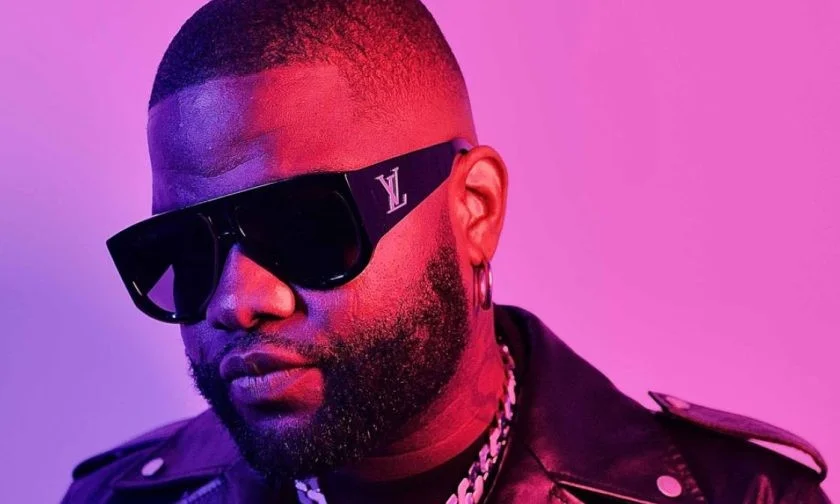
Watch the drift, too. Legit.ng says Davido “asked one of his team members to hold back and catch a flight the next day.” PM News says Davido “had to remove someone from his team from the flight.” Same event, different temperature. That is how one anecdote becomes three slightly different stories, and it is why the Burna Boy begged Davido framing should be read as a claim rather than a confirmed account.
The same ecosystem supplies the harder numbers, and they are just as soft. Legit.ng’s piece links back to an earlier report on Burna Boy’s hypercar, described as the most expensive car in Africa with a reported price tag of around 9 billion naira. Reported. Described. Neither is a primary-source figure. Fans should hold both stories to the same standard.
Why The Timeline Makes The Story Plausible Anyway
Plausibility is not proof, but it is not nothing. Legit.ng notes that at the time of the Yola show, Burna Boy “had not yet reached the global heights he now occupies as a Grammy-winning artist.” That one line explains the entire power dynamic of the anecdote. In the story, Davido owns the aircraft and Burna Boy is the one asking to board.
That is an older Lagos than the one fans see on timelines today. It is also why the story is landing now: it is a pre-fame story being told post-fame, and the gap between those two positions is the entertainment. Private jets have become the standard unit of status in Nigerian pop coverage, so a story about who owned one and who needed a seat reads as more than travel logistics to a fanbase that tracks that hierarchy closely.
Fans who want this verified have an obvious route. Davido or Burna Boy confirming it, or someone from Davido’s crew acknowledging the missed flight. None of that exists in any of the reports. Until it does, the anecdote sits where most Nigerian pop lore sits: widely repeated, thinly sourced, and probably true in outline.
The Major Lazer Detail Is The Real Story
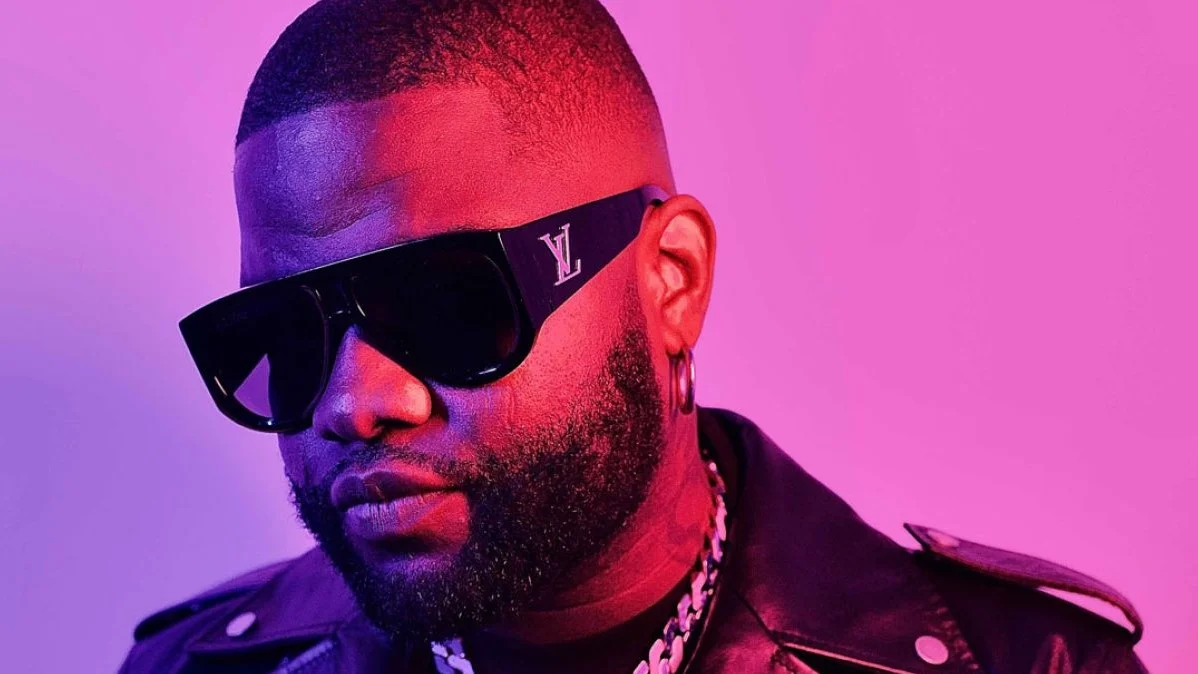
Buried under the toilet seat is the part with an actual career outcome attached. Skales says the Yola performance put him on stage alongside Burna Boy, and that the trip connected him to Major Lazer, with whom he later made music. He did not detail how the meeting happened, a gap worth flagging rather than filling in.
If the clip has lasting value for fans, it is here. A flight that reads as comedy online was, by Skales’s own account, a working trip that changed his trajectory. That is a bigger claim than the one in the headline, and it is the one nobody is clipping.
Should Fans Take The Story Seriously
Listen to the clip as testimony, not confirmation. Skales was on the plane, which makes him a witness rather than a gossip. He is also a witness with a career narrative to serve, and his account has not been corroborated by the two men at the centre of it.
The hierarchy of the story is clear. The Burna Boy begged Davido line is a headline. The passenger on the toilet seat is a detail. The Major Lazer connection is the one with something built on top of it. Start there, and treat the rest as what it is: an Afrobeats origin story told out loud, years too late to check and too good to scroll past.
Frequently Asked Questions
Did Burna Boy actually beg Davido for a seat on his private jet?
That is Skales’s claim, made in an interview. The quote he gives is “Please, can I join their jet?” which is a request, not begging. Neither Burna Boy nor Davido has publicly confirmed the story, and none of the reports include a response from either camp.
Who is Skales?
Skales is the Nigerian singer born John Njeng-Ngeng. He was booked on the same Yola show as Burna Boy and says he was on the flight in question, which makes him a first-hand witness to the trip rather than an outside commentator.
What did Skales say came out of the Yola trip?
Skales says performing in Yola alongside Burna Boy connected him to international act Major Lazer, with whom he later made music. He did not explain how that meeting happened, so the specifics of the link-up have not been confirmed independently.
FIRST TIME REACTIONS:
Be the first to leave us a comment – Burna Boy Begged Davido: What Skales’ Jet Story Really Shows, down the comment section.
JOIN US ON OUR SOCIAL MEDIA:

About stephen Douglas
Stephen Douglas is a gaming and entertainment author at AfriLatest. With a background in social media management and community building, he covers the latest trends in the gaming industry, esports, and digital culture. Stephen creates engaging content that keeps readers connected and informed about the games and entertainment they love.
View all articles by stephen DouglasTrending Game
Stablecoins In African Trade Gain Ground, Costs Bite
Stablecoins in African trade solve dollar shortages and after-hours settlement in Nigeria and Ghana, but costs, hacks and blockchain silos slow wider use.

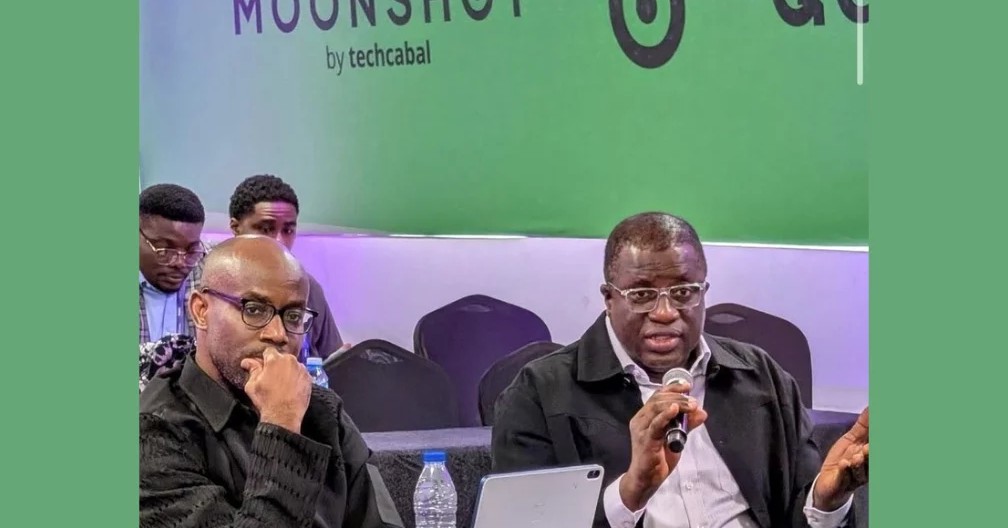
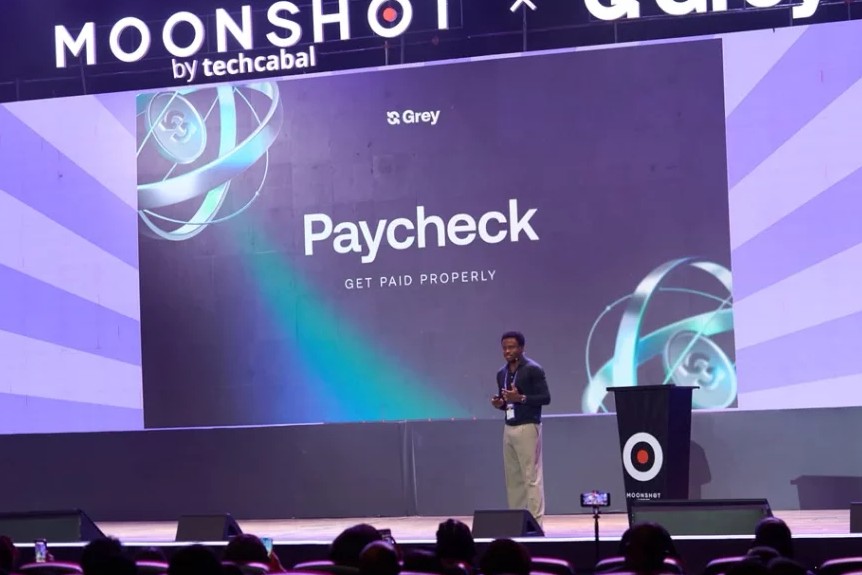
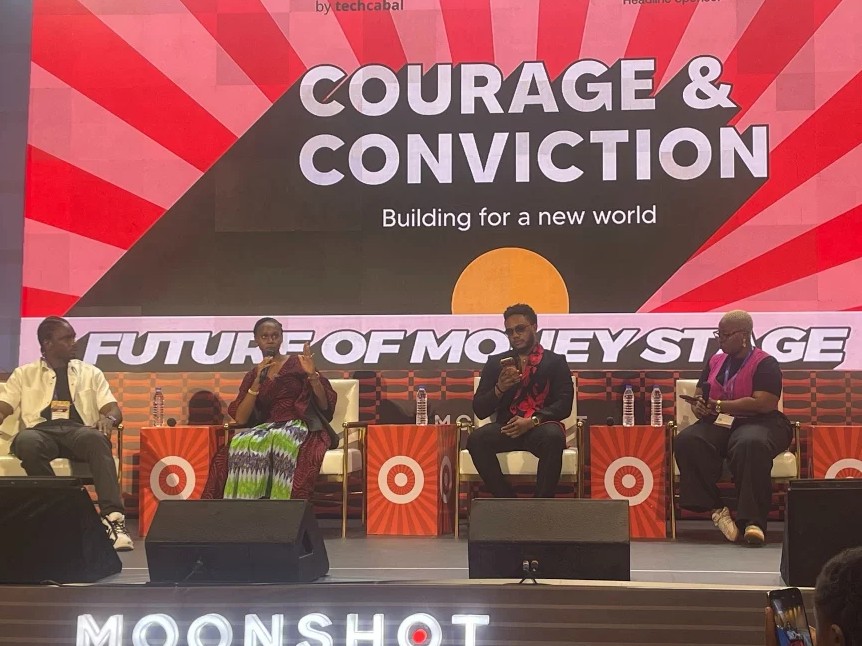
The scoreboard from Lagos read plainly enough. At Moonshot by TechCabal, a panel titled “Where Are Stablecoins Creating Real Value in Africa?” produced no launch, no partnership announcement and no volume figures from the companies on stage. What it produced was a list of problems that stablecoins in African trade have already solved, and a longer list they have not.
Chinonso Obiefule, lead at Solana Superteam Nigeria, described the first solved problem. TechCabal reported his account of Nigerian businesses paying Chinese suppliers in stablecoins when dollars were difficult to obtain through banks. “People want to access dollars, but they cannot do that because, obviously, dollars aren’t easily accessible, so the next best option is actually stablecoin,” he said.
Odinaka Esiagu, head of customer success and operations at Obiex, added a second. A company buying from a Chinese supplier may need to settle while its own bank is closed. Stablecoins move the money without waiting for the next banking day. Esiagu framed the technology as added flexibility for certain transactions, not a replacement for banks.
Where Stablecoin Payments Already Clear The Bar
The scale is contested but large. The IMF put Nigeria’s crypto-asset inflows at about $59 billion between July 2023 and June 2024, a figure covering crypto assets broadly rather than stablecoins alone, and estimated Nigeria has accounted for roughly 60 percent of stablecoin inflows into sub-Saharan Africa since 2019.
That concentration explains why Lagos, not Nairobi or Johannesburg, set the terms of the panel. The demand driver is not ideological. It is a foreign-currency queue and a banking calendar.
Costs And Trust Still Set The Price Of Admission
Availability is not adoption. Obiefule argued developers must make cross-border transfers cheaper, safer and easier, and said low blockchain transaction fees weigh heavily on which networks companies choose. “It should be cheaper to send money to somebody abroad or to get money from somebody abroad,” he said.
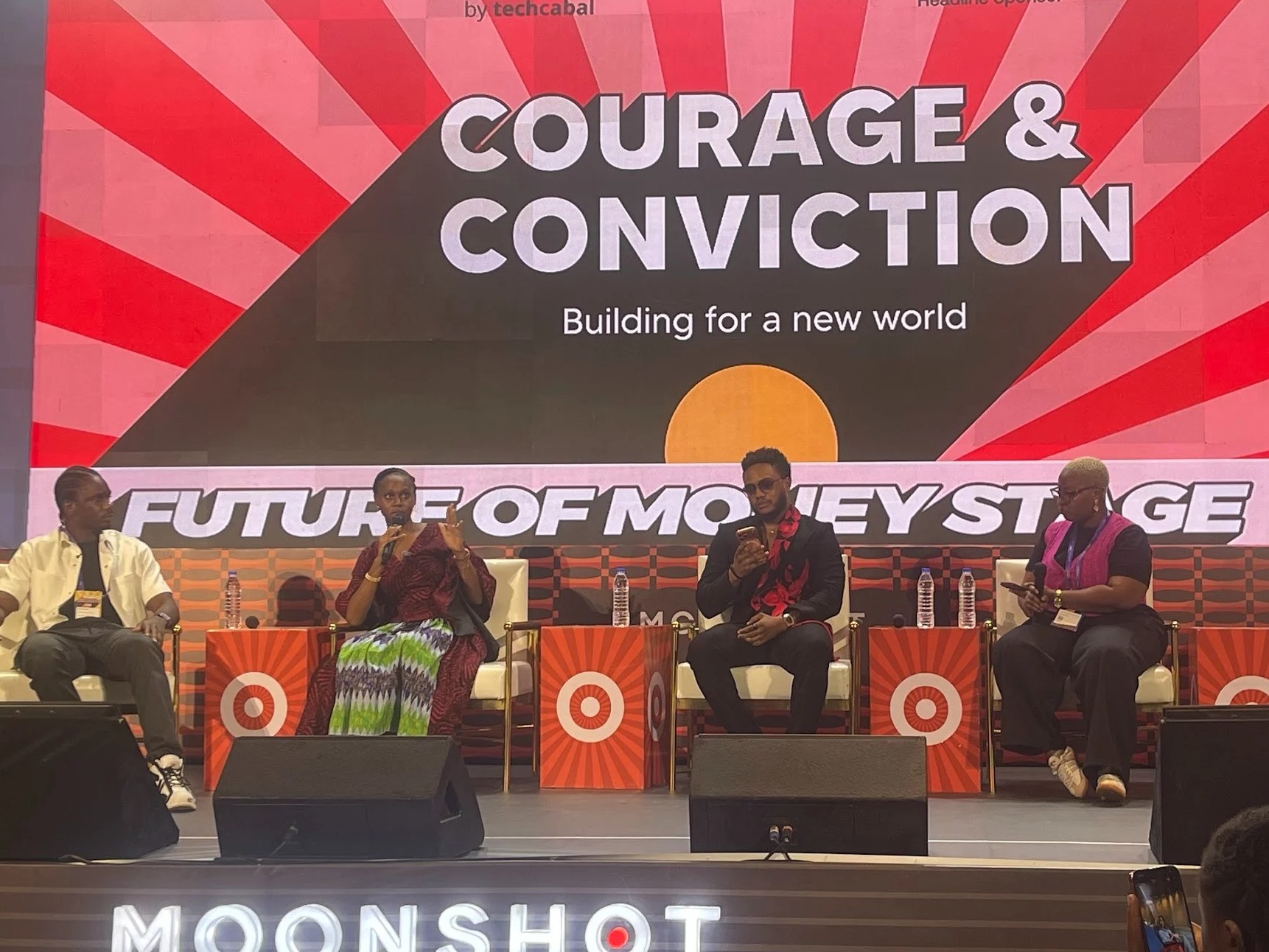
Trust is the harder constraint. Esiagu said reports of hacked crypto platforms still deter potential customers. “Some people are still scared,” she said. Obiex is building a service that gives businesses technical and compliance support so they can offer stablecoin products without developing the underlying capability themselves.
Fragmentation Is The Unfinished Play
Seun Lanlege, chief executive of Hyperbridge, identified the structural problem the panel’s title implied but did not resolve: funds on one blockchain are not automatically usable on another. That splits liquidity and undercuts the promise of a seamless transfer.
Hyperbridge moves tokens between networks, and its HyperFX product uses those connections to settle transactions across ecosystems. Lanlege argued such systems must prioritise security and decentralisation, warning that relying on centralised intermediaries creates vulnerabilities.
Ghana Shows What Rules Do To Stablecoins In African Trade
Ghana offers the clearest test of what happens when regulation arrives. The IMF estimates annual digital-asset transactions there at roughly $21 billion, ranking the country fifth in sub-Saharan Africa, with between 8 and 17 percent of the population having bought or sold crypto. Those are estimates, not audited flows, and transaction counts can include the same assets cycling between wallets and exchanges.
The legal base now exists. Parliament passed the Virtual Asset Service Providers Bill in December 2025, and Act 1154 divides oversight between the Bank of Ghana and the Securities and Exchange Commission. Crypto.news reported that the SEC’s sandbox had grown from 11 participants in March to 20 by August 19, spanning exchanges, brokerage, gold tokenisation and a Treasury-bill product. The Bank of Ghana has created a Virtual Assets Department.
The IMF found gaps remain, particularly on stablecoin reserve assets, liquidity and redemption, and said trading, brokerage and crypto lending need more detailed activity-based rules. Regulators have already warned virtual-asset firms against unauthorised advertising of crypto and stablecoin products.
What The Numbers Say About The Next Two Years
Market structure cuts against any assumption that today’s leaders hold. Tether’s USDT and Circle’s USDC control more than 85 percent of a $217 billion stablecoin market, yet Rob Hadick of Dragonfly argues the technology is roughly 5 percent developed and that challengers will take ground through payments, distribution and compliance rails, as CCN reported. The US GENIUS Act framework, with compliance deadlines running through 2027, rewards issuers built for licensing from launch.
There is a second competitor that receives less attention. Standard Bank became the first African bank to link directly into China’s Cross-Border Interbank Payment System in November 2025, allowing settlement with China in renminbi without a dollar intermediary, as Al Jazeera reported. Stablecoins are not the only answer to a dollar shortage.
An Editor’s Note On Verification
This report was commissioned as an NHL game recap. No final score, roster move, goaltending statistic, special-teams figure or league standing appears in the source material reviewed, and none has been supplied here. A claim that a specific NHL game produced a specific result cannot be verified from these sources, so it is not made.
What It Means
The standings in this market favour access over ideology. Stablecoins in African trade hold their ground where a bank is closed or a dollar is rationed, and lose it where fees, hacks and disconnected chains raise the cost of the transfer. Until reserve rules in Accra and Lagos are settled, adoption will keep outrunning supervision, and supervision will keep chasing the corridor.
Frequently Asked Questions
What is driving stablecoin use among African businesses?
Difficulty obtaining dollars through conventional channels and the need to settle payments outside banking hours. Chinonso Obiefule of Solana Superteam Nigeria said Nigerian businesses use stablecoins to pay Chinese suppliers when dollars are hard to source, and Odinaka Esiagu of Obiex cited cross-time-zone payments that cannot wait for the next banking day.
How large is Nigeria’s crypto market relative to stablecoins?
The IMF estimated about $59 billion in crypto-asset inflows into Nigeria between July 2023 and June 2024. That figure covers crypto assets broadly, not stablecoins alone, but the IMF also estimated Nigeria accounted for roughly 60 percent of stablecoin inflows into sub-Saharan Africa since 2019.
What regulatory gaps remain for stablecoins in Ghana?
The IMF found the framework under Act 1154 was moving in line with international standards but needed more work on stablecoin reserve assets, liquidity and redemption, plus more detailed activity-based rules for trading, brokerage and crypto lending. Ghana’s SEC sandbox listed 20 firms by August 19.
Does this article contain an NHL game recap?
No. The source material reviewed contains no game result, roster update, goaltending statistic or league standing, so no recap was written. Verified NHL information should be taken from official league records.
FIRST TIME REACTIONS:
Be the first to leave us a comment – Stablecoins In African Trade Gain Ground, Costs Bite, down the comment section.
JOIN US ON OUR SOCIAL MEDIA:

About James Williams
James Williams is the Content Director at AfriLatest. With a background in journalism and a love for storytelling, he curates compelling content and multimedia that resonates with global readers. James is dedicated to maintaining AfriLatest as a trusted source for daily news, sports updates, and entertainment trends.
View all articles by James WilliamsEntertainment TV & Film
Heysel 85: Teodora Ana Mihai’s Disaster Film Tests Europe’s Reach
Heysel 85, Teodora Ana Mihai’s film on the 1985 Brussels stadium disaster, hits Tokyo, Belgium and the UK. What is confirmed, and what is not.
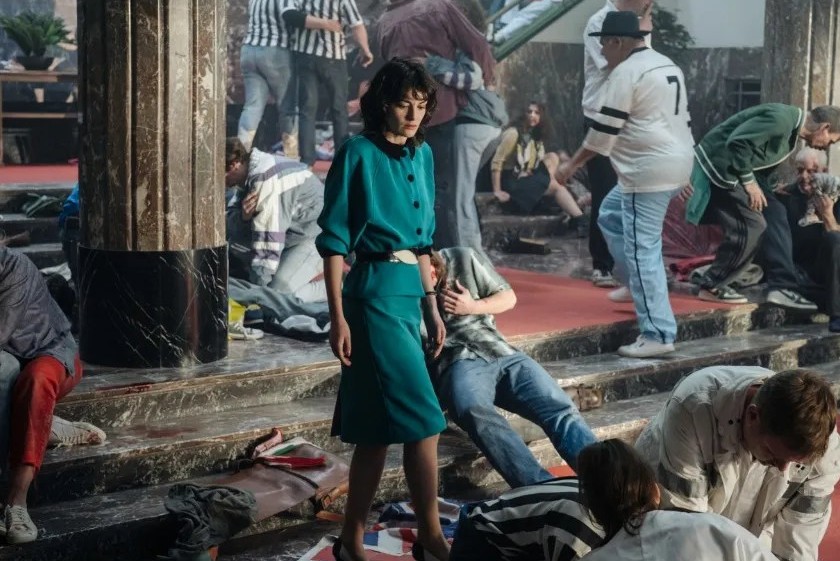
Teodora Ana Mihai’s Heysel 85 has begun its international life, and the terms of that life are worth stating plainly. The film had its Asian premiere at the Tokyo Film Festival this week, roughly eight months after its debut in Berlin, and it reaches cinemas in Belgium on 18 November through Kinepolis and in the UK on 20 November through Icon. The open question is not whether the film is well made. It is whether a European art film built around a 1985 stadium disaster can travel beyond the two countries that lived through it.
The underlying facts are not in dispute. Thirty-nine people died at Heysel Stadium in Brussels ahead of the 1985 European Cup Final between Liverpool and Juventus. Heysel 85 does not linger on restaging those deaths. It interrogates the structural flaws that allowed them to happen, built from a mix of archival footage of the disaster and live-action sequences shot on 16mm.
The plot compresses that failure into two people. Marie, the mayor’s daughter played by Violet Braeckman, has to step in for her father when he is too drunk and too overwhelmed to take command. Luca, a journalist of Italian origin played by Matteo Simoni, keeps reporting for Italian television while searching for his family in the chaos. Politicians and police face a single question: cancel the match, or let it go on.
Why Heysel 85 Works As An Institutional Autopsy
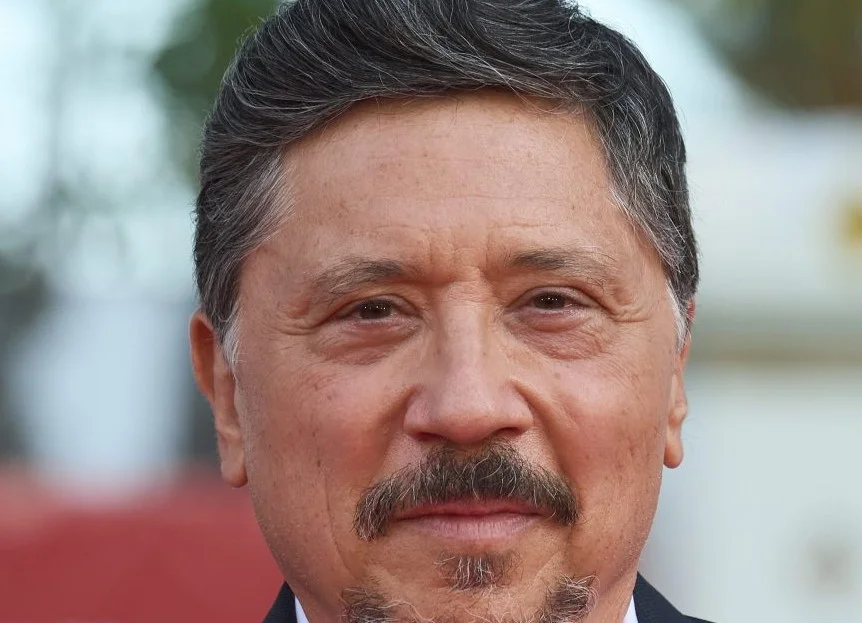
Mihai wrote the screenplay with Lode Desmet and Isabelle Darras. She places the disaster at the centre of Belgian memory. “This is one of those moments in Belgium that’s comparable to 9/11 in the US,” she told Deadline. “It was a huge event; people were shocked.” She added that the country’s divided language communities are united on one point: what happened there should not have happened.
She nearly turned the project down. Her producer, Hans Everaert, brought her material on the disaster. “I didn’t jump at it right away,” she said. “I wondered, ‘Am I the right person to tell this story?’” She names the discomfort itself as the reason she took it on, along with football’s “metaphorical potential” as a backdrop for saying something existential.
The look of Heysel 85 was a technical decision with a budget consequence. Cinematographer Marius Panduru, whom Mihai calls one of Romania’s best, argued for celluloid so the new footage would sit beside the archive without visible seams in texture. “If you want the archive to look as close as possible to what we’re going to film, 16mm is the way to go,” she recalled him saying. Shooting on 16mm forced her to cut days from the schedule to control cost. “I really believe the production looks better than the money we had available,” she said.
What Is Confirmed About Heysel 85, And What Is Not
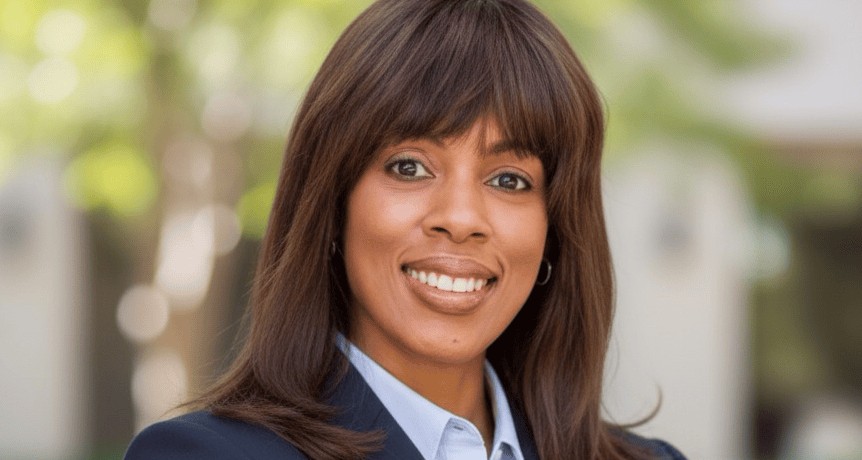
The verified record is narrow and specific. The film premiered in Berlin, screened in Tokyo, was written by Mihai with Desmet and Darras, stars Braeckman and Simoni, and opens in Belgium on 18 November via Kinepolis and in the UK on 20 November via Icon. The Tokyo Film Festival runs until 4 November.
Everything else is forecast. No box office figure, audience score or Tokyo prize for the film appears in the reporting, and the festival has not closed. Deadline’s description of a “buzzy” Berlin debut is a characterization by the trade press, not a measured result. Mihai herself refuses to convert buzz into certainty. “There’s been a lot of positive buzz, but you can never know until it’s out there,” she said, noting that her distributor chose the autumn window deliberately because Belgian audiences prefer the sun to the cinema in summer.
The same caution applies to the film’s central argument. That the 1985 deaths were produced by decisions taken before kick-off is the film’s thesis, staged through fictional officials who weigh cancellation against the cost of stopping a European final. The thesis is not a court finding. It is a reading of the record that the film asks audiences to accept.
The Distribution Assumption That African Cinema Cannot Make
Heysel 85 enters an infrastructure that already works. A Belgian distributor holds screens; a UK distributor holds a date. Neither has to be built. That is the invisible precondition of the film’s international launch, and it is the precise thing missing in most African markets, where financing and distribution are negotiated together rather than assumed.
That gap is now being addressed with capital. The Cairo-based African Export-Import Bank launched a $1 billion Pan-African Film Fund through its development arm, FEDA, with publishing veteran Lavaille Lavette as chief executive, according to the fund announcement. The bank said the fund will invest across content production, infrastructure and distribution, prioritising “commercially viable” and “export-oriented” projects, and will lend to expand streaming, exhibition and post-production capacity on the continent. One title it has backed, Arie and Chuko Esiri’s Clarissa, debuted in Cannes’ Directors’ Fortnight and will be released by Neon.
The distinction matters for how this story is read in Lagos, Nairobi or Accra. A film like Heysel 85 is financed as a cultural project and distributed as a commercial routine. The African fund is designed to make distribution part of the financing question, because for most African productions it is the binding constraint rather than the afterthought.
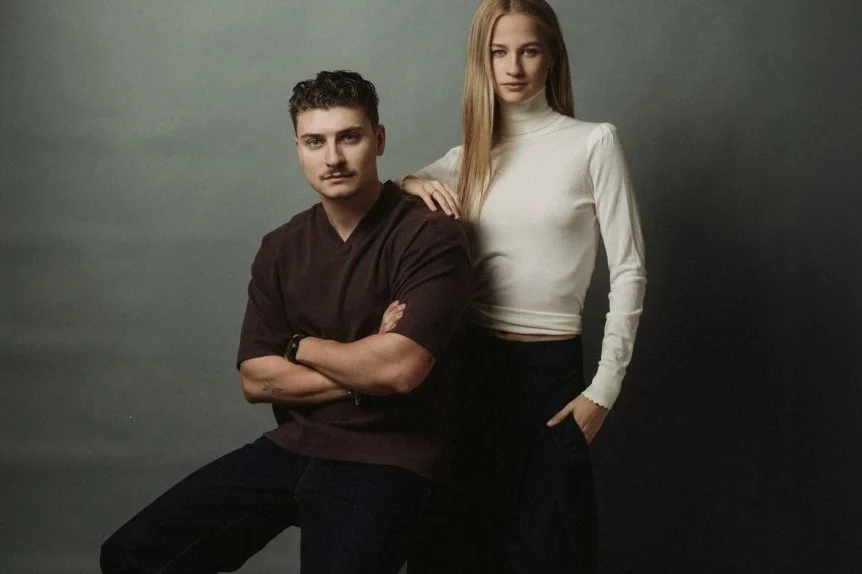
Mihai is not waiting on any of this. She is already at work on her fourth feature, Two Lives, a chamber piece about two brothers and their families. It opens as a repeated summer holiday, then one brother dies, and the film follows his widow as she holds together for two teenage boys. “It’s a very uncomfortable project. I love it,” she said.
The larger point sits with the timeline. Heysel 85 preserves a sequence of decisions — a stadium judged unfit, a match allowed to proceed, a command structure that collapsed — and asks who signed off on each step. That question travels. It applies to any country where crowd safety is weighed against broadcast revenue and the cost of cancellation, and it is why the film’s Belgian and British release dates are a test worth watching rather than a formality.
Frequently Asked Questions
When and where does Heysel 85 open?
The film opens in Belgium on 18 November through Kinepolis and in the UK on 20 November through Icon, following its Berlin debut and an Asian premiere at the Tokyo Film Festival.
What is Heysel 85 about?
It is inspired by the 1985 Heysel Stadium disaster in Brussels, where 39 people died before the European Cup Final between Liverpool and Juventus. The story follows the mayor’s daughter, Marie, and an Italian-origin journalist, Luca, as officials decide whether to cancel the match.
Who wrote and directed Heysel 85?
Teodora Ana Mihai directed and co-wrote the screenplay with Lode Desmet and Isabelle Darras. Marius Panduru was the cinematographer. The cast includes Violet Braeckman and Matteo Simoni.
FIRST TIME REACTIONS:
Be the first to leave us a comment – Heysel 85: Teodora Ana Mihai’s Disaster Film Tests Europe’s Reach, down the comment section.
JOIN US ON OUR SOCIAL MEDIA:
About stephen Douglas
Stephen Douglas is a gaming and entertainment author at AfriLatest. With a background in social media management and community building, he covers the latest trends in the gaming industry, esports, and digital culture. Stephen creates engaging content that keeps readers connected and informed about the games and entertainment they love.
View all articles by stephen Douglas-

 Startups1 month ago
What a Successful Dangote Refinery IPO Really Says
-
Savings & Investing1 week ago
Hidden Medicare Fees Draining Your Retirement Savings
-
Health and Fitness3 weeks ago
Curly Hair Hydration: 5 Proven Steps That Actually Work
-
Tech & Gadgets4 weeks ago
Apple Watch and AirPods Fall Deals: Save $120 Today
-
University Admissions1 month ago
UNILAG 2026/2027 Admission: Direct Entry & Post-UTME Guide
-
Football1 month ago
South Carolina vs Alabama: Tide Roll to 35-10 Halftime Lead
-
Football1 month ago
Mexico vs Colombia 2026: Márquez Debut Ends in Defeat
-
World News1 month ago
Carney Calls U.S. Tariffs a Miscalculation as Canada Retaliates