Black Celebrities
Tecno Camon 50 Ultra vs Camon 50 Pro: Full Review
Tecno Camon 50 Ultra review: 6.78-inch 144Hz AMOLED, Dimensity 7400, 50MP triple camera, 6500mAh battery. We compare it to the Camon 50 Pro 4G.

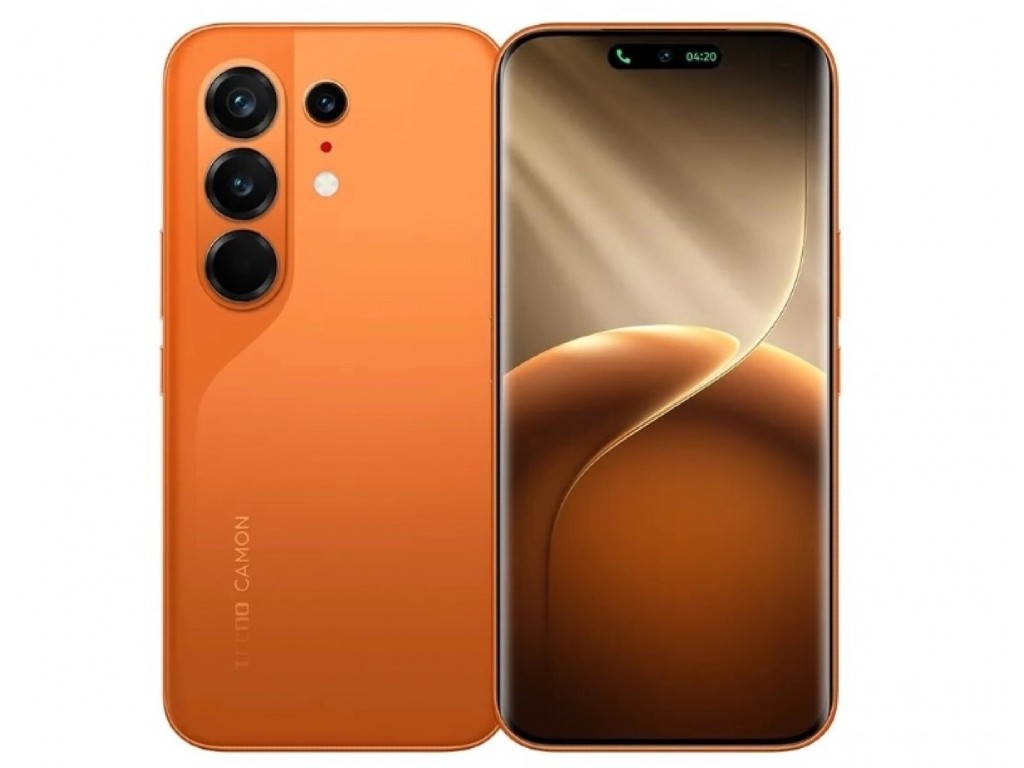
The Tecno Camon 50 Ultra is the 5G flagship of the Camon 50 family, while the Camon 50 Pro 4G is the value pick for buyers who don’t need 5G. Both share the same 6.78-inch AMOLED screen, 144Hz refresh rate, and 50MP Sony LYT-700C main camera. But the Ultra adds a 5G chip, a bigger battery, and a stronger processor. So which one deserves your naira? Let’s break it down.
Tecno Camon 50 Ultra vs Camon 50 Pro 4G: Specs and Price
Tecno launched the Camon 50 and Camon 50 Pro 4G first, then followed up with the Camon 50 Ultra 5G. The Ultra is the only one with 5G, and it is also the only one with a MediaTek Dimensity 7400 Ultra processor. The Camon 50 Pro 4G runs on the Helio G200 chip. That is a 4G-only processor. If 5G matters to you, the Ultra is your only option in this family.

The Ultra comes with 8GB or 12GB of RAM and 256GB of storage. The Camon 50 Pro 4G is stuck at 8GB RAM and 256GB storage. Neither phone has a storage expansion slot, so you must pick your storage wisely at purchase.
On the display, both phones give you a 6.78-inch AMOLED panel with a 1208 x 2644 resolution and a 144Hz refresh rate. The Ultra uses Gorilla Glass Victus 2 and Tecno’s PorXDR eye-care technology. The Pro 4G has a curved display, while the non-pro Camon 50 has a flat one. The Ultra also has a curved panel.
Battery is where the Ultra pulls ahead. The Ultra packs a 6500mAh battery with 45W charging. The Camon 50 Pro 4G has a 6150mAh battery, also with 45W charging. That 350mAh gap is not huge, but it matters on long days. Note that in some regions, the Ultra ships with a 6150mAh battery instead of 6500mAh. Check the box before you pay.
Cameras: The Ultra’s Real Advantage
Tecno built the Camon series on cameras, and the Ultra is the camera king here. Both phones have a 50MP Sony LYT-700C main sensor with OIS and a 1/1.56-inch sensor size. Both have an 8MP ultrawide camera. The difference is the telephoto.
The Camon 50 Ultra adds a 50MP telephoto camera with 3x optical zoom and up to 60x digital zoom. The Camon 50 Pro 4G also has a 50MP telephoto with 3x optical zoom, but only the Pro and Ultra get it. The standard Camon 50 does not have a telephoto at all.
Selfies are another split. The Ultra has a 50MP front camera with autofocus. The Camon 50 Pro 4G has a 32MP selfie camera. If you shoot a lot of videos for TikTok or Instagram, the Ultra’s 50MP autofocus selfie is a clear upgrade.
Both phones support underwater photography, thanks to their IP68/IP69/IP69K ratings. The Ultra and the Pro 4G are also MIL-STD-810 certified for durability. Tecno says the Ultra is MIL-STD-810 certified, while the Pro 4G is also MIL-STD-810 certified. The Ultra adds a triple IP rating (IP68/IP69/IP69K), which is the same as the Pro 4G. So durability is a tie.
Software and AI Features
Both phones ship with HiOS 16, based on Android 16. Tecno promises 3 Android OS upgrades and 5 years of security updates for both. You also get 50GB of cloud storage for 3 years on both devices.
The Ultra and the Pro 4G share AI photo editing features like a glare suppressor, shadow remover, and a tool that turns static images into 3D. The Pro 4G has an AI 60x superzoom mode, but the Ultra has a real 60x digital zoom via its telephoto lens. The Ultra also supports Dolby Atmos on its stereo speakers, same as the Pro 4G.
The Ultra’s Dimensity 7400 Ultra chip is built for AI tasks. According to Android Central, the phone performs quite well and comes with an extensive suite of AI features. The reviewer noted that battery life lasts all day and then some. That is high praise for a mid-range phone.
Price and Availability
Tecno has not announced Nigerian pricing for the Camon 50 Ultra or the Camon 50 Pro 4G. Pricing wasn’t confirmed for the Nigerian market. However, we have one solid price point from India.
According to GSMArena, the Tecno Camon 50 Ultra is priced at INR 39,999 in India. That is roughly $480 or about ₦740,000 at current exchange rates. The phone went on sale in India from July 21 exclusively through Amazon.in. It comes in Nebula Titanium, Cypress Green, and Misty Purple in India. In other markets, Tecno says it will be available in orange.
The Camon 50 Pro 4G should land cheaper. The Helio G200 chip and 4G-only modem keep the cost down. But without official Nigerian pricing, we can’t give you a naira figure. Expect the Ultra to sit above ₦700,000 if it follows the India price. The Pro 4G should land in the ₦500,000 to ₦600,000 range, based on how Tecno prices its 4G models against 5G ones.
Verdict: Which One Wins for You?
The Tecno Camon 50 Ultra wins for most Nigerian buyers who want a phone that lasts. The Dimensity 7400 Ultra chip handles 5G, the 6500mAh battery is bigger, and the 50MP autofocus selfie camera is better for content creators. The 50MP telephoto with 3x optical zoom and 60x digital zoom gives you real camera flexibility. The Gorilla Glass Victus 2 and triple IP rating mean you can carry it without a case and still survive Lagos rain.
The Camon 50 Pro 4G wins only if you are on a tight budget and 5G is not a priority. You still get the 50MP Sony LYT-700C main camera, the 144Hz AMOLED screen, and the 50MP telephoto. You lose 5G, the faster chip, the bigger battery, and the better selfie camera.
For a Nigerian buyer spending their money once, the Tecno Camon 50 Ultra is the safer long-term pick. 5G is rolling out across MTN and Airtel networks. Buying a 4G-only phone in 2026 means you will want to upgrade sooner. The Ultra costs more, but it gives you more years of use.
Check the battery capacity before you buy. Some regions get 6500mAh, others get 6150mAh. Ask the seller to confirm. And wait for official Nigerian pricing before you commit. If the Ultra lands under ₦750,000, it is a strong buy. If it crosses ₦850,000, look at the Camon 50 Pro 4G instead.
Frequently Asked Questions
What is the price of Tecno Camon 50 Ultra in Nigeria?
Tecno has not announced Nigerian pricing for the Camon 50 Ultra. Pricing wasn’t confirmed for the Nigerian market. In India, it is priced at INR 39,999, which is roughly ₦740,000 at current exchange rates. Wait for official Tecno Nigeria pricing before you buy.
Does the Tecno Camon 50 Ultra have 5G?
Yes. The Camon 50 Ultra 5G is the only model in the Camon 50 family with 5G. It runs on the MediaTek Dimensity 7400 Ultra processor. The Camon 50 and Camon 50 Pro 4G are 4G-only phones.
What is the battery capacity of the Tecno Camon 50 Ultra?
The Camon 50 Ultra has a 6500mAh battery with 45W charging in most regions. However, in some other regions, it ships with a 6150mAh battery. Check the box or ask the seller to confirm before you pay.
Related Articles
- Mexico vs Colombia 2026: Márquez Debut Ends in Defeat
- Spark Plug Replacement Cost: Fake Parts & Real Prices
- OPay Investing in People to Build a Better Nigeria
- Hyundai Elantra Parts: Maintenance Tips for N Models
- OPay No Dey Comot Nigeria: How to Verify Fintech News

Black Celebrities
Budget Swimwear Lessons From Sahara Ray Swim
Sahara Ray’s death at 34 puts her label Sahara Ray Swim in focus. What budget swimwear shoppers should take from its commercial context.
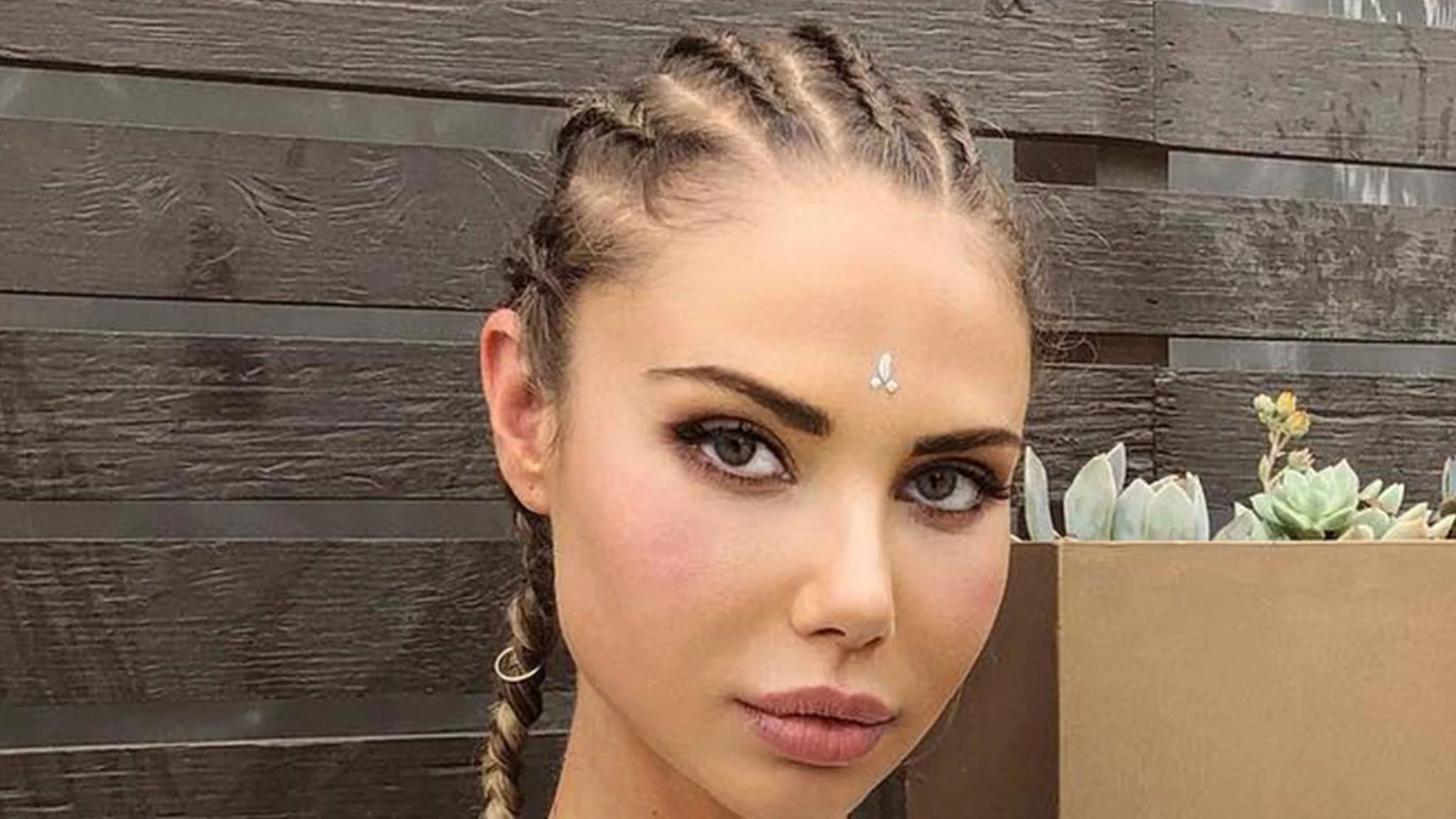
The budget swimwear goal is straightforward: a drawer of pieces that look deliberate without a designer receipt. The death of Sahara Ray at 34, confirmed by her family to TMZ, gives that goal an unexpected frame. Ray was not only the Australian model photographed vacationing in Hawaii with Justin Bieber in 2016. She founded Sahara Ray Swim, a label built on the Instagram following that made her name.
That combination — a face, a following, a small swim line — is the template for an entire tier of independent labels. Understanding how that tier works is the difference between buying budget swimwear that lasts and buying a photograph.
What Sahara Ray Swim Actually Was

Confirmed facts about the label are limited. Ray launched Sahara Ray Swim and sold it through her social presence, per TMZ. She was the daughter of Australian surfer Tony Ray and spent much of her childhood moving between Australia, California and Hawaii. That coastal triangle is commercial context rather than a design brief: swim brands born from surf cultures sell lifestyle first and construction second.
The record contains no verified information on fabrics, manufacturing partners, factory locations or retail pricing for Sahara Ray Swim. Any specific claim about its sourcing would be invention. That silence is common among founder-led swim lines, which frequently launch on short production runs and disclose little.
The Hard Economics Of A One-Name Label
Swim is an unforgiving category. Fit is technical, sizing varies between brands, and the selling window is narrow. A label fused to one person carries extra exposure, because the founder and the brand are the same asset.
Elastane is the reason so much of the resale market disappoints. Chlorine, heat, sunscreen and sunlight break down stretch fibres, and a garment that looks intact can be structurally finished. For budget swimwear shoppers, this is the single most useful thing to know: condition beats label every time.
Budget Swimwear Styling That Survives A Season
Start with solids. A black, chocolate or navy one-piece outlives prints, which date faster and photograph worse. Square necks, high legs and tie sides are silhouettes, not logos, and every high-street tier reproduces them each season.
Test recovery before you buy, in a shop or at a thrift stall. Stretch a strap or the leg opening and release it. If it does not snap back, the stretch fibre is spent and no amount of styling will save it. Check the gusset stitching, look for full lining, and reject anything with chalky or faded elastic.
Thrifted swim needs a wash and a repair, not a rewrite. Shortening a strap, taking in a side seam on a one-piece, or replacing a tired tie is a cheap alteration and the fastest route to a fit that feels made for you. A tailor who handles dancewear or lingerie will understand the stretch seams; a general alterations shop may not.
For high-street dupes, match geometry rather than branding. Photograph the shape you want, then compare seam placement, cup construction and rise. A dupe that gets the cut right and the fabric wrong will fail by August. One that gets the cut right in a denser knit will hold.
What The Court Record Says, And What It Does Not
Chloe Spence, a former roommate, filed for a restraining order against Ray in June 2024, according to court documents obtained by TMZ. Spence alleged Ray was taking Xanax without a prescription and had been in an “intoxicated delusional state” on more than one occasion, and alleged an April 2024 incident turned physical. The request was dismissed in July 2024 after neither party appeared for a hearing.
Sources close to the situation told TMZ the two resolved their differences, and Spence was by Ray’s side when she died. Ray’s cause of death has not been confirmed, and there is no established connection between the 2024 allegations and her death.
Separately, Ray spoke publicly in 2024 about Guillain-Barré syndrome, a rare neurological disorder that left her partially paralysed following a serious car accident. Her daughter, Snow, was born earlier this year.
Why The Label Story Matters After The Person
Founder-led labels rarely survive their founder intact. The design language, the customer list and the credibility usually sit with one person, which is why many small swim brands quietly close rather than change hands. That is a commercial fact, not a tribute.
It also shapes what shoppers should expect. Names built on a single face tend to produce in small runs, restock unpredictably and hold resale value unevenly. Buying budget swimwear from that tier works when you buy the garment rather than the association.
The Best Budget Hack
The most reliable budget swimwear move is to buy the silhouette and ignore the label entirely. Pick the shape, test the stretch, budget for one alteration, and put the saved money into a second solid colour instead of a print. Two well-fitted, well-chosen pieces outperform six that photograph once.
Sahara Ray built a label on an image and died at 34. The garments remain a separate question from the person, and readers are better served judging them on seams, stretch and cut. That is the honest version of budget swimwear advice, and it is the only version the available record supports.
Frequently Asked Questions
Did Sahara Ray design her own swimwear label?
Yes. TMZ reports that Ray launched Sahara Ray Swim and built it on her Instagram following. The available record does not disclose her fabrics, manufacturers, factory locations or pricing, so any claim about how the pieces were produced would be speculation.
What should I check before buying second-hand swimwear?
Test the stretch first. Pull a strap or leg opening and release it; if it does not spring back, the elastane is degraded and the garment will fail. Then check the gusset stitching, confirm there is a full lining, and reject faded or chalky elastic.
What is the cheapest way to copy a designer swim silhouette?
Match the geometry, not the logo. Photograph the cut you want, then compare seam placement, cup construction and rise on high-street versions. Build in the cost of one small alteration, such as shortening a strap, and spend the difference on a second solid colour rather than a print.
Receive alerts for budget swimwear and more like it.
 Follow AFRILATEST on Google News
FIRST TIME REACTIONS:
Be the first to leave us a comment – Budget Swimwear Lessons From Sahara Ray Swim, down the comment section.
JOIN US ON OUR SOCIAL MEDIA:

            About Paul Nwogo
            Paul Nwogo is an engineer, published author, and the Head Manager at AfriLatest. He has written numerous books available on Amazon covering a diverse range of topics, including health, personal finance, relationships, work ethics, and scam survival. With his technical background and passion for writing, Paul now oversees the editorial direction of AfriLatest, delivering practical, accurate, and engaging content on trending news, music, and global lifestyle topics.
            View all articles by Paul Nwogo

Black Celebrities
Shanghai Fashion Week: A Fifth Fashion Capital Rises
Shanghai Fashion Week is building an ecosystem for designers. Could it become a fifth fashion capital? We analyse the craft, business, and talent.
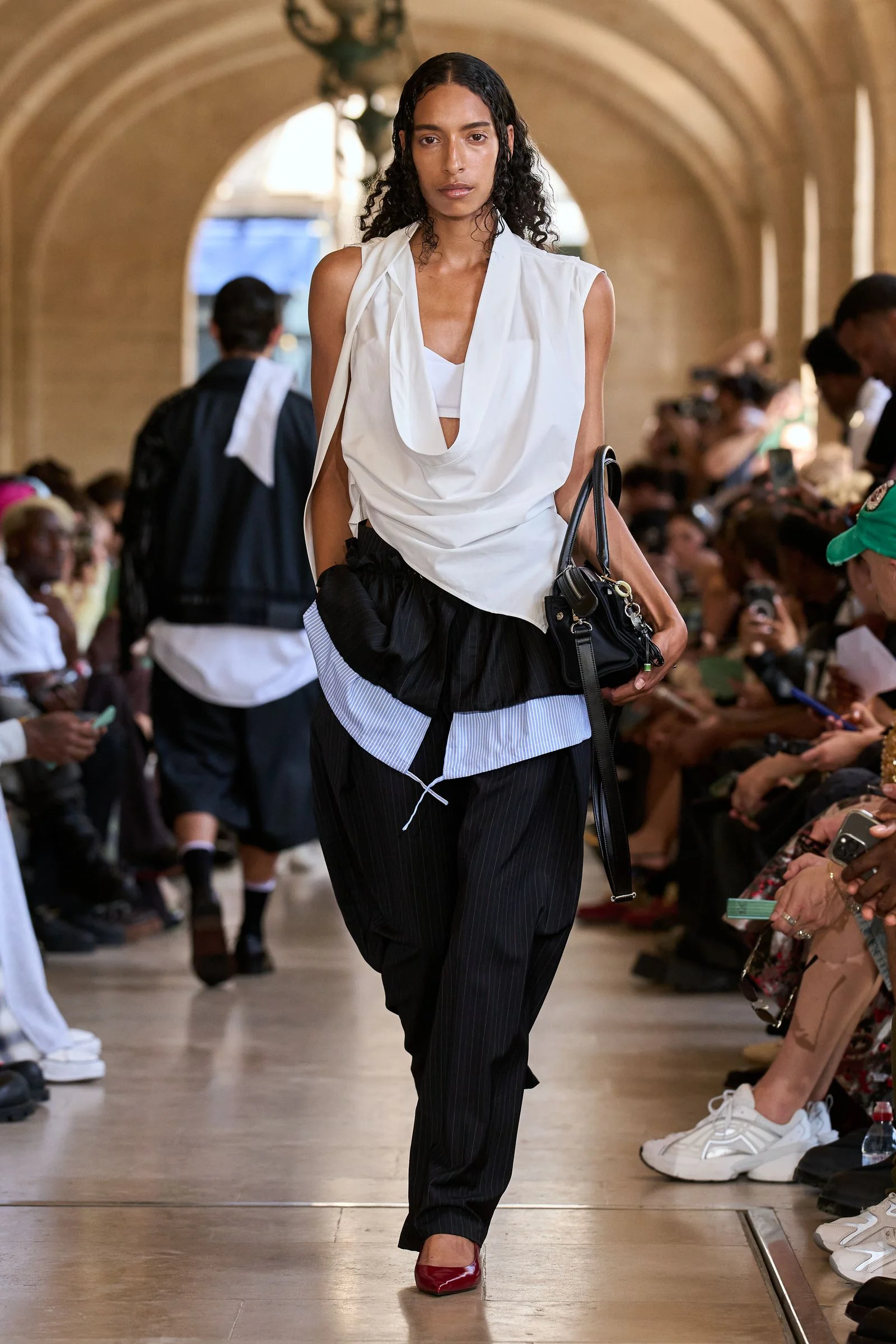
Shanghai Fashion Week has spent a decade building something that looks less like a copy of the big four and more like its own machine. Since 2015, the event has developed an ecosystem that brings together presentations, showrooms, and business opportunities, explained Landon Du, SWF Projects Director. The ambition is clear: to position Shanghai as a fifth fashion capital, not just a regional stop on the circuit.
The main venue generally requires designers to have at least two years of experience, with applications assessed by a committee comprising industry professionals, media, showroom owners, and buyers. Labelhood, by contrast, offers a more open platform for emerging names. That two-tier system matters. It gives young labels a runway without forcing them into a commercial pressure cooker too soon, while established names get a more curated showcase.
Showing a collection is hardly an inexpensive exercise. Production, models, styling, lighting, and public relations all have to be paid for, and sponsorship rarely covers the entire bill. Many of the designers on the calendar have therefore already established retail businesses in China, with some reaching multibrand stores internationally. The business infrastructure supports creative independence. Liu pointed to China’s production capabilities and developed e-commerce channels as advantages that allow young labels to reach consumers without first having to build an elaborate international distribution network. Designers can grow through online sales and multibrand retail before opening their own stores. In other markets, that journey can be considerably more arduous.

Craft Is The Calling Card
The commercial awareness does not mean the clothes are merely an exercise in consumer appeasement. One of the most compelling developments, according to both Liu and Du, is the growing engagement with Chinese heritage, craftsmanship, and traditional techniques. Designers are looking beyond familiar cultural references to explore processes preserved by families and communities, including traditional dyeing and embroidery. The challenge is to bring these practices into the present without turning them into museum pieces.
Liu cited Kinyan Lam, which works with traditional dyeing techniques from rural areas in southwestern China, and Samuel Gui Yang, whose work approaches Chinese aesthetics with a contemporary sensibility. For Abbie, the appeal lies in the way craftsmanship is integrated into clothes that can actually be worn. He spoke of designers devoting months to intricate embroidery, sometimes at a level comparable to couture, while creating pieces intended for everyday life. The distinction matters: these are not necessarily precious objects designed to be admired from a safe distance, but expressions of craft that remain accessible to younger customers.
That balance between heritage and wearability is where Shanghai’s designers are making their mark. It is not about reproducing historical costume. It is about translating technique into garments that fit into a modern wardrobe, whether that means a hand-dyed jacket or an embroidered shirt that works with jeans. For Nigerian designers and consumers watching from Lagos or Abuja, the parallel is worth noting. The same conversation is happening around aso-oke, adire, and hand-woven textiles: how to honour the craft without pricing out the people who grew up with it.
A New Generation Goes Global
The international reach is expanding. A new generation of Chinese fashion designers are extending their international footprints beyond western markets, tapping sourcing hubs in India and Turkey and retailers from Dubai to Mexico, according to Business of Fashion. That shift matters for African markets too. Dubai and Mexico are closer to Lagos than Paris in terms of distribution and consumer patterns, and the sourcing hubs in India and Turkey are already part of many African designers’ supply chains.
But the picture is not uniformly rosy. The same report noted that the Shanghai shows can be formulaic and unoriginal, though China’s fashion capital is producing a handful of talents with the potential to go global. That is a fair assessment of any fashion week, including the big four. The difference is that Shanghai is still in its honeymoon period with the global industry, as Business of Fashion put it years ago. The city’s fashion leaders seem happy to experiment at every juncture and supremely unfazed when things go a bit wrong.
That experimental energy has attracted international brands. At one edition, international brands made up 58 percent of the 1,000-plus brands exhibiting across the four official trade shows. Entire delegations flew in from South Korea, Taiwan, Hong Kong, and Japan. From further afield, Italians, Turks, Brits, French, Australians, Americans, and Scandinavians all descended on fashion week to boost business in the all-important Chinese mainland. The sales floors have become so international that overseas brands outnumbered those from mainland China.
Will The Trend Trickle Down?
The question for readers in Nigeria and elsewhere is whether Shanghai’s model offers lessons. The first is infrastructure. Shanghai Fashion Week’s committee system, with buyers and showroom owners assessing applications, creates a filter that protects both designers and retailers. The second is e-commerce. China’s developed online sales channels allow young labels to reach consumers without building a physical retail network first. That is a reality Nigerian designers know well, with Instagram and WhatsApp serving as primary storefronts.
The third is craft. The emphasis on traditional dyeing and embroidery, not as a marketing hook but as a design foundation, is a direct challenge to the idea that African textiles are only for special occasions. Designers like Kinyan Lam and Samuel Gui Yang are showing that heritage techniques can be part of everyday clothes. The same could be said for adire shirts or aso-oke jackets designed for daily wear, not just weddings.
Shanghai Fashion Week still has much to prove. It may lack the rigour of Tokyo and the pizzazz of Seoul, but it overshadows them both in terms of chutzpah. Whether it becomes a true fifth fashion capital depends on whether its designers can turn craft into a sustainable business. For now, the ecosystem is in place. The next step is proving that the clothes can travel as far as the ambition.
Frequently Asked Questions
What makes Shanghai Fashion Week different from other fashion weeks?
Shanghai Fashion Week has developed an ecosystem that brings together presentations, showrooms, and business opportunities since 2015. It uses a committee to assess applications for its main venue, requiring at least two years of experience, while Labelhood offers a more open platform for emerging names.
Which designers are known for traditional Chinese craftsmanship at Shanghai Fashion Week?
Kinyan Lam works with traditional dyeing techniques from rural areas in southwestern China. Samuel Gui Yang approaches Chinese aesthetics with a contemporary sensibility.
How does Shanghai Fashion Week support young designers?
China’s production capabilities and developed e-commerce channels allow young labels to reach consumers without first building an elaborate international distribution network. Designers can grow through online sales and multibrand retail before opening their own stores.
Receive alerts for Shanghai Fashion Week and more like it.
FIRST TIME REACTIONS:
Be the first to leave us a comment – Shanghai Fashion Week: A Fifth Fashion Capital Rises, down the comment section.
JOIN US ON OUR SOCIAL MEDIA:
            About Paul Nwogo
            Paul Nwogo is an engineer, published author, and the Head Manager at AfriLatest. He has written numerous books available on Amazon covering a diverse range of topics, including health, personal finance, relationships, work ethics, and scam survival. With his technical background and passion for writing, Paul now oversees the editorial direction of AfriLatest, delivering practical, accurate, and engaging content on trending news, music, and global lifestyle topics.
            View all articles by Paul Nwogo
Black Celebrities
Pro Dota 2 Player Claims He Had to Play a Match to Prove Identity
A pro Dota 2 player claims he had to play a full match in front of police to prove his identity. Here’s what happened and why it matters.
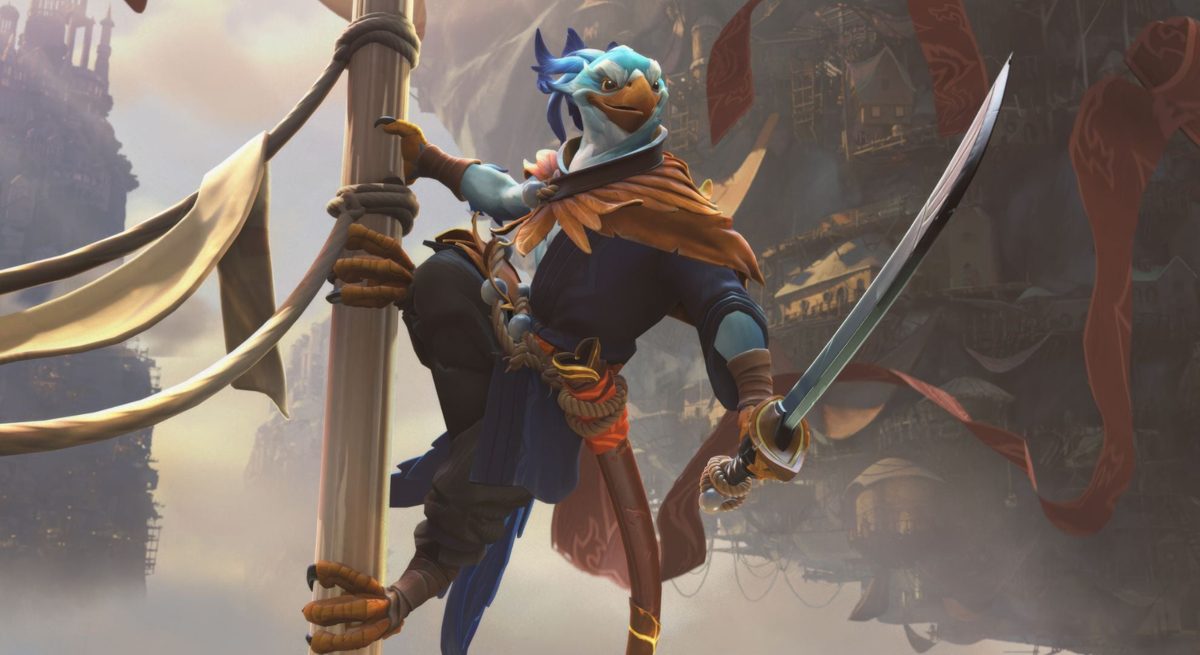
A pro Dota 2 player claims he had to play a full match in front of police officers to prove his identity after a raid on his team’s boot camp in Kuala Lumpur.
Nuengnara “23savage” Teeramahanon, hard carry for Xipto eSports, posted the story to Facebook on Tuesday. According to IGN, police placed the team in handcuffs and confiscated their belongings. Officers then interrogated the players about why they were in the city and whether they were really pro players.
One officer knew Dota. He scrolled 23savage’s Instagram for proof. A recent photo with Malaysian influencer Ms. Puiyi was “somewhat acceptable evidence.” That got the handcuffs off. Then came the real test: how good is he at defending the ancients?
23savage started a Dota match in front of the officers. He dropped 32 kills as the hard carry Kez. He alleges that was enough proof to let the team go. He also claims the officers stole two jars of Nutella on their way out.
Commenters doubted the story immediately. Many presumed it was a joke. 23savage has been actively defending it in the replies. Reddit users keep doubting him. Others joke that his story is saving Valve’s MOBA.
Why This Story Matters Beyond the Memes
This isn’t just a wild anecdote. It’s a window into how pro esports still fights for legitimacy in parts of the world. Police didn’t recognize the team as professionals. They needed Instagram and a live match to be convinced.
That’s a real problem. Esports players travel on visas, train in boot camps, and compete for six-figure prize pools. Yet in some cities, they’re treated as suspicious foreigners. The burden of proof falls on them.
23savage’s story also shows how fast doubt spreads. Even with a specific detail like 32 kills on Kez, the community called BS. That skepticism is healthy. It also means real incidents get dismissed as content.
The Xipto roster is legit. They recently won the EPL SEA tournament without losing a single series. That’s a 10-match win streak. The full lineup is 23savage (Carry), inYourdreaM (Mid), Fbz (Offlane), Q (Support), and Oli (Support). They’re now competing for a spot in DreamLeague Season 30.
Dota 2 itself is having a moment. The game hit its peak player count since 2022 in 2026. Valve still ships occasional patches and content updates. But the company’s focus is largely on Deadlock, its new MOBA.
What Else Is Happening in Dota 2 Right Now
This isn’t the only Dota 2 story making rounds. The scene has seen a mix of drama, retirement, and comeback talk.
Two Peruvian pros, Steven “Stinger” Vargas and Crhistian “Pakazs” Savina, got tangled in a national TV infidelity scandal. Stinger went on Andrea ATV’s show to recover his girlfriend’s love. Instead, a DNA test confirmed he was not the father of his seven-month-old daughter. His ex, Jonhaly “Venecia” Lopez, also revealed she had an affair with Pakazs. According to esports.gg, the community largely sided with Stinger but said he shouldn’t go back. Pakazs live-reacted on Kick, then turned off his stream. The court will decide the child’s future.
On the retirement side, Norwegian pro Tommy “Taiga” Le called it quits after almost eight years. He played for Alliance, Team Liquid, and OG. His career winnings are estimated at almost US$650,000. He’s now a full-time streamer and open to coaching. Taiga also spoke openly about anxiety, depression, and a gambling addiction. You can read the full retirement announcement via Yahoo Esports.
And then there’s Somnus. The Chinese mid-laner retired after The International 2022. Now he’s reportedly planning a comeback for DPC 2023. He already assembled a lineup of teamless players for open qualifiers. He said on stream that pubs were boring him and scrimmages are fun. Whether he returns is up to him.
What to Watch Next
First, watch whether 23savage’s story gets verified or debunked. No police report has surfaced. No teammate has publicly backed him. Until then, treat it as a claim, not a fact.
Second, watch Xipto’s run in DreamLeague Season 30 qualifiers. They’re on a 10-match win streak. If they keep winning, the boot camp raid becomes a footnote. If they falter, the story becomes a distraction.
Third, watch Valve’s attention split. Dota 2 hit its highest player count since 2022. Deadlock is getting the bulk of development. That tension will define the next year for both games.
Fourth, watch how the Stinger-Pakazs case resolves in court. It’s a reminder that pro players are people with messy lives, not just avatars on a minimap.
For anyone following esports, the takeaway is simple: verify before you share. A pro Dota 2 player claims he had to play a match to prove his identity. That’s a wild story. It might be true. It might be a joke. Either way, the scene keeps producing moments that feel stranger than fiction.
Frequently Asked Questions
Did 23savage really play a Dota 2 match for police?
He claims he did. According to his Facebook post, police raided Xipto eSports’ boot camp in Kuala Lumpur, handcuffed the team, and demanded proof they were pro players. He says he played a match as Kez with 32 kills to convince them. No independent verification has surfaced.
What team does 23savage play for?
He plays hard carry for Xipto eSports. The roster includes 23savage (Carry), inYourdreaM (Mid), Fbz (Offlane), Q (Support), and Oli (Support). They recently won the EPL SEA tournament with a 10-match win streak.
What happened to Taiga?
Tommy “Taiga” Le retired after almost eight years of pro Dota 2. He played for Alliance, Team Liquid, and OG. He’s now a full-time streamer and offers coaching. He also spoke about anxiety, depression, and a gambling addiction.
Related Articles
- Silver Rail Elementary: Verify Breaking News Fast
- Curly Hair Hydration: 5 Proven Steps That Actually Work
- Celebrity Traitors UK Season 2 Not on US Streaming
- Nigeria US Health Compact: 5 Steps to Demand Transparency
- OPay Earns More From Lending Than Payments: What It Means for You
FIRST TIME REACTIONS:
Be the first to leave us a comment – Pro Dota 2 Player Claims He Had to Play a Match to Prove Identity, down the comment section.
JOIN US ON OUR SOCIAL MEDIA:
-
 Startups3 weeks ago
What a Successful Dangote Refinery IPO Really Says
-
Trending Entertainment News1 week ago
Taylor Swift Joins Beatles as Only Acts With 100 Weeks at No. 1
-
World News4 weeks ago
Carney Calls U.S. Tariffs a Miscalculation as Canada Retaliates
-
Football4 weeks ago
Mexico vs Colombia 2026: Márquez Debut Ends in Defeat
-
Fintech4 weeks ago
OPay No Dey Comot Nigeria: How to Verify Fintech News
-
Fintech4 weeks ago
OPay Investing in People to Build a Better Nigeria
-
Nigerian Business3 weeks ago
Moniepoint POS Network: How to Buy Dangote Shares
-
Tech & Gadgets2 weeks ago
Apple Watch and AirPods Fall Deals: Save $120 Today