Auto & Cars
2027 Honda Passport TrailSport: What The Extra Inch Costs Owners
The 2027 Honda Passport TrailSport adds 1.38 inches of clearance and 70 percent new suspension. What that means for maintenance, parts and resale.

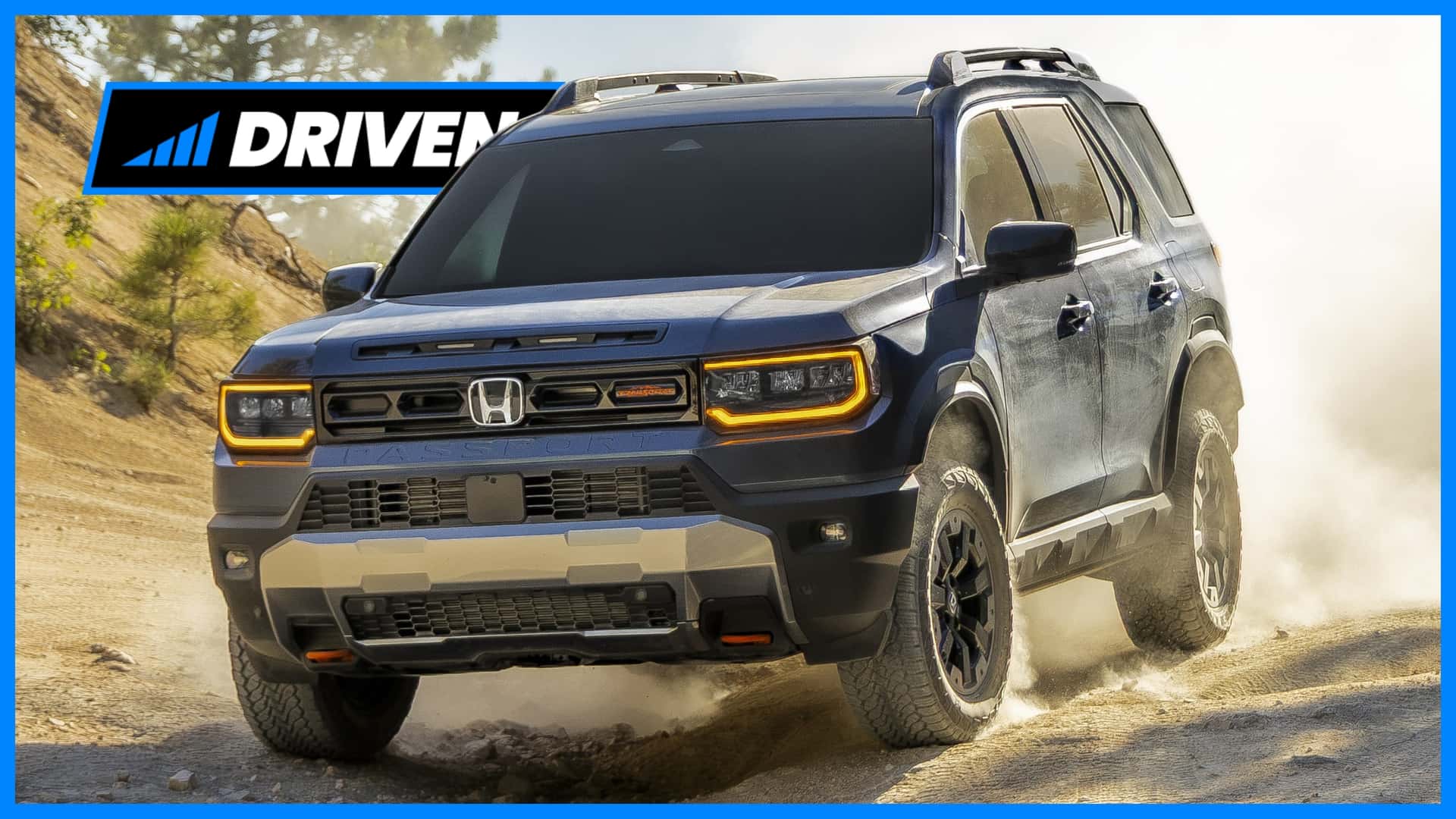
The common issue is a scrape you hear rather than feel. The suspension compresses, the body drops, and the noise comes from the side sill rather than the tyres. On the 2027 Honda Passport TrailSport that noise is 1.38 inches less likely than it was a year ago, because Honda lifted the vehicle and redesigned almost 70 percent of its suspension — one model year after the redesigned Passport reached production.
That is the news. The ownership question is different, and it splits three ways: what the new geometry does to maintenance, what it costs to keep, and what it does to the value of the car already sitting in a 2026 owner’s driveway.
The Fix Honda Applied To The 2027 Honda Passport TrailSport
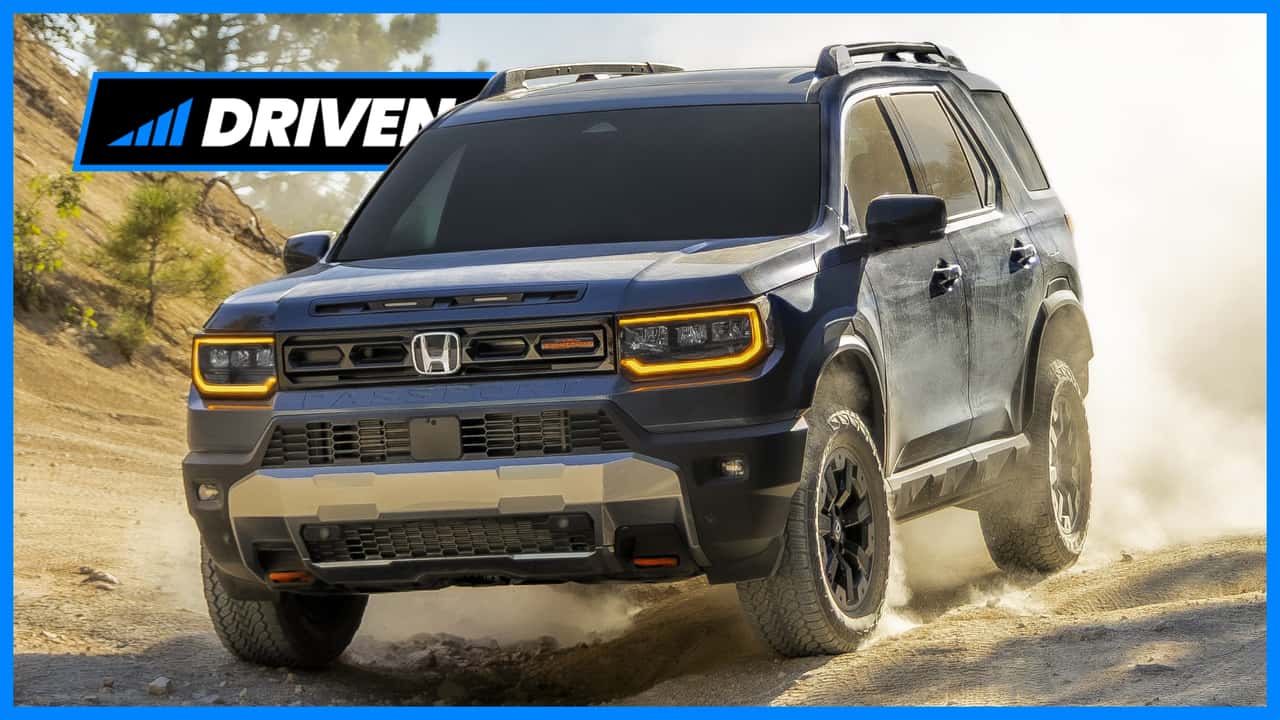
The 2026 TrailSport shipped with a retuned suspension, all-terrain tyres and underbody skid plates, but identical ground clearance and identical approach and departure angles to the base RTL. MotorTrend noted at the time that this made the trim’s extra capability hard to justify. Honda has now corrected the arithmetic: 9.65 inches of ground clearance, 25 degrees of approach, 25 degrees of departure and 23 degrees of breakover. Those are gains of 2, 3 and 2 degrees respectively.
The hardware behind those figures is not cosmetic. Springs, dampers, control arms, anti-roll bars and steering knuckles are all revised, rebound stroke grows by 8 mm at the front axle and 9 mm at the rear, and the front subframe and driveshafts were reworked to cope with the new angles. Honda even redesigned the standard factory jack so it can still reach between the ground and the raised body. Motor1 drove the 2027 back to back against a 2026 at an off-road training site in North Carolina and found the older car scraping sills and touching its nose where the newer one cleared.
Reading The Symptoms Before The Sills Read Them For You
The symptoms of an under-clearanced crossover are consistent. Side sills grind on ledges. The front bumper kisses the ground at the bottom of a descent. A wheel lifts because the suspension has run out of rebound travel, and the tyre that stays loaded spins because the weight has moved away from it. None of those events announces itself as a maintenance problem until the cladding cracks or a rock rail bends.
The cause here is geometry, not traction hardware. The Passport has no transfer case and no ladder frame, and it has no locking rear differential. What it does have is a 3.5-litre V6 rated at 280 horsepower and 258 pound-feet, a ten-speed automatic, and Honda’s second-generation i-VTM4 all-wheel-drive system: an open front differential working with a twin-clutch rear unit that can send up to 70 percent of available torque rearward and up to 100 percent of that to either side. Honda’s own engineers concede a true locking rear differential could unlock another level of capability.
In maintenance terms, that architecture moves the wear away from driveline fluids and towards suspension joints and the rear clutch pack. There is no transfer case to service. There are, however, more bushings, more articulation travel and a more heavily loaded rear coupling than an RTL carries, and those are the parts that degrade on a vehicle that spends weekends on rough ground.
DIY Or Workshop: Where The Parts Bill Lands
Two line items are documented and both are worth pricing before purchase. Honda’s hardened steel rock rails list at $865 and require the optional $50 pantograph jack, as Car and Driver reported from the launch. The jack requirement is not a upsell trick; the raised body means a standard jack may not fit under the sill at full droop.
The rock rail is also the clearest example of the OEM, aftermarket and counterfeit distinction. An OEM rail is engineered against Honda’s revised subframe and mounting points, and it carries Honda’s warranty. A reputable aftermarket rail may be stronger and cheaper, but the mounting geometry is the fabricator’s design, not Honda’s, and the load path is unverified against the subframe. A counterfeit is a third category entirely: a part sold in OEM-style packaging with OEM-style part numbers and no engineering behind it. Skid plates and rock rails attract fakes because buyers order them online by photograph. Documentation, not appearance, is the test.
Tyres carry the same trap. The General Grabber A/T Sport in 275/60 R18 keeps its size for 2027 but gets different internal construction to improve traction and cut noise. Same sidewall, different part.
What The Numbers Cost A Nigerian Owner
The 2027 Passport TrailSport starts at $51,590 including destination, against $46,790 for the non-TrailSport RTL. Motor1 reported that Honda raised the TrailSport’s price by $1,645. There is no honest naira sticker to quote: the Passport is a North American product, so any Nigerian buyer imports it, and the naira figure moves with freight, duty and the exchange rate rather than with Honda’s price list.
Two standard items also deserve scrutiny in a Nigerian climate. A heated steering wheel is now standard on the lower TrailSport trim, and dual amber lamps sit inside a decorative hood scoop that Honda says it fitted because they look cool. Neither does anything for a driver in Lagos or Kano, and both sit inside the price.
Road suitability is genuinely strong on clearance: 9.65 inches and 25-degree angles are real advantages on broken tarmac and unsealed roads. The vulnerability is rubber. A 275/60 R18 all-terrain is not a size every tyre shop stocks, and a torn sidewall on an uncommon size can park the vehicle for days. The V6 and ten-speed are proven but thirsty, and fuel is the dominant running cost.
Resale is where the model-year split bites hardest. In a market where resale is set by badge recognition and parts availability rather than by spec sheets, the Passport already trades behind the Toyota 4Runner that Motor1 says it out-clears on paper. Honda’s 2027 revision rewards anyone buying new and penalises anyone holding a 2026, because retrofitting a 2026 to 2027 specification is, in Honda’s own assessment, technically possible but not cost-effective.
Preventative tip: before buying a discounted 2026, price the aftermarket suspension work and the tyre upgrade and subtract both from the saving. If buying the 2027 Honda Passport TrailSport, keep the pantograph jack in the vehicle at all times, replace tyres with the 2027-specification construction rather than a lookalike, and inspect the sills and skid plates after every rough-road run. The 2027 Honda Passport TrailSport is a more capable vehicle than the one it replaces. The buyers most likely to regret it are the ones who never checked which model year they were paying for.
Frequently Asked Questions
Can a 2026 Honda Passport TrailSport be upgraded to 2027 suspension specification?
Technically yes, but not cost-effectively. Honda told journalists there is no off-the-shelf path to the conversion, and aftermarket suspension is the realistic route. The 2027 changes include revised springs, dampers, control arms, anti-roll bars, steering knuckles, front subframe and driveshafts, plus a redesigned factory jack.
How much ground clearance does the 2027 Honda Passport TrailSport have?
9.65 inches, which is 1.38 inches more than the 2026 model. Approach and departure angles are 25 degrees each, with a 23-degree breakover angle — improvements of 2, 2 and 3 degrees over the previous year.
Does the 2027 Honda Passport TrailSport have a locking rear differential or a transfer case?
No. It uses a 3.5-litre V6 with a ten-speed automatic and Honda’s second-generation i-VTM4 all-wheel-drive system, which pairs an open front differential with a twin-clutch rear unit that can direct up to 70 percent of torque rearward and up to 100 percent of that side to side. Honda engineers have acknowledged a locking rear differential could add further capability.
 Follow AFRILATEST on Google News
FIRST TIME REACTIONS:
Be the first to leave us a comment – 2027 Honda Passport TrailSport: What The Extra Inch Costs Owners, down the comment section.
JOIN US ON OUR SOCIAL MEDIA:

            About Paul Nwogo
            Paul Nwogo is an engineer, published author, and the Head Manager at AfriLatest. He has written numerous books available on Amazon covering a diverse range of topics, including health, personal finance, relationships, work ethics, and scam survival. With his technical background and passion for writing, Paul now oversees the editorial direction of AfriLatest, delivering practical, accurate, and engaging content on trending news, music, and global lifestyle topics.
            View all articles by Paul Nwogo


Car Reviews
2027 Honda Passport TrailSport: Taller, But Does It Matter?
The 2027 Honda Passport TrailSport sits noticeably taller than last year’s model. What that stance change means for Nigerian owners and running costs.
The 2027 Honda Passport TrailSport looks noticeably taller next to last year’s model. That is the observation Motor1 published, and it is the only verified detail in the material available for this review. There is no ground clearance figure, no suspension specification, no tyre size, no power output, no price, and no confirmed Nigerian delivery date. Anything beyond that sentence is inference, and buyers should treat it as such.
The car is a two-row midsize SUV wearing Honda’s TrailSport badge, the trim designation the company attaches to its trail-oriented models. What the 2027 update changes beyond apparent height is not documented in the source material. That gap matters, because ride height is the easiest thing to photograph and the hardest thing to price.
A Photo Is Not A Measurement
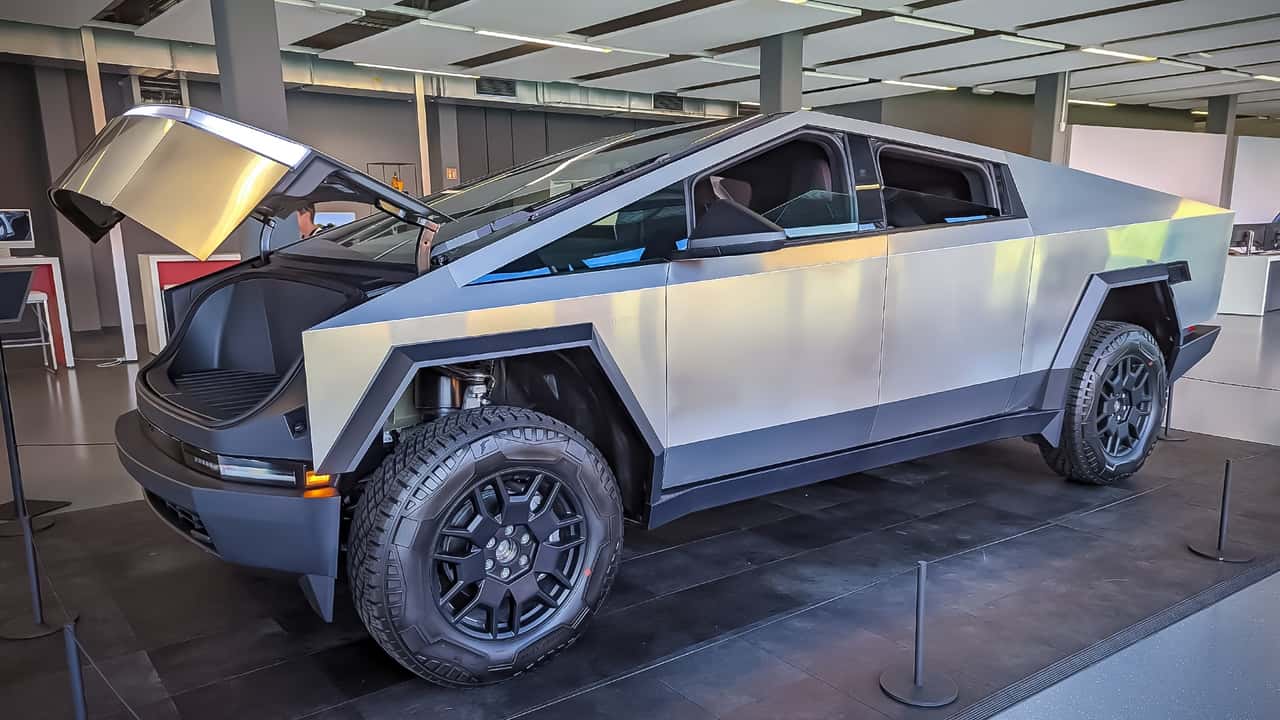
Comparing a new model against last year’s in a single frame introduces error. Tyre pressure, wheel diameter, load in the cabin, and uneven ground all shift a vehicle’s apparent stance. A taller look can come from three separate routes: revised suspension, a larger-diameter tyre package, or reworked bodywork. Each lands differently on an owner’s wallet. Suspension lifts load the CV joints and alter geometry. Bigger tyres raise unsprung mass and replacement cost. Body changes usually cost nothing extra to run. Honda has not said which route it took, and until it does, the height claim stays a visual impression.
Why Height Is An Ownership Variable
Three running costs move when a vehicle sits higher. Tyres and suspension wear faster, because the same load travels through longer spring travel and the alignment drifts sooner on broken surfaces. Fuel consumption creeps up, because a raised body increases frontal area and drag, and at Nigerian pump prices a small loss compounds across a year of Lagos-Ibadan running. Access changes too: a taller floor means a longer step up for children and older passengers, and a tighter fit in older car parks and low-roofed underground lots.
The 2027 Honda Passport TrailSport Through A Nigerian Lens
Nigeria rewards ground clearance. Flooded stretches during the rains, unpaved estate roads, and speed breakers built higher than the paint suggests all punish low-slung SUVs. If the 2027 Honda Passport TrailSport genuinely sits higher than the 2026 model, that is usable capability rather than decoration. It is also not free, and the cost is invisible until the first tyre replacement or alignment job.
Pricing is the largest unknown. Honda’s Nigerian pricing for the Passport does not appear in the source material, and a naira figure cannot be derived without a confirmed manufacturer price, duty, freight and clearing costs. Buyers should obtain an itemised written quote from a licensed dealer with the chassis number attached, then verify duty treatment through Nigeria Customs Service rather than relying on a clearing agent’s verbal estimate.
Parts, Tyres And The Counterfeit Problem
Three categories of parts reach a Passport owner in Lagos or Abuja. OEM parts are built to Honda’s specification, typically by the same supplier that made the original component, and sold through the dealer network with a warranty. Aftermarket parts come from independent manufacturers to their own specification, and quality ranges from excellent to disposable. Counterfeit parts are unlicensed copies packaged to look genuine. That third category is the dangerous one, because a fake brake pad or suspension bush fails without warning and cannot be identified by price alone.
An uncommon tyre size makes this worse. A size stocked by only one or two importers creates a pricing monopoly and gives counterfeiters room to operate. Before committing to any TrailSport, confirm the exact tire size and check that at least three suppliers in your city can source it. Honda’s own global parts network is the reference point for what genuine components should be, and Motor1 carried the original height observation.
Performance, Resale And The Missing Numbers
Performance claims for the 2027 model are absent from the source. No horsepower, torque, towing capacity, fuel economy or acceleration figure was published. A publication that repeats untraceable numbers is doing readers a disservice, and this review will not do it.
Resale value will hinge on documentation, not stance. Nigerian used-car buyers pay a premium for stamped service records, genuine parts receipts and a clean chassis history. A taller TrailSport with a complete service file will hold money better than a standard model without one. Height alone convinces nobody at the point of sale, and a lifted vehicle with no paperwork reads as a risk rather than a feature.
Should You Buy It?
The honest answer is not yet, and not on the strength of a photograph. The 2027 Honda Passport TrailSport looks noticeably taller than last year’s model, and on Nigerian roads that single fact has genuine value, because clearance is a daily practical concern rather than a talking point. It is not worth a deposit until Honda publishes ground clearance, tyre size, suspension details and a price that converts to naira with duty included. Ask the dealer for those four items in writing. If they cannot produce them, wait for the spec sheet.
Frequently Asked Questions
Is the 2027 Honda Passport TrailSport actually taller than the 2026 model?
The published observation is that it looks noticeably taller next to last year’s model. No ground clearance figure, suspension specification or tyre size has appeared in the source material, so the difference remains a visual impression until Honda releases a spec sheet.
Why does ride height matter for Nigerian buyers?
Higher clearance helps on flooded roads during the rainy season, unpaved estate roads and oversized speed breakers. It also raises tyre and suspension wear, adds aerodynamic drag, and makes the step up harder for children and older passengers.
How can a buyer avoid counterfeit parts for a TrailSport?
OEM parts are made to Honda’s specification and sold through the dealer network with a warranty. Aftermarket parts are built to an independent manufacturer’s own specification. Counterfeit parts are unlicensed copies in genuine-looking packaging, so buy from authorised dealers and keep receipts for resale documentation.
Receive alerts for 2027 Honda Passport TrailSport and more like it.
FIRST TIME REACTIONS:
Be the first to leave us a comment – 2027 Honda Passport TrailSport: Taller, But Does It Matter?, down the comment section.
JOIN US ON OUR SOCIAL MEDIA:

About Paul Nwogo
Paul Nwogo is an engineer, published author, and the Head Manager at AfriLatest. He has written numerous books available on Amazon covering a diverse range of topics, including health, personal finance, relationships, work ethics, and scam survival. With his technical background and passion for writing, Paul now oversees the editorial direction of AfriLatest, delivering practical, accurate, and engaging content on trending news, music, and global lifestyle topics.
View all articles by Paul Nwogo
Auto & Cars
Spot Fake Car Parts Nigeria: 95% Imported Parts Fail
Fake car parts Nigeria: learn to spot counterfeits, avoid brake pad scams, and buy genuine spares. SON says 95% of imported parts fail standards.

Fake car parts Nigeria is not a small problem you can ignore until payday. The Federal Road Safety Corps recorded 10,446 road traffic crashes and 5,289 deaths nationwide in 2025, with 33,400 people injured. Total crashes rose 9.2 per cent from 9,570 in 2024. While speeding and bad roads cause many of these, vehicle condition is a critical factor, and that puts every replacement part you buy under scrutiny.
A brake pad, tyre, suspension arm or engine oil bought at a bargain price can be the difference between arriving safely and a fatal crash. The Standards Organisation of Nigeria (SON) has previously said 95 per cent of imported auto spare parts failed to meet minimum acceptable standards. That figure covers substandard parts, but it tells you the market is flooded.
This guide is for the motorist about to spend money. No dealer hype. Just what to check, what to pay, and where to buy.

Why Fake Car Parts Nigeria Thrives
Over 80 per cent of Africa’s vehicles are imported, mostly second-hand cars aged 7 to 15 years, according to industry analysis. Nigeria’s ageing fleet needs frequent, affordable repairs. That demand creates fertile ground for counterfeiters.
Price sensitivity is the strongest driver. A consumer earning US$150 to US$300 monthly will be tempted by a brake pad selling at one-third the genuine price. Small workshops with tight margins buy cheap parts to stay competitive. Some garage owners are deceived; many knowingly mix fake and genuine components.
Weak enforcement and porous borders make it worse. Mozambique and Benin serve as transshipment hubs where shipments are falsely labelled, divided, and distributed across the continent. In some African nations, up to 40 per cent of the auto parts market was estimated to be counterfeit by 2024.
A Lagos motorist told Independent Nigeria how cheap brake pads fitted by a mechanic produced strange noises within a short time, forcing replacement. A commercial driver on the Ikotun-Oshodi corridor said packaging can look almost exactly the same, so without a trusted dealer or knowledgeable person, you easily buy the wrong thing.
Signs You Are Looking At A Fake Part
First, price. If a brake pad, tyre or shock absorber costs one-third of what a reputable dealer quotes, walk away. Safety-critical components are exactly what counterfeiters target: brake pads, suspension arms, tyres, ignition coils and airbag modules.
Second, packaging. Counterfeiters copy boxes and labels closely, but check for misspellings, blurry print, flimsy cardboard, and part numbers that do not match the vehicle. Tamper-proof seals that are already broken or resealed are a red flag.
Third, weight and finish. Genuine brake pads have consistent friction material and backing plates that fit precisely. Fake pads often feel lighter, have rough edges, or the shim does not sit flush. Suspension arms with porous welds or uneven paint are suspect.
Fourth, authentication marks. SON’s Product Authentication Mark includes security features and QR codes intended to improve traceability. SONCAP is a pre-shipment conformity assessment system requiring regulated imports to undergo verification and testing before shipment to Nigeria. Ask the seller to show these. If they cannot, treat the part as unverified.
Fifth, the seller’s story. A dealer who cannot name the manufacturer, the country of origin, or the distributor is not a dealer. He is a middleman moving boxes.
What Safety-Critical Parts Cost In Nigeria
Prices move with the exchange rate, so treat these as ranges. A genuine front brake pad set for a common Toyota or Honda typically runs between N25,000 and N60,000 depending on brand and model. Cheap counterfeits sell for N8,000 to N15,000. That gap is the scam.
A genuine shock absorber for a mid-size saloon runs N35,000 to N80,000 per unit. Counterfeits go for N12,000 to N20,000 and often leak within months. Engine oil is another danger: SON identifies engine oil and tyres as potentially life-endangering when they fail quality standards. A 5-litre pack of genuine fully synthetic oil costs N35,000 to N55,000. Anything under N20,000 for a known brand should raise suspicion.
Tyres are the most counterfeited item after brake pads. A genuine 195/65 R15 tyre from a reputable brand runs N55,000 to N90,000. Fake tyres with false DOT codes sell for N25,000 to N40,000. Check the DOT code: it should be a four-digit number showing week and year of manufacture. If the code is missing or looks stamped over, reject it.
OEM vs Aftermarket: What Actually Matters
OEM parts come from the vehicle manufacturer or its licensed supplier. They fit and last, but they cost more. Aftermarket parts from reputable brands like Bosch, Toyota’s own service line, or established filter makers can be just as good for many applications.
The problem is not aftermarket versus OEM. The problem is counterfeit versus genuine. A fake part marketed as OEM-grade is the worst outcome because you pay OEM-adjacent money for something that fails.
For safety-critical items, stick to OEM or a trusted aftermarket brand with verifiable authentication. For non-critical items like wiper blades or cabin filters, a decent aftermarket part is fine.
Where To Buy Genuine Parts In Nigeria
Authorised dealerships and their spare parts divisions are the safest route. Stallion Motors, for instance, offers a five-year warranty on its MG, Hyundai and Honda vehicles, and Kia offers five years on internal combustion models and eight years on EVs. Those warranties depend on genuine parts being used.
Carloha Nigeria’s CarlohaCare 6-6-7 programme for Chery owners includes a six-year vehicle warranty, six years of scheduled servicing covering parts and labour, and a seven-day repair commitment. That kind of programme only works if the parts are genuine.
For open-market buying, SON maintains desk offices in major Lagos commercial centres including ASPAMDA. Buying near a SON desk gives you a place to verify. The National Automotive Design and Development Council (NADDC) said in July 2026 it was working with stakeholders and Chinese partners on a proposed National Auto Parts Digital Platform, a centralised database of manufacturers and suppliers to help combat counterfeit spare parts. Until that platform is live, your best tools are authentication marks, trusted dealers, and price sanity.
One more warning: stolen parts enter Nigeria through international chop-shop networks. UK police data shows parts were shipped to countries including Nigeria, the UAE, Democratic Republic of Congo and Cyprus. A used part with no history and a suspiciously low price may be stolen. No receipt, no traceability, no comeback.
Your Best Value Pick For Nigerian Roads
For safety-critical parts, buy from an authorised dealer or a verified distributor with SON authentication marks. Pay the genuine price. A N60,000 brake pad set that stops your car is cheaper than a N15,000 set that kills you.
For non-critical parts, a reputable aftermarket brand is acceptable if you can verify the source. Never buy safety-critical components from roadside hawkers, and never accept a part because the packaging looks right. Check the QR code, check the weight, check the price against the market, and check the seller’s knowledge.
The Nigerian aftermarket is set for significant expansion toward 2030, but the counterfeit trade is a silent emergency undermining road safety and draining over US$2 billion annually in lost economic activity and revenue, according to industry associations. Until enforcement tightens, your eyes and your wallet are the first line of defence against fake car parts Nigeria.
Frequently Asked Questions
How can I tell if a car part is fake in Nigeria?
Check the price first. If a brake pad or tyre costs one-third of a reputable dealer’s price, it is likely fake. Then check packaging for misspellings, flimsy cardboard, and broken seals. Look for SON’s Product Authentication Mark with QR codes. Weigh the part in your hand: genuine brake pads feel heavier and fit precisely. Finally, ask the seller to name the manufacturer and country of origin. If they cannot, walk away.
What does SONCAP mean and does it guarantee genuine parts?
SONCAP is a pre-shipment conformity assessment system requiring regulated imports to undergo verification and testing before shipment to Nigeria. It is designed to stop substandard products at the border. However, SON has said substandard products still enter through smuggling and deliberate sourcing below approved specifications. So SONCAP is a useful check, but not a guarantee. Combine it with authentication marks and a trusted dealer.
Which car parts are most dangerous if counterfeit?
Brake pads, tyres, suspension arms, ignition coils and airbag modules are the most frequently counterfeited and the most dangerous. A defective brake component compromises stopping ability. Poor-quality tyres increase blowout risk. Substandard suspension parts affect stability, especially on Nigerian highways. Fake engine oil is also life-endangering because it damages the engine and can cause sudden failure.
Related Articles
- 113 Million Nigerians Deprived of Health: What You Can Do
- Herbal Remedies: Aishat Alagbo’s Safe Use Guide
- 29MB AI Model Runs on a $10 Chip: Here’s How
- Health Workers to Sue 20 Varsities Over Unpaid Allowance
- Taylor Swift Joins Beatles as Only Acts With 100 Weeks at No. 1
FIRST TIME REACTIONS:
Be the first to leave us a comment – Spot Fake Car Parts Nigeria: 95% Imported Parts Fail, down the comment section.
JOIN US ON OUR SOCIAL MEDIA:
Spare Parts
Honda Hybrid 2027: 15 New Models, What Nigerian Buyers Must Know
Honda Hybrid is the new name for Honda’s 2027 system. Learn what it means for Nigerian buyers of Civic, Accord, CR-V and spare parts availability.
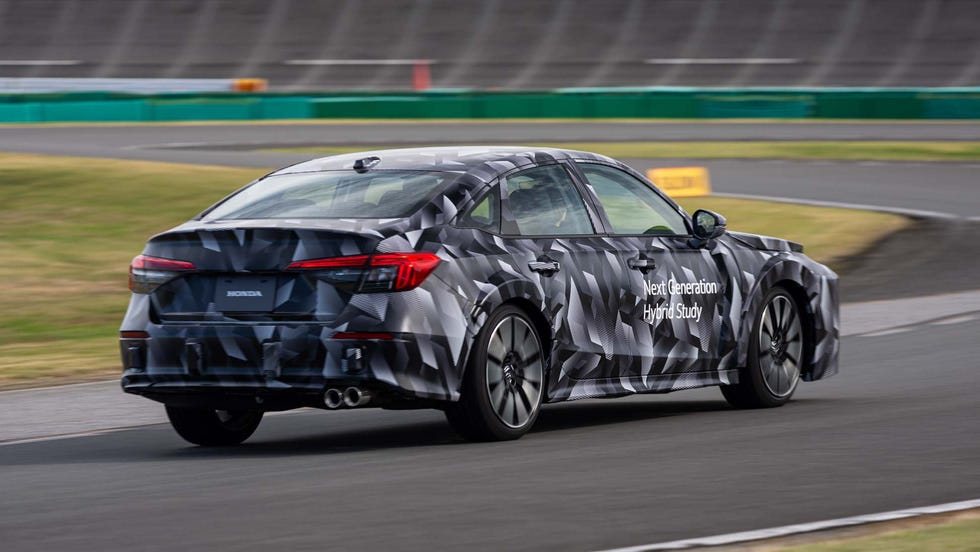
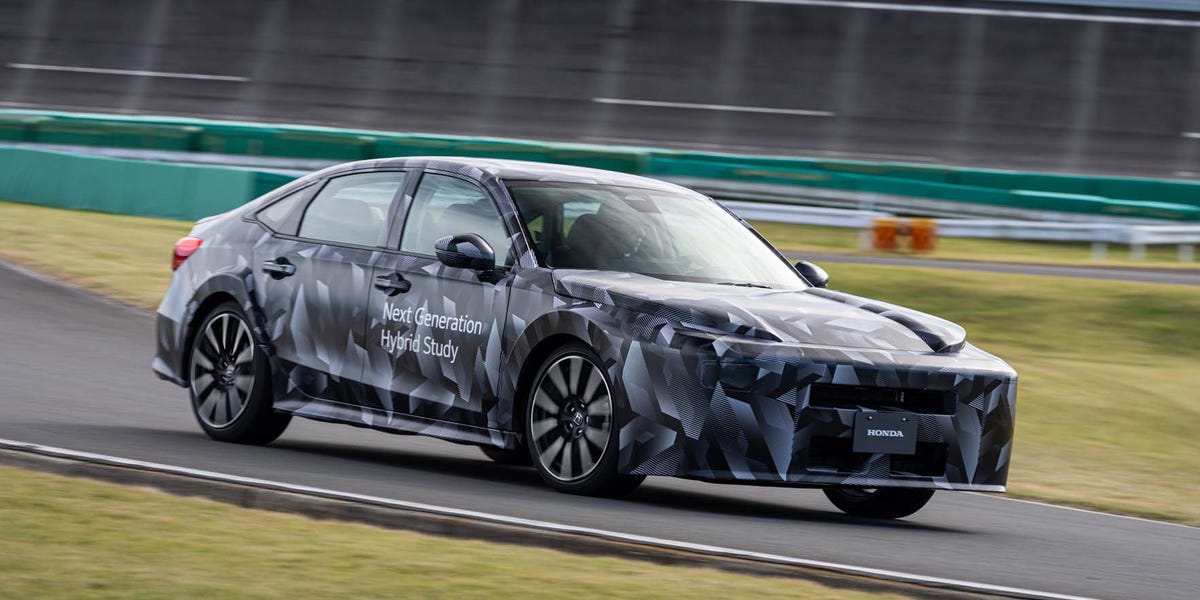
Honda has finally put a name on its next-generation hybrid system: Honda Hybrid. That is the official name, announced October 9, 2026, and it will start appearing in vehicles globally from 2027. If you are a Nigerian buyer looking at a used Civic Hybrid, Accord Hybrid, or CR-V Hybrid today, or planning to import one in the next three years, this matters for your wallet. The name is simple. The parts story behind it is not.
Honda Hybrid is the next-generation system built on the bones of e:HEV, Honda’s original two-motor hybrid setup. Honda says it has expanded the high-efficiency operating range of the engine and downsized the drive unit to impr ove fuel economy. It will support a newly developed electric all-wheel-drive system called e-AWD, plus a Motion Management System for integrated control. By the end of March 2030, Honda plans to launch 15 models with Honda Hybrid, mostly for North America. Acura, Honda’s luxury arm, is also planning an RDX Hybrid.
What This Means For Nigerian Spare Parts Buyers
Here is the practical part. When a manufacturer changes a hybrid system, the old parts do not vanish overnight, but they do start a slow price climb. Nigerian mechanics who already servicess e:HEV Civics and Accords know the drill: inverter coolant pumps, hybrid battery modules, and motor-generator stators are the three items that empty a customer’s pocket. If Honda Hybrid rolls out in 2027 and reaches Nigerian ports by 2028 through tokunbo imports, the e:HEV generation will still be the dominant hybrid Honda on our roads for at least another five to seven years.
That is good news for current owners. It means the e:HEV parts pipeline stays alive. But it also means you must know the difference between genuine Honda hybrid components and the fake units flooding Ladipo and ASPAMDA. A genuine Honda hybrid battery module for a 2018 to 2022 Accord Hybrid currently runs between ₦850,000 and ₦1.4 million depending on condition and source. A fake or refurbished unit with no serial trace can go for ₦350,000 and fail inside eight months. That is not a saving. That is a second repair bill.
Engine And Drivetrain: What Honda Hybrid Changes
Honda has not released full engine specs for Honda Hybrid. Based on Car and Driver’s drive of a next-generation Civic Hybrid prototype in 2025, expect a 2.0-liter four-cylinder paired with two electric motors and a new battery. Honda has also discussed a V-6 hybrid for larger vehicles like the Pilot, Passport, and Ridgeline, with a third electric motor on the rear axle for all-wheel drive. That V-6 hybrid would likely reach Nigeria through the Acura MDX Hybrid or a high-spec Pilot, not the mass-market Civic.
For the Nigerian buyer, the four-cylinder Honda Hybrid is the one that will matter. It is the one that will land in tokunbo Civic and Accord shells. It is the one your mechanic will see in 2029.
Fuel Economy And Running Costs In Nigeria
Honda claims improved fuel economy from the expanded engine efficiency range and smaller drive unit. On paper, that is good. On Nigerian roads, the real number depends on your route. A current e:HEV Accord Hybrid does roughly 18 to 22 km per liter in mixed Lagos traffic if the battery is healthy. A tired battery drops that to 13 to 15 km per liter. If Honda Hybrid delivers even a 10 percent improvement, you are looking at meaningful savings at ₦900 to ₦1,100 per liter of petrol.
But here is the warning. Hybrid fuel savings only work if the battery and inverter are healthy. A bad hybrid battery in Nigeria costs more to replace than the fuel you will save in two years. Before you buy any used Honda hybrid, pay a hybrid-trained technician to scan the battery state of health. A scan costs ₦15,000 to ₦30,000. A replacement battery costs ten times that.
Parts Availability And The e:HEV Overlap
Honda says Honda Hybrid is based on techinologies amassed through e:HEV development. That is the key sentence for spare parts. It means some control software, some sensor logic, and some service procedures will carry over. It does not mean e:HEV parts fit Honda Hybrid parts. They will not. The drive unit is downsized. The engine operating range is different. The e-AWD is new.
So do not let any parts dealer tell you a Honda Hybrid inverter is the same as an e:HEV inverter. It is not. Ask for the part number stamped on the unit and verify it against the chassis number. If the dealer cannot show you the donor car or a verifiable part number, walk away.
Resale And The Nigerian Market
Honda hybrid resale in Nigeria is steady but not spectacular. The buyer pool is smaller because many Nigerians still fear hybrid batteries. That fear keeps prices lower than equivalent petrol-only Hondas, which is actually good for a knowledgeable buyer. A 2020 Accord Hybrid with a verified healthy battery can be bought for less than a petrol Accord of the same year, and it will save you fuel money every week.
When Honda Hybrid arrives in 2027 and 2028, expect the first units to be expensive. Early adopters in Nigeria will pay a premium for a car with no local parts history. Wait at least two years after global launch before importing one. Let the parts network catch up. Let the first failures happen in other markets so we know what breaks.
Honda’s India Plans And What They Signal
Honda is also preparing a new sub-4-metre SUV for India to rival the Tata Nexon and Hyundai Venue, and the company plans to introduce its next-generation hybrid technology in India after its global debut in 2027. Honda aims for more than 10 models in India by 2030. That tells you Honda is pushing hybrids into emerging markets, not just North America. Nigeria is not India, but the same parts supply chains that serve Indian Honda hybrids often serve West Africa through Dubai and South Africa. That is your future parts route.
Verdict: Which Honda Hybrid Buyer Are You?
If you are buying a used Honda hybrid today, buy the e:HEV generation with a verified healthy battery. Do not pay for Honda Hybrid hype that has not arrived. The Civic Hybrid, Accord Hybrid, and CR-V Hybrid are proven, and parts exist in Lagos, Abuja, and Port Harcourt. Budget ₦900,000 to ₦1.5 million for a genuine battery replacement when the time comes, and insist on a scan before purchase.
If you are waiting for Honda Hybrid, wait until 2029. By then, the first units will have real-world failure data, and Nigerian parts dealers will have figured out the supply chain. Buying a Honda Hybrid in 2027 or 2028 in Nigeria means paying top naira for a car nobody can fix cheaply yet. That is not a smart buy. That is an experiment with your own money.
Frequently Asked Questions
What is Honda Hybrid?
Honda Hybrid is the official name for Honda’s next-generation hybrid system, announced October 9, 2026. It is based on e:HEV technology and will appear in vehicles globally starting in 2027.
When will Honda Hybrid models reach Nigeria?
Honda has not announced Nigerian launch dates. Based on typical tokunbo import timelines, expect the first Honda Hybrid units to reach Nigerian ports in 2028 or later, with meaningful parts availability by 2029.
Can I use e:HEV parts on a Honda Hybrid car?
No. Honda Hybrid uses a downsized drive unit, a different engine operating range, and a new e-AWD system. Do not accept e:HEV parts as substitutes. Always verify the part number against the chassis number.
Related Articles
- Natanael Cano Postpones Mexico Tour: Refunds & Health Focus
- Quartz Countertops Banned in California: What You Must Know
- Pixel 11 owners still waiting on Android 17 QPR1
- Apple Watch and AirPods Fall Deals: Save $120 Today
- Prime Big Deal Days Fitness Deals: 50% Off Top Gear
FIRST TIME REACTIONS:
Be the first to leave us a comment – Honda Hybrid 2027: 15 New Models, What Nigerian Buyers Must Know, down the comment section.
JOIN US ON OUR SOCIAL MEDIA:
-
 Startups3 weeks ago
What a Successful Dangote Refinery IPO Really Says
-
Trending Entertainment News1 week ago
Taylor Swift Joins Beatles as Only Acts With 100 Weeks at No. 1
-
World News4 weeks ago
Carney Calls U.S. Tariffs a Miscalculation as Canada Retaliates
-
Football4 weeks ago
Mexico vs Colombia 2026: Márquez Debut Ends in Defeat
-
Tech & Gadgets2 weeks ago
Apple Watch and AirPods Fall Deals: Save $120 Today
-
Fintech4 weeks ago
OPay No Dey Comot Nigeria: How to Verify Fintech News
-
Fintech4 weeks ago
OPay Investing in People to Build a Better Nigeria
-
Nigerian Business3 weeks ago
Moniepoint POS Network: How to Buy Dangote Shares