
Health and Fitness
Keto diet solution to weight loss


Keto diet, solution to weight loss
For many years, fatty foods were considered the cause of extra pounds. But relatively recently, researchers revisited this theory and came to a completely different conclusion. It turns out you can eat large portions of fatty foods and … lose weight! There is even a special diet in protein fat called ketone.
To Get the Recommended product for effective weight loss with Keto diet Click here…
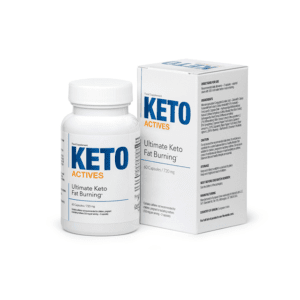
What is a keto diet

A ketogenic, ketone, or keto diet is a diet based on food intake that is low in carbohydrates, moderate in protein, and high in fat.
Adherence to such a nutritional program triggers in the body a process called ketosis, which, of course, leads to the burning of fat stores. But this was not the main reason for the keto diet. Initially, the ketone nutrition program was used as part of a complex therapy for the treatment of childhood epilepsy. But after a while it became clear that this diet is very effective for weight loss. People who have tried at least once in their life to lose weight with a diet know that lost kilograms are often not the fat deposits they have got rid of. Weight loss often occurs due to the removal of excess fluid from the body or the destruction of muscle mass. But on a ketogenic diet, kilograms are promised to be lost as divided fat.
To understand the principle of ketone diet, you must first understand what ketosis is, which, of course, gave the name to this nutritional system.
Any food that people eat is a source of three important nutrients: proteins, fats and carbohydrates. In the process of carbohydrate metabolism, the body receives extra energy, as well as “food” for brain cells. But if carbohydrates are abundant in parts of consumable products, everything that the body could not immediately process and use goes to a “bunker,” as you will say, on a wet day. And those same “bins” are just subcutaneous fat deposits. And this process is repeated every time after you eat high-carb foods.
And now the main question: what happens to the body if it blocks the “supply” of carbohydrates ?. If carbohydrates are completely excluded from the diet, then, in reality, there will be nothing good from this. A prolonged carbohydrate hunger strike can be fatal. But this is only in real cases, when nutrient consumption is reduced to zero and for a long time does not replenish its stores. However, if carbohydrates are not completely excluded from the diet, but reduced to the minimum essential acids, you can count on losing weight very quickly.
Why the ketone diet?

When the body does not get enough carbohydrates, it starts looking for backup energy sources. But such resources already exist and are in subcutaneous fat. This causes a fat burning reaction to be stimulated in the body, resulting in the formation of fatty acids and ketone bodies. Glucose substitutes are ketone bodies. In addition, when the body enters a state of ketosis (increase in ketone body density), in people with epilepsy, the frequency of seizures decreases. Why this happens, scientists continue to investigate.
For medical purposes, for the treatment of epilepsy, the ketone diet provides for the consumption of foods with a minimum content of carbohydrates, and the amount of protein and fat in the diet should be in a ratio of 1: 4. That is, all high-carbohydrate foods are eliminated from the diet, and as much fat as possible is added to maintain the calorie content of the diet. But not all lipids make a diet just as effective. For the onset of ketosis in the body, it is important not to eat long-chain fatty acids, but medium-chain ones, which are, for example, in coconut oil.
For the first time, man learned about the benefits of a ketone diet for the treatment of epilepsy in the early twentieth century, but soon interest in this method emerged in medical circles and it revived almost a century later. But in the meantime, the keto diet has discovered new uses and has become part of sports nutrition.
In addition, they have recently started talking that the keto diet is beneficial for cancer. If you miss all the complex scientific explanations, the process will look something like this. Cancer cells need glucose to maintain viability. With a deficiency of carbohydrates, malignant tumors lose their ability to grow. Research in this area is ongoing. But the experiment conducted in 2012 in New York with the participation of 10 volunteers with malignant tumors confirmed this theory.
Keto-diet: duration, stages, variation
You will sometimes hear that a keto diet is a common low-carb diet. Of course, this is not true. According to the principles of exposure to the body, this system is very similar to the popular Atkins or Kremlin diet. Ketone nutrition rebuilds the body from normal glycolysis to lipolysis, and this takes time. Therefore, to get results, the ketogenic program should be followed for 2-3 weeks. In addition, a large loss of fat should not be expected in the first week, because at this time the body is not rebuilt to a new regime and continues to process the stores. remaining carbohydrates.
The stages of body restructuring look like this:
The first. Lasts 12 hours after the last phase of carbohydrate intake. At this stage, the body will make full use of the available sources of glucose.
The second one. Lasts 24-48 hours. During this time, the body consumes stores of glycogen contained in the liver and muscles.
The third man. The beginning of the restructuring of metabolism. The body is looking for an alternative to carbohydrates in fatty acids and proteins, including those in muscle mass.
Fourth. It starts on the 7th. The body adapts to a lack of carbohydrates and adapts to a ketogenic state, rejecting proteins as an energy source.
In addition to the above levels, there is another one – the right way out of the keto diet. You can’t immediately switch to a complete diet full of carbohydrates. The body needs to be changed again, but this time it needs to change to glycolysis.
For this, carbohydrates should be administered gradually, increasing their level by a maximum of 30 g per day.
Contents of a keto diet
Ketone diet is not clearly defined for a week or more. A keto diet is a set of products with a minimum carbohydrate content. As a rule, to initiate ketosis in the body, it is important not to eat more than 30-50 g of pure carbohydrates per day.
Keto-diet, although in small quantities, but still contains carbohydrates. Nutritionists advise choosing vegetables that are high in fiber as a source of this nutrient. This is essential for maintaining healthy digestive processes. Don’t eat ready meals, semi-finished products, sauces bought on a diet. All of them, as a rule, contain a lot of carbohydrates in the form of starch and sugar. To prevent the spillage and replenishment of carbohydrates, preference should be given to products with the so-called complex carbohydrates (grains, cereals).
In some cases, it is permissible to eat a small amount of fast carbohydrates, but their source should not be sugars at all, but just fruit.
Although fat in the keto diet is not a banned ingredient, there are special rules for choosing foods with fat. Preferably, saturated fat (found in butter, meat, cheeses) should account for about 20-30% of the total amount of lipids consumed. It is best to get the rest from foods that are rich in monounsaturated and polyunsaturated fats.
A protein plan can be made with food from animal and plant sources.
Allowed diet results:
different types of meat;
seafood;
fish (especially marine);
eggs;
dairy and sour milk products (preferably with a lower percentage of fat content, as they contain fewer carbohydrates);
cnothan
non-starchy vegetables (preferably leafy);
fruit with a minimum sugar content.
Prohibited results:
sugar and other sweeteners;
Confectionery
butter baking;
bread;
Pasta
sweet potato;
grain;
grapes;
bananas.
Based on this list, it’s easy to schedule for a week or for a full diet course. The main thing is not to go beyond the allowed level of carbohydrates.
Sports practice

The keta diet in sports has been known for a long time. Bodybuilders use this nutritional system to burn fat and dehydration. But unlike the classic version of ketone nutrition, in sports the ratio of fat and protein shifts toward the latter. At the same time, the amount of carbohydrates in the diet for athletes should not exceed 10%. Another thing, it does not work effectively to lose weight.
Depending on the intensity of the diet, there are three options for ketone nutrition:
normal keto diet;
targeted, or targeted;
cycling.
The simplest version of the keto diet is considered to be the standard version. By monitoring, it is important to maintain a regular ratio of BJU each day, traditionally focusing on proteins and fats, limiting carbohydrates. This version of the diet is suitable for athletes who do not have very intense training or accept physical activity well without eating a lot of carbohydrates. Plus, this is the choice most people who want to lose weight have that are not related to professional sports.
A focused ketogenic diet takes days with more carbohydrates. This option is suitable only for athletes. Carbohydrate downloading on a keto diet is done twice: just before training and just after, the rest of the time you should stick to the normal ketogenic program. This option is the right solution for people who want to start burning fat, but amid a lack of carbohydrates they feel a lack of strength for full work.
The circular ketone diet provides for timely administration on carbohydrate days. A cycle like this allows you to follow a diet for a long time, but at the same time protect the body from an acute deficiency of carbohydrates. The frequency of repetition of carbohydrate days depends on the athlete’s goals, the intensity of the training, as well as the degree of depletion of carbohydrate stores in the muscles. But before you start a cyco keto diet, you should go through the status and target.
Keto diet and muscle building
There is much evidence about the effectiveness of the ketone diet for weight loss. But is it possible to observe this nutritional system for athletes who are keen on gaining muscle mass? Experts say you can’t, importantly, forget to count calories eaten. Too many calories in the diet contributes to muscle growth, deficiency – leading to weight loss. But if the main task is to build muscle, the choice should be made regarding the target or the circular version of the diet. They allow you to run the “drying out” without damaging the muscles.
Keto menu for athletes
The standard proportions of BJU for athletes look something like this. For every kilogram of lean muscle mass, 0,22-0,44 g of carbohydrates, 2,2 g of protein and 1,8-1,88 g of fat should be consumed.
If the athlete is adhering to the target keto diet, then just before training, you should eat a lot more carbohydrates per 0.5-1 g per kilogram of dry weight. This portion can be divided into two ways: before and after training.
On a cyco keto diet, extra portions of carbohydrates are usually given no earlier than 2 weeks after the start of the diet. On days of carbohydrate loading, nutrient intake should be increased at the rate of 5-10 g per kilogram of dry weight, but by reducing the amount of fat. This will maintain the correct calorie level.
Possible side effects and risks
General weakness is the first and most obvious aspect of a ketogenic diet. During the first 7-14 days, the body regenerates to a ketogenic state, and this level of carbohydrate deficiency is largely accompanied by a decline in strength and weakness. But after change, health improves, and the body learns to see ketone bodies as the main source of energy.
In some people, even though they eat a lot of fatty foods, blood cholesterol levels can rise, which in turn is harmful to the cardiovascular system. In addition, a low-carb diet is usually low in vitamins, minerals, and many other beneficial ingredients. Conventional multivitamins from pharmacies will help prevent the development of vitamin deficiency.
Another threat of a ketone diet is abdominal abuse. Lack of adequate fiber (usually found in carbohydrate foods) causes asthma, intestinal dysbiosis, and other unpleasant side effects.
In addition, ketogenic diet is strictly prohibited for people with diseases of the thyroid gland, kidneys, liver or digestive tract.
But the benefits and harms of the ketone diet for diabetes have not yet gained a clear opinion among researchers. Some argue that a carbohydrate-free diet is good for people with diabetes. Others tend to think that a ketogenic condition may contribute to diabetic ketoacidosis.
You cannot switch to a carbohydrate-free diet for pregnant women, nursing mothers, children and teens. It is better to find another diet for weight loss for people who need more mental activity, as a lack of carbohydrates has a significant effect on the brain, removing fat and fat.
Thanks to the unconventional way to lose weight, the ketone diet is interesting for many people who want to lose weight. But in addition to the fat burning effect, this nutritional system has many side effects. Therefore, nutritionists recommend that people who are overweight, for starters, simply reduce their daily calorie intake, and use the keto diet as the final stage of weight loss. – to dehydrate and create muscle relaxing effects.
MORE@AFRILATEST solution to weight loss
JOIN US ON FACEBOOK solution to weight loss

Health and Fitness
Curly Hair Hydration: 5 Proven Steps That Actually Work
Curly hair hydration starts with the right wash routine, deep conditioning, and gentle handling. Here’s what dermatologists and stylists actually recommend.


Curly hair hydration is not about buying more products. It is about understanding why your curls dry out in the first place and fixing the routine that keeps stripping them.
Here is the core problem. Curly hair has twists and turns that make it hard for your scalp’s natural oils to travel down the hair shaft. Without help, your hair loses elasticity, turns dull, and becomes a frizzy, unmanageable cloud. That is not a styling problem. It is a moisture problem.
What Curly Hair Hydration Actually Means

Hydration is water. Moisture is water plus oil or butter to seal it in. You need both, and you need them in the right order.
A healthy scalp matters just as much. Dr. Kseniya Kobets, director of cosmetic dermatology at Montefiore Einstein Advanced Care, told TIME that healthy hair is a reflection of both the scalp environment and the hair shaft integrity. If your scalp is calm and balanced, your hair is much more likely to behave.
So before you buy another curl cream, check your wash routine. That is where most hydration problems start.
Step 1: Fix How Often You Wash
The American Academy of Dermatology recommends washing based on how often your hair gets dirty or oily. For most people that means every two to four days. But for dry or curly hair, it can mean every week or two, according to Kobets.
Dr. Carolyn Goh, a dermatologist at UCLA Health, explained to TIME that oil travels down straight hair easily but not curly hair. That is why curly hair dries out faster and breaks more.
If you wash daily with a harsh shampoo, you are stripping whatever oil your scalp managed to produce. Pull back to two or three times a week and see what changes.
Step 2: Choose the Right Shampoo and Conditioner
Sulfate-free shampoos tend to be gentler and do not strip away oils. Goh recommends them for curlier or drier hair. If your scalp is dry, look for hydrating shampoos with glycerin or ceramides.
Conditioner is not optional for curly hair. It restores some of the natural oils stripped during washing and improves texture while detangling. The AAD recommends applying conditioner to the entire length for curly or dry hair, not just the ends.
Apply shampoo to your roots only. Use about a quarter-sized amount, massage gently into the scalp, and let the lather cleanse the lengths as it rinses. Over-scrubbing can irritate the scalp and worsen dandruff or eczema.
Step 3: Deep Condition Every Week
If you use heat tools regularly or get color services, a weekly hair mask is essential, not optional. That is according to hairstylist Pugh, speaking to Prevention.
Here is how to apply a mask properly. After shampooing, squeeze out excess water. Apply the mask to mid-lengths and ends, not your scalp, especially if you want to maintain volume. Use a wide-tooth comb in the shower to distribute it evenly.
Fine or straight hair needs about five minutes. Thick, curly, coily, or extra-dry hair should leave it on longer. You can amplify penetration with a portable steamer, a heated conditioning cap, a shower cap, or a warm towel. Dr. Luke told Prevention that these methods allow better penetration of water and conditioning ingredients.
Step 4: Be Gentle With Wet Hair
Wet hair stretches and then breaks. Dr. Downie told Prevention that everyone needs to be careful when combing, brushing, or styling wet hair, but especially those with curly or coily hair. Always use a wide-tooth comb and plenty of patience. No yanking or pulling.
Step 5: Seal With the Right Products
Once your hair is hydrated, seal it. A good curl cream delivers slip, hydration, definition, and frizz control, according to curly hair specialist Nicolle Lemonds, speaking to InStyle.
Look for water and glycerin as top ingredients. Add lighter seed oils like jojoba and argan for quick absorption, or thicker oils like coconut and castor for sealing moisture into thick, curlier hair. Shea butter, rosemary leaf extract, and hydrolyzed wheat protein are also useful.
Apply curl cream to clean, wet hair. Focus on mid-lengths and ends. A little goes a long way for most textures.
What About Protein
Curly hair is naturally more porous, meaning moisture escapes easily. Proteins like keratin, biotin, and plant proteins can help prevent breakage and boost smoothness. But do not overdo it. One product with protein in your weekly routine is usually enough. Too much protein makes hair feel stiff and brittle.
Who Should Be Careful
If you have a persistently itchy, red, flaky, or painful scalp, see a dermatologist. Goh and Guo both told TIME that persistent rashes, pimples, redness, itching, bald patches, or sudden shedding need professional attention. A dermatologist may check your thyroid, iron, and vitamin D levels.
If you have fine curls, heavy butters and thick oils can flatten your hair. Choose lighter formulas. If you have coarse, dense curls, lightweight conditioners will vanish without doing anything. You need richer products with shea butter and avocado oil.
A Simple Nigerian Routine
Wash once a week with a sulfate-free shampoo. Condition every wash, applying from mid-length to ends. Deep condition once a week with a mask. Leave it on for 15 to 30 minutes with a shower cap or warm towel. Rinse with cool water. While hair is still wet, apply a leave-in conditioner, then a curl cream to seal. Use a wide-tooth comb to detangle gently. Finish with a small amount of shea butter or coconut oil on your ends.
You can find sulfate-free shampoos and deep conditioners at most Nigerian beauty supply stores or online. Shea butter is locally available and affordable. Coconut oil is in every market.
Curly hair hydration is a routine, not a product. Get the wash frequency right, condition every time, deep condition weekly, and handle wet hair with care. Your curls will tell you what they need if you pay attention.
If your scalp is painful, itchy, or shedding more than usual, see a dermatologist. Hair conditions sometimes show up first as scalp problems, and early treatment makes a difference.
Frequently Asked Questions
How often should I wash curly hair?
The American Academy of Dermatology says wash based on how often your hair gets dirty or oily. For dry or curly hair, that can mean every week or two. Most people do well with two to three washes per week.
Do I need to put conditioner on my scalp?
No. The AAD recommends applying conditioner to the ends for fine or straight hair and to the entire length for curly or dry hair, but not the scalp unless it is particularly dry.
What ingredients should I look for in a curl cream?
Look for water and glycerin as top ingredients. Lighter seed oils like jojoba and argan absorb quickly. Thicker oils like coconut and castor are better for sealing moisture into thick, curlier hair types.
Related Articles
- Nigeria US Health Compact: 5 Steps to Demand Transparency
- OPay Earns More From Lending Than Payments: What It Means for You
- Deli Meat Health Risks: How to Limit It to Once a Week
- The Cold Song: Nordic Noir Gets an Emotional Twist
- AI in Africa: 5 Takeaways From the 11th Nigeria Innovation Summit
 Follow AFRILATEST on Google News
FIRST TIME REACTIONS:
Be the first to leave us a comment – Curly Hair Hydration: 5 Proven Steps That Actually Work, down the comment section.
JOIN US ON OUR SOCIAL MEDIA:
Health and Fitness
Nigeria US Health Compact: 5 Steps to Demand Transparency
Nigeria US health compact worth $5.1bn: learn 5 concrete steps to demand transparency and protect your health data.

You want to know what the Nigeria US health compact means for your hospital, your medical records, and your taxes. You can find out. This guide shows you five concrete steps to demand the information you are owed.
On 19 December 2025, Nigeria and the United States signed a five-year Memorandum of Understanding (MoU) worth about $5.1 billion. The US is committing nearly $2.1 billion in grants. Nigeria is committing about $3 billion of its own money. The deal covers HIV/AIDS, tuberculosis, malaria, polio, and maternal and child health. It runs from April 2026 to December 2030.
But the full text has not been published. Ghana’s President John Dramani Mahama said on 25 September 2026 that his country rejected a similar compact over concerns about pathogen information, medical records, domestic financing, and restrictions on inspecting incoming medical products. Those were Ghana’s proposed terms. They do not prove Nigeria accepted the same conditions. Still, Nigerians deserve a clear answer.
Here is how to get it.
Step 1: Ask for the Full Documents in Writing
You do not need to be a lawyer. You need to ask the right office.
Write to the Federal Ministry of Health and Social Welfare. Request the signed MoU, the specimen-sharing agreement, all annexes, and any amendments. Ask for a date and version history for each document. Ask whether a separate data-sharing agreement exists. The main Nigerian MoU and specimen agreement were published by Public Citizen, but no Nigerian data-sharing text has been released. Without that, you cannot fully assess the data-access bargain.
Send the same request to your representative in the National Assembly. Ask them to table it as a formal question. A single letter may not change policy. Fifty letters from one constituency will get a response.
Step 2: Demand Plain-Language Explanations from Regulators
Three agencies must answer in their own voices.
NAFDAC should clarify its continuing powers over inspection, approval, and enforcement of imported medicines. The published main MoU contains no blanket prohibition on NAFDAC inspecting American medical products. But you should not have to guess. Ask NAFDAC directly.
The Nigeria Data Protection Commission should explain the lawful basis, privacy safeguards, and oversight for any cross-border health-data access. Ask them to distinguish anonymised statistics from identifiable patient records. They are not the same thing.
The Nigeria Centre for Disease Control and Prevention should set out the public-health justification and approval procedures for specimen transfers. Article 2(a) of the specimen-sharing agreement says Nigeria will initiate sharing within five days of a US request on a case-by-case basis. You need to know who approves each transfer.
Step 3: Push for Legislative Hearings
National Assembly committees should hold a public hearing. They should invite regulators, health professionals, patient representatives, and independent experts. They should examine each instrument separately. Calling the main MoU non-binding does not explain every associated agreement or the practical consequences of funding conditions.
You can support this by attending public hearings when they are announced. You can also ask your senator or representative to request one. The MoU entered into force in January 2026. It has a five-year term renewable by mutual agreement. There is still time to shape how it is implemented.
Step 4: Track the Money and the Promises
The MoU sets specific targets. By 2030, Nigeria expects a 15 to 20 percent reduction in maternal mortality in targeted local government areas. It expects 95 percent of people living with HIV to know their status, 95 percent on treatment, and 95 percent of those on treatment to achieve viral suppression. It projects a 95 percent reduction in tuberculosis deaths and zero polio cases by 2030.
It also commits Nigeria to roll out electronic health records in 20 percent of facilities by 2026, 40 percent by 2027, 60 percent by 2028, 80 percent by 2029, and 100 percent by 2030. The government plans financial penalties or rewards for healthcare providers to ensure more than 50 percent of encounters are loaded in the EHR within one year of rollout, and 90 percent within two years.
Ask your local government health authority for progress reports. Ask how many facilities in your area have functioning electronic records. Ask whether the penalties and rewards are being applied. These are measurable commitments. You can check them.
Step 5: Watch the Funding Transition
Nigeria is funding 59 percent of the total package. That is one of the largest shares of any country under the America First Global Health Strategy. According to Think Global Health, Nigeria expects to increase health spending from 5 percent of its national budget in 2025 to at least 6 percent from 2026 to 2030. That is a marginal increase. The Abuja Declaration target is 15 percent. Nigeria has never met it.
Ask your state governor how the increased domestic spending will be financed. Ask which budgets will cover it. Ask what happens to essential care if US funding is interrupted. The specimen-sharing agreement says termination does not end US use of materials already shared. That is a material provision. You should know about it before it matters.
Mistakes to Avoid
Do not assume Nigeria accepted the exact terms Ghana rejected. A common American policy framework does not establish identical agreements. Responsible debate must resist converting similarity into proof.
Do not treat an information gap as proof of wrongdoing. Demand evidence from government while holding your own conclusions to the same standard.
Do not ignore the religious framing. The US statement says the MoU places strong emphasis on Christian faith-based healthcare providers, with about $200 million in dedicated support. Nigeria’s population is almost evenly split between Christians and Muslims. The African Democratic Congress has raised concerns that this framing could deepen divisions. Whether you agree or not, it deserves public discussion.
The Result You Want
A government that publishes complete, authenticated documents on a single official portal. A government that explains the trade-offs, identifies who protects the public interest, and shows how those protections can be enforced. A government that corrects public understanding when it is wrong.
This is not about rejecting the deal. It is about making it work for Nigerians. If Nigeria secured stronger safeguards than Ghana was offered, the public should see that in the documents. If weaknesses remain, disclosure allows institutions to address them before they become costly.
Your First Step Today
Send one email or letter. Ask the Federal Ministry of Health and Social Welfare for the full Nigeria US health compact package. Ask your representative to request a public hearing. Ask NAFDAC, the Nigeria Data Protection Commission, and the NCDC to explain their roles in plain language. Public access should not depend on a controversy becoming embarrassing enough to compel a response. You can start the demand today.
Frequently Asked Questions
Is the Nigeria US health compact legally binding?
The main MoU describes itself as non-binding. However, the separate specimen-sharing agreement has specific legal provisions, including that termination does not end US use of materials already shared. In the US, actual funding still requires Congressional appropriation. Nigeria’s co-financing commitments must be approved through future budget cycles.
Does the Nigeria US health compact allow the US to take Nigerian medical records?
The published Nigerian MoU contains safeguards. It envisages case-by-case committee approval for specimen sharing, regulated audit access, and a data arrangement respecting relevant laws, ownership, and hosting requirements. However, a separate data-sharing text has not been made public. Without it, the public cannot fully assess the data-access bargain.
Can NAFDAC still inspect American medical products under the Nigeria US health compact?
The published main MoU contains no blanket prohibition on NAFDAC inspecting American medical products. Its reference to regulatory reliance should not automatically be interpreted as surrender of inspection powers. NAFDAC should clarify its continuing powers over inspection, approval, and enforcement in its own institutional voice.
Related Articles
- Dangote Refinery IPO Extended: 4.1 Billion Shares Up for Grabs
- JAMB Warns Candidates Against Accepting Admissions Outside CAPS
- OPay Files for $500M NYSE IPO: What Nigerian Investors Should Do
- Spot Fake Car Parts Nigeria: 95% Imported Parts Fail
- Mel Ismail Shark Encounter: How He Survived
FIRST TIME REACTIONS:
Be the first to leave us a comment – Nigeria US Health Compact: 5 Steps to Demand Transparency, down the comment section.
JOIN US ON OUR SOCIAL MEDIA:
Health and Fitness
Deli Meat Health Risks: How to Limit It to Once a Week
Deli meat health risks include dementia and cancer links. Learn how to limit processed meat to 3-5 ounces weekly and swap smarter.

You want to keep eating sandwiches and charcuterie boards without wrecking your brain and gut. The good news: you don’t have to quit deli meat completely. You just need a plan for how much and how often.
Deli meat health risks have been studied for years, and the evidence keeps pointing in the same direction. The World Health Organization classified processed meat as a Group 1 carcinogen for colorectal cancer back in 2015. That classification hasn’t changed.
Here’s how to cut your deli meat health risks without giving up the foods you enjoy.

Know What You’re Actually Eating
Deli meat is processed meat. So are hot dogs, salami, bacon, and most sliced turkey or chicken you buy at the counter. These products are preserved, smoked, cured, or salted to extend shelf life and improve flavor.
The preservation process creates compounds that your body doesn’t handle well in large amounts. Sodium nitrite, for example, is commonly used in cured meats. When heated or digested, it can form nitrosamines, which are linked to cancer.
Deli meat also often contains carrageenan, a thickener extracted from red seaweed. According to Medical News Today, some scientists believe carrageenan can cause inflammation and digestive problems, though the evidence comes mainly from animal and cell studies, not human trials. The FDA approves food-grade carrageenan, but research is still ongoing.
Step 1: Set a Weekly Limit
Jennifer Ventrelle, a dietitian at Rush University Medical Center, told Yahoo Life that the MIND diet doesn’t ban processed meat. It frames it as a food to limit.
The target: keep processed meat to 3- to 5-ounce portions, no more than once per week.
That’s roughly one sandwich with two or three slices of deli meat. Or one small serving on a charcuterie board. Not every day. Not even every other day. Once a week.
If you’re currently eating deli meat daily, start by cutting back to three times a week, then twice, then once. Small steps work better than cold turkey.
Step 2: Shrink the Portion, Not the Meal
You don’t have to make a sad sandwich. Instead, make the meat a flavor accent rather than the main event.
Gretchen Terry-Leonard, host of the Your Second Prime podcast, told Yahoo Life to think like the Mediterranean. Let the plant side carry the board. Olives, marinated vegetables, fruit, and nuts should take up most of the space. The meat sits in the corner.
For sandwiches, try one slice of deli meat instead of four. Add avocado, tomato, lettuce, cucumber, or roasted peppers to fill the gap. You’ll still get the salty, savory hit without the full dose.
Step 3: Swap in Whole Foods
When you’re craving something savory, reach for whole foods first. Roasted chicken breast, canned tuna, boiled eggs, or leftover beef from last night’s stew all work.
The difference is processing. A 2024 French dementia study found that delicatessen meats were one of the main dietary vehicles for a small group of neurotoxic chemical contaminants tied to higher dementia risk, according to Yahoo Life.
Unprocessed meat doesn’t carry the same baggage. A December study in Current Developments in Nutrition followed 24 adults with prediabetes who ate either unprocessed lean beef or chicken every day for four weeks. Blood sugar, insulin sensitivity, cholesterol, and inflammation markers didn’t change in any meaningful way.
The lead researcher, Kevin Maki, told Fox News Digital that the study did not look at fast food or processed meats like bacon or deli slices, which remain more strongly linked to poor health outcomes.
So if you’re going to eat meat, choose the kind that hasn’t been cured, smoked, or pumped with preservatives.
Step 4: Read the Label
Carrageenan must be listed on ingredient labels in the U.S. If you want to avoid it, check the package. The same goes for sodium nitrite, potassium nitrite, and other curing agents.
Look for deli meats labeled “no nitrates or nitrites added” or “uncured.” These products use celery powder or other natural sources of nitrates instead. They’re not perfect, but they’re a step in the right direction.
Also watch for sodium. Deli meat is notoriously high in salt. One serving can contain 500 to 800 milligrams of sodium or more. If you have high blood pressure, that matters.
Step 5: Watch the Rest of Your Plate
Deli meat doesn’t exist in a vacuum. If you’re eating it with white bread, chips, and a soda, you’re stacking risks.
A study by researchers at Florida Atlantic University found that people who consumed more junk food had a 47% higher risk of heart attack or stroke compared with those who ate the least. The findings were published in the American Journal of Medicine.
The study categorized ultra-processed foods as those that are industrially modified and loaded with added fats, sugars, starches, salts, and chemical additives like emulsifiers. Deli meat fits that description.
So pair your occasional deli sandwich with whole grain bread, a side salad, and water. You’ll blunt the impact.
Mistakes to Avoid
Don’t assume turkey or chicken deli meat is automatically healthier than ham or salami. All processed meats carry similar risks. The WHO classification covers all of them.
Don’t rely on “natural” or “organic” labels as a free pass. Organic deli meat can still be processed meat. The curing process is what matters, not the farming method.
Don’t eat deli meat every day and hope for the best. The research on dementia and cognitive decline is still developing, but the pattern is consistent. More processed meat means more risk.
What to Do Today
Open your fridge. Look at the deli meat. Decide which day this week you’ll eat it, and plan something else for the other six days.
That’s the first step. One meal swap. One less sandwich. One more serving of vegetables.
Deli meat health risks are real, but they’re manageable. You don’t need to be perfect. You just need to be intentional.
If you have concerns about your cancer risk, digestive health, or memory, talk to your doctor. They can help you assess your overall diet and make a plan that fits your life.
Frequently Asked Questions (deli meat health risks)
Is deli turkey healthier than ham or salami?
No. All processed meats, including turkey, chicken, ham, and salami, are classified by the World Health Organization as Group 1 carcinogens for colorectal cancer. The risk comes from the processing method, not the type of animal.
How much deli meat is safe to eat per week?
The MIND diet recommends limiting processed meat to 3- to 5-ounce portions no more than once per week. That’s roughly one sandwich with two or three slices.
Does carrageenan in deli meat cause cancer?
The evidence is mixed. Degraded carrageenan, called poligeenan, is known to cause gut tumors in animal studies and is not approved as a food additive. Food-grade carrageenan is FDA-approved, but some scientists believe it may degrade in the stomach and become toxic. No human studies have confirmed this, so research is still ongoing.
Related Articles
- Samsung Galaxy Glasses Leak: 41g, 9-Hour Battery, No Price Yet
- Narnia Trailer: Greta Gerwig’s Netflix Epic First Look
- Dangote Refinery IPO Extended: 4.1 Billion Shares Up for Grabs
- JAMB Warns Candidates Against Accepting Admissions Outside CAPS
- OPay Files for $500M NYSE IPO: What Nigerian Investors Should Do
FIRST TIME REACTIONS:
Be the first to leave us a comment – Deli Meat Health Risks: How to Limit It to Once a Week, down the comment section.
JOIN US ON OUR SOCIAL MEDIA:
-

 Trending Entertainment News4 days ago
Taylor Swift Joins Beatles as Only Acts With 100 Weeks at No. 1
-
Startups3 weeks ago
What a Successful Dangote Refinery IPO Really Says
-
World News3 weeks ago
Carney Calls U.S. Tariffs a Miscalculation as Canada Retaliates
-
Fintech3 weeks ago
OPay No Dey Comot Nigeria: How to Verify Fintech News
-
Fintech3 weeks ago
OPay Investing in People to Build a Better Nigeria
-
Nigerian Business2 weeks ago
Moniepoint POS Network: How to Buy Dangote Shares
-
Football3 weeks ago
Mexico vs Colombia 2026: Márquez Debut Ends in Defeat
-
Black Celebrities3 weeks ago
Brandi Carlile: Rock Star in Her Prime, On Tour Now