
Business & Economy
BudgIT Advises Nigerian Government As Country Scores Low In Global Budget Survey
BudgIT Advises Nigerian Government As Country Scores Low In Global Budget Survey


Nigerian Government

Unsatisfied by the score of Nigeria in the 2019 Open Budget Survey (OBS) report, BudgIT has called on the Nigerian Government to improve the budgetary process and standard of the country.
The OBS report, which was recently released, scored Nigeria 22/100 in public participation, 55/100 in budget oversight, and lastly, 21/100 in transparency, which also represents the overall Open Budget Index score.
Iyanuoluwa Fatoba, Communications Associate of BudgIT, said the Open Budget Survey is a biennial global, independent and comparative assessment, which evaluates public budget accountability of the national government based on three key metrics – transparency, public participation and Institutional oversight.
Nigerian Government bugget

She said, “BudgIT hereby enjoins the Federal Government to deepen its measures in ensuring adequate transparency and accountability in its budget process, by ensuring that key budget documents are not just produced in a detailed and timely manner, but also made publicly available to the citizens.
“We also urge the Federal Government to put in place a robust public participatory structure for citizens to engage and provide inputs throughout the budget process, and also augment the oversight function role, played by both the office of the Auditor-General which is the supreme audit institution and the National Assembly in the budget process.
“The survey’s international measure of open, responsive and accountable budgeting has never been more relevant as we face a global pandemic that threatens people and economies and as such, government responses require accountability and oversight now more than ever.”
In the 2017 OBS report, Nigeria had an overall Open Index Score of 17/100 while the newly released 2019 report shows a four-point improvement.
According to the survey, this does not infer that much progress had been made especially when the previously raised underlying issues are still prevalent.
MORE@AFRILATEST
JOIN US ON FACEBOOK





Business & Economy
UK Retail Sales: Why The 0.8% Headline Is Misread
UK retail sales rose 1.3% y/y in September, not 0.8%. The 0.8% is a US monthly figure. What nominal sales data hides about margins and shoppers.

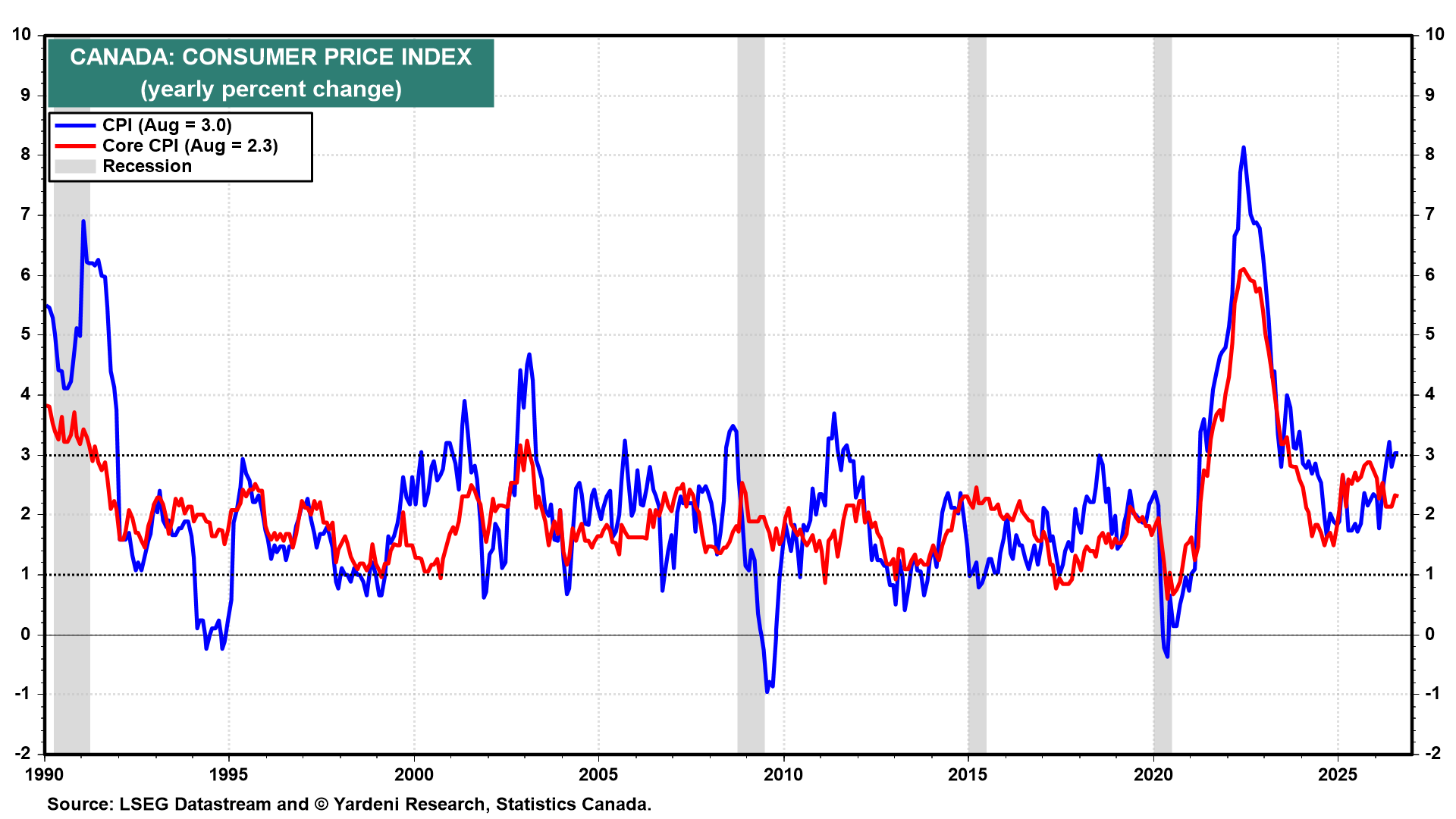
Any reader who saw UK retail sales described as rising 0.8% year on year in September was handed two errors folded into one sentence. Britain’s own monitor, the British Retail Consortium’s September survey, recorded a 1.3% year-on-year increase, led by health and beauty. A 0.8% rise does exist in the September data. It is American, and it is measured month on month.
The US Census Bureau reported that retail sales rose 0.8% in September after a revised 1.3% gain in August, beating the 0.3% consensus tracked by FactSet, as AP reported. Strip out petrol stations and the gain collapses to 0.2%.
Both figures are nominal. Neither is adjusted for inflation. That omission is the entire story.
Where The 0.8% Comes From And Why It Isn’t British
Petrol stations did the lifting. US gas station business rose 6.4% in September, and the average price of regular gasoline hit $4.33 a gallon, according to AAA, up from under $3 before renewed fighting in the Middle East. Michael Pearce, chief US economist at Oxford Economics, wrote that “the large jump in headline retail sales in September was almost entirely due to rising gasoline prices.”
Producer prices confirm the direction. Final demand PPI rose 1.3% on the month in September, taking the annual rate to 6.3%, the highest since December 2022, according to ForexTraders. Energy rose 10.8% and accounted for over 80% of the broad increase, with gasoline up 20.3%. Consumer prices rose 3.7% year on year, up from 3.4% in August, the biggest monthly jump in five months.
The American 0.8% is therefore largely a fuel bill, not a shopping spree. Furniture and home furnishings stores rose 1.3%, electronics and appliances 0.6%, online retailers 0.3%. Clothing and accessories were flat. Restaurants, the only services category in the report, rose 1.1%. Employers added just 29,000 jobs in the same period, which makes the spending look less like confidence and more like necessity.
UK Retail Sales Grew 1.3% Under A Budget Cloud
Britain’s September was not a demand story either. The BRC monitor described a period defined by waiting: households holding back ahead of the October budget and the tax rises it might bring, with a consumer already pressed by a cost-of-living squeeze and rising energy costs. Health and beauty carried the growth.
The inflation backdrop is unforgiving. UK CPI was 3.1% year on year in August with core at 2.6%. September’s reading was expected to climb to 3.4%, above the Bank of England’s 3.0% forecast, as Newsquawk noted in its week-ahead preview, with fuel, airfares and an unwinding of seasonal activity pushing prices higher. Input producer prices were up 8.2% year on year in the second quarter.
The September flash PMI for UK manufacturing sat at 52.1, still in expansion. But the survey described subdued demand, rising prices and weaker business activity, with technology the single bright spot. Any sign of second-round inflation effects would tilt the Monetary Policy Committee toward a November hike. Governor Andrew Bailey speaks on Wednesday. UK retail sales, measured in units rather than pounds, likely fell.
What Volume Declines Mean For Retailers In Lagos
Nigeria’s retail market runs on different plumbing but the same arithmetic. Most trade passes through informal markets and kiosks that never file a sales return, so published figures capture a thin formal slice: supermarkets, fuel forecourts, pharmacy chains. In an economy where transport and diesel generator costs feed straight into shelf prices, a nominal increase tells a retailer almost nothing about whether more goods left the shelf.
The same test applies to UK retail sales comparisons. Divide the cash increase by the price increase. If the answer is below one, the business is shrinking while the till looks busier. Retailers reporting in naira carry an added distortion, because exchange-rate movement can lift the top line while volumes fall.
Who Wins When Sales Rise And Shoppers Don’t
Fuel retailers and energy suppliers win first, because revenue rises with the price of the thing they sell. Discount formats and health-and-beauty chains win next. Discretionary goods lose: US clothing was flat despite a headline beat, and furniture’s 1.3% gain is smaller than price increases in the same categories.
Natalie Kotlyar, who leads BDO’s retail and consumer products practice, warned against reading the US report as evidence of consumer strength. With inflation running above 3% and gas prices high, part of this gain is simply higher prices, and many shoppers are leaning on savings and promotions to stretch their budgets,” she said. Strong sales alongside paychecks that fail to keep pace cannot last, she added, so retailers must protect margins and keep inventory flexible into November and December.
The policy read is muddled. Odds of a 25 basis point Fed hike at the 27-28 October meeting fell to 17% from 22% despite hot inflation, while December hike odds rose. Fed Chair Kevin Warsh declined to signal: “I don’t prejudge meetings,” he said at the IMF and World Bank annual meetings in Bangkok.
For UK retail sales, the practical instruction for operators is to stop quoting the cash number. Pearce still expects consumer spending to run at a 3.3% annualised pace in the third quarter, but he sees momentum fading into the holiday season as higher prices bite. A retailer that budgets on the headline will order too much stock and protect too little margin. One that budgets on volume will do the opposite. In a quarter where fuel rather than shopping drove the number, that is the only defensible position.
Frequently Asked Questions
Did UK retail sales rise 0.8% year on year in September?
No. The British Retail Consortium’s September monitor recorded a 1.3% year-on-year increase, led by health and beauty. The 0.8% figure is the US Census Bureau’s month-on-month retail sales increase for September, a different economy and a different time frame.
Why does the 0.8% US retail sales figure overstate consumer demand?
Because it is not adjusted for inflation and petrol stations did most of the work. Gas station business rose 6.4% in September as the average price of regular gasoline reached $4.33 a gallon. Excluding gas stations, US retail sales rose just 0.2% on the month.
What should retailers in Nigeria and the UK watch instead of the headline sales number?
Volume. Divide the cash increase by the price increase. If the result is below one, the business is selling fewer goods even though revenue looks higher. UK CPI was 3.1% in August and expected at 3.4% in September, so a 1.3% cash gain is a real-terms decline.
 Follow AFRILATEST on Google News
FIRST TIME REACTIONS:
Be the first to leave us a comment – UK Retail Sales: Why The 0.8% Headline Is Misread, down the comment section.
JOIN US ON OUR SOCIAL MEDIA:

About Paul Nwogo
Paul Nwogo is an engineer, published author, and the Head Manager at AfriLatest. He has written numerous books available on Amazon covering a diverse range of topics, including health, personal finance, relationships, work ethics, and scam survival. With his technical background and passion for writing, Paul now oversees the editorial direction of AfriLatest, delivering practical, accurate, and engaging content on trending news, music, and global lifestyle topics.
Business & Economy
Nigeria Startup Funding Lead: Capital Is Not Revenue
Nigeria startup funding leads Africa again, but the $635m headline measures capital raised, not revenue. Spectrum, power and skills decide what sticks.
Tech Outlook 2027, a technology foresight platform led by the National Information Technology Development Agency and delivered through SATH Foundation Africa, met in Lagos on Tuesday, October 20, with an agenda that had little to do with term sheets. Its subject was whether Nigeria can convert access to technology into domestic capability: data centres, connectivity, computing, skills. That question sits directly beneath the headline that Nigeria startup funding has reclaimed Africa’s lead, with press reports putting raised capital at $635 million.
The distinction matters more than the ranking. Capital raised is a flow of investor money into a company. Revenue is money a customer hands over for something they need. The two figures move on different clocks, and only one of them survives a downturn.
A Platform Built Around Constraints

Tech Outlook 2027 is not an accelerator and writes no cheques. It is a policy and foresight exercise, designed to help Nigeria anticipate emerging technology trends and translate them into strategic decisions. Its public output at the Lagos session was a list of constraints rather than a list of winners.
Ushaseer Tembe, lead for Technology and AI, spoke on behalf of Iyinoluwa Aboyeji. He argued that Nigeria has shown it can adapt existing technologies to local needs, but that the next phase requires stronger infrastructure and local talent to sustain AI businesses. He named data centres, connectivity, computing infrastructure, cloud platforms, models and applications as the layers Nigeria must assess to decide where it can build independence, and where economic value can be captured domestically.
The uncomfortable part is what that implies for the Nigeria startup funding headline. Money raised by a Lagos fintech or a Yaba software shop is not evidence that a product is priced correctly, that customers renew, or that the business covers its own power bill. On a continent where network operators are squeezed, those are not abstract questions.
What Nigeria Startup Funding Cannot Buy
The clearest evidence comes from the GSMA’s report on spectrum policy in Africa. African operators hold an average of 570 MHz of mobile spectrum below 7 GHz, about 24 percent less than the global average of 750 MHz, while paying more for it relative to revenue: 0.82 percent of revenue per 100 MHz against 0.66 percent elsewhere.
Average revenue per user across Africa fell by about 49 percent in real terms between 2015 and 2025, according to the GSMA report as covered by BusinessDay. Operators must carry roughly 160 percent more mobile data traffic between 2025 and 2030 while earning less per gigabyte.
For a startup, this is the ground floor. Average mobile download speeds in Africa stood at just over 27 Mbps in 2025, against 98 Mbps in the rest of the world. Users consumed about 3 GB per connection monthly, against 14 GB elsewhere. Only 28 percent of Africa’s population used mobile internet on their own devices in 2025, even though mobile broadband coverage reached 92 percent of the population.
That last number is the one founders should tape to the wall. About 64 percent of the continent’s population lives inside coverage and does not use mobile internet, because devices, data, electricity and digital skills remain out of reach. A product with polished onboarding and no paying user at the bottom of the pyramid is a demo, not a business.
The Burn Rate Nobody Funds
Labour is usually a startup’s largest line item, and the labour market is being squeezed from both ends. In Kwara, the state branch of the Nigerian Medical Association says doctors are losing between N30,000 and N50,000 from their monthly pay to unexplained deductions. Suleiman Rotimi, the NMA state chairman, disclosed the cuts at a news conference in Ilorin marking the 2026 Physicians’ Week, themed “Securing the Future of Medicine in Nigeria.”
Rotimi put Nigeria’s doctor-to-patient ratio at roughly 1 to 9,000 and warned that sub-standard wages, excessive cuts and manpower deficits are driving burnout and emigration, with conditions worse in rural Kwara. The state government’s response is not recorded in the BusinessDay report.
This is not a startup story on its face. It is one underneath. Skilled professionals whose net pay is unpredictable do not form the stable middle class that buys subscriptions, holds savings products, or stays with a fintech app through a bad month. Engineers watching public-sector pay erode price their own risk higher. Companies that cannot hire reliably cannot hold a delivery promise, and churn climbs quietly while the funding announcement stays loud.
Adoption Is Not Absorption
The Lagos session returned repeatedly to the gap between buying software and changing how work is done. Tembe said organisations need to “adopt AI at a native level,” arguing they should measure whether embedding the technology improves processes or increases revenue, not how many pilots they ran.
Itoro Emembolu, a faculty member at Lagos Business School, said the central challenge is not access to technology or talent but the ability of organisations to absorb and use technology effectively. She named leadership, communication and resistance to organisational change as the barriers, and called for investment in change management.
Read that against a Nigeria startup funding announcement and the arithmetic gets uncomfortable. Capital buys pilots. Absorption buys revenue. The first is available at a press conference. The second takes quarters.
What To Measure Instead
The GSMA offers a usable scorecard for reform: track new spectrum allocations, capital expenditure, infrastructure deployment, network speeds and service availability, and monitor internet adoption separately because coverage does not make devices and data affordable. The same discipline applies to Nigeria startup funding.
Ask what share of raised capital converted into paid contracts and renewals. Ask what the business spends each month on electricity and bandwidth. Ask how many customers stayed past the first billing cycle. None of these appear in a funding total, and all of them decide whether the company is still trading in three years.
The projected rewards from reform are real but conditional. The GSMA estimates that spectrum changes could add more than $120 billion in cumulative economic output across Africa between 2026 and 2035, bring an additional 50 million people within 4G coverage and 170 million within 5G, and lift average download speeds by 30 to 50 percent. The report labels these projected outcomes, not guaranteed gains. They hold only if lower costs turn into network investment rather than into margin.
Data governance carries the same weight. Professor Manasoghe, who led discussions on security, privacy and trust, pointed to fragmented databases, unnecessary collection of personal information and weak transparency around breaches as threats to public confidence in digital services, raising questions about compliance with the Nigeria Data Protection Act’s data minimisation principle. Firms that build on shaky identity systems inherit the cost of that shakiness.
Therein lies the test for Nigeria startup funding. The country has reclaimed the continental lead in capital raised. Whether that becomes revenue depends on spectrum, electricity, data governance and the willingness of executives to change how their companies actually work. Tech Outlook 2027’s contribution is to make that dependency explicit, and to move the argument from how much was raised to what it bought.
Frequently Asked Questions
Does Nigeria’s startup funding lead mean startups are profitable?
No. Funding raised is investment capital entering a company. Revenue is money earned from customers. The source material provides no revenue figures for Nigerian startups, so the funding lead says nothing on its own about profitability, renewals or cash flow.
Why does mobile spectrum policy matter to Nigerian startups?
Most Nigerian digital products reach customers through mobile networks. The GSMA reports African operators hold about 570 MHz of spectrum below 7 GHz versus a global average of 750 MHz, and face roughly 160 percent data traffic growth between 2025 and 2030, which affects speed, coverage and the cost of serving users.
What happened to doctors’ pay in Kwara?
Suleiman Rotimi, chairman of the NMA’s Kwara State branch, disclosed unexplained monthly deductions of between N30,000 and N50,000 from doctors’ salaries during a news conference in Ilorin for the 2026 Physicians’ Week. He called for the deductions to be reversed. The state government’s response is not recorded in the source report.
What should investors track instead of funding totals?
Paid contracts, customer renewal rates, monthly spend on electricity and bandwidth, and whether raised capital produced revenue. The GSMA recommends tracking spectrum allocations, capital expenditure, network speeds and service availability, and measuring internet adoption separately from coverage.
Receive alerts for Nigeria startup funding and more like it.
FIRST TIME REACTIONS:
Be the first to leave us a comment – Nigeria Startup Funding Lead: Capital Is Not Revenue, down the comment section.
JOIN US ON OUR SOCIAL MEDIA:

            About Paul Nwogo
            Paul Nwogo is an engineer, published author, and the Head Manager at AfriLatest. He has written numerous books available on Amazon covering a diverse range of topics, including health, personal finance, relationships, work ethics, and scam survival. With his technical background and passion for writing, Paul now oversees the editorial direction of AfriLatest, delivering practical, accurate, and engaging content on trending news, music, and global lifestyle topics.
            View all articles by Paul Nwogo
Nigerian Business
Dangote Refinery IPO Extended: 4.1 Billion Shares Up for Grabs
Dangote Refinery IPO extended to Oct 27 as subscriptions hit 4x the $1.6bn target. Here’s what the ₦525/share offer means for Nigerian investors.
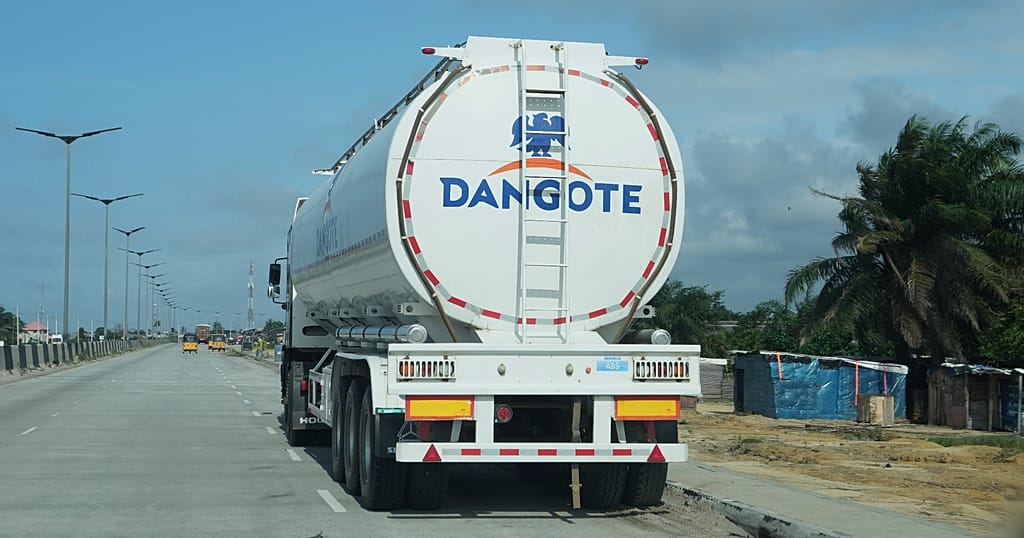
Dangote Petroleum Refinery and Petrochemicals has extended its $1.6 billion initial public offering (IPO) by two weeks, pushing the closing date from October 13 to October 27. The Dangote Refinery IPO, already the biggest in Africa’s history, has pulled in subscriptions more than three or four times the original target, according to the company. The extension, approved by Nigeria’s Securities and Exchange Commission, is aimed at letting more African investors buy in.
The offer opened on September 14 and was originally scheduled to close on October 13. It puts 4.1 billion shares on the table at ₦525 each, with a minimum subscription of 10 shares, or ₦5,250. That values the refinery at about $47 billion. A green shoe option allows an extra 30 percent of the shares to be sold if the offer is oversubscribed, potentially raising the total to about $2.1 billion.
Dangote said the decision to extend was not about the money. “We are going to extend the date because we want a lot of our African brothers and sisters to participate,” he told journalists during a tour of the facility on Monday. “It is not about the amount, it is about the number of people that we want to participate.”
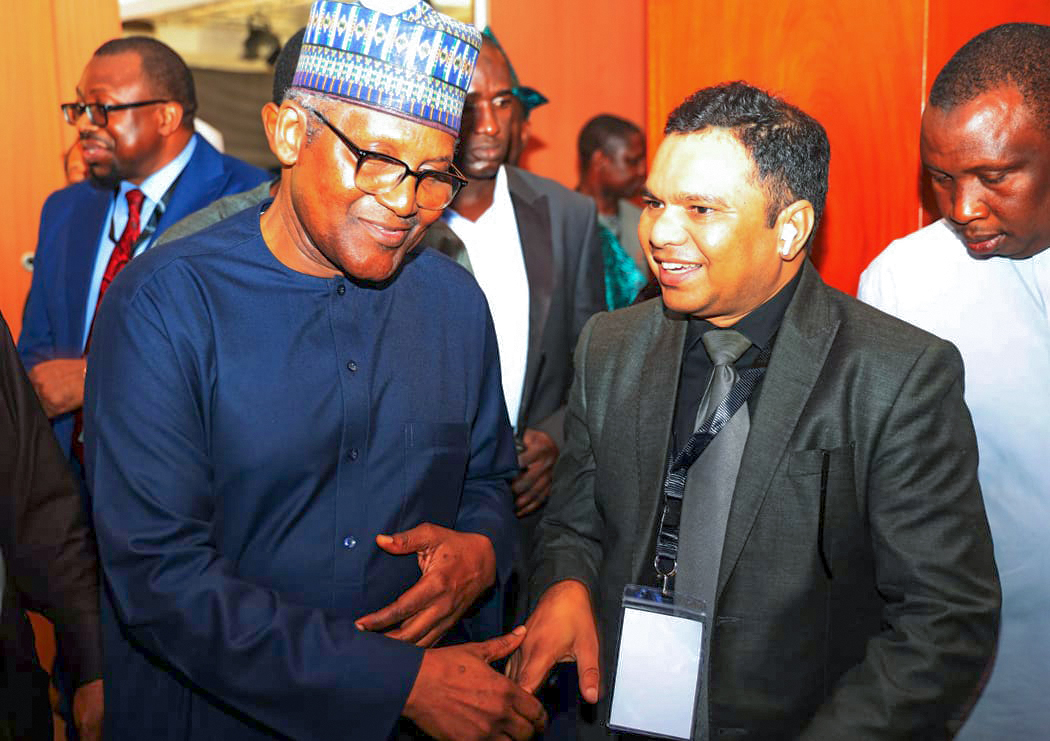
The company said it is working with the Nairobi Stock Exchange to open a route for East African investors through global depositary receipts. Up to $300.4 million of the offer, close to a fifth of the total, has been set aside for East African investors, according to Kenyan media. Kenya’s Capital Markets Authority has already cleared its residents to invest.
“Following our discussions with the Nairobi Stock Exchange, we have identified what we believe is the best way to facilitate participation,” Dangote said. “We are now trying to replicate that arrangement with other African exchanges.”
What The Extension Means For Investors
The extra two weeks gives retail investors more time to complete account opening, identity verification, and other regulatory checks. Several trading platforms, including Bamboo and Cowrywise, crashed on the first day of the offer as subscription traffic overwhelmed their systems. That suggests demand is coming from a much wider pool than the typical Nigerian stock market investor.
Only about 5 percent of Nigerian adults invest in the stock market. The refinery is targeting as many as 10 million retail investors, a figure that would transform the Nigerian Exchange’s retail base if achieved. The Aliko Dangote Foundation is also giving away shares worth about ₦40 billion, or $30 million, to tertiary students and vulnerable women. Students who buy 10 shares receive 10 more free.
David Bird, chief executive of the refinery, said the extension “will give more investors across Africa the opportunity to participate in the Offer.”
Under the revised timetable, results will be collated by November 3 and the basis of allotment sent to the SEC by November 10. Trading is expected to begin about 15 business days after shares are allotted.
Why The Refinery Needs The Money
The IPO proceeds will fund a $14.3 billion expansion that would double the refinery’s capacity to 1.4 million barrels a day by 2029. The plant, which cost about $20 billion and began operating in 2024, was designed to process 650,000 barrels a day and now runs at about 700,000 barrels a day. If the expansion goes ahead, it would be the world’s largest refinery, surpassing India’s Jamnagar.
“We are targeting for three years, and probably we may be even doing faster,” said Devakumar Edwin, a group vice president at Dangote Industries.
Dangote is also planning a separate 700,000-barrel-a-day refinery in Kenya, which would bring his total refining capacity to 2.1 million barrels a day. He has already broken ground on a new facility on Kenya’s Lamu island, promising tens of thousands of jobs. But the project faces a lawsuit from the local community over land rights, and Greenpeace has raised objections over the refinery’s environmental impact.
Who Wins And Who Loses
For Nigerian retail investors, the extension is a rare second chance to buy into a company that most would never access at this stage. The ₦525 price and 10-share minimum keep the entry ticket low. The free-share programme for students and women lowers it further.
For the Nigerian Exchange, a successful listing of this size would dwarf MTN Nigeria’s $876 million listing in 2019. Akin Dawodu, Citi’s head of banking for sub-Saharan Africa, said the deal could draw investors back to African bourses. “The size of the stock exchanges across Africa, Johannesburg excepted, is very small relative to the capital available,” he told Reuters. “We have to find a way to unlock that.”
For existing shareholders, the picture is more complicated. Dangote and his affiliates own about 80.7 percent of the company. State oil company NNPC holds 6.8 percent, and Greenview International holds 6.5 percent. The IPO represents about 3.4 percent of the company. If the green shoe is used, that stake gets diluted further, but the new capital funds growth that could lift the value of what they hold.
The risks are real. The refinery’s expansion depends on global crude markets, Nigerian regulatory stability, and the company’s ability to execute a project of unprecedented scale. The Kenya project faces legal and environmental challenges that could delay or derail it. And a stock market listing brings quarterly scrutiny that a private company does not face.
What To Watch
Watch the final subscription figures when they are released. The company has not published exact numbers, only saying demand is three to four times the target. If the green shoe is triggered, the final raise could hit $2.1 billion, making it one of the largest listings anywhere in the world this year.
Watch whether other African exchanges follow Nairobi’s lead. If the depositary receipt model works in Kenya, it could become a template for how African companies raise capital across borders, a shift that would matter for every founder and CFO on the continent.
And watch the share price when trading begins, expected about 15 business days after allotment. A strong debut would pull in the retail investors the refinery says it wants. A weak one would leave them holding paper and wondering why they bothered.
Frequently Asked Questions (Dangote Refinery IPO)
When does the Dangote Refinery IPO close?
The Dangote Refinery IPO now closes on October 27, 2026, after the Securities and Exchange Commission approved a two-week extension from the original October 13 date.
How much does it cost to buy Dangote Refinery shares?
Shares are priced at ₦525 each, with a minimum subscription of 10 shares, which costs ₦5,250. The offer includes 4.1 billion shares and a green shoe option for an additional 30 percent if oversubscribed.
Can non-Nigerians invest in the Dangote Refinery IPO?
Yes. The extension is specifically aimed at allowing more African investors to participate. Kenya’s Capital Markets Authority has approved a route through global depositary receipts on the Nairobi Securities Exchange, with up to $300.4 million set aside for East African investors.
Related Articles
- 113 Million Nigerians Deprived of Health: What You Can Do
- Herbal Remedies: Aishat Alagbo’s Safe Use Guide
- 29MB AI Model Runs on a $10 Chip: Here’s How
- Health Workers to Sue 20 Varsities Over Unpaid Allowance
- Taylor Swift Joins Beatles as Only Acts With 100 Weeks at No. 1
Receive alerts for Dangote Refinery IPO and more like it.
FIRST TIME REACTIONS:
Be the first to leave us a comment – Dangote Refinery IPO Extended: 4.1 Billion Shares Up for Grabs, down the comment section.
JOIN US ON OUR SOCIAL MEDIA:
-
 Startups4 weeks ago
What a Successful Dangote Refinery IPO Really Says
-
Health and Fitness1 week ago
Curly Hair Hydration: 5 Proven Steps That Actually Work
-
Trending Entertainment News2 weeks ago
Taylor Swift Joins Beatles as Only Acts With 100 Weeks at No. 1
-
World News4 weeks ago
Carney Calls U.S. Tariffs a Miscalculation as Canada Retaliates
-
Tech & Gadgets2 weeks ago
Apple Watch and AirPods Fall Deals: Save $120 Today
-
Football4 weeks ago
Mexico vs Colombia 2026: Márquez Debut Ends in Defeat
-
University Admissions4 weeks ago
UNILAG 2026/2027 Admission: Direct Entry & Post-UTME Guide
-
Fintech4 weeks ago
OPay No Dey Comot Nigeria: How to Verify Fintech News














Dorcas Babalola
May 4, 2020 at 12:57 am
Nigeria budget is now going to something else
Dorcas Babalola
May 4, 2020 at 8:12 pm
They will also use this corona virus to cover themselves
Mgbemena chukwuemeka
May 7, 2020 at 8:41 am
Nigeria
Mgbemena chukwuemeka
May 7, 2020 at 8:42 am
Gat nothing to say
Anyanwu Bright
May 7, 2020 at 2:28 pm
Our nigeria leaders don’t have plans for the nation, they don’t see the future, let’s watch and see how the budgeting goes
Chukwuemeka [email protected]
May 15, 2020 at 9:28 pm
Yes
Chukwuemeka [email protected]
May 15, 2020 at 9:28 pm
Niger
Chukwuemeka [email protected]
May 15, 2020 at 9:30 pm
One l
Chukwuemeka [email protected]
May 15, 2020 at 9:30 pm
Love
Chukwuemeka [email protected]
May 15, 2020 at 9:31 pm
Abi
Chukwuemeka [email protected]
May 15, 2020 at 9:31 pm
Our
Chukwuemeka [email protected]
May 15, 2020 at 9:32 pm
Nigerians
Chukwuemeka [email protected]
May 15, 2020 at 9:33 pm
Leader
Chukwuemeka [email protected]
May 15, 2020 at 9:34 pm
No
Chukwuemeka [email protected]
May 15, 2020 at 9:34 pm
Get
Chukwuemeka [email protected]
May 15, 2020 at 9:34 pm
Plan
Chukwuemeka [email protected]
May 15, 2020 at 9:36 pm
4
Chukwuemeka [email protected]
May 15, 2020 at 9:37 pm
Us
Chukwuemeka [email protected]
May 15, 2020 at 9:39 pm
&
Chukwuemeka [email protected]
May 15, 2020 at 9:39 pm
Natiom
Chukwuemeka [email protected]
May 15, 2020 at 9:41 pm
Chukwuemeka [email protected]
May 15, 2020 at 9:42 pm
Budgir
Chukwuemeka [email protected]
May 15, 2020 at 10:17 pm
Na in
Chukwuemeka [email protected]
May 15, 2020 at 10:18 pm
Is now
Chukwuemeka [email protected]
May 15, 2020 at 10:19 pm
Abg
Chukwuemeka [email protected]
May 15, 2020 at 10:20 pm
Our leaders don’t have plan for the nation
Chukwuemeka [email protected]
May 15, 2020 at 10:21 pm
Make we
Chukwuemeka [email protected]
May 15, 2020 at 10:26 pm
Know wattin
Chukwuemeka [email protected]
May 15, 2020 at 10:26 pm
We go do
Chukwuemeka [email protected]
May 15, 2020 at 10:26 pm
Before
Chukwuemeka [email protected]
May 15, 2020 at 10:27 pm
Nko
Chukwuemeka [email protected]
May 15, 2020 at 10:28 pm
What is
Chukwuemeka [email protected]
May 15, 2020 at 10:28 pm
Happened
Chukwuemeka [email protected]
May 15, 2020 at 10:29 pm
Am tired
Chukwuemeka [email protected]
May 15, 2020 at 10:30 pm
Of all
Chukwuemeka [email protected]
May 16, 2020 at 6:37 am
Diss
Chukwuemeka [email protected]
May 16, 2020 at 6:38 am
Crisis
Chukwuemeka [email protected]
May 16, 2020 at 6:39 am
Chisos
Chukwuemeka [email protected]
May 16, 2020 at 6:40 am
I get
Chukwuemeka [email protected]
May 16, 2020 at 6:40 am
Ofu
Chukwuemeka [email protected]
May 16, 2020 at 6:41 am
Agugu
Chukwuemeka [email protected]
May 16, 2020 at 6:42 am
Who be
Chukwuemeka [email protected]
May 16, 2020 at 6:42 am
Or are
Chukwuemeka [email protected]
May 16, 2020 at 6:43 am
This bugditt
Chukwuemeka [email protected]
May 16, 2020 at 6:43 am
Were get
Chukwuemeka [email protected]
May 16, 2020 at 6:44 am
Mind da
Chukwuemeka [email protected]
May 16, 2020 at 6:44 am
Advise
Chukwuemeka [email protected]
May 16, 2020 at 6:45 am
Our bug
Chukwuemeka [email protected]
May 16, 2020 at 6:45 am
Sori big
Chukwuemeka [email protected]
May 16, 2020 at 6:46 am
Nation
Chukwuemeka [email protected]
May 16, 2020 at 6:48 am
gg
Chukwuemeka [email protected]
May 16, 2020 at 6:48 am
Even self
David Elobisi
May 24, 2020 at 9:53 am
Our Leaders are not seeing this country go forward they simply don’t care ,we just have to try as much as possible to survive that’s all
Chukwuemeka [email protected]
May 16, 2020 at 6:49 am
Na governor’s
Chukwuemeka [email protected]
May 16, 2020 at 7:14 am
One day
Chukwuemeka [email protected]
May 16, 2020 at 7:14 am
In go
Chukwuemeka [email protected]
May 16, 2020 at 7:54 am
Ndi ala
Chukwuemeka [email protected]
May 16, 2020 at 7:55 am
M da Vex
Chukwuemeka [email protected]
May 16, 2020 at 7:56 am
Kpochapu
Chukwuemeka [email protected]
May 16, 2020 at 7:57 am
Agara m
Chukwuemeka [email protected]
May 16, 2020 at 7:58 am
Mmerụ ahụ
Chukwuemeka [email protected]
May 16, 2020 at 7:59 am
Onye
Chukwuemeka [email protected]
May 16, 2020 at 8:00 am
Kedu
Chukwuemeka [email protected]
May 16, 2020 at 8:01 am
Nonsense
Chukwuemeka [email protected]
May 16, 2020 at 8:02 am
Ihe nzuzu
Chukwuemeka [email protected]
May 16, 2020 at 8:08 am
Ugbu a
Chukwuemeka [email protected]
May 16, 2020 at 8:15 am
Nke a