Entertainment TV & Film
The Hunting Wives Season 2 Trailer Date: What We Know
The Hunting Wives Season 2 trailer release date is set. Here’s what we know about the trailer, premiere, and cast—no fan theories.

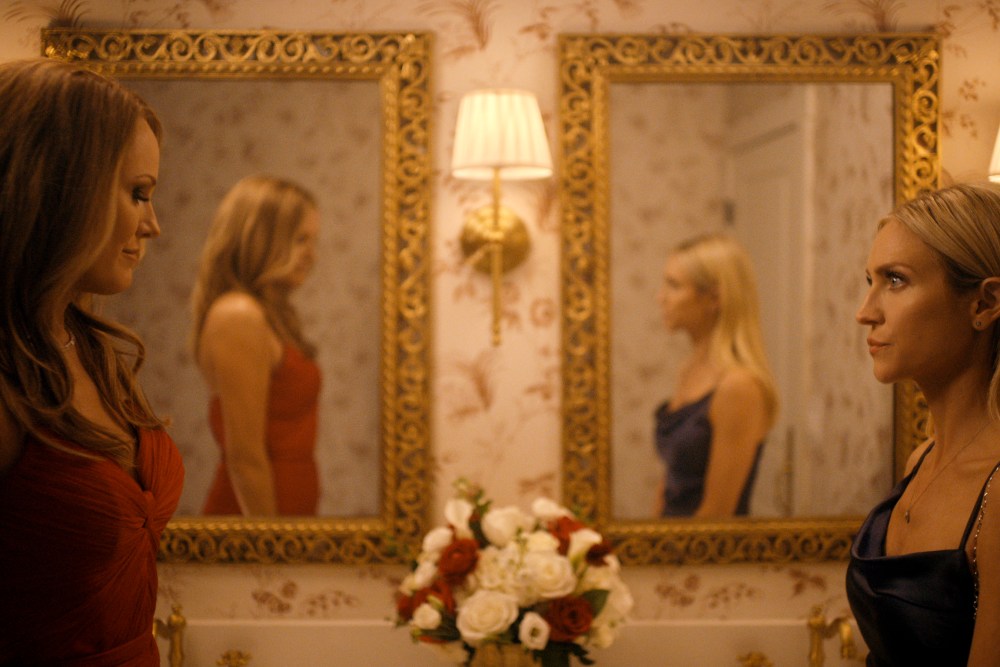
The Hunting Wives Season 2 trailer is coming, and Netflix has finally given us a date. But before you start dissecting every frame, let’s separate what the trailer will actually show from the fan theories already swirling. The streamer announced that the Season 2 trailer will arrive on October 20, 2026, per AOL. That’s over a month before the eight-episode season premieres on Thanksgiving Day, November 26.
The announcement came via Netflix’s social media, building anticipation for the show’s return. But here’s the thing: a trailer is marketing. It’s designed to tease, not to confirm plot details. So while fans are already speculating about who’s hunting whom, the trailer itself will likely focus on mood, tension, and the fractured relationship between Sophie (Brittany Snow) and Margo (Malin Akerman).
What The Trailer Will Likely Show (And What It Won’t)
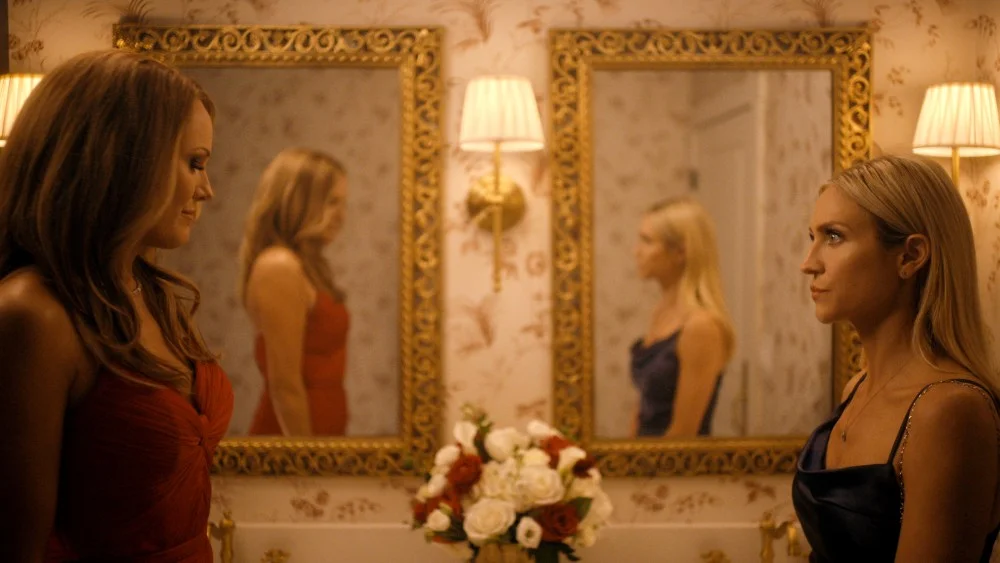
Based on the official logline, Season 2 picks up with Sophie and Margo on the outs. “But soon enough, old secrets and new foes force them back together,” the synopsis reads, per Variety. “As they play their dangerous games, the question arises: Are they the hunters or the hunted?”
That’s the marketing hook. Expect the trailer to lean hard into that question—probably with a lot of lingering shots of the Texas landscape, tense confrontations, and maybe a glimpse of the new cast members. But it won’t tell you who dies, who’s lying, or how the season ends. Trailers never do, and Netflix is smart enough to keep the mystery alive.
What we do know is that the show has already been renewed for a third season, according to Dermot Mulroney, who plays Jed Banks. He revealed on The Tangle podcast that Season 3 is in prep, per Taste of Country. That’s a strong vote of confidence from Netflix, but it also means the trailer for Season 2 is just the beginning of a longer promotional cycle.
Fan Theories vs. Confirmed Facts
The internet is already buzzing with theories about what Season 2 will cover. Some fans are convinced that certain dead characters will return in flashbacks or dream sequences—especially since Chrissy Metz and Katie Lowes, whose characters died in Season 1, have teased their return, per Decider. But that’s speculation. Neither Netflix nor the showrunner has confirmed how or if they’ll appear.
What’s confirmed is the cast. Returning alongside Snow and Akerman are Dermot Mulroney as Jed Banks, Jaime Ray Newman as Callie, Evan Jonigkeit as Graham O’Neil, George Ferrier as Brad Thompson, and Karen Rodriguez as Deputy Wanda Salazar. New faces include John Stamos as Chase Brylan, Dale Dickey as Zelda Moffitt, Cam Gigandet as Gentle John Moffitt, Kim Matula as Nadia Kelly, Alex FitzAlan as Lincoln Trout, and WNBA star Angel Reese as Trainer Barbie.
Reese’s casting was announced in January 2026 after she tweeted her love for the show and asked to be in Season 2. That’s a fun piece of marketing, but it doesn’t tell us anything about the plot. The trailer might show her briefly, but don’t expect her role to be fully revealed.
What The Trailer Means For The Season
A trailer’s job is to sell the show, not to spoil it. So when the Hunting Wives Season 2 trailer drops on October 20, watch it for tone, chemistry, and any official clues about the new season’s direction. But don’t treat it as a synopsis. The showrunner, Rebecca Cutter, has said that Season 2 could cover a new murder-mystery, but she also admitted she didn’t know “whodunit yet or who got done,” per Yahoo Entertainment. That was before production wrapped, so things may have changed. Still, it’s a reminder that even the creators are careful not to overpromise.
For now, the confirmed facts are simple: the trailer arrives October 20, the season premieres November 26, and all eight episodes will drop at once. Everything else is speculation—fun, but not fact.
Next Week’s Preview
With the trailer date set, expect Netflix to ramp up promotion in the coming weeks. First-look photos have already been released, showing Sophie and Margo in various tense situations. The trailer will likely add motion and sound to those images, but it won’t answer every question. That’s what the season is for.
So mark your calendars for October 20. Watch the trailer. Enjoy the tease. But remember: the real hunt begins on November 26.
Frequently Asked Questions
When is The Hunting Wives Season 2 trailer release date?
The trailer will be released on October 20, 2026, as announced by Netflix.
When does The Hunting Wives Season 2 premiere?
Season 2 premieres on Thanksgiving Day, November 26, 2026, with all eight episodes available on Netflix.
Will the trailer reveal major plot spoilers?
Trailers typically tease without spoiling. Expect mood and tension, not answers to the season’s mysteries.
Related Articles
- Curfew-to-Begin in France: What the Partial Curfews Mean
- Taika Waititi Star Wars Movie On Ice: Fans React
- Bills vs Raiders: Why Buffalo’s Ground Game Wins
- US-Nigeria Health Deal: What It Means for Your Care
- Nigeria’s Health Partnership With the US: 5 Key Facts
 Follow AFRILATEST on Google News
FIRST TIME REACTIONS:
Be the first to leave us a comment – The Hunting Wives Season 2 Trailer Date: What We Know, down the comment section.
JOIN US ON OUR SOCIAL MEDIA:


Entertainment TV & Film
Netflix Narnia Trailer: Led Zeppelin and a 481M Record
Netflix Narnia trailer: 481.3M views, Led Zeppelin’s first-ever film licence, and the verified February 2027 theatrical and streaming dates.
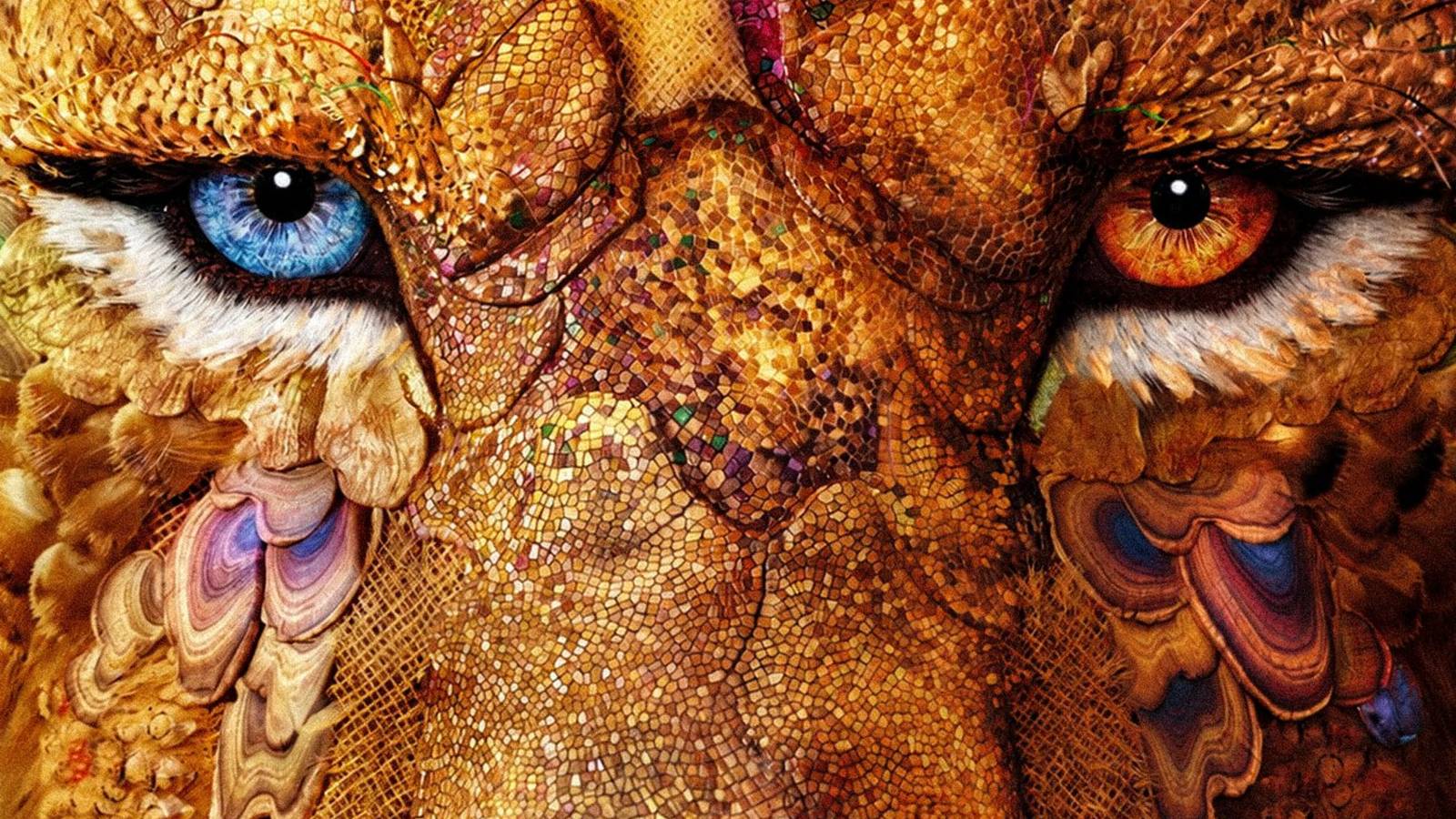
The number arrived before the argument did. Per Deadline data reported by Screen Rant, the Netflix Narnia trailer drew 481.3 million views in seven days — the fastest opening week of any Greta Gerwig film, ahead of Barbie’s 240 million, Wonka’s 237.2 million and The Super Mario Galaxy Movie’s 281.6 million.
That is the statistic. The real event was the song.
Led Zeppelin’s Stairway to Heaven had never been licensed for a film before. Not once, across decades of requests. Gerwig secured it, and the band’s agreement came after they were shown an early cut of the movie months before the trailer went live.
Everything else in this campaign is downstream of that decision.
Why the Netflix Narnia Trailer Leads With Led Zeppelin
Strip away the record and look at the edit. The trailer opens on the song’s gentle, almost folk guitar figure while Digory and Polly find doors into other worlds, then swells into the rock section as the imagery widens. The track hits its peak exactly as Aslan sings Narnia into existence.
That alignment is the strongest available evidence of what Gerwig is selling: not a reheat of the early-2000s Disney-era films, but a cosmic creation story with a rock spine. Screen Rant’s breakdown reads the lyric as resonating with the book’s themes of faith, redemption and the making of a world. That is interpretation, not fact — but the structural match between song and cut is visible on sight.
Boldness, though, is not quality. A licensed needle drop tells you what a marketing department believes. It tells you nothing about the film’s score.
What the Trailer Shows and What It Withholds
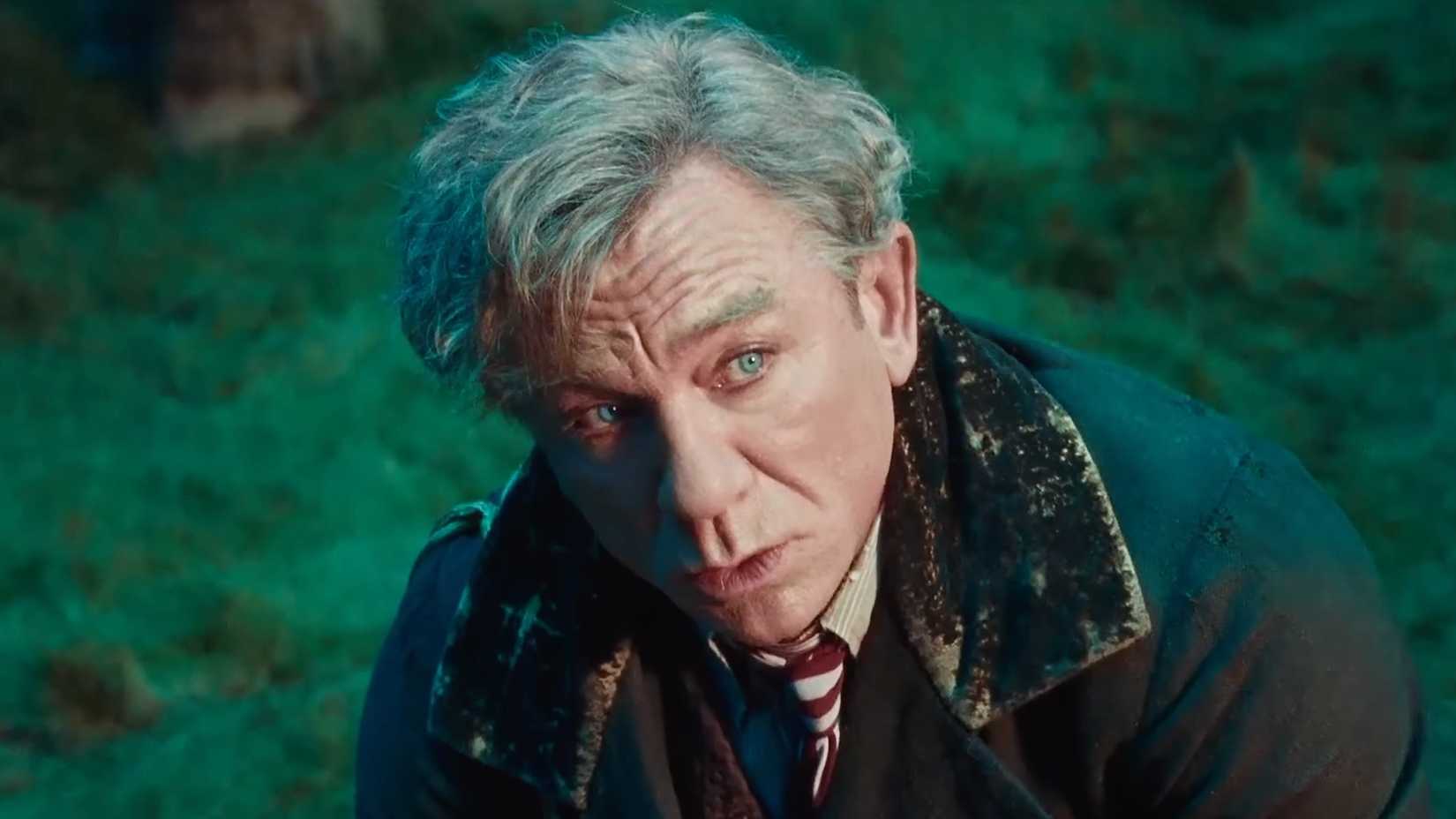
Verified on screen: David McKenna as Digory Kirke, Beatrice Campbell as Polly Plummer, Daniel Craig as Uncle Andrew, Emma Mackey as Jadis. Aslan appears — the lion is teased shaping Narnia through song — and Meryl Streep is confirmed in the role.
What is not confirmed: whether Streep sings at the close of the trailer. A commenter on NarniaWeb asked that question directly. No official source has answered it, and this article will not pretend otherwise.
The reaction on that same fan site is split, and worth reporting plainly rather than smoothing over. Complaints centered on the loss of the series’ medieval register, unfavorable comparisons to Guardians of the Galaxy and Doctor Who, and discomfort with the Aslan casting. Defenders argued that The Magician’s Nephew is a different book with a different tone, set largely before Narnia exists. Both positions have textual grounding. Neither gets settled by a two-minute trailer.
One note for readers wary of spoilers: this is discussion of a 1955 novel and its marketing, not of the film’s unreleased plot.
The Release Plan Is the Actual News
Here the story turns concrete. Narnia: The Magician’s Nephew opens in theatres worldwide on February 12, 2027, with IMAX sneak previews from February 10. It reaches Netflix on April 2, 2027.
The 45-day theatrical window makes this Netflix’s first-ever wide theatrical release, made in collaboration with Sony, and it carries both the streamer’s longest exclusive cinema window and its largest IMAX footprint to date. Reported cost: up to $250 million. The Netflix Narnia trailer’s 481.3 million views is the number being weighed against that figure.
For Nigerian readers, one caution. “Worldwide” in a studio press line and “at your local cinema” are different claims. Nothing in the material reviewed here names a Nigerian distributor, a cinema chain, or a Lagos or Abuja playdate. The only date verified against Netflix’s own service is April 2, 2027.
The distinction matters for a second reason. This is a Netflix original production — developed with Gerwig under a two-film deal covering the Chronicles of Narnia — not a licensed title acquired from another studio. April 2 therefore marks a first-window streaming arrival, not a library addition arriving years after a cinema run. Subscribers in Nigeria get the same first-window film as subscribers elsewhere, subject to the service operating in the territory.
The Mark Ronson Question Remains Open
In September 2025, Mark Ronson told Today he was working on the music for Gerwig’s Netflix film. Netflix did not confirm to Today that the project was Narnia, and no official confirmation has followed since, as NarniaWeb noted at the time.
Ronson co-scored Barbie with Andrew Wyatt. Producer Amy Pascal had earlier teased that the project was all about rock and roll. Those two data points suggest a rock-inflected score. They do not prove that Stairway to Heaven appears in the film itself, and they do not prove the score sounds anything like the trailer cut. Treat the music as unconfirmed.
What to Watch Before February 12
Three things will settle the open questions faster than another round of comment threads.
A second trailer, which will reveal whether the rock framing is the film’s identity or a marketing costume. A credits confirmation naming the composer of record. And a Nigerian cinema listing, which at present exists in no source reviewed for this piece.
Until then, the honest verdict on the Netflix Narnia trailer is this: the viewing record is real, the song licence is genuinely historic, and the film itself remains unproven. Gerwig has earned the benefit of the doubt on ambition. She has not yet earned it on faithfulness — and on a project this expensive, execution is the only argument that will count.
Frequently Asked Questions
When does Narnia: The Magician’s Nephew come to Netflix?
April 2, 2027, following a theatrical release from February 12, 2027 with IMAX sneak previews from February 10. That 45-day window is Netflix’s first wide theatrical release, done in collaboration with Sony.
Is the Stairway to Heaven song in the actual movie or only the Netflix Narnia trailer?
Only the trailer use is confirmed. Led Zeppelin had never licensed the track for a film before this, and the band agreed after being shown an early cut. Nothing official confirms it appears in the finished film.
Is there a confirmed Nigerian cinema release date for the Narnia film?
No. The material reviewed names no Nigerian distributor, cinema chain or playdate. The date verified against Netflix’s own service is April 2, 2027, and the film is a Netflix original production rather than a licensed acquisition.
Related Articles
- Shanghai Fashion Week: A Fifth Fashion Capital Rises
- NHL breakout predictions: 5 players to watch in 2026-27
- The Hunting Wives Season 2 Trailer Date: What We Know
- Curfew-to-Begin in France: What the Partial Curfews Mean
- Taika Waititi Star Wars Movie On Ice: Fans React
FIRST TIME REACTIONS:
Be the first to leave us a comment – Netflix Narnia Trailer: Led Zeppelin and a 481M Record, down the comment section.
JOIN US ON OUR SOCIAL MEDIA:
Entertainment TV & Film
African Streaming Growth: 2 Nations, 1 Big Money Problem
African streaming growth is surging in Nigeria and Kenya, but PwC’s 2026 outlook shows monetisation is the real test. Here’s what fans and creators face.
Nigeria and Kenya are the two markets everyone in African streaming wants a piece of right now. PwC’s Africa Entertainment and Media Outlook 2026–2030, launched in Johannesburg on 13 October, puts OTT video revenue growth at 20.4% a year in Nigeria and 15.9% in Kenya through 2030. That is the headline. The fine print is where it gets uncomfortable.
Average annual revenue per subscription is projected to hit just $42 in Nigeria and $54 in Kenya by 2030. The global average sits above $100. So the audience is arriving fast, the money is not keeping pace, and the gap between those two facts is the whole story of African streaming growth right now.
Why The Subscriber Numbers Look Good And The Bank Balance Doesn’t
Kenya’s wider entertainment and media market is expected to reach $6 billion by 2030. OTT video revenue there is projected to more than double, from $15 million in 2025 to $31 million in 2030. Internet advertising nearly doubles too, climbing from $313 million to $603 million over the same period.
Nigeria’s overall E&M market is forecast to reach $5.3 billion by 2030, growing 6.9% a year. Big numbers. But low average revenue per subscription is explicitly flagged as a constraint on commercial returns, and that constraint shapes everything: what gets licensed, what gets produced, and what gets pulled off the shelf.
According to PwC’s outlook, a sustainable OTT proposition has to balance affordability, differentiation and monetisation. Translation: you cannot just keep charging more.
The Price Increase Nobody Wanted
Netflix raised prices in major markets including South Africa and Nigeria in 2025. Then came the harder signal. Showmax shut down at the end of April 2026, following earlier exits like BritBox in South Africa and the shutdown of Paramount Africa’s operations.
These aren’t small failures. Showmax was one of the most recognisable streaming brands on the continent. Its closure tells you that subscriber growth alone doesn’t pay the bills when data costs, payment fragmentation and price sensitivity eat into every naira and shilling.
Nigeria made that squeeze worse in early 2025, when the Nigerian Communications Commission approved a 50% telecom tariff increase. Rising data costs directly affect how much streaming people can afford to do. When watching a show costs more in data than the subscription itself, something has to give.
What Actually Works When Subscriptions Don’t
Ad-supported streaming is gaining real ground. France’s TF1+ launched across 22 Francophone African countries in June 2025, and South Africa’s SABC Plus recorded user growth milestones by February 2026. AVOD suits markets where affordability limits paid subscriptions, because the viewer pays with attention instead of cash.
Hybrid models are also spreading. YouTube Premium’s free tier plus paid upgrade is the template everyone studies. Local players are experimenting too: Circuits arrived in December 2024, Kava in August 2025, and EbonyLife ON Plus in November 2025, each testing pricing built around local audiences rather than imported assumptions.
Bundling is the other lever. Telecom-led moves, including MTN’s work with video software provider Synamedia, point to a future where streaming rides on the data plan rather than competing with it.
Why African Streaming Growth Still Has A Creator Problem
Here’s the part that doesn’t get enough attention. Audience growth doesn’t automatically become creator income. The TMCon Creators Report 2024 found that 54% of African creators earn less than N100,000 monthly, and 73.4% treat content creation as a side hustle rather than a full-time career.
Only 20.7% earn from sponsored content. Just 11.9% rely on ad revenue. Meanwhile, top creators in Nigeria, Kenya and South Africa can earn between $1,000 and $5,000 monthly by stacking multiple platforms and income streams. The ceiling exists. Very few people reach it.
Afrocritik’s analysis argues that future growth will depend on centralised, ecosystem-driven access rather than scattered subscription models that can’t sustain themselves. That’s a polite way of saying the current playbook is broken.
Gaming And The Attention Economy Nobody Prices Correctly
Gaming revenue is forecast to reach $431 million in Nigeria and $133 million in Kenya by 2030, growing faster than the global market in both countries. In Nigeria, social and casual games made up 77% of gaming revenue in 2025.
That matters because Nigerian data consumption is heavily influenced by streaming and gaming together, and internet access is overwhelmingly mobile. Every gigabyte spent gaming is a gigabyte not spent streaming. Platforms are competing for the same wallet, and the wallet is thin.
5G penetration by 2030 is forecast at 51.6% in Kenya and just 35.3% in Nigeria. Faster connections will help, but they won’t fix the pricing math on their own.
What To Watch Next
Cinema is quietly having a moment. Nigeria’s cinema revenue is forecast to grow from $10 million to $29 million by 2030, a 22.8% annual clip, with local films accounting for almost half of box office revenue in 2025. That’s a signal audiences will pay for the right thing, in the right setting, at the right price.
The lesson from Broadcast Media Africa’s report is blunt: advertising-led models, bundled subscriptions and flexible licensing will decide who survives. Audience growth without monetisation is just expensive popularity.
So when you open your streaming app tonight and notice another price hike, or another title that vanished, you’re watching the real African streaming growth story play out. The next two years will show which platforms understood that scale and affordability have to coexist. The ones that didn’t are already gone.
Frequently Asked Questions (African streaming growth)
Which African countries are leading streaming growth?
Nigeria and Kenya are the standout markets. PwC’s Africa Entertainment and Media Outlook 2026-2030 projects OTT video revenue growth of 20.4% a year in Nigeria and 15.9% in Kenya through 2030.
Why is monetisation still a challenge for African streaming?
Average annual revenue per subscription is forecast to reach only $42 in Nigeria and $54 in Kenya by 2030, well below the global average above $100. Rising data costs, price sensitivity and payment fragmentation make it hard to convert large audiences into sustainable revenue.
What happened to Showmax in 2026?
Showmax shut down at the end of April 2026. The closure followed earlier exits including BritBox in South Africa and the shutdown of Paramount Africa’s operations, highlighting structural challenges in sustaining large-scale streaming services across unpredictable African markets.
Related Articles
- Ukrainian drones hit Russian data centers: Yandex outages
- Kojima on Joker 2: Why the Divisive Flop Will Age Well
- GBU-43/B MOAB: Why This 21,600-lb Bomb Won’t Crack Iran
- Love Afrobeats? Score a 4LP Fela Kuti Box Set
- Tems: Writing Music Helps Me Heal, Release Pain
FIRST TIME REACTIONS:
Be the first to leave us a comment – African Streaming Growth: 2 Nations, 1 Big Money Problem, down the comment section.
JOIN US ON OUR SOCIAL MEDIA:
Entertainment TV & Film
Crystal Lake Ending Explained: 7 Twists That Change Jason
Crystal Lake ending explained: the Peacock prequel reveals Jason’s true origin, Project Argonaut, and why he can’t die. Here’s every twist.
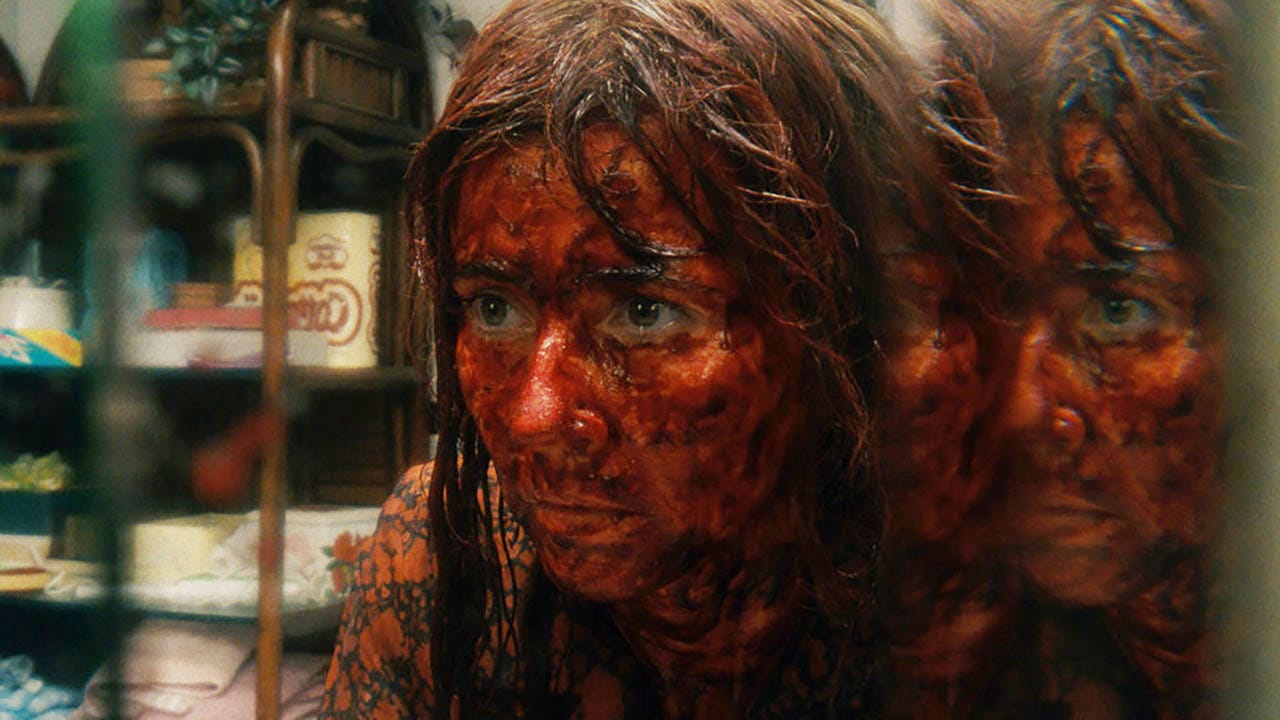
Crystal Lake is Peacock’s eight-episode Friday the 13th prequel, and its finale rewrites everything you thought you knew about Jason Voorhees.
The show premiered October 15, with all eight episodes dropping at once. Set in the early 1970s, it follows Pamela Voorhees (Linda Cardellini) as she grieves the drowning of her son Jason (Callum Vinson) at Camp Crystal Lake. What looks like a straightforward slasher prequel turns into something stranger by the final two episodes. The Crystal Lake ending explained here is not a ghost story, and it is not a curse. It is corporate science gone wrong, and it changes how the entire film franchise reads.
Jason Voorhees Has a Father, and a Secret
Episode 6 introduces Elias Wittering, played by Hamish Linklater. Fans who caught the name in the closing credits knew immediately who he was: Jason’s father. The character was written for 1986’s Friday the 13th Part VI: Jason Lives but never filmed, and his name later surfaced in Jason Goes to Hell and various comics and games.
Elias is not a Voorhees. Pamela only took that surname after going on the run with Jason. In 1959 New York, she was Pamela Scott, a nightclub singer, pregnant by her boyfriend Elias, a salesman for Bellflower Chemical. After what looked like a miscarriage, Elias brought her to a Bellflower facility in Houston. The company said the baby could be saved. They married. She became Mrs. Wittering.
Then the treatments started, and the show’s seventh episode lays out exactly what they were for.
Project Argonaut and the Real Reason Jason Cannot Die
Bellflower was running Project Argonaut, an experiment designed to make human bodies survive nuclear war. Elias says the team replicated the cellular process of cockroaches so people could withstand radioactive fallout. Pregnant women in the trial were given procedures. Most of the babies were deformed, many died, and almost none could live normally.
Except Jason. He is the first successful product. As Elias puts it, trauma actually makes him stronger, and could spur accelerated physical growth. That single line accounts for his appearance, his increasing size across the films, and every wound he walks away from.
The show also explains Pamela’s instability. Bellflower gave her experimental mood stabilizers that altered her brain chemistry, and she stopped taking them after she learned the truth and fled with Jason to Crystal Lake. Her madness has a chemical source.
This is the most debated reveal in the series, and it turns a supernatural slasher into science fiction. The IGN breakdown of the finale notes that the franchise already went this direction once: 2002’s Jason X opens in 2008 with Jason held at a Crystal Lake Research Facility, where Dr. Wimmer, played by David Cronenberg, argues that his ability to regenerate damaged tissue cries out for more research. Bellflower is the answer Dr. Wimmer never got.
Who Killed Barry and Claudette
Episode 5 recreates the opening of the 1980 film almost shot for shot. Counselors Barry and Claudette sneak off together, and a POV shot shows the killer attacking them. Then the show keeps going. Pamela walks in on a murder already in progress.
The killer is Grace, played by Gwendolyn Sundstrom. She is 13, she was Jason’s only real friend, and she had just lost her mother, killed by Pamela without Grace knowing. She had also been spending time with an older group of hippie kids. That is a fourth killer in the franchise’s history, alongside Pamela, Jason, and Part 5’s Roy.
The Finale: 1971, Elias, and the Setup for 1980
In the present timeline, Pamela finally finds Jason, now fully grown with a bag over his head. He murders Elias, then attacks Pamela, and stops at the last second. A local shoots Jason, and he survives, because we now know he is essentially impervious to damage. A delirious Pamela says her son is strong, stronger than anyone gave him credit for.
That leaves the story exactly where the original movie begins: Pamela seeking revenge for a son who is not actually dead, while Jason lurks in the woods. The Inverse explanation of the ending makes the same point, that the show was meant to set up the first film’s twist and instead became a full sci-fi thriller.
Is It Worth Watching
The case against the show is real. IndieWire’s review argues that the penultimate flashback answers every question and the finale mostly sums up, effectively making a two-hour story stretched over eight. If you want the reveals without the padding, watch Episode 7 and Episode 8.
Cardellini is the reason to stay. She plays the forlorn recluse and the voracious hedonist with equal conviction, and Will Catlett’s police chief Levon Brooks is a genuine highlight. The kills are creative. The pacing is not.
One small note worth knowing: the snake Pamela frees from the camp pantry in Episode 1 is a deliberate nod to a real bull snake killed during the filming of the 1980 movie. Creator Brad Caleb Kane told Deadline no animals were harmed this time.
Who Should Watch Crystal Lake
If you have watched every Friday the 13th film and want the lore gaps filled, this is for you, and you can skip straight to Episode 7. If you want a lean slasher with tight pacing, the eight-hour runtime will test you. If you have never seen a Friday the 13th movie, start with the 1980 original, then come back. The Crystal Lake ending explained above only lands if you know what Pamela becomes.
The show has already done the hardest thing a prequel can do. It made a 45-year-old drowning scene mean something new.
Frequently Asked Questions (Crystal Lake ending explained)
Does Jason actually drown in Crystal Lake?
No. Jason survives his drowning at Camp Crystal Lake because of the Bellflower Chemical treatments he received as a baby through Project Argonaut. The show reveals he is essentially impervious to damage, which also explains his survival in later films.
Who is Jason’s father in Crystal Lake?
Elias Wittering, played by Hamish Linklater. He worked for Bellflower Chemical and oversaw Project Argonaut. The character was written for Friday the 13th Part VI: Jason Lives but the scene was cut and never filmed.
Why is Pamela Voorhees insane in Crystal Lake?
The show ties her instability to Bellflower. The company gave her experimental mood stabilizers that altered her brain chemistry, and she stopped taking them after learning the truth about the experiments and fleeing with Jason.
Related Articles
- Ukrainian drones hit Russian data centers: Yandex outages
- Kojima on Joker 2: Why the Divisive Flop Will Age Well
- GBU-43/B MOAB: Why This 21,600-lb Bomb Won’t Crack Iran
- Love Afrobeats? Score a 4LP Fela Kuti Box Set
- Tems: Writing Music Helps Me Heal, Release Pain
FIRST TIME REACTIONS:
Be the first to leave us a comment – Crystal Lake Ending Explained: 7 Twists That Change Jason, down the comment section.
JOIN US ON OUR SOCIAL MEDIA:
-

 Startups3 weeks ago
What a Successful Dangote Refinery IPO Really Says
-
Trending Entertainment News1 week ago
Taylor Swift Joins Beatles as Only Acts With 100 Weeks at No. 1
-
World News4 weeks ago
Carney Calls U.S. Tariffs a Miscalculation as Canada Retaliates
-
Football3 weeks ago
Mexico vs Colombia 2026: Márquez Debut Ends in Defeat
-
Fintech4 weeks ago
OPay No Dey Comot Nigeria: How to Verify Fintech News
-
Fintech4 weeks ago
OPay Investing in People to Build a Better Nigeria
-
Nigerian Business3 weeks ago
Moniepoint POS Network: How to Buy Dangote Shares
-
Tech & Gadgets2 weeks ago
Apple Watch and AirPods Fall Deals: Save $120 Today