Fintech
Analysis | God of War: Ragnarok is about triumphing over fate


God of War – Destiny is an ancient philosophical concept and the basis of fatalism, a current of thought that influenced the thinking of many ancient peoples. As part of an almost divine premise: the order of the world exerting action on its singular beings, it was also present in several mythologies, including the Norse, with the Norns, and the Greek, with the Moiras.
God of War
Ragnarok has arrived
 God of War: Ragnarok starts a few years after its predecessor and continues the events started by Kratos and Atreus in the first adventure, which means it is highly recommended to play the 2018 game, even though it is possible to see a small summary in the menu before starting a new one. journey. The duo took refuge in the protected forest of the late Faye and trains daily so that the boy is prepared in an eventual conflict with the Aesir gods.
 If it were an old God of War, then we would just have a bloodbath with a brutal war between the two against the gods, but in this new guise of the series, the narrative aspect is the focus and the characters are more developed, including the core “enemy ” of Asgard. Thor has a family, Odin has his motivations, Freya remains blinded by revenge after Baldur’s death, and all the secondary characters, like the dwarves Sindri and Brok, gained even more layers in their relationships.
God of War: Ragnarok is about triumphing over fate
In theory, the first game’s murals already told what will happen here – the giants’ prediction of how the final cataclysm will unfold spells out a tragic end for Kratos and pinpoints Atreus as Loki – but in practice there’s a constant struggle against that fate. and many twists and turns as new characters emerge, like the excellent Angrboda. More than an epic clash between gods, which is obviously also part of the adventure and has its moments of a classic God of War – the ending is absolutely incredible – Ragnarok tells a story of love between father and son, overcoming trauma, forgiveness and , mainly, fight against the imposition of destiny.2018 on steroids
 As far as gameplay and visuals go, God of War: Ragnarok looks and behaves like its predecessor for the most part. Although Jim Ryan, CEO of Sony Entertainment, at one point said that he believes in generations and published a teaser with a logo that, at the time, implied that the game would be released only for PS5, in fact the development was completely focused on PS4 and features the same design decisions as its predecessor on most fronts: combat, menus, exploration, and more. If, on the one hand, this brings an experience that doesn’t seem very new, on the other hand, it allowed us to refine it to the maximum and correct a good part of the limitations that existed.
Conclusion
 God of War: Ragnarok maintains what worked in 2018 and corrects the main limitations of its predecessor. The narrative part is thematically more complex and manages to develop its characters in a deeper way, without letting the pace drop in a more filled campaign. The gameplay has a massive diversity of enemies and some new features that increase the expressiveness in combat and are worth discovering when playing. pros
- Well-developed characters and outstanding moments in all arcs
- Wide variety of enemies brings constant newness to combat
- Lots of build possibilities
- More realms to explore
- Lots of options between graphics and performance to choose from
- Cosmetic part of weapons and armor follows the same structure as in 2018
- Sometimes it feels like a repeat experience
A PS5 copy of the game was provided by Sony for the purposes of this review.
Follow AFRILATEST on Google News and receive alerts for the main news about celebrities, soap operas, series, entertainment and more!
SHARE POST AND EARN REWARDS:
Join our Audience reward campaign and make money reading articles, shares, likes and comment >> Join reward Program
FIRST TIME REACTIONS:
Be the first to leave us a comment, down the comment section. click allow to follow this topic and get firsthand daily updates.
JOIN US ON OUR SOCIAL MEDIA: << FACEBOOK >> | << WHATSAPP >> | << TELEGRAM >> | << TWITTER >
God of War
Fintech
OPay Earns More From Lending Than Payments: What It Means for You
OPay earns more from lending than payments. Learn how this shift affects your wallet, your savings, and your loan options as a Nigerian user.


Why OPay’s Lending Business Matters To You

Step 1: Check Your OPay Loan Offer Before You Tap It
Open the OPay app and look at the loan section. You will typically see a credit limit, a tenor, and a repayment amount. Before you accept, write down three numbers: how much you are borrowing, how much you will repay in total, and how many days you have. If the total repayment is more than 20 percent above the principal for a 30-day loan, that is expensive money. Compare that to what a friend or a cooperative would charge you. If OPay is cheaper and you can repay from confirmed income, it can work. If you are borrowing to pay another loan, stop.Step 2: Separate Your Payments Wallet From Your Borrowing Wallet
Use one OPay wallet for daily transactions and never keep a loan balance sitting there. If your loan disburses into the same wallet you use for transfers, you will spend it before the repayment date. Move the loan money to the specific purpose immediately. Pay the supplier. Buy the stock. Settle the school fee. Then delete the temptation to redraw.Step 3: Watch The Interest And Fees On Rollovers
Many digital lenders in Nigeria make their margin when you roll over a loan. The current rollover fee structure for OPay was not disclosed in the source material, so check your own app for the exact charge. As a rule, if you roll over twice, you are likely paying more in fees than the original loan was worth. That is how people end up owing N80,000 on a N50,000 loan.Step 4: Use OPay Savings Only For Short-Term Goals
OPay offers savings products, but remember that a lending-led business is not a licensed deposit bank in the same way your commercial bank is. Keep only money you will need within three to six months there. Your rent savings, your emergency fund, and your children’s school fees belong in a bank or a treasury bill.The BNPL Warning Every OPay User Should Read
Buy now, pay later is growing fast. According to LendingTree, 35 percent of consumers were considering a BNPL loan in December 2024, and 47 percent of BNPL users had made a late payment. That is a warning, not a statistic. OPay’s lending push follows the same playbook. Small loans feel painless until the repayment date. If you cannot pay cash for it today, a BNPL plan does not make it affordable. It makes it delayed.What To Do When You Cannot Repay On Time
Call or chat with OPay support before the due date, not after. Ask for a restructuring or an extension in writing. Do not ignore the messages. Default on a digital loan can affect your ability to borrow elsewhere and may lead to aggressive recovery calls. The student loan crisis in the United States, covered by PBS News, shows what happens when borrowers take on debt they cannot service. The lesson for Nigerians is simple: do not let a small loan become a long-term problem.How To Compare OPay Loans With Other Options
Before you borrow, compare three things: total cost, speed, and flexibility. A bank overdraft may be cheaper but slower. A cooperative loan may be cheaper but requires savings history. A friend may be free but carries social risk. OPay wins on speed and access. It rarely wins on price. Use it for emergencies and short gaps, not for funding a lifestyle.A Simple Rule For Every OPay User
If OPay earns more from lending than payments, then your job is to make sure you earn more from using OPay than OPay earns from you. That means borrowing only when the return is clear, repaying early when you can, and keeping your savings where they are protected. The first step to take today: open your OPay app, check your current loan offer and any active repayment, and write down the exact total cost. If it does not make sense, close the app and walk away. Your future self will thank you.Frequently Asked Questions
Does OPay make more money from loans than from transfers?
Yes. OPay earns more from lending than payments, meaning interest and fees on loans now drive more revenue than transaction charges.Are OPay loans safe to take?
OPay loans are safe if you can repay from confirmed income and the total cost is clear. Avoid rollovers, and never borrow to pay another loan.Should I keep my savings in OPay?
Keep only short-term money in OPay savings. Long-term savings belong in a licensed bank or treasury bills for better protection.Related Articles
- Fontaines D.C. Recruit Rosalía for ‘Where Is Gone?’
- Selma Blair Arrest: What Happened on Delta Flight 938
- 113 Million Nigerians Deprived of Health: What You Can Do
- Herbal Remedies: Aishat Alagbo’s Safe Use Guide
- 29MB AI Model Runs on a $10 Chip: Here’s How
 Follow AFRILATEST on Google News
JOIN US ON OUR SOCIAL MEDIA:
Fintech
OPay Files for $500M NYSE IPO: What Nigerian Investors Should Do
OPay files for $500m NYSE IPO and plans a secondary listing on NGX. Here’s what Nigerian investors should know and do next.

OPay files for $500m NYSE IPO, and that single filing changes how you should think about the fintech apps on your phone. The company wants to raise up to $500 million in the United States and has also secured board and shareholder approval to pursue a secondary listing on the Nigerian Exchange Limited (NGX).
This guide walks you through what the filing actually says, what it means for your money, and the concrete steps you can take now.
What The Filing Actually Says

OPay filed with the United States Securities and Exchange Commission (SEC) for an initial public offering estimated to raise up to $500 million, according to Independent Newspapers. The company plans to list on the NYSE under the ticker symbol OPAY.
The numbers behind the filing are the interesting part. First-half revenue more than doubled to $467.1 million, and net income rose to $90.9 million. For the 12 months ended June 30, 2026, OPay booked $806 million in revenue.
That is not small money for a company founded in 2017 in Singapore with its biggest market in Nigeria.
Where The Revenue Comes From
OPay does not make money from one source. It earns from transaction-based services (payments and acquiring), loan financing services (interest on self-originated loans), loan facilitation services (fees net of lender and insurance costs), and interest income from short-term investments supporting its savings products.
If you use OPay for transfers, savings, or loans, you are part of that revenue mix. The company also applies AI-driven risk analytics for fraud prevention and underwriting, which it cites as a key competitive strength.
How Big Is OPay In Nigeria
The filing states OPay was the number one finance app in Africa and the Middle East, with a 9.9 per cent market share based on monthly active users in the six months ended June 30, 2026. As of July 31, 2026, it was the country’s number two app across all categories based on daily active users.
Beyond Nigeria, OPay operates in Indonesia (loan facilitation), Egypt (merchant acquiring services), and Pakistan (merchant acquiring and consumer wallet services).
Step 1: Understand The Two Listings
There are two separate events here, and confusing them will cost you.
First is the primary listing on the NYSE. That is where the estimated $500 million raise happens. No pricing terms were disclosed, and the preliminary prospectus has not specified the offer price, number of securities to be sold, or expected proceeds.
Second is the secondary listing on the NGX. OPay obtained board and shareholder approval to pursue this after the NYSE listing completes, according to Nigeria Communications Week.
Step 2: Know What The NGX Listing Does Not Mean
The approval does not mean the Nigerian listing has been completed or that trading will begin immediately. OPay itself stated that the proposed Nigerian listing would depend on market conditions, regulatory approvals, and compliance with applicable Nigerian securities laws and NGX requirements.
The company has not disclosed the proposed size of the Nigerian offering or the percentage of its shares it intends to make available on the NGX. That matters because the scale of the opportunity for domestic investors depends on the number of shares available, the eventual pricing, the listing timetable, and the level of trading activity after admission.
Step 3: Watch The Valuation Gap
Reports surrounding the US IPO point to a valuation of approximately $4 billion. The joint bookrunners on the deal include Citi, Deutsche Bank, Standard Bank, and CICC. Other reporting names Citigroup, Deutsche Bank, and JPMorgan Chase as managing the US offering.
A $4 billion valuation on $806 million in trailing 12-month revenue is a specific multiple. Whether that holds at pricing depends on market conditions between now and the actual listing date.
Step 4: Decide How You Want Exposure
If you want OPay exposure, you have two potential routes.
Route one is buying OPAY shares on the NYSE after listing. That requires a broker with US market access, dollar funding, and tolerance for currency risk if you earn naira.
Route two is waiting for the NGX secondary listing. That keeps you in naira and inside a market you already understand. The trade-off is that you do not yet know how many shares will be available locally or at what price.
Step 5: Do Not Front-Run The Listing
There is no OPay stock to buy today. Anyone offering you pre-IPO OPay shares outside a registered platform is a red flag. The company has not priced the offering, and the preliminary prospectus has not specified the number of securities to be sold.
Mistakes To Avoid
Mistake one: assuming the NGX listing is guaranteed. OPay’s own filing cautions that even if the secondary listing proceeds, there is no guarantee it will generate an active trading market or achieve the anticipated expansion of its investor base and improvement in liquidity.
Mistake two: treating a $500 million raise as a $500 million valuation. Those are different numbers. The raise is the money coming in. The valuation is what the whole company is judged to be worth.
Mistake three: ignoring the concentration risk. OPay’s operations are heavily concentrated in Nigeria. That is a strength when Nigeria’s digital payments market grows and a vulnerability when regulation, currency, or consumer spending shifts.
Why This Matters Beyond OPay
The NGX has traditionally offered limited access to fast-growing private fintech companies. In August, Temi Popoola, chief executive of the Nigerian Exchange, urged the government to encourage major businesses generating substantial revenues in Nigeria to list locally, citing fintech companies including OPay and PalmPay.
The argument is straightforward: domestic investors should have an opportunity to participate in the financial value created by companies serving millions of Nigerians, rather than being excluded when those businesses seek public-market funding abroad. If OPay’s NGX listing proceeds, it could expand the range of technology-related investment opportunities on the exchange.
Your First Step Today
Open your broker app or call your stockbroker and ask two questions: do you offer access to NYSE-listed stocks, and will you support the OPay NGX listing when it opens? If the answer to both is no, start looking for a broker that does.
OPay files for $500m NYSE IPO, but the money decision is yours. Get your brokerage access sorted now, before the pricing terms drop and the queue forms.
Frequently Asked Questions
Can I buy OPay shares right now?
No. OPay has filed for an IPO but no pricing terms were disclosed. There is no OPAY stock trading yet on the NYSE or the NGX. Anyone offering you pre-IPO OPay shares outside a registered platform should be treated with suspicion.
When will OPay list on the Nigerian Exchange?
OPay has board and shareholder approval to pursue an NGX secondary listing after its NYSE primary listing, but no date has been disclosed. The company stated the listing depends on market conditions, regulatory approvals, and compliance with Nigerian securities laws and NGX requirements.
How much is OPay trying to raise?
The IPO is estimated to raise up to $500 million. Reports surrounding the US offering point to a target valuation of approximately $4 billion. The preliminary prospectus has not specified the offer price, number of securities to be sold, or expected proceeds.
Related Articles
- 113 Million Nigerians Deprived of Health: What You Can Do
- Herbal Remedies: Aishat Alagbo’s Safe Use Guide
- 29MB AI Model Runs on a $10 Chip: Here’s How
- Health Workers to Sue 20 Varsities Over Unpaid Allowance
- Taylor Swift Joins Beatles as Only Acts With 100 Weeks at No. 1
Receive alerts for OPay files for $500m NYSE IPO and more like it.
FIRST TIME REACTIONS:
Be the first to leave us a comment – OPay Files for $500M NYSE IPO: What Nigerian Investors Should Do, down the comment section.
JOIN US ON OUR SOCIAL MEDIA:
Fintech
OPay Files for US IPO with 50 Million Users: What You Need to Know
OPay files for US IPO with 50.1 million monthly users and $806 million revenue. Learn what this means for Nigerian users and investors.

OPay has filed for a US initial public offering, and if you use the app for daily payments, savings, or credit, this is the moment to understand what changes and what stays the same.
The company filed a registration statement with the Securities and Exchange Commission for a proposed IPO. It reported 50.1 million monthly active users and revenue of $806 million for the 12 months ended June 30. Year-over-year revenue growth in the first half was 137%.
That is not small money. Here is how to read the move, what it means for your wallet, and what to watch before you get excited.
What OPay Actually Disclosed
OPay is a digital financial platform built for emerging markets. It offers consumer services from digital payments to savings, merchant tools for customer acquisition, acceptance and analytics, and credit services for both consumerrs and merchants. The credit side uses transaction data and artificial intelligence-powered credit decisioning.
The filing says the company sees an addressable opportunity across billions of users and millions of merchants. It operates in Nigeria, Egypt, Pakistan and Indonesia. The bulk of revenue comes from Nigeria, Africa’s most populous nation.
OPay plans to list on the New York Stock Exchange, with a later listing on the Nigerian Exchange. Citigroup Inc., Deutsche Bank AG and Standard Bank are working on the listing.
Why This Matters for Nigerian Users
If you send money, pay bills, or save on OPay, the IPO does not change your daily experience immediately. But it does change the company’s incentives.
Public companies answer to shareholders. That means more pressure to grow revenue, cut costs, and show consistent profit. For users, that can mean better products or higher fees, depending on how management plays it.
The filing says OPay aims to grow by expanding its range of products and services, continuing to invest in infrastructure that supports long-term scalability, and entering new markets where there is a clear, unmet need.
Translation: expect more features, more markets, and more competition with traditional banks.
The Standard Bank Deal
Before the IPO, OPay secured about $185 million in a private placement with Standard Bank Group Ltd., Africa’s biggest bank. The agreements include a stake sale through the private placement and Standard Bank’s Africa head, Lungisa Fuzile, serving on the board of directors.
The final size of the placement hinges on currency fluctuations. Standard Bank’s holding won’t exceed 4.99%.
OPay and Standard Bank plan to work on services includiing merchant acquisition, distribution of wealth products and foreign exchange. This is a non-binding memorandum between the parties.
What This Means for You: A bank and a fintech working together usually means more products in one place. It could also mean your OPay wallet becomes more integrated with traditional banking services.
How to Position Yourself as a User
Step 1: Know what you use OPay for. If it is only payments, the IPO is mostly noise. If you hold savings or use credit, pay attention to fee changes and terms.
Step 2: Watch for new product announcements. OPay said it will expand its range of products and services. New savings rates or credit terms could be better or worse than what you have now.
Step 3: Do not treat the IPO as a reason to change your habits. An IPO is a fundraising event for the company. It does not automatically make your wallet safer or your money more valuable.
Step 4: If you are considering buying the stock, remember that IPO shares are not available to everyone. You will likely need a broker with access to US markets. The filing does not disclose a share price range or the number of shares to be offered.
What the Numbers Say
Revenue of $806 million for the year through June is real. Growth of 137% year-over-year in the first half is strong. But the filing does not disclose profitability. That is a key detail missing from the public record.
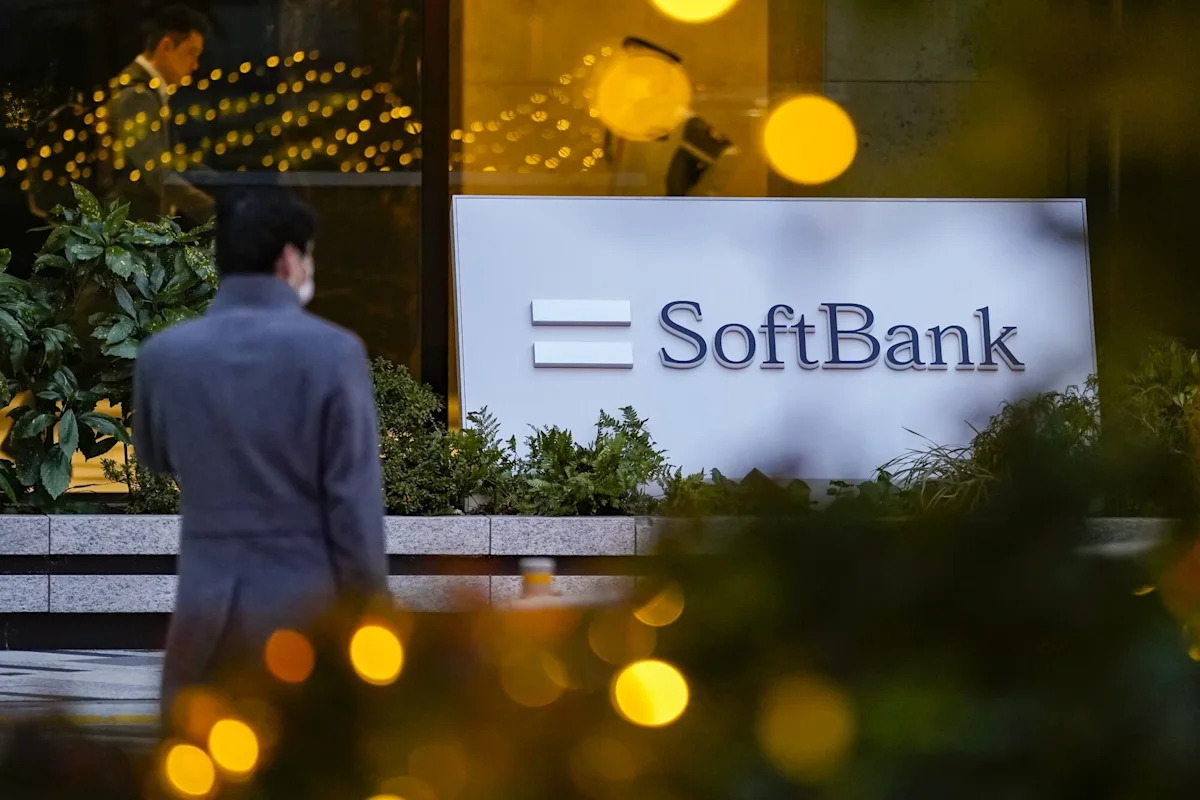
Bloomberg reported in May that OPay was seeking a $4 billion valuation in its IPO. That would double the $2 billion valuation it achieved in a 2021 funding round led by SoftBank’s Vision Fund 2.
A $4 billion valuation on $806 million revenue is roughly 5 times sales. For a high-growth fintech, that is not crazy. But without profit numbers, it is hard to call it cheap or expensive.
Mistakes to Avoid
Do not assume the IPO means OPay is now safe as a bank. It is not a bank. It is a fintech. Your deposits are not covered by NDIC insurance the way bank deposits are.
Do not chase the IPO stock if you do not understand the b usiness. The filing is public. Read it. If you cannot explain how OPay makes money, do not buy the shares.
Do not ignore the risks. Currency fluctuations affect the Standard Bank placement. Regulatory changes in Nigeria, Egypt, Pakistan or Indonesia could hit revenue. Competition from other fintechs and banks is real.
What Happens Next
OPay’s planned stock-market debut adds to a growing pipeline of African financial-technology businesses going public. Airtel Money also listed on the London Stock Exchange at about $7 billion in value.
The company said in the filing: “OPay is uniquely positioned to capture this opportunity. As a comprehensive FinTech platform integrating payments, savings, credit and lifestyle solutions, OPay reimagines financial access through mobile-native, data-driven solutions designed to serve users across all socioeconomic segments.”
That is the pitch. Whether it works depends on execution, regulation, and how well OPay converts its 50.1 million users into profitable customers.
Your First Step Today
If you use OPay, open the app and check your current fees, savings rates, and any credit terms you have. Write them down. When the IPO closes and new products launch, compare. If you are an investor, read the SEC filing directly. Do not rely on headlines. The OPay files for US IPO story is a signal to pay closer attention to where your money sits and what it costs you.
Frequently Asked Questions
What does OPay filing for a US IPO mean for my OPay wallet?
In the short term, nothing changes. Your wallet, fees, and services stay the same. Over time, as a public company, OPay will face pressure to grow revenue, which could mean new products or fee changes. Watch for announcements.
Can Nigerians buy OPay shares when it lists on the NYSE?
You will likely need a broker with access to US markets. The filing does not dis,close a share price range or number of shares. The company also plans a later listing on the Nigerian Exchange, which may be easier for local investors.
Is OPay profitable?
The filing does not disclose profitability. It reported $806 million revenue for the 12 months ended June 30 and 137% year-over-year growth in the first half. Profit numbers were not included in the source material.
Related Articles
- Natanael Cano Postpones Mexico Tour: Refunds & Health Focus
- Quartz Countertops Banned in California: What You Must Know
- Pixel 11 owners still waiting on Android 17 QPR1
- Apple Watch and AirPods Fall Deals: Save $120 Today
- Prime Big Deal Days Fitness Deals: 50% Off Top Gear
FIRST TIME REACTIONS:
Be the first to leave us a comment – OPay Files for US IPO with 50 Million Users: What You Need to Know, down the comment section.
JOIN US ON OUR SOCIAL MEDIA:
-

 Startups3 weeks ago
What a Successful Dangote Refinery IPO Really Says
-
Trending Entertainment News5 days ago
Taylor Swift Joins Beatles as Only Acts With 100 Weeks at No. 1
-
World News3 weeks ago
Carney Calls U.S. Tariffs a Miscalculation as Canada Retaliates
-
Fintech3 weeks ago
OPay No Dey Comot Nigeria: How to Verify Fintech News
-
Fintech3 weeks ago
OPay Investing in People to Build a Better Nigeria
-
Football3 weeks ago
Mexico vs Colombia 2026: Márquez Debut Ends in Defeat
-
Nigerian Business3 weeks ago
Moniepoint POS Network: How to Buy Dangote Shares
-
Spare Parts3 weeks ago
Spark Plug Replacement Cost: Fake Parts & Real Prices