Entertainment TV & Film
Ryan Castro Explains Why La Villa Hit No. 1
Ryan Castro explains why La Villa came from a Kapo party, not a studio plan — and how a 1973 Jamaican riddim carried it to No. 1 on Latin Airplay.

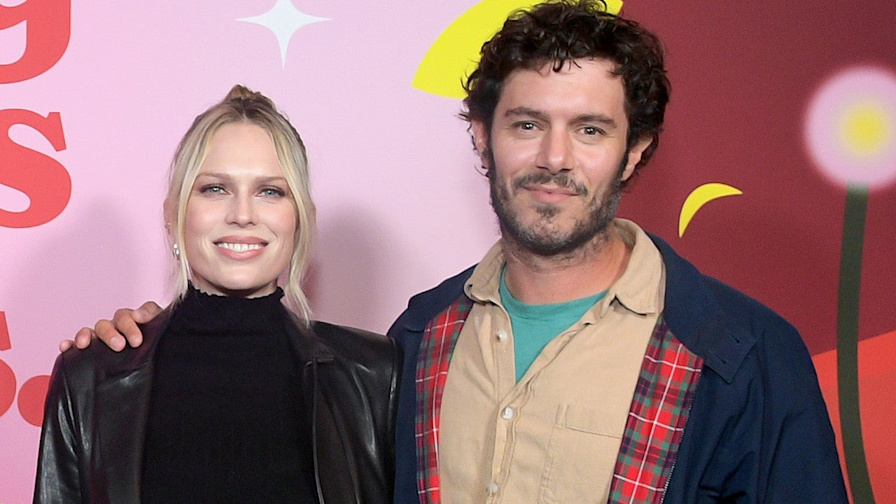
Ryan Castro’s “La Villa,” his collaboration with Kapo, reached No. 1 on Billboard’s overall Latin Airplay chart dated April 11, and the Colombian singer says the song started at a party rather than in a writing room.
“‘La Villa’ was born from a real vibe, from a party with Kapo, all organic, nothing forced,” Castro told Billboard. “When music comes out like that, big things happen.”
That is the artist’s own account of how the track came together. It cannot be independently verified and should be read as testimony, not documentation. The chart movement is a different category of fact: “La Villa” climbed 2-1 with 8.8 million audience impressions in the week ending April 2, a 15% gain, according to Luminate figures published by Billboard.
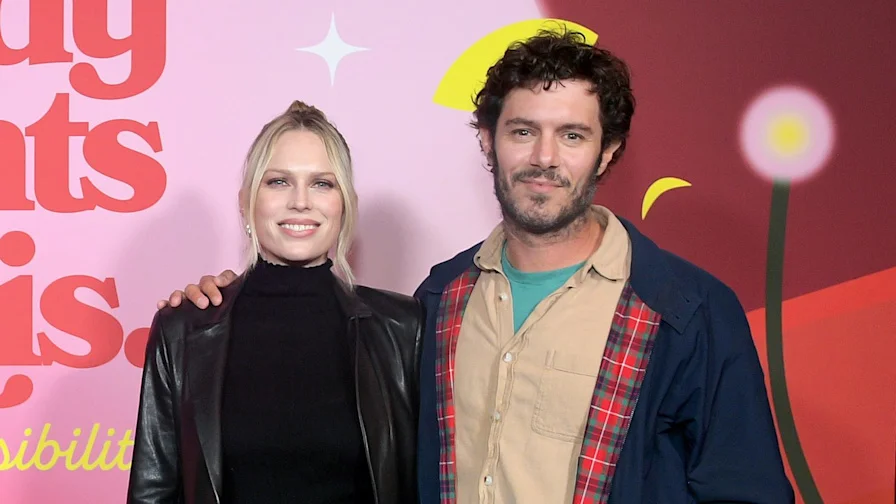
It was Castro’s first No. 1 on that list. Producer Gangsta earned his first as well. Kapo, the third voice on the record, collected his fourth, following “Imagínate” with Danny Ocean, “Más Que Tú” with Ozuna and “Luna” with Wisin.
Why Ryan Castro Says La Villa Started At A Kapo Party
Castro’s explanation is specific about method, not just mood. He describes a record that followed a social gathering instead of preceding one — a distinction that matters in a genre where writing camps and playlist-driven A&Ring are standard practice.
Gangsta, born Pedro Juan de la Ossa Medrano, gave a parallel account to Billboard. “It is an honor to reach this No. 1, not just as a producer but also as a standout artist,” he said. “This is a song that, like all our music, was born genuinely and with strong musical identity because it combines the best of two genres: dancehall and Afrobeat, which we call Afro dancehall.”
Two people involved in the record describing the same process is stronger evidence than either alone. Neither account explains the commercial result. That requires the chart data and the song’s architecture.
The Riddim Under La Villa, Traced To Jamaica
Billboard’s breakdown of the track’s construction is the most concrete evidence available. La Villa interpolates the melody of Sister Nancy’s 1982 dancehall record “Bam Bam.” That song’s chorus was itself drawn from a 1966 track of the same name by Byron Lee and the Dragonaires featuring Toots and The Maytals. Both sit on the “Stalag Riddim,” the heavily sampled reggae rhythm created for Ansell Collins’ 1973 instrumental “Stalag 17,” produced by Winston Riley.
The lineage runs from Kingston to Medellín across five decades. It also runs through West Africa. Gangsta’s “Afro dancehall” label places the record inside a wider commercial convergence between Afrobeats, dancehall and Latin urban music — a convergence he has worked repeatedly, producing Kapo’s “Ohnana” (No. 2, November 2024), “Uwaie” (No. 5, March 2025) and the Castro-Kapo pair-up “Dónde” (No. 8, January).
The label is a producer’s description, not a formal genre classification. No chart authority defines “Afro dancehall.” Treat it as marketing shorthand resting on a real sonic foundation.
For African listeners, the useful point is structural rather than sentimental. A Jamaican riddim recorded in 1973, filtered through a 1982 Sister Nancy vocal, became the melodic spine of a song that spent six weeks atop Billboard’s Argentina Hot 100 and Colombia Hot 100 between January and April. The rhythm travelled first. The chart success arrived later, in Spanish, through a Colombian production chain.
What Castro Owed Curaçao
Castro, born Bryan David Castro Sosa and now 32, was working this territory before it became commercially fashionable. In an interview with Complex, he credited Curaçao, where he moved with his mother at 13 and returned at 20 to make music.
“Living on an island made me have more of that [sound] in my blood, in my body,” he said. His signature “AWOO” yell comes from Papiamento, the Creole language of the Dutch Caribbean. He calls it “what’s up” — “like a greeting, but from the street.”
The tour staging follows the same geography. Billboard reported that the set is built to resemble an island, splitting the show between Medellín and Curaçao.
Reaction And The Next Confirmed Step
The industry response is measurable. La Villa earned Castro his first two Latin Grammy nominations: Best Urban Performance for the track, and Best Urban Music Album for “Omertà,” his joint project with J Balvin. Nominations are not awards, a distinction routinely blurred in coverage of Latin music’s awards cycle.
Live, the escalation is documented rather than projected. Castro played Palladium Times Square in 2023, New Jersey’s Prudential Center in 2024 and Brooklyn’s Barclays Center in 2025. The Barclays date sold nearly 12,000 tickets and grossed $880,000, according to Billboard Boxscore. He headlines Madison Square Garden for the first time on Dec. 12, followed by Miami’s Kaseya Center on Dec. 19, Consequence reported. Presale opens Sept. 29 via Ticketmaster, with general sale Sept. 30.
What To Watch
Castro has confirmed a new album is coming, but has not announced a title or release date. He has described it as reggaeton-heavy with “sentimental songs,” and has released “Mentira” with Feid and “La Sapió” as previews. Announced intent is not released product; nothing about the record’s sound is confirmed until it ships.
Three questions remain open. Whether the Grammy nominations convert into a win. Whether the Madison Square Garden date fills — the arena is larger than any venue he has headlined in the United States, and the Barclays gross is the only public benchmark so far. And whether the next album keeps the dancehall spine that made La Villa work, or trades it for the balladry he says is coming.
The party story will keep being retold. The riddim is the part anyone can check.
Frequently Asked Questions
Why does Ryan Castro say La Villa was born at a party?
Castro told Billboard the song came from “a real vibe, from a party with Kapo, all organic, nothing forced.” Producer Gangsta gave a matching account, describing the track as born genuinely with a strong musical identity. Both statements are the participants’ own testimony; no independent record of the session has been published.
What sample does La Villa use?
La Villa interpolates the melody of Sister Nancy’s 1982 dancehall record “Bam Bam.” That chorus was itself inspired by a 1966 track of the same name by Byron Lee and the Dragonaires featuring Toots and The Maytals. Both draw on the “Stalag Riddim,” created for Ansell Collins’ 1973 instrumental “Stalag 17,” produced by Winston Riley.
How big was La Villa commercially?
It hit No. 1 on Billboard’s overall Latin Airplay chart dated April 11, with 8.8 million audience impressions in the week ending April 2, up 15% per Luminate. It also spent six weeks atop the Billboard Argentina Hot 100 and Colombia Hot 100 between January and April, and earned Castro his first Latin Grammy nomination.
 Follow AFRILATEST on Google News
FIRST TIME REACTIONS:
Be the first to leave us a comment – Ryan Castro Explains Why La Villa Hit No. 1, down the comment section.
JOIN US ON OUR SOCIAL MEDIA:

About stephen Douglas
Stephen Douglas is a gaming and entertainment author at AfriLatest. With a background in social media management and community building, he covers the latest trends in the gaming industry, esports, and digital culture. Stephen creates engaging content that keeps readers connected and informed about the games and entertainment they love.
View all articles by stephen Douglas

Entertainment TV & Film
Maxton Hall Season 3 Trailer Sets a 14-Day Countdown to the End
The Maxton Hall season 3 trailer confirms a December 9 return and a December 23 finale, but no viewership data backs the ‘international success’ claim.


The most exportable asset in the new Maxton Hall footage is not a kiss. It is a calendar.
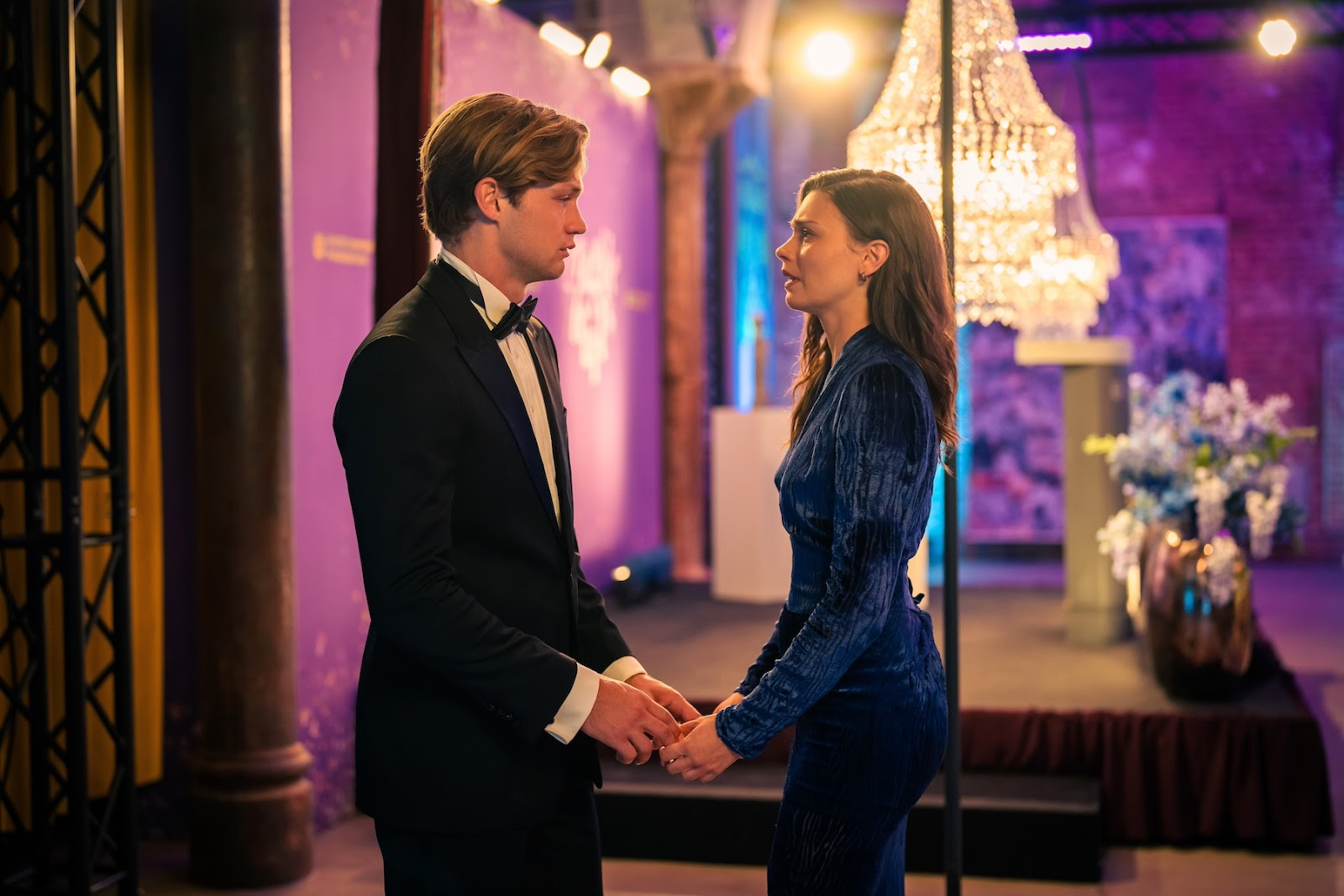
Prime Video has released the official trailer for the third and final season of Maxton Hall — The World Between Us, and the Maxton Hall season 3 trailer does something more useful than tease a reunion: it timestamps the end of the argument. Harriet Herbig-Matten and Damian Hardung return as Ruby Bell and James Beaufort when the series comes back on December 9, 2026, per The TV Cave.
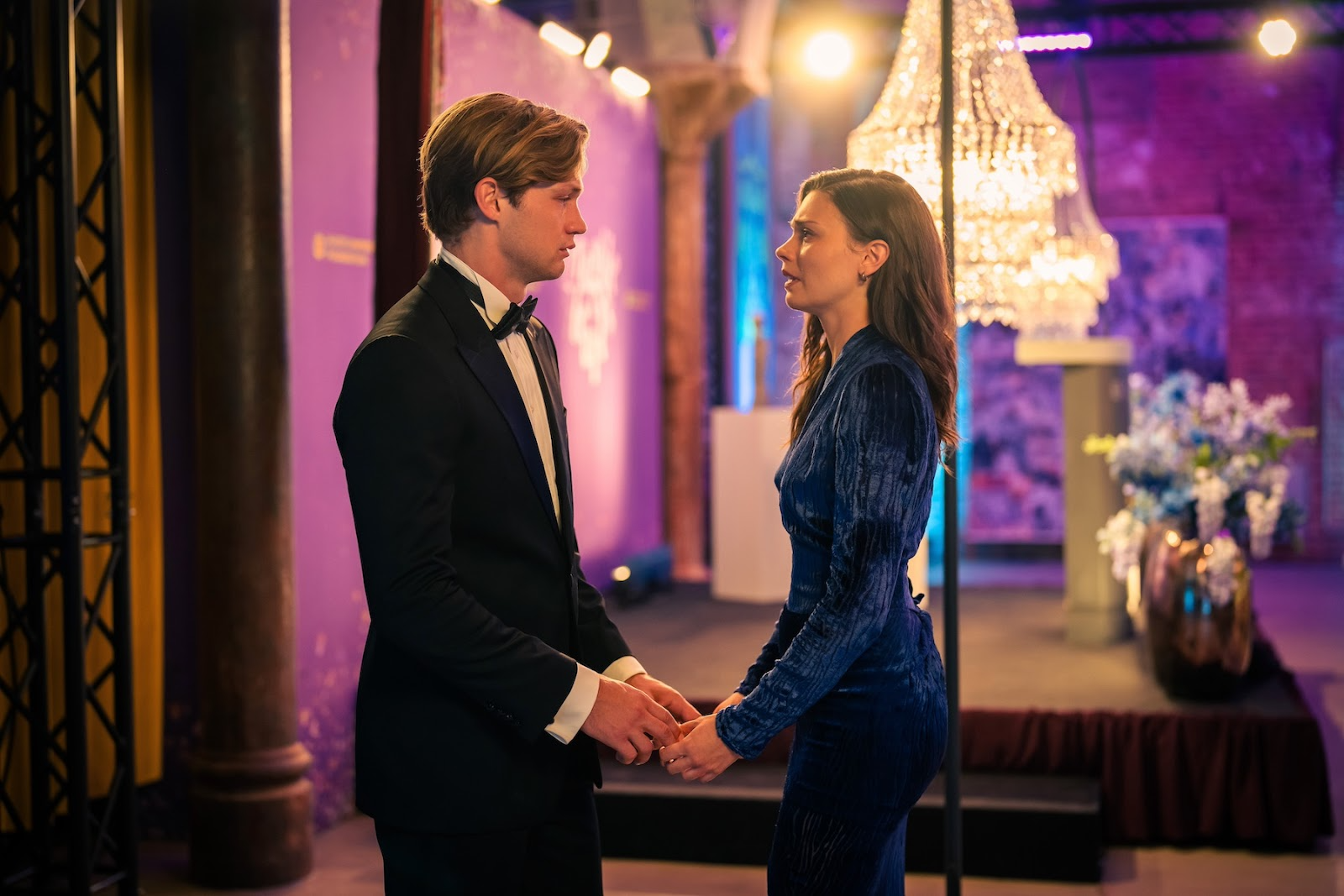
The order runs six episodes. Two land on December 9. Two more arrive each week. The series finale drops December 23. Fourteen days separate the first episode from the last. That gap is the only hard number Prime Video has attached to this season, and it is the number fans should actually plan around.
What The Maxton Hall Season 3 Trailer Actually Confirms
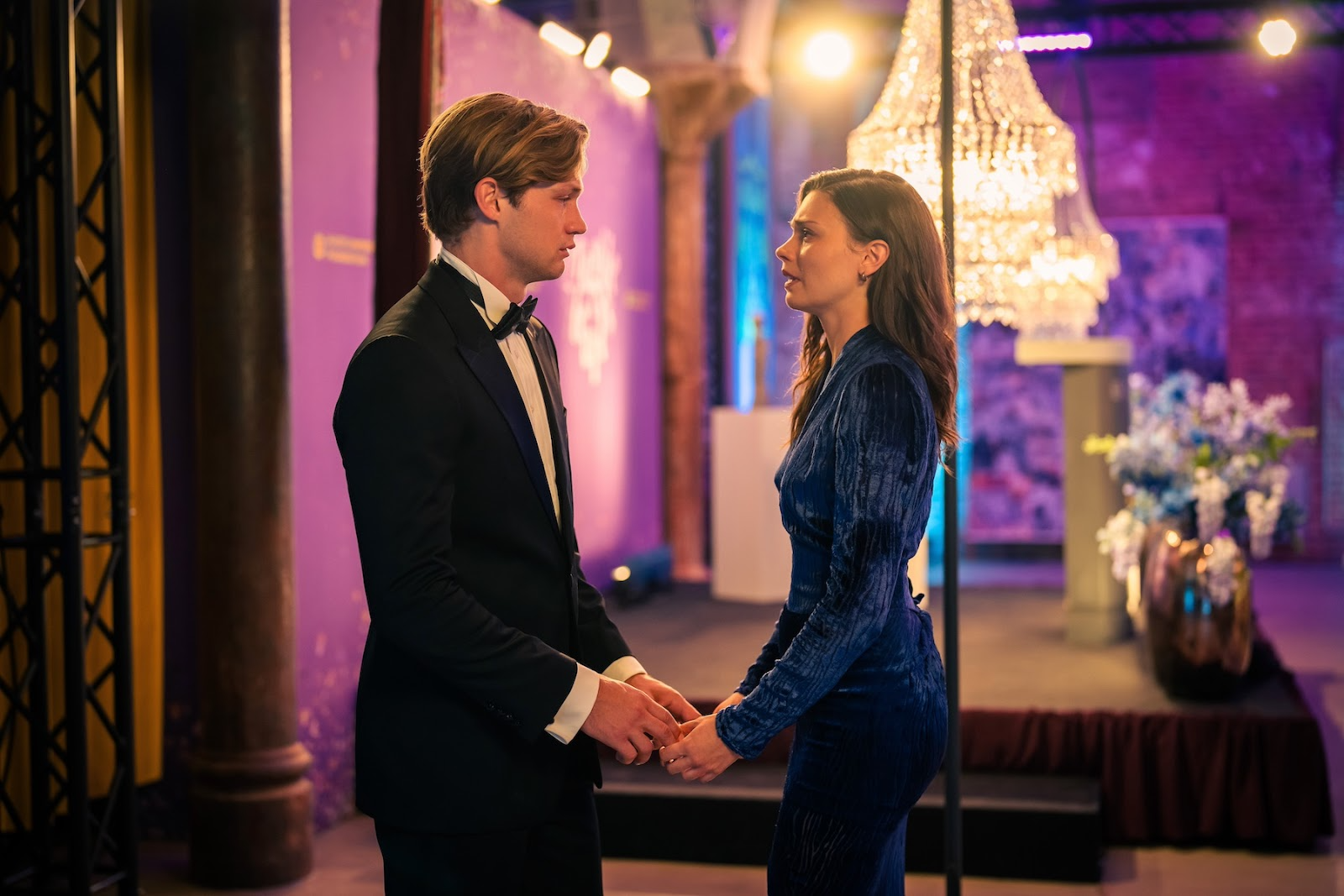
The trailer establishes the season’s central conflict without resolving it. According to The TV Cave, Ruby is placed directly at odds with Mortimer Beaufort, James’s father, played by Fedja van Huêt, whose determination to keep the couple apart persists into the final chapter.
The setup carries over from season two, which left Ruby falsely implicated in a relationship with a teacher. Her place at Maxton Hall is under threat. Her Oxford ambition is slipping. James stands beside her as the pair try to uncover the truth and clear her name, and the source notes that the closer they get to answers, the more tangled the situation becomes.
Two production facts are confirmed. The season adapts Mona Kasten’s novel Save Us, closing out the trilogy of source books. Sonja Weißer returns as Lydia, alongside the established ensemble. The series is a German-language production made for a global platform, and Prime Video is hosting the trailer through its own channels Prime Video.
What the trailer withholds is the outcome. The TV Cave’s published copy trails off mid-sentence at the exact question of whether Ruby and James end up together, which means any specific ending currently circulating online is unconfirmed. Treat definitive finale spoilers as invention until December 23.
Six Episodes And The Missing Viewership Ledger
The source describes Maxton Hall as a major international success for Prime Video. No audience figure accompanies that description in the material reviewed, and that absence is worth naming plainly.
Theatrical releases publish a box office number on Sunday morning. Streaming premieres publish a press release, and occasionally a chart position for a fixed measurement window. Neither is present here. Without disclosed hours viewed, completion rates, or a territory-by-territory ranking, the phrase “major international success” is a platform assertion rather than an audited result. That does not make it false. It makes it unverifiable from the public record.
Budget context is equally absent. No per-episode or season cost appears in the source material, so claims about the show’s cost-to-return ratio, its profitability, or its value relative to other Prime Video originals cannot be tested. Any figure circulating without a named origin is guesswork.
This matters for African and global fans who use streaming performance as a proxy for whether a show will be renewed, extended, or spun off. For a series already announced as ending, the metric is moot. The finale is happening regardless of the numbers.
Why Three Drop Dates Beat One For A Final Season
The schedule is the strategy. Six episodes across three drop dates hold a title in recommendation feeds for a fortnight and give social conversation three ignition points instead of one. A single bulk drop exhausts a fandom’s attention in a weekend. A staggered rollout converts patience into repeat visits.
For a final season, that calculation carries extra weight. Endings are the hardest product a romance series sells, because the audience arrives already braced for disappointment. Two episodes at a time lets viewers argue about Ruby’s choices in the gap between drops, which is precisely the behaviour that keeps a title visible without new marketing spend.
The risk runs the other way. Audiences trained on binge drops may simply wait until December 23 and consume all six episodes in one sitting, which would flatten the schedule’s advantage entirely. The bet, stated plainly, is that this fandom will not wait. Nothing in the source material confirms or denies that assumption.
The trailer’s craft choices support the retention plan. It withholds the resolution, foregrounds the parental antagonist rather than the couple’s reconciliation, and ends on pressure rather than relief. That is a trailer built to sell six weeks of argument, not one weekend of satisfaction.
A Note On What The Evidence Supports
The verified record is narrow and clean: a December 9, 2026 premiere, six episodes, a December 23 finale, Herbig-Matten and Hardung leading, van Huêt as Mortimer, Weißer as Lydia, and an adaptation of Save Us. Everything beyond that line — critical reception, audience size, awards prospects, whether the ending satisfies — sits outside what has been confirmed.
The Industry Takeaway
For fans, the Maxton Hall season 3 trailer is a promise with a deadline attached, and the deadline is the useful part. For the industry, the rollout is a reminder that a finale is a scheduling problem before it is a storytelling problem.
Fourteen days from December 9 to December 23 is the whole of the confirmed arithmetic. The trailer sells a fight for Ruby. Prime Video is selling something narrower and more measurable: a fortnight in which nobody stops talking about it. Whether that translates into the success the platform claims depends on numbers the platform has not published, and on an ending the trailer deliberately refuses to show.
Frequently Asked Questions
When does Maxton Hall season 3 premiere?
December 9, 2026, on Prime Video. The first two of six episodes arrive that day, with two more released each week and the series finale set for December 23, 2026.
Is the Maxton Hall season 3 trailer the final season?
Yes. Prime Video has billed the third season as the show’s final chapter, adapting Mona Kasten’s novel Save Us to close out Ruby and James’s story.
Does the trailer reveal whether Ruby and James end up together?
No. The trailer establishes the conflict with Mortimer Beaufort and the fallout from season two, but withholds the outcome. Any detailed ending circulating online is unconfirmed until the December 23 finale.
FIRST TIME REACTIONS:
Be the first to leave us a comment – Maxton Hall Season 3 Trailer Sets a 14-Day Countdown to the End, down the comment section.
JOIN US ON OUR SOCIAL MEDIA:

About Rose Green
Rose Green is an entertainment and lifestyle author at AfriLatest. With a passion for storytelling, she contributes creative and thought-provoking content, capturing the imagination of readers. Rose specializes in entertainment news, celebrity updates, and lifestyle trends, sparking meaningful conversations across diverse topics.
View all articles by Rose GreenEntertainment TV & Film
Diewait Ikpechukwu: What Nollywood Fans Should Know
Diewait Ikpechukwu died at 71. What official tributes confirm about the Nollywood actor’s career, the gaps in the record, and why fans should care.

The Kaduna International Film Festival has joined the tributes for Diewait Ikpechukwu, the veteran Nollywood actor who died at 71 on 5 November after what the Actors Guild of Nigeria and his family describe as a prolonged illness. The guild’s national president, Alhaji Abubakar Sanusi-Yakubu, announced the death in an Instagram tribute on 6 November.
KADIFF director-general Israel Audu issued a condolence message in Kaduna the following day, calling the passing “a painful loss, particularly to those of us who recognise the importance of preserving and celebrating the contributions of our creative pioneers.” The statement was carried by the News Agency of Nigeria and republished by the Gazette.
That much is confirmed about Diewait Ikpechukwu. What is more useful to fans than the condolences themselves is the career those tributes describe, and the gaps the record leaves behind.
What Diewait Ikpechukwu’s Filmography Actually Documents
He made his feature debut in Evil Men (1998) as a traditional ruler, in a production that also featured Pete Edochie, Alex Usifo and Liz Benson, according to Leadership. The credited titles that follow are Royal Palace (2005), The Guilty (2006), Across the River (2006) and Python King (2007), then, after a long silence in the published lists, Omera (2019), A Dance to Forget (2020), Emecheta (2021), Nwando (2021) and Ije Love (2022).
Read that list as a timeline rather than a filmography and it says something specific. The 1998 to 2007 run belongs to the straight-to-video era built around Lagos and Enugu. The 2019 to 2022 cluster belongs to the streaming and cinema-facing production boom.
A character actor who appears credibly in both is evidence that the industry’s craft base survived a change of format, not that he was idle in between. Published credits are incomplete by nature. Absence from a list is not absence from a set, and any fan using these titles as a definitive record should treat them as a starting point.
The Royal Father Was A Craft Role, Not A Prop

Both the NAN report and Leadership’s profile agree on the type he was cast to play: kings, traditional rulers, elderly statesmen, men whose authority the plot leans on. That is a narrow lane, and it is harder than it looks. The screen presence required is stillness, vocal control, and the discipline to hold a frame while younger leads carry the story.
Audu’s tribute frames Diewait Ikpechukwu as “more than an actor; he was a committed professional whose experience, passion and contributions helped shape the Nigerian film industry.” Strip the funeral cadence and a concrete claim remains: he worked repeatedly in the part of Nollywood that builds the world around the star.
Where the Record Thins Out
A few details in circulation do not fully line up, and the difference matters for anyone building an accurate picture. Leadership and the NAN copy both place him at the defunct Nigerian Telecommunications Limited as a business office manager; Legit.ng renders the same job as “business office manager at Nike.” The NITEL version appears in two independent reports and is almost certainly the accurate one.
Leadership describes him as pioneer chairman of the AGN’s Enugu State chapter. The NAN copy says he chaired the chapter and mentored younger actors there. Both can be true; neither says when he served.
There is also a date question. Leadership and Legit.ng both place the death on 5 November 2026, while the NAN copy carried by the Gazette gives 5 November without a year in the text.
The illness itself is not disclosed. That is the family’s business and should stay that way. What is confirmed: he studied Marketing at Kaduna Polytechnic, completed his NYSC service at Ahmadu Bello University, Zaria, and worked as a footballer and sports commentator before acting. Legit.ng also lists The August Meeting among his credits; the other reports do not, so treat that title as unconfirmed.

Fan Reaction and a Cluster of Losses
For a certain generation of Nigerian viewers, Diewait Ikpechukwu’s face was more recognisable than his name. He turned up in the video titles that circulated through the 2000s, usually in the role that settled a dispute or pronounced a judgement, and then appeared again two decades later in titles fans encountered on streaming platforms. That is the particular grief of a character actor: the work is familiar, the biography is not.
Legit.ng reports that his death lands weeks after those of Francis Duru and Cjay Nwoks, and notes that an old prophecy about deaths in Nollywood resurfaced online after Duru’s passing. That prophecy material is fan discourse, not verified reporting, and should be read as such.
What to Expect Next
No funeral arrangements have been announced. The family is expected to release them, and nothing further has been confirmed. KADIFF has said it believes the contributions of those who built the creative industry must not be forgotten, but the festival has not announced a specific tribute programme, screening, or award in his name.
The most useful thing fans can do with Diewait Ikpechukwu’s death is watch the work with credits in mind. Note the name in the supporting role, not just the star above the title. The industry’s memory is currently held together by guild Instagram posts and festival condolence messages, which is thin scaffolding for 25 years of labour.
Until Nollywood has a proper credit archive, the films are the archive, and the audience is the one keeping it.
Frequently Asked Questions
How did Diewait Ikpechukwu die?
The Actors Guild of Nigeria and reports carried by NAN and Leadership say he died on 5 November after a prolonged illness. The specific illness has not been disclosed, and no cause of death has been officially confirmed beyond that.
What films was Diewait Ikpechukwu known for?
His credited titles include Evil Men (1998), Royal Palace (2005), The Guilty (2006), Across the River (2006), Python King (2007), Omera (2019), A Dance to Forget (2020), Emecheta (2021), Nwando (2021) and Ije Love (2022). Legit.ng also lists The August Meeting, which the other reports do not mention.
Has a funeral date been announced for Diewait Ikpechukwu?
No. Reports say funeral arrangements are expected to be announced by his family, but as of the condolence statements from KADIFF and the Actors Guild of Nigeria, no date or venue has been confirmed.
FIRST TIME REACTIONS:
Be the first to leave us a comment – Diewait Ikpechukwu: What Nollywood Fans Should Know, down the comment section.
JOIN US ON OUR SOCIAL MEDIA:
About Rose Green
Rose Green is an entertainment and lifestyle author at AfriLatest. With a passion for storytelling, she contributes creative and thought-provoking content, capturing the imagination of readers. Rose specializes in entertainment news, celebrity updates, and lifestyle trends, sparking meaningful conversations across diverse topics.
View all articles by Rose GreenEntertainment TV & Film
Heysel 85: Teodora Ana Mihai’s Disaster Film Tests Europe’s Reach
Heysel 85, Teodora Ana Mihai’s film on the 1985 Brussels stadium disaster, hits Tokyo, Belgium and the UK. What is confirmed, and what is not.
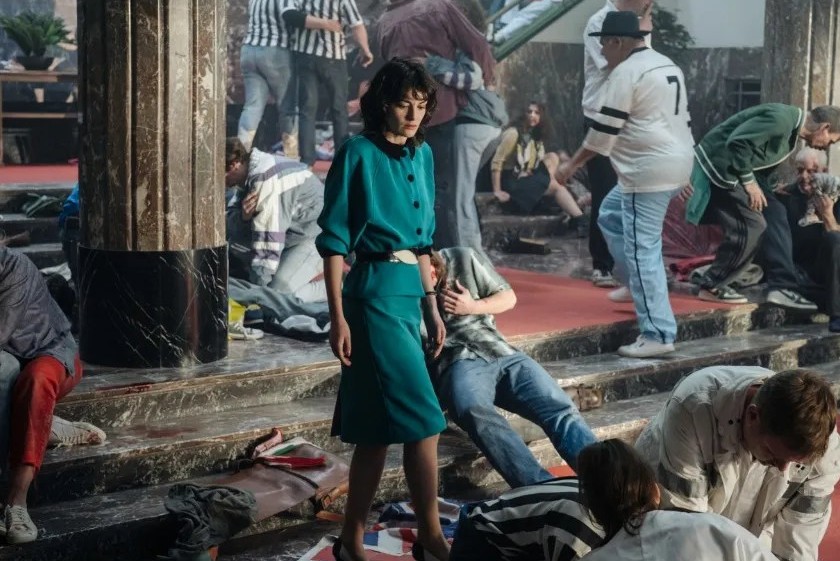
Teodora Ana Mihai’s Heysel 85 has begun its international life, and the terms of that life are worth stating plainly. The film had its Asian premiere at the Tokyo Film Festival this week, roughly eight months after its debut in Berlin, and it reaches cinemas in Belgium on 18 November through Kinepolis and in the UK on 20 November through Icon. The open question is not whether the film is well made. It is whether a European art film built around a 1985 stadium disaster can travel beyond the two countries that lived through it.
The underlying facts are not in dispute. Thirty-nine people died at Heysel Stadium in Brussels ahead of the 1985 European Cup Final between Liverpool and Juventus. Heysel 85 does not linger on restaging those deaths. It interrogates the structural flaws that allowed them to happen, built from a mix of archival footage of the disaster and live-action sequences shot on 16mm.
The plot compresses that failure into two people. Marie, the mayor’s daughter played by Violet Braeckman, has to step in for her father when he is too drunk and too overwhelmed to take command. Luca, a journalist of Italian origin played by Matteo Simoni, keeps reporting for Italian television while searching for his family in the chaos. Politicians and police face a single question: cancel the match, or let it go on.
Why Heysel 85 Works As An Institutional Autopsy
Mihai wrote the screenplay with Lode Desmet and Isabelle Darras. She places the disaster at the centre of Belgian memory. “This is one of those moments in Belgium that’s comparable to 9/11 in the US,” she told Deadline. “It was a huge event; people were shocked.” She added that the country’s divided language communities are united on one point: what happened there should not have happened.
She nearly turned the project down. Her producer, Hans Everaert, brought her material on the disaster. “I didn’t jump at it right away,” she said. “I wondered, ‘Am I the right person to tell this story?’” She names the discomfort itself as the reason she took it on, along with football’s “metaphorical potential” as a backdrop for saying something existential.
The look of Heysel 85 was a technical decision with a budget consequence. Cinematographer Marius Panduru, whom Mihai calls one of Romania’s best, argued for celluloid so the new footage would sit beside the archive without visible seams in texture. “If you want the archive to look as close as possible to what we’re going to film, 16mm is the way to go,” she recalled him saying. Shooting on 16mm forced her to cut days from the schedule to control cost. “I really believe the production looks better than the money we had available,” she said.
What Is Confirmed About Heysel 85, And What Is Not

The verified record is narrow and specific. The film premiered in Berlin, screened in Tokyo, was written by Mihai with Desmet and Darras, stars Braeckman and Simoni, and opens in Belgium on 18 November via Kinepolis and in the UK on 20 November via Icon. The Tokyo Film Festival runs until 4 November.
Everything else is forecast. No box office figure, audience score or Tokyo prize for the film appears in the reporting, and the festival has not closed. Deadline’s description of a “buzzy” Berlin debut is a characterization by the trade press, not a measured result. Mihai herself refuses to convert buzz into certainty. “There’s been a lot of positive buzz, but you can never know until it’s out there,” she said, noting that her distributor chose the autumn window deliberately because Belgian audiences prefer the sun to the cinema in summer.
The same caution applies to the film’s central argument. That the 1985 deaths were produced by decisions taken before kick-off is the film’s thesis, staged through fictional officials who weigh cancellation against the cost of stopping a European final. The thesis is not a court finding. It is a reading of the record that the film asks audiences to accept.
The Distribution Assumption That African Cinema Cannot Make
Heysel 85 enters an infrastructure that already works. A Belgian distributor holds screens; a UK distributor holds a date. Neither has to be built. That is the invisible precondition of the film’s international launch, and it is the precise thing missing in most African markets, where financing and distribution are negotiated together rather than assumed.
That gap is now being addressed with capital. The Cairo-based African Export-Import Bank launched a $1 billion Pan-African Film Fund through its development arm, FEDA, with publishing veteran Lavaille Lavette as chief executive, according to the fund announcement. The bank said the fund will invest across content production, infrastructure and distribution, prioritising “commercially viable” and “export-oriented” projects, and will lend to expand streaming, exhibition and post-production capacity on the continent. One title it has backed, Arie and Chuko Esiri’s Clarissa, debuted in Cannes’ Directors’ Fortnight and will be released by Neon.
The distinction matters for how this story is read in Lagos, Nairobi or Accra. A film like Heysel 85 is financed as a cultural project and distributed as a commercial routine. The African fund is designed to make distribution part of the financing question, because for most African productions it is the binding constraint rather than the afterthought.

Mihai is not waiting on any of this. She is already at work on her fourth feature, Two Lives, a chamber piece about two brothers and their families. It opens as a repeated summer holiday, then one brother dies, and the film follows his widow as she holds together for two teenage boys. “It’s a very uncomfortable project. I love it,” she said.
The larger point sits with the timeline. Heysel 85 preserves a sequence of decisions — a stadium judged unfit, a match allowed to proceed, a command structure that collapsed — and asks who signed off on each step. That question travels. It applies to any country where crowd safety is weighed against broadcast revenue and the cost of cancellation, and it is why the film’s Belgian and British release dates are a test worth watching rather than a formality.
Frequently Asked Questions
When and where does Heysel 85 open?
The film opens in Belgium on 18 November through Kinepolis and in the UK on 20 November through Icon, following its Berlin debut and an Asian premiere at the Tokyo Film Festival.
What is Heysel 85 about?
It is inspired by the 1985 Heysel Stadium disaster in Brussels, where 39 people died before the European Cup Final between Liverpool and Juventus. The story follows the mayor’s daughter, Marie, and an Italian-origin journalist, Luca, as officials decide whether to cancel the match.
Who wrote and directed Heysel 85?
Teodora Ana Mihai directed and co-wrote the screenplay with Lode Desmet and Isabelle Darras. Marius Panduru was the cinematographer. The cast includes Violet Braeckman and Matteo Simoni.
FIRST TIME REACTIONS:
Be the first to leave us a comment – Heysel 85: Teodora Ana Mihai’s Disaster Film Tests Europe’s Reach, down the comment section.
JOIN US ON OUR SOCIAL MEDIA:
About stephen Douglas
Stephen Douglas is a gaming and entertainment author at AfriLatest. With a background in social media management and community building, he covers the latest trends in the gaming industry, esports, and digital culture. Stephen creates engaging content that keeps readers connected and informed about the games and entertainment they love.
View all articles by stephen Douglas-

 Car Reviews1 week ago
1955 Chevy Bel Air Restomod: What SEMA Really Proves
-
Startups2 months ago
What a Successful Dangote Refinery IPO Really Says
-
Health and Fitness1 month ago
Curly Hair Hydration: 5 Proven Steps That Actually Work
-
Savings & Investing3 weeks ago
Hidden Medicare Fees Draining Your Retirement Savings
-
Tech & Gadgets1 month ago
Apple Watch and AirPods Fall Deals: Save $120 Today
-
Health and Fitness4 weeks ago
9 Best Hair Thickening Shampoos for Men in 2026
-
University Admissions2 months ago
UNILAG 2026/2027 Admission: Direct Entry & Post-UTME Guide
-
Football2 months ago
South Carolina vs Alabama: Tide Roll to 35-10 Halftime Lead