
Health and Fitness
Nigeria’s $52m Nutrition Fund: What New Law Means
Nigeria’s $52m nutrition fund gets a new law to fight child stunting. Learn what it means for families and how to eat better on a budget.


Nigeria’s $52m nutrition fund just got a major boost, and it could change how millions of children eat. Vice President Kashim Shettima announced that the country’s $26 million commitment to the Child Nutrition Fund drew matching support, unlocking $52 million total. That money is now backed by a push for a new National Food and Nutrition Bill.
Here’s what that means for you, your family, and your community.
What The New Law Backing Means For Nutrition
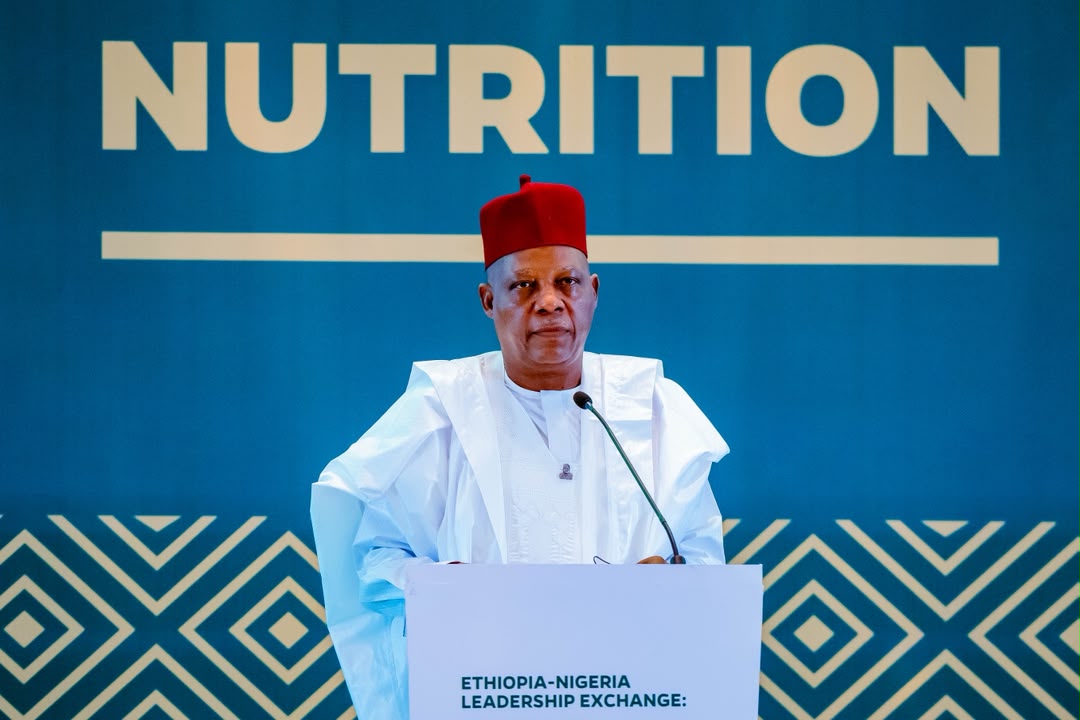
The proposed law would protect nutrition financing, strengthen accountability, and keep interventions going across successive administrations. Shettima said the goal is to ensure that nutrition programs don’t stop when governments change.
The Vice President spoke at the Nigeria-Ethiopia Nutrition Leadership Exchange Forum in Addis Ababa. He noted that nutrition committees now exist in 32 State Houses of Assembly and more than 450 local governments. That’s why he says there’s no better time to accelerate the National Food and Nutrition Bill.
The bill would reinforce the Federal Government’s Nutrition 774 Initiative. That initiative brings federal, state, and local governments together, with governors and local government chairpersons leading implementation in their areas. Each local council is seen as the basic unit of planning, financing, and accountability.
What This Means For Your Child’s Health
The numbers behind this push are serious. According to Shettima, 40 per cent of Nigerian children under five are stunted. Undernutrition costs the economy an estimated $56 billion every year.
Stunting isn’t just about height. It affects brain development, school performance, and future earnings. Ethiopia’s Minister of Health, Dr. Mekdes Daba, said investing in the first 1,000 days of a child’s life is among the most important investments a country can make.
The National Policy on Food and Nutrition 2026 to 2035 sets clear targets: cut stunting to 32 per cent by 2029, 28 per cent by 2032, and 25 per cent by 2035.
How The Money Will Be Used
The $52 million unlocked from the Child Nutrition Fund will support supplies to prevent and treat malnutrition. Since 2023, 21 states have also contributed $6.3 million for these supplies.
The government is also proposing a Presidential Nutrition Investment Fund to provide catalytic financing. A Nutrition Financing Subcommittee is working to raise more domestic resources. Public spending will be linked to measurable nutrition outcomes through scorecards.
Shettima put it plainly: “We can only claim that our budget fulfils its purpose when it nourishes a child.”
The government is also engaging food vendors, small and medium enterprises, manufacturers, financiers, and regulators through its Private Sector Engagement Framework. The goal is to make nutritious food more available and affordable. They are also working with industry and regulators to improve compliance with fortification requirements for salt, flour, edible oil, and sugar.
What You Can Do Today
While the policy works its way through, you can take action at home. Here are practical steps based on proven nutrition science.
First, focus on the first 1,000 days. From pregnancy to a child’s second birthday, nutrition has the biggest impact. If you’re pregnant or have a child under two, prioritize iron-rich foods like beans, dark leafy greens, and liver. Add vitamin C sources like oranges, tomatoes, and peppers to help absorb iron.
Second, use local, affordable proteins. Eggs, beans, groundnuts, and small fish like crayfish and titus are excellent sources. One egg a day for a young child can make a real difference.
Third, fortify your family’s meals. The government is pushing fortification for salt, flour, edible oil, and sugar. When you buy these staples, check for fortified labels. This is a simple way to add essential vitamins and minerals.
Fourth, breastfeed exclusively for six months. This is one of the most proven ways to prevent stunting. Continue breastfeeding alongside complementary foods up to two years and beyond.
Fifth, use community resources. With nutrition committees in 450+ local governments, your local health center may have nutrition support. Ask about vitamin A supplements, deworming, and growth monitoring for your child.
A Simple Nigerian Meal Plan For Better Nutrition
Here’s how to add key nutrients to everyday meals without breaking the bank.
Breakfast: Pap (akamu) with groundnut or soy milk instead of just sugar. Add one egg if you can. This gives protein and healthy fats.
Lunch: Beans and plantain. Beans are cheap, filling, and rich in iron and protein. Add a small piece of fish or crayfish for extra nutrients.
Dinner: Rice with vegetable stew. Use dark green leaves like ugu, efo, or bitterleaf. Add palm oil in moderation for vitamin A. Include small fish or chicken if available.
Snacks: Groundnuts, bananas, or orange slices. These are affordable and nutrient-dense.
For young children, mash these foods to the right consistency. Add a teaspoon of groundnut paste or palm oil to increase energy density.
What To Avoid
Limit sugary drinks and processed snacks. They fill small stomachs without providing nutrients. Also, avoid giving young children tea or coffee, which can reduce iron absorption.
If you’re concerned about your child’s growth, see a doctor or visit a primary health care center. Stunting and malnutrition are treatable when caught early. The government’s new push means more resources may be available at your local level.
Nigeria and Ethiopia have agreed to work towards a joint statement on continued nutrition cooperation. As Shettima said, “Nigeria and Ethiopia owe Africa an example worthy of its children.” That example starts with what you put on your family’s plate today.
Frequently Asked Questions
What is Nigeria’s $52m nutrition fund?
It is the total unlocked from Nigeria’s $26 million commitment to the Child Nutrition Fund, which drew matching support to reach $52 million. The money supports supplies to prevent and treat malnutrition.
How will the new National Food and Nutrition Bill help?
The bill aims to protect nutrition financing, strengthen accountability, and keep interventions going across successive administrations. It reinforces the Nutrition 774 Initiative.
What can I do to prevent stunting in my child?
Focus on the first 1,000 days: breastfeed exclusively for six months, provide iron-rich foods like beans and leafy greens, add affordable proteins like eggs and fish, and use fortified staples. See a doctor if you’re concerned about growth.
Related Articles
- Femi Adebayo’s Euphoria 360 Hub: Game-Changer or Hype?
- Nigeria AI Hub: 44% of Firms Already Use AI
- Vanguard Mental Health Summit 2026: Youth Plan That Works
- DWTS Tour 2027: 60 Cities, 11 Pros, MSG Debut
- Nigeria’s AI Infrastructure Gap: How to Close It
 Follow AFRILATEST on Google News
FIRST TIME REACTIONS:
Be the first to leave us a comment – Nigeria’s $52m Nutrition Fund: What New Law Means, down the comment section.
JOIN US ON OUR SOCIAL MEDIA:







Health and Fitness
Nigeria’s Health Funding Crisis: A Remedy Nobody Has Tested
Nigeria’s health funding crisis has a four-year deadline. What the evidence on domestic financing actually shows, and what remains unproven.

Nigeria’s health funding crisis now has a name, a number and a deadline. The name is donor dependency. The number is a projected $280 million reduction in United States support. The deadline, according to the federal government’s own assessment, falls within four to five years.
That framing matters. The remedy being promoted across African health ministries, domestic financing, rests on a simple argument: countries should fund their own nurses, vaccines and laboratories instead of waiting on Washington. Parts of that argument sit on solid evidence. Parts of it are being sold with more confidence than the data carries.
What The Health Funding Crisis Looks Like In Hard Numbers
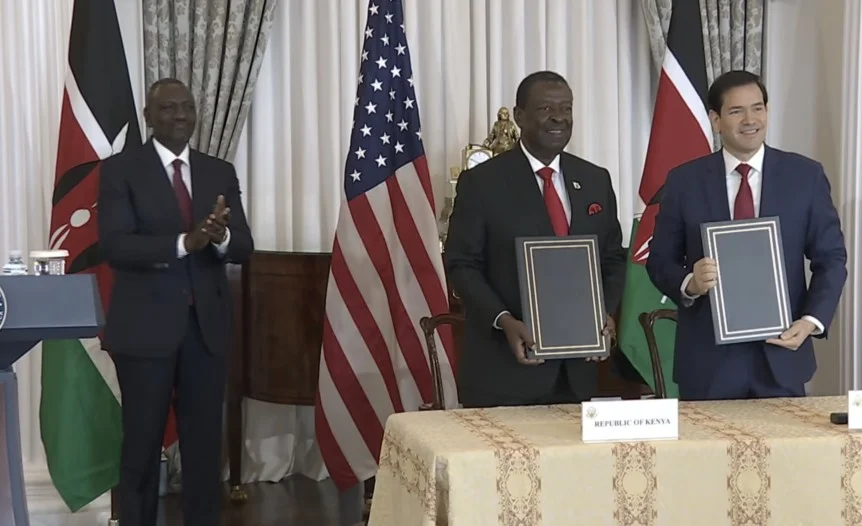
Speaking at the opening of the 67th National Council on Health in Lafia, Nasarawa State, the coordinating minister of Health and Social Welfare said development assistance for health had declined sharply in 2025. President Bola Ahmed Tinubu approved additional resources to protect gains in HIV, tuberculosis, malaria and polio immunisation.
The minister was blunt about the arithmetic. “If the US exits and we don’t increase our domestic financing, we’ll be left with a very large gap,” he said. “Sovereignty is only possible if we put our money where our mouth is.”
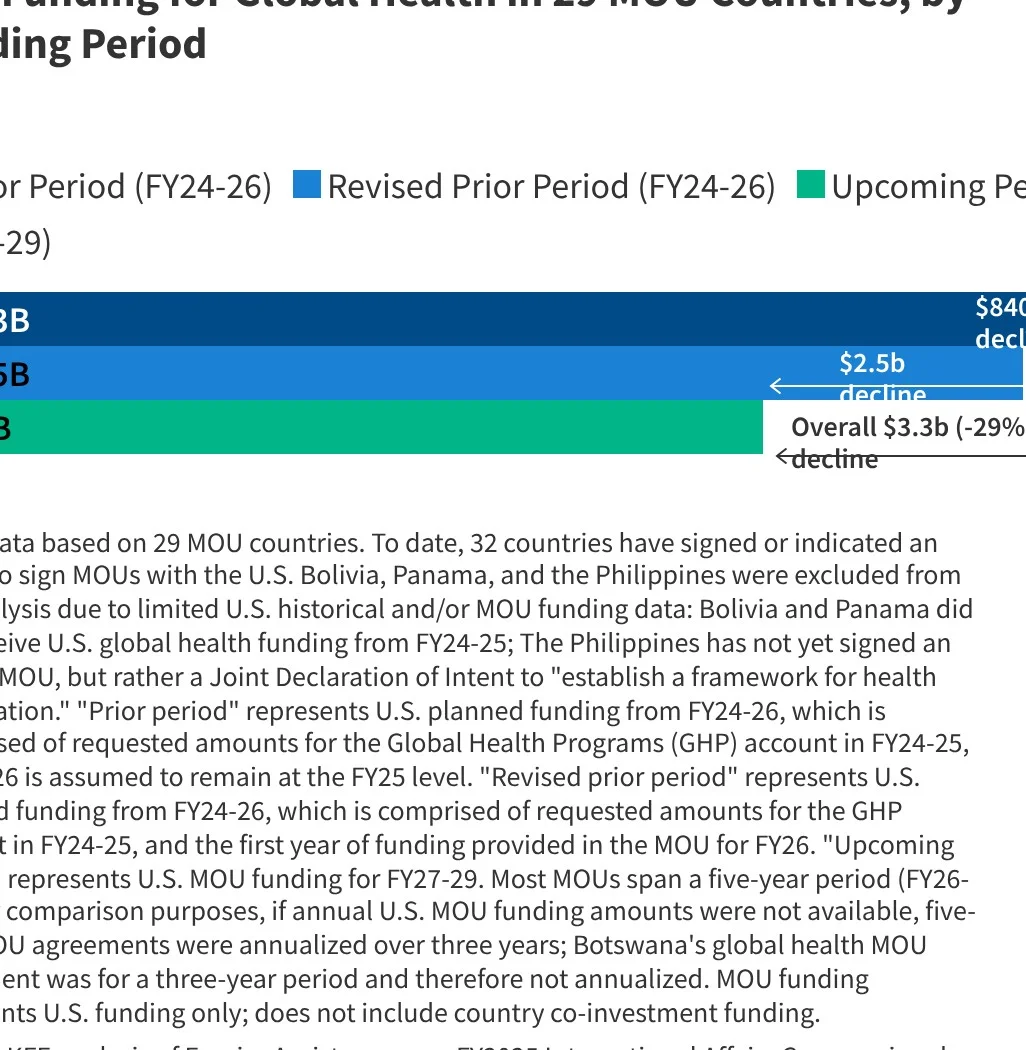
Independent analyses put the size of that gap in perspective. A KFF review of US and Global Fund reductions across the 29 countries that signed bilateral agreements estimates combined cuts of $4.3 billion between 2026 and 2029, a 24 percent drop, with 77 percent of it driven by the United States. Nigeria’s projected reduction, $280 million, is the third largest in dollar terms after Uganda and Mozambique.
A separate analysis by Public Citizen and Partners in Health, reported by Health Policy Watch, found the US plans to cut health funding to 18 countries by 59 percent of pre-2025 levels by 2030, roughly $2 billion. Rwanda faces a 97 percent reduction. Liberia, 84 percent. Burundi, 78 percent. Madagascar, 77 percent. Sierra Leone, 71 percent.
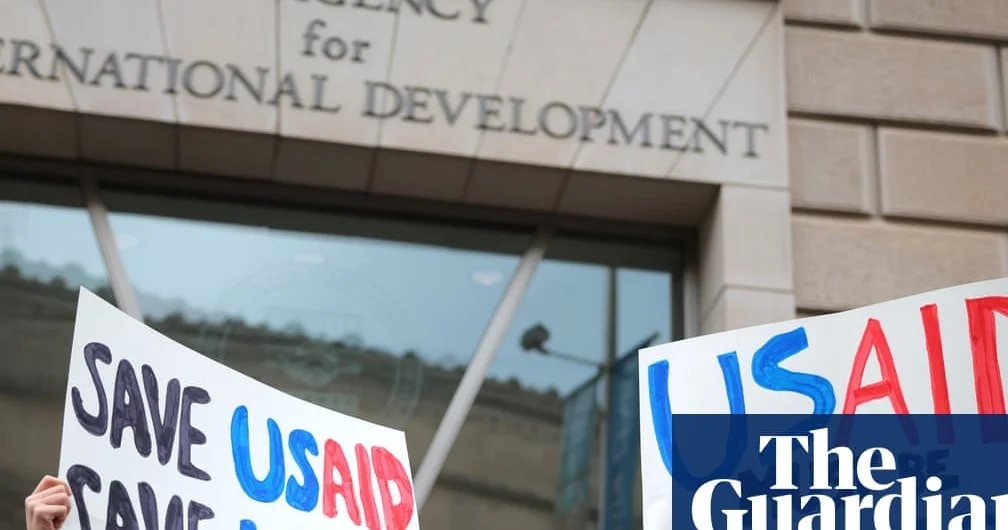
The continental picture is starker still. A Guardian report on the Accra Reset initiative notes that external financing for health in Africa contracted by close to 70 percent between 2021 and 2025. The dissolution of USAID pushed Nigeria to absorb 28,000 health workers previously employed by the agency, at a cost of $200 million.
What The Evidence Actually Establishes
Here is where the domestic financing argument splits into strong and weak claims.
The budget trend is documented. State health budgets rose from N1.97 trillion in 2023 to more than N3.3 trillion in 2026. That is a real number, on the record, announced at the sector’s highest policymaking body under the National Health Act 2014.
The service outputs are documented too. Skilled deliveries in facilities supported by the Basic Health Care Provision Fund rose from 4.8 million in 2023 to almost eight million by mid-2026. Fourth antenatal visits climbed from six million to 8.7 million. The share of BHCPF-supported facilities in hard-to-reach communities with at least two midwives or community health workers jumped from 12 percent to almost 91 percent. Health insurance enrolment moved from 16 million to nearly 24 million Nigerians in three years.
Those are administrative counts. They are not impact evaluations. Nothing in the government’s reporting isolates domestic spending as the cause of any health outcome, and no controlled comparison is offered. The proposition that more domestic money produces better health is plausible and consistent with these figures. It is not yet proven by them.
The minister’s own caveat exposes the soft spot. Allocations are not releases. A state can budget its share of N3.3 trillion and disburse a fraction of it. The health funding crisis, in other words, is a disbursement problem as much as an allocation one, and the government’s own timeline runs into 2027, an election and transition year when budget discipline historically weakens.
How To Read The Remedy Safely
The bilateral agreements come with conditions that Nigeria’s public discussion has barely touched. Countries must co-finance activities the US identifies as priorities, such as outbreak detection, epidemiologists and data capture. Those may not match what a health ministry would fund first, such as nurses and midwives.
The penalties are explicit. If Ethiopia, Kenya, Mozambique, Cameroon and Malawi miss co-financing targets, the US reduces funding by $1 for every $1 shortfall. Uganda and Cote d’Ivoire face a 2:1 reduction. The co-investments must be funds raised directly and may not include other donors or multilateral money. Malawi would have to mobilise new funding equal to 56 percent of its total health expenditure to meet its commitment.
The workforce consequences are already projected. Seven African countries will have fewer health workers by 2030. The region currently has only 46 percent of the health workers it needs, with a projected shortage of 5.85 million by the end of the decade.
What the source material does not contain is Nigeria’s own co-financing obligations, penalty terms or priority areas. The minister said the memorandum was discussed with the Nigeria Governors’ Forum and is publicly available. Until those terms are examined line by line, any claim that the gap can be closed on schedule remains a projection rather than a finding.
Risks And Alternatives Worth Weighing
The equity gap is the clearest risk. The latest household survey shows skilled health workers attending fewer than four in 10 rural births, against seven in 10 in urban areas. An increase in aggregate spending that does not move that number is not a fix.
The Emir of Shonga, HRH Dr Haliru Ndanusa Yahaya, made the sharper structural point at the same council. The problem, he argued, is not a lack of commitment but poor coordination, and the Federal Government has no territory of its own on which to implement healthcare programmes. A single national compact involving all governors, one plan and one budget, has made reform smoother. He also warned that as partners withdraw, Nigeria will have to stretch its own resources further.
Alternatives already in motion include local production. Ten factories and production lines have been commissioned, six of them this year, backed by more than N24 billion in tax waivers under a June 2024 executive order. The Accra Reset makes the strategic case: Africa produces less than 1 percent of its vaccines while carrying about 25 percent of the global disease burden, which turns regional manufacturing into a financing strategy in its own right.
Areas the ministry itself admits are behind schedule, including sodium reduction, cosmetic safety, contraceptive prevalence, laboratory management and quality improvement, are cheaper to fix than to defer.
Is Domestic Financing Worth Trying?
Yes, with conditions attached. Domestic financing is the right direction and the only durable one, but the evidence behind it is strong on direction and thin on proof. The health funding crisis will not be closed by goodwill, or by resolutions passed at councils, or by an increase in nominal budgets that never leaves the treasury.
What would settle the question is boring and measurable: quarterly release of appropriated funds, published terms of the agreements that set the deadlines, and honest reporting on whether rural births are attended by skilled hands. The remedy is worth trying. It is not yet worth claiming as a cure.
Frequently Asked Questions
How much US health funding is Nigeria set to lose?
A KFF analysis of the bilateral agreements estimates Nigeria’s reduction at $280 million, the third largest in dollar terms among the 29 countries studied, after Uganda at $370 million and Mozambique at $356 million. The cuts are phased between 2026 and 2029.
Is domestic financing proven to improve health outcomes?
Not yet proven. Nigerian state health budgets rose from N1.97 trillion in 2023 to more than N3.3 trillion in 2026, and service counts such as skilled deliveries and antenatal visits improved over the same period. But those are administrative figures, not impact evaluations, and they do not isolate domestic spending as the cause. The direction of the evidence is reasonable; the causal proof is missing.
What is the biggest practical risk in the transition away from US aid?
Release of funds, not allocation. The health minister noted that allocated money must actually be disbursed, and the transition timeline runs into 2027, an election and transition year. A second risk is equity: skilled health workers attend fewer than four in 10 rural births in Nigeria, against seven in 10 urban births.
Receive alerts for health funding crisis and more like it.
FIRST TIME REACTIONS: (health funding crisis)
Be the first to leave us a comment – Nigeria’s Health Funding Crisis: A Remedy Nobody Has Tested, down the comment section.
JOIN US ON OUR SOCIAL MEDIA:

About Paul Nwogo
Paul Nwogo is an engineer, published author, and the Head Manager at AfriLatest. He has written numerous books available on Amazon covering a diverse range of topics, including health, personal finance, relationships, work ethics, and scam survival. With his technical background and passion for writing, Paul now oversees the editorial direction of AfriLatest, delivering practical, accurate, and engaging content on trending news, music, and global lifestyle topics.
View all articles by Paul NwogoHealth and Fitness
Moisturizing Intimate Gel Mucogyne Test: No Verified Data
The moisturizing intimate gel Mucogyne reader test of 10 people has no published protocol, lab data or regulator filing, unlike agency-run product tests.

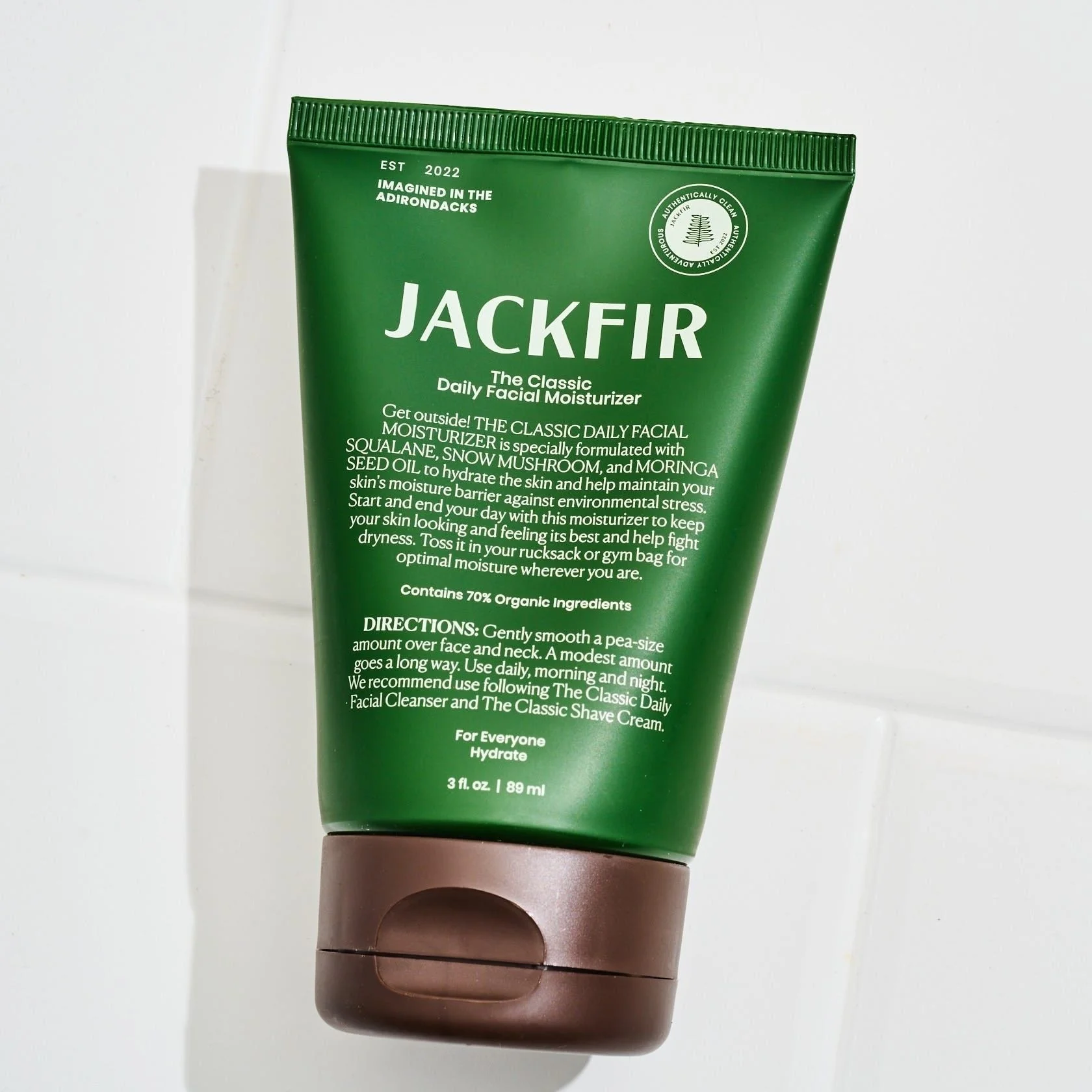
The claim that 10 readers tested a moisturizing intimate gel marketed as Mucogyne is circulating as consumer news. On the available record, it is unconfirmed. No test protocol has been published, no instrumental moisture readings have been disclosed, no named dermatologist or gynaecologist is attached to the panel, and no regulator has confirmed a product filing.
That distinction is not pedantry. The difference between a reader panel and a consumer-agency test is the difference between an anecdote and a health claim. Intimate-care products are used on mucosal tissue, where ingredient disclosure, labelling accuracy and adverse-event reporting carry more weight than scent, texture or packaging.
One point should be stated plainly for readers: the source material supplied for this article contains no primary documentation of the Mucogyne trial. The available sources cover body lotions, facial moisturizers for men, women and teenagers, and e-readers. None names Mucogyne, the 10 readers, the gel’s ingredients, the length of the trial or the measures used. That gap between the claim and the evidence is the story.
Why The Moisturizing Intimate Gel Mucogyne Reader Panel Proves Little
Ten testers is not disqualifying in itself. The Guardian’s review of body lotions used five testers, 15 products and three weeks, guided by three licensed dermatologists, and it published its method, its tester age range, its survey categories and the fact that samples were supplied by the companies, as detailed in the Guardian’s testing notes.
A panel becomes evidence only when a reader can see who tested, for how long, on which body site, against what baseline, and what counted as success. A moisturizing claim requires at least a before-and-after measure of skin hydration and of moisture loss. A satisfaction score measures preference, not moisture.
What A Verified Moisture Test Looks Like
A published benchmark exists. The Korea Consumer Agency surveyed 1,500 consumers to select eight frequently bought creams, purchased them with its own funds, and measured moisture with instruments in a room with strictly controlled temperature and humidity, as reported by SBS News.
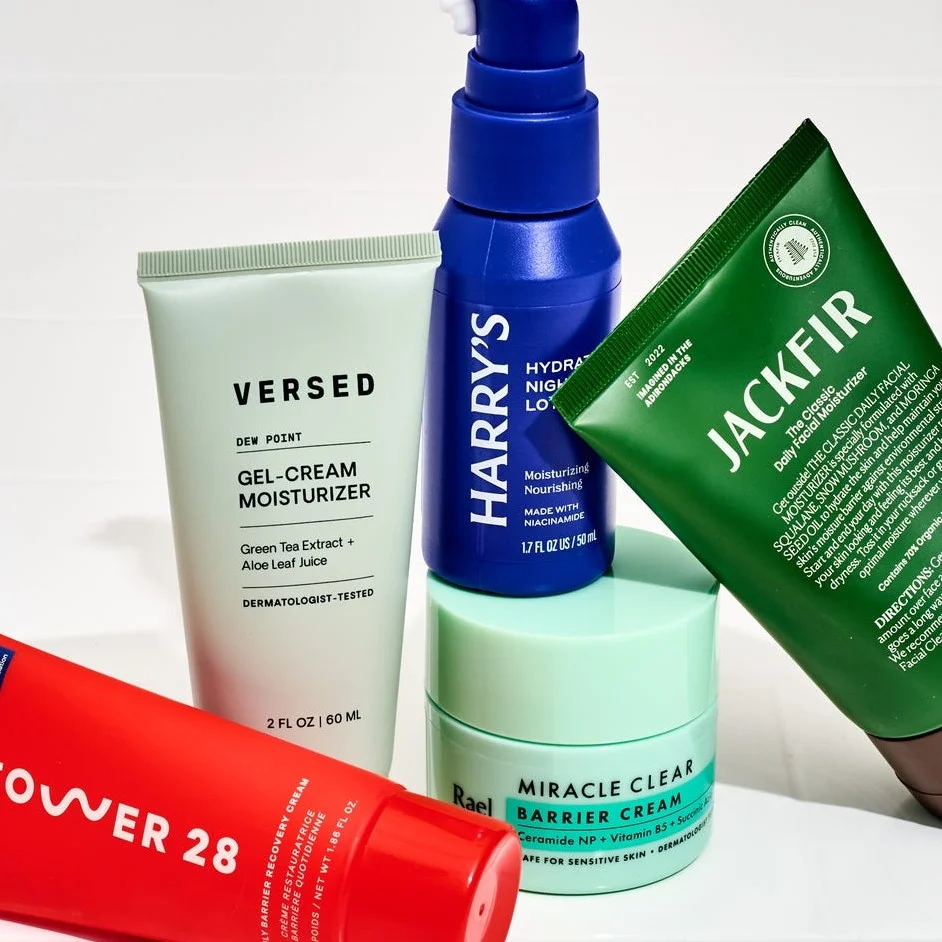
The results contradicted price. Cetaphil Moisturizing Cream cost 66 won per millilitre and topped user satisfaction among 50 men and women in their 20s to 50s, while La Roche-Posay Cicaplast Baume B5+, at 456 won, was 6.9 times more expensive and scored lowest. Only two of the eight products, Aestura and Innisfree, won top grades for both replenishing moisture and reducing moisture loss, measured on 22 women at three and six hours. All eight passed safety screening for seven heavy metals and six preservatives, including parabens, and label volume checks.
The agency also flagged a limitation that bears directly on any intimate-gel claim: its readings came from the inner forearm, not the face. Whether a Mucogyne panel tested mucosal tissue or forearm skin has not been disclosed.
Other outlets show similar rigour at different scales. Women’s Health tested 37 moisturizers over a year with four board-certified dermatologists, checking seasonal and travel performance, per its methodology. Men’s Health routed its list through a dermatologist panel and separated occlusives, humectants and emollients, while warning that sensitive skin should avoid alcohol, artificial fragrance, dyes and parabens such as preservatives, as set out in its buying guide.
The African Evidence Gap
No African consumer agency scorecard, national regulator statement or laboratory dataset for this product appears in the material reviewed. That is an observation about the available record, not a finding that none exists.
The structural point stands. For readers in Lagos, Nairobi, Accra or Johannesburg, the only public claim attached to this product is a 10-person panel with unpublished methods. Where imported personal-care lines reach shelves faster than laboratory capacity can audit them, a reader panel can function as marketing. It is not verification.
Three outcomes are plausible, and all are forecasts rather than reported events. First, the brand publishes a full protocol, an ingredient list, patch-test data and a named laboratory, which would allow independent assessment. Second, a national regulator or independent laboratory tests the product and publishes results, as the Korean agency did. Third, the claim fades without documentation, leaving consumers with word of mouth.
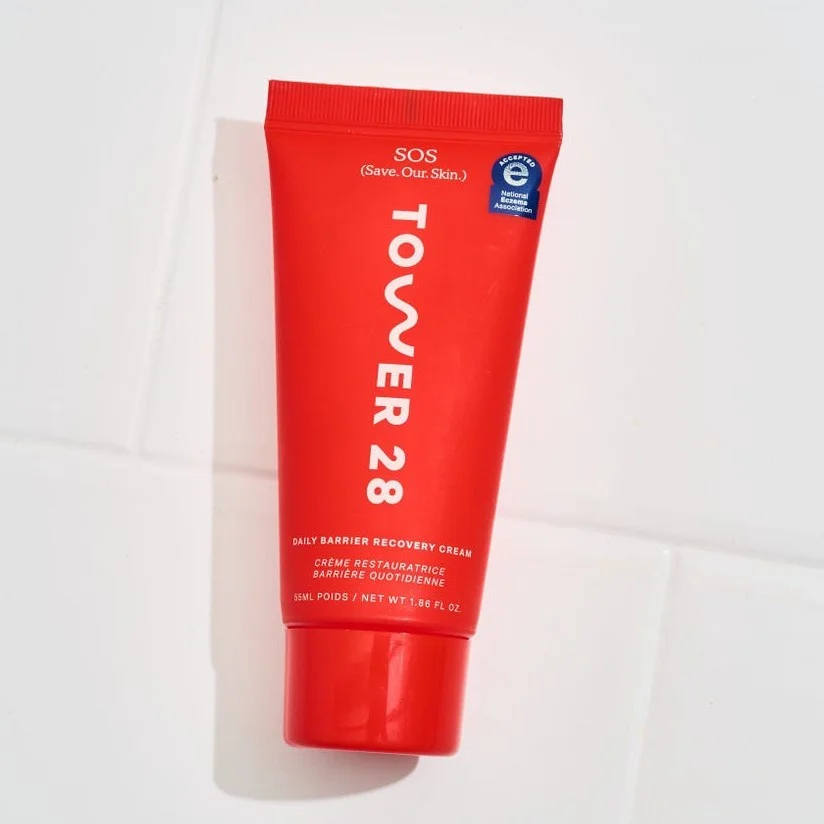
The test of credibility is concrete: a pre-registered protocol, a named testing facility, a complete ingredient declaration, a stated application site, and a reporting channel for adverse reactions. Absent those, a count of 10 readers is a marketing figure rather than a measurement.
The Big Picture
Consumer journalism has learned to distrust price as a proxy for quality. The Korean data showed the cheapest cream outperforming the most expensive by a wide margin, and the Guardian’s panel found a budget cocoa butter lotion outlasting premium alternatives on hydration, even as its pump failed. Those findings were credible because the methods were visible.
The moisturizing intimate gel Mucogyne arrives without that scaffolding. Until a protocol, a laboratory and a regulator-visible ingredient list are produced, readers should treat the 10-person panel as an unverified claim about a product applied to sensitive tissue, not as tested fact. The standard already exists in other markets. Applying it here is the minimum a health-adjacent category should meet.
Frequently Asked Questions
Has the Mucogyne reader test been independently verified?
No. The source material reviewed for this article contains no protocol, instrumental moisture data, named clinical oversight or regulator filing for the 10-reader test. The claim is therefore unconfirmed.
How do consumer agencies test moisturizers differently?
The Korea Consumer Agency bought products with its own funds, surveyed 1,500 consumers to select eight creams, measured moisture instrumentally in a temperature- and humidity-controlled room, tested for heavy metals and preservatives, and published its results, including the limitation that readings came from the inner forearm rather than the face.
What should consumers look for before trusting an intimate-care moisture claim?
A published test protocol, a named laboratory, a complete ingredient declaration, the body site tested, the duration of use and a channel for reporting adverse reactions. Without these, a small reader panel reflects preference rather than measured hydration.
Receive alerts for moisturizing intimate gel mucogyne and more like it.
FIRST TIME REACTIONS:
Be the first to leave us a comment – Moisturizing Intimate Gel Mucogyne Test: No Verified Data, down the comment section.
JOIN US ON OUR SOCIAL MEDIA:
About Paul Nwogo
Paul Nwogo is an engineer, published author, and the Head Manager at AfriLatest. He has written numerous books available on Amazon covering a diverse range of topics, including health, personal finance, relationships, work ethics, and scam survival. With his technical background and passion for writing, Paul now oversees the editorial direction of AfriLatest, delivering practical, accurate, and engaging content on trending news, music, and global lifestyle topics.
View all articles by Paul NwogoHealth and Fitness
Zimbabwe’s HIV Gains Face A Test Among Young People
Zimbabwe’s HIV gains face a double test: a rejected $367m US health deal and a young generation that never saw the wards full.
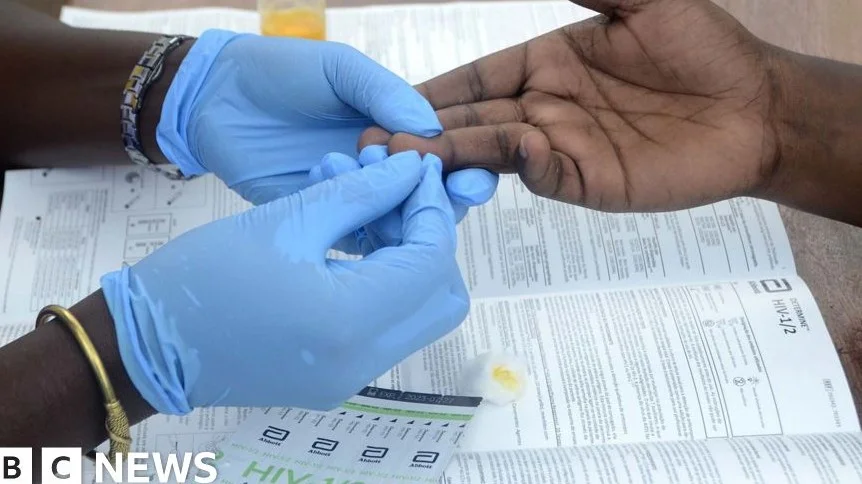
Zimbabwe’s HIV gains are usually told as a single number: new infections down from an estimated 79,000 in 2010 to 15,000 in 2023, according to UNAIDS figures reported by Al Jazeera. Among people aged 15 to 24, the fall ran from roughly 27,000 to 4,400.
Those are estimates, not registries, and they describe a past decade rather than the next one. Two developments now test them at once: the unravelling of the financing model that paid for much of Zimbabwe’s treatment and prevention work, and a cohort of young people who never saw the wards that taught their parents to fear the virus.
What Zimbabwe’s HIV Gains Actually Rest On
The financing side is documented. The US embassy in Harare says Washington provided more than $1.9bn in health funding to Zimbabwe over two decades, and that 1.2 million men, women and children currently receive HIV treatment through US-supported programmes, the BBC reported.
That figure is the crux. Zimbabwe’s HIV gains were never self-financed at scale. They were co-financed, and the co-financier has changed its terms.
Since returning to office, US President Donald Trump has slashed foreign aid and closed USAID, arguing its spending was wasteful. His administration says it is pursuing government-to-government deals instead. The US embassy in Zimbabwe says 16 African countries have signed such pacts, representing more than $18.3bn in new funding.
A Rejected $367m Deal And A Text Nobody Has Published
Zimbabwe is not among the 16. It rejected a five-year package worth $367m (£272m). The decision became public after a government memo dated December was leaked; the BBC reports that President Emmerson Mnangagwa described the arrangement as “lopsided”.
The two governments give different accounts of why. Government spokesman Nick Mangwana said Washington wanted access to biological samples for research and commercial gain without sharing the benefits — vaccines, diagnostics or treatments — that might flow from them. In essence, our nation would provide the raw materials for scientific discovery without any assurance that the end products would be accessible to our people should a future health crisis emerge,” he said.
US ambassador Pamela Tremont framed the loss differently. “We believe this collaboration would have delivered extraordinary benefits for Zimbabwean communities especially the 1.2 million men, women and children currently receiving HIV treatment through US-supported programmes,” she said, adding that Washington would “turn to the difficult and regrettable task of winding down our health assistance in Zimbabwe.”
Separating confirmed fact from claim matters here. Confirmed: the offer was rejected, the sum involved, and the embassy’s winding-down statement. Contested: the precise scope of the data-sharing clause. Neither government has published the agreement text. Zimbabwe’s account of the terms rests on its own officials; Washington’s rests on its embassy.
The dispute is not isolated. The BBC reports that Kenya’s High Court suspended a similar health funding agreement after a consumer rights lobby filed a case citing concerns about the safety of Kenyans’ health data. Mangwana linked the deals to the US withdrawal from the World Health Organization, pointing to the WHO’s Pathogen Access and Benefit Sharing scheme as the model Zimbabwe would prefer.
Why Young People Are The Weak Point
Zimbabwe’s HIV gains are exposed on a second, quieter front. UNAIDS estimated that 210,000 adolescent girls and young women aged 15 to 24 acquired HIV worldwide in 2023. About 160,000 of those infections were in sub-Saharan Africa, and nearly 60 percent of the global total occurred in Eastern and Southern Africa.
In Zimbabwe, Dr Misheck Ruwende, a family physician and stigma-reduction advocate, said in a public address on Twitter in September, followed by Al Jazeera, that the country risked reversing progress “at a time we have the best options to prevent HIV, from rapid testing, PrEP, condoms, PEP to injectables.”
The evidence for a shift in youth attitudes is thinner than the anecdote. Shaun Moyo, a 48-year-old nurse who began at Parirenyatwa Hospital in Harare in the late 1990s and still works locum shifts at two public hospitals, recalls: “In the 90s every weekend was a trek to cemeteries, not weddings.” She cites a Facebook exchange among her son and his friends in which one comment suggested high blood pressure was worse than HIV. That is one observation, not a survey; the sources contain no national youth-attitude data.
The Tools Exist, The Delivery Is The Test
Prevention technology has moved faster than the messaging around it. The PURPOSE 1 Phase 3 trial examined lenacapavir, an injectable given twice a year. In the primary analysis, none of the 2,134 women who received the drug acquired HIV. Dr Linda-Gail Bekker, a co-author of the trial report, argues communication has not kept pace: “Beating the old drum about the horrors of HIV, and shouting to youths about condoms is not necessarily going to cut it.”
Delivery is being rebuilt from the ground up. Angela Gutu, a 23-year-old peer educator, organises pop-up services with the Harare municipality, the health ministry, NGOs and churches at markets, transport hubs, university campuses and sporting events, offering self-testing kits and condoms. “It’s about speaking young people’s lingo, taking away the HIV stigma,” she said.
Dr Innocent Hove, Provincial Medical Officer for Harare Metropolitan Province, told reporters at an August meeting that HIV among young Zimbabweans was an urgent priority, citing decentralised PrEP, PEP, testing and treatment, plus mobile trucks serving informal mining communities.
Funding pressure already reached this layer. UNAIDS reported in March 2025 that disruptions to US-funded HIV programmes in Zimbabwe had affected services for key populations, including PrEP, testing and counselling.
The Bigger Picture
Zimbabwe’s government has not closed the door. Mangwana said the refusal “should not be misconstrued as anti-American sentiment” and welcomed continued dialogue. The Zimbabwe College of Public Health Physicians, while saying it understood the government’s concerns, argued that disputes over data governance “can often be addressed through technical clarification and negotiated safeguards.”
That is the test now running. Zimbabwe’s HIV gains were built on a financing arrangement being renegotiated country by country, and on prevention behaviour every new cohort has to learn for itself. One pillar is being repriced. The other cannot be bought at all.
“My generation was born with the best array of HIV prevention tools,” said Bongani, who plans to volunteer as a peer educator through the health ministry’s programme in January. “It’ll be a tragedy if AIDS deaths make a dramatic comeback due to our reckless behaviours.”
Frequently Asked Questions
Why did Zimbabwe reject the $367m US health deal?
According to government spokesman Nick Mangwana, Washington demanded access to biological samples for research and commercial gain without guaranteeing that any resulting vaccines, diagnostics or treatments would be shared with Zimbabwe. President Emmerson Mnangagwa reportedly called the deal “lopsided” in a December memo that was later leaked. The full agreement text has not been published by either side.
How much has the US spent on health in Zimbabwe?
The US embassy in Harare says Washington has provided more than $1.9bn in health funding to Zimbabwe over the last two decades, and that 1.2 million people currently receive HIV treatment through US-supported programmes.
How much have new HIV infections fallen in Zimbabwe?
UNAIDS estimates annual new infections fell from 79,000 in 2010 to 15,000 in 2023. Among people aged 15 to 24, infections declined from about 27,000 to 4,400 over the same period. These are modelled estimates rather than counted case registries.
FIRST TIME REACTIONS:
Be the first to leave us a comment – Zimbabwe’s HIV Gains Face A Test Among Young People, down the comment section.
JOIN US ON OUR SOCIAL MEDIA:
About Paul Nwogo
Paul Nwogo is an engineer, published author, and the Head Manager at AfriLatest. He has written numerous books available on Amazon covering a diverse range of topics, including health, personal finance, relationships, work ethics, and scam survival. With his technical background and passion for writing, Paul now oversees the editorial direction of AfriLatest, delivering practical, accurate, and engaging content on trending news, music, and global lifestyle topics.
View all articles by Paul Nwogo-

 Car Reviews2 weeks ago
1955 Chevy Bel Air Restomod: What SEMA Really Proves
-
Savings & Investing4 weeks ago
Hidden Medicare Fees Draining Your Retirement Savings
-
JAMB & WAEC4 weeks ago
JAMB Admission Process: What Changed And What Is Still Talk
-
World News4 weeks ago
Sheinbaum No Proof Maduro: Mexico’s Test of US Evidence
-
Movies & TV4 weeks ago
Wizkid Starboy Desire Ft Banky W Shaydee: Fact Or Fan Fiction?
-
Trend politics4 weeks ago
How 24-Hour Online Scrutiny Is Running Out Leaders